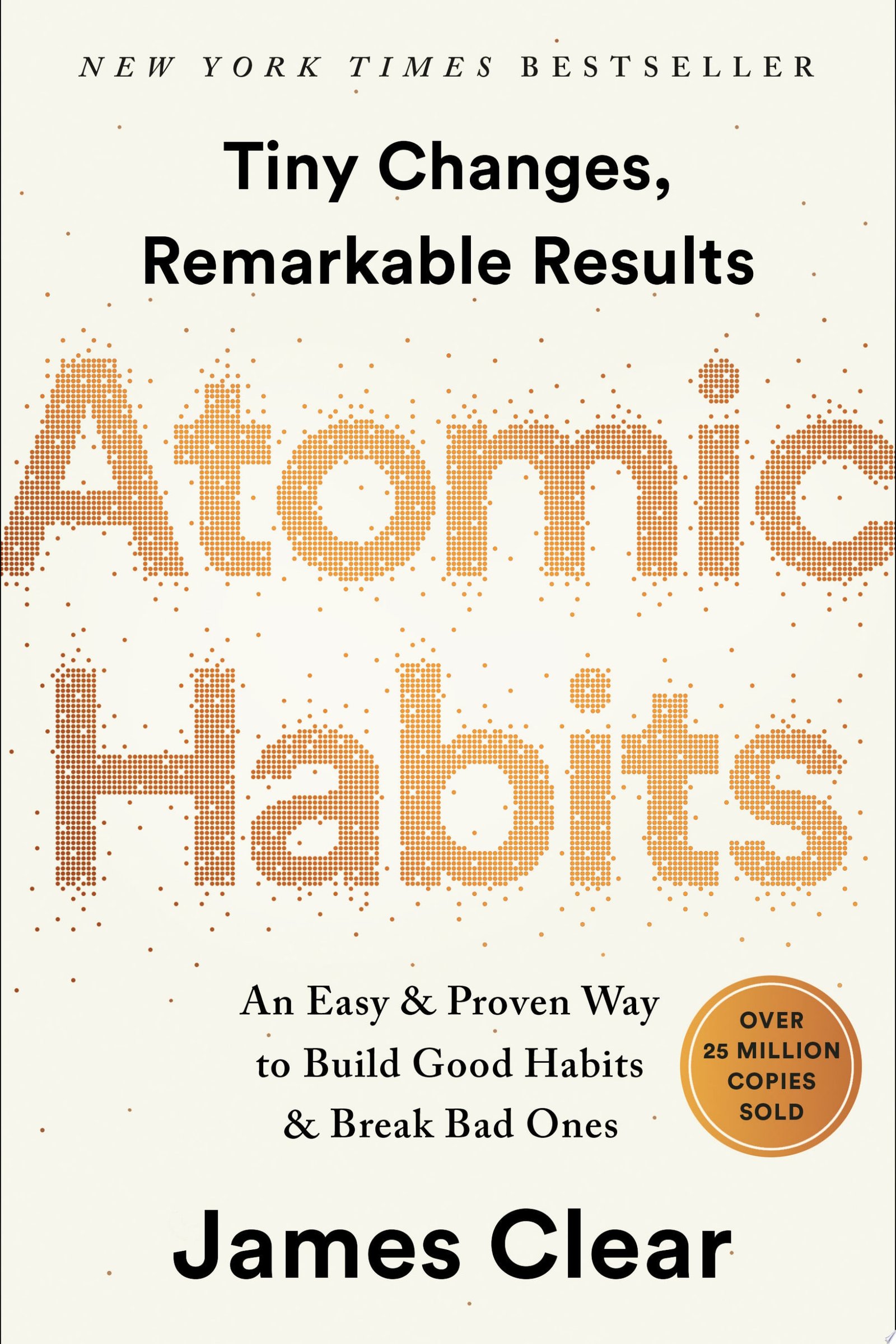
Cover of Atomic Habits: An Easy & Proven Way to Build Good Habits & Break Bad Ones by James Clear

5 book recommendations

Books Like “Atomic Habits: An Easy & Proven Way to Build Good Habits & Break Bad Ones” by James Clear

Readers like "Atomic Habits" for its science-backed frameworks, actionable behavioral insights, and the empowering truth that tiny daily changes create massive results. If you are ready to continue mastering your routines and unlocking personal growth, dive into our curated collection to discover your next transformative read.

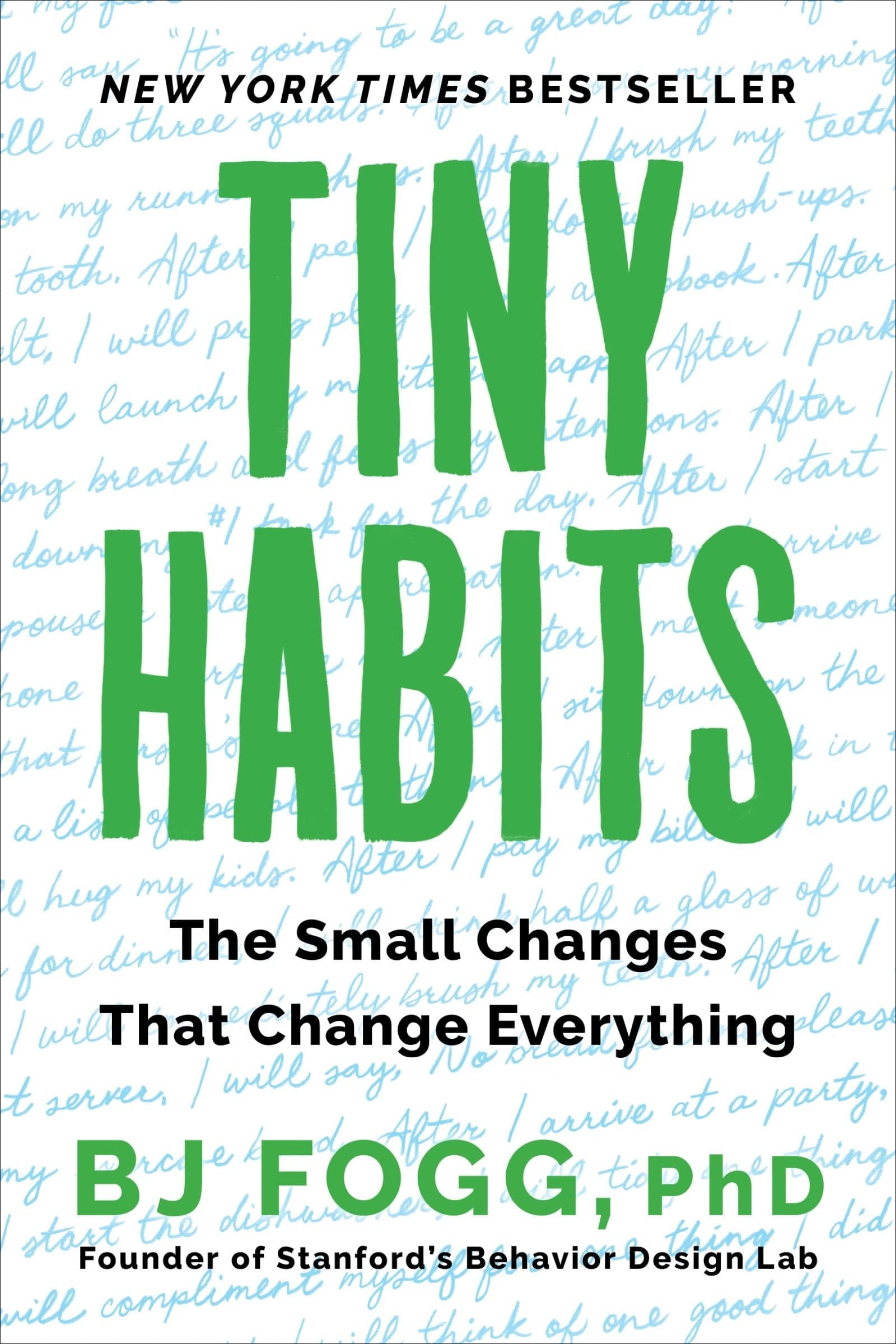
  1. Cover of Tiny Habits: The Small Changes That Change Everything by BJ Fogg

    Cover not available

    Tiny Habits: The Small Changes That Change Everything

    by BJ Fogg

    New York Times Bestseller | A habit expert from Stanford University shares his breakthrough method for building habits quickly and easily. With Tiny Habits you'll increase productivity by tapping into positive emotions to create a happier and healthier life. Dr. Fogg's new and extremely practical method picks up where Atomic Habits left off. "There are many great books on the topic [of habits]: The Power of Habit, Atomic Habits, but this offers the most comprehensive, practical, simple, and compassionate method I've ever come across." --John Stepper, Goodreads user BJ FOGG is here to change your life--and revolutionize how we think about human behavior. Based on twenty years of research and Fogg's experience coaching more than 40,000 people, Tiny Habits cracks the code of habit formation. With breakthrough discoveries in every chapter, you'll learn the simplest proven ways to transform your life. Fogg shows you how to feel good about your successes instead of bad about your failures. This proven, step-by-step guide will help you design habits and make them stick through positive emotion and celebrating small successes. Whether you want to lose weight, de-stress, sleep better, or be more productive each day, Tiny Habits makes it easy to achieve--by starting small.

    Why it's similar

    Both titles advocate for compounding incremental change, emphasizing that sustainable transformation occurs by reducing behavioral friction and starting with micro-actions anchored to existing routines.

    What's different

    Fogg structures his method specifically around the academic Fogg Behavior Model and relies on deliberate emotional celebration to wire in habits, resulting in a more clinical framework.

  2. Cover of Good Habits, Bad Habits: The Science of Making Positive Changes That Stick by Wendy Wood

    Cover not available

    Good Habits, Bad Habits: The Science of Making Positive Changes That Stick

    by Wendy Wood

    A landmark book about how we form habits, and what we can do with this knowledge to make positive change We spend a shocking 43 percent of our day doing things without thinking about them. That means that almost half of our actions aren’t conscious choices but the result of our non-conscious mind nudging our body to act along learned behaviors. How we respond to the people around us; the way we conduct ourselves in a meeting; what we buy; when and how we exercise, eat, and drink—a truly remarkable number of things we do every day, regardless of their complexity, operate outside of our awareness. We do them automatically. We do them by habit. And yet, whenever we want to change something about ourselves, we rely on willpower. We keep turning to our conscious selves, hoping that our determination and intention will be enough to effect positive change. And that is why almost all of us fail. But what if you could harness the extraordinary power of your unconscious mind, which already determines so much of what you do, to truly reach your goals? Wendy Wood draws on three decades of original research to explain the fascinating science of how we form habits, and offers the key to unlocking our habitual mind in order to make the changes we seek. A potent mix of neuroscience, case studies, and experiments conducted in her lab, Good Habits, Bad Habits is a comprehensive, accessible, and above all deeply practical book that will change the way you think about almost every aspect of your life. By explaining how our brains are wired to respond to rewards, receive cues from our surroundings, and shut down when faced with too much friction, Wood skillfully dissects habit formation, demonstrating how we can take advantage of this knowledge to form better habits. Her clear and incisive work shows why willpower alone is woefully inadequate when we’re working toward building the life we truly want, and offers real hope for those who want to make positive change.

    Why it's similar

    Both texts highlight the critical role of environmental design and context cues in shaping behavior, arguing that relying on sheer willpower is ineffective for long-term change.

    What's different

    Wood writes from the perspective of a primary research scientist, offering a comprehensive, empirical look at laboratory studies rather than a practical, productivity-oriented self-help framework.

  3. Cover of Better Than Before: What I Learned About Making and Breaking Habits by Gretchen Rubin

    Cover not available

    Better Than Before: What I Learned About Making and Breaking Habits

    by Gretchen Rubin

    NEW YORK TIMES BESTSELLER • The author of The Happiness Project and “a force for real change” (Brené Brown) examines how changing our habits can change our lives. “If anyone can help us stop procrastinating, start exercising, or get organized, it’s Gretchen Rubin. The happiness guru takes a sledgehammer to old-fashioned notions about change.”—Parade Most of us have a habit we’d like to change, and there’s no shortage of expert advice. But as we all know from tough experience, no magic, one-size-fits-all solution exists. It takes work to make a habit, but once that habit is set, we can harness the energy of habits to build happier, stronger, more productive lives. In Better Than Before, acclaimed writer Gretchen Rubin identifies every approach that actually works. She presents a practical, concrete framework to allow readers to understand their habits—and to change them for good. Infused with Rubin’s compelling voice, rigorous research, and easy humor, and packed with vivid stories of lives transformed, Better Than Before explains the (sometimes counterintuitive) core principles of habit formation and answers the most perplexing questions about habits: • Why do we find it tough to create a habit for something we love to do? • How can we keep our healthy habits when we’re surrounded by temptations? • How can we help someone else change a habit? Rubin reveals the true secret to habit change: first, we must know ourselves. When we shape our habits to suit ourselves, we can find success—even if we’ve failed before. Whether you want to eat more healthfully, stop checking devices, or finish a project, the invaluable ideas in Better Than Before will start you working on your own habits—even before you’ve finished the book.

    Why it's similar

    Both works dismantle daily routines into practical frameworks and share the core premise that intentional habits are the foundation for a productive, fulfilling life.

    What's different

    Rubin filters habit formation through individual personality types (the Four Tendencies) and personal anecdotes, whereas Clear focuses on universal behavioral mechanics and systems architecture.

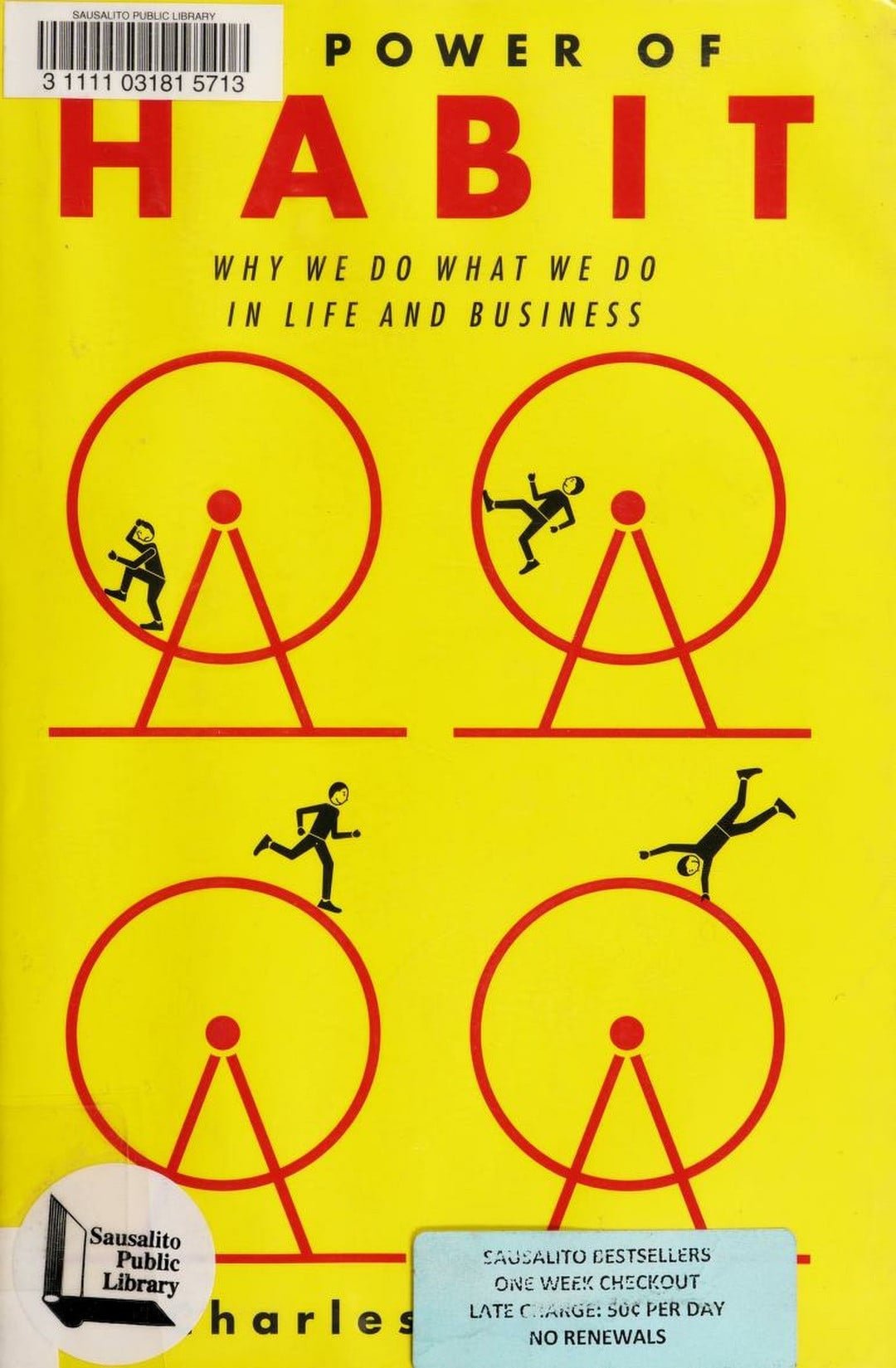
  4. Cover of The Power of Habit: Why We Do What We Do in Life and Business by Charles Duhigg

    Cover not available

    The Power of Habit: Why We Do What We Do in Life and Business

    by Charles Duhigg

    NEW YORK TIMES BESTSELLER • For anyone looking to rebuild old habits, form new ones, or start all over, this instant classic “masterfully combines cutting-edge research and captivating stories to reveal how habits shape our lives and how we can shape our habits” (Daniel H. Pink, author of Drive). Named One of the Best Books of the Year by The Wall Street Journal and Financial Times In The Power of Habit, award-winning business reporter Charles Duhigg takes us to the thrilling edge of scientific discoveries that explain why habits exist and how they can be changed. Distilling vast amounts of information into engrossing narratives that take us from the boardrooms of Procter & Gamble to the sidelines of the NFL to the front lines of the civil rights movement, Duhigg presents a whole new understanding of human nature and its potential. At its core, The Power of Habit contains an exhilarating argument: The key to exercising regularly, losing weight, being more productive, and achieving success is understanding how habits work. As Duhigg shows, by harnessing this new science, we can transform our businesses, our communities, and our lives. Praise for The Power of Habit “Sharp, provocative, and useful.”—Jim Collins “Few [books] become essential manuals for business and living. The Power of Habit is an exception. Charles Duhigg not only explains how habits are formed but how to kick bad ones and hang on to the good.”—Financial Times “A flat-out great read.”—David Allen, bestselling author of Getting Things Done: The Art of Stress-Free Productivity “Entertaining . . . enjoyable . . . fascinating . . . a serious look at the science of habit formation and change.”—The New York Times Book Review

    Why it's similar

    Both focus on the psychology and neuroscience of habit formation, using clear models (habit loop vs. cue–craving–response–reward) and real-world examples to show how small behavioral shifts can create large life and work changes.

    What's different

    It leans more toward explaining the science of habits and case studies from companies and individuals, with less step‑by‑step daily implementation guidance than Atomic Habits.

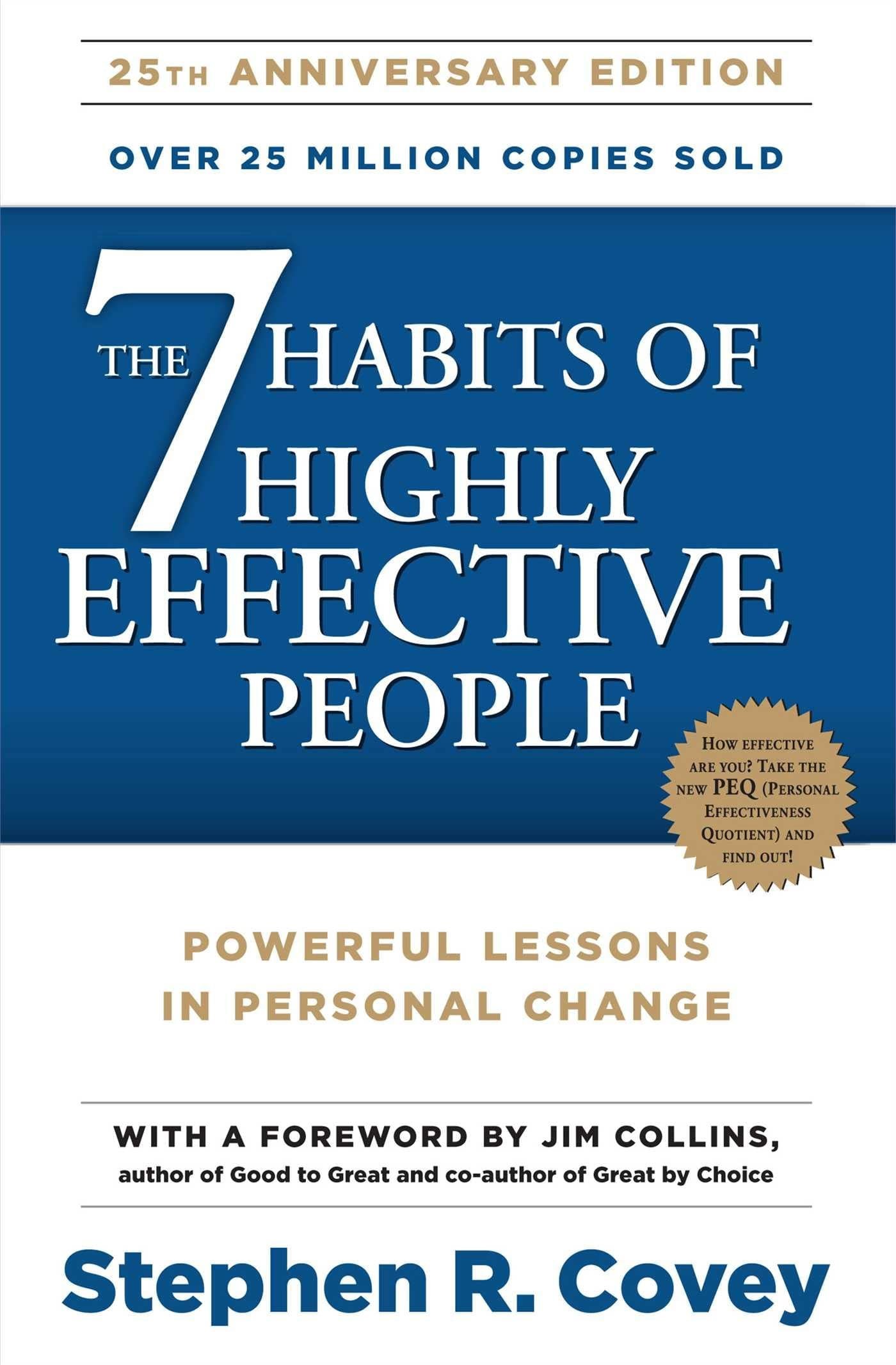
  5. Cover of The 7 Habits of Highly Effective People: Powerful Lessons in Personal Change by Stephen R. Covey

    Cover not available

    The 7 Habits of Highly Effective People: Powerful Lessons in Personal Change

    by Stephen R. Covey

    In The 7 Habits of Highly Effective People, author Stephen R. Covey presents a holistic, integrated, principle-centered approach for solving personal and professional problems. With penetrating insights and pointed anecdotes, Covey reveals a step-by-step pathway for living with fairness, integrity, service, and human dignity -- principles that give us the security to adapt to change and the wisdom and power to take advantage of the opportunities that change creates.

    Why it's similar

    Both books are non-fiction self-help aimed at general readers, outlining a set of core habits and principles, supported by stories and actionable advice, to improve productivity, relationships, and long-term life outcomes.

    What's different

    It presents a broader, values-driven philosophy of personal and interpersonal effectiveness with a more formal, reflective tone, rather than focusing narrowly on the mechanics of habit formation and behavior design.

Looking for something else?

Use our book recommendation tool to discover books similar to any of your favorites.

Find similar books with LibroMatch