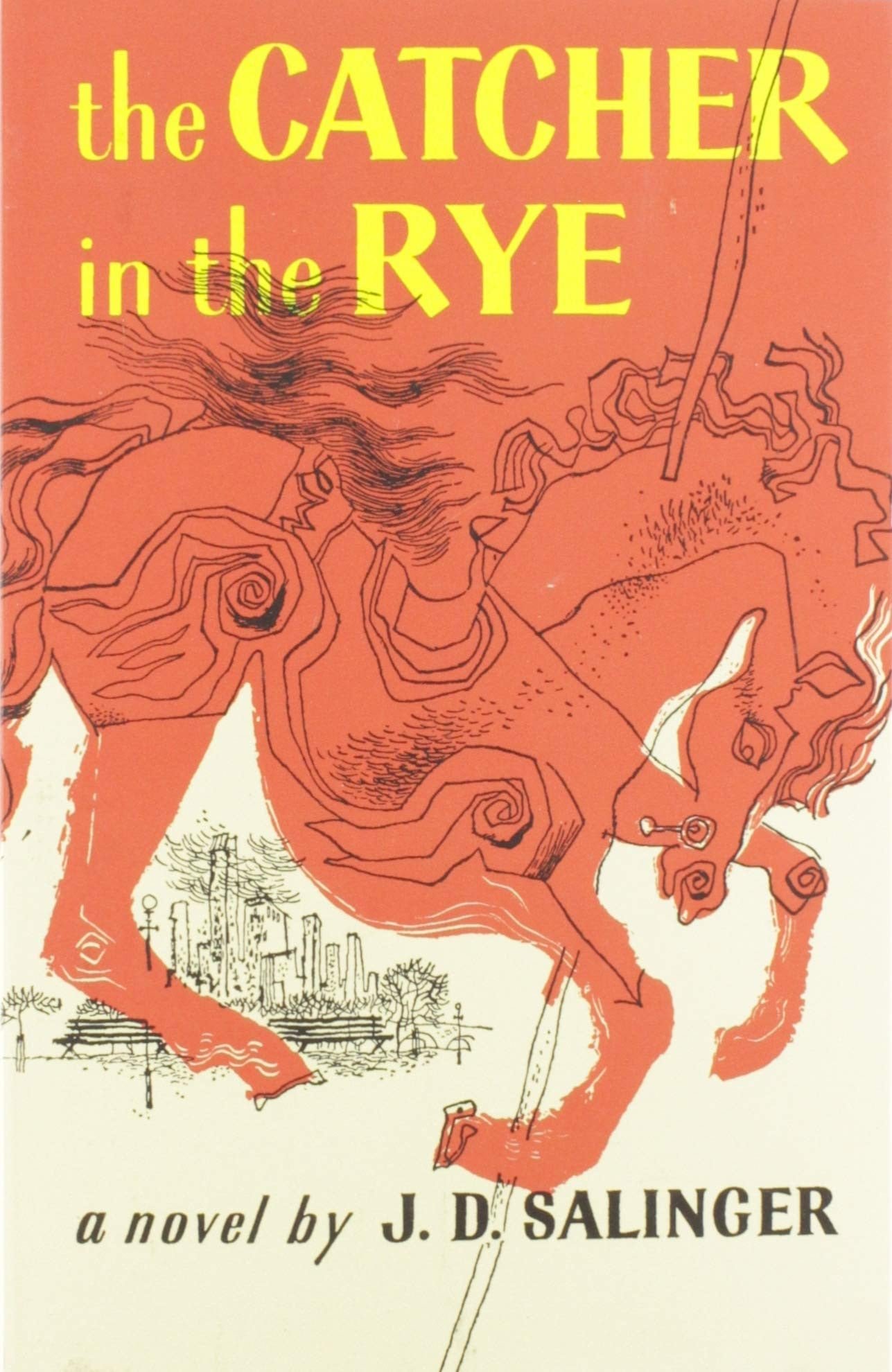
Cover of The Catcher in the Rye by J.D. Salinger

4 book recommendations

Books Like “The Catcher in the Rye” by J.D. Salinger

Readers have long connected with The Catcher in the Rye for its raw teenage alienation and unfiltered search for authenticity. If Holden Caulfield’s rebellious, poignant coming-of-age journey resonated with you, you are in the right place. Dive into our curated recommendations below to find your next unforgettable read.

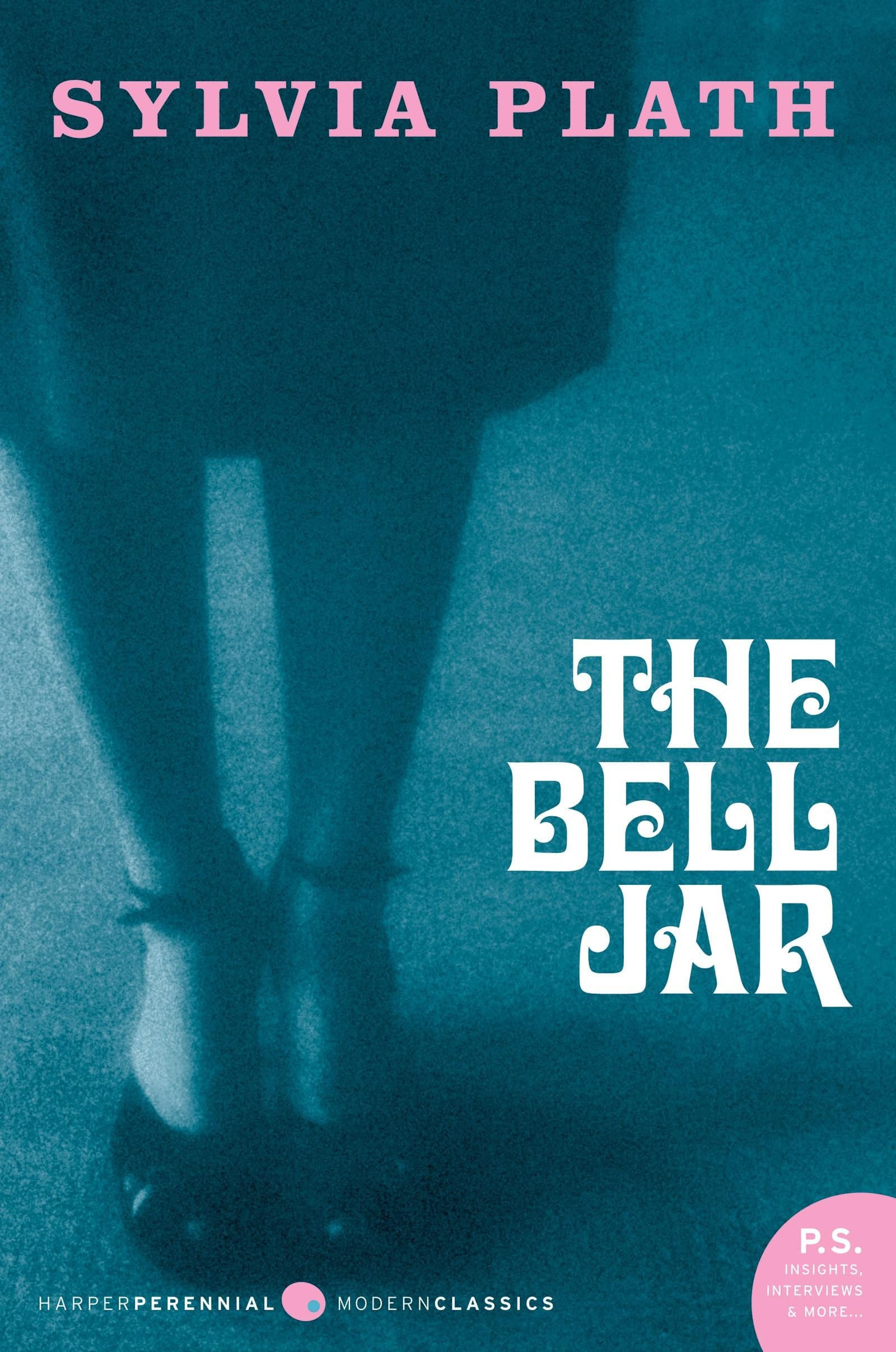
  1. Cover of The Bell Jar by Sylvia Plath

    Cover not available

    The Bell Jar

    by Sylvia Plath

    The Bell Jar chronicles the crack-up of Esther Greenwood: brilliant, beautiful, enormously talented, and successful, but slowly going under -- maybe for the last time. Sylvia Plath masterfully draws the reader into Esther's breakdown with such intensity that Esther's insanity becomes completely real and even rational, as probable and accessible an experience as going to the movies. Such deep penetration into the dark and harrowing corners of the psyche is an extraordinary accomplishment and has made The Bell Jar a haunting American classic.

    This P.S. edition features an extra 16 pages of insights into the book, including author interviews, recommended reading, and more.

    Why it's similar

    Both works are mid-century coming-of-age narratives set partly in New York City, featuring sardonic narrators who sharply critique societal phoniness while descending into a severe mental health crisis.

    What's different

    Plath focuses centrally on the gendered restrictions and institutional pressures faced by young women in the 1950s, detailing clinical depression with far darker, more despairing psychological realism.
  2. Cover of A Separate Peace by John Knowles

    Cover not available

    A Separate Peace

    by John Knowles

    Nominated as one of America’s best-loved novels by PBS’s The Great American Read.

    An American classic and great bestseller for over thirty years, A Separate Peace is timeless in its description of adolescence during a period when the entire country was losing its innocence to World War II.

    Set at a boys' boarding school in New England during the early years of World War II, A Separate Peace is a harrowing and luminous parable of the dark side of adolescence. Gene is a lonely, introverted intellectual. Phineas is a handsome, taunting, daredevil athlete. What happens between the two friends one summer, like the war itself, banishes the innocence of these boys and their world.

    Why it's similar

    Both stories take place in elite mid-20th-century New England boarding schools and center on the painful loss of youthful innocence amidst the looming pressures of the adult world.

    What's different

    Knowles frames his novel as a retrospective look at a deeply conflicted, competitive friendship between two boys, presenting a more formal and tragic dramatic arc than Salinger's wandering episodic journey.

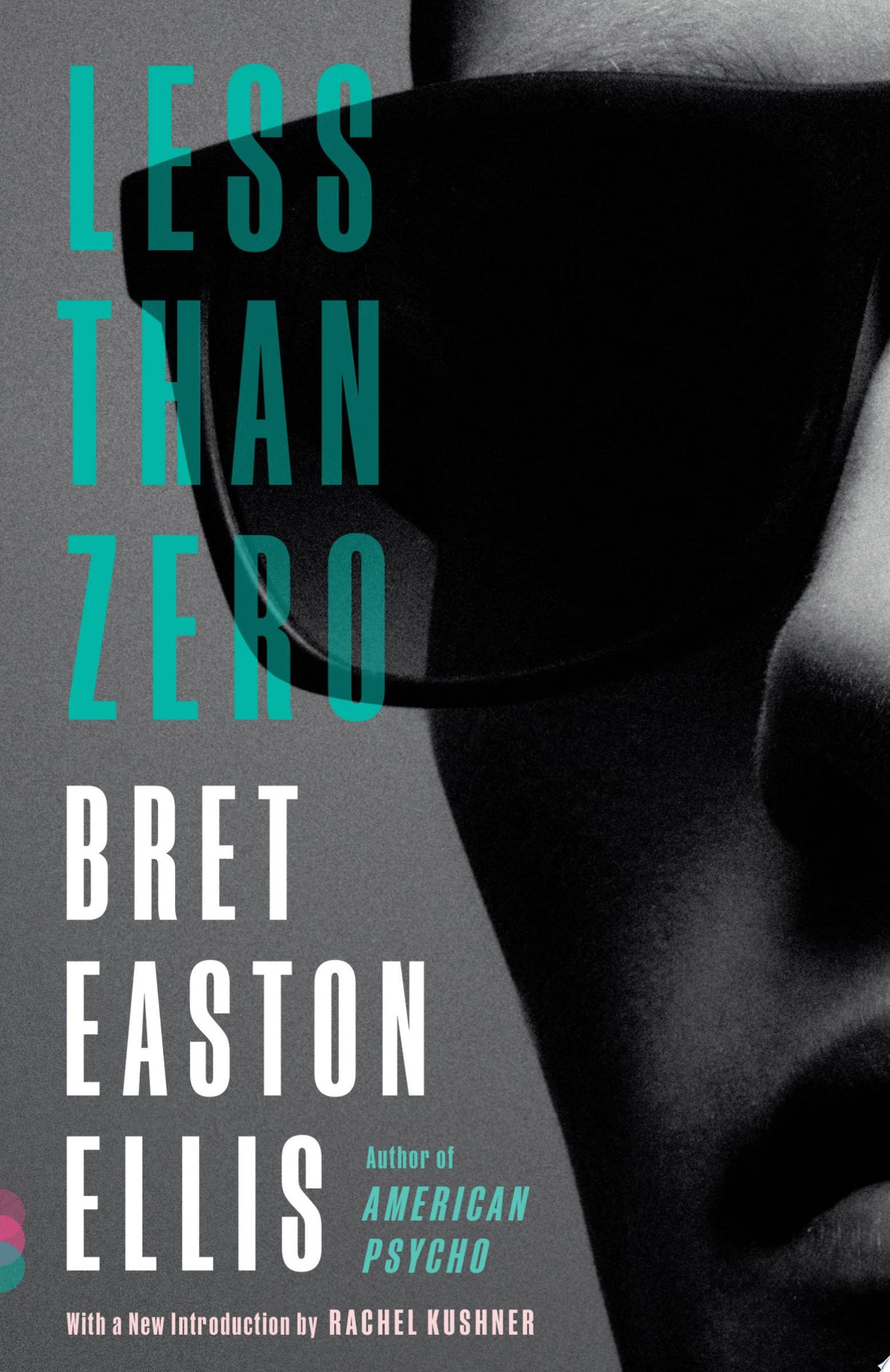
  3. Cover of Less Than Zero by Bret Easton Ellis

    Cover not available

    Less Than Zero

    by Bret Easton Ellis

    NEW YORK TIMES BESTSELLER • The timeless classic from the acclaimed author of American Psycho about the lost generation of 1980s Los Angeles who experienced sex, drugs, and disaffection at too early an age. • The basis for the cult-classic film "Possesses an unnerving air of documentary reality." —The New York Times

    They live in a world shaped by casual nihilism, passivity, and too much money in a place devoid of feeling or hope. When Clay comes home for Christmas vacation from his Eastern college, he re-enters a landscape of limitless privilege and absolute moral entropy, where everyone drives Porsches, dines at Spago, and snorts mountains of cocaine. He tries to renew feelings for his girlfriend, Blair, and for his best friend from high school, Julian, who is careering into hustling and heroin.

    Clay's holiday turns into a dizzying spiral of desperation that takes him through the relentless parties in glitzy mansions, seedy bars, and underground rock clubs and also into the seamy world of L.A. after dark.

    Why it's similar

    Both books chronicle an affluent, alienated young narrator wandering through a major city on school break while observing the decadence and hypocrisy of the social circle around them.

    What's different

    Ellis employs a numb, nihilistic, and hyper-detached tone steeped in drug culture, contrasting with Holden Caulfield's deeply moral, protective impulse to preserve innocence.

  4. Cover of The Perks of Being a Wallflower by Stephen Chbosky

    Cover not available

    The Perks of Being a Wallflower

    by Stephen Chbosky

    “A timeless story for every young person who needs to understand that they are not alone.” —Judy Blume

    “Once in a while, a novel comes along that becomes a generational touchstone. The Perks of Being a Wallflower is one of those books.” —R. J. Palacio, #1 New York Times bestselling author of Wonder

    This #1 New York Times bestselling coming-of-age story with millions of copies in print takes a sometimes heartbreaking, often hysterical, and always honest look at high school in all its glory.

    The critically acclaimed debut novel from Stephen Chbosky follows observant “wallflower” Charlie as he charts a course through the strange world between adolescence and adulthood. First dates, family drama, and new friends. Sex, drugs, and The Rocky Horror Picture Show. Devastating loss, young love, and life on the fringes. Caught between trying to live his life and trying to run from it, Charlie must learn to navigate those wild and poignant roller-coaster days known as growing up.

    A #1 New York Times bestseller for more than a year, adapted into a major motion picture starring Logan Lerman and Emma Watson (and written and directed by the author), and an American Library Association Best Book for Young Adults (2000) and Best Book for Reluctant Readers (2000), this novel for teen readers (or wallflowers of more-advanced age) will make you laugh, cry, and perhaps feel nostalgic for those moments when you, too, tiptoed onto the dance floor of life.

    Why it's similar

    Both focus on sensitive, observant teens who feel out of step with their peers, exploring themes of trauma, sexuality, and the struggle to fit into a confusing social world through intimate, voice-driven narration.

    What's different

    The epistolary structure and ensemble of friends create a more outwardly sentimental and therapeutic arc, ultimately offering a more hopeful sense of healing and connection.

Looking for something else?

Use our book recommendation tool to discover books similar to any of your favorites.

Find similar books with LibroMatch