Books Like “Anne of Green Gables” by L.M. Montgomery
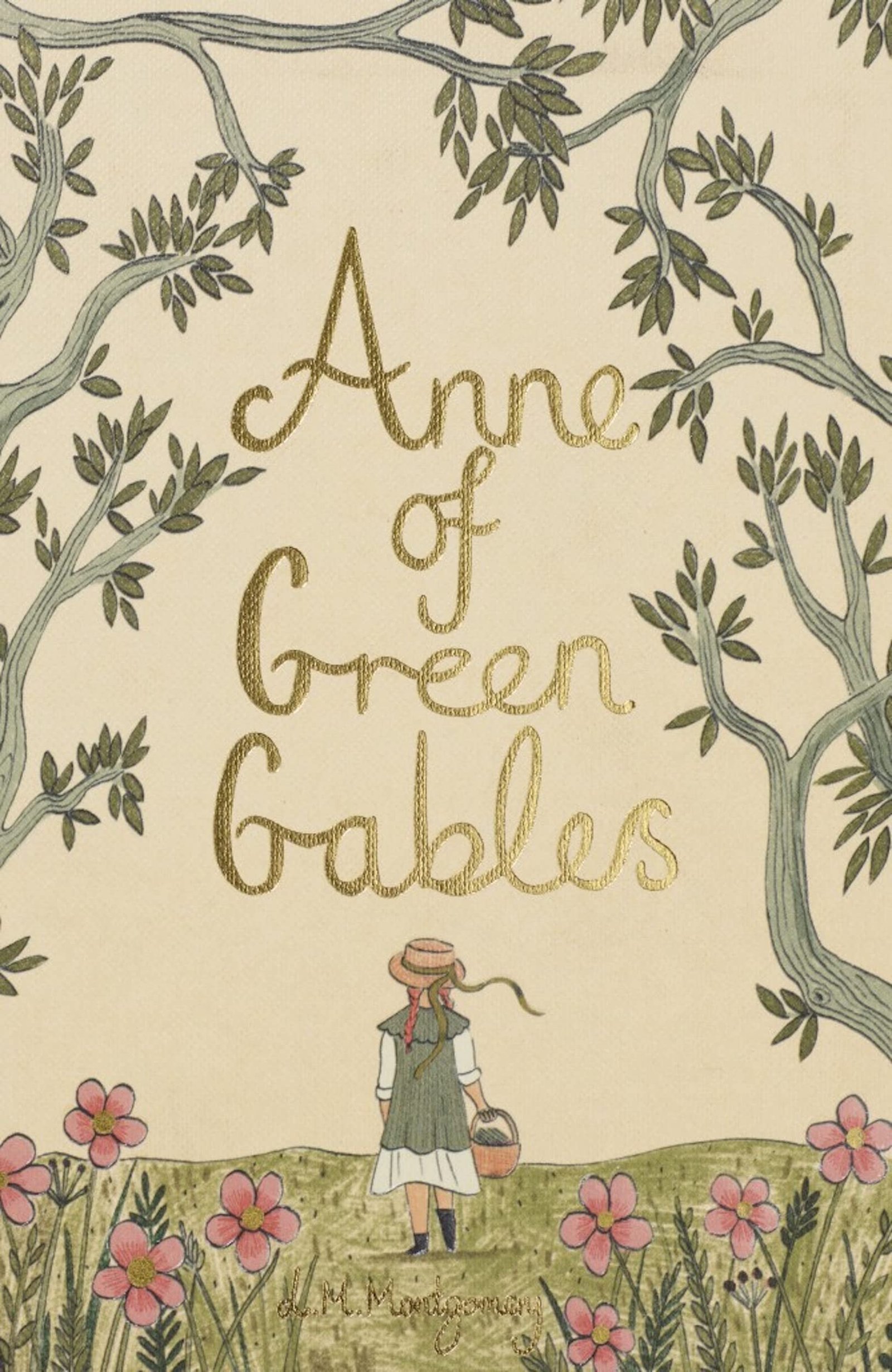
If you fell in love with Anne of Green Gables for its spirited heroine, boundless imagination, and heartwarming charm, you are in good company. Montgomery's classic coming-of-age tale captures the timeless magic of finding family, friendship, and wonder in the everyday world. Explore these kindred-spirit stories to discover your next uplifting, cozy read.
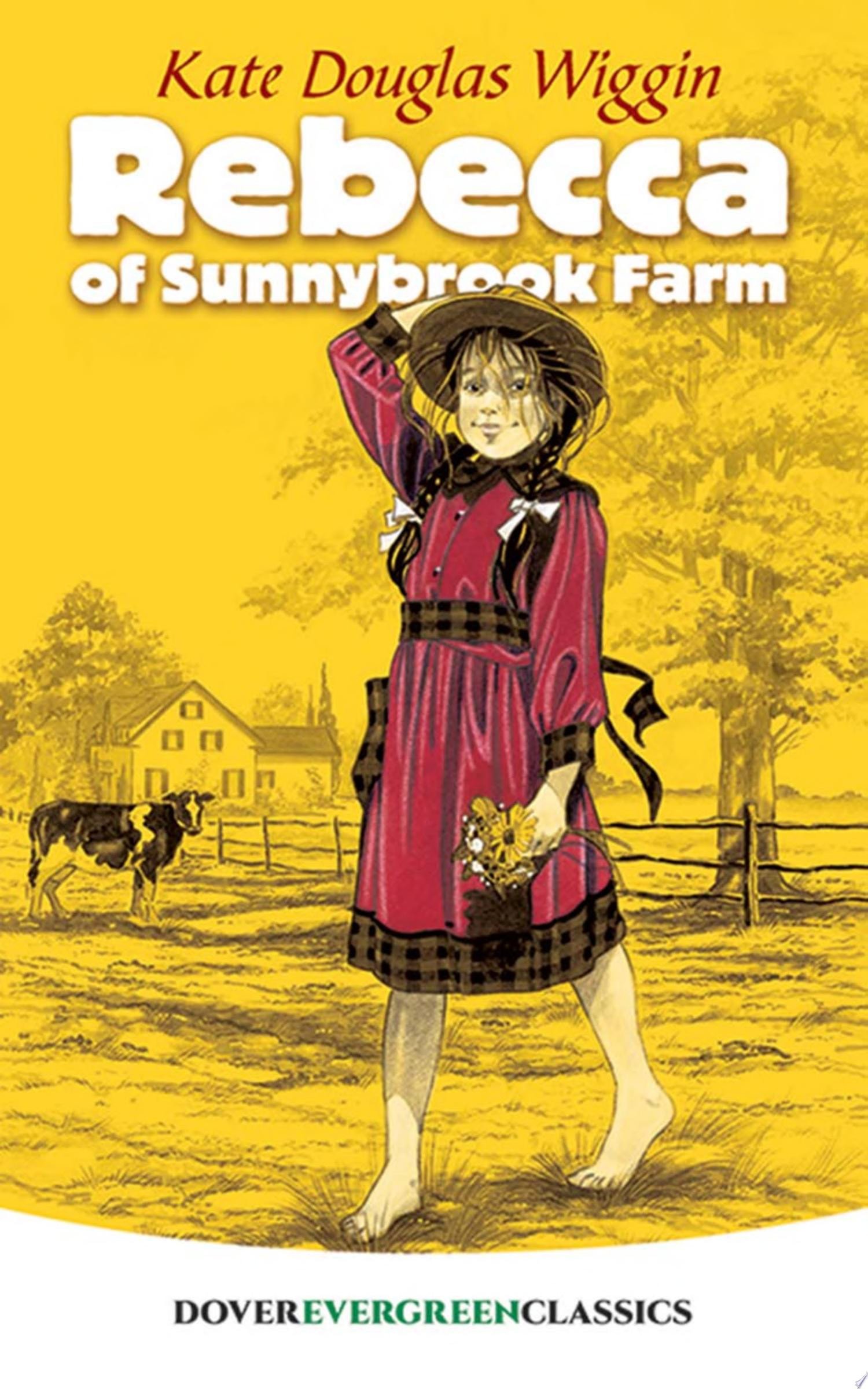
When two unmarried aunts kindly agree to take in their poor relation, they find that young Rebecca Randall is more than they bargained for. The opinionated youngster is definitely a handful. Rebecca's lively and enthusiastic nature eventually wins over all doubters, but not before she nearly turns the town of Riverboro topsy-turvy.
Why it's similar
Both novels center on an imaginative, spirited, and talkative girl sent to live with strict, elderly unmarried sisters in a rural village, eventually winning over the community with her warmth and creativity.
What's different
Unlike Anne, who is a lonely orphan searching for belonging, Rebecca has a living mother and siblings to whom she remains tied, creating a central conflict around familial financial duty.
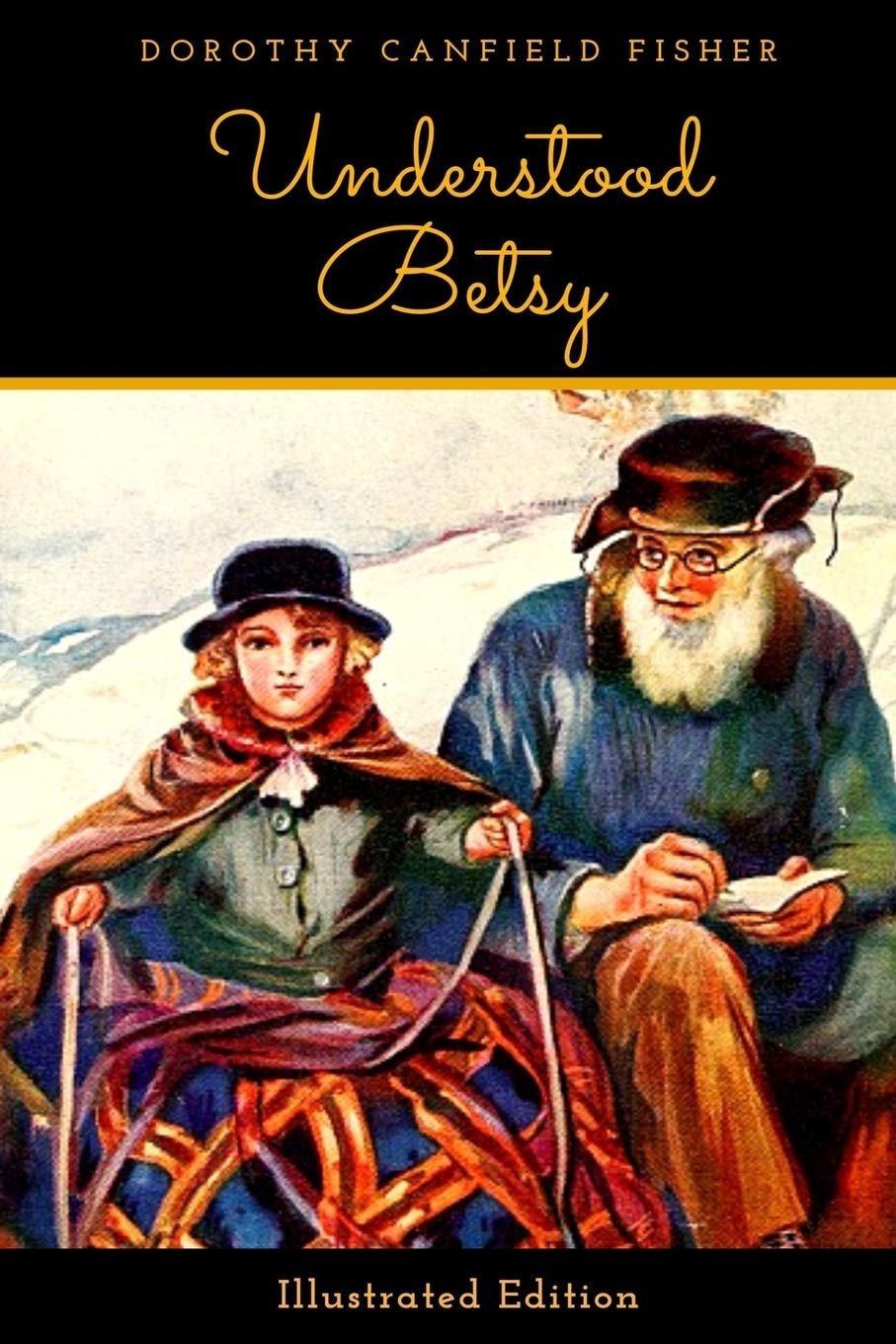
When this story begins, Elizabeth Ann, who is the heroine of it, was a little girl of nine, who lived with her Great-aunt Harriet in a medium-sized city in a medium-sized State in the middle of this country; and that's all you need to know about the place, for it's not the important thing in the story; and anyhow you know all about it because it was probably very much like the place you live in yourself. (...)
It was certainly not because they were not good, for no womenkind in all the world had kinder hearts than they. You have heard how Aunt Harriet kept Grace (in spite of the fact that she was a very depressing person) on account of her asthma; and when Elizabeth Ann's father and mother both died when she was a baby, although there were many other cousins and uncles and aunts in the family, these two women fairly rushed upon the little baby-orphan, taking her home and surrounding her henceforth with the most loving devotion.
They had said to themselves that it was their manifest duty to save the dear little thing from the other relatives, who had no idea about how to bring up a sensitive, impressionable child, and they were sure, from the way Elizabeth Ann looked at six months, that she was going to be a sensitive, impressionable child. It is possible also that they were a little bored with their empty life in their rather forlorn, little brick house in the medium-sized city, and that they welcomed the occupation and new interests which a child would bring in.
But they thought that they chiefly desired to save dear Edward's child from the other kin, especially from the Putney cousins, who had written down from their Vermont farm that they would be glad to take the little girl into their family. But "anything but the Putneys!" said Aunt Harriet, a great many times. They were related only by marriage to her, and she had her own opinion of them as a stiffnecked, cold-hearted, undemonstrative, and hard set of New Englanders. "I boarded near them one summer when you were a baby, Frances, and I shall never forget the way they were treating some children visiting there! ... Oh, no, I don't mean they abused them or beat them ... but such lack of sympathy, such perfect indifference to the sacred sensitiveness of child-life, such a starving of the child-heart ... No, I shall never forget it! They had chores to do ... as though they had been hired men!"
Aunt Harriet never meant to say any of this when Elizabeth Ann could hear, but the little girl's ears were as sharp as little girls' ears always are, and long before she was nine she knew all about the opinion Aunt Harriet had of the Putneys. She did not know, to be sure, what "chores" were, but she took it confidently from Aunt Harriet's voice that they were something very, very dreadful.
- Taken from "Understood Betsy" written by Dorothy Canfield Fisher
Why it's similar
Both stories follow an orphaned girl sent to live on a rural farm with pragmatic, loving relatives, where communion with nature and rural community life facilitate her personal growth.
What's different
While Anne is inherently bold, romantic, and theatrical from the start, Betsy begins as a frail, overprotected, and anxious child whose journey centers on learning self-reliance and practical competence.
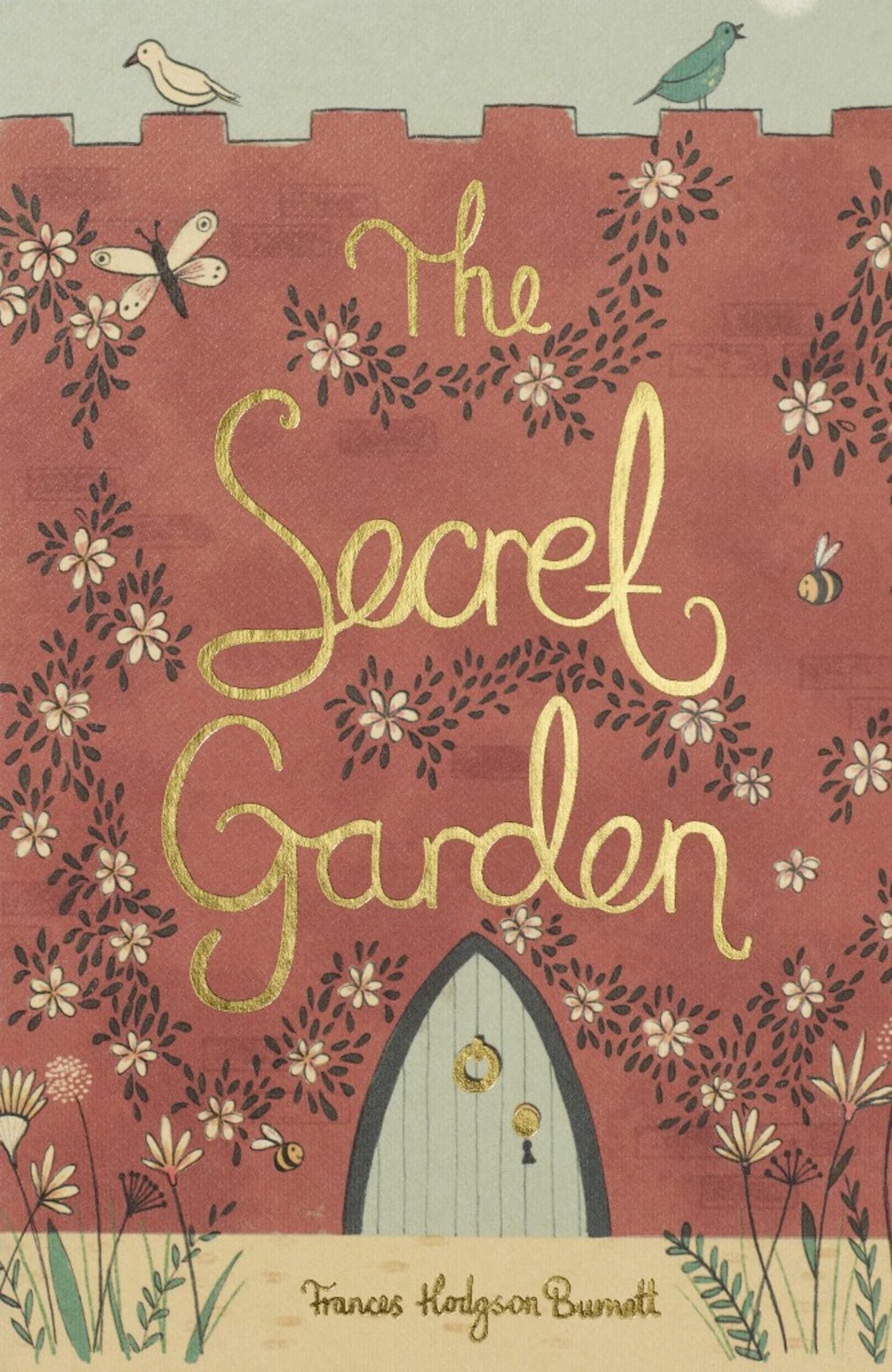
Mary Lennox was horrid. Selfish and spoilt, she was sent to stay with her hunchback uncle in Yorkshire. She hated it.
But when she finds the way into a secret garden and begins to tend to it, a change comes over her and her life. She meets and befriends a local boy, the talented Dickon, and comes across her sickly cousin Colin who had been kept hidden from her. Between them, the three children work astonishing magic in themselves and those around them.
The Secret Gardenis one of the best-loved stories of all time.
Why it's similar
Both classics explore the emotional transformation of an orphan child sent to a remote estate, highlighting the restorative, life-affirming power of nature and pastoral landscapes.
What's different
Burnett's novel carries a darker, more gothic tone focused on secrets and physical illness, whereas Anne of Green Gables is predominantly a sunny, episodic domestic comedy of manners.
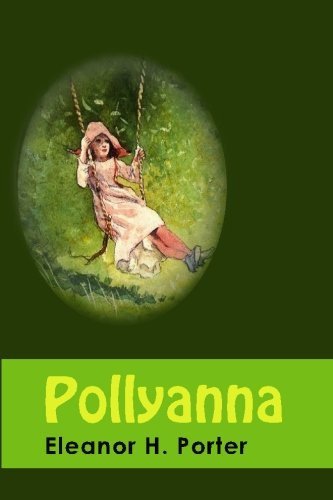
Pollyanna is a best-selling novel by Eleanor H. Porter that is now considered a classic of children's literature. The book was such a success that Porter soon produced a sequel, Pollyanna Grows Up (ISBN 9781439297513 ). The novel's success brought the term "Pollyanna" (along with the adjective "pollyannaish" and the noun "Pollyannaism") into the language to describe someone who seems always to be able to find something to be "glad" about no matter what circumstances arise.
Why it's similar
Both narratives feature an orphaned girl sent to stay with a stern, emotionally rigid spinster guardian, whose arrival irrevocably softens the household and revitalizes the small town.
What's different
Anne experiences dramatic emotional highs, deep despair, and a notorious temper, whereas Pollyanna maintains a more singular, relentlessly optimistic philosophy through her 'Glad Game.'
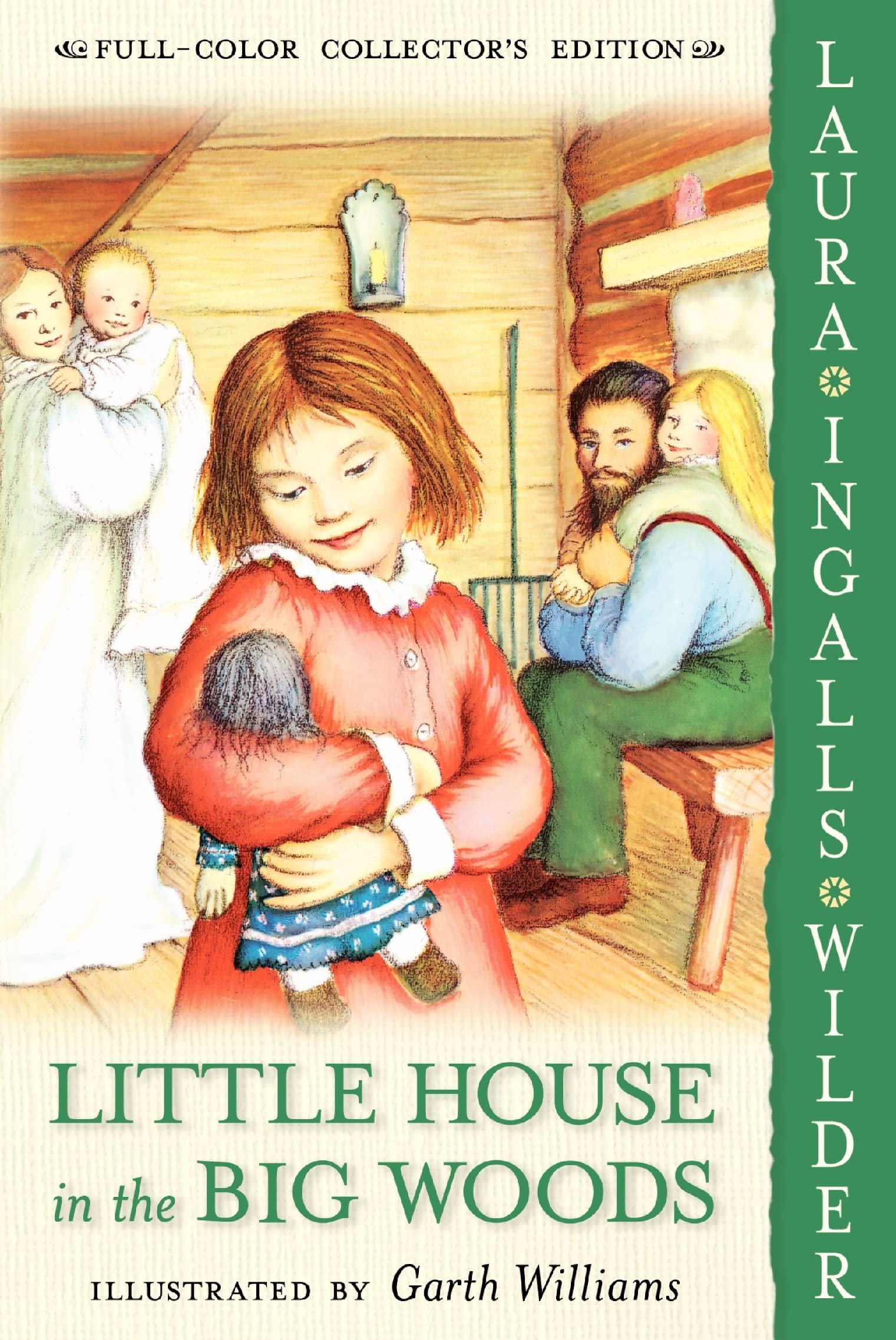
For the first time in the history of the Little House books, this new edition features Garth Williams’ interior art in vibrant, full color, as well as a beautifully redesigned cover.
Laura Ingalls's story begins in 1871 in a little log cabin on the edge of the Big Woods of Wisconsin. Four-year-old Laura lives in the little house with her Pa, her Ma, her sisters Mary and Carrie, and their trusty dog, Jack.
Pioneer life is sometimes hard, since the family must grow or catch all their own food as they get ready for the cold winter. But it is also exciting as Laura and her folks celebrate Christmas with homemade toys and treats, do the spring planting, bring in the harvest, and make their first trip into town. And every night they are safe and warm in their little house, with the happy sound of Pa's fiddle sending Laura and her sisters off to sleep.
And so begins Laura Ingalls Wilder's beloved story of a pioneer girl and her family. The nine Little House books have been cherished by generations of readers as both a unique glimpse into America's frontier past and a heartwarming, unforgettable story.
Why it's similar
Like Anne of Green Gables, it is a gentle children’s classic centered on a young girl’s childhood in a rural setting, highlighting family warmth, nature, and the rhythms of simple domestic and farm life.
What's different
The narrative is more episodic and descriptive of frontier survival and pioneer routines, with less focus on a single child’s interior emotional life than Anne’s highly character-driven story.
Looking for something else?
Use our book recommendation tool to discover books similar to any of your favorites.
We value your opinion! Please take a moment to share your feedback and help us improve this website for you. Your thoughts and suggestions are important to us.