Cover of Outlander by Diana Gabaldon

4 book recommendations

Books Like “Outlander” by Diana Gabaldon

If you were swept away by Outlander’s intoxicating blend of time-bending adventure, rich historical detail, and unforgettable romance, you are likely craving more. Fortunately, the journey does not have to end with Claire and Jamie. Explore our curated selection of sweeping, epic tales and discover your next page-turning obsession.

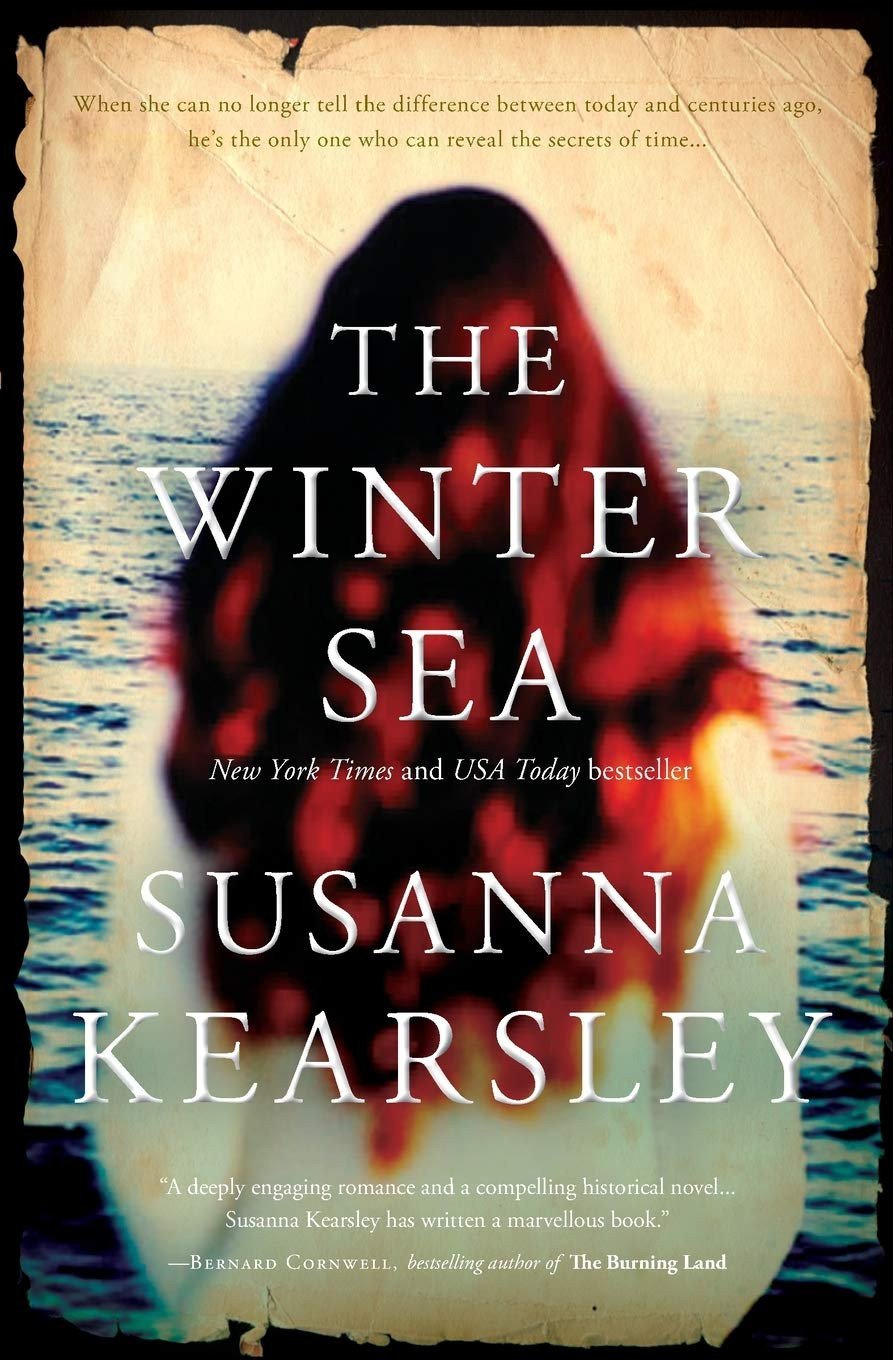
  1. Cover of The Winter Sea by Susanna Kearsley

    Cover not available

    The Winter Sea

    by Susanna Kearsley

    A NEW YORK TIMES AND USA TODAY BESTSELLER!

    I've loved every one of Susanna's books! She has bedrock research and a butterfly's delicate touch with characters--sure recipe for historical fiction that sucks you in and won't let go!--DIANA GABALDON, #1 New York Times bestselling author of Outlander

    A hauntingly beautiful tale of love that transcends time: an American writer travels to Scotland to craft a novel about the Jacobite Rebellion, only to discover her own ancestral memories of that torrid moment in Scottish history...

    In the spring of 1708, an invading Jacobite fleet of French and Scottish soldiers nearly succeeded in landing the exiled James Stewart in Scotland to reclaim his crown. When young Sophia Paterson travels to Slains Castle by the sea, she finds herself in the midst of the dangerous intrigue.

    Now, Carrie McClelland hopes to turn that story into her next bestselling novel. Settling herself in the shadow of that historic Scottish castle, she starts to write. But when she discovers her novel is more fact than fiction, Carrie wonders if she might be the only living person who knows the truth--the ultimate betrayal--that happened all those years ago.

    A sweeping historical fantasy of love, danger, and time travel, Susanna Kearsley masterfully weaves Scotland's past into Carrie's present in this stunning book.

    Why it's similar

    Like Outlander, it is steeped in Scottish history and revolves around the Jacobite movement, weaving a sweeping historical romance that connects the modern day with 18th-century Scotland.

    What's different

    The historical connection is experienced through ancestral memory rather than physical time travel, and the narrative features a gentler, less graphic tone in both violence and romance.
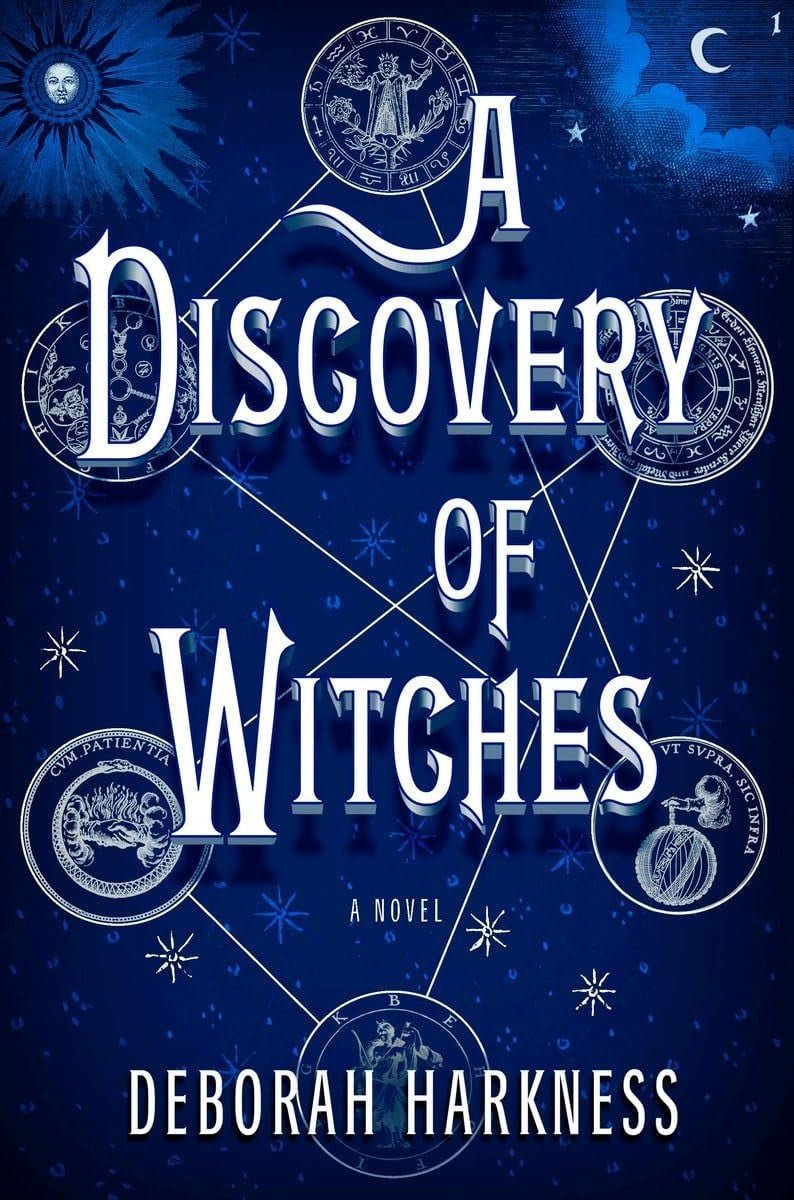
  2. Cover of A Discovery of Witches by Deborah Harkness

    Cover not available

    A Discovery of Witches

    by Deborah Harkness

    A richly inventive novel about a centuries-old vampire, a spellbound witch, and the mysterious manuscript that draws them together.

    Deep in the stacks of Oxford's Bodleian Library, young scholar Diana Bishop unwittingly calls up a bewitched alchemical manuscript in the course of her research. Descended from an old and distinguished line of witches, Diana wants nothing to do with sorcery; so after a furtive glance and a few notes, she banishes the book to the stacks. But her discovery sets a fantastical underworld stirring, and a horde of daemons, witches, and vampires soon descends upon the library. Diana has stumbled upon a coveted treasure lost for centuries-and she is the only creature who can break its spell.

    Debut novelist Deborah Harkness has crafted a mesmerizing and addictive read, equal parts history and magic, romance and suspense. Diana is a bold heroine who meets her equal in vampire geneticist Matthew Clairmont, and gradually warms up to him as their alliance deepens into an intimacy that violates age-old taboos. This smart, sophisticated story harks back to the novels of Anne Rice, but it is as contemporary and sensual as the Twilight series-with an extra serving of historical realism.

    Why it's similar

    Both books feature an intellectual female scholar thrust into extraordinary circumstances who falls into an epic romance and ultimately travels back in time to navigate historical perils.

    What's different

    The premise is grounded in urban fantasy and the paranormal, focusing heavily on supernatural creatures such as witches, vampires, and daemons rather than historical clan warfare.

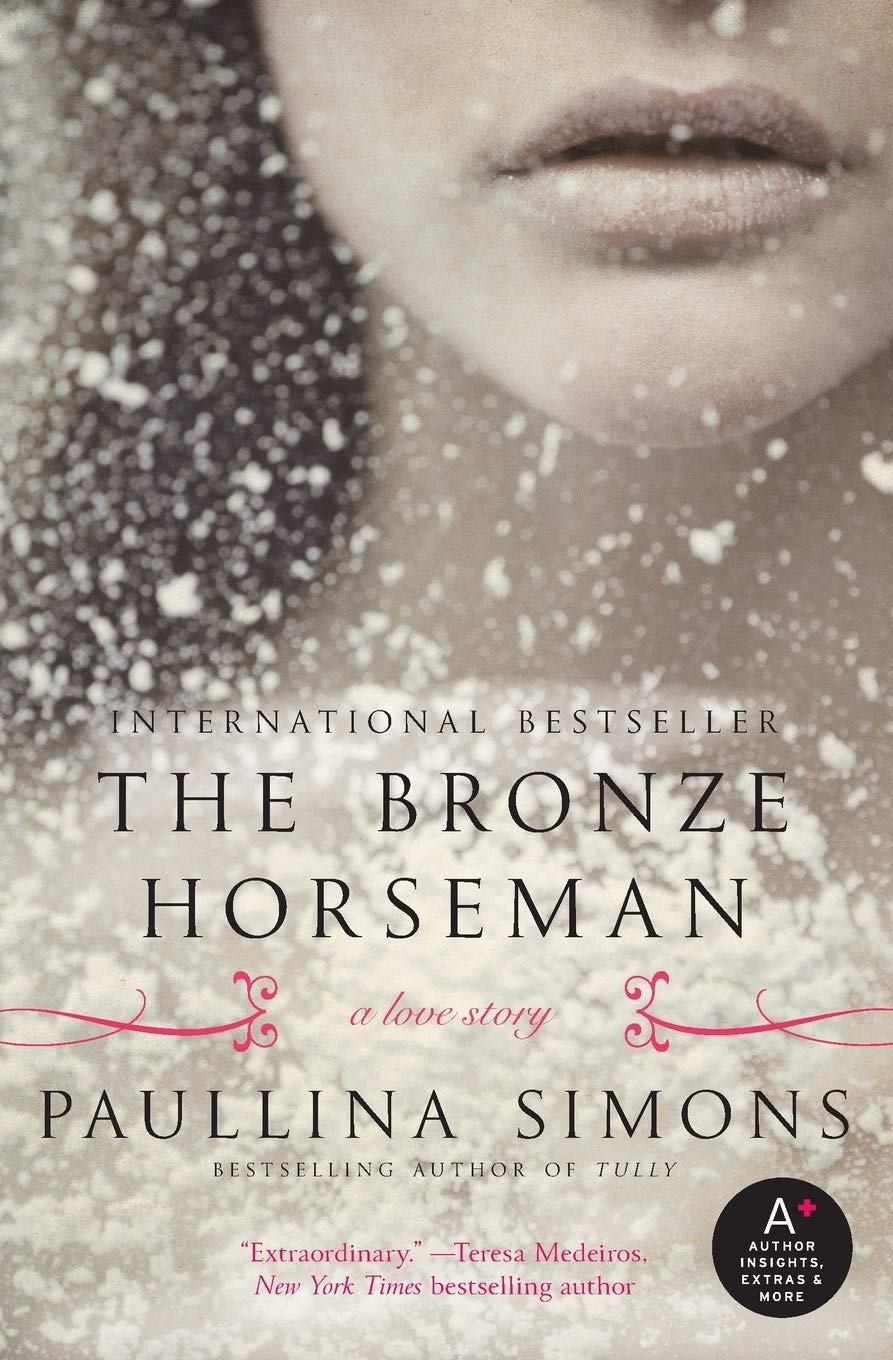
  3. Cover of The Bronze Horseman by Paullina Simons

    Cover not available

    The Bronze Horseman

    by Paullina Simons

    The golden skies, the translucent twilight, the white nights, all hold the promise of youth, of love, of eternal renewal. The war has not yet touched this city of fallen grandeur, or the lives of two sisters, Tatiana and Dasha Metanova, who share a single room in a cramped apartment with their brother and parents. Their world is turned upside down when Hitler's armies attack Russia and begin their unstoppable blitz to Leningrad.

    Yet there is light in the darkness. Tatiana meets Alexander, a brave young officer in the Red Army. Strong and self-confident, yet guarding a mysterious and troubled past, he is drawn to Tatiana—and she to him. Starvation, desperation, and fear soon grip their city during the terrible winter of the merciless German siege. Tatiana and Alexander's impossible love threatens to tear the Metanova family apart and expose the dangerous secret Alexander so carefully protects—a secret as devastating as the war itself—as the lovers are swept up in the brutal tides that will change the world and their lives forever.

    Why it's similar

    Both novels deliver an emotionally intense, high-stakes epic romance centered on an enduring love affair tested by the brutal realities of war and historical tragedy.

    What's different

    The novel contains no speculative or time-travel elements, focusing entirely on a harrowing 20th-century survival story set during the Siege of Leningrad in World War II.

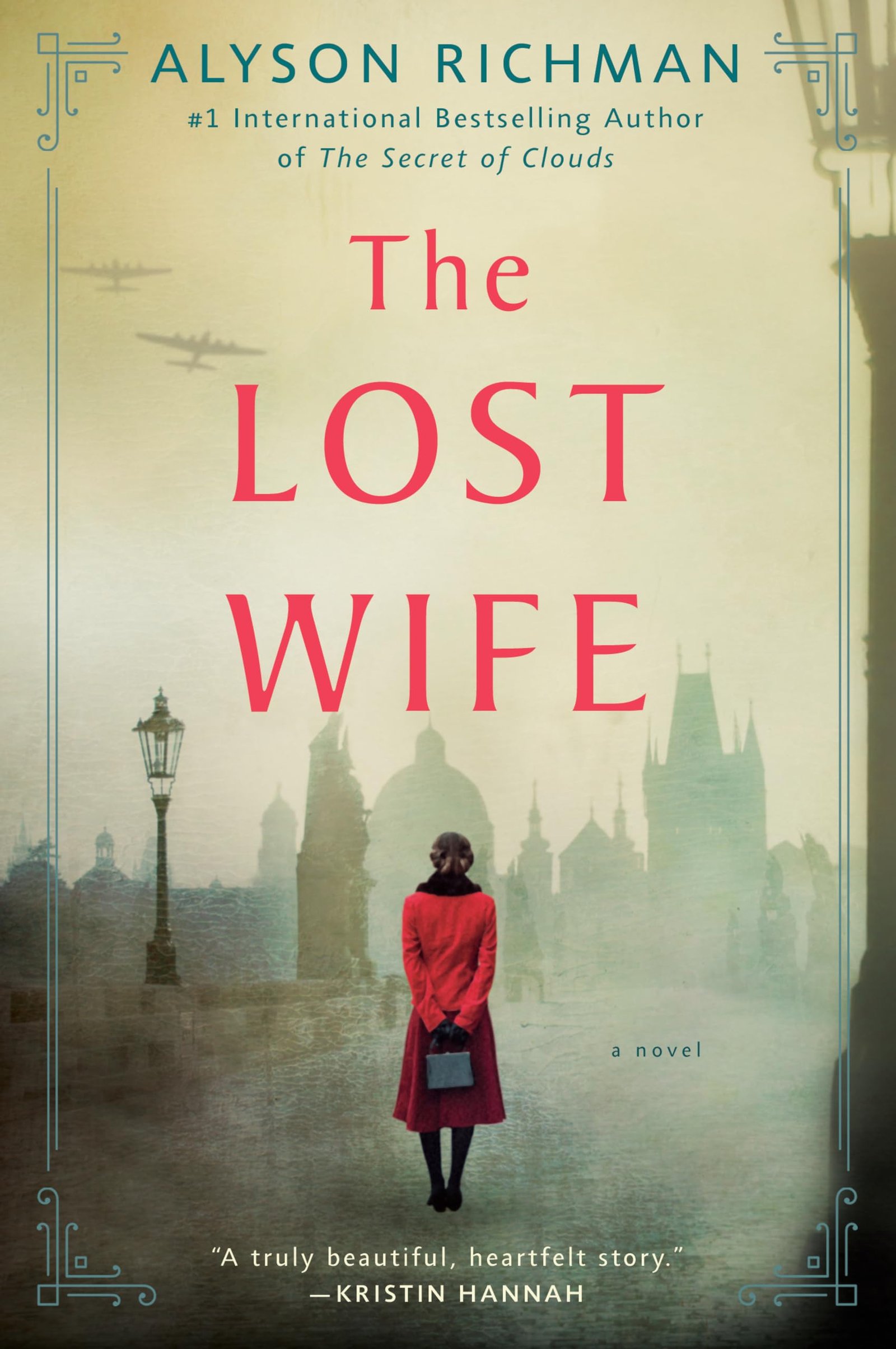
  4. Cover of The Lost Wife by Alyson Richman

    Cover not available

    The Lost Wife

    by Alyson Richman

    A rapturous novel of star-crossed love in a time of war—from the international bestselling author of The Secret of Clouds.

    During the last moments of calm in prewar Prague, Lenka, a young art student, and Josef, who is studying medicine, fall in love. With the promise of a better future, they marry—only to have their dreams shattered by the imminent Nazi invasion. Like so many others, they are torn apart by the currents of war.

    Now a successful obstetrician in America, Josef has never forgotten the wife he believes died in the war. But in the Nazi ghetto of Terezín, Lenka survived, relying on her skills as an artist and the memories of a husband she would never see again. Then, decades later and thousands of miles away, an unexpected encounter in New York leads to an inescapable glance of recognition, and the realization that providence has given Lenka and Josef one more chance.

    From the glamorous ease of life in Prague before the occupation to the horrors of Nazi Europe, The Lost Wife explores the power of first love, the resilience of the human spirit, and our capacity to remember.

    Why it's similar

    Both novels connect love and loss to a sharply rendered historical backdrop and use an emotionally driven narrative to move between past events and present understanding. Each centers on a relationship shaped by upheaval and on the way history changes personal lives.

    What's different

    Its setting is World War II-era Europe rather than Scotland and the story is more compact and tragic in tone. It emphasizes separation, survival, and memory more than adventure or prolonged time-slip storytelling.

Looking for something else?

Use our book recommendation tool to discover books similar to any of your favorites.

Find similar books with LibroMatch