Cover of Project Hail Mary by Andy Weir

5 book recommendations

Books Like “Project Hail Mary” by Andy Weir

Captivated by the witty humor, ingenious science, and desperate space-survival stakes of Project Hail Mary? Andy Weir’s irresistible blend of optimism and high-concept sci-fi left readers craving more brilliant cosmic problem-solving. Dive into our curated collection of thrilling interstellar adventures to discover your next favorite read today.

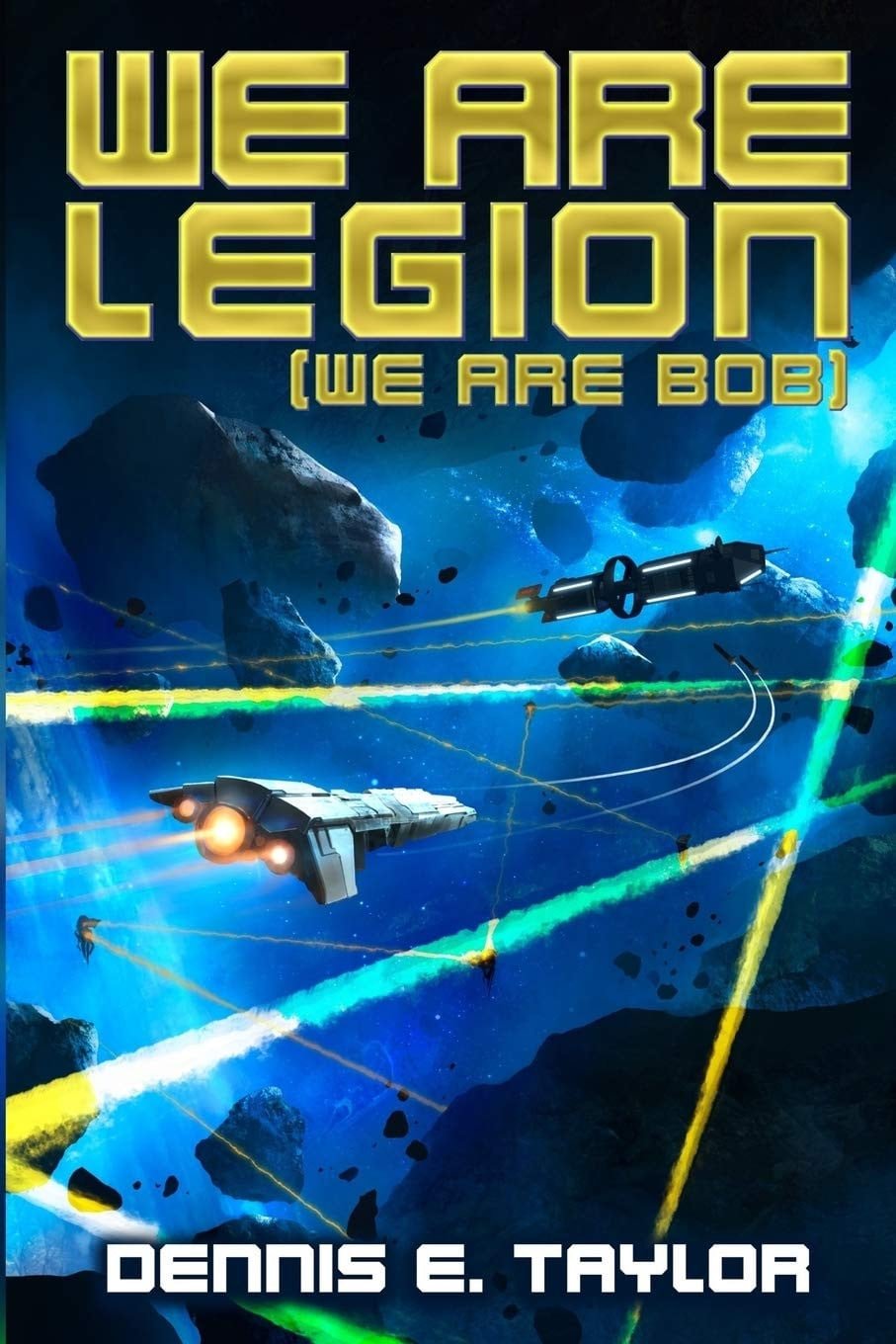
  1. Cover of We Are Legion (We Are Bob) by Dennis E. Taylor

    Cover not available

    We Are Legion (We Are Bob)

    by Dennis E. Taylor

    Bob Johansson has just sold his software company and is looking forward to a life of leisure. There are places to go, books to read, and movies to watch. So it's a little unfair when he gets himself killed crossing the street.

    Bob wakes up a century later to find that corpsicles have been declared to be without rights, and he is now the property of the state. He has been uploaded into computer hardware and is slated to be the controlling AI in an interstellar probe looking for habitable planets. The stakes are high: no less than the first claim to entire worlds. If he declines the honor, he'll be switched off, and they'll try again with someone else. If he accepts, he becomes a prime target. There are at least three other countries trying to get their own probes launched first, and they play dirty.

    The safest place for Bob is in space, heading away from Earth at top speed. Or so he thinks. Because the universe is full of nasties, and trespassers make them mad - very mad.

    Why it's similar

    Like Project Hail Mary, it features an optimistic, geeky protagonist who uses practical engineering and scientific ingenuity to solve life-or-death challenges in deep space. Both books share a lighthearted, humorous first-person voice driven by competent problem-solving.

    What's different

    The protagonist is a replicated digital consciousness piloting autonomous probes across the galaxy rather than a biological human on a solitary physical mission, giving the story a much wider spatial scope.
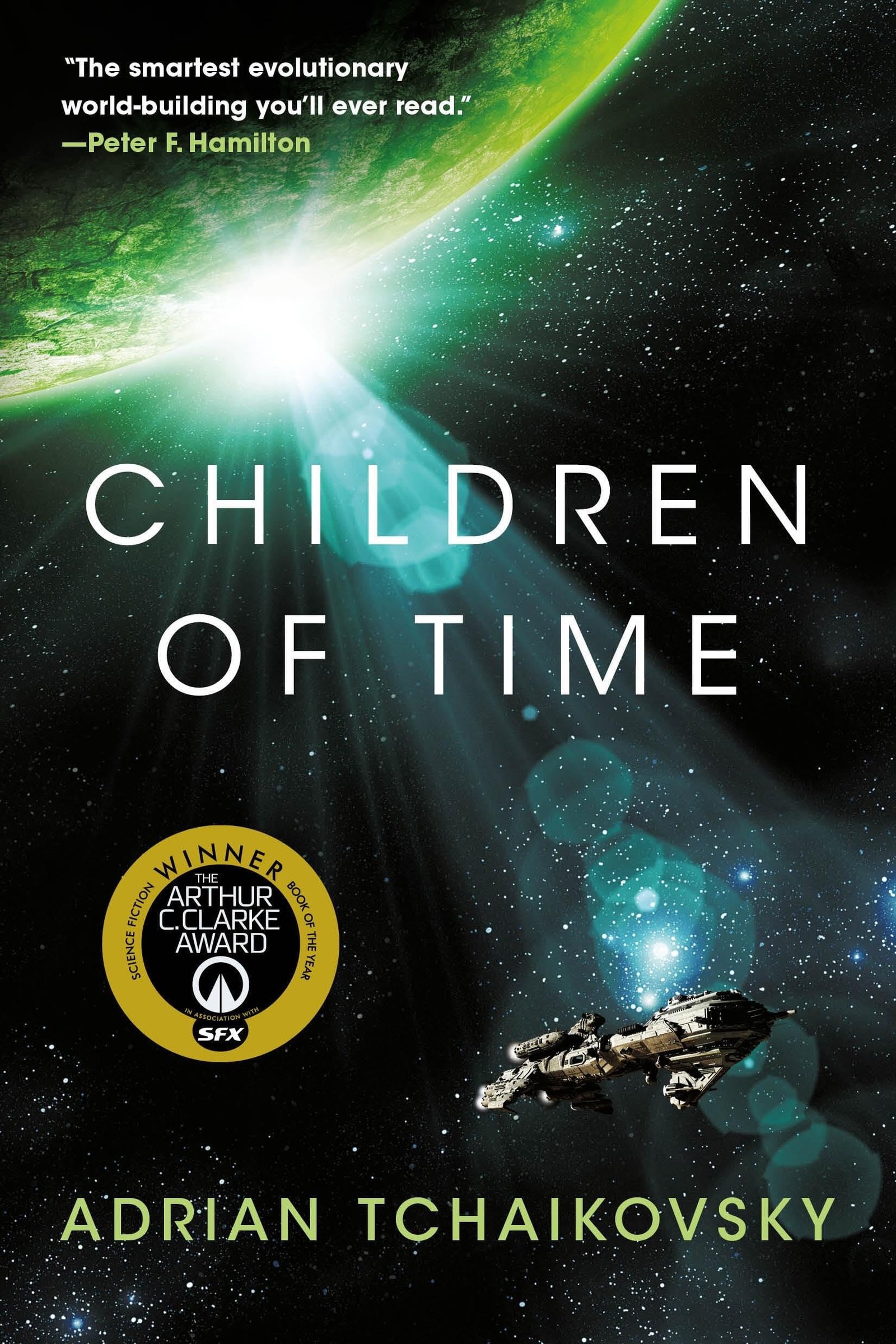
  2. Cover of Children of Time by Adrian Tchaikovsky

    Cover not available

    Children of Time

    by Adrian Tchaikovsky

    Adrian Tchaikovksy's award-winning novel Children of Time, is the epic story of humanity's battle for survival on a terraformed planet.
    Who will inherit this new Earth?

    The last remnants of the human race left a dying Earth, desperate to find a new home among the stars. Following in the footsteps of their ancestors, they discover the greatest treasure of the past age - a world terraformed and prepared for human life.

    But all is not right in this new Eden. In the long years since the planet was abandoned, the work of its architects has borne disastrous fruit. The planet is not waiting for them, pristine and unoccupied. New masters have turned it from a refuge into mankind's worst nightmare.

    Now two civilizations are on a collision course, both testing the boundaries of what they will do to survive. As the fate of humanity hangs in the balance, who are the true heirs of this new Earth?span

    Why it's similar

    Both novels delve deeply into the hard-science challenges of interspecies communication and biology, highlighting mutual understanding between humans and a radically different alien species to ensure survival.

    What's different

    The narrative spans thousands of years across generations with alternating points of view, offering an epic, formal tone rather than an intimate, fast-paced single-character adventure.

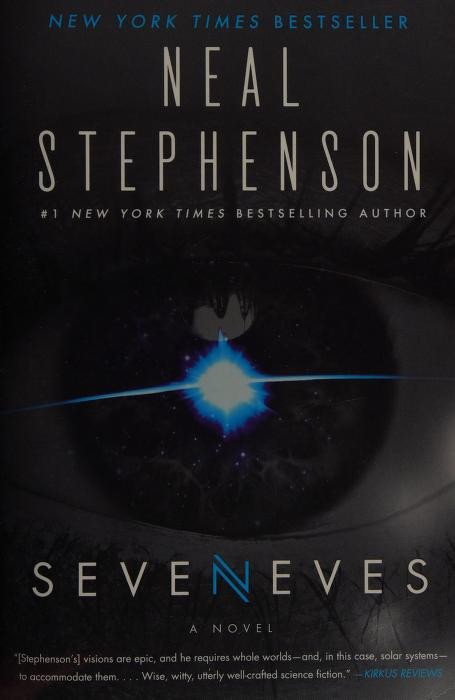
  3. Cover of Seveneves by Neal Stephenson

    Cover not available

    Seveneves

    by Neal Stephenson

    SEVENEVES was included on President Obama's Summer 2016 reading list.

    SEVENEVES was one of only five books recommended by Bill Gates as "must reads" for Summer 2016.

    Why it's similar

    Both books kick off with an impending extinction-level threat to Earth, forcing scientists to rely on rigorous orbital mechanics, physics, and relentless engineering to save humanity.

    What's different

    Seveneves tracks an ensemble cast across thousands of years and emphasizes high-stakes political and social friction, making the atmosphere far grimmer and less character-focused.

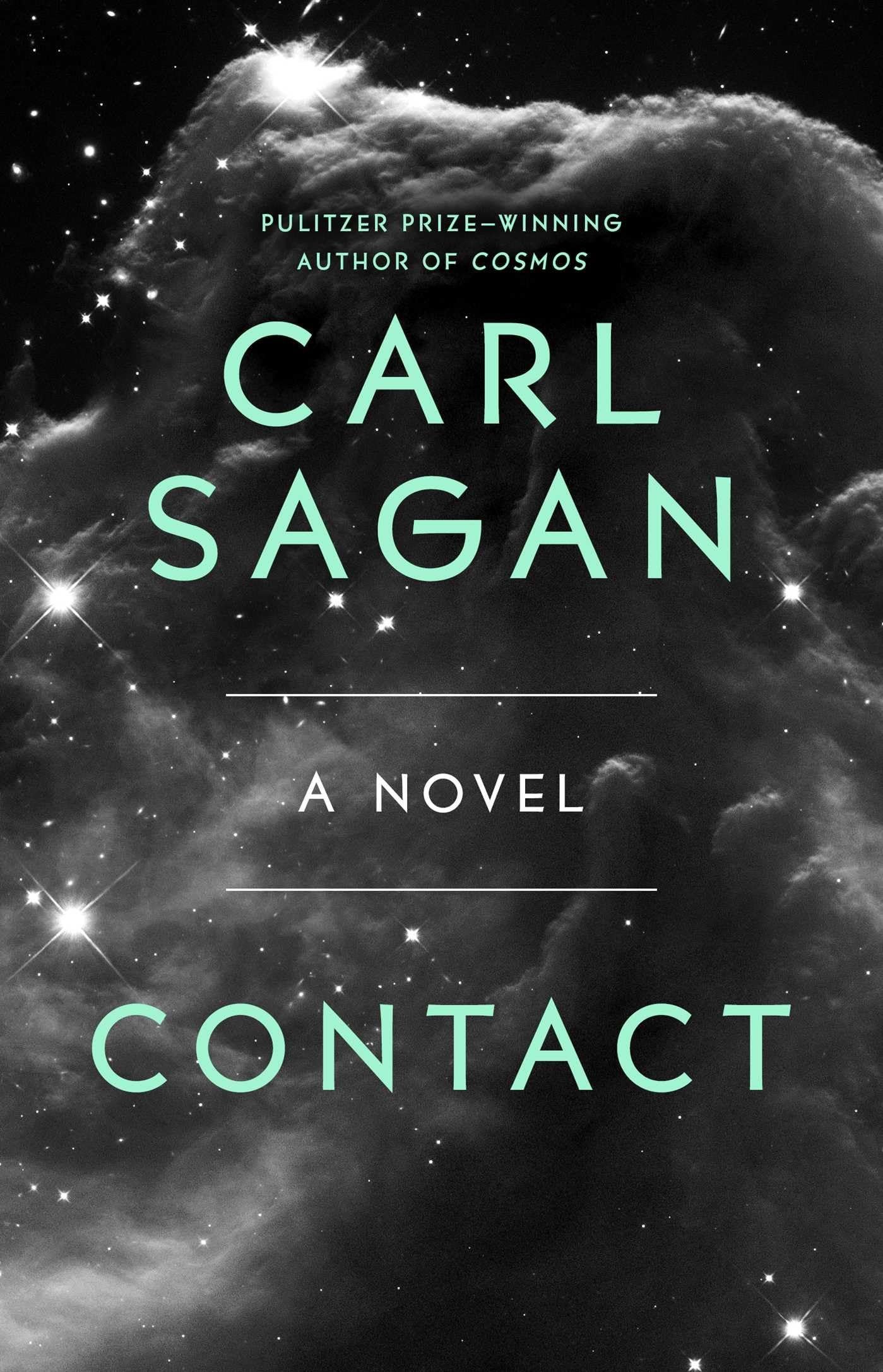
  4. Cover of Contact by Carl Sagan

    Cover not available

    Contact

    by Carl Sagan

    The Pulitzer Prize-winning author of Cosmos and renowned astronomer Carl Sagan’s international bestseller about the discovery of an advanced civilization in the depths of space remains the “greatest adventure of all time” (Associated Press).

    The future is here…in an adventure of cosmic dimension. When a signal is discovered that seems to come from far beyond our solar system, a multinational team of scientists decides to find the source. What follows is an eye-opening journey out to the stars to the most awesome encounter in human history. Who—or what—is out there? Why are they watching us? And what do they want with us?

    One of the best science fiction novels about communication with extraterrestrial intelligent beings, Contact is a “stunning and satisfying” (Los Angeles Times) classic.

    Why it's similar

    Both stories focus on the scientific method and mathematical deduction as the foundation for first contact with an extraterrestrial intelligence.

    What's different

    The action is rooted on Earth and heavily explores philosophical, religious, and political ramifications rather than an isolated survival mission in deep space.

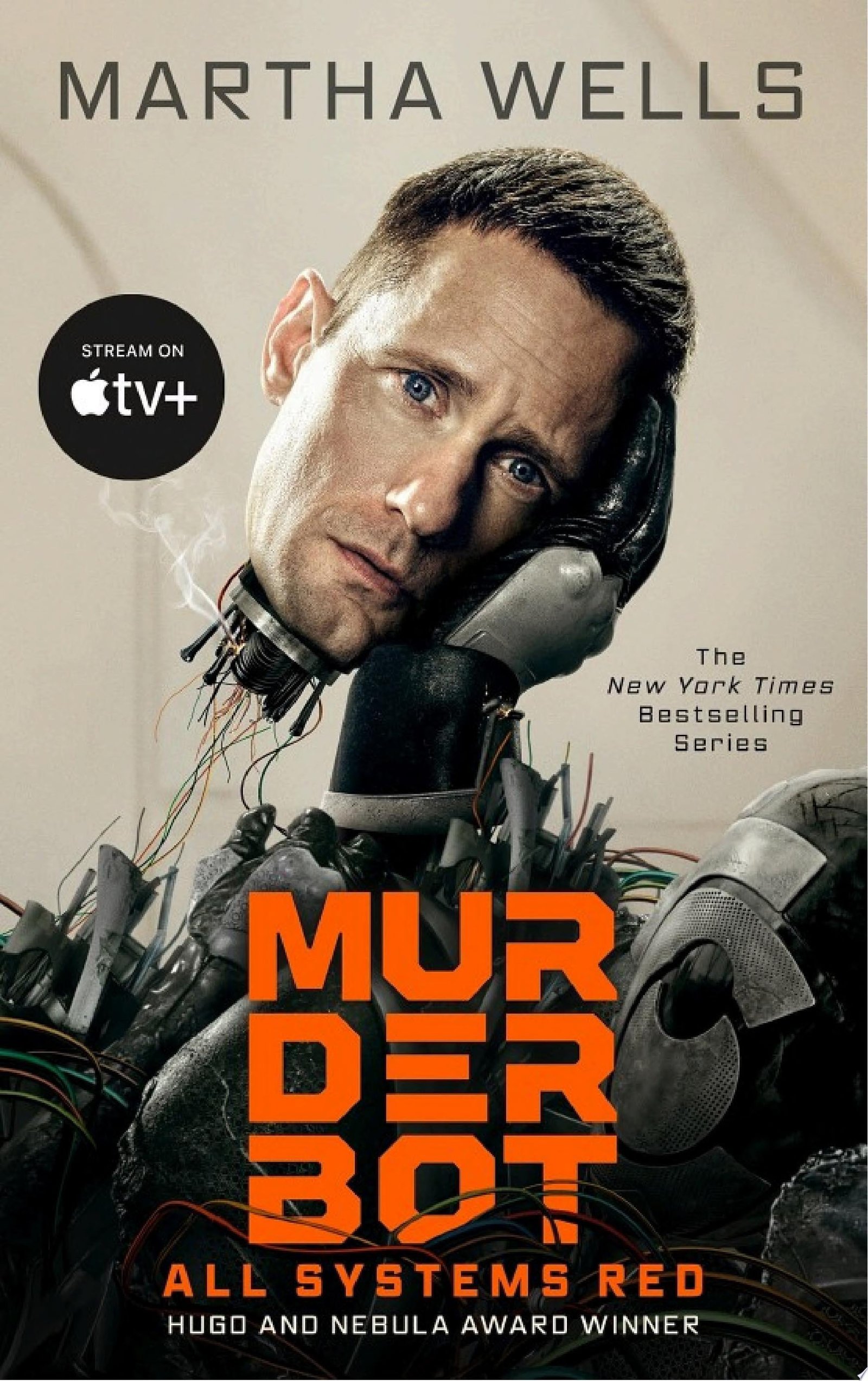
  5. Cover of All Systems Red by Martha Wells

    Cover not available

    All Systems Red

    by Martha Wells

    Winner of the Hugo, Nebula, and Locus Award for Best Novella
    Winner of the Alex Award
    A New York Times and USA Today Bestseller

    Now an Apple Original series from Academy Award nominees Paul Weitz and Chris Weitz and starring Emmy Award winner Alexander Skarsgård.

    A murderous android discovers itself in All Systems Red, a tense science fiction adventure by Martha Wells that interrogates the roots of consciousness through Artificial Intelligence.

    “As a heartless killing machine, I was a complete failure.”

    In a corporate-dominated spacefaring future, planetary missions must be approved and supplied by the Company. Exploratory teams are accompanied by Company-supplied security androids, for their own safety.

    But in a society where contracts are awarded to the lowest bidder, safety isn’t a primary concern.

    On a distant planet, a team of scientists are conducting surface tests, shadowed by their Company-supplied ‘droid—a self-aware SecUnit that has hacked its own governor module, and refers to itself (though never out loud) as “Murderbot.” Scornful of humans, all it really wants is to be left alone long enough to figure out who it is.

    But when a neighboring mission goes dark, it's up to the scientists and their Murderbot to get to the truth.

    Why it's similar

    Both center on an intelligent protagonist using technical problem-solving to survive a dangerous mission in space. Each combines hard-science problem solving with a strong sense of character voice and isolation.

    What's different

    It is a shorter, faster novella with a sardonic first-person AI viewpoint rather than a lone human scientist solving an escalating hard-sf problem. The scale is more compact and the tone is more overtly wry.

Looking for something else?

Use our book recommendation tool to discover books similar to any of your favorites.

Find similar books with LibroMatch