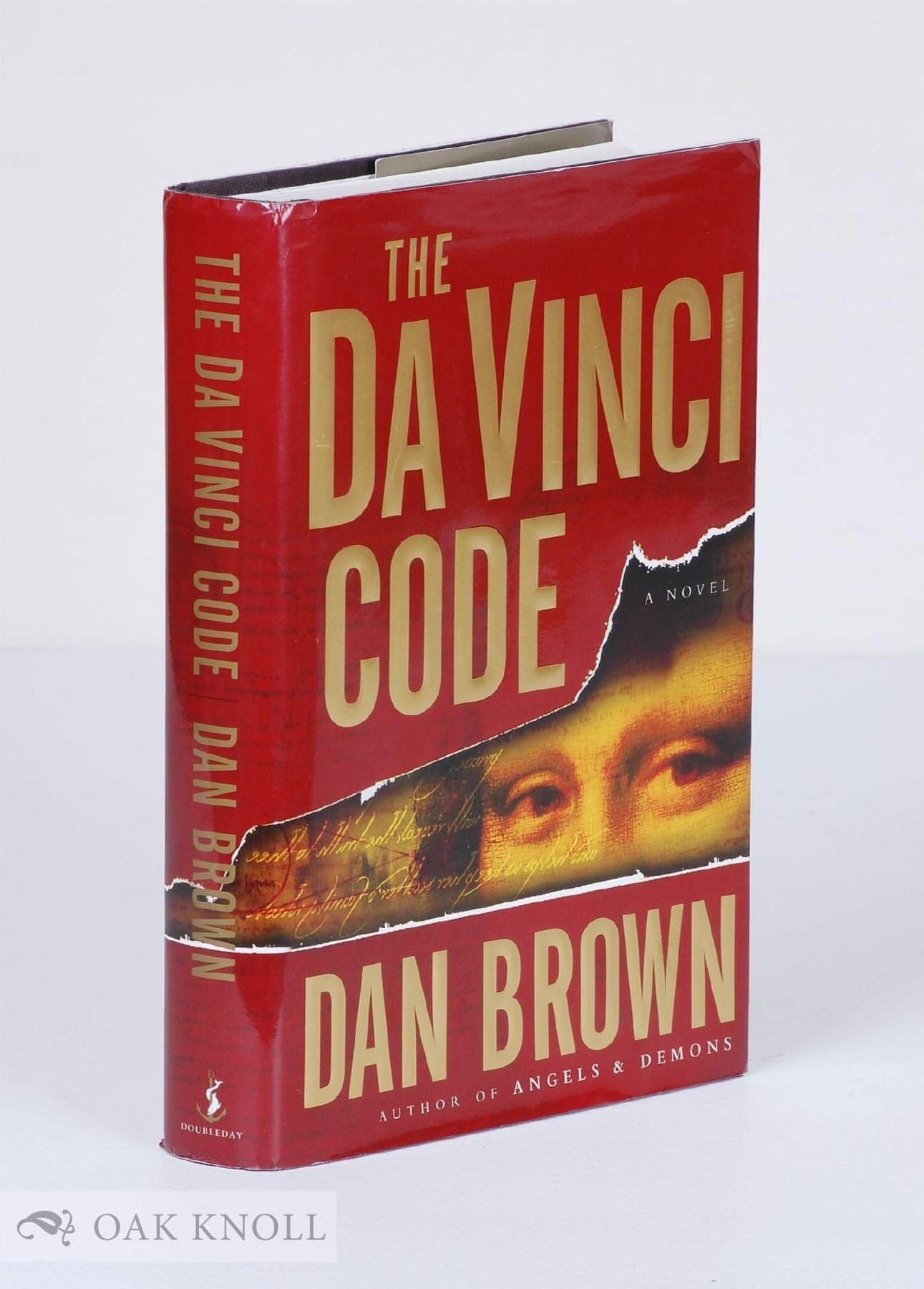
Cover of The Da Vinci Code by Dan Brown

5 book recommendations

Books Like “The Da Vinci Code” by Dan Brown

If you were captivated by the breathless pace, cryptic puzzles, and ancient conspiracies of The Da Vinci Code, you are not alone. Readers around the world love its intoxicating blend of hidden history and relentless, high-stakes suspense. Explore our handpicked recommendations below to discover your next mystery.

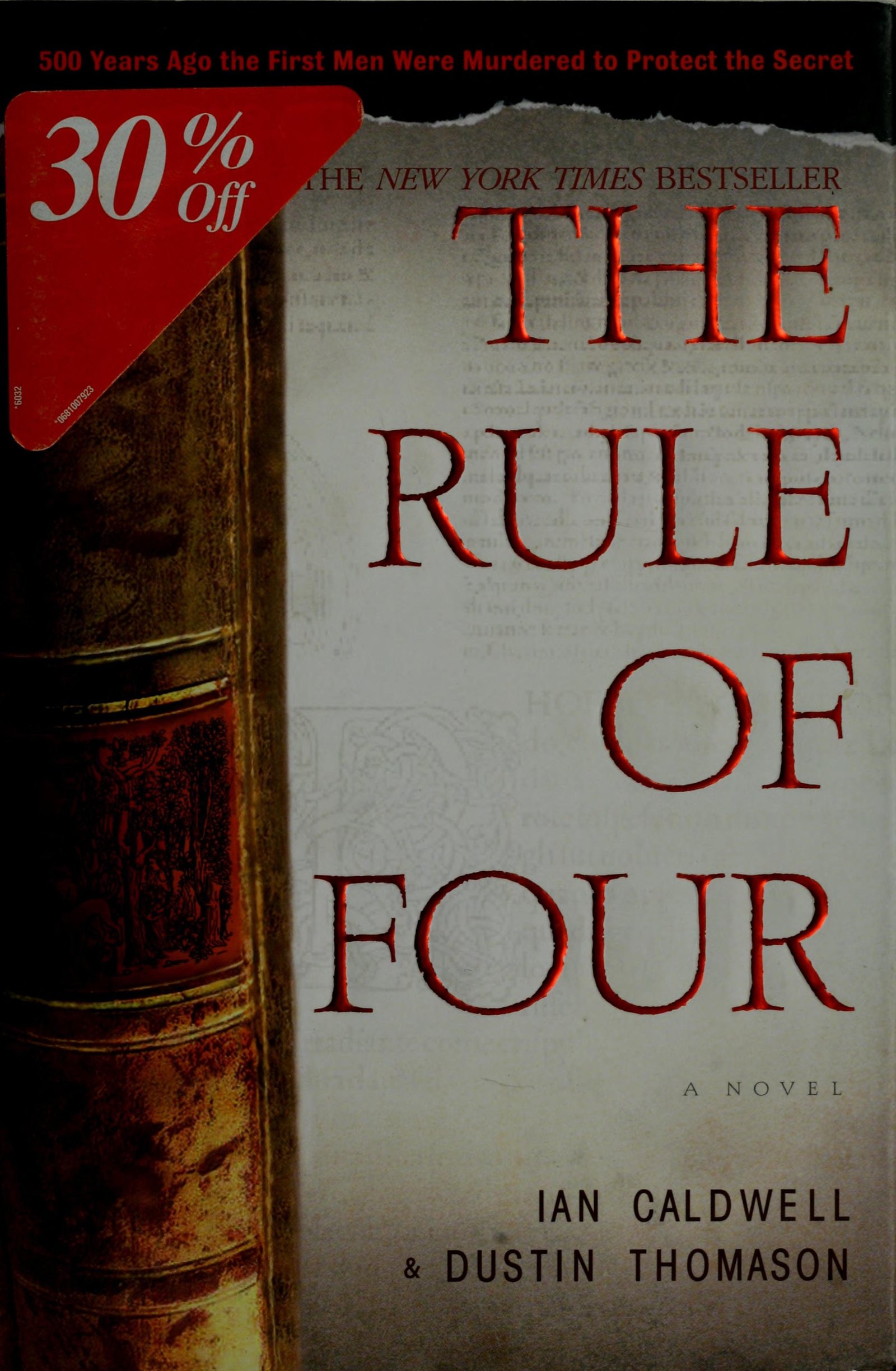
  1. Cover of The Rule of Four by Ian Caldwell and Dustin Thomason

    Cover not available

    The Rule of Four

    by Ian Caldwell and Dustin Thomason

    An ivy league murder, a mysterious coded manuscript, and the secrets of a Renaissance prince collide memorably in The Rule of Four—a brilliant work of fiction that weaves together suspense and scholarship, high art and unimaginable treachery.

    It's Easter at Princeton. Seniors are scrambling to finish their theses. And two students, Tom Sullivan and Paul Harris, are a hair's breadth from solving the mysteries of the Hypnerotomachia Poliphili—a renowned text attributed to an Italian nobleman, a work that has baffled scholars since its publication in 1499. For Tom, their research has been a link to his family's past—and an obstacle to the woman he loves. For Paul, it has become an obsession, the very reason for living. But as their deadline looms, research has stalled—until a long-lost diary surfaces with a vital clue. And when a fellow researcher is murdered just hours later, Tom and Paul realize that they are not the first to glimpse the Hypnerotomachia 's secrets.

    Suddenly the stakes are raised, and as the two friends sift through the codes and riddles at the heart of the text, they are beginnning to see the manuscript in a new light—not simply as a story of faith, eroticism and pedantry, but as a bizarre, coded mathematical maze. And as they come closer and closer to deciphering the final puzzle of a book that has shattered careers, friendships and families, they know that their own lives are in mortal danger. Because at least one person has been killed for knowing too much. And they know even more.

    From the streets of fifteenth-century Rome to the rarified realm of the Ivy League, from a shocking 500 year-old murder scene to the drama of a young man's coming of age, The Rule of Four takes us on an entertaining, illuminating tour of history—as it builds to a pinnacle of nearly unbearable suspense.

    Why it's similar

    Both novels center on academic protagonists using Renaissance texts, art, and cryptographic clues to unravel a centuries-old conspiracy. They also share a narrative focus on elite institutions hiding esoteric historical truths.

    What's different

    Unlike the high-stakes international chase of Brown's novel, this story is an atmospheric campus mystery set at Princeton University that emphasizes collegiate relationships and psychological development over fast-paced action.

  2. Cover of The Eight by Katherine Neville

    Cover not available

    The Eight

    by Katherine Neville

    Computer expert Cat Velis is heading for a job to Algeria. Before she goes, a mysterious fortune teller warns her of danger, and an antique dealer asks her to search for pieces to a valuable chess set that has been missing for years...In the South of France in 1790 two convent girls hide valuable pieces of a chess set all over the world, because the game that can be played with them is too powerful....

    Why it's similar

    Both works revolve around a high-stakes treasure hunt to recover an ancient, powerful artifact tied to famous historical figures through cryptic codes and symbols. Each features secretive factions clashing over suppressed esoteric knowledge.

    What's different

    The narrative alternates between the French Revolution and the 1970s, presenting a multi-generational historical saga rather than a compressed, 24-hour real-time manhunt.

  3. Cover of The Last Templar by Raymond Khoury

    Cover not available

    The Last Templar

    by Raymond Khoury

    "It has served us well, this myth of Christ."
    Pope Leo X, 16th Century

    In a hail of fire and flashing sword, as the burning city of Acre falls from the hands of the West in 1291, The Last Templar opens with a young Templar knight, his mentor, and a handful of others escaping to the sea carrying a mysterious chest entrusted to them by the Order's dying Grand Master. The ship vanishes without a trace.

    In present day Manhattan, four masked horsemen dressed as Templar Knights emerge from Central Park and ride up the Fifth Avenue steps of the Metropolitan Museum of Art during the blacktie opening of a Treasures of the Vatican exhibit. Storming through the crowds, the horsemen brutally attack anyone standing between them and their prize. Attending the gala, archaeologist Tess Chaykin watches in silent terror as the leader of the horsemen hones in on one piece in particular, a strange geared device. He utters a few cryptic Latin words as he takes hold of it with reverence before leading the horsemen out and disappearing into the night.

    In the aftermath, an FBI investigation is led by anti-terrorist specialist Sean Reilly. Soon, he and Tess are drawn into the dark, hidden history of the crusading Knights, plunging them into a deadly game of cat and mouse with ruthless killers as they race across three continents to recover the lost secret of the Templars.

    Why it's similar

    Both books follow an academic teaming up with an investigator to uncover a medieval secret about the Knights Templar that could undermine the foundations of Christianity. Each narrative uses historical relics and religious controversies as the primary drivers of suspense.

    What's different

    The novel incorporates procedural FBI crime-fiction elements and frequent historical flashback chapters, shifting the focus away from civilian fugitives on the run.

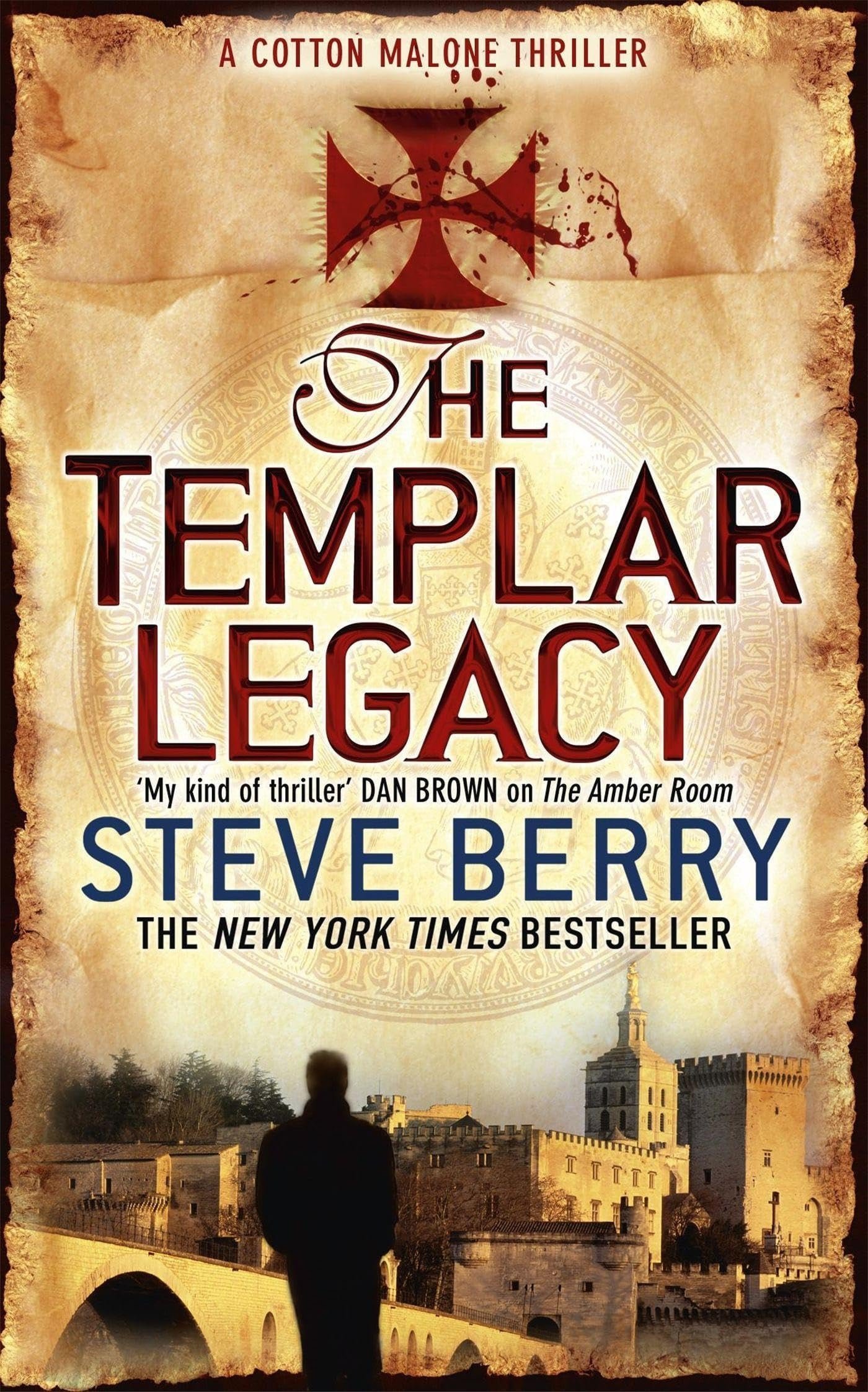
  4. Cover of The Templar Legacy by Steve Berry

    Cover not available

    The Templar Legacy

    by Steve Berry

    The first explosive thriller in the Cotton Malone series from a New York Times megaselling author.

    The ancient order of the Knights Templar possessed untold wealth and absolute power, until the Inquisition destroyed them and their riches were lost forever.

    But some people don't believe in 'forever'.

    Ex-agent Cotton Malone used to work for Stephanie Nelle in the US Justice Department. Now Nelle wants his help to crack a series of puzzles that have confounded experts for centuries - and could lead to the legendary lost treasure of the Knights Templar.

    But someone else is on the trail - someone prepared to commit the ultimate crime to win the ultimate prize. Malone and Nelle find themselves in a heart-stopping race through the villages, castles and cloisters of Europe in pursuit of a secret that, in the wrong hands, could bring the world to its knees.

    Why it's similar

    Like The Da Vinci Code, it is a modern religious thriller featuring the Knights Templar, historical mysteries, and a protagonist unraveling clues tied to Christianity’s origins.

    What's different

    Berry’s book leans more into series-style adventure and geopolitical intrigue, with less focus on art history puzzles and more on action and recurring characters.

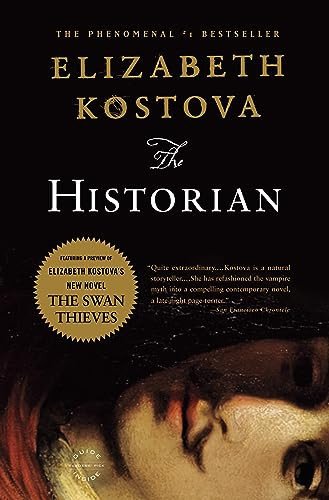
  5. Cover of The Historian by Elizabeth Kostova

    Cover not available

    The Historian

    by Elizabeth Kostova

    To you, perceptive reader, I bequeath my history....Late one night, exploring her father's library, a young woman finds an ancient book and a cache of yellowing letters. The letters are all addressed to "My dear and unfortunate successor," and they plunge her into a world she never dreamed of-a labyrinth where the secrets of her father's past and her mother's mysterious fate connect to an inconceivable evil hidden in the depths of history.The letters provide links to one of the darkest powers that humanity has ever known-and to a centuries-long quest to find the source of that darkness and wipe it out. It is a quest for the truth about Vlad the Impaler, the medieval ruler whose barbarous reign formed the basis of the legend of Dracula. Generations of historians have risked their reputations, their sanity, and even their lives to learn the truth about Vlad the Impaler and Dracula. Now one young woman must decide whether to take up this quest herself-to follow her father in a hunt that nearly brought him to ruin years ago, when he was a vibrant young scholar and her mother was still alive. What does the legend of Vlad the Impaler have to do with the modern world? Is it possible that the Dracula of myth truly existed-and that he has lived on, century after century, pursuing his own unknowable ends? The answers to these questions cross time and borders, as first the father and then the daughter search for clues, from dusty Ivy League libraries to Istanbul, Budapest, and the depths of Eastern Europe. In city after city, in monasteries and archives, in letters and in secret conversations, the horrible truth emerges about Vlad the Impaler's dark reign-and about a time-defying pact that may have kept his awful work alive down through the ages.Parsing obscure signs and hidden texts, reading codes worked into the fabric of medieval monastic traditions-and evading the unknown adversaries who will go to any lengths to conceal and protect Vlad's ancient powers-one woman comes ever closer to the secret of her own past and a confrontation with the very definition of evil. Elizabeth Kostova's debut novel is an adventure of monumental proportions, a relentless tale that blends fact and fantasy, history and the present, with an assurance that is almost unbearably suspenseful-and utterly unforgettable.

    Why it's similar

    Both books follow researchers on a transcontinental quest through archives, churches, and historical sites, blending European history, religious lore, and shadowy organizations into a suspenseful search for hidden truths.

    What's different

    The Historian unfolds more slowly as an atmospheric, literary horror-mystery, emphasizing mood, travel, and epistolary storytelling rather than rapid-fire puzzles and cliffhangers.

Looking for something else?

Use our book recommendation tool to discover books similar to any of your favorites.

Find similar books with LibroMatch