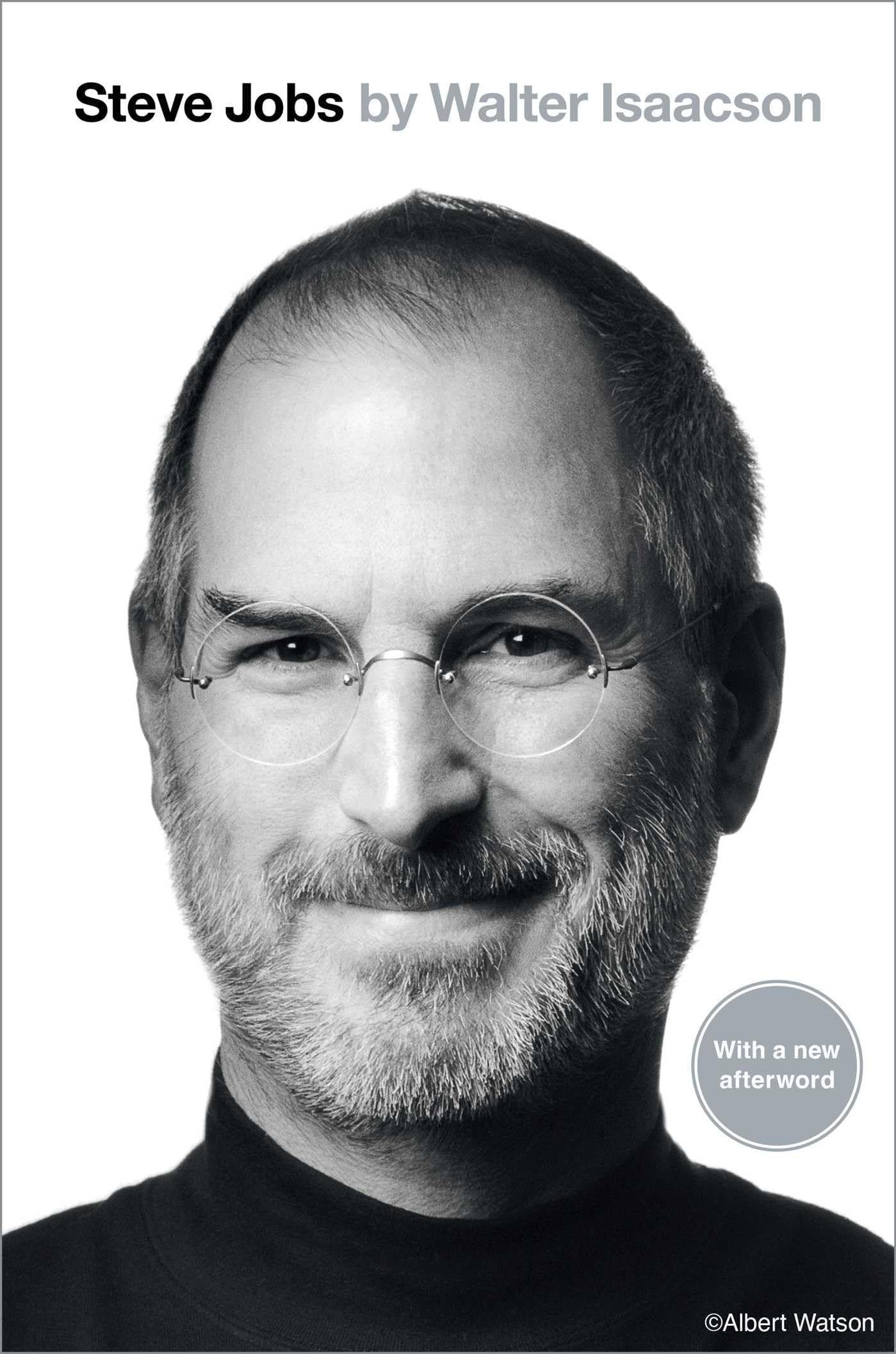
Cover of Steve Jobs by Walter Isaacson

5 book recommendations

Books Like “Steve Jobs” by Walter Isaacson

Walter Isaacson’s Steve Jobs captivated readers with its unflinching look at visionary innovation, fierce ambition, and the complex reality of genius. If you love deep-dive biographies of boundary-pushing leaders reshaping modern industry, you are in the right place. Dive into our curated list to discover your next gripping page-turner.

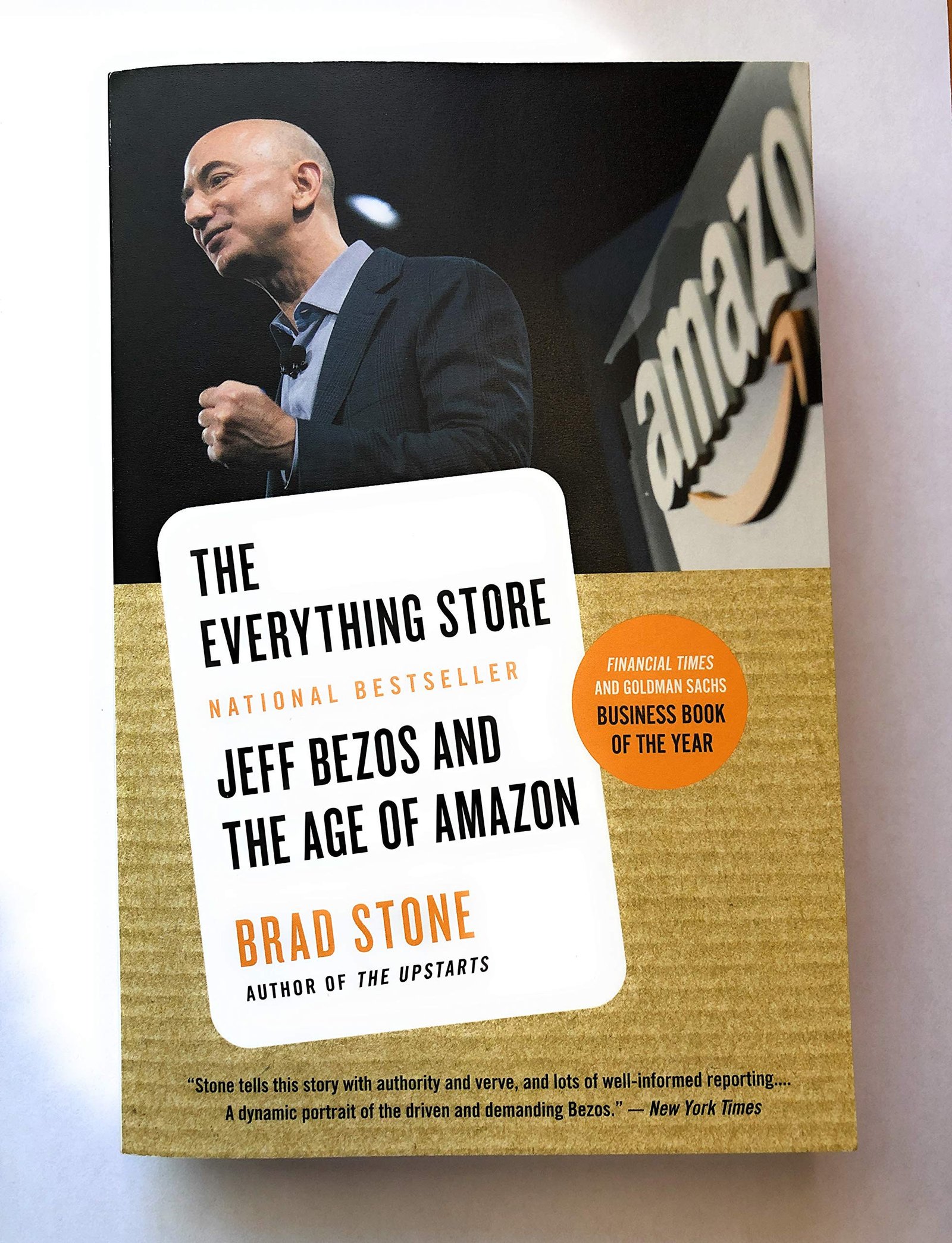
  1. Cover of The Everything Store: Jeff Bezos and the Age of Amazon by Brad Stone

    Cover not available

    The Everything Store: Jeff Bezos and the Age of Amazon

    by Brad Stone

    The definitive story of Jeff Bezos and Amazon.com -- "It's hard to imagine a better retelling of the Amazon origin story" (New Republic).
    Named a Best Book of the Year by the Washington Post, Forbes, New Republic, The Economist, Bloomberg, and Gizmodo.

    Amazon.com's visionary founder, Jeff Bezos, wasn't content with being a bookseller. He wanted Amazon to become the everything store, offering limitless selection and seductive convenience at disruptively low prices. To do so, he developed a corporate culture of relentless ambition and secrecy that's never been cracked. Until now.

    Brad Stone enjoyed unprecedented access to current and former Amazon employees and Bezos family members, and his book is the first in-depth, fly-on-the-wall account of life at Amazon. The Everything Store is the book that the business world can't stop talking about, the revealing, definitive biography of the company that placed one of the first and largest bets on the Internet and forever changed the way we shop and read.

    Why it's similar

    Both books are deeply reported journalistic profiles of relentless, demanding tech pioneers who revolutionized entire consumer industries through high standards and customer-centric vision.

    What's different

    Stone concentrates heavily on operational systems, corporate strategy, and aggressive market disruption rather than the deep personal psychology and artistic design philosophy that define Isaacson's portrait.
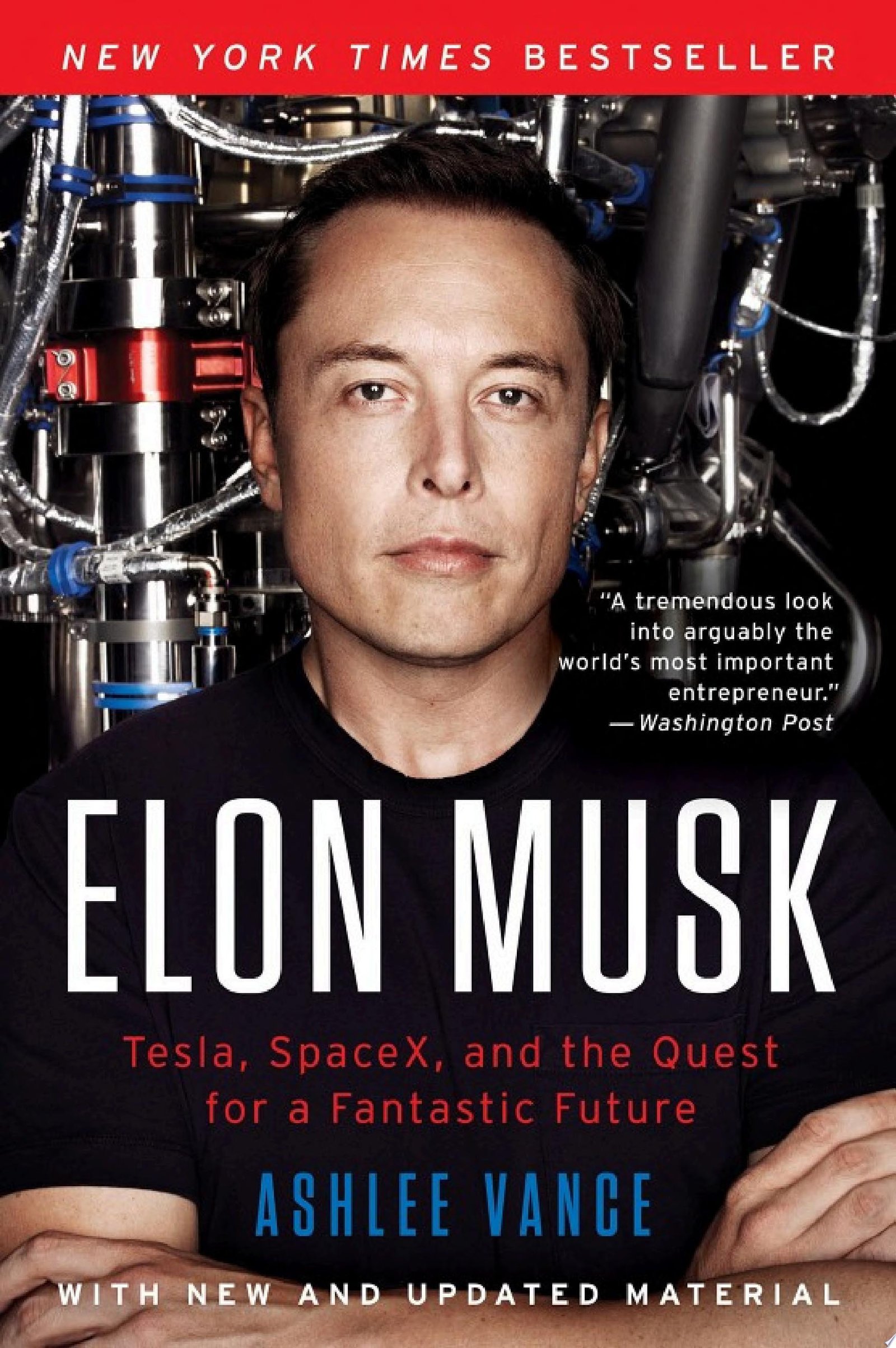
  2. Cover of Elon Musk: Tesla, SpaceX, and the Quest for a Fantastic Future by Ashlee Vance

    Cover not available

    Elon Musk: Tesla, SpaceX, and the Quest for a Fantastic Future

    by Ashlee Vance

    A New York Times Bestseller In the spirit of Steve Jobs and Moneyball, Elon Musk is both an illuminating and authorized look at the extraordinary life of one of Silicon Valley’s most exciting, unpredictable, and ambitious entrepreneurs—a real-life Tony Stark—and a fascinating exploration of the renewal of American invention and its new “makers.” Elon Musk spotlights the technology and vision of Elon Musk, the renowned entrepreneur and innovator behind SpaceX, Tesla, and SolarCity, who sold one of his Internet companies, PayPal, for $1.5 billion. Ashlee Vance captures the full spectacle and arc of the genius’s life and work, from his tumultuous upbringing in South Africa and flight to the United States to his dramatic technical innovations and entrepreneurial pursuits. Vance uses Musk’s story to explore one of the pressing questions of our age: can the nation of inventors and creators who led the modern world for a century still compete in an age of fierce global competition? He argues that Musk—one of the most unusual and striking figures in American business history—is a contemporary, visionary amalgam of legendary inventors and industrialists including Thomas Edison, Henry Ford, Howard Hughes, and Steve Jobs. More than any other entrepreneur today, Musk has dedicated his energies and his own vast fortune to inventing a future that is as rich and far-reaching as the visionaries of the golden age of science-fiction fantasy. Thorough and insightful, Elon Musk brings to life a technology industry that is rapidly and dramatically changing by examining the life of one of its most powerful and influential titans.

    Why it's similar

    Both narratives explore the archetype of the volatile, visionary founder driven by an intense reality distortion field that alienates colleagues while producing groundbreaking industrial achievements.

    What's different

    Vance's account concentrates primarily on hardware engineering, aerospace, and manufacturing hurdles rather than consumer electronics aesthetics and the fusion of humanities with technology.

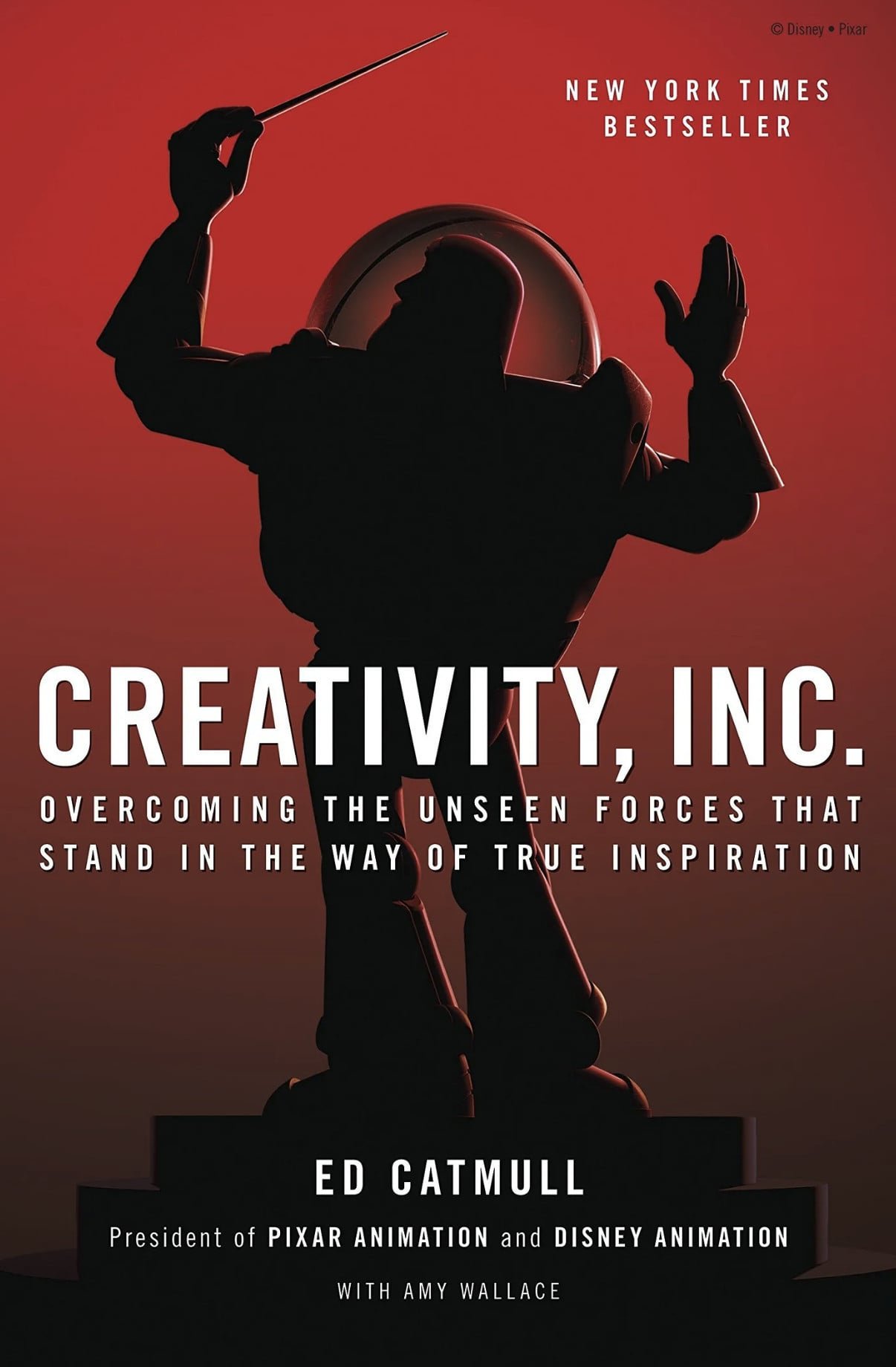
  3. Cover of Creativity, Inc.: Overcoming the Unseen Forces That Stand in the Way of True Inspiration by Ed Catmull

    Cover not available

    Creativity, Inc.: Overcoming the Unseen Forces That Stand in the Way of True Inspiration

    by Ed Catmull

    From a co-founder of Pixar Animation Studios—the Academy Award–winning studio behind Coco, Inside Out, and Toy Story—comes an incisive book about creativity in business and leadership for readers of Daniel Pink, Tom Peters, and Chip and Dan Heath.

    NEW YORK TIMES BESTSELLER | NAMED ONE OF THE BEST BOOKS OF THE YEAR BY The Huffington Post • Financial Times • Success • Inc. • Library Journal

    Creativity, Inc. is a manual for anyone who strives for originality and the first-ever, all-access trip into the nerve center of Pixar Animation—into the meetings, postmortems, and “Braintrust” sessions where some of the most successful films in history are made. It is, at heart, a book about creativity—but it is also, as Pixar co-founder and president Ed Catmull writes, “an expression of the ideas that I believe make the best in us possible.”

    For nearly twenty years, Pixar has dominated the world of animation, producing such beloved films as the Toy Story trilogy, Monsters, Inc., Finding Nemo, The Incredibles, Up, WALL-E, and Inside Out, which have gone on to set box-office records and garner thirty Academy Awards. The joyousness of the storytelling, the inventive plots, the emotional authenticity: In some ways, Pixar movies are an object lesson in what creativity really is. Here, in this book, Catmull reveals the ideals and techniques that have made Pixar so widely admired—and so profitable.

    As a young man, Ed Catmull had a dream: to make the first computer-animated movie. He nurtured that dream as a Ph.D. student at the University of Utah, where many computer science pioneers got their start, and then forged a partnership with George Lucas that led, indirectly, to his co-founding Pixar in 1986. Nine years later, Toy Story was released, changing animation forever. The essential ingredient in that movie’s success—and in the thirteen movies that followed—was the unique environment that Catmull and his colleagues built at Pixar, based on leadership and management philosophies that protect the creative process and defy convention, such as:

    • Give a good idea to a mediocre team, and they will screw it up. But give a mediocre idea to a great team, and they will either fix it or come up with something better.
    • If you don’t strive to uncover what is unseen and understand its nature, you will be ill prepared to lead.
    • It’s not the manager’s job to prevent risks. It’s the manager’s job to make it safe for others to take them.
    • The cost of preventing errors is often far greater than the cost of fixing them.
    • A company’s communication structure should not mirror its organizational structure. Everybody should be able to talk to anybody.

    Why it's similar

    Both works cover the intersection of artistry and cutting-edge technology during the digital revolution, providing significant first-hand insights into Steve Jobs's partnership with Pixar.

    What's different

    This book is an internal managerial memoir focused on nurturing institutional creativity and team dynamics, rather than an objective cradle-to-grave biography of an individual leader.

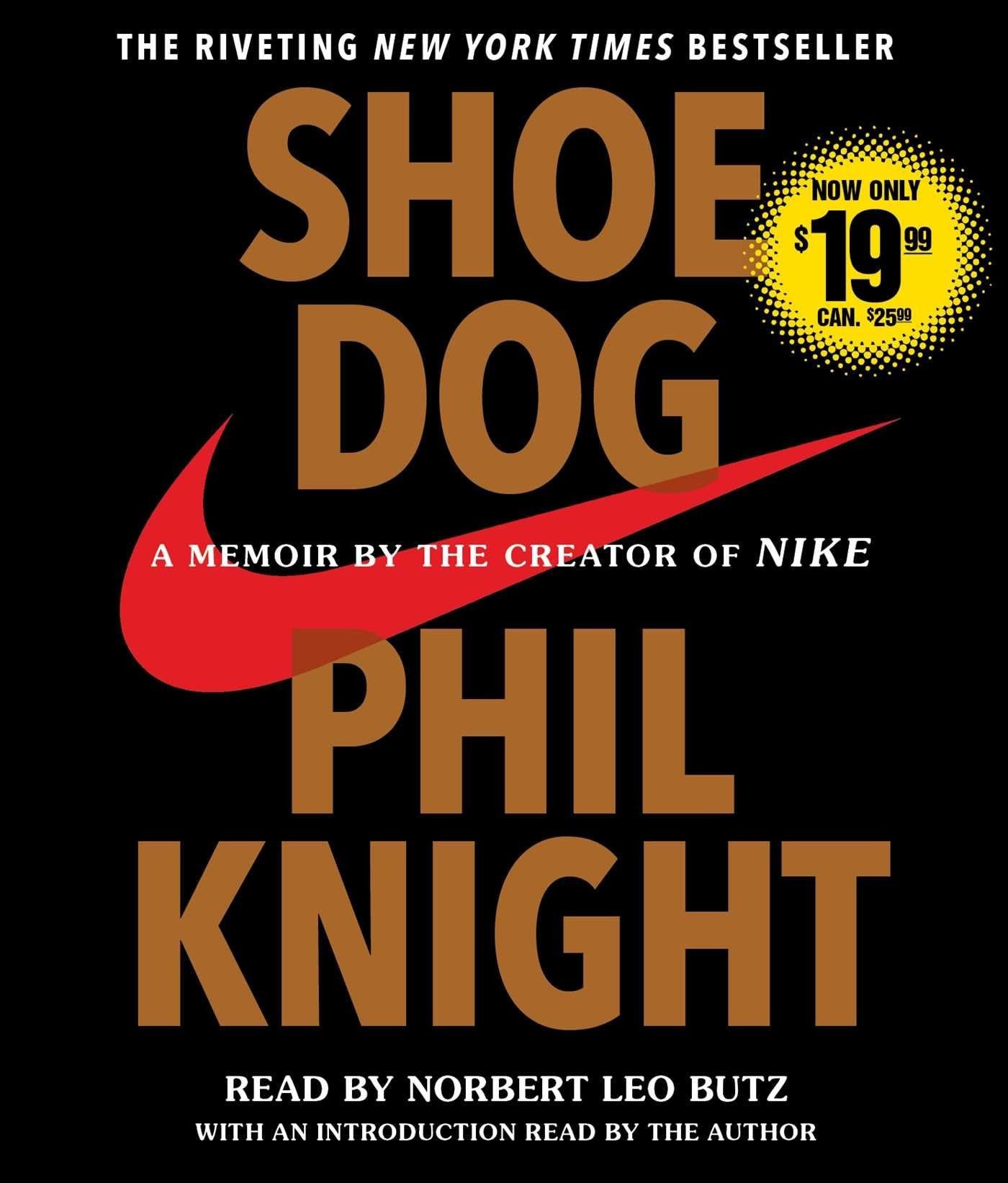
  4. Cover of Shoe Dog: A Memoir by the Creator of Nike by Phil Knight

    Cover not available

    Shoe Dog: A Memoir by the Creator of Nike

    by Phil Knight

    In this instant and tenacious New York Times bestseller, Nike founder and board chairman Phil Knight “offers a rare and revealing look at the notoriously media-shy man behind the swoosh” (Booklist, starred review), illuminating his company’s early days as an intrepid start-up and its evolution into one of the world’s most iconic, game-changing, and profitable brands.

    Bill Gates named Shoe Dog one of his five favorite books of the year and called it “an amazing tale, a refreshingly honest reminder of what the path to business success really looks like. It’s a messy, perilous, and chaotic journey, riddled with mistakes, endless struggles, and sacrifice. Phil Knight opens up in ways few CEOs are willing to do.”

    Fresh out of business school, Phil Knight borrowed fifty dollars from his father and launched a company with one simple mission: import high-quality, low-cost running shoes from Japan. Selling the shoes from the trunk of his car in 1963, Knight grossed eight thousand dollars that first year. Today, Nike’s annual sales top $30 billion. In this age of start-ups, Knight’s Nike is the gold standard, and its swoosh is one of the few icons instantly recognized in every corner of the world.

    But Knight, the man behind the swoosh, has always been a mystery. In Shoe Dog, he tells his story at last. At twenty-four, Knight decides that rather than work for a big corporation, he will create something all his own, new, dynamic, different. He details the many risks he encountered, the crushing setbacks, the ruthless competitors and hostile bankers—as well as his many thrilling triumphs. Above all, he recalls the relationships that formed the heart and soul of Nike, with his former track coach, the irascible and charismatic Bill Bowerman, and with his first employees, a ragtag group of misfits and savants who quickly became a band of swoosh-crazed brothers.

    Together, harnessing the electrifying power of a bold vision and a shared belief in the transformative power of sports, they created a brand—and a culture—that changed everything.

    Why it's similar

    Both stories capture the relentless obsession with product design, cultural branding, and consumer loyalty necessary to construct a globally recognized lifestyle icon.

    What's different

    Told entirely from a first-person perspective, Knight's memoir is far more introspective, self-effacing, and centered on the chaotic financial struggle of early entrepreneurship rather than a third-person journalistic investigation.

  5. Cover of The Accidental Billionaires: The Founding of Facebook by Ben Mezrich

    Cover not available

    The Accidental Billionaires: The Founding of Facebook

    by Ben Mezrich

    NATIONAL BESTSELLER “The Social Network, the much anticipated movie…adapted from Ben Mezrich’s book The Accidental Billionaires.” —The New York Times Best friends Eduardo Saverin and Mark Zuckerberg had spent many lonely nights looking for a way to stand out among Harvard University’s elite, competitive, and accomplished student body. Then, in 2003, Zuckerberg hacked into Harvard’s computers, crashed the campus network, almost got himself expelled, and was inspired to create Facebook, the social networking site that has since revolutionized communication around the world. With Saverin’s funding their tiny start-up went from dorm room to Silicon Valley. But conflicting ideas about Facebook’s future transformed the friends into enemies. Soon, the undergraduate exuberance that marked their collaboration turned into out-and-out warfare as it fell prey to the adult world of venture capitalists, big money, and lawyers.

    Why it's similar

    Both works explore the creation of a defining tech company, depict the intense interpersonal conflicts and ethical gray areas around innovation, and show how a visionary but socially awkward leader changes global culture through technology.

    What's different

    The book reads more like a dramatized narrative with a faster, more sensational tone and focuses narrowly on the founding years of Facebook rather than offering a full-life biography of Mark Zuckerberg.

Looking for something else?

Use our book recommendation tool to discover books similar to any of your favorites.

Find similar books with LibroMatch