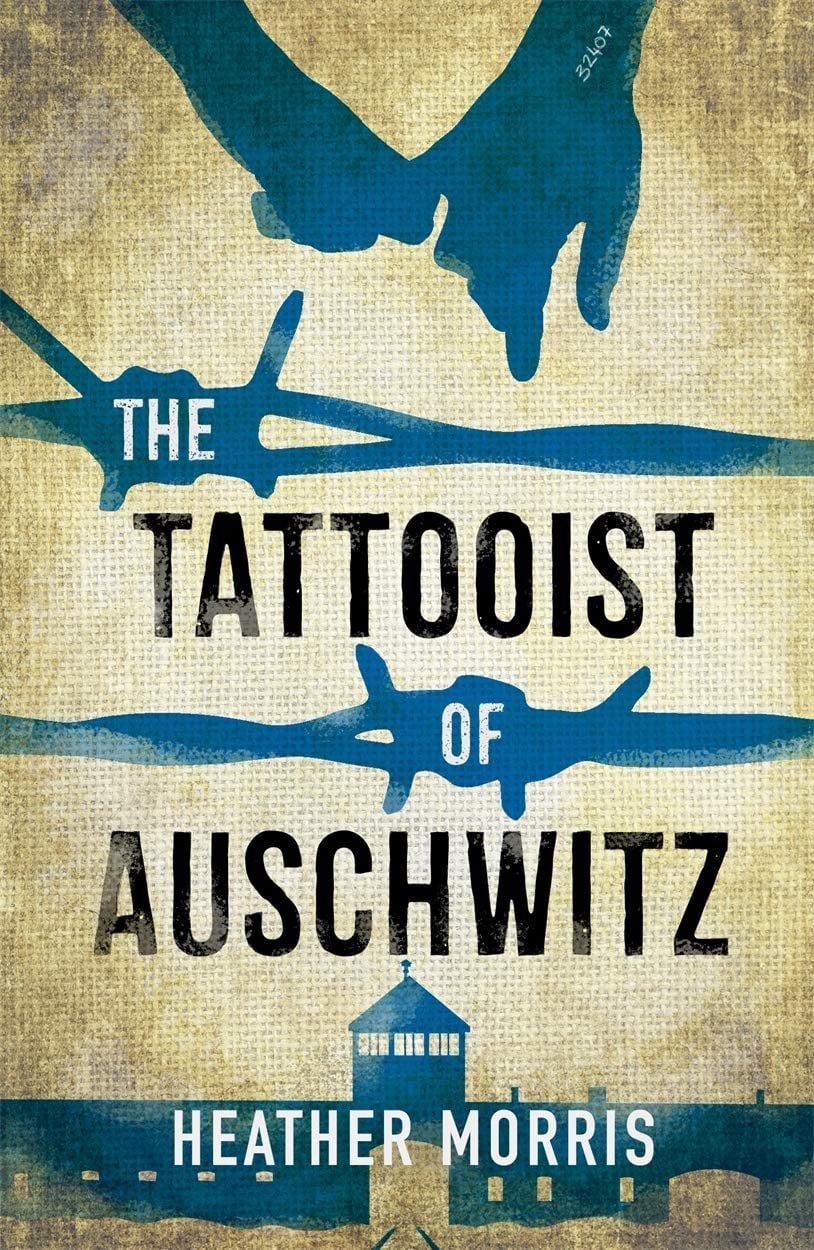
Cover of The Tattooist of Auschwitz by Heather Morris

5 book recommendations

Books Like “The Tattooist of Auschwitz” by Heather Morris

Readers cherish The Tattooist of Auschwitz for its heart-wrenching yet uplifting portrayal of love, resilience, and hope amid the horrors of the Holocaust. If you were moved by this powerful testament to the human spirit, you are in the right place. Explore our curated recommendations below to find your next unforgettable read.

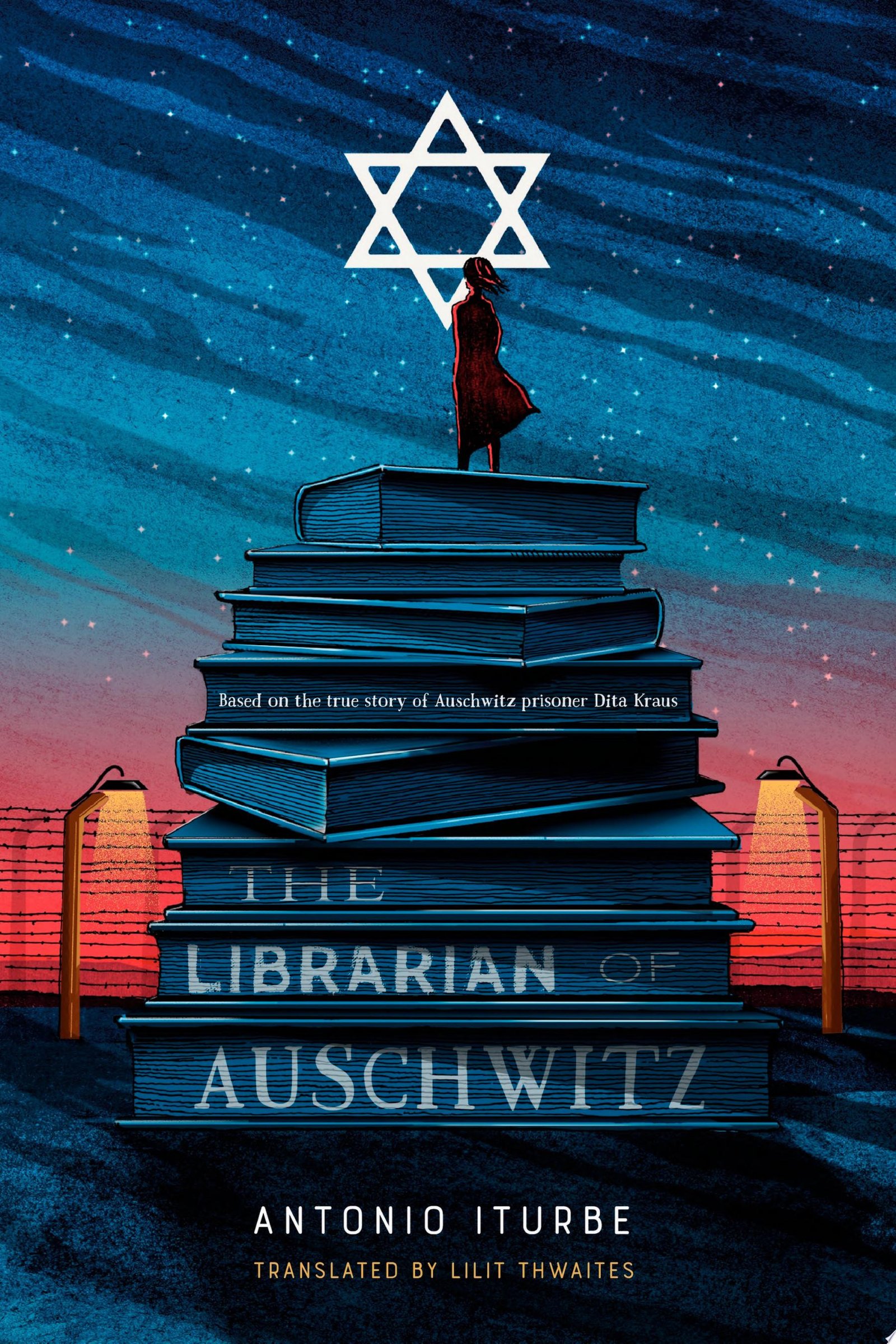
  1. Cover of The Librarian of Auschwitz by Antonio Iturbe

    Cover not available

    The Librarian of Auschwitz

    by Antonio Iturbe

    Based on the experience of real-life Auschwitz prisoner Dita Kraus, this is the incredible story of a girl who risked her life to keep the magic of books alive during the Holocaust.

    Fourteen-year-old Dita is one of the many imprisoned by the Nazis at Auschwitz. Taken, along with her mother and father, from the Terezín ghetto in Prague, Dita is adjusting to the constant terror that is life in the camp. When Jewish leader Freddy Hirsch asks Dita to take charge of the eight precious volumes the prisoners have managed to sneak past the guards, she agrees. And so Dita becomes the librarian of Auschwitz.

    Out of one of the darkest chapters of human history comes this extraordinary story of courage and hope.

    Why it's similar

    Both books are historical fiction based on real-life Holocaust survivors, depicting the daily struggle for survival and secret acts of resistance inside the Auschwitz-Birkenau camp.

    What's different

    While Morris centers her story on a romantic bond, Iturbe focuses on a teenage girl's dangerous mission to protect contraband books and sustain an illicit school for children.
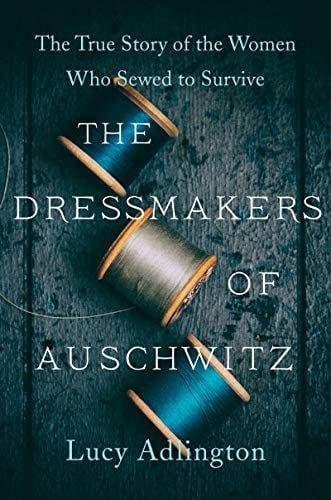
  2. Cover of The Dressmakers of Auschwitz by Lucy Adlington

    Cover not available

    The Dressmakers of Auschwitz

    by Lucy Adlington

    A powerful chronicle of the women who used their sewing skills to survive the Holocaust, stitching beautiful clothes at an extraordinary fashion workshop created within one of the most notorious WWII death camps.

    At the height of the Holocaust twenty-five young inmates of the infamous Auschwitz-Birkenau concentration camp--mainly Jewish women and girls--were selected to design, cut, and sew beautiful fashions for elite Nazi women in a dedicated salon. It was work that they hoped would spare them from the gas chambers.

    This fashion workshop--called the Upper Tailoring Studio--was established by Hedwig Höss, the camp commandant's wife, and patronized by the wives of SS guards and officers. Here, the dressmakers produced high-quality garments for SS social functions in Auschwitz, and for ladies from Nazi Berlin's upper crust.

    Drawing on diverse sources--including interviews with the last surviving seamstress--The Dressmakers of Auschwitz follows the fates of these brave women. Their bonds of family and friendship not only helped them endure persecution, but also to play their part in camp resistance. Weaving the dressmakers' remarkable experiences within the context of Nazi policies for plunder and exploitation, historian Lucy Adlington exposes the greed, cruelty, and hypocrisy of the Third Reich and offers a fresh look at a little-known chapter of World War II and the Holocaust.

    Why it's similar

    Both works center on the paradoxical reality of prisoners given specialized work that shielded them from immediate death within the Auschwitz-Birkenau complex.

    What's different

    Adlington presents a documented, narrative non-fiction collective biography of over twenty women, whereas Morris presents a novelized, dialogue-driven romance focused primarily on two people.

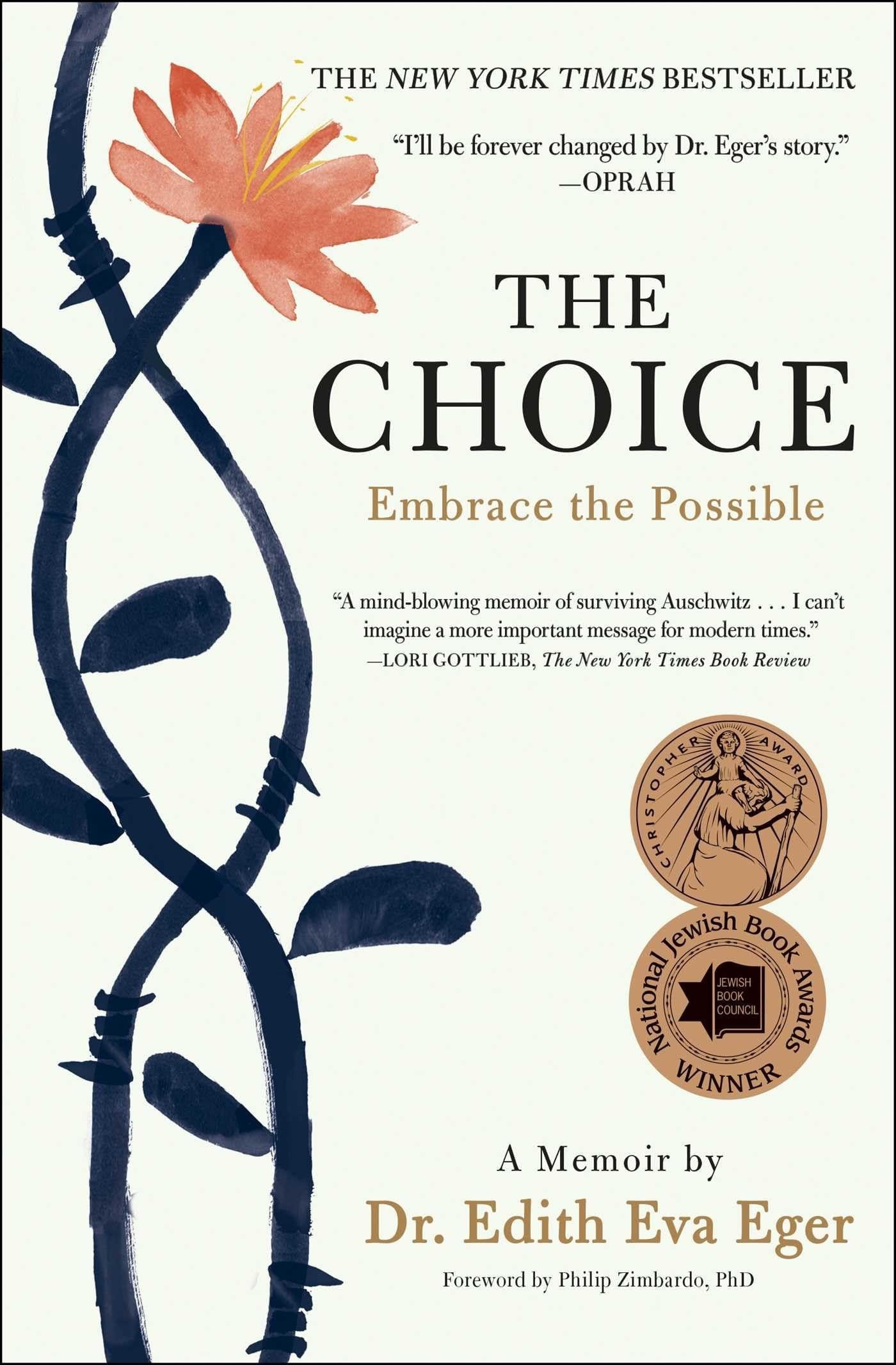
  3. Cover of The Choice: Embrace the Possible by Edith Eger

    Cover not available

    The Choice: Embrace the Possible

    by Edith Eger

    A New York Times Bestseller

    “I’ll be forever changed by Dr. Eger’s story…The Choice is a reminder of what courage looks like in the worst of times and that we all have the ability to pay attention to what we’ve lost, or to pay attention to what we still have.”—Oprah

    “Dr. Eger’s life reveals our capacity to transcend even the greatest of horrors and to use that suffering for the benefit of others. She has found true freedom and forgiveness and shows us how we can as well.” —Desmond Tutu, Nobel Peace Prize Laureate

    “Dr. Edith Eva Eger is my kind of hero. She survived unspeakable horrors and brutality; but rather than let her painful past destroy her, she chose to transform it into a powerful gift—one she uses to help others heal.” —Jeannette Walls, New York Times bestselling author of The Glass Castle

    Winner of the National Jewish Book Award and Christopher Award

    At the age of sixteen, Edith Eger was sent to Auschwitz. Hours after her parents were killed, Nazi officer Dr. Josef Mengele, forced Edie to dance for his amusement and her survival. Edie was pulled from a pile of corpses when the American troops liberated the camps in 1945.

    Edie spent decades struggling with flashbacks and survivor’s guilt, determined to stay silent and hide from the past. Thirty-five years after the war ended, she returned to Auschwitz and was finally able to fully heal and forgive the one person she’d been unable to forgive—herself.

    Edie weaves her remarkable personal journey with the moving stories of those she has helped heal. She explores how we can be imprisoned in our own minds and shows us how to find the key to freedom. The Choice is a life-changing book that will provide hope and comfort to generations of readers.

    Why it's similar

    Both books document the harrowing experience of arriving at Auschwitz as a young person and maintaining the psychological will to survive unspeakable brutality.

    What's different

    Eger's book is an introspective memoir that extends far beyond the war, detailing decades of psychological healing, trauma processing, and clinical therapy.

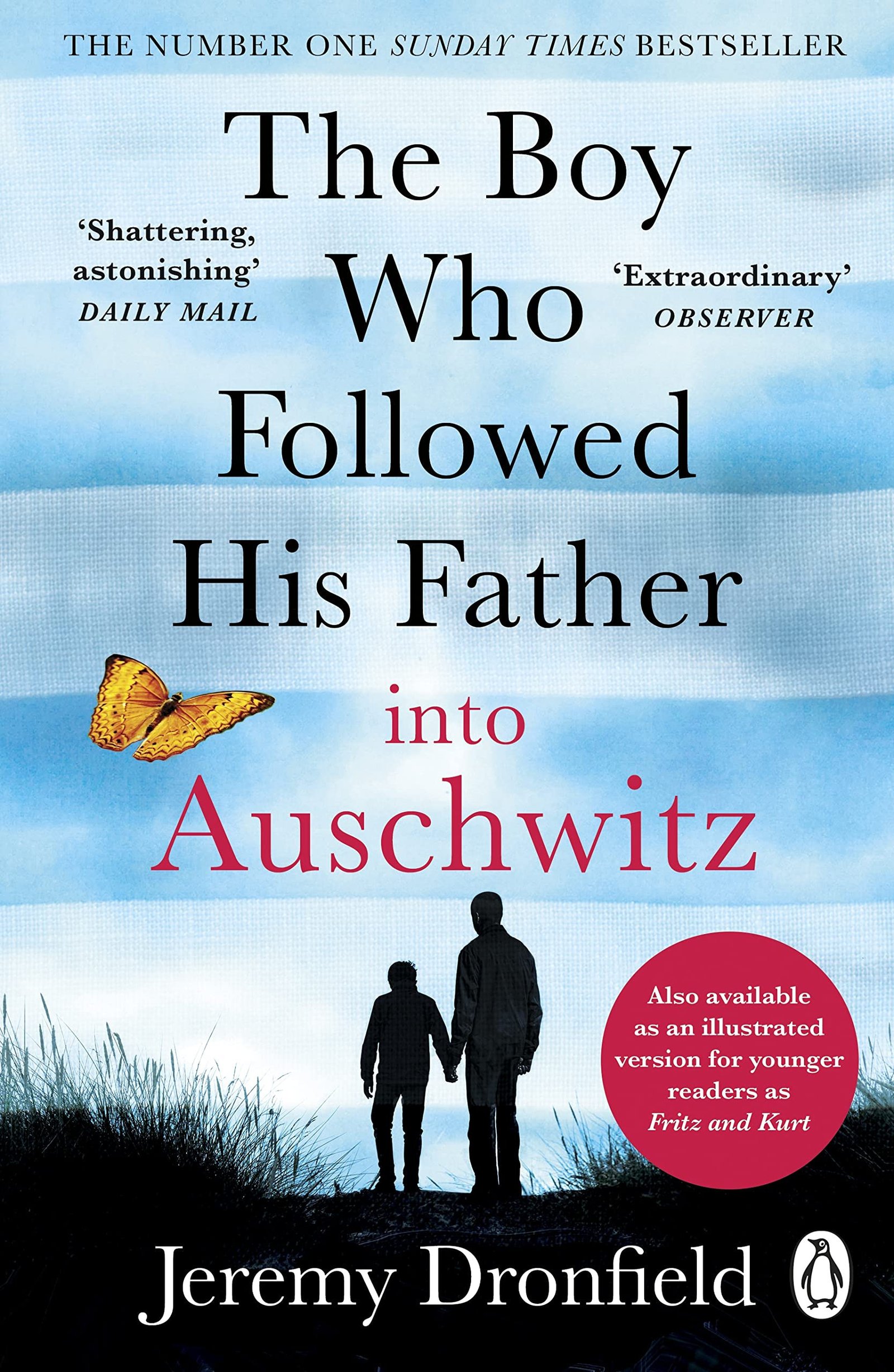
  4. Cover of The Boy Who Followed His Father into Auschwitz by Jeremy Dronfield

    Cover not available

    The Boy Who Followed His Father into Auschwitz

    by Jeremy Dronfield

    THE NUMBER ONE SUNDAY TIMES BESTSELLER, ALSO AVAILABLE FOR YOUNG READERS AS FRITZ AND KURT DAILY MAIL & SUNDAY EXPRESS BOOKS OF THE YEAR The inspiring true story of a father and son's fight to stay together and survive the Holocaust, for anyone captivated by The Cut Out Girl and The Tattooist of Auschwitz 'A powerful and often uncomfortable true story that deserves to be read and remembered. It beautifully captures the strength of the bond between a father and son' Heather Morris, author of New York Times no. 1 bestseller The Tattooist of Auschwitz
    _______ Even in darkness, love brings hope. Gustav and Fritz Kleinmann are father and son in an ordinary Austrian Jewish family when the Nazis come for them. Sent to Buchenwald concentration camp in 1939 they survive three years of murderous brutality. Then Gustav is ordered to Auschwitz. Fritz, desperate not to lose his beloved father, insists he must go too. And though he is told it means certain death, he won't back down. So it is that father and son together board a train bound for the most hellish place on Earth . . . This is the astonishing true story of love and impossible survival.
    _______ 'Extraordinary' Observer 'The story is both immersive and extraordinary. Deeply moving and brimming with humanity' Guardian 'An emotionally devastating story of courage - and survival' i Paper 'We should all read this shattering book about the Holocaust. An astonishing story of the unbreakable bond between a father and a son' Daily Mail 'A deeply humane account and a visceral depiction of everyday life in the camps. Could not be more timely and deserves the widest possible readership' Daily Express

    Why it's similar

    Both narratives explore how deep interpersonal devotion served as an anchor for enduring the extreme physical and psychological cruelty of Nazi concentration camps.

    What's different

    Dronfield writes rigorous narrative non-fiction focusing on the bond between a father and son across multiple labor camps, rather than a novelized romantic relationship in a single camp.

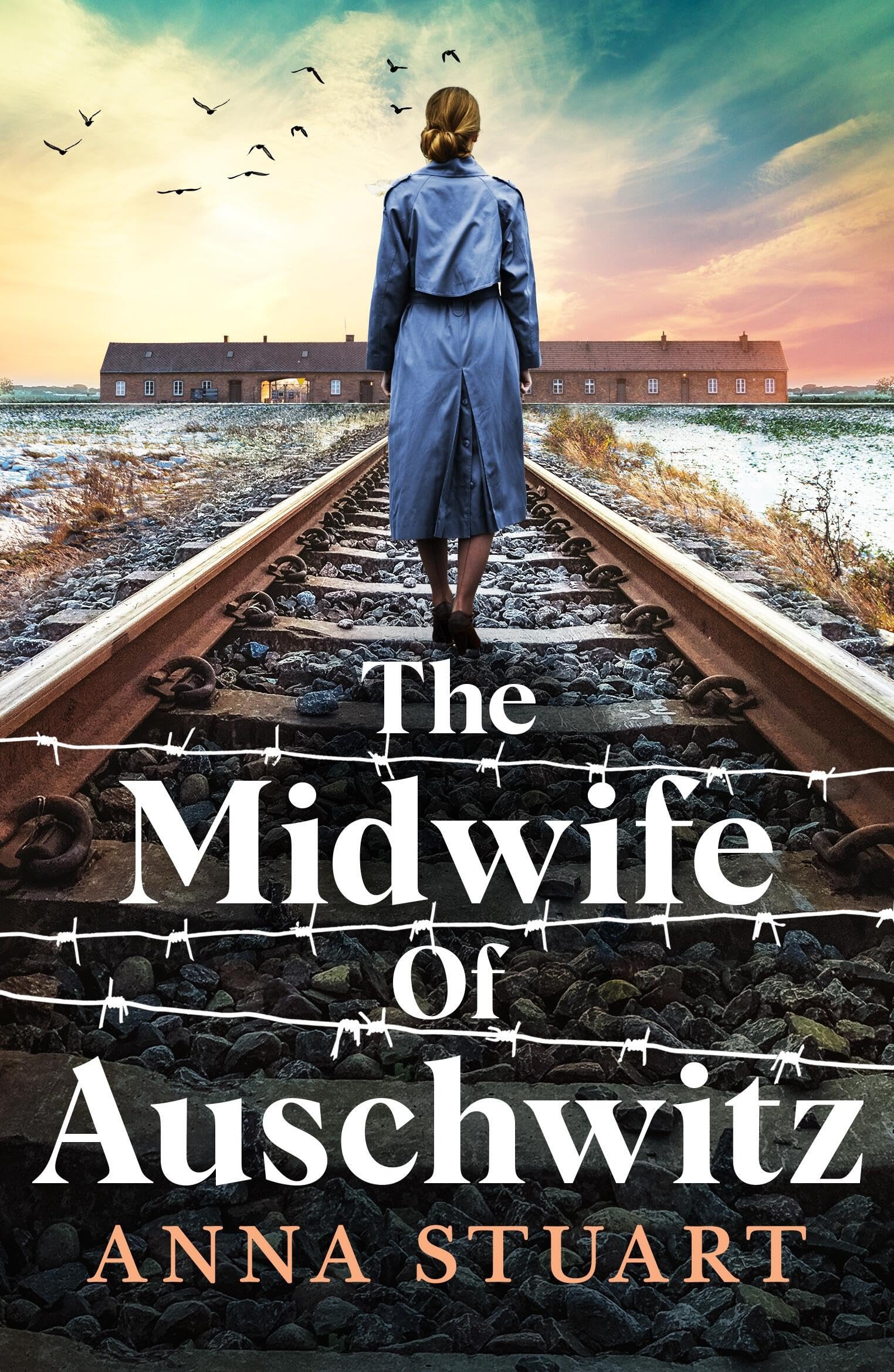
  5. Cover of The Midwife of Auschwitz by Anna Stuart

    Cover not available

    The Midwife of Auschwitz

    by Anna Stuart

    Inspired by a heartbreaking true story, this poignant novel tells of one woman's brave fight for love, life, and hope during a time of unimaginable darkness in WWII Germany, perfect for readers of The Tattooist of Auschwitz.

    Auschwitz, 1943: As I held the tiny baby in my arms, my fingers traced the black tattoo etched across her little thigh. And I prayed that one day this set of numbers, identical to her mother's, would have the power to reunite a family torn apart by war...

    Ana Kaminski is pushed through the iron gates of Auschwitz beside her frightened young friend Ester Pasternak. As they reach the front of the line, Ana steps forward and quietly declares herself a midwife--and Ester her assistant. Their arms are tattooed, and they're ordered to the maternity hut. Holding an innocent newborn baby, Ana knows the fate of so many are in her hands, and vows to do everything she can to save them.

    When two guards in their chilling SS uniforms march in and snatch a blond-haired baby from its mother, it's almost too much for Ana to bear. Consoling the distraught woman, Ana realizes amidst the terrible heartache there is a glimmer of hope. The guards are taking the healthiest babies and placing them with German families, so they will survive. And there are whispers the war is nearly over... Ana and Ester begin to secretly tattoo little ones with their mother's numbers, praying one day they might be reunited.

    Then, early one morning, Ana notices the small bump under Ester's thin, striped clothing...

    Why it's similar

    Both are accessible historical fiction novels inspired by real historical figures who used assigned medical or administrative roles inside Auschwitz to quietly aid fellow prisoners.

    What's different

    Stuart's narrative centers on maternal endurance and the trauma of childbirth in captivity rather than the courtship and romance highlighted by Morris.

Looking for something else?

Use our book recommendation tool to discover books similar to any of your favorites.

Find similar books with LibroMatch