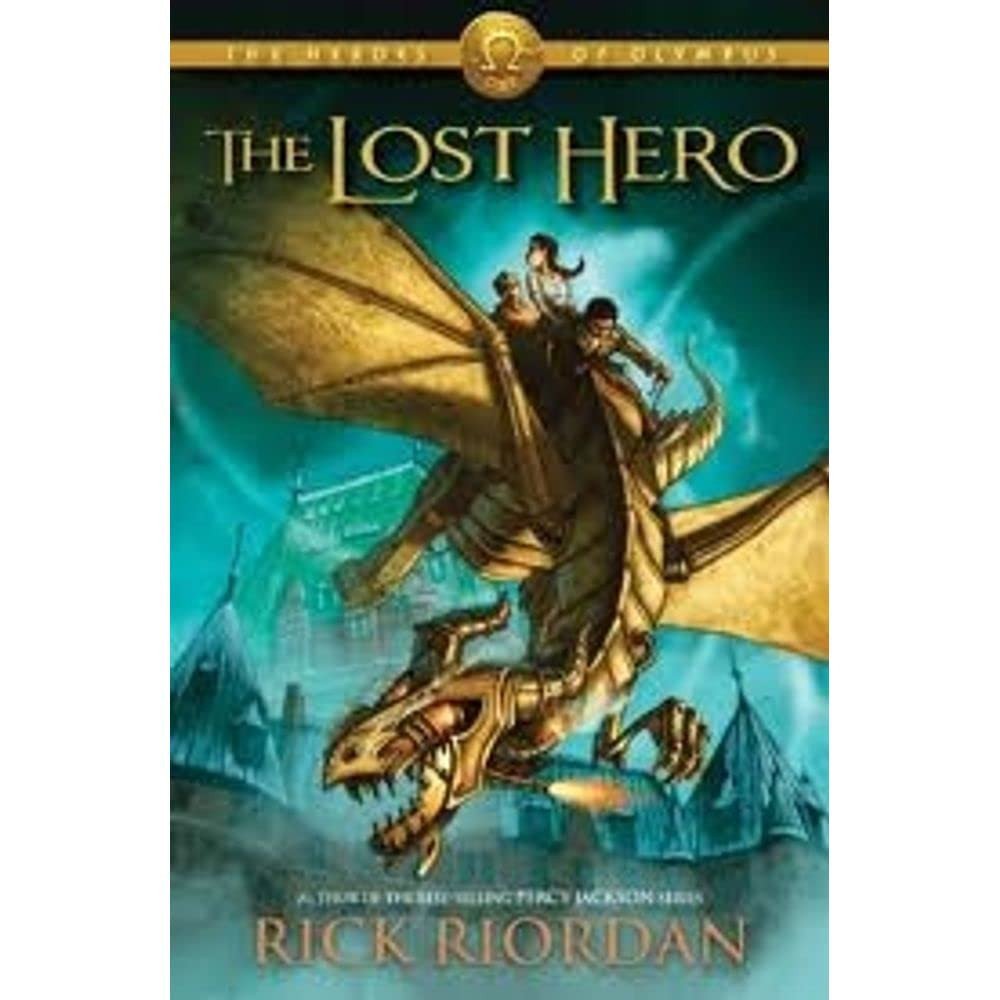
Cover of The Lost Hero by Rick Riordan

5 book recommendations

Books Like “The Lost Hero” by Rick Riordan

If you were captivated by the thrilling quests, witty humor, and modern mythology of The Lost Hero, your adventure does not have to end here. Rick Riordan set a high bar for demigod drama and epic fantasy adventures. Explore our curated list to find your next unforgettable, myth-fueled read.

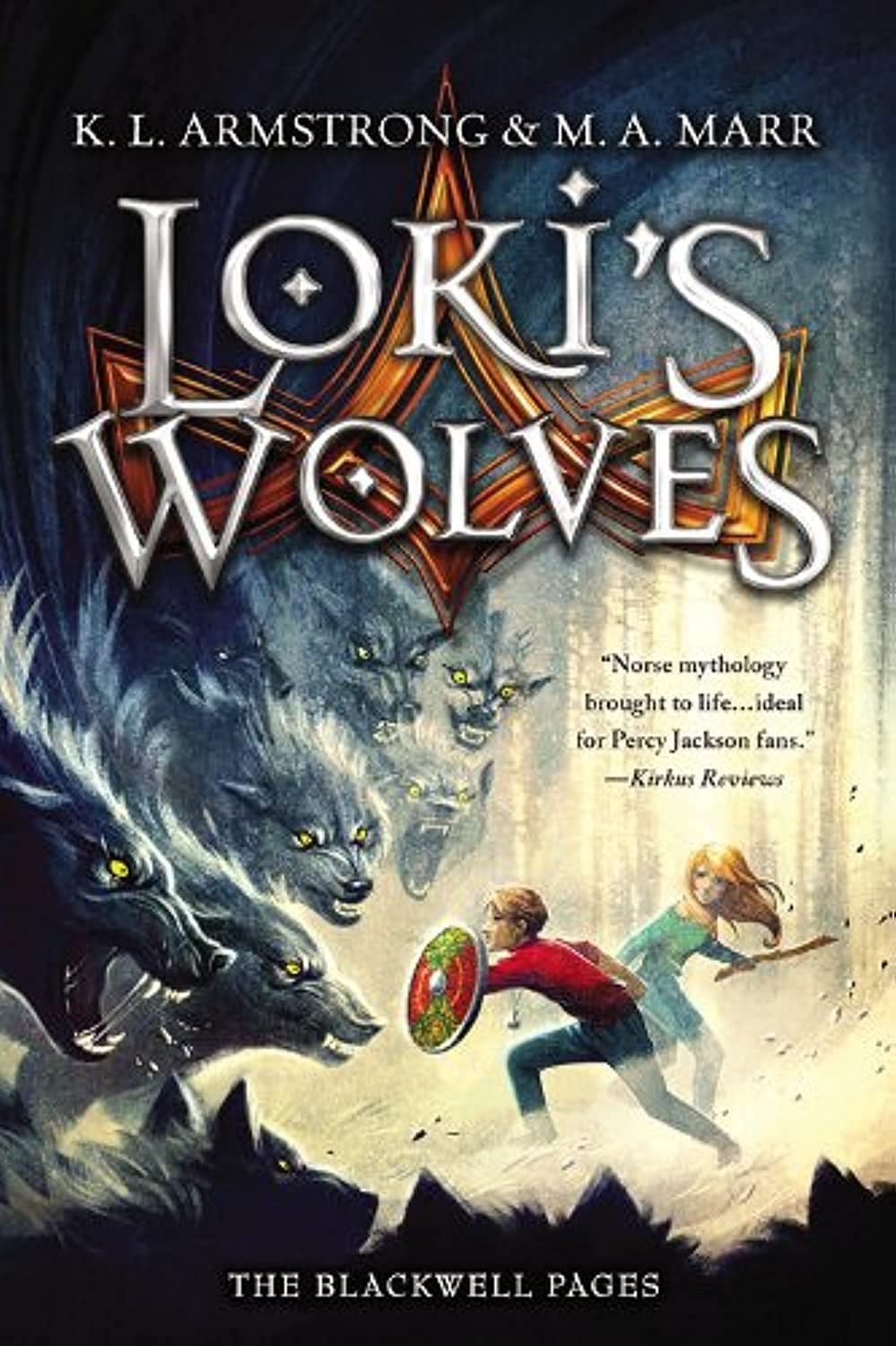
  1. Cover of Loki's Wolves by K. L. Armstrong and M. A. Marr

    Cover not available

    Loki's Wolves

    by K. L. Armstrong and M. A. Marr

    Calling all fans of myths, action-adventure, and the Percy Jackson series - don't miss this first book in the Blackwell Pages trilogy from bestselling authors K.L. Armstrong and Melissa Marr.
    While thirteen-year-old Matt Thorsen has always known he's a modern-day descendent of Thor, he's been living a normal kid's life. In fact, most people in the small town of Blackwell, South Dakota, are direct descendants of either Thor or Loki, including Matt's classmates Fen and Laurie Brekke. No big deal.
    But now Ragnarok is coming, and it's up to the champions to fight in the place of the long-dead gods. Matt, Laurie, and Fen's lives will never be the same as they race to put together an unstoppable team, find Thor's hammer and shield, and prevent the end of the world.
    In their middle grade debut, bestselling authors K.L. Armstrong and Melissa Marr begin the epic Blackwell Pages series with this action-packed adventure, filled with larger-than-life legends, gripping battles, and an engaging cast of characters who bring the myths to life.

    Why it's similar

    Like The Lost Hero, it features modern teens who discover their descent from ancient deities and must band together on a high-stakes quest to prevent a mythical apocalypse. Both stories emphasize an ensemble cast uncovering their hidden powers while navigating the dangers of divine parentage.

    What's different

    It is rooted in Norse mythology rather than Greco-Roman traditions and adopts a grittier, colder survivalist tone as the characters face the inevitable doom of Ragnarok.
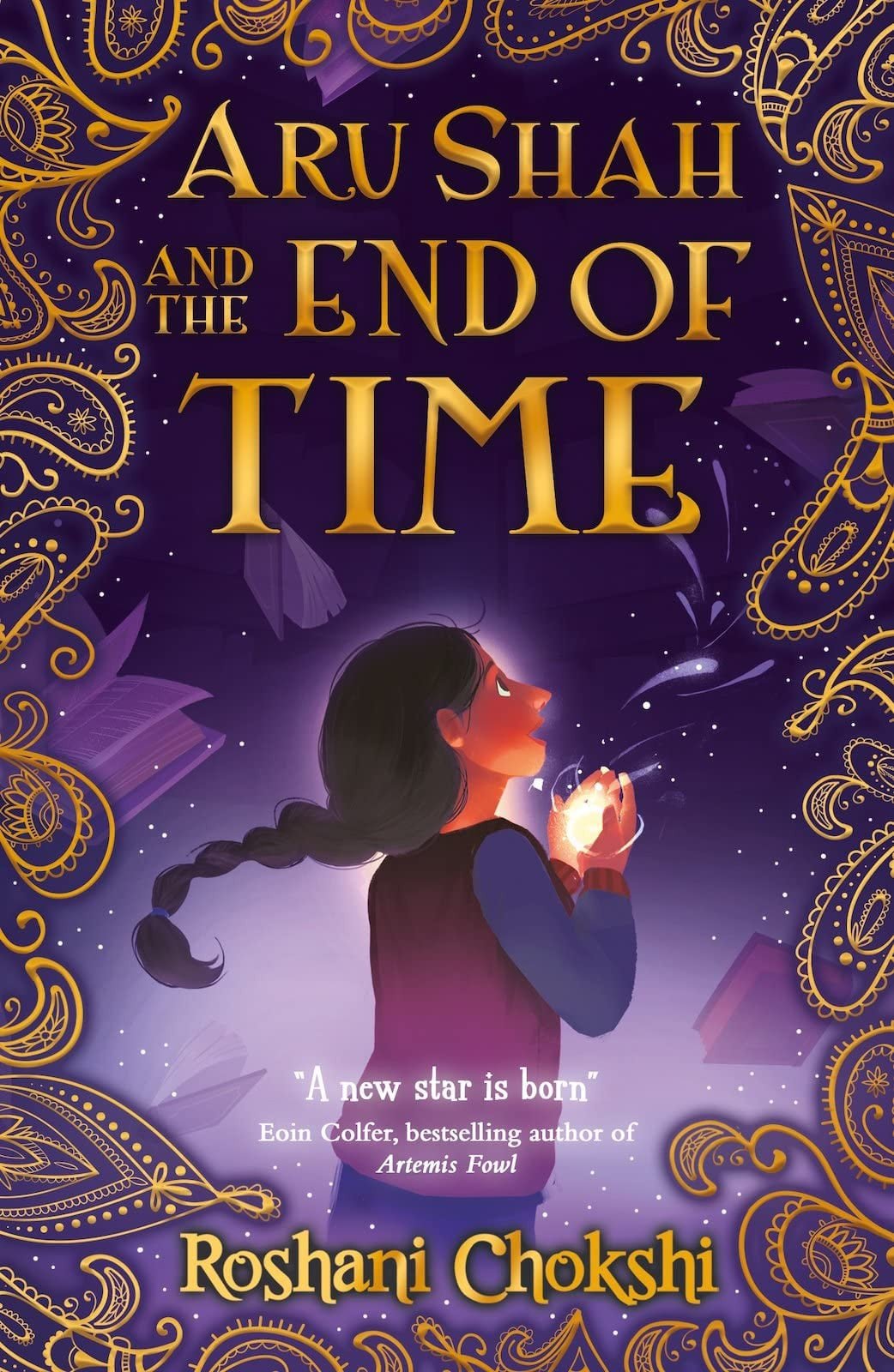
  2. Cover of Aru Shah and the End of Time by Roshani Chokshi

    Cover not available

    Aru Shah and the End of Time

    by Roshani Chokshi

    'Has everything I like: humour, action, great characters and awesome mythology!' Rick Riordan, bestselling author of Percy Jackson

    'A new star is born.' Eoin Colfer, bestselling author of Artemis Fowl

    The first book in an exciting AND funny adventure series. Twelve-year-old Aru Shah has a tendency to stretch the truth in order to fit in at school.

    Whilst her classmates are jetting off to exotic locales, she'll be at home, in the Museum of Ancient Indian Art and Culture where her mother works.

    Is it any wonder that Aru makes up stories about being royalty, traveling to Paris, and having a chauffeur?

    When Aru's schoolmates dare her to prove that the museum's Lamp of Bharata is cursed, she doesn't think there's any harm in lighting it. Little does Aru know that lighting the lamp has dire consequences. She unwittingly frees the Sleeper, an ancient demon whose duty it is to awaken the God of Destruction.

    Her classmates and beloved mother are frozen in time, and, accompanied by a wise-cracking pigeon and her long-lost half-sister, it's up to Aru to save them.

    Pacy, page-turning storytelling charming, funny writing relatable characters to root for a diverse, original feel to the set-up - drawing inspiration from Hindu gods

    Praise for Aru Shah and the End of Time:

    "The characters and gods that make up Chokshi's world are hilarious ... The empowerment that Chokshi places in her two main characters of Aru and Mini, tells readers that girls are strong and fierce and not to be underestimated." Bill Gowsell, Laughing Place

    "Chokshi weaves an engrossing adventure that will leave readers anticipating the next installment." Publishers Weekly

    Why it's similar

    Both books feature a contemporary youth discovering their divine lineage and embarking on an urgent, humorous quest filled with mythological monsters and artifacts. They share a fast-paced narrative voice that balances modern pop-culture banter with ancient mythological stakes.

    What's different

    The story draws from Hindu mythology rather than classical Greek and Roman lore, focusing on younger protagonists and familial redemption rather than a teen trio navigating amnesia and war.

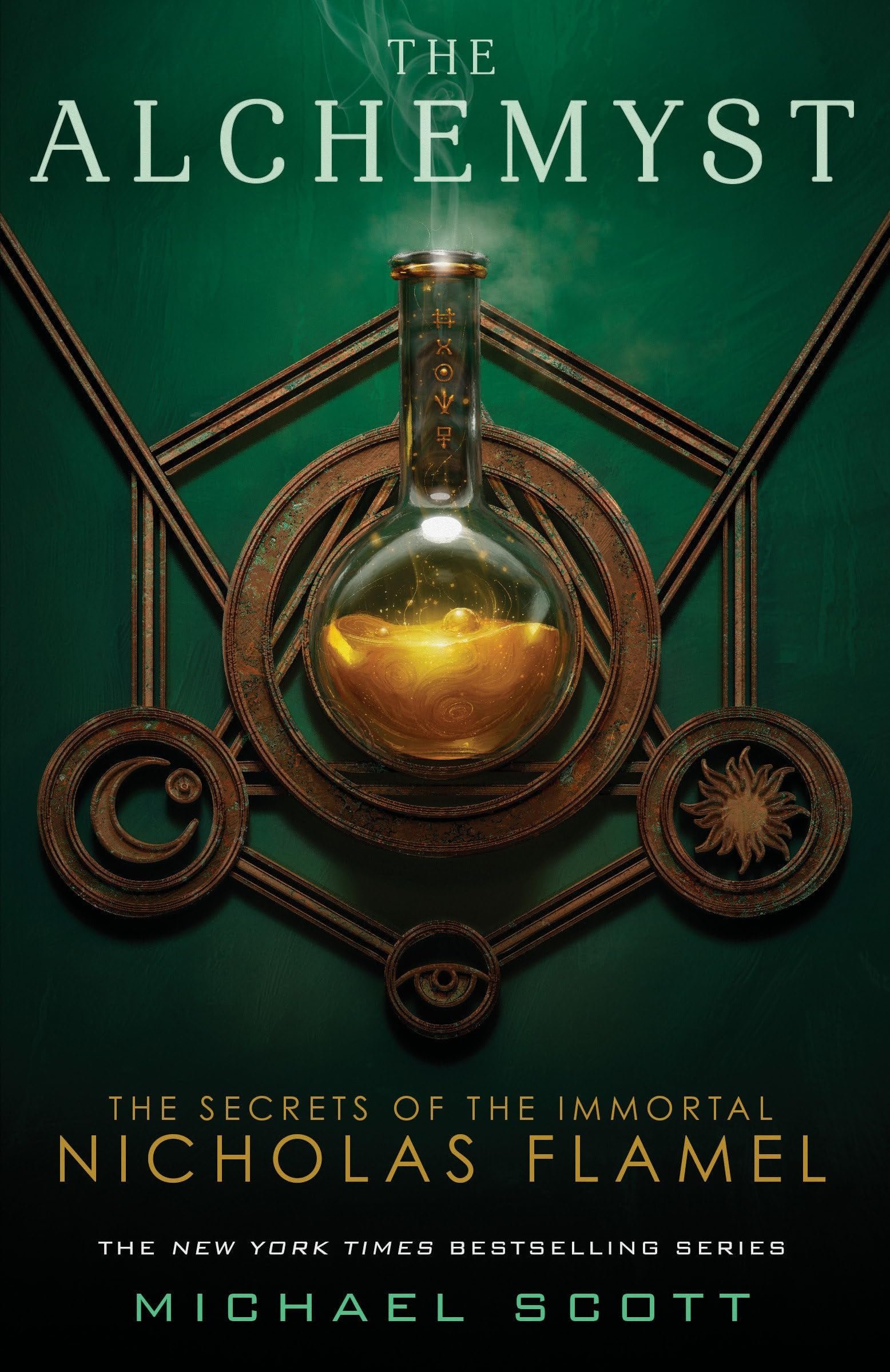
  3. Cover of The Alchemyst by Michael Scott

    Cover not available

    The Alchemyst

    by Michael Scott

    Nicholas Flamel appeared in J.K. Rowling’s Harry Potter—but did you know he really lived? And his secrets aren't safe! Discover the truth in book one of the New York Times bestselling series the Secrets of the Immortal Nicholas Flamel.

    The truth: Nicholas Flamel's tomb is empty.

    The legend: Nicholas Flamel lives.

    Nicholas Flamel is the greatest Alchemyst to ever live. The records show that he died in 1418, but what if he's actually been making the elixir of life for centuries?
    The secrets to eternal life are hidden within the book he protects—the Book of Abraham the Mage. It's the most powerful book that has ever existed, and in the wrong hands, it will destroy the world. And that's exactly what Dr. John Dee plans to do when he steals it.
    There is one hope. If the prophecy is true, Sophie and Josh Newman have the power to save everyone. Now they just have to learn to use it.

    “The Secrets of the Immortal Nicholas Flamel has everything you loved about Harry Potter, including magic, mystery, and a constant battle of good versus evil.”—Bustle

    Why it's similar

    Both stories integrate ancient mythological figures and deities directly into modern society, thrusting teenage protagonists into an ongoing war of gods and prophecies. Both utilize shifting third-person perspectives to capture the urgency of a high-stakes cross-country journey.

    What's different

    It features a broader synthesis of global mythologies and historical figures rather than focusing on a single pantheon, carrying a more urgent and slightly darker tone throughout.

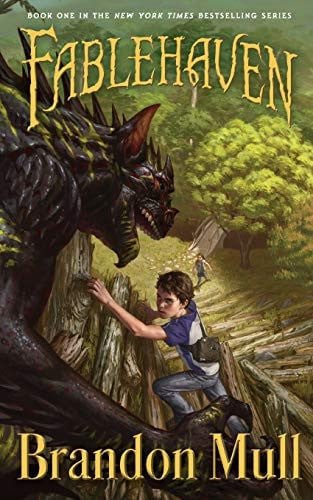
  4. Cover of Fablehaven by Brandon Mull

    Cover not available

    Fablehaven

    by Brandon Mull

    Brandon Mull’s New York Times bestselling series about siblings Seth and Kendra who discover their grandparents are the caretakers of a sanctuary for magical creatures!

    For centuries mystical creatures of all description were gathered into a hidden refuge called Fablehaven to prevent their extinction. The sanctuary survives today as one of the last strongholds of true magic. Enchanting? Absolutely. Exciting? You bet. Safe? Well, actually, quite the opposite.

    Kendra and her brother, Seth, have no idea that their grandfather is the current caretaker of Fablehaven. Inside the gated woods, ancient laws keep relative order among greedy trolls, mischievous satyrs, plotting witches, spiteful imps, and jealous fairies. However, when the rules get broken—Seth is a bit too curious and reckless for his own good—powerful forces of evil are unleashed, and Kendra and her brother face the greatest challenge of their lives. To save their family, Fablehaven, and perhaps even the world, Kendra and Seth must find the courage to do what they fear most.

    Why it's similar

    Both are middle-grade fantasy adventures featuring modern kids who discover hidden magical enclaves tied to mythic creatures, mixing humor with high-stakes battles against dark forces.

    What's different

    The story focuses more on a single magical preserve and a brother-sister duo, with a slightly more traditional fantasy quest structure and less emphasis on large-scale prophecy and rotating points of view.

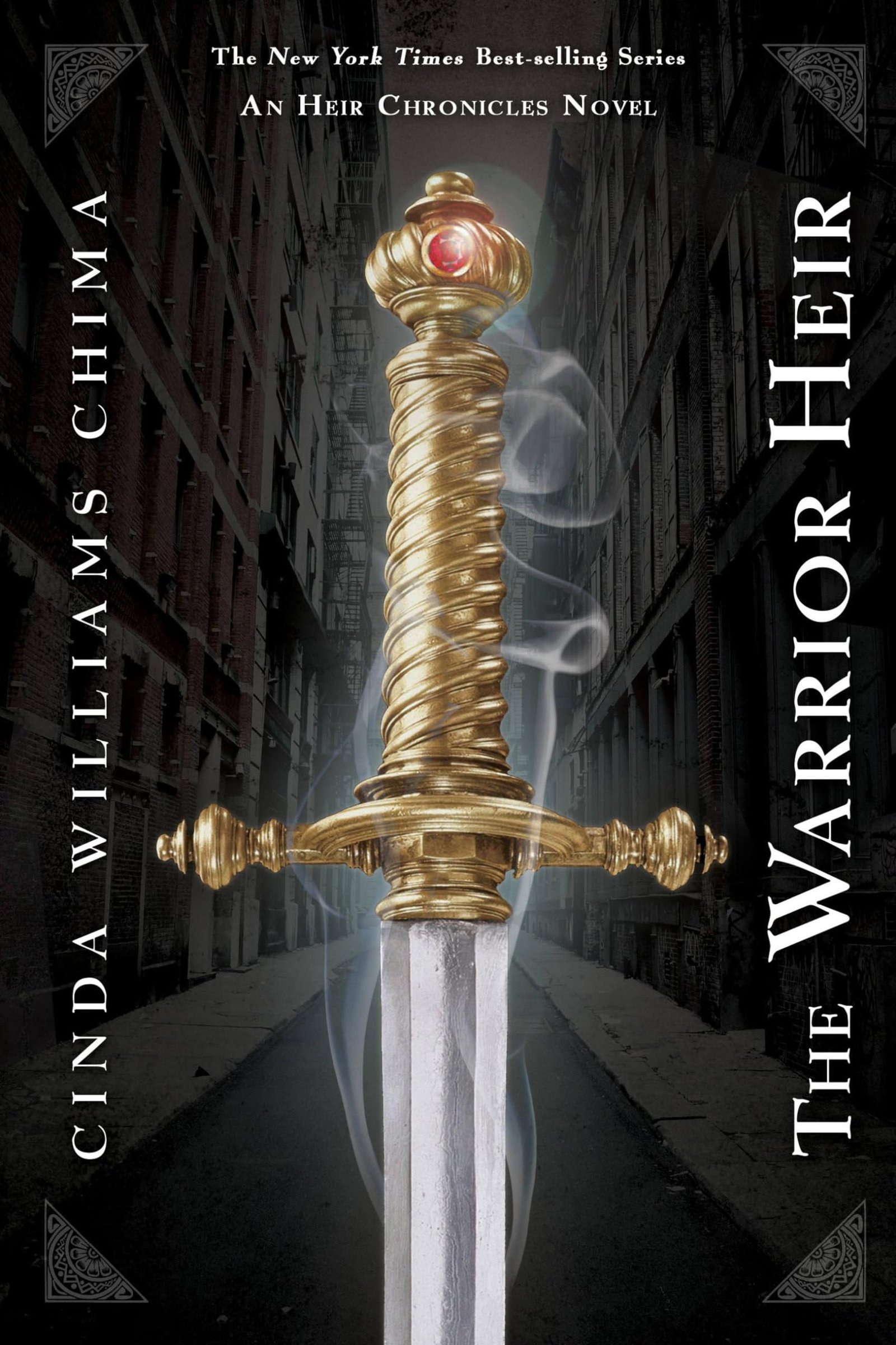
  5. Cover of The Warrior Heir by Cinda Williams Chima

    Cover not available

    The Warrior Heir

    by Cinda Williams Chima

    Before he knew about the Roses, 16-year-old Jack lived an unremarkable life in the small Ohio town of Trinity. Only the medicine he has to take daily and the thick scar above his heart set him apart from the other high-schoolers. Then one day Jack skips his medicine. Suddenly, he is stronger, fiercer, and more confident than ever before. And it feels great—until he loses control of his own strength and nearly kills another player during soccer team tryouts.

    Soon, Jack learns the startling truth about himself: He is Weirlind; part of an underground society of magical people who live among us. At the head of this magical society sit the feuding houses of the Red Rose and the White Rose, whose power is determined by playing The Game—a magical tournament in which each house sponsors a warrior to fight to the death. The winning house rules the Weir.

    As if his bizarre magical heritage isn’t enough, Jack finds out that he’s not just another member of Weirlind—he’s one of the last of the warriors—at a time when both houses are scouting for a player.

    Why it's similar

    Both center on a teen who discovers a hidden magical heritage and must train quickly to survive in a secret world of powerful factions, combining school life with intense battles and destiny-driven stakes.

    What's different

    The book leans into a more YA coming-of-age tone with romantic subplots and a heavier focus on magical warfare between guilds, offering a slightly older and more serious reading experience.

Looking for something else?

Use our book recommendation tool to discover books similar to any of your favorites.

Find similar books with LibroMatch