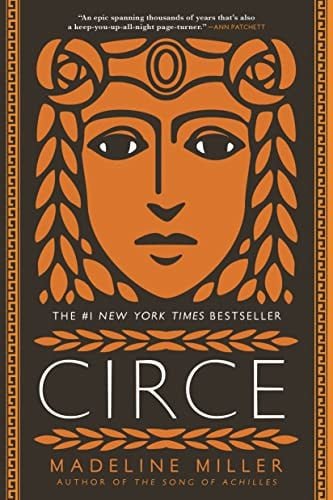
Cover of Circe by Madeline Miller

6 book recommendations

Books Like “Circe” by Madeline Miller

Readers fell in love with Circe for its lyrical prose, feminist perspective, and captivating reimagining of ancient myth. If you crave more stories centered on fierce women reclaiming their voices from legendary lore, you are in the right place. Explore our handpicked recommendations below and find your next unforgettable journey.

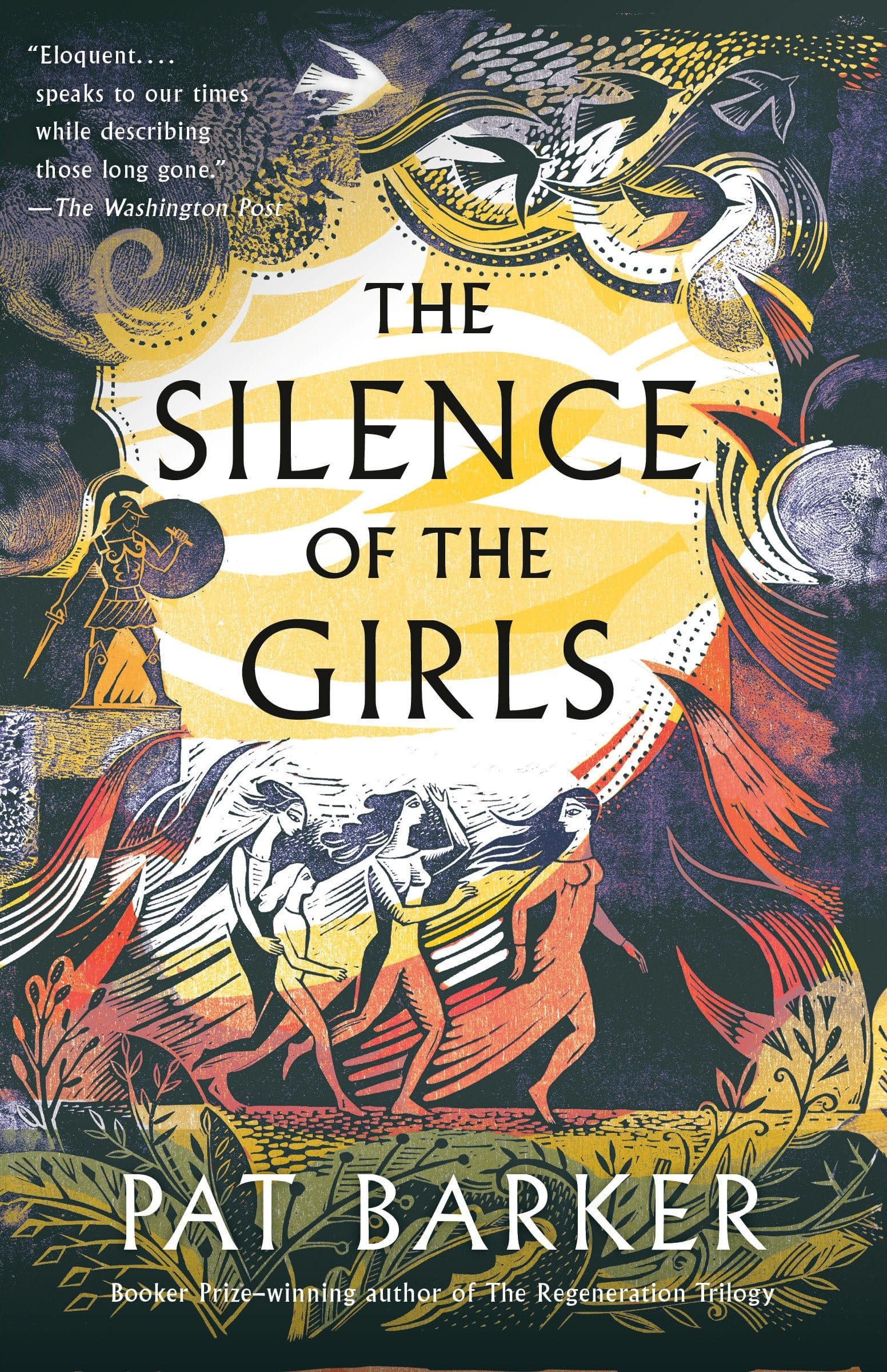
  1. Cover of The Silence of the Girls by Pat Barker

    Cover not available

    The Silence of the Girls

    by Pat Barker

    Queen Briseis has been stolen from her conquered homeland and given as a concubine to a foreign warrior. The warrior is Achilles: famed hero, loathed enemy, ruthless butcher, darkly troubled spirit. Briseis's fate is now indivisibly entwined with his.

    Why it's similar

    Both novels reframe ancient Greek mythology from the perspective of marginalized women whose stories were suppressed in Homeric epics. Each explores the psychological resilience and agency of women navigating a patriarchal world dominated by arrogant heroes and gods.

    What's different

    Barker's narrative is a bleak, visceral depiction of mortal captivity and wartime trauma, lacking the lyrical sorcery, divine immortality, and expansive multi-century timeline found in Circe.
  2. Cover of Ariadne by Jennifer Saint

    Cover not available

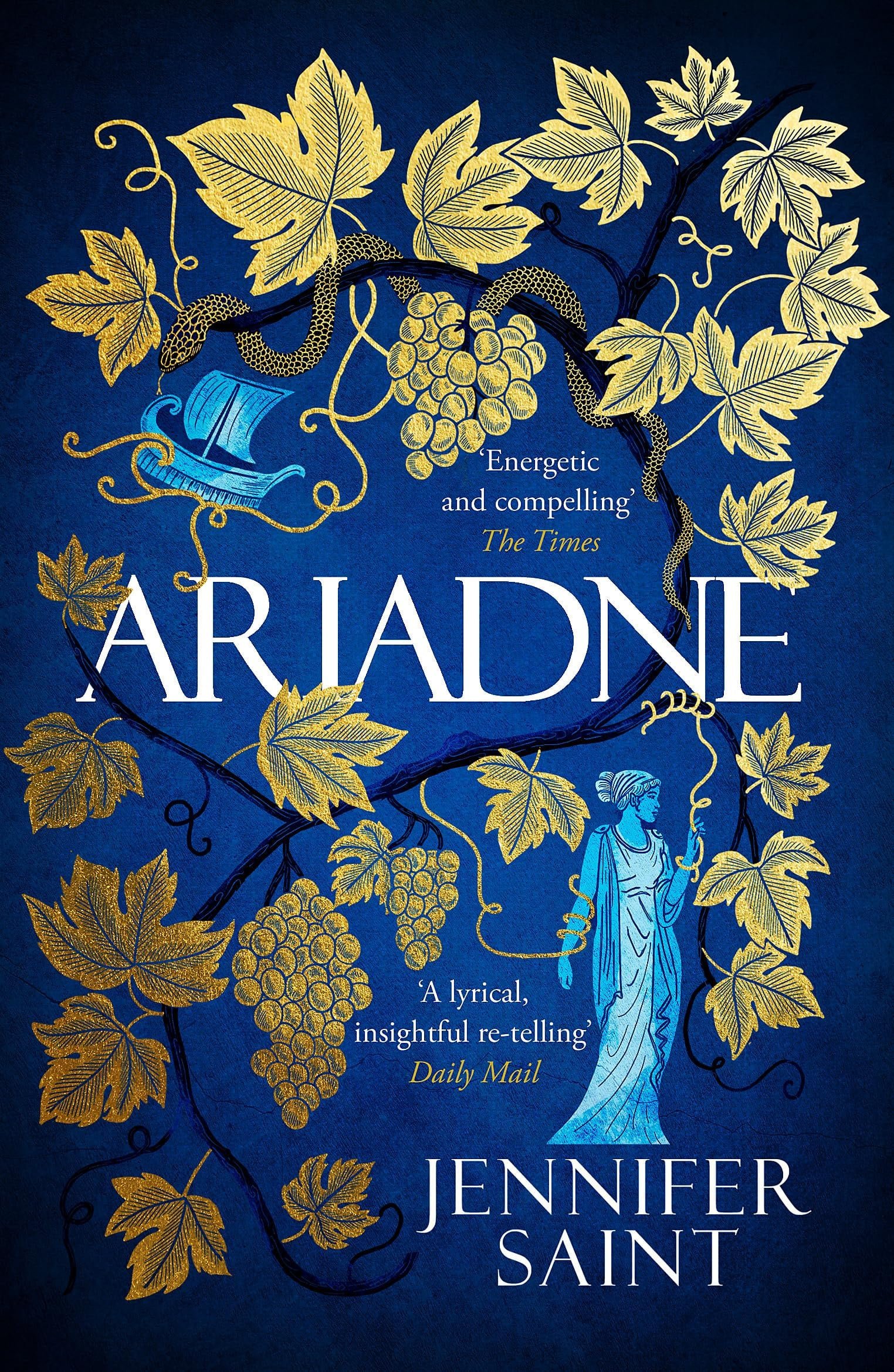
    Ariadne

    by Jennifer Saint

    **The mesmerising retelling from the woman at the heart of one of Ancient Greece's most famous myths.**

    'I absolutely adored this book and am encouraging everyone I know to buy a copy.' ⭐ ⭐ ⭐ ⭐ ⭐ READER REVIEW

    'The last few pages will easily become tear soaked. I loved every minute of this book' ⭐ ⭐ ⭐ ⭐ ⭐ READER REVIEW

    'A lyrical, insightful re-telling' - Daily Mail

    'If you like Madeline Miller's Circe and Song of Achilles, you will eat up Ariadne [. . .] Saint makes it a page-turner' - Glamour

    'Exquisitely written and exceptionally moving, this is a mythical retelling to savour.' - Elodie Harper, author of THE WOLF DEN

    'ARIADNE gives voice to the misused Princess of Crete who betrayed her father to save Theseus from the Minotaur. Relevant and revelatory.' - Stylist

    Ariadne, Princess of Crete and daughter of the fearsome King Minos, grows up hearing stories of gods and heroes. But beneath the golden palace something else stirs, the hoofbeats and bellows echoing from the Labyrinth below. Every year its captive, the Minotaur - Ariadne's brother - demands blood.

    When Theseus, Prince of Athens, arrives as a sacrifice to the beast, Ariadne sees in him her chance to escape. But helping Theseus kill the monster means betraying her family and country, and Ariadne knows only too well that drawing the attention of the mercurial gods may cost her everything.

    In a world where women are nothing more than the pawns of powerful men, will Ariadne's decision to risk everything for love ensure her happy ending? Or will she find herself sacrificed for her lover's ambition?

    ARIADNE gives a voice to the forgotten women of one of the most famous Greek myths. Beautifully written and completely immersive, this exceptional debut novel is perfect for fans of CIRCE, A SONG OF ACHILLES, and THE SILENCE OF THE GIRLS.

    'With her wonderfully executed debut that reimagines the classic tale of Theseus, Adriane and the Minotaur, Jennifer Saint joins the likes of Madeline Miller and Pat Barker in forging mesmerising retellings of ancient Greek myths from a female perspective.' - Waterstones.com

    'Saint's immersive novel thrusts the reader straight into the heart of Greek mythology with this wonderful reimagining of the story of Ariadne.' - iPaper

    'What happens after the monster is defeated and the princess leaves with the hero? Jennifer Saint's ARIADNE is a shimmering tapestry of two sisters bound by deceit and the shadows of family history. . .With a fresh voice and keen insight, Saint adds flesh and bone to an ancient myth, drawing the reader into an uneasy world of ever-afters.' - Yangsze Choo, New York Times bestselling author of THE NIGHT TIGER

    WHAT THE READERS ARE SAYING...

    'Stunning writing, fabulous storytelling and surprisingly real characters who you could empathise with' ⭐ ⭐ ⭐ ⭐ ⭐

    'This is an essential book in the new and rising volume of retelling from the women's point of view - so revealing and questioning. The ending 5 pages of this book killed me.' ⭐ ⭐ ⭐ ⭐ ⭐

    'So real, so matter of fact, like a good chat on a girls' night out.' ⭐ ⭐ ⭐ ⭐ ⭐

    Why it's similar

    Like Circe, this book is a lyrical feminist retelling of classical Greek myth that centers a woman traditionally treated as a secondary plot device for male heroes. Both works highlight the callous indifference of Olympian deities and the harsh consequences faced by women who aid mortal men.

    What's different

    It uses a dual perspective split between Ariadne and her sister Phaedra and emphasizes mortal helplessness against tragedy rather than solitary empowerment through witchcraft.

  3. Cover of Kaikeyi by Vaishnavi Patel

    Cover not available

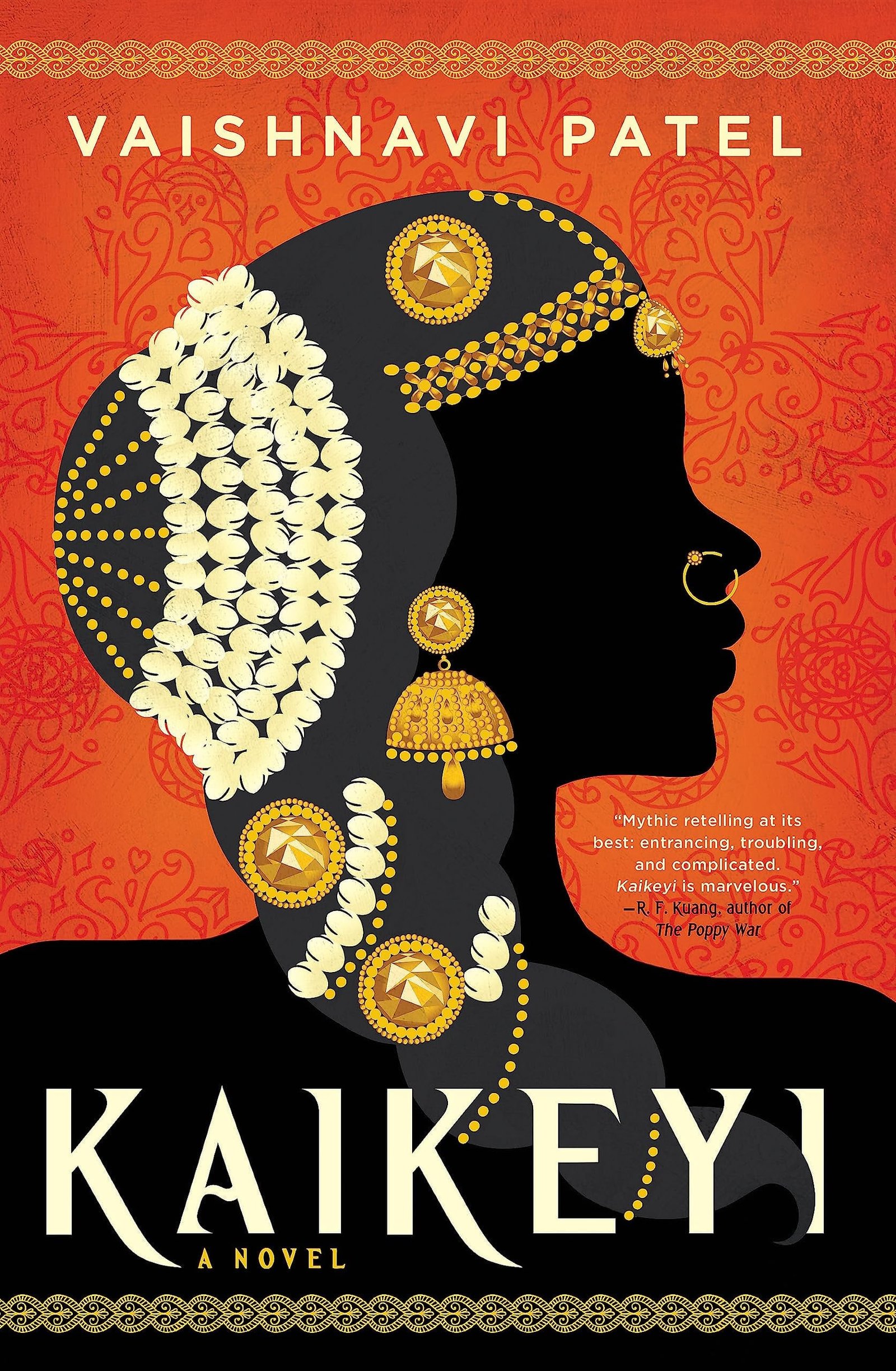
    Kaikeyi

    by Vaishnavi Patel

    AN INSTANT NEW YORK TIMES BESTSELLER - "MYTHIC RETELLING AT ITS BEST." (R. F. Kuang, author of Yellowface) - A 2023 IGNYTE AWARD FINALIST - A BOOK OF THE MONTH CLUB PICK "With a graceful, measured elegance" (New York Times), this lyrical novel reimagines the life of the infamous queen from the ancient epic the Ramayana, giving voice to an extraordinary woman determined to leave her mark in a world where gods and men dictate the shape of things to come.

    I was born on the full moon under an auspicious constellation, the holiest of positions--much good it did me.

    So begins Kaikeyi's story. The only daughter of the kingdom of Kekaya, she is raised on legends of the gods: how they churned the vast ocean to obtain the nectar of immortality, how they vanquish evil and ensure the land of Bharat prospers, and how they offer powerful boons to the devout and the wise. Yet she watches as her father unceremoniously banishes her mother, listens as her own worth is reduced to how great a marriage alliance she can secure. And when she calls upon the gods for help, they never seem to hear.

    Desperate for some measure of independence, she turns to the texts she once read with her mother and discovers a magic that is hers alone. With this power, Kaikeyi transforms herself from an overlooked princess into a warrior, diplomat, and most favored queen, determined to carve a better world for herself and the women around her.

    But as the evil from her childhood tales threatens the cosmic order, the path she has forged clashes with the destiny the gods have chosen for her family. Kaikeyi must decide if resistance is worth the destruction it will wreak--and what legacy she intends to leave behind.

    PRAISE FOR KAIKEYI

    "Patel resets the balance of power, creating an unforgettable heroine who understands that it isn't necessarily kings or gods who change history." -Washington Post

    "Easily earns its place on shelves alongside Madeline Miller's Circe." -Publishers Weekly (starred review)

    "Utterly captivating from start to finish." ―Genevieve Gornichec, author of The Witch's Heart

    "Brave, compassionate and powerful." ―Tasha Suri, author of The Jasmine Throne

    "A lyrical and evocative retelling, full of power and grace." ―Ava Reid, author of Juniper & Thorn

    "Compulsively readable and infinitely compassionate." ―Roshani Chokshi, author of The Last Tale of the Flower Bride

    "A thought-provoking, nuanced new look at one of humanity's most foundational stories." --Shannon Chakraborty, author of The Adventures of Amina Al-Sirafi

    Why it's similar

    Both are first-person mythological retellings that humanize vilified women from ancient tradition, granting them nuanced internal lives and complex motivations. Each protagonist develops personal autonomy and supernatural gifts in defiance of oppressive societal expectations.

    What's different

    Set in the world of the ancient Indian epic Ramayana, it focuses on royal diplomacy, statecraft, and council politics rather than solitary isolation and pastoral witchcraft.

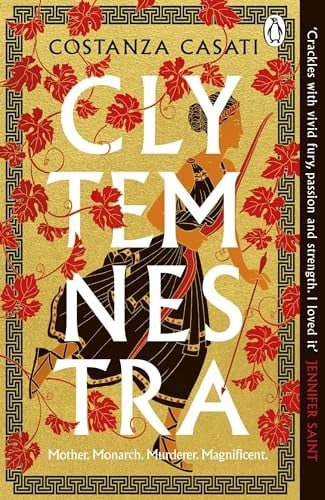
  4. Cover of Clytemnestra by Costanza Casati

    Cover not available

    Clytemnestra

    by Costanza Casati

    'When vengeance calls and the gods stop watching,
    what do we do to those who harm the people we love?'

    Wife. Mother. Fighter. Conspirator. Queen. CLYTEMNESTRA.

    This is the story of a daughter betrayed by her father. Who watches her sister be destroyed by violence and rape. Whose child is sacrificed to ensure her family's power. Who fights as fiercely as any warrior. Who falls in love with her husband's enemy. Who is hungry for otherworldly retribution against both men and gods...

    This is Clytemnestra, the most notorious heroine of the Ancient World. Know her name.

    Condemned by Homer and the Greek poets as a sexually faithless, deceitful, murderous woman, Clytemnestra's voice is obscured by the spiteful judgement of history. A judgement that refuses to see her strength and her cunning, her grief and her rage. Costanza Cosati's dazzling debut isn't just a retelling of the consequences of war on women - it is about how women fought their own wars. Because Clytemnestra understood something that the others didn't-

    If power isn't given to you, you have to take it for yourself.

    Why it's similar

    Both novels reconstruct the life of an infamous female figure from Greek myth, charting her evolution from an underestimated young royal into a powerful woman who refuses to be mastered.

    What's different

    The story functions as a high-stakes, action-oriented political tragedy driven by mortal warfare and blood vengeance, contrasting with the more meditative, solitary pacing of Circe.

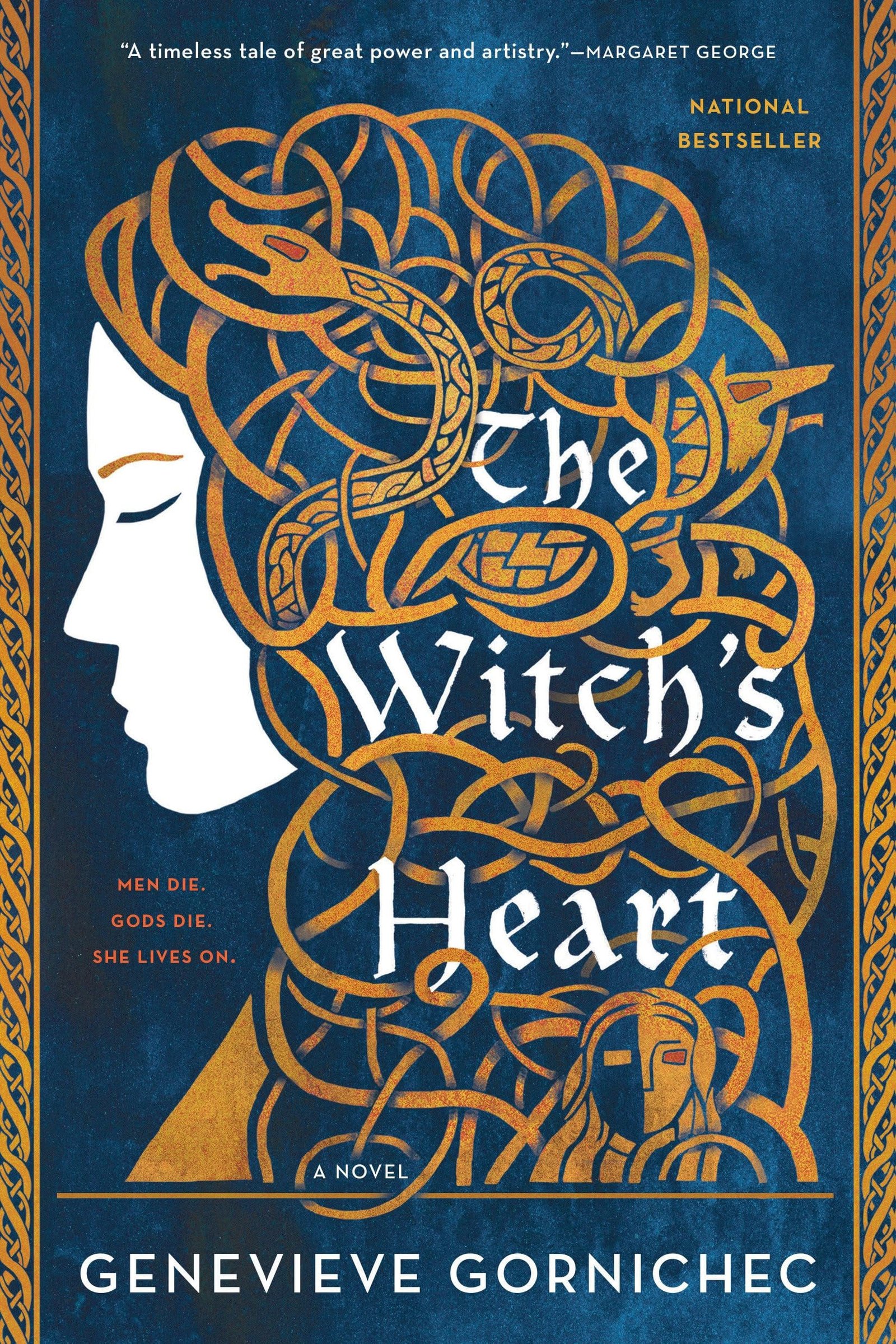
  5. Cover of The Witch's Heart by Genevieve Gornichec

    Cover not available

    The Witch's Heart

    by Genevieve Gornichec

    When a banished witch falls in love with the legendary trickster Loki, she risks the wrath of the gods in this moving, subversive national bestselling debut novel that reimagines Norse mythology.

    Angrboda’s story begins where most witches' tales end: with a burning. A punishment from Odin for refusing to provide him with knowledge of the future, the fire leaves Angrboda injured and powerless, and she flees into the farthest reaches of a remote forest. There she is found by a man who reveals himself to be Loki, and her initial distrust of him transforms into a deep and abiding love.

    Their union produces three unusual children, each with a secret destiny, who Angrboda is keen to raise at the edge of the world, safely hidden from Odin’s all-seeing eye. But as Angrboda slowly recovers her prophetic powers, she learns that her blissful life—and possibly all of existence—is in danger.

    With help from the fierce huntress Skadi, with whom she shares a growing bond, Angrboda must choose whether she’ll accept the fate that she’s foreseen for her beloved family...or rise to remake their future. From the most ancient of tales this novel forges a story of love, loss, and hope for the modern age.

    Why it's similar

    Both books center on an ancient, misunderstood sorceress exiled to the wild edges of the world who must navigate precarious interactions with scheming, powerful gods. Both explore themes of motherhood, prophetic foresight, and female resilience in the face of divine punishment.

    What's different

    It is rooted in Norse mythology rather than Greek myth, and its narrative focuses heavily on familial survival and the countdown to Ragnarok rather than centuries of solitary transformation.

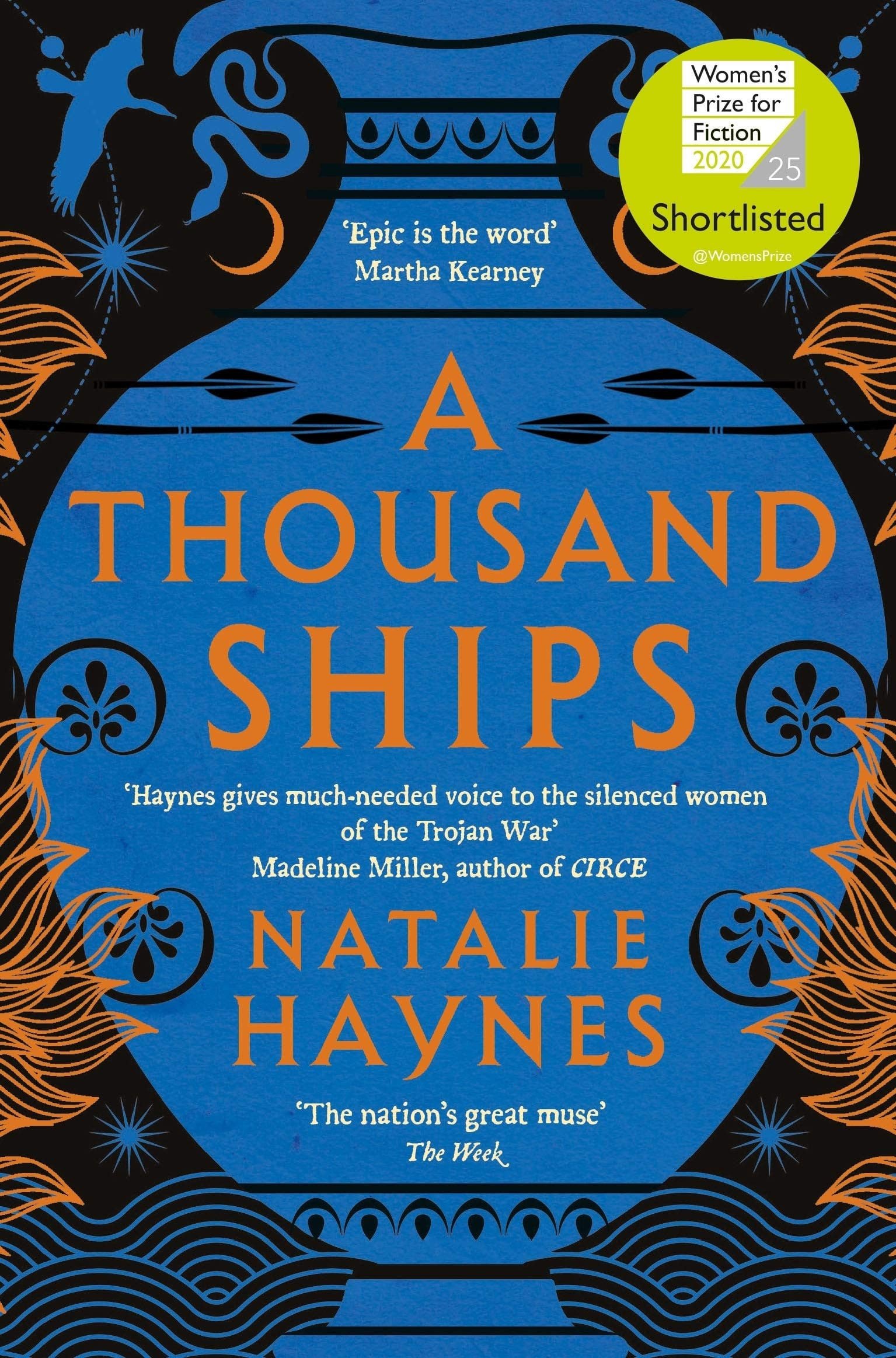
  6. Cover of A Thousand Ships by Natalie Haynes

    Cover not available

    A Thousand Ships

    by Natalie Haynes

    Shortlisted for the Women's Prize for Fiction

    From a powerful all-female perspective, in A Thousand Ships, classicist and author of Divine Might, Natalie Haynes retells the story of the Trojan War - putting the women, girls and goddesses at the centre of the story.

    Perfect for fans of Madeline Miller's The Song of Achilles and Pat Barker's The Silence of the Girls.

    This was never the story of one woman, or two. It was the story of them all . . .

    In the middle of the night, a woman wakes to find her beloved city engulfed in flames. Ten seemingly endless years of conflict between the Greeks and the Trojans are over. Troy has fallen.

    From the Trojan women whose fates now lie in the hands of the Greeks, to the Amazon princess who fought Achilles on their behalf, to Penelope awaiting the return of Odysseus, to the three goddesses whose feud started it all, these are the stories of the women embroiled in the legendary war.

    'With her trademark passion, wit, and fierce feminism, Natalie Haynes gives much-needed voice to the silenced women of the Trojan War' - Madeline Miller, author of Circe

    'A many-layered delight' - The Guardian

    'A gripping feminist masterpiece' - Deborah Frances-White, The Guilty Feminist

    Why it's similar

    Like Circe, it is a feminist reimagining of classical mythology that revisits the Trojan War and its aftermath, highlighting the stories of women often sidelined in the original epics.

    What's different

    Instead of following a single protagonist, it uses a more episodic, panoramic structure to move through many women’s voices, creating a broader but less intimate character focus.

Looking for something else?

Use our book recommendation tool to discover books similar to any of your favorites.

Find similar books with LibroMatch