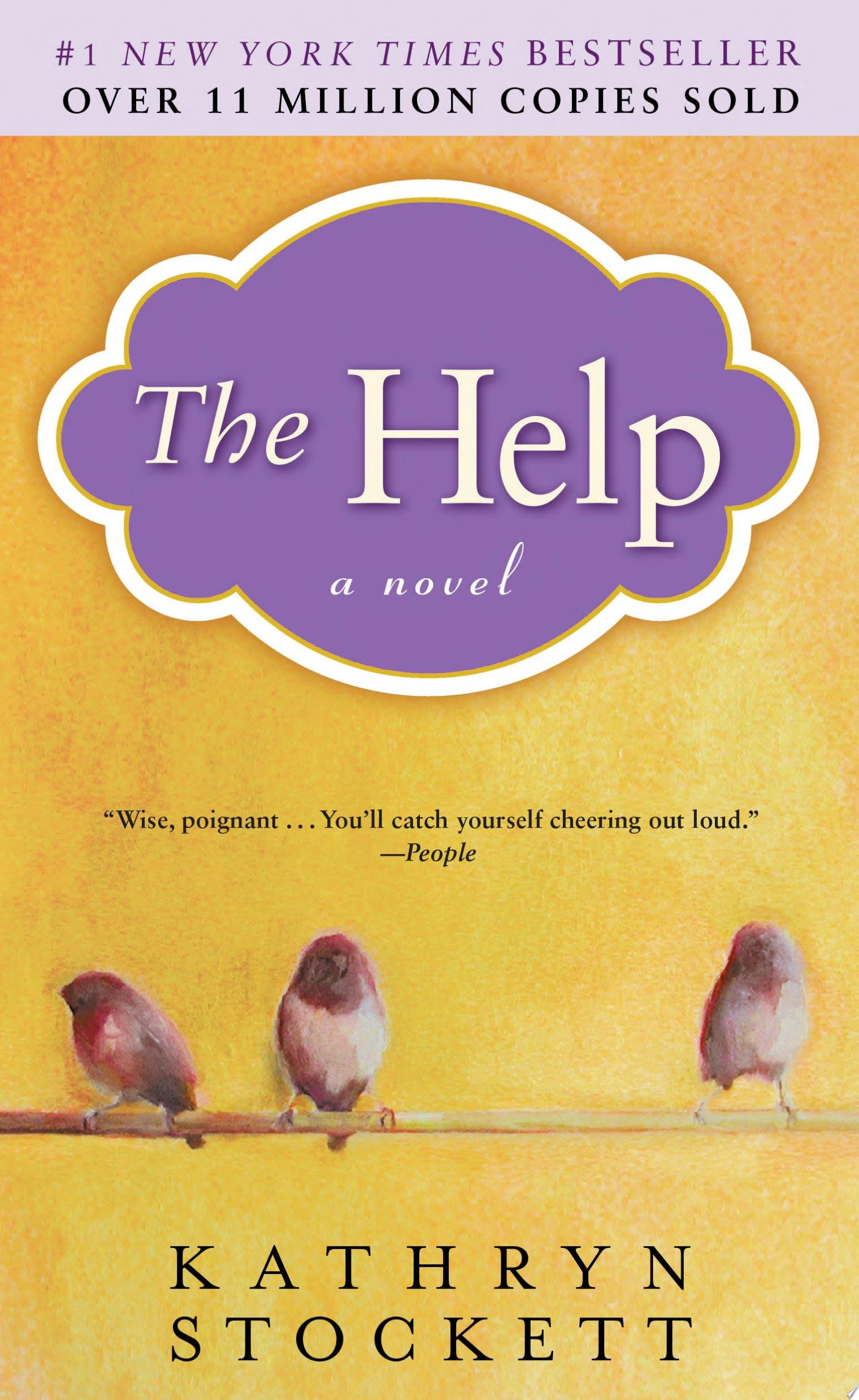
Cover of The Help by Kathryn Stockett

5 book recommendations

Books Like “The Help” by Kathryn Stockett

If you fell in love with the heart, resilient female friendships, and unforgettable Southern setting of The Help, you are not alone. Kathryn Stockett’s moving historical fiction resonated deeply through its courageous exploration of race, dignity, and voice. Explore our handpicked recommendations below to discover your next powerful and inspiring read.

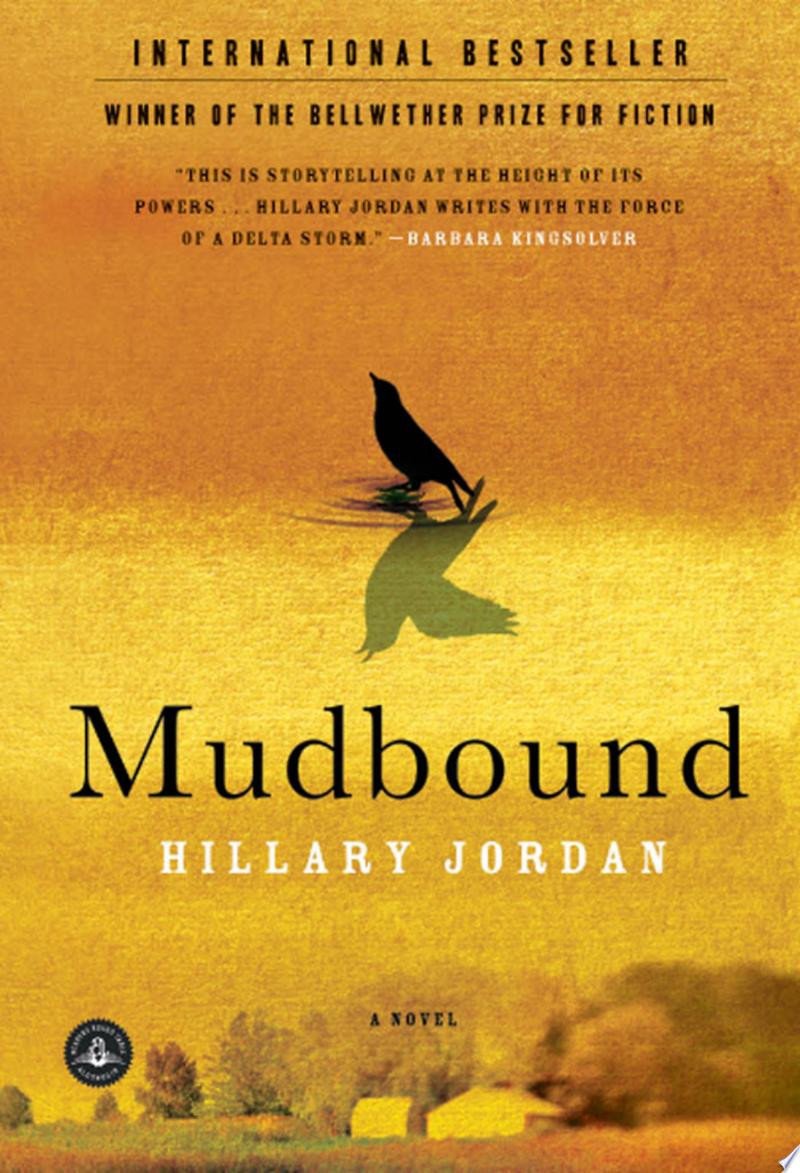
  1. Cover of Mudbound by Hillary Jordan

    Cover not available

    Mudbound

    by Hillary Jordan

    The International Bestseller

    Now a major motion picture from Netflix, directed by Dee Rees, nominated in four categories for the Academy Awards.

    In Jordan's prize-winning debut, prejudice takes many forms, both subtle and brutal. It is 1946, and city-bred Laura McAllan is trying to raise her children on her husband's Mississippi Delta farm—a place she finds foreign and frightening. In the midst of the family's struggles, two young men return from the war to work the land. Jamie McAllan, Laura's brother-in-law, is everything her husband is not—charming, handsome, and haunted by his memories of combat. Ronsel Jackson, eldest son of the black sharecroppers who live on the McAllan farm, has come home with the shine of a war hero. But no matter his bravery in defense of his country, he is still considered less than a man in the Jim Crow South. It is the unlikely friendship of these brothers-in-arms that drives this powerful novel to its inexorable conclusion.

    The men and women of each family relate their versions of events and we are drawn into their lives as they become players in a tragedy on the grandest scale. As Barbara Kingsolver says of Hillary Jordan, "Her characters walked straight out of 1940s Mississippi and into the part of my brain where sympathy and anger and love reside, leaving my heart racing. They are with me still."

    Why it's similar

    Like The Help, it uses multiple alternating first-person narrators to expose the deep racial divides, social hierarchies, and Jim Crow tensions in mid-century Mississippi.

    What's different

    The tone is notably darker, more visceral, and tense, centering on the harrowing experiences of returning World War II veterans and the brutal reality of racial violence.
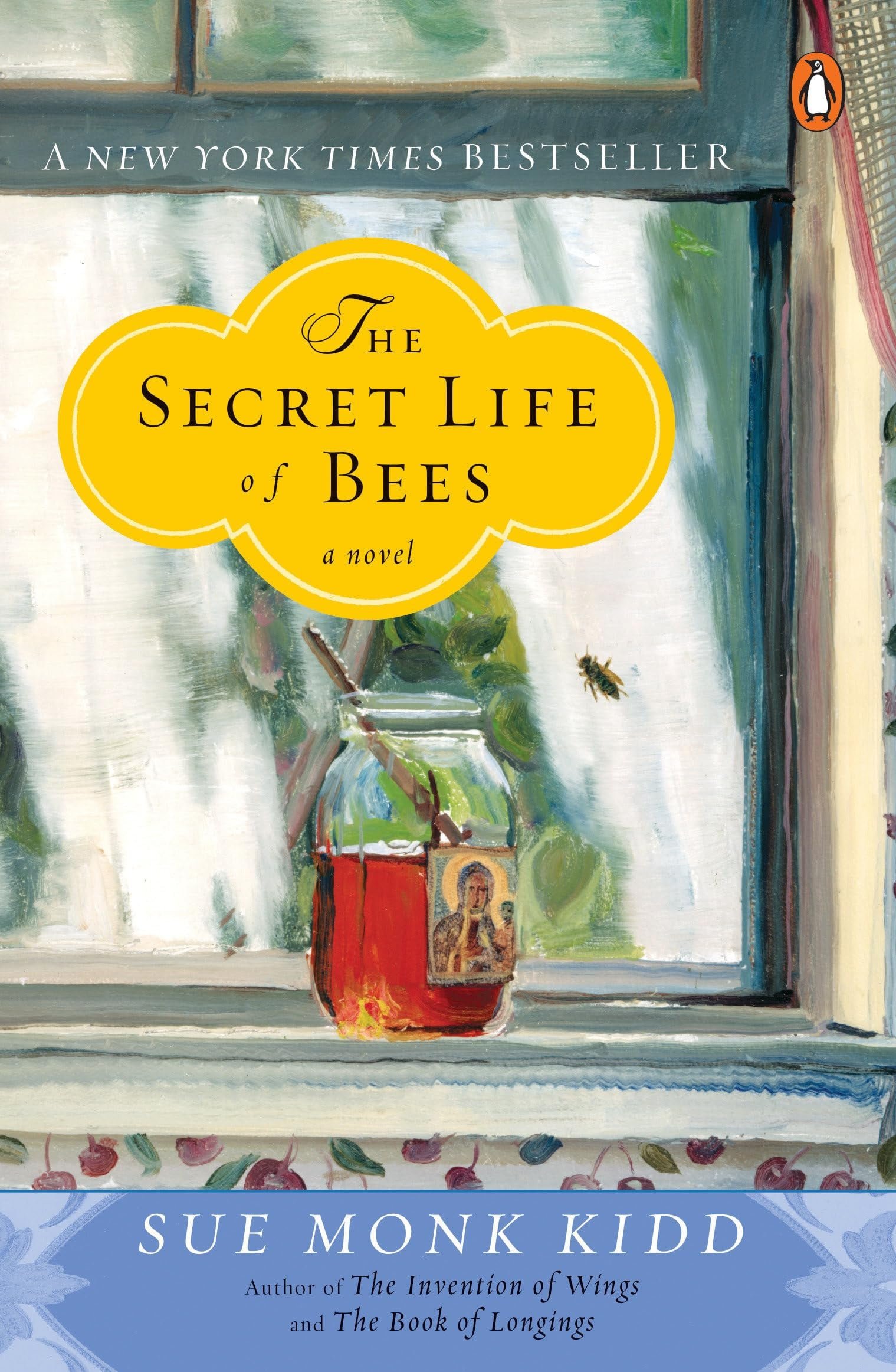
  2. Cover of The Secret Life of Bees by Sue Monk Kidd

    Cover not available

    The Secret Life of Bees

    by Sue Monk Kidd

    The multi-million bestselling novel about a young girl's journey towards healing and the transforming power of love, from the award-winning author of The Invention of Wings and The Book of Longings

    Set in South Carolina in 1964, The Secret Life of Bees tells the story of Lily Owens, whose life has been shaped around the blurred memory of the afternoon her mother was killed. When Lily's fierce-hearted Black "stand-in mother," Rosaleen, insults three of the deepest racists in town, Lily decides to spring them both free. They escape to Tiburon, South Carolina—a town that holds the secret to her mother's past. Taken in by an eccentric trio of Black beekeeping sisters, Lily is introduced to their mesmerizing world of bees and honey, and the Black Madonna. This is a remarkable novel about divine female power, a story that women will share and pass on to their daughters for years to come.

    Why it's similar

    Both novels are set in the American South during the civil rights era and explore racism, female friendship, and found family through the eyes of a young white protagonist deeply influenced by strong Black women.

    What's different

    The story is more intimate and coming-of-age focused, centering on a young white girl’s emotional journey and spiritual imagery rather than the broader social network and workplace dynamics seen in The Help.

  3. Cover of The Bluest Eye by Toni Morrison

    Cover not available

    The Bluest Eye

    by Toni Morrison

    NATIONAL BESTSELLER • A PARADE BEST BOOK OF ALL TIME • From the acclaimed Nobel Prize winner—a powerful examination of our obsession with beauty and conformity that asks questions about race, class, and gender with characteristic subtlety and grace.

    “So precise, so faithful to speech and so charged with pain and wonder that the novel becomes poetry”—The New York Times

    In Morrison’s acclaimed first novel, Pecola Breedlove—an 11-year-old Black girl in an America whose love for its blond, blue-eyed children can devastate all others—prays for her eyes to turn blue: so that she will be beautiful, so that people will look at her, so that her world will be different. This is the story of the nightmare at the heart of her yearning, and the tragedy of its fulfillment.

    Why it's similar

    Both books examine the destructive effects of racism and social hierarchies on Black women and girls, using character-driven narratives that expose everyday prejudice and the internalization of oppressive beauty and class standards.

    What's different

    The tone is darker, more literary, and psychologically intense, with fragmented structure and a focus on trauma rather than the more accessible, often humorous, and hopeful storytelling of The Help.

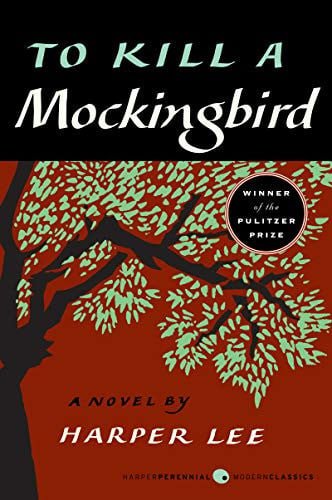
  4. Cover of To Kill a Mockingbird by Harper Lee

    Cover not available

    To Kill a Mockingbird

    by Harper Lee

    Voted America's Best-Loved Novel in PBS's The Great American Read
    Harper Lee's Pulitzer Prize-winning masterwork of honor and injustice in the deep South—and the heroism of one man in the face of blind and violent hatred
    One of the most cherished stories of all time, To Kill a Mockingbird has been translated into more than forty languages, sold more than forty million copies worldwide, served as the basis for an enormously popular motion picture, and was voted one of the best novels of the twentieth century by librarians across the country. A gripping, heart-wrenching, and wholly remarkable tale of coming-of-age in a South poisoned by virulent prejudice, it views a world of great beauty and savage inequities through the eyes of a young girl, as her father—a crusading local lawyer—risks everything to defend a black man unjustly accused of a terrible crime.

    Why it's similar

    Each novel is set in the Depression-era or mid-20th-century Deep South and uses a young white narrator to confront racial injustice, class divides, and community hypocrisy in a tightly knit Southern town.

    What's different

    The narrative centers more on a legal case and a child’s moral education, with a stronger focus on courtroom drama and small-town mythos than on domestic work and female solidarity.

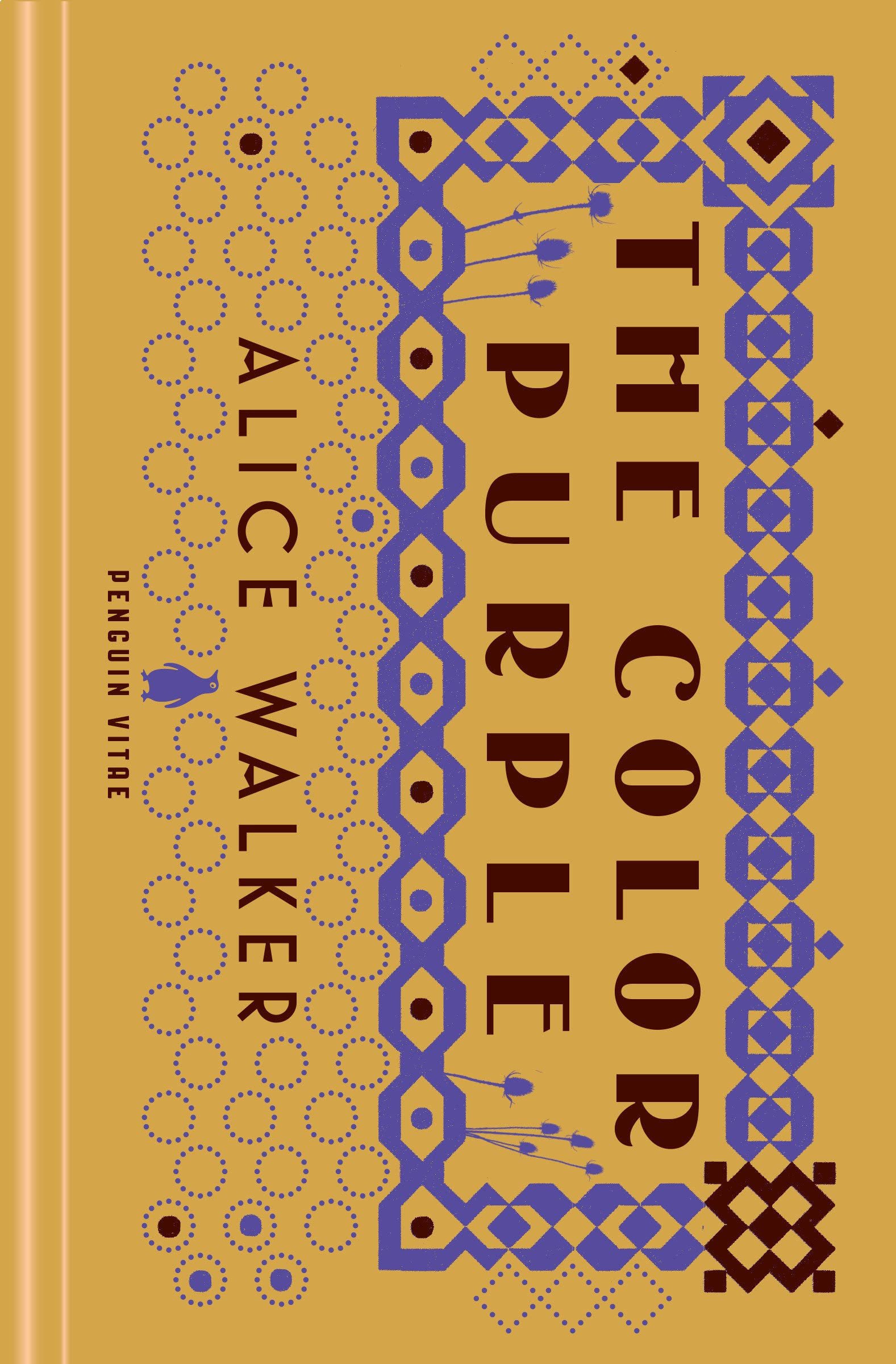
  5. Cover of The Color Purple by Alice Walker

    Cover not available

    The Color Purple

    by Alice Walker

    Read the original inspiration for the new, boldly reimagined film from producers Oprah Winfrey and Steven Spielberg, starring Taraji P. Henson, Danielle Brooks, and Fantasia Barrino.

    Winner of the Pulitzer Prize and the National Book Award, now in a beautiful Penguin Vitae edition with a foreword by Kiese Laymon

    A Penguin Classic Hardcover

    Celebrating its fortieth anniversary, The Color Purple writes a message of healing, forgiveness, self-discovery, and sisterhood to a new generation of readers. An inspiration to authors who continue to give voice to the multidimensionality of Black women’s stories, including Tayari Jones, Honorée Fanonne Jeffers, Jesmyn Ward, and more, The Color Purple remains an essential read in conversation with storytellers today.

    A powerful cultural touchstone of modern American literature, The Color Purple depicts the lives of African American women in early-twentieth-century rural Georgia. Separated as girls, sisters Celie and Nettie sustain their loyalty to and hope in each other across time, distance, and silence. Through a series of letters spanning nearly thirty years, first from Celie to God, then from the sisters to each other, the novel draws readers into a rich and memorable portrayal of Black women—their pain and struggle, companionship and growth, resilience and bravery.

    Deeply compassionate and beautifully imagined, The Color Purple breaks the silence around domestic and sexual abuse, and carries readers on an epic and spirit-affirming journey toward transformation, redemption, and love.

    Why it's similar

    Both works center on Black women’s lives in the rural South, depicting the intersections of racism, sexism, and poverty while highlighting resilience, female bonds, and personal empowerment.

    What's different

    The epistolary format, raw depictions of sexual and physical abuse, and spiritual themes make it more intense and overtly transformative than the comparatively lighter, multi-perspective realism of The Help.

Looking for something else?

Use our book recommendation tool to discover books similar to any of your favorites.

Find similar books with LibroMatch