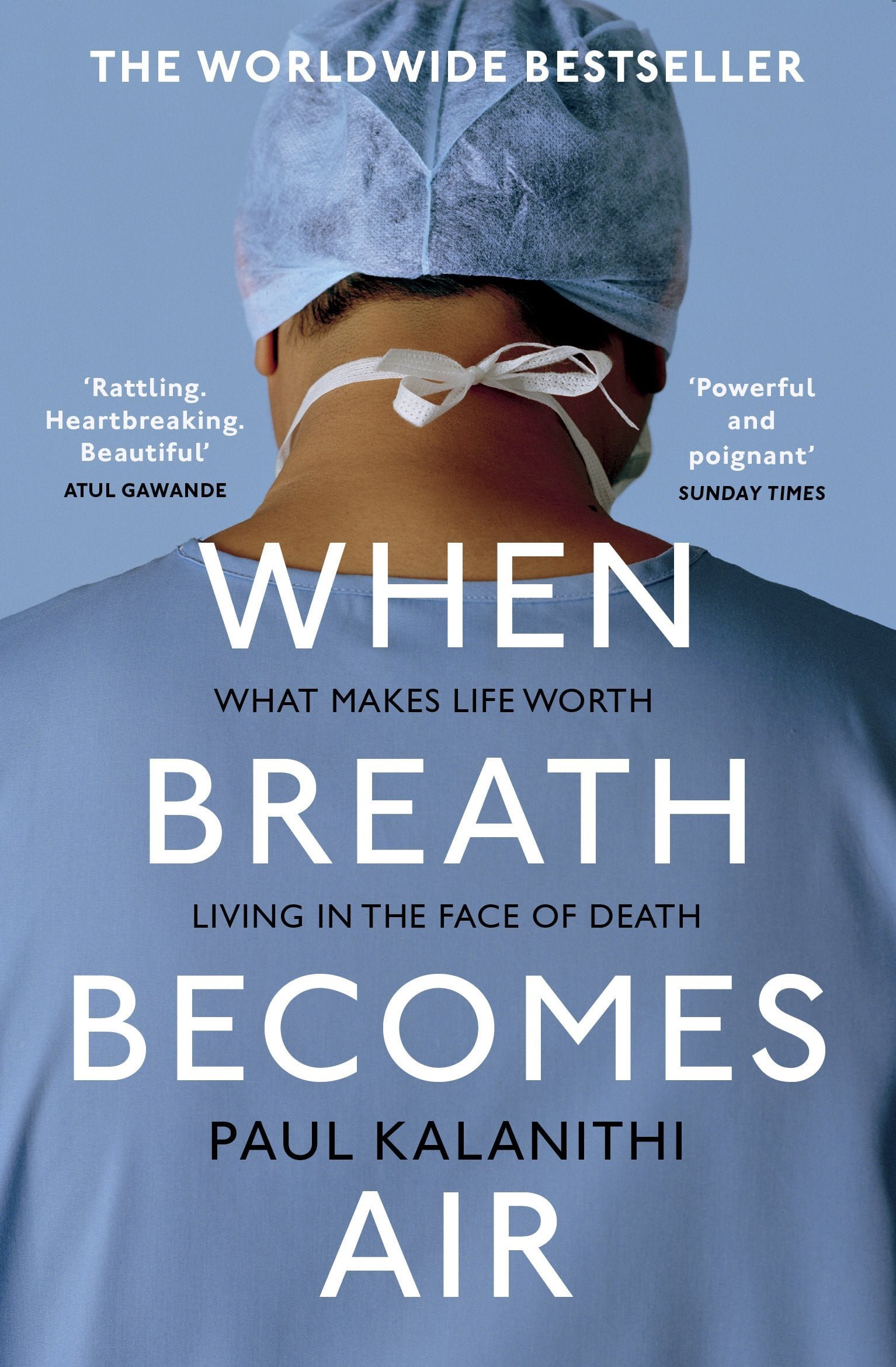
Cover of When Breath Becomes Air by Paul Kalanithi

5 book recommendations

Books Like “When Breath Becomes Air” by Paul Kalanithi

Readers cherish When Breath Becomes Air for its poignant meditation on mortality, purpose, and the fragile beauty of life through the lens of medicine. If you are seeking another deeply moving memoir that explores what it truly means to be human, you have come to the right place. Dive in to discover your next profoundly inspiring read.

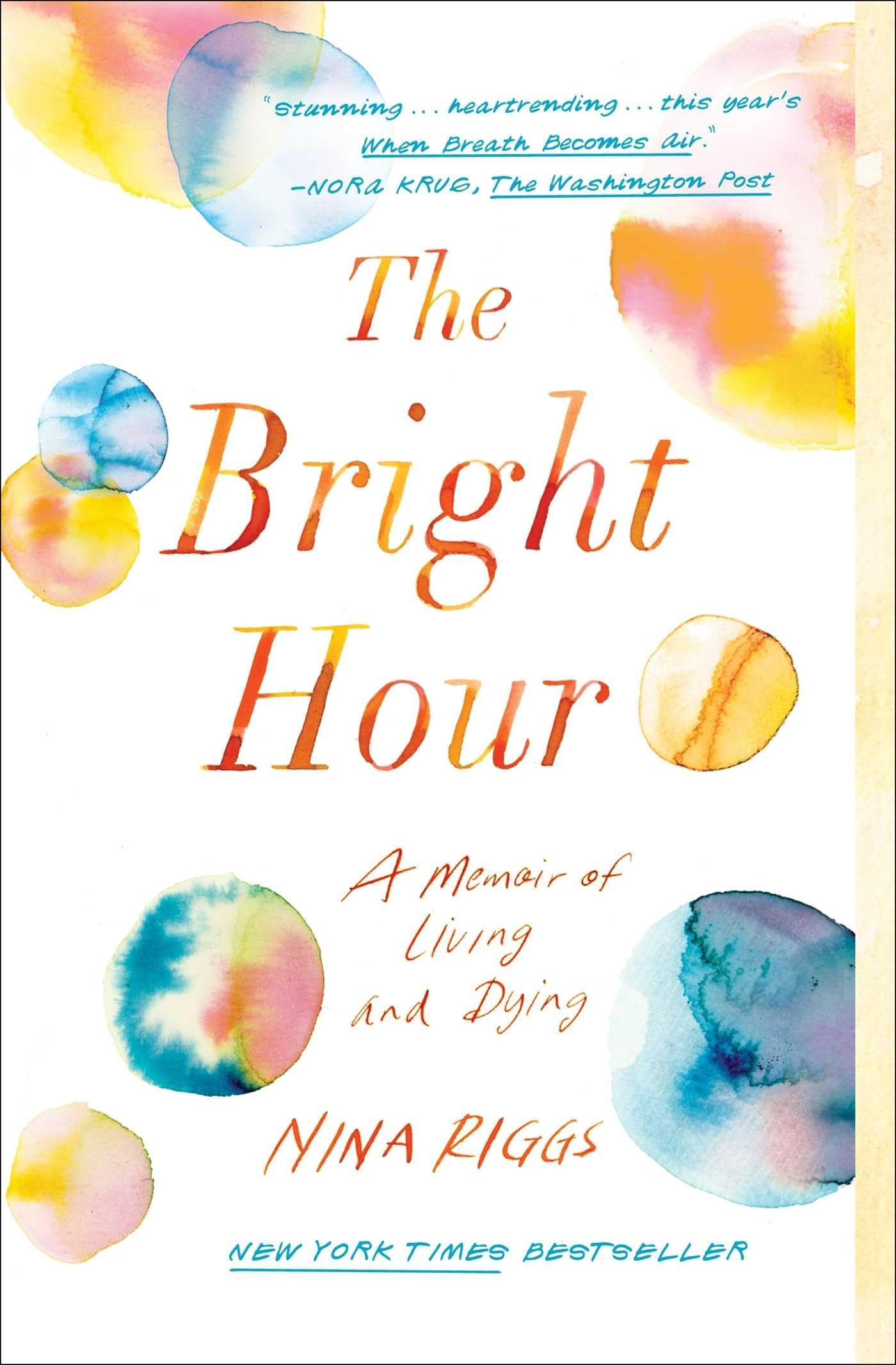
  1. Cover of The Bright Hour: A Memoir of Living and Dying by Nina Riggs

    Cover not available

    The Bright Hour: A Memoir of Living and Dying

    by Nina Riggs

    * INSTANT NEW YORK TIMES BESTSELLER *

    “Stunning…heartrending…this year’s When Breath Becomes Air.” —Nora Krug, The Washington Post

    “Beautiful and haunting.” —Matt McCarthy, MD, USA TODAY

    “Deeply affecting…simultaneously heartbreaking and funny.” —People (Book of the Week)

    “Vivid, immediate.” —Laura Collins-Hughes, The Boston Globe

    Starred reviews from * Kirkus Reviews * Publishers Weekly * Library Journal *

    Best Books of 2017 Selection by * The Washington Post *

    Most Anticipated Summer Reading Selection by * The Washington Post * Entertainment Weekly * Glamour * The Seattle Times * Vulture * InStyle * Bookpage * Bookriot * Real Simple * The Atlanta Journal-Constitution *

    The New York Times bestseller by poet Nina Riggs, mother of two young sons and the direct descendant of Ralph Waldo Emerson, is “a stunning…heart-rending meditation on life…It is this year’s When Breath Becomes Air” (The Washington Post).

    We are breathless but we love the days. They are promises. They are the only way to walk from one night to the other.

    Poet and essayist Nina Riggs was just thirty-seven years old when initially diagnosed with breast cancer—one small spot. Within a year, she received the devastating news that her cancer was terminal.

    How does a dying person learn to live each day “unattached to outcome”? How does one approach the moments, big and small, with both love and honesty? How does a young mother and wife prepare her two young children and adored husband for a loss that will shape the rest of their lives? How do we want to be remembered?

    Exploring motherhood, marriage, friendship, and memory, Nina asks: What makes a meaningful life when one has limited time? “Profound and poignant” (O, The Oprah Magazine), The Bright Hour is about how to make the most of all the days, even the painful ones. It’s about the way literature, especially Nina’s direct ancestor, Ralph Waldo Emerson, and her other muse, Montaigne, can be a balm and a form of prayer.

    Brilliantly written and exceptionally moving, it’s a “deeply affecting memoir, a simultaneously heartbreaking and funny account of living with loss and the specter of death. As Riggs lyrically, unflinchingly details her reality, she finds beauty and truth that comfort even amid the crushing sadness” (People, Book of the Week).

    Tender and heartwarming, The Bright Hour “is a gentle reminder to cherish each day” (Entertainment Weekly, Best New Books) and offers us this important perspective: “You can read a multitude books about how to die, but Riggs, a dying woman, will show you how to live” (The New York Times Book Review, Editor’s Choice).

    Why it's similar

    Both books are poignant memoirs written by individuals facing terminal metastatic cancer in their late thirties, using a literary lens to examine mortality, love, and what makes life meaningful.

    What's different

    Riggs approaches her illness from the perspective of a poet and mother grounded in domestic life, whereas Kalanithi examines his condition through the dual lens of a practicing neurosurgeon and patient.
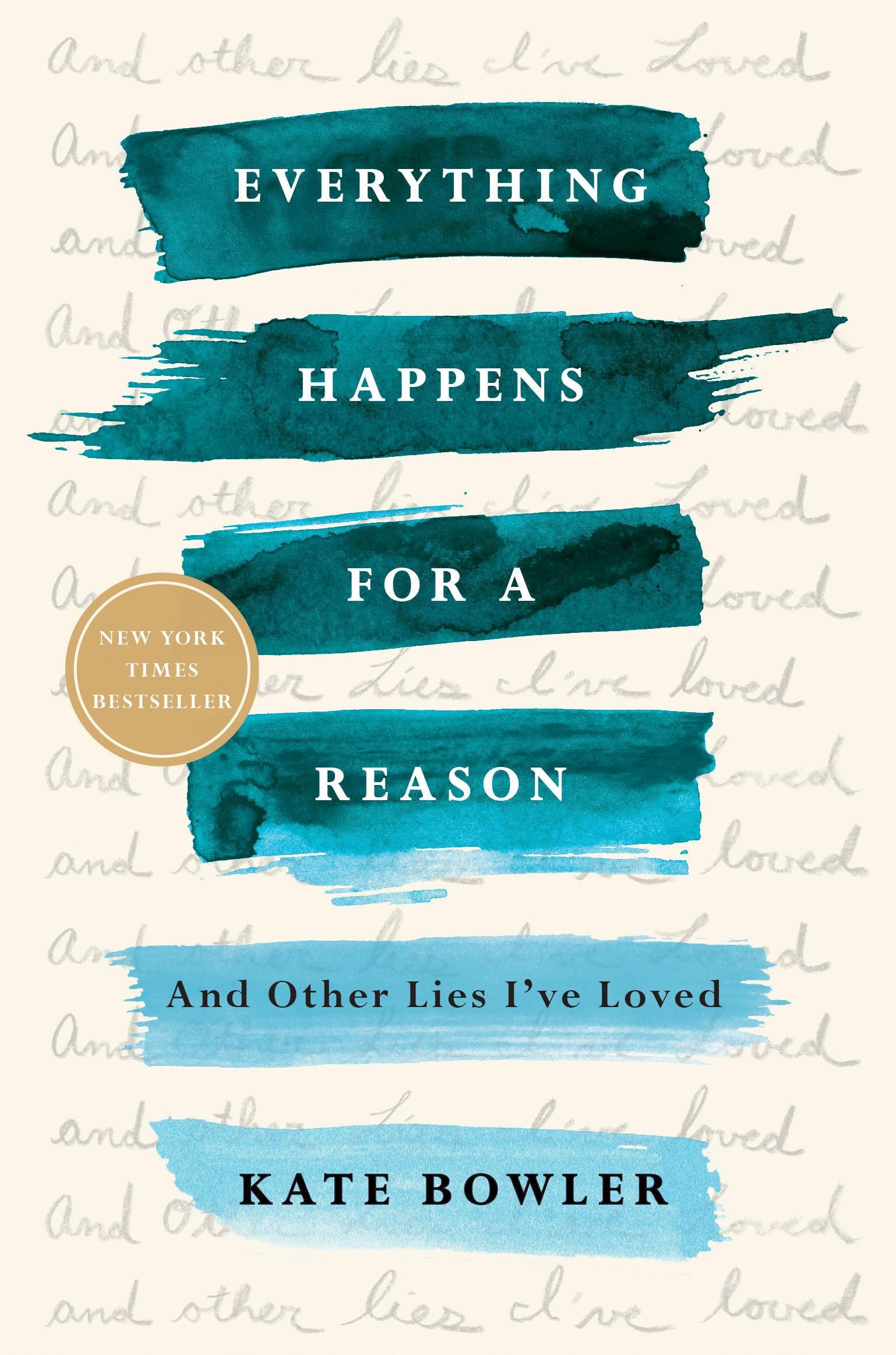
  2. Cover of Everything Happens for a Reason: And Other Lies I've Loved by Kate Bowler

    Cover not available

    Everything Happens for a Reason: And Other Lies I've Loved

    by Kate Bowler

    NEW YORK TIMES BESTSELLER • “A meditation on sense-making when there’s no sense to be made, on letting go when we can’t hold on, and on being unafraid even when we’re terrified.”—Lucy Kalanithi

    “Belongs on the shelf alongside other terrific books about this difficult subject, like Paul Kalanithi’s When Breath Becomes Air and Atul Gawande’s Being Mortal.”—Bill Gates

    NAMED ONE OF THE BEST BOOKS OF THE YEAR BY REAL SIMPLE

    Kate Bowler is a professor at Duke Divinity School with a modest Christian upbringing, but she specializes in the study of the prosperity gospel, a creed that sees fortune as a blessing from God and misfortune as a mark of God’s disapproval. At thirty-five, everything in her life seems to point toward “blessing.” She is thriving in her job, married to her high school sweetheart, and loves life with her newborn son.

    Then she is diagnosed with stage IV colon cancer.

    The prospect of her own mortality forces Kate to realize that she has been tacitly subscribing to the prosperity gospel, living with the conviction that she can control the shape of her life with “a surge of determination.” Even as this type of Christianity celebrates the American can-do spirit, it implies that if you “can’t do” and succumb to illness or misfortune, you are a failure. Kate is very sick, and no amount of positive thinking will shrink her tumors. What does it mean to die, she wonders, in a society that insists everything happens for a reason? Kate is stripped of this certainty only to discover that without it, life is hard but beautiful in a way it never has been before.

    Frank and funny, dark and wise, Kate Bowler pulls the reader deeply into her life in an account she populates affectionately with a colorful, often hilarious retinue of friends, mega-church preachers, relatives, and doctors. Everything Happens for a Reason tells her story, offering up her irreverent, hard-won observations on dying and the ways it has taught her to live.

    Praise for Everything Happens for a Reason

    “I fell hard and fast for Kate Bowler. Her writing is naked, elegant, and gripping—she’s like a Christian Joan Didion. I left Kate’s story feeling more present, more grateful, and a hell of a lot less alone. And what else is art for?”—Glennon Doyle, #1 New York Times bestselling author of Love Warrior and president of Together Rising

    Why it's similar

    Both works are personal memoirs by thirty-something academics suddenly confronted with a stage IV cancer diagnosis, exploring the profound struggle to plan a future while facing an existential deadline.

    What's different

    Bowler examines her crisis through theology and cultural critiques of the prosperity gospel using dry, self-deprecating humor, contrasting with Kalanithi's more earnest, solemn, and clinically informed prose.

  3. Cover of Gratitude by Oliver Sacks

    Cover not available

    Gratitude

    by Oliver Sacks

    Oliver Sacks died in August 2015 at his home in Greenwich Village, surrounded by his close friends and family. He was 82. He spent his final days doing what he loved: playing the piano, swimming, enjoying smoked salmon – and writing . . .

    As Dr Sacks looked back over his long, adventurous life his final thoughts were of gratitude. In a series of remarkable, beautifully written and uplifting meditations, in Gratitude Dr Sacks reflects on and gives thanks for a life well lived, and expresses his thoughts on growing old, facing terminal cancer and reaching the end.

    I cannot pretend I am without fear. But my predominant feeling is one of gratitude. I have loved and been loved; I have been given much and I have given something in return; I have read and travelled and thought and written. I have had an intercourse with the world, the special intercourse of writers and readers. Above all, I have been a sentient being, a thinking animal, on this beautiful planet, and that in itself has been an enormous privilege and adventure.

    Why it's similar

    Both are contemplative works written by prominent medical doctors after receiving terminal cancer diagnoses, meditating gracefully on consciousness, existence, and the mystery of death.

    What's different

    Sacks's collection of short essays reflects on a long, full life completed into his eighties, whereas Kalanithi's memoir centers on the grief of a promising medical career cut tragically short.

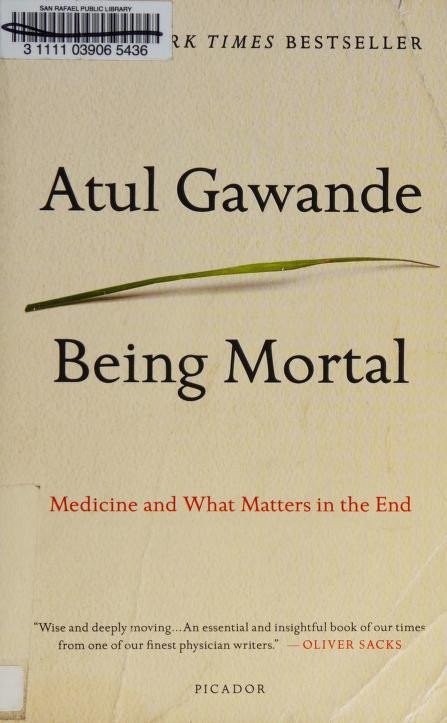
  4. Cover of Being Mortal: Medicine and What Matters in the End by Atul Gawande

    Cover not available

    Being Mortal: Medicine and What Matters in the End

    by Atul Gawande

    Named a Best Book of the Year by The Washington Post, The New York Times Book Review, NPR, and Chicago Tribune, now in paperback with a new reading group guide

    Medicine has triumphed in modern times, transforming the dangers of childbirth, injury, and disease from harrowing to manageable. But when it comes to the inescapable realities of aging and death, what medicine can do often runs counter to what it should.

    Through eye-opening research and gripping stories of his own patients and family, Gawande reveals the suffering this dynamic has produced. Nursing homes, devoted above all to safety, battle with residents over the food they are allowed to eat and the choices they are allowed to make. Doctors, uncomfortable discussing patients' anxieties about death, fall back on false hopes and treatments that are actually shortening lives instead of improving them.

    In his bestselling books, Atul Gawande, a practicing surgeon, has fearlessly revealed the struggles of his profession. Here he examines its ultimate limitations and failures—in his own practices as well as others'—as life draws to a close. Riveting, honest, and humane, Being Mortal shows how the ultimate goal is not a good death but a good life—all the way to the very end.

    Why it's similar

    Both books are written by practicing surgeons who critically explore the limitations of modern medicine and emphasize the importance of human dignity and purpose when facing the end of life.

    What's different

    Gawande provides a journalistic, systemic investigation into palliative care and eldercare using various case studies, whereas Kalanithi delivers an intimate, first-person autobiographical account of his own dying process.

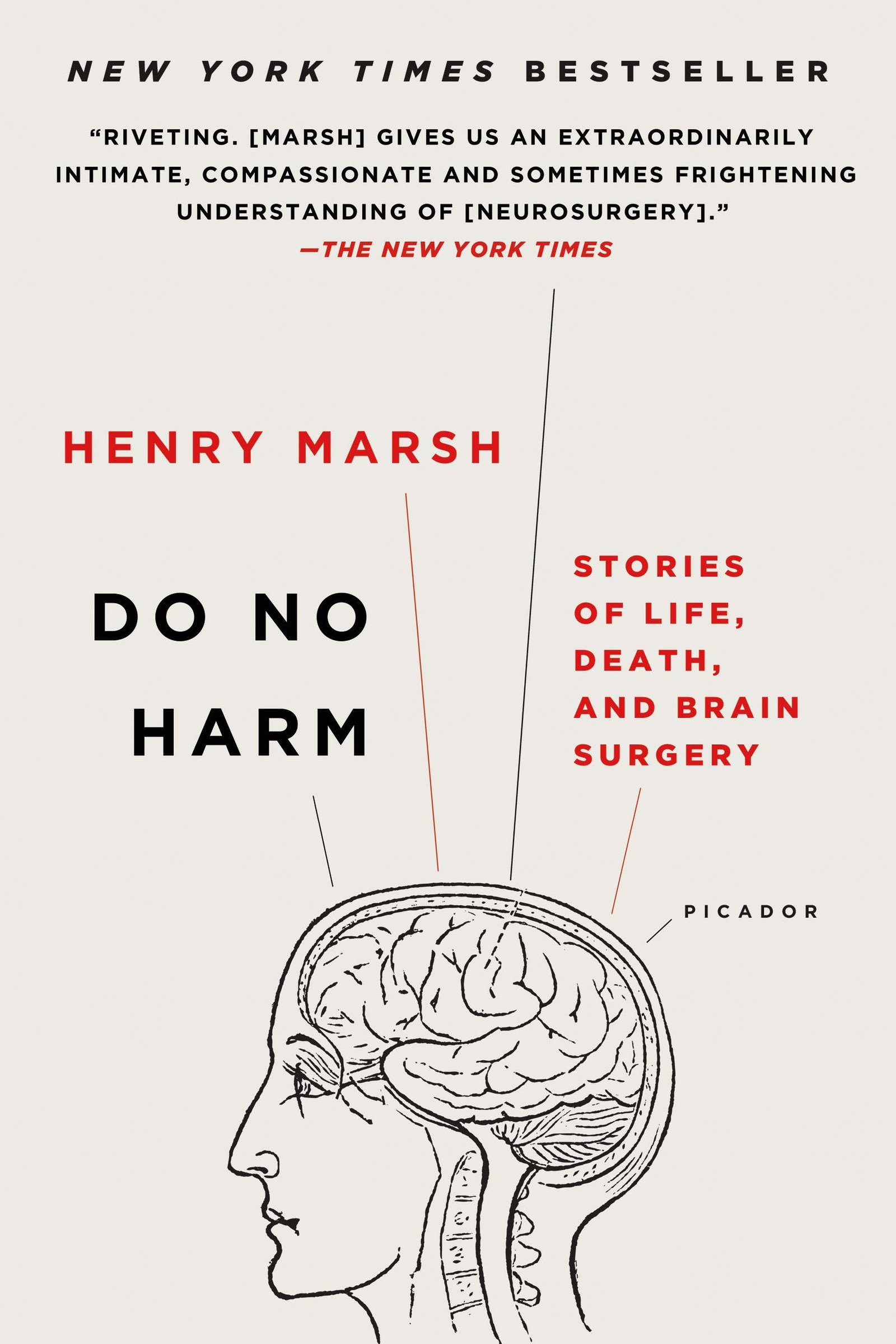
  5. Cover of Do No Harm: Stories of Life, Death, and Brain Surgery by Henry Marsh

    Cover not available

    Do No Harm: Stories of Life, Death, and Brain Surgery

    by Henry Marsh

    Named a Notable Book of the Year by The New York Times Book Review and The Washington Post

    What is it like to be a brain surgeon? How does it feel to hold someone’s life in your hands, to cut into the stuff that creates thought, feeling and reason? How do you live with the consequences of performing a potentially lifesaving operation when it all goes wrong?

    With astonishing compassion and candor, leading neurosurgeon Henry Marsh reveals the fierce joy of operating, the profoundly moving triumphs, the harrowing disasters, the haunting regrets and the moments of black humor that characterize a brain surgeon’s life. Do No Harm provides unforgettable insight into the countless human dramas that take place in a busy modern hospital. Above all, it is a lesson in the need for hope when faced with life’s most difficult decisions.

    Why it's similar

    Both memoirs provide candid, philosophically rich accounts of neurosurgery, detailing the high-stakes reality of operating on the human brain and the profound fragility of human life.

    What's different

    Marsh focuses on a veteran surgeon's career retrospect of triumphs, mistakes, and ethical burdens rather than a personal experience with terminal illness.

Looking for something else?

Use our book recommendation tool to discover books similar to any of your favorites.

Find similar books with LibroMatch