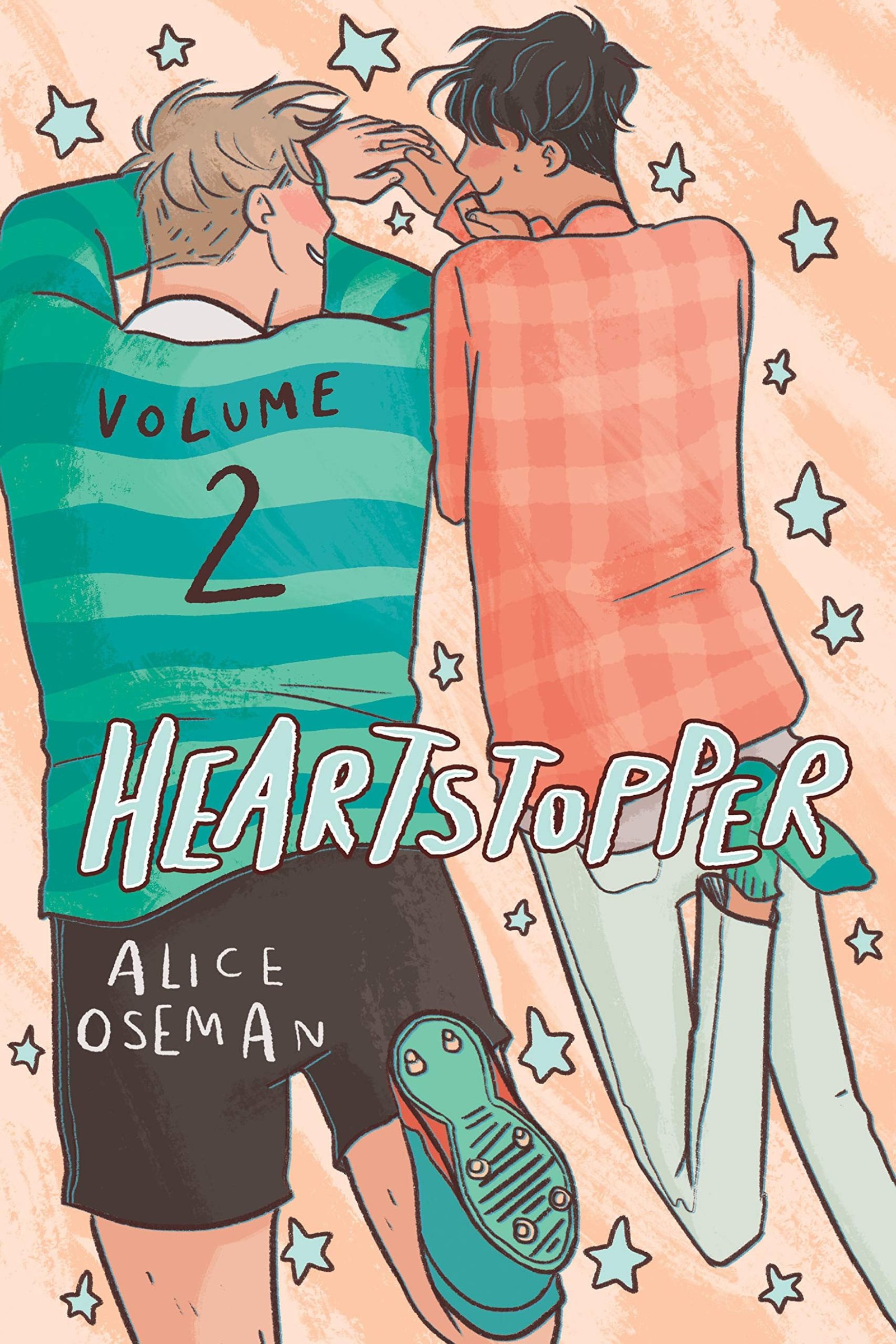
Cover of Heartstopper: Volume Four by Alice Oseman

5 book recommendations

Books Like “Heartstopper: Volume Four” by Alice Oseman

Readers fell in love with Heartstopper: Volume Four for its tender queer romance, deep emotional honesty, and gentle handling of mental health. If you are longing for stories that balance heartfelt vulnerability with the warmth of young love, you are in the right place. Explore these captivating coming-of-age tales to find your next comfort read.

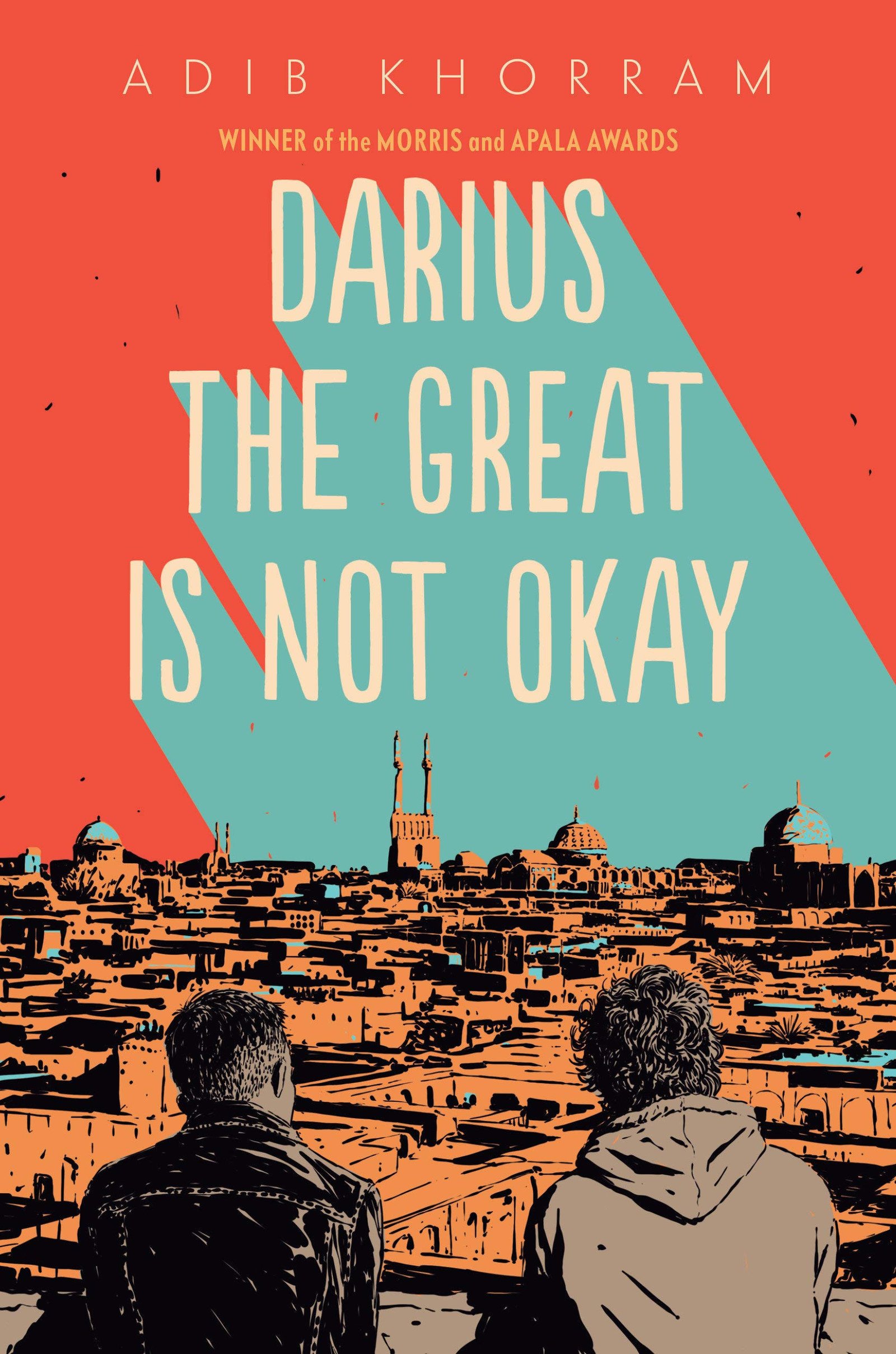
  1. Cover of Darius the Great Is Not Okay by Adib Khorram

    Cover not available

    Darius the Great Is Not Okay

    by Adib Khorram

    Darius doesn't think he'll ever be enough, in America or in Iran. Hilarious and heartbreaking, this unforgettable debut introduces a brilliant new voice in contemporary YA.

    Winner of the William C. Morris Debut Award

    “Heartfelt, tender, and so utterly real. I’d live in this book forever if I could.”
    —Becky Albertalli, award-winning author of Simon vs. the Homo Sapiens Agenda

    Darius Kellner speaks better Klingon than Farsi, and he knows more about Hobbit social cues than Persian ones. He’s a Fractional Persian—half, his mom’s side—and his first-ever trip to Iran is about to change his life.

    Darius has never really fit in at home, and he’s sure things are going to be the same in Iran. His clinical depression doesn’t exactly help matters, and trying to explain his medication to his grandparents only makes things harder. Then Darius meets Sohrab, the boy next door, and everything changes. Soon, they’re spending their days together, playing soccer, eating faludeh, and talking for hours on a secret rooftop overlooking the city’s skyline. Sohrab calls him Darioush—the original Persian version of his name—and Darius has never felt more like himself than he does now that he’s Darioush to Sohrab.

    Adib Khorram’s brilliant debut is for anyone who’s ever felt not good enough—then met a friend who makes them feel so much better than okay.

    Why it's similar

    Both stories feature a teenage boy managing clinical depression and body-image struggles while navigating supportive relationships and learning to communicate his emotional needs.

    What's different

    Darius the Great Is Not Okay is a prose novel centered on cultural identity and family heritage during a trip to Iran, focusing on a transformative friendship rather than an explicit romantic relationship.
  2. Cover of Bloom by Kevin Panetta

    Cover not available

    Bloom

    by Kevin Panetta

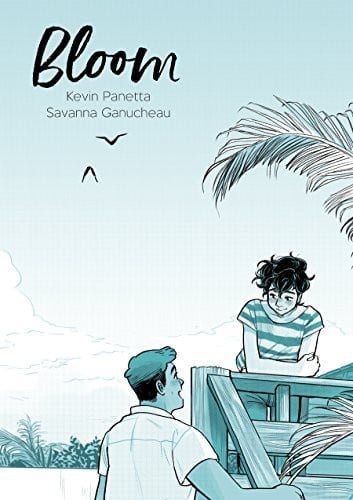
    Now that high school is over, Ari is dying to move to the big city with his ultra-hip band—if he can just persuade his dad to let him quit his job at their struggling family bakery. Though he loved working there as a kid, Ari cannot fathom a life wasting away over rising dough and hot ovens. But while interviewing candidates for his replacement, Ari meets Hector, an easygoing guy who loves baking as much as Ari wants to escape it. As they become closer over batches of bread, love is ready to bloom . . . that is, if Ari doesn’t ruin everything.

    Writer Kevin Panetta and artist Savanna Ganucheau concoct a delicious recipe of intricately illustrated baking scenes and blushing young love, in which the choices we make can have terrible consequences, but the people who love us can help us grow.

    Why it's similar

    Both are illustrated YA graphic novels centered on a gentle, tender romance between two teenage boys navigating emotional vulnerabilities and personal growth.

    What's different

    Bloom focuses on post-high-school transitions, family business duties, and future career plans rather than clinical eating disorder treatment and psychiatric recovery.

  3. Cover of Laura Dean Keeps Breaking Up with Me by Mariko Tamaki

    Cover not available

    Laura Dean Keeps Breaking Up with Me

    by Mariko Tamaki

    One of FORBES Best Graphic Novels of 2019
    On BCCB 2019 Blue Ribbons List
    One of NPR's Best Books of 2019
    Booklist 2019 Editors' Choice
    One of Bitch Media’s Best Queer YA Novels of 2019

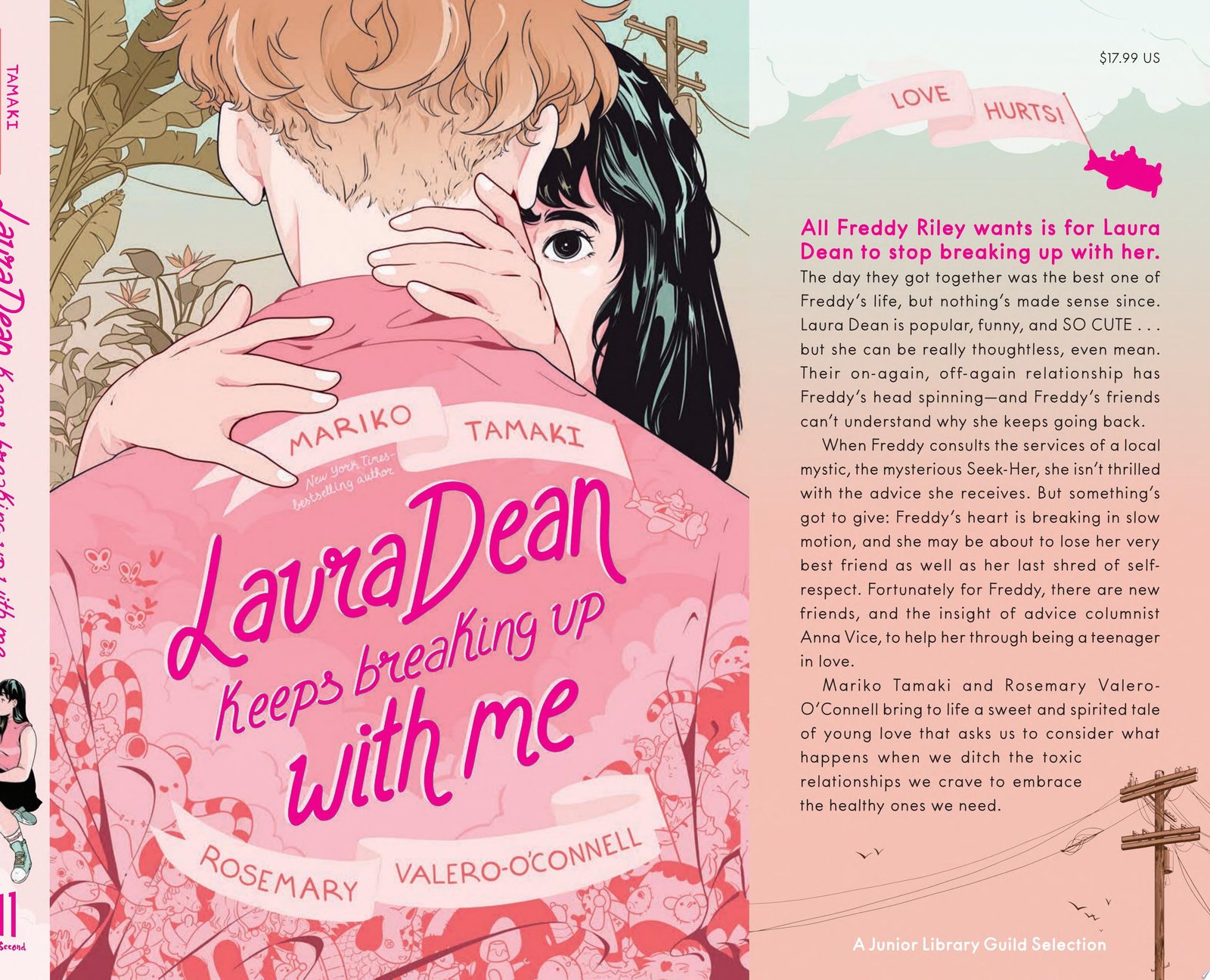
    Author Mariko Tamaki and illustrator Rosemary Valero-O’Connell bring to life a sweet and spirited tale of young love in Laura Dean Keeps Breaking Up with Me, a graphic novel that asks us to consider what happens when we ditch the toxic relationships we crave to embrace the healthy ones we need.

    Laura Dean, the most popular girl in high school, was Frederica Riley's dream girl: charming, confident, and SO cute. There's just one problem: Laura Dean is maybe not the greatest girlfriend.

    Reeling from her latest break up, Freddy's best friend, Doodle, introduces her to the Seek-Her, a mysterious medium, who leaves Freddy some cryptic parting words: break up with her. But Laura Dean keeps coming back, and as their relationship spirals further out of her control, Freddy has to wonder if it's really Laura Dean that's the problem. Maybe it's Freddy, who is rapidly losing her friends, including Doodle, who needs her now more than ever.

    Fortunately for Freddy, there are new friends, and the insight of advice columnists like Anna Vice to help her through being a teenager in love.

    Why it's similar

    Both are contemporary YA graphic novels addressing the emotional complexities of young queer love and the critical role of mental well-being in relationships.

    What's different

    Instead of portraying a mutually supportive and healing partnership, it explores the difficult process of recognizing and ending an emotionally manipulative, toxic relationship.

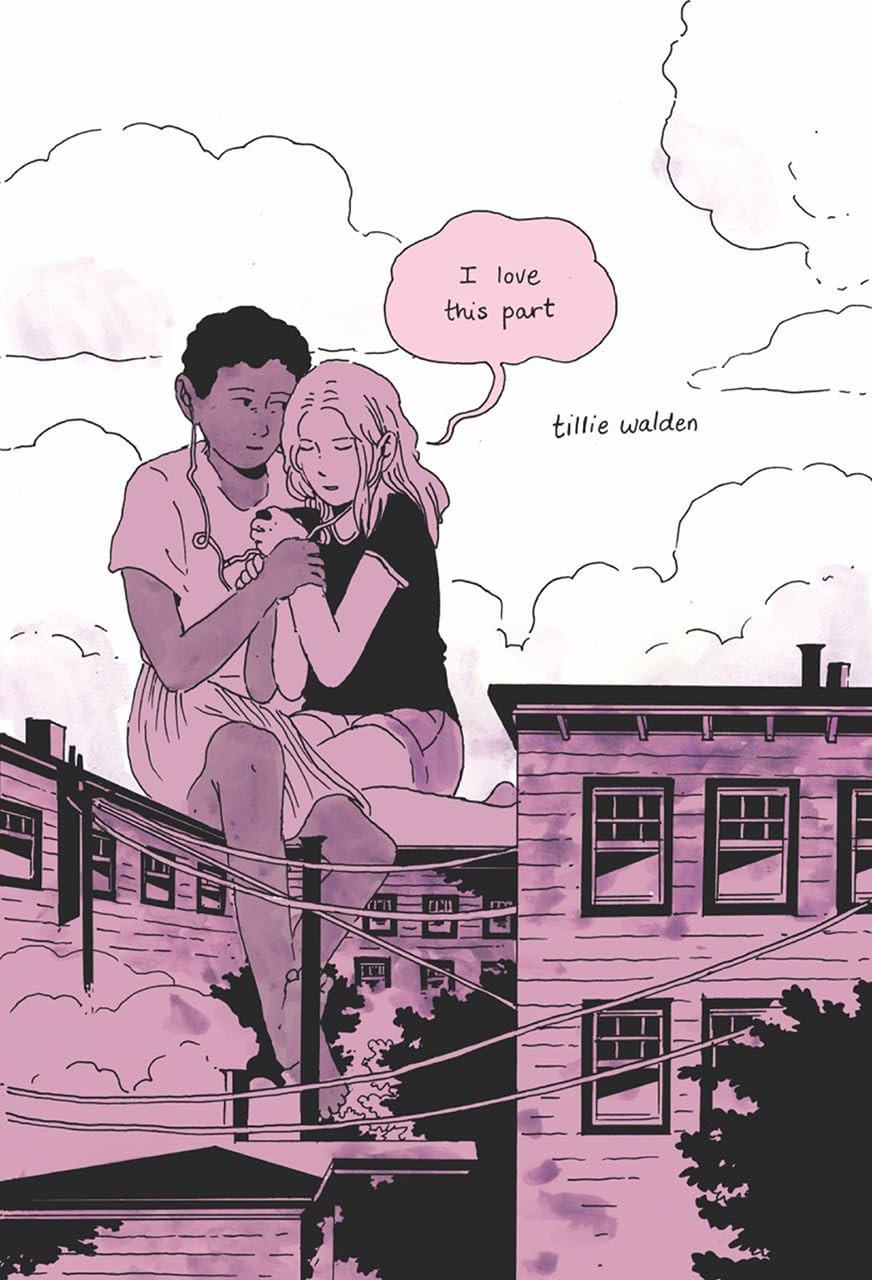
  4. Cover of I Love This Part by Tillie Walden

    Cover not available

    I Love This Part

    by Tillie Walden

    Two girls in a small town in the USA kill time together as they try to get through their days at school.

    They watch videos, share earbuds as they play each other songs and exchange their stories. In the process they form a deep connection and an unexpected relationship begins to develop.

    In graphic novel format, Tillie Walden tells the story of a small love that can make you feel like the biggest thing around, and how it's possible to find another person who understands you when you thought no one could.

    Why it's similar

    Both are YA graphic novels centered on queer identity, emotional self-discovery, and the complexities of young love. They share a gentle, empathetic tone and a focus on how relationships shape confidence and belonging.

    What's different

    It is more introspective and atmospheric, with a quieter, more fragmented narrative style than Heartstopper’s straightforward school-life momentum. The focus is also broader and more memory-based, rather than centering on an ongoing ensemble romance.

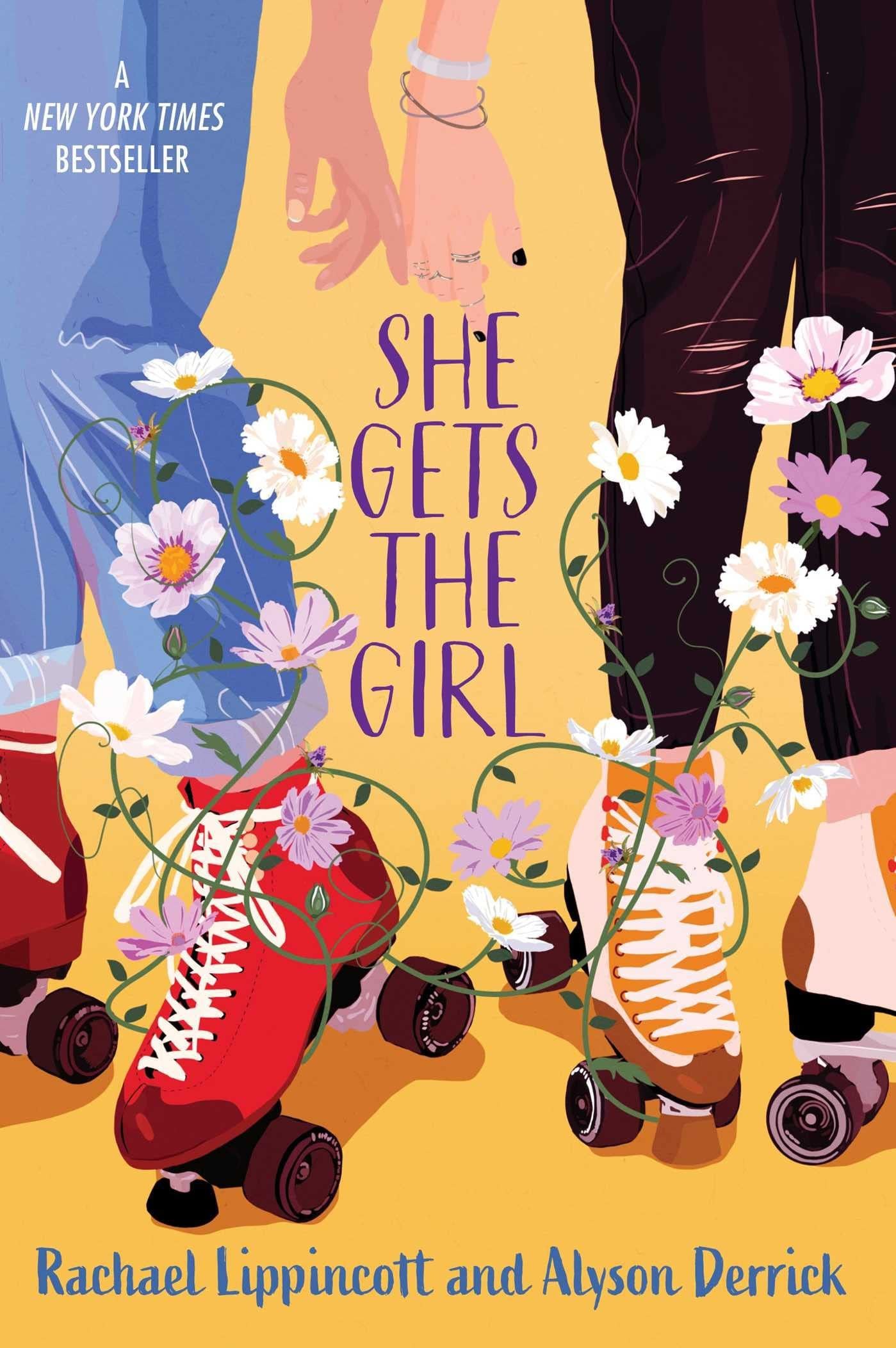
  5. Cover of She Gets the Girl by Rachael Lippincott, with Mikki Daughtry and Tobly McSmith

    Cover not available

    She Gets the Girl

    by Rachael Lippincott, with Mikki Daughtry and Tobly McSmith

    She’s All That meets What If It’s Us in this New York Times bestselling hate-to-love YA romantic comedy from the coauthor of Five Feet Apart Rachael Lippincott and debut writer Alyson Derrick.

    Alex Blackwood is a little bit headstrong, with a dash of chaos and a whole lot of flirt. She knows how to get the girl. Keeping her on the other hand…not so much. Molly Parker has everything in her life totally in control, except for her complete awkwardness with just about anyone besides her mom. She knows she’s in love with the impossibly cool Cora Myers. She just…hasn’t actually talked to her yet.

    Alex and Molly don’t belong on the same planet, let alone the same college campus. But when Alex, fresh off a bad (but hopefully not permanent) breakup, discovers Molly’s hidden crush as their paths cross the night before classes start, they realize they might have a common interest after all. Because maybe if Alex volunteers to help Molly learn how to get her dream girl to fall for her, she can prove to her ex that she’s not a selfish flirt. That she’s ready for an actual commitment. And while Alex is the last person Molly would ever think she could trust, she can’t deny Alex knows what she’s doing with girls, unlike her.

    As the two embark on their five-step plans to get their girls to fall for them, though, they both begin to wonder if maybe they’re the ones falling…for each other.

    Why it's similar

    Both center on teen queer romance, self-acceptance, and the process of moving from uncertainty to emotional honesty. They also share a light, hopeful tone and a focus on supportive friendship alongside the love story.

    What's different

    It is a prose novel rather than a graphic novel, so the reading experience is text-forward and more internally focused. The plot is also more explicitly structured around a mission to win someone over, giving it a more rom-com setup than Heartstopper’s slice-of-life rhythm.

Looking for something else?

Use our book recommendation tool to discover books similar to any of your favorites.

Find similar books with LibroMatch