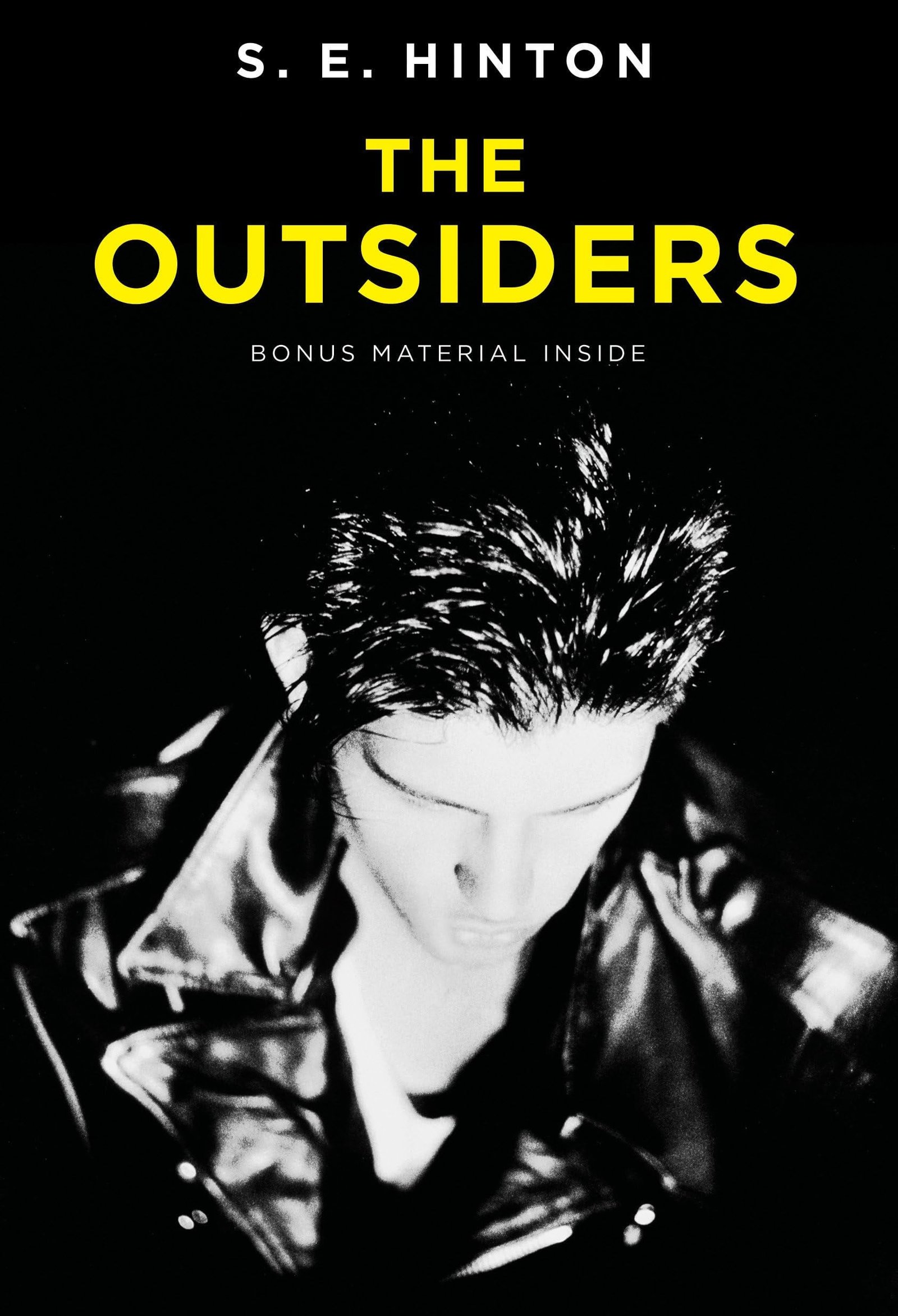

Cover of The Outsiders by S.E. Hinton

5 book recommendations

Books Like “The Outsiders” by S.E. Hinton

If you were captivated by the raw emotion, fierce loyalty, and timeless coming-of-age struggles in The Outsiders, you are not alone. S.E. Hinton crafted an unforgettable portrait of brotherhood, identity, and youth caught on the fringes of society. Explore these handpicked stories below to discover your next powerful, deeply moving read.

  1. Cover of The Chocolate War by Robert Cormier

    Cover not available

    The Chocolate War

    by Robert Cormier

    One of the most controversial YA novels of all time, The Chocolate War is a modern masterpiece that speaks to fans of S. E. Hinton’s The Outsiders and John Knowles’s A Separate Peace.

    After suffering rejection from seven major publishers, The Chocolate War made its debut in 1974, and quickly became a bestselling—and provocative—classic for young adults. This chilling portrait of an all-boys prep school casts an unflinching eye on the pitfalls of conformity and corruption in our most elite cultural institutions.

    “Masterfully structured and rich in theme; the action is well crafted, well timed, suspenseful.”—The New York Times Book Review

    “The characterizations of all the boys are superb.”—School Library Journal, starred review

    “Compellingly immediate. . . . Readers will respect the uncompromising ending.”—Kirkus Reviews, starred review

    Why it's similar

    Both are foundational realistic YA novels exploring teenage tribalism, peer intimidation, and the emotional isolation of a young male outsider facing an entrenched social hierarchy. Each story centers on male adolescent vulnerability and the physical threats posed by rival youth factions.

    What's different

    While The Outsiders maintains an underlying message of empathy and brotherhood, The Chocolate War carries a much darker, cynical tone where institutional cruelty and mob mentality completely overpower the individual.
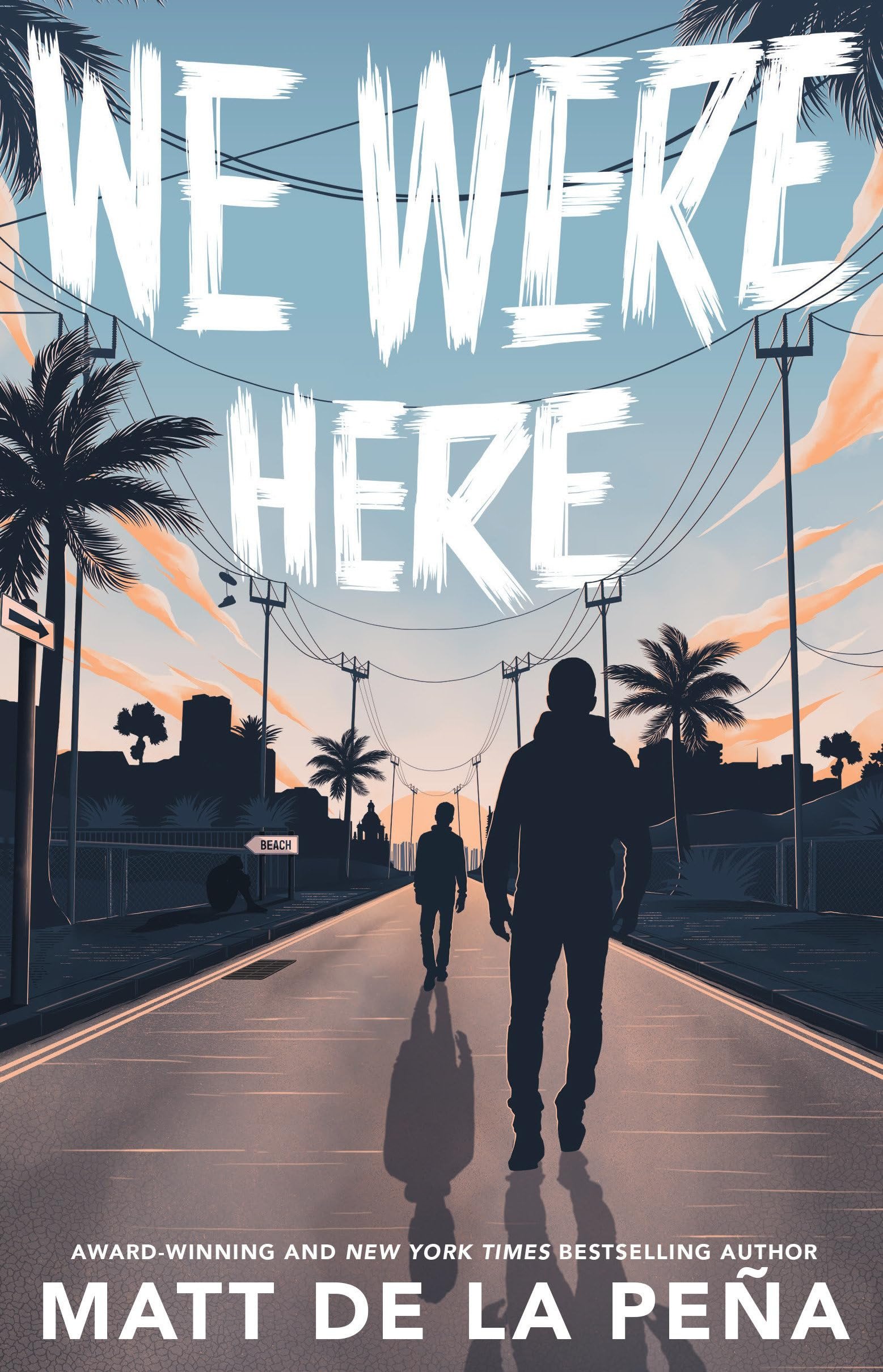
  2. Cover of We Were Here by Matt de la Peña

    Cover not available

    We Were Here

    by Matt de la Peña

    Newbery Award-winning author Matt de la Peña's We Were Here is a "fast, funny, smart, and heartbreaking" novel [Booklist].

    When it happened, Miguel was sent to Juvi. The judge gave him a year in a group home—said he had to write in a journal so some counselor could try to figure out how he thinks. The judge had no idea that he actually did Miguel a favor. Ever since it happened, his mom can’t even look at him in the face. Any home besides his would be a better place to live.
    But Miguel didn’t bet on meeting Rondell or Mong or on any of what happened after they broke out. He only thought about Mexico and getting to the border to where he could start over. Forget his mom. Forget his brother. Forget himself.
    Life usually doesn’ t work out how you think it will, though. And most of the time, running away is the quickest path right back to what you’re running from.
    From the streets of Stockton to the beaches of Venice, all the way to the Mexican border, We Were Here follows a journey of self-discovery by a boy who is trying to forgive himself in an unforgiving world.

    "Fast, funny, smart, and heartbreaking...The contemporary survival adventure will keep readers hooked."-Booklist

    "This gripping story about underprivileged teens is a rewarding read."-VOYA

    "A furiously paced and gripping novel."-Publishers Weekly

    "A story of friendship that will appeal to teens and will engage the most reluctant readers."-Kirkus Reviews

    Why it's similar

    Both books center on disenfranchised, street-smart young men entangled with the juvenile justice system who forge an unexpected brotherhood while on the run. Each story emphasizes emotional vulnerability hidden beneath tough exteriors and the search for personal redemption.

    What's different

    Set in a contemporary West Coast setting, this novel focuses on an introspective psychological journey stemming from a court-ordered group home rather than mid-century gang-versus-gang factional warfare.

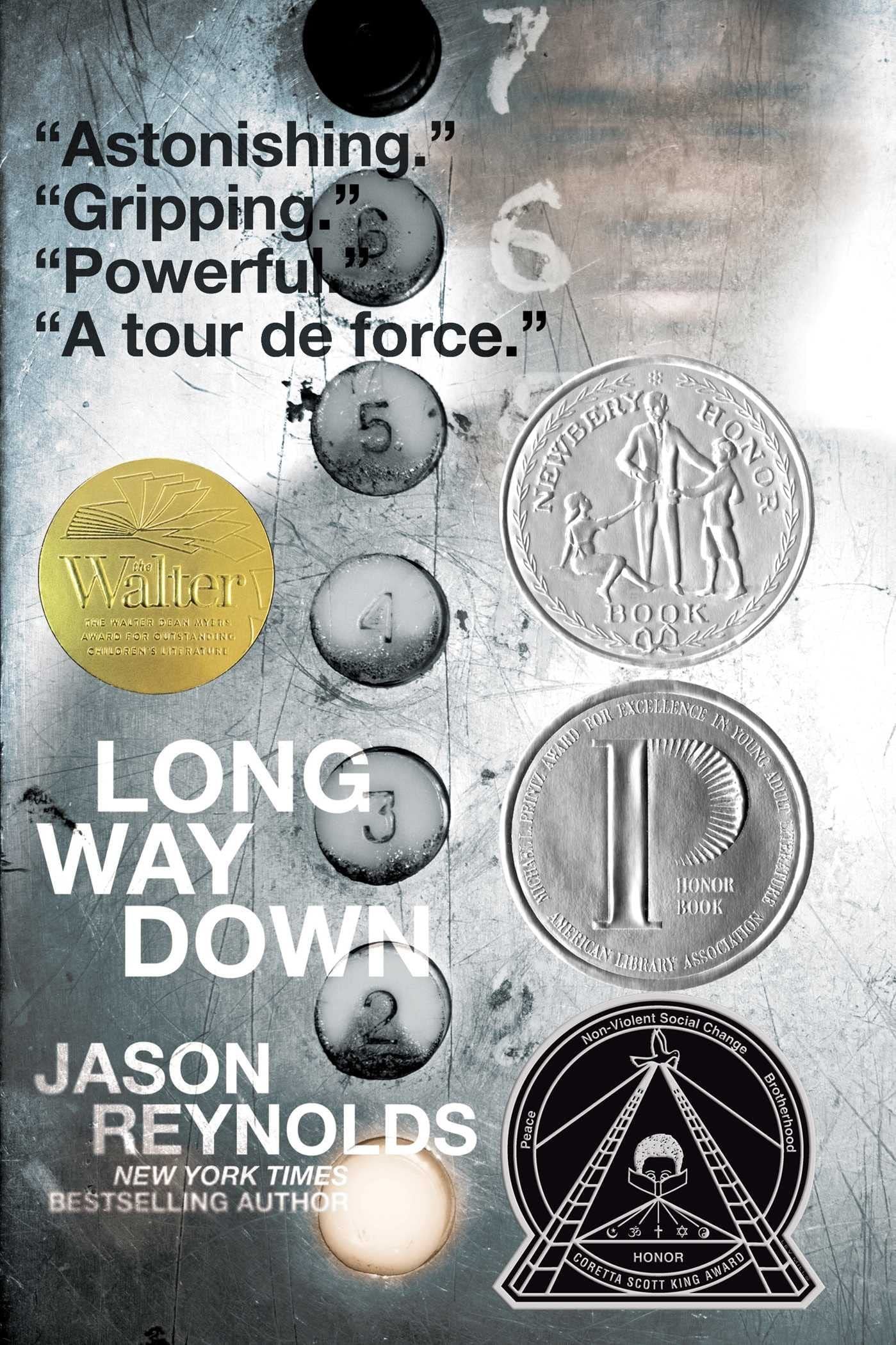
  3. Cover of Long Way Down by Jason Reynolds

    Cover not available

    Long Way Down

    by Jason Reynolds

    “An intense snapshot of the chain reaction caused by pulling a trigger.” —Booklist (starred review)
    “Astonishing.” —Kirkus Reviews (starred review)
    “A tour de force.” —Publishers Weekly (starred review)

    A Newbery Honor Book
    A Coretta Scott King Honor Book
    A Printz Honor Book
    A Time Best YA Book of All Time (2021)
    A Los Angeles Times Book Prize Winner for Young Adult Literature
    Longlisted for the National Book Award for Young People’s Literature
    Winner of the Walter Dean Myers Award
    An Edgar Award Winner for Best Young Adult Fiction
    Parents’ Choice Gold Award Winner
    An Entertainment Weekly Best YA Book of 2017
    A Vulture Best YA Book of 2017
    A Buzzfeed Best YA Book of 2017

    An ode to Put the Damn Guns Down, this is New York Times bestselling author Jason Reynolds’s electrifying novel that takes place in sixty potent seconds—the time it takes a kid to decide whether or not he’s going to murder the guy who killed his brother.

    A cannon. A strap.
    A piece. A biscuit.
    A burner. A heater.
    A chopper. A gat.
    A hammer
    A tool
    for RULE

    Or, you can call it a gun. That’s what fifteen-year-old Will has shoved in the back waistband of his jeans. See, his brother Shawn was just murdered. And Will knows the rules. No crying. No snitching. Revenge. That’s where Will’s now heading, with that gun shoved in the back waistband of his jeans, the gun that was his brother’s gun. He gets on the elevator, seventh floor, stoked. He knows who he’s after. Or does he?

    As the elevator stops on the sixth floor, on comes Buck. Buck, Will finds out, is who gave Shawn the gun before Will took the gun. Buck tells Will to check that the gun is even loaded. And that’s when Will sees that one bullet is missing. And the only one who could have fired Shawn’s gun was Shawn. Huh. Will didn’t know that Shawn had ever actually USED his gun. Bigger huh. BUCK IS DEAD. But Buck’s in the elevator?

    Just as Will’s trying to think this through, the door to the next floor opens. A teenage girl gets on, waves away the smoke from Dead Buck’s cigarette. Will doesn’t know her, but she knew him. Knew. When they were eight. And stray bullets had cut through the playground, and Will had tried to cover her, but she was hit anyway, and so what she wants to know, on that fifth floor elevator stop, is, what if Will, Will with the gun shoved in the back waistband of his jeans, MISSES.

    And so it goes, the whole long way down, as the elevator stops on each floor, and at each stop someone connected to his brother gets on to give Will a piece to a bigger story than the one he thinks he knows. A story that might never know an END…if Will gets off that elevator.

    Told in short, fierce staccato narrative verse, Long Way Down is a fast and furious, dazzlingly brilliant look at teenage gun violence, as could only be told by Jason Reynolds.

    Why it's similar

    Both narratives examine the tragic cycle of street violence, rigid codes of masculinity, and the profound grief boys experience after the loss of an older mentor or brother figure. In both, sensitive protagonists question whether seeking revenge is truly the right path.

    What's different

    Long Way Down is written in verse and takes place over an intense, sixty-second elevator ride featuring supernatural encounters, contrasting with the realistic, weeks-long coming-of-age structure of The Outsiders.

  4. Cover of Forever... by Judy Blume

    Cover not available

    Forever...

    by Judy Blume

    Katherine and Michael meet on New Year's Eve and their attraction is instantaneous. Completely involved with each other, filled with all the wonder of "the first time," they are blissfully unaware of the complications real love presents.

    Why it's similar

    Both are coming-of-age novels about teenagers navigating intense feelings, peer pressure, and the search for identity. Each uses a realistic, adolescent voice to show how social expectations shape a young person's choices.

    What's different

    It focuses on a first serious romantic relationship and sexual awakening rather than gang conflict or class rivalry, so the emotional stakes are more intimate than street-oriented. The tone is more explicitly centered on adolescent sexuality and consent issues.

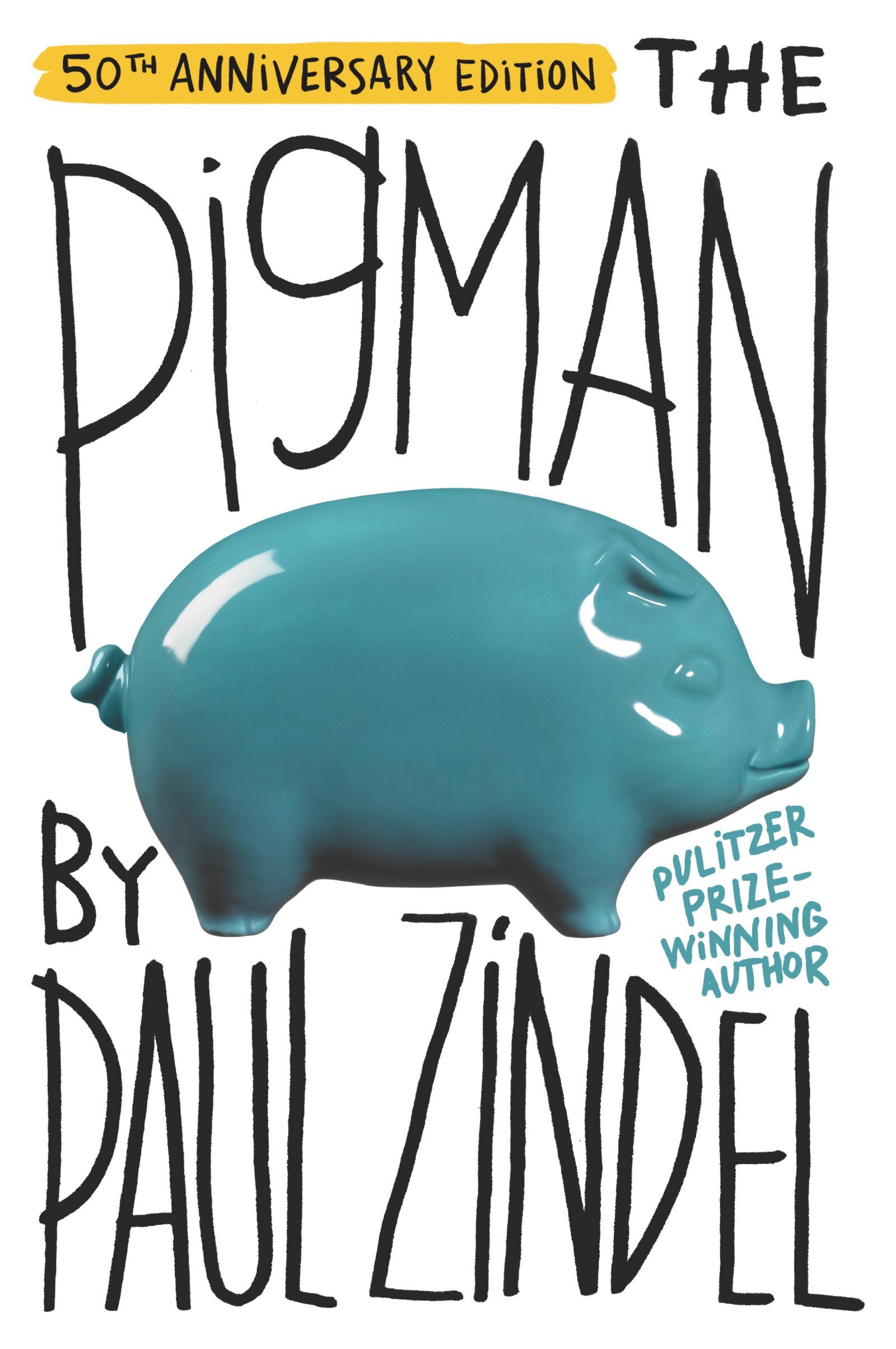
  5. Cover of The Pigman by Paul Zindel

    Cover not available

    The Pigman

    by Paul Zindel

    Join the millions of readers who have discovered The Pigman, the beloved bestselling young adult classic from Paul Zindel, the Pulitzer Prize-winning author of The Effect of Gamma Rays on Man-in-the-Moon Marigolds.

    The Pigman is the perfect read for fans of modern classics like The Outsiders by S. E. Hinton and Thirteen Reasons Why by Jay Asher.

    When high school sophomores John and Lorraine made a prank phone call to an elderly stranger named Angelo Pignati, what starts as a practical joke quickly turns into a friendship that changes all of their lives forever. But when their friendship ends in tragedy, the only way for John and Lorraine to find peace is to write down their friend's story—the true story of the Pigman.

    “Headline news…remarkable…Zindel has written a story that will not be denied.” —Publishers Weekly

    “An intensely moving story of believably alienated young people.” —School Library Journal

    Why it's similar

    Both are realistic YA novels about troubled teens who feel alienated from the adults around them. They share a confessional, emotionally direct style and a strong focus on vulnerability beneath bravado.

    What's different

    Its central relationship is between two teenagers and an older adult, so it is less about peer groups and more about loneliness, mischief, and betrayal across generations. The setting is more domestic and satirical than the gang-centered world of The Outsiders.

Looking for something else?

Use our book recommendation tool to discover books similar to any of your favorites.

Find similar books with LibroMatch