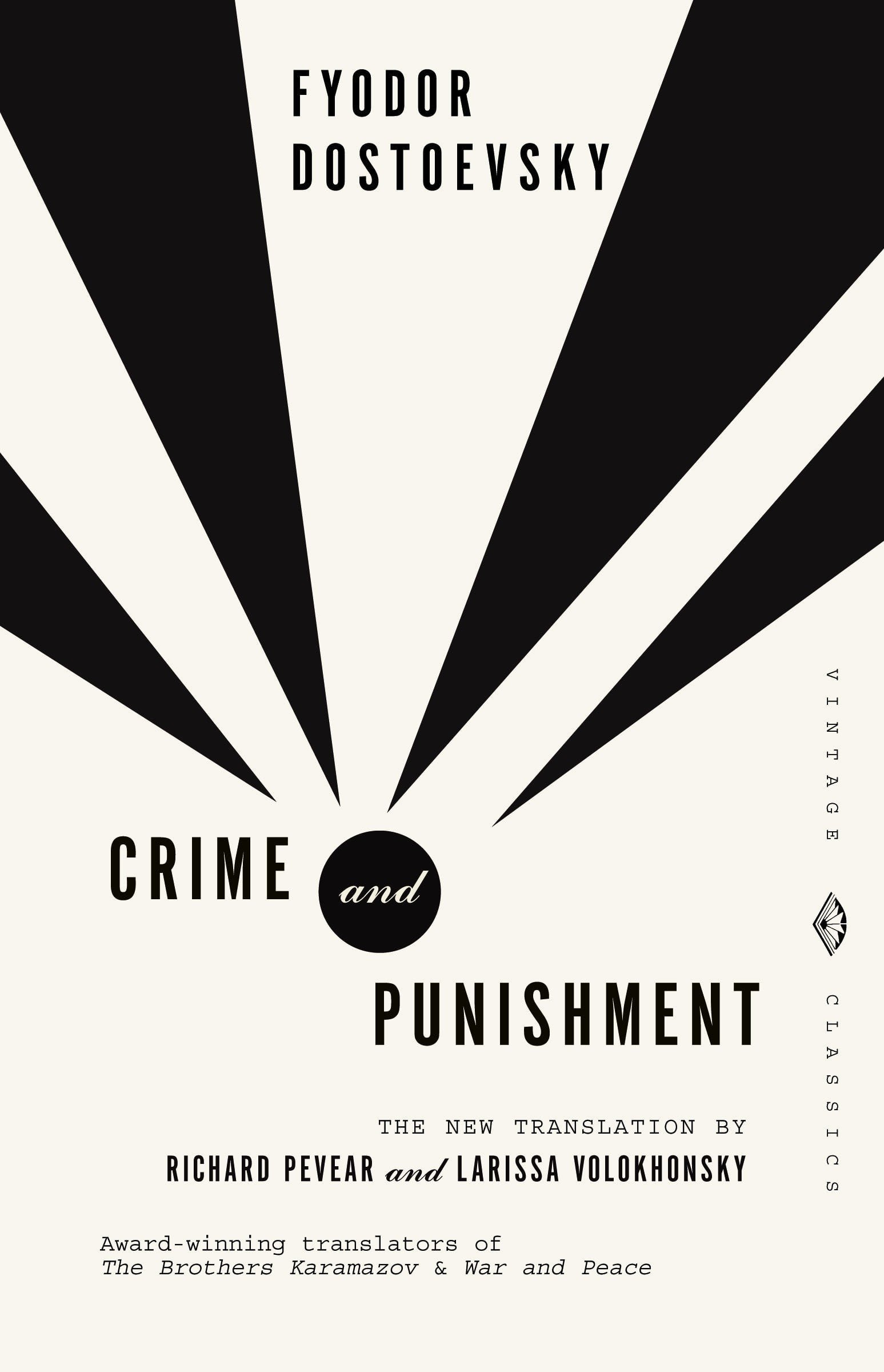
Cover of Crime and Punishment by Fyodor Dostoevsky

5 book recommendations

Books Like “Crime and Punishment” by Fyodor Dostoevsky

Readers revere Crime and Punishment for its searing psychological depth, suffocating guilt, and profound exploration of moral redemption. If you crave intense narratives that dissect the human conscience and the weight of transgressive choices, you are in the right place. Dive in to discover your next hauntingly brilliant read.

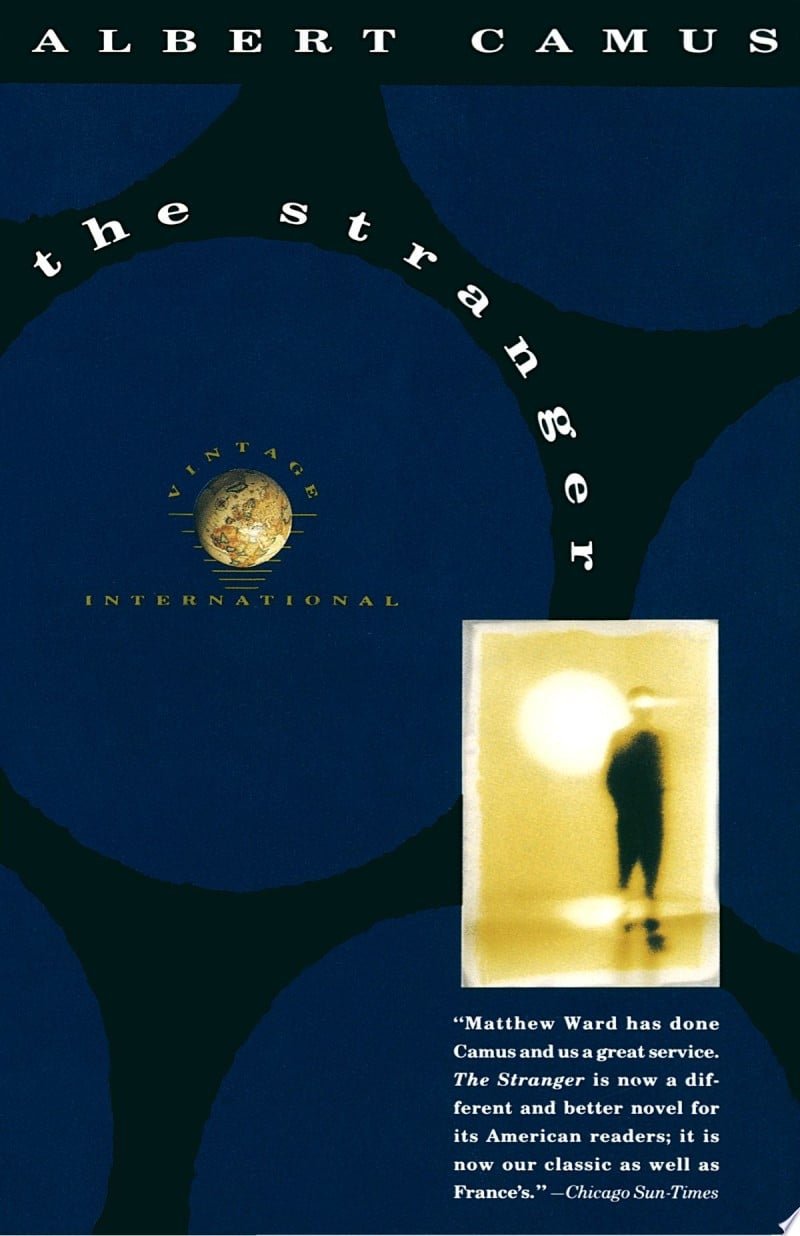
  1. Cover of The Stranger by Albert Camus

    Cover not available

    The Stranger

    by Albert Camus

    The masterpiece of Nobel Prize winner Albert Camus, now in a striking American English translation, The Stranger remains vital for its unsettling insights into the impossibility of moral certainty in the face of violence.

    “Matthew Ward has done Camus and us a great service. The Stranger is now a different and better novel for its American readers; it is now our classic as well as France’s.”—Chicago Sun-Times

    Since it was first published in English, in 1946, Albert Camus’s first novel, The Stranger (L’etranger), has had a profound impact on millions of American readers. Through this story of an ordinary man who unwittingly gets drawn into a senseless murder on a sundrenched Algerian beach, Camus explored what he termed “the nakedness of man faced with the absurd.”

    Now, in this illuminating translation, extraordinary for its exactitude and clarity, the original intent of The Stranger is made more immediate. This haunting novel has been given a new life for generations to come.

    Why it's similar

    Both novels center on an alienated protagonist who commits a murder and faces an intense confrontation with societal morality and existential meaning.

    What's different

    Camus uses a detached, minimalist prose style grounded in Absurdism, contrasting with Dostoevsky's feverish psychological intensity and Christian framework of redemption.
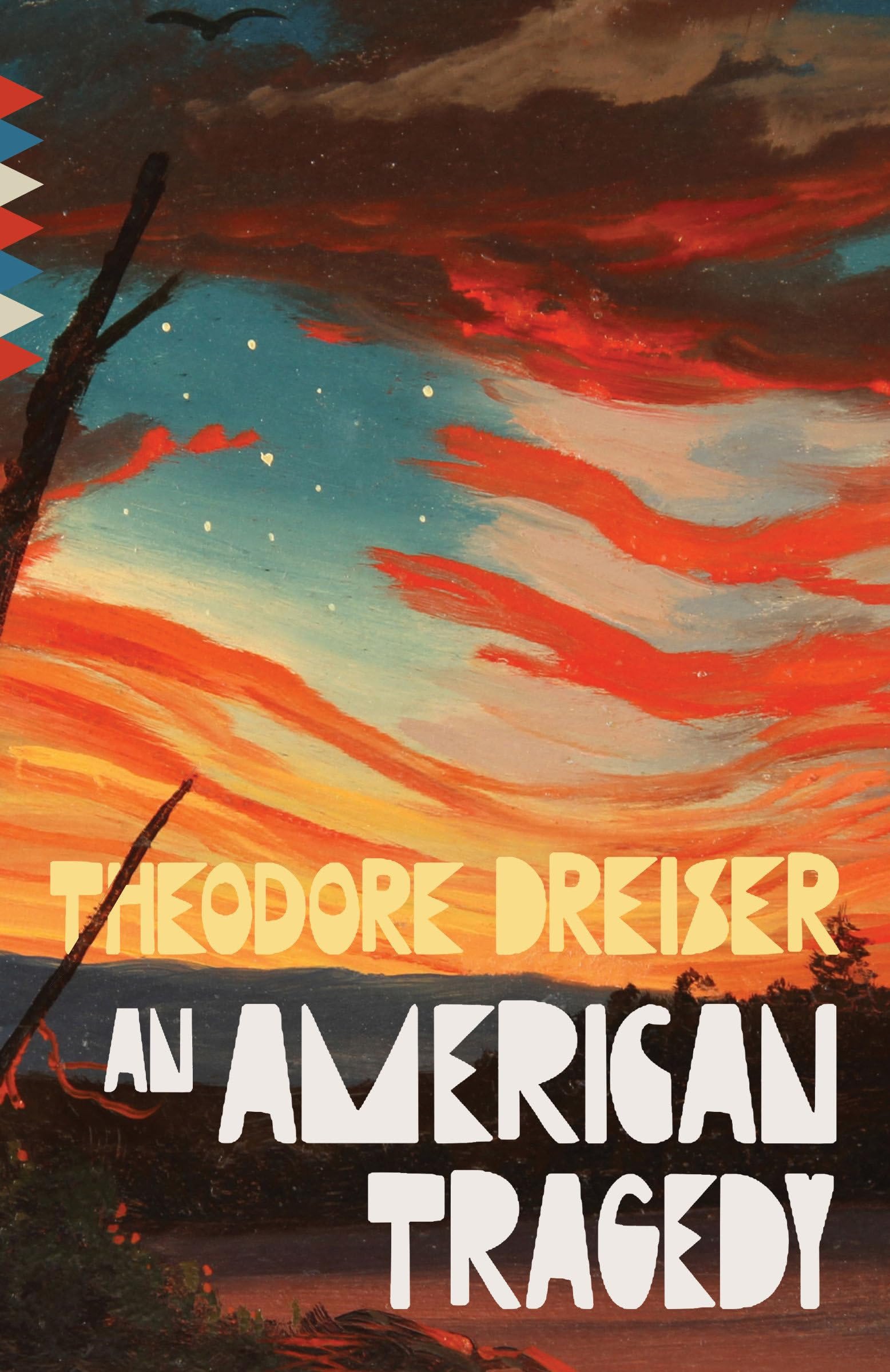

  2. Cover of An American Tragedy by Theodore Dreiser

    Cover not available

    An American Tragedy

    by Theodore Dreiser

    This landmark 1925 novel—the basis for the acclaimed 1951 film A Place in the Sun—is both a riveting crime story and a devastating commentary on the American dream.

    One of The Atlantic’s Great American Novels of the Past 100 Years

    Theodore Dreiser was inspired by a true story to write this novel about an ambitious, socially insecure young man who finds himself caught between two very different women—and two very different visions of what his life could be. Clyde Griffiths was born poor and is poorly educated, but his prospects begin to improve when he is offered a job by a wealthy uncle who owns a shirt factory. Soon he achieves a managerial position, and despite being warned to stay away from the women he manages, he becomes involved with Roberta, a poor factory worker who falls in love with him. At the same time, he catches the eye of Sondra, the glamorous socialite daughter of another factory owner, and begins neglecting his lover to court her. When Roberta confronts Clyde with her pregnancy, Clyde's hopes of marrying Sondra are threatened, and he conceives a desperate plan to preserve his dream.

    Why it's similar

    Both works track an impoverished young man whose social ambitions lead him to commit murder, followed by his inevitable psychological unraveling and legal reckoning.

    What's different

    Dreiser emphasizes environmental determinism and class critique in early 20th-century America rather than the metaphysical and spiritual conflicts that torment Raskolnikov.

  3. Cover of Resurrection by Leo Tolstoy

    Cover not available

    Resurrection

    by Leo Tolstoy

    Resurrection, the last of Tolstoy's major novels, tells the story of a nobleman's attempt to redeem himself for the suffering his youthful philandering caused a peasant girl. Tolstoy's vision of redemption achieved through loving forgiveness, and his condemnation of violence dominate the novel. An intimate, psychological tale of guilt, anger, and forgiveness, Resurrection is at the same time a panoramic description of social life in Russia at the end of the nineteenth century, reflecting Tolstoy's outrage at the social injustices of the world in which he lived.

    Why it's similar

    Set in 19th-century Imperial Russia, both novels follow a guilt-stricken man seeking moral regeneration while confronting the harsh realities of the criminal justice and penal system.

    What's different

    Tolstoy adopts a broad, didactic critique of Russian social institutions and aristocracy, whereas Dostoevsky narrows focus onto individual psychological claustrophobia and philosophical hubris.

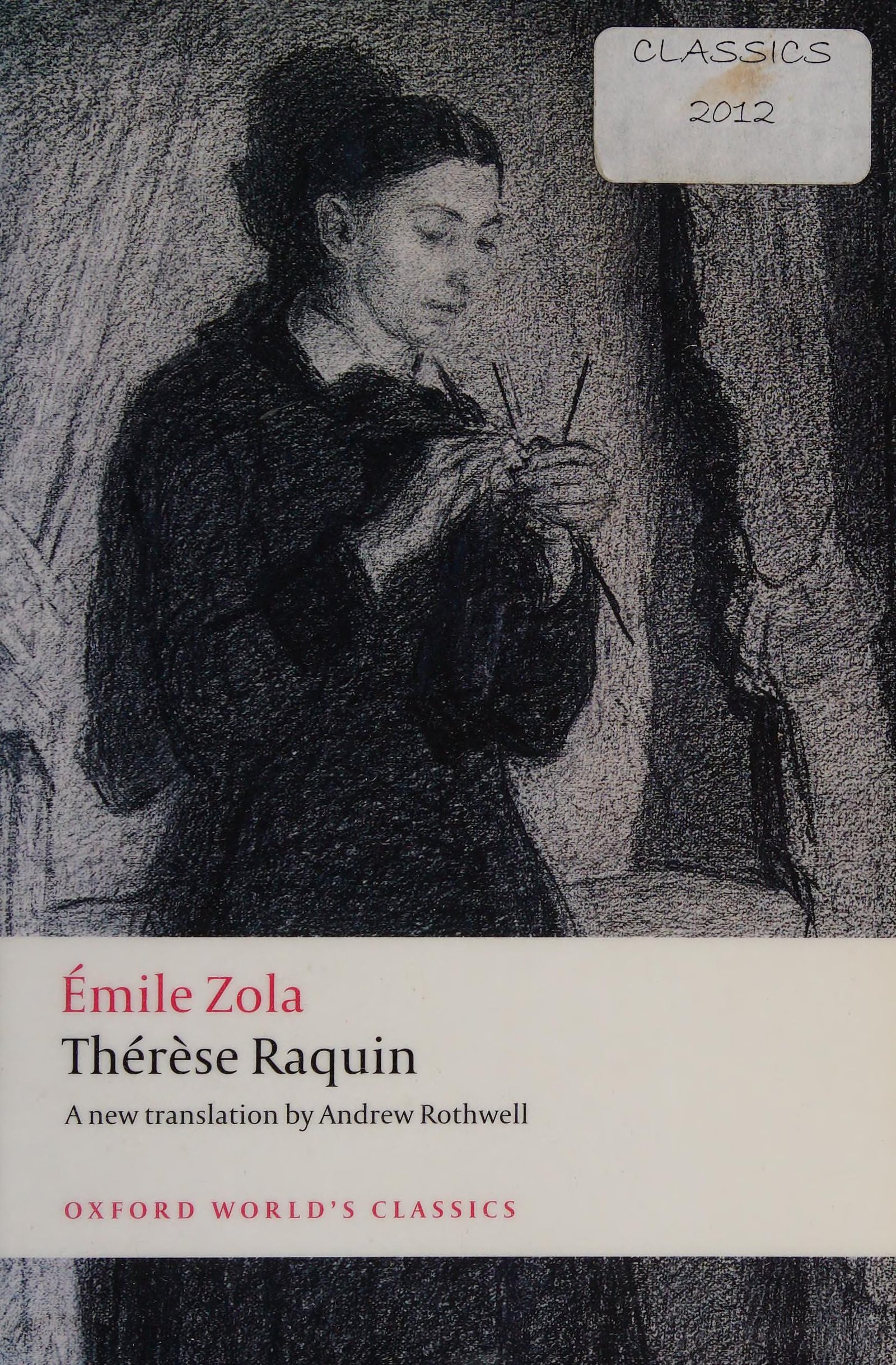
  4. Cover of Thérèse Raquin by Émile Zola

    Cover not available

    Thérèse Raquin

    by Émile Zola

    Thérèse Raquin is a clinically observed, sinister tale of adultery and murder among the lower orders in nineteenth-century Paris. Zola's dispassionate dissection of the motivations of his characters, mere `human beasts' who kill in order to satisfy their lust, is much more than an atmospheric Second Empire period-piece. Many readers were scandalized by an approach to character-drawing which seemed to undermine not only the moral values of a deeply conservative society, but also the whole code of psychological description on which the realist novel was based. Together with the important `Preface to the Second Edition' in which Zola defended himself against charges of immorality, Thérèse Raquin stands as a key early manifesto of the French Naturalist movement, of which Zola was the founding father. Even today, this novel has lost none of its power to shock. This new translation is based on the second edition of 1868. The Introduction situates the novel in the context of Naturalism, medicine, and the scientific ideas of Zola's day. ABOUT THE SERIES: For over 100 years Oxford World's Classics has made available the widest range of literature from around the globe. Each affordable volume reflects Oxford's commitment to scholarship, providing the most accurate text plus a wealth of other valuable features, including expert introductions by leading authorities, helpful notes to clarify the text, up-to-date bibliographies for further study, and much more.

    Why it's similar

    Both narratives provide a granular examination of the overwhelming guilt, paranoia, and psychological collapse experienced by killers in the aftermath of their crime.

    What's different

    Zola presents a clinically detached, deterministic view of human biology and temperament, eschewing Dostoevsky's deep philosophical monologues and spiritual resolution.

  5. Cover of Native Son by Richard Wright

    Cover not available

    Native Son

    by Richard Wright

    Right from the start, Bigger Thomas had been headed for jail. It could have been for assault or petty larceny; by chance, it was for murder and rape. Native Son tells the story of this young black man caught in a downward spiral after he kills a youn

    Why it's similar

    Both stories follow a marginalized, isolated young man driven to murder under intense societal pressure, chronicling his subsequent flight and trial.

    What's different

    Wright explicitly investigates systemic racism and institutional oppression in 1930s Chicago, shifting focus away from the theoretical, intellectual motivations that drive Raskolnikov's crime.

Looking for something else?

Use our book recommendation tool to discover books similar to any of your favorites.

Find similar books with LibroMatch