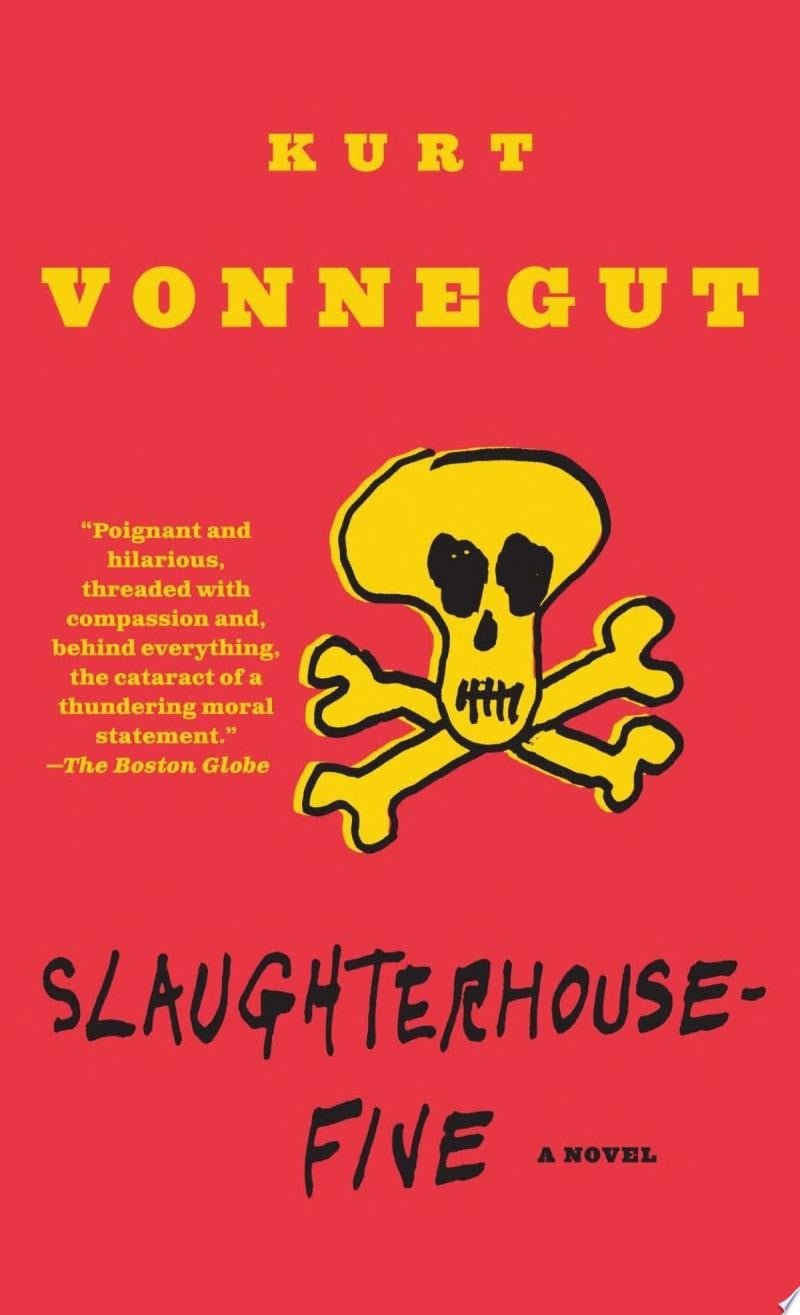
Cover of Slaughterhouse-Five by Kurt Vonnegut Jr.

5 book recommendations

Books Like “Slaughterhouse-Five” by Kurt Vonnegut Jr.

Readers revere Kurt Vonnegut's Slaughterhouse-Five for its masterclass in dark satire, sci-fi elements, and profound anti-war grief. If you were captivated by Billy Pilgrim's unstuck journey through trauma and the absurdity of conflict, you are in the right place. Explore our curated selection below to discover your next unforgettable read.

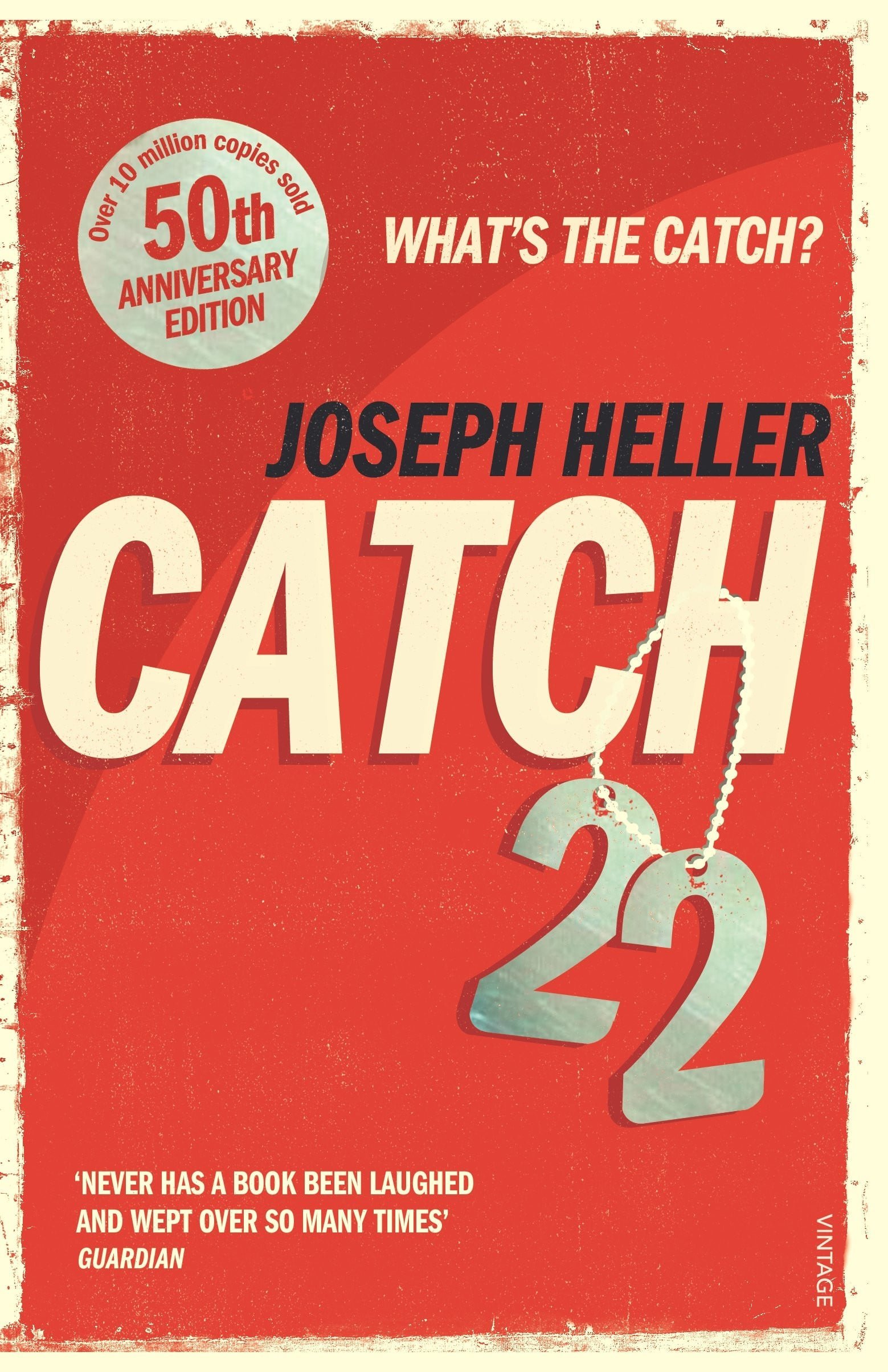
  1. Cover of Catch-22 by Joseph Heller

    Cover not available

    Catch-22

    by Joseph Heller

    Explosive, subversive, wild and funny, 50 years on the novel's strength is undiminished. Reading Joseph Heller's classic satire is nothing less than a rite of passage. Set in the closing months of World War II, this is the story of a bombardier named Yossarian who is frantic and furious because thousands of people he has never met are trying to kill him. His real problem is not the enemy - it is his own army which keeps increasing the number of missions the men must fly to complete their service. If Yossarian makes any attempts to excuse himself from the perilous missions then he is caught in Catch-22: if he flies he is crazy, and doesn't have to; but if he doesn't want to he must be sane and has to. That's some catch...

    Why it's similar

    Both are seminal anti-war novels that employ dark satire, absurdism, and non-linear chronology to expose the irrationality of World War II and institutional power.

    What's different

    Heller grounds his story strictly in bureaucratic military madness and circular logic, whereas Vonnegut incorporates sci-fi elements like alien abduction and time travel to process trauma.
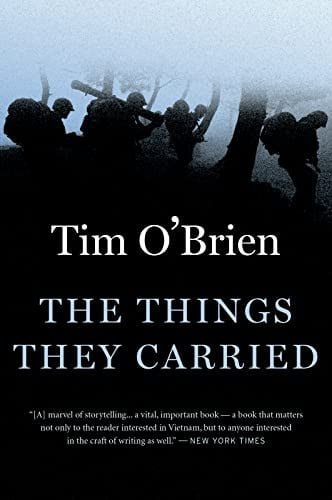
  2. Cover of The Things They Carried by Tim O'Brien

    Cover not available

    The Things They Carried

    by Tim O'Brien

    A classic work of American literature that has not stopped changing minds and lives since it burst onto the literary scene, The Things They Carried is a ground-breaking meditation on war, memory, imagination, and the redemptive power of storytelling. The Things They Carried depicts the men of Alpha Company: Jimmy Cross, Henry Dobbins, Rat Kiley, Mitchell Sanders, Norman Bowker, Kiowa, and the character Tim O’Brien, who has survived his tour in Vietnam to become a father and writer at the age of forty-three. Taught everywhere—from high school classrooms to graduate seminars in creative writing—it has become required reading for any American and continues to challenge readers in their perceptions of fact and fiction, war and peace, courage and fear and longing.

    Why it's similar

    Both works use metafictional storytelling and fractured timelines to confront the profound psychological trauma of war and the struggle of veterans attempting to communicate their memories.

    What's different

    O'Brien's approach is deeply earnest, lyrical, and focused on the Vietnam War, lacking Vonnegut's darkly ironic detachment and speculative conceits.

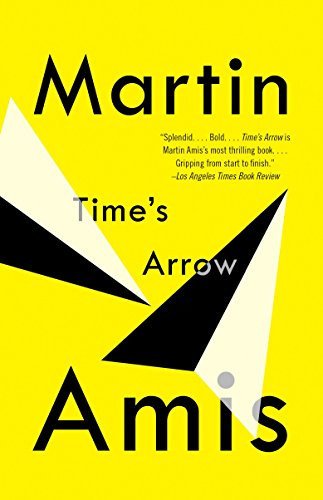
  3. Cover of Time's Arrow by Martin Amis

    Cover not available

    Time's Arrow

    by Martin Amis

    In this icy, knife’s-edge story of a life that progresses backward through time, unfolding into one of the darkest episodes of the 20th century, Amis (“at his intriguing, heedful, and powerful best” —Time Out), finds a chillingly original approach to the Holocaust in fiction • From the acclaimed author of Zone of Interest

    "The narrative moves with irresistible momentum.... [Amis is] a daring, exacting writer willing to defy the odds in pursuit of his art." —Newsday

    Tod. T. Friendly is living his life in reverse. Doctor Friendly has just died, but he moves “out of blackest sleep” to find himself surrounded by doctors and on the deathbed of a man in whose body he is imprisoned. After weeks of improving in the hospital, he is sent home to his affable, melting-pot, primary-colors existence in suburban America.

    As Friendly breaks up with his lovers in a prelude to seducing them and mangles his patients before he sends them home, his life races backward toward the one appalling moment in modern history when such reversals make sense. From the fresh-cut lawns of his retirement to the hustle of New York, and then back to the boat which reverses his course to the war-torn Europe Friendly came from, Amis brings the steeliest nerve to the job of realizing the novel’s inevitable logic. Trapped in his body from grave to cradle, Friendly’s consciousness can only watch as he struggles to make sense of the good doctor’s most ambitious project yet—the final solution.

    Why it's similar

    Both novels dismantle traditional narrative time to examine the incomprehensible horrors of World War II, presenting traumatic history through a dislocated, alienated perspective.

    What's different

    Amis strictly structures his story in reverse chronological order to analyze complicity in the Holocaust, whereas Vonnegut leaps unpredictably across a lifetime with bittersweet whimsy.

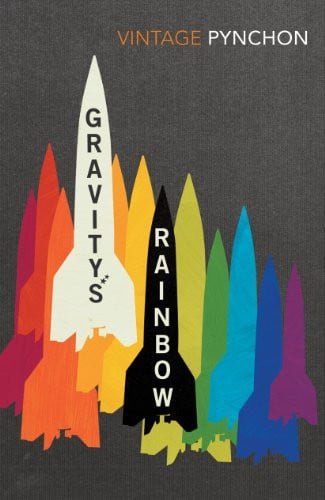
  4. Cover of Gravity's Rainbow by Thomas Pynchon

    Cover not available

    Gravity's Rainbow

    by Thomas Pynchon

    Discover Thomas Pynchon's brilliant writing in this postmodern literature classic.

    'The greatest, wildest author of his generation' Guardian

    We could tell you the year is 1944, that the main character is called Tyrone Slothrop and that he has a problem because bombs are falling across Europe and crashing to the earth at the exact locations of his sexual conquests. But that doesn't really begin to cover it.

    Reading this book is like falling down a rabbit hole into an outlandish, sinister, mysterious, absurd, compulsive netherworld. As The Financial Times said, 'you must forget earlier notions about life and letters and even the Novel.' Forty years since its publication, Gravity's Rainbow has lost none of its power to enthral.

    Why it's similar

    Both are postmodern war classics set during World War II that fuse speculative fiction, paranoid comedy, and existential dread to question fate and human agency in the face of mass destruction.

    What's different

    Pynchon offers an expansive, highly dense, and encyclopedic maximalist epic, in stark contrast to Vonnegut's slim, conversational, and accessible narrative style.

  5. Cover of The Tin Drum by Günter Grass

    Cover not available

    The Tin Drum

    by Günter Grass

    THE TIN DRUM presents Hitler's rise and fall through the eyes of the dwarfish narrator whose magic powers become symbolic of the dark forces dominating the German nation in the period. Like Thomas Mann's DOCTOR FAUSTUS, Grass's novel explores the dark roots of power and creativity. An early advocate of 'magic realism'. Gunter Grass is the most powerful and celebrated novelist to appear in post-war Germany. His home city of Danzig is a powerful presence in this novel.

    Why it's similar

    Like Slaughterhouse-Five, it mixes historical events around World War II with absurdist and fantastical elements, using a morally ambiguous narrator to critique nationalism, violence, and collective guilt.

    What's different

    Grass’s book focuses more on magical realism and the personal, often grotesque coming-of-age of its protagonist within German society, rather than on battlefield experience and explicit science fiction motifs.

Looking for something else?

Use our book recommendation tool to discover books similar to any of your favorites.

Find similar books with LibroMatch