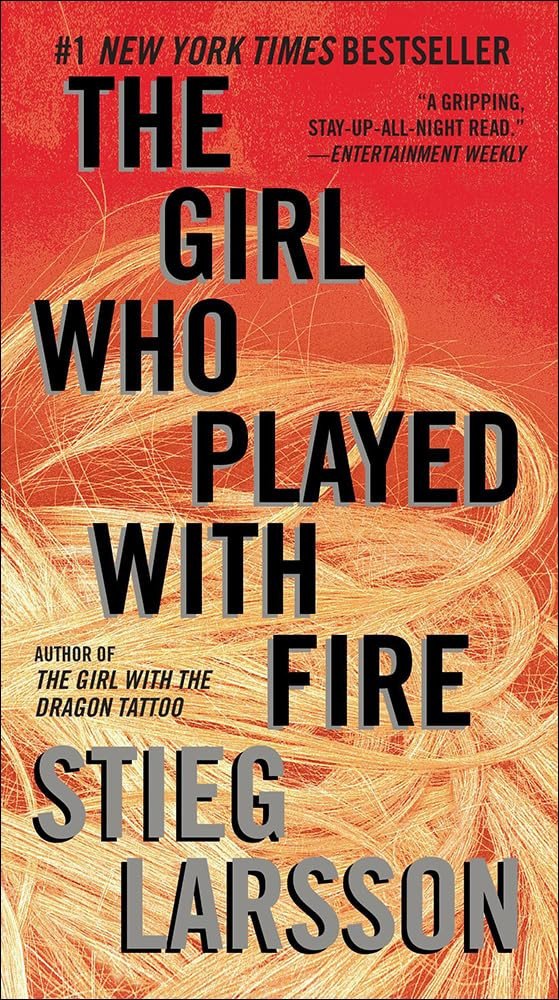
Cover of The Girl Who Played with Fire by Stieg Larsson

5 book recommendations

Books Like “The Girl Who Played with Fire” by Stieg Larsson

If you were captivated by the relentless pace, deep-seated conspiracies, and gritty Nordic noir atmosphere of The Girl Who Played with Fire, you are not alone. Stieg Larsson set a masterclass in dark crime fiction driven by complex investigations and fierce protagonists. Explore our handpicked recommendations to find your next pulse-pounding mystery.

  1. Cover of Smilla's Sense of Snow by Peter Høeg

    Cover not available

    Smilla's Sense of Snow

    by Peter Høeg

    NEW YORK TIMES BESTSELLER • Convinced she has uncovered a shattering crime, an Inuit expat must confront a buried secret back home to bring a murderer to justice in this “finger-biting Danish suspense novel” (Chicago Tribune) from the internationally renowned author of The Woman and the Ape.

    “Astonishing.”—Los Angeles Times
    “A superbly constructed thriller.”—People
    “A book of profound intelligence.”—The New Yorker

    A BEST BOOK OF THE YEAR: Time, People, Entertainment Weekly

    It happened in the Copenhagen snow. A six-year-old boy, a Greenlander like Smilla, fell to his death from the top of his apartment building. While the boy’s body is still warm, the police pronounce his death an accident. But Smilla knows her young neighbor didn’t fall from the roof on his own. Soon she is following a path of clues as clear to her as footsteps in the snow. For her dead neighbor, and for herself, she must embark on a harrowing journey of lies, revelation and violence that will take her back to the world of ice and snow from which she comes, where an explosive secret waits beneath the ice. . . .

    Why it's similar

    Both novels feature an unconventional, fiercely independent female protagonist who uses specialized expertise to uncover corporate and governmental cover-ups in Scandinavia.

    What's different

    Høeg employs a slower, more philosophical and literary prose style compared to Larsson's fast-paced, journalistic thriller pacing.
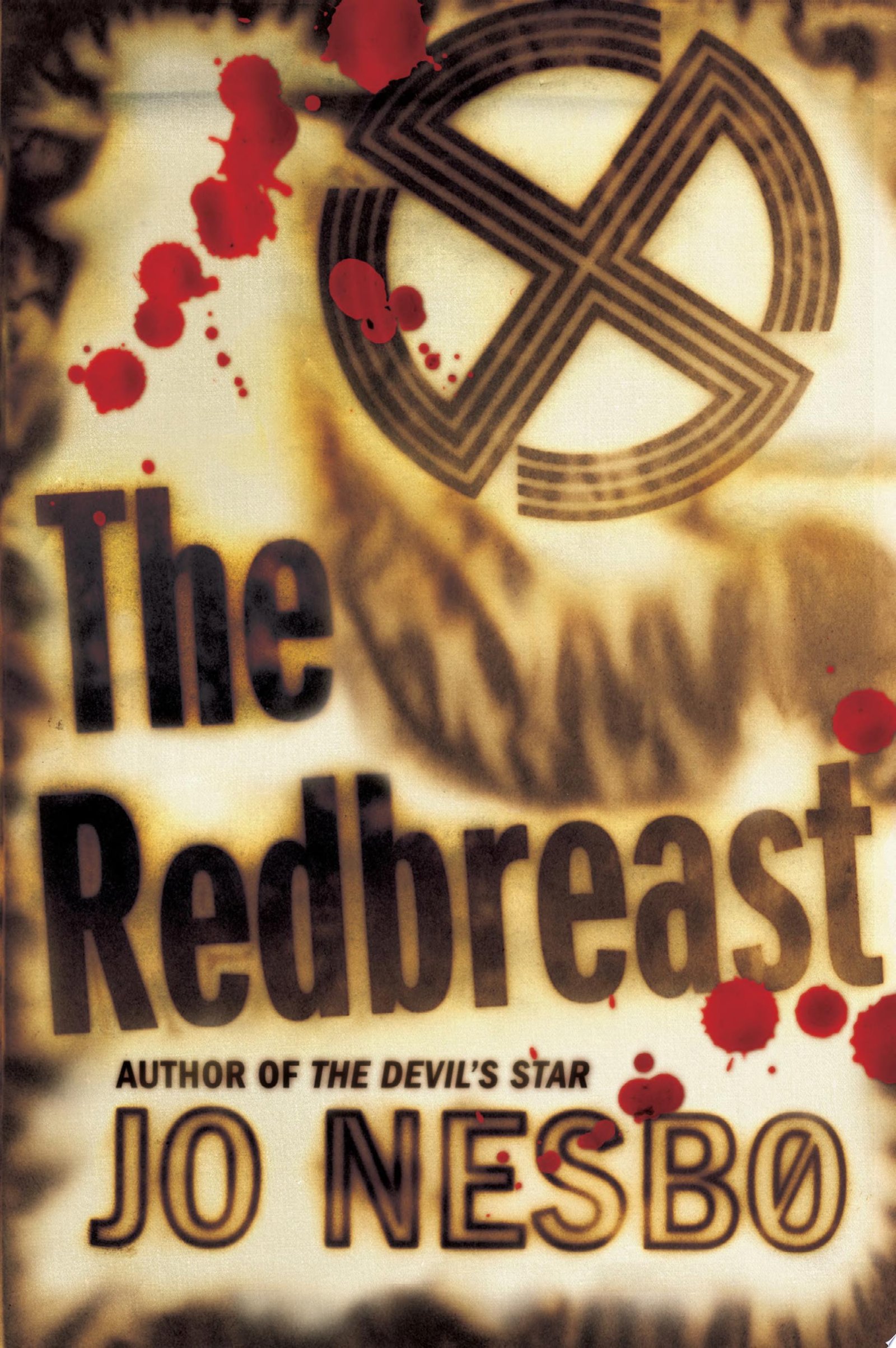

  2. Cover of The Redbreast by Jo Nesbø

    Cover not available

    The Redbreast

    by Jo Nesbø

    “An elegant and complex thriller….Harrowingly beautiful.”
    —New York Times Book Review

    “A hugely impressive achievement—ambitious in scope, and skilled in execution.”
    —Los Angeles Times

    “The Redbreast certainly ranks with the best of current American crime fiction.”
    —Washington Post

    No disrespect meant to Henning Mankell and Stieg Larsson, but Jo Nesbø, the New York Times bestselling author of The Snowman, is the most exciting Scandinavian thriller writer in the crime fiction business. The Redbreast is a fabulous installment in Nesbø’s tough-as-nails series protagonist, Oslo police detective Harry Hole. A brilliant and epic novel, breathtaking in its scope and design—winner of The Glass Key for best Nordic crime novel and selected as the best Norwegian crime novel ever written by members of Norway’s book clubs—The Redbreast is a chilling tale of murder and betrayal that ranges from the battlefields of World War Two to the streets of modern-day Oslo. Follow Hole as he races to stop a killer and disarm a ticking time-bomb from his nation’s shadowy past. Vogue magazine says that “nobody can delve into the dark, twisted mind of a murderer better than a Scandinavian thriller writer”…and nobody does it better than Jo Nesbø! James Patterson fans should also take note.

    Why it's similar

    Both are gritty Nordic thrillers revolving around dark national conspiracies, illicit weapons, and entrenched corruption stemming from extreme political factions.

    What's different

    Nesbø focuses on a formal police detective working within the law and uses dual-timeline historical flashbacks, whereas Larsson focuses on an outlaw hacker framed by intelligence operatives.

  3. Cover of The Keeper of Lost Causes by Jussi Adler-Olsen

    Cover not available

    The Keeper of Lost Causes

    by Jussi Adler-Olsen

    Jussi Adler-Olsen, author of The Absent One, is Denmark's premier crime writer. His books routinely top the bestseller lists in northern Europe, and he's won just about every Nordic crime-writing award, including the prestigious Glass Key Award-also won by Henning Mankell, Stieg Larsson, and Jo Nesbo. Now, Dutton is thrilled to introduce him to America.

    The Keeper of Lost Causes, the first installment of Adler- Olsen's Department Q series, features the deeply flawed chief detective Carl MØrck, who used to be a good homicide detective-one of Copenhagen's best. Then a bullet almost took his life. Two of his colleagues weren't so lucky, and Carl, who didn't draw his weapon, blames himself.

    So a promotion is the last thing Carl expects.

    But it all becomes clear when he sees his new office in the basement. Carl's been selected to run Department Q, a new special investigations division that turns out to be a department of one. With a stack of Copenhagen's coldest cases to keep him company, Carl's been put out to pasture. So he's as surprised as anyone when a case actually captures his interest. A missing politician vanished without a trace five years earlier. The world assumes she's dead. His colleagues snicker about the time he's wasting. But Carl may have the last laugh, and redeem himself in the process.

    Because she isn't dead . . . yet.

    Why it's similar

    Both books examine the dark underbelly of Scandinavian society, specifically focusing on vengeance, physical trauma, and systemic institutional failures.

    What's different

    Adler-Olsen relies on a traditional cold-case police procedural structure tempered by dry workplace humor, rather than an expansive nationwide fugitive manhunt.

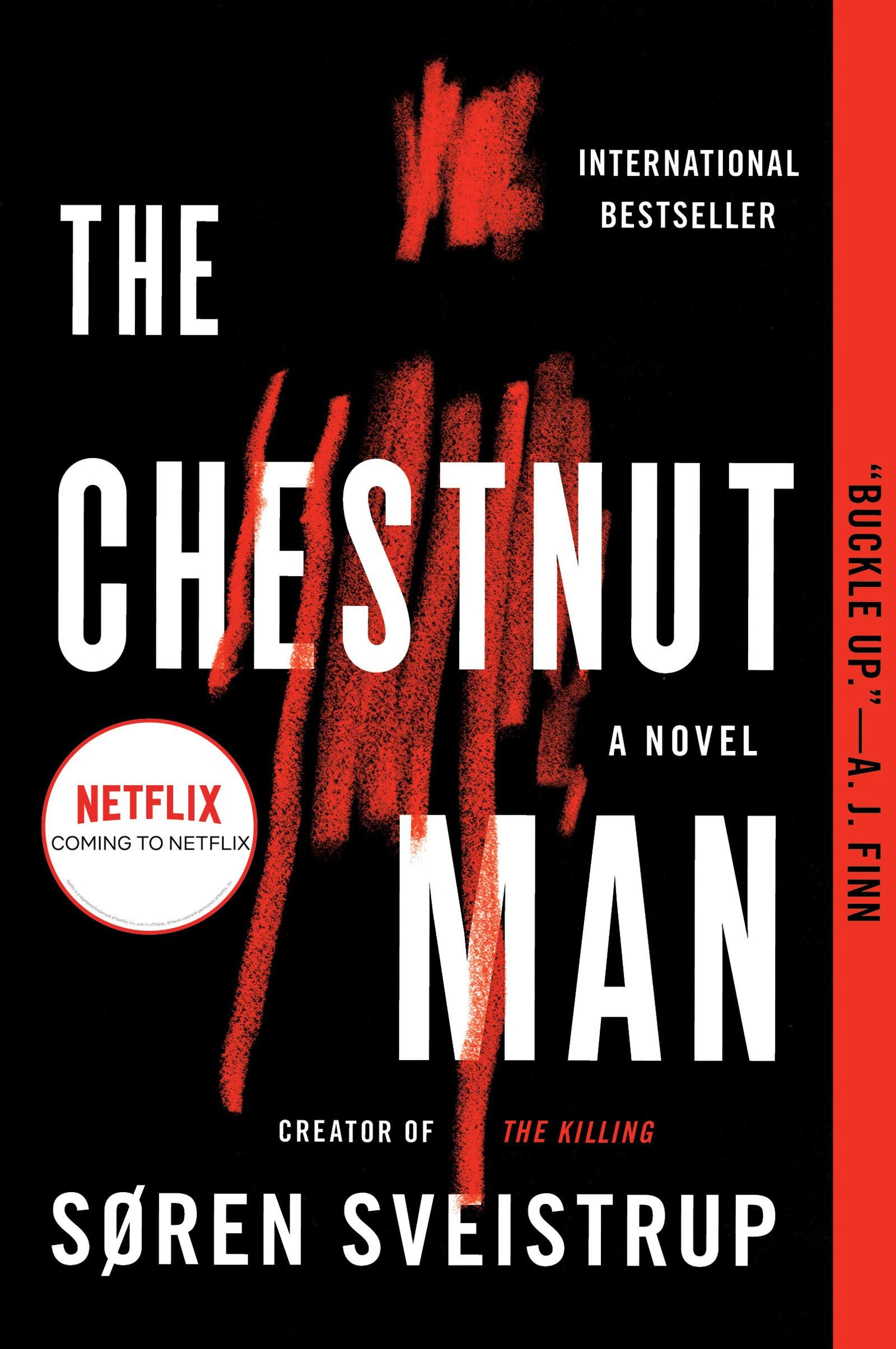
  4. Cover of The Chestnut Man by Søren Sveistrup

    Cover not available

    The Chestnut Man

    by Søren Sveistrup

    "On the first Tuesday in October, Rosa Hartung is returning to her job as minister for social affairs following a year's leave of absence--granted after the dramatic disappearance of her twelve-year-old daughter. Linus Bekker, a mentally ill young man, confessed to her killing, but is unable to remember where he buried the various parts of her dismembered corpse, leaving Rosa with no choice but to try to move on without closure. The same day Rosa returns to parliament, a young single mother is found brutally murdered at her home in the suburbs of Copenhagen--she's been tortured, and one hand has been cut off. Thulin and Hess, the detectives sent to investigate the crime, arrive at the address to find a figure made of chestnuts hanging from a playhouse nearby. When yet another woman is murdered--this time with both hands cut off--and another chestnut figure is found, Thulin and Hess begin to suspect a connection to the Hartung case. To put an end to the killing spree, the pair, with nothing in common aside from equally troubled personal lives, realize they will need to put aside their differences in a race against time--and a brutal psychopath"--

    Why it's similar

    Both stories confront high-level political scandals rooted in past abuses against vulnerable youths, framed within a dark, procedural Scandinavian setting.

    What's different

    Sveistrup's narrative is a straightforward, grim police hunt for a serial killer, lacking the cyber-warfare, espionage, and hacker subcultures found in Larsson's work.

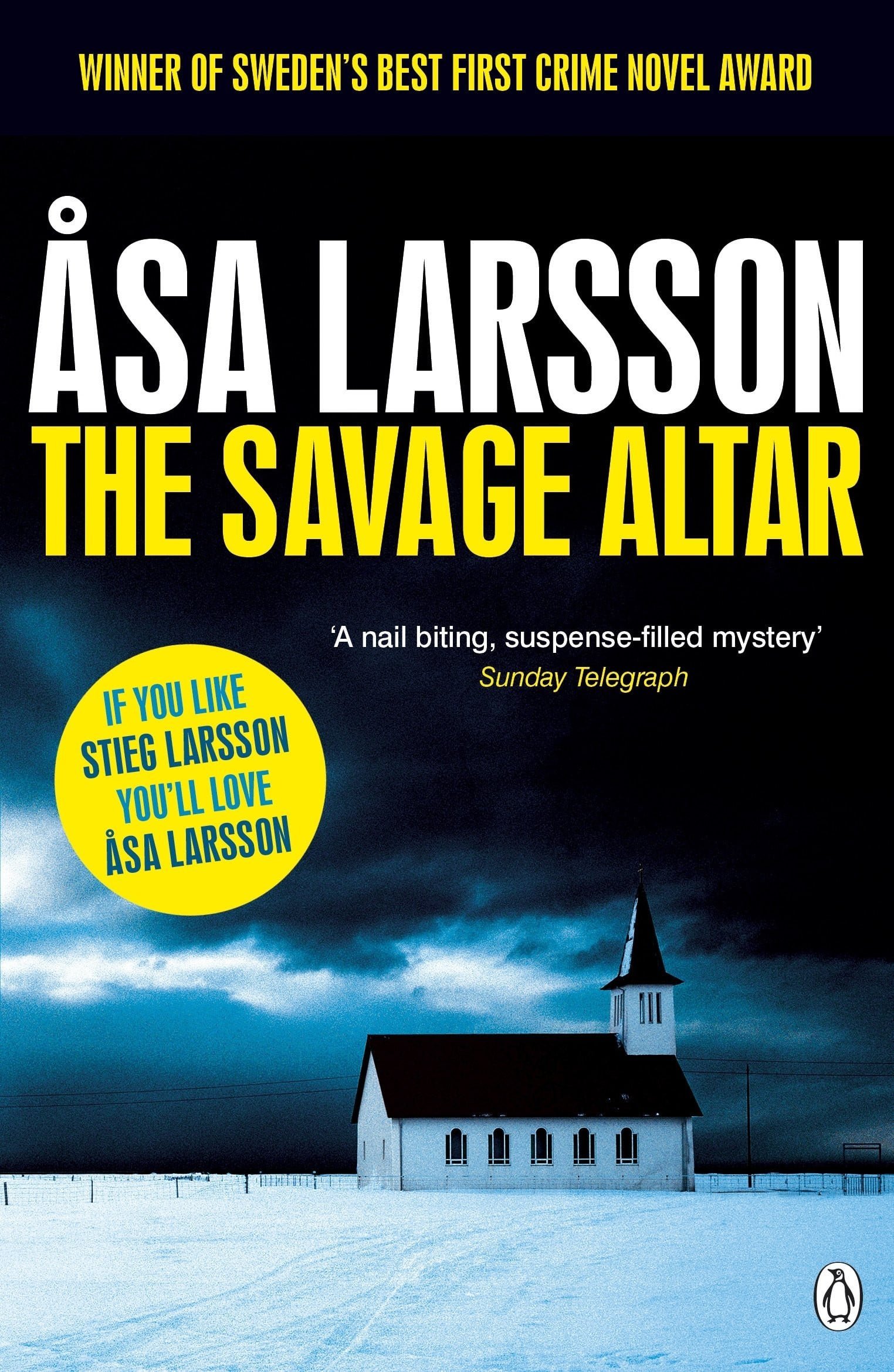
  5. Cover of The Savage Altar by Åsa Larsson

    Cover not available

    The Savage Altar

    by Åsa Larsson

    'A breath of fresh cold air . . . a dangerous edge to gladden fans of Lisbeth Salander' Boyd Tonkin The first in the Rebecka Martinsson series from the million-book bestselling author, for fans of Stieg Larsson, The Bridge and The Killing TV series. A church in the glittering frozen wastes of northern Sweden. Inside, a sacrifice: the body of a man - slashed to pieces, hands severed, eyes gouged out. The victim's sister is first to discover the body and she soon finds herself the police's only suspect. Terrified and confused, she calls on an old friend: hot-shot city lawyer Rebecka Martinsson. Can Rebecka dig beneath the surface of the community that she once fled, and find the truth? 'A chilling plot knee-deep in blood-spattered snow' Jim Kelly
    'A labyrinthine conspiracy, superlative storytelling' Independent
    A nail biting, suspense-filled mystery' Sunday Telegraph

    Why it's similar

    Both books are Swedish mysteries featuring a determined female protagonist navigating deep-seated misogyny and corruption to clear an accused friend.

    What's different

    The setting is an insular, religious community in subarctic Sweden with intimate psychological and spiritual undertones, rather than a sweeping conspiracy involving state secret services.

Looking for something else?

Use our book recommendation tool to discover books similar to any of your favorites.

Find similar books with LibroMatch