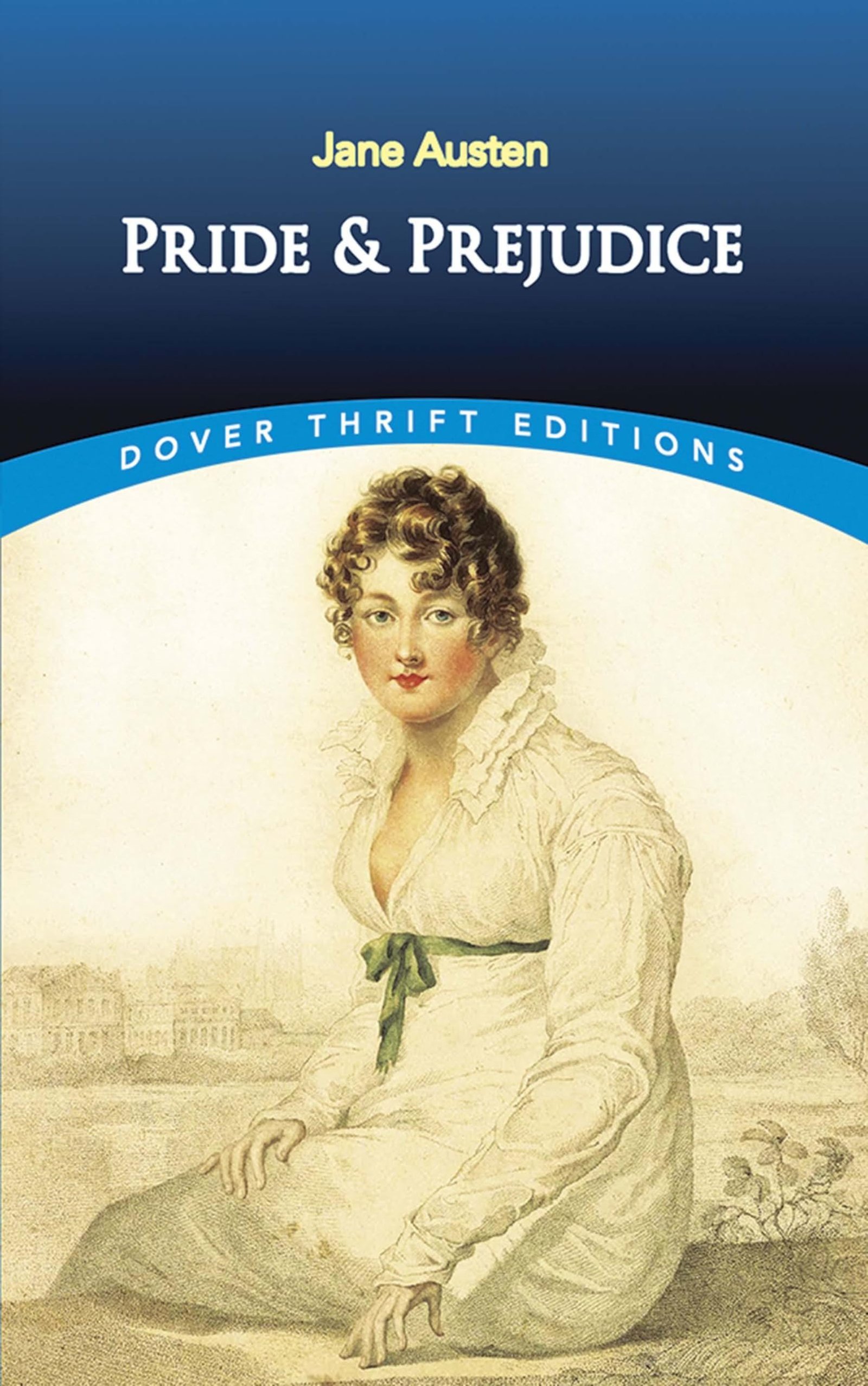
Cover of Pride and Prejudice by Jane Austen

5 book recommendations

Books Like “Pride and Prejudice” by Jane Austen

Captivated by the sparkling wit, slow-burn romance, and sharp social commentary of Pride and Prejudice? Jane Austen's beloved classic masterfully blends fiery banter with the drama of high society and matters of the heart. Step into the past and discover your next unforgettable read from our handpicked collection of kindred stories.

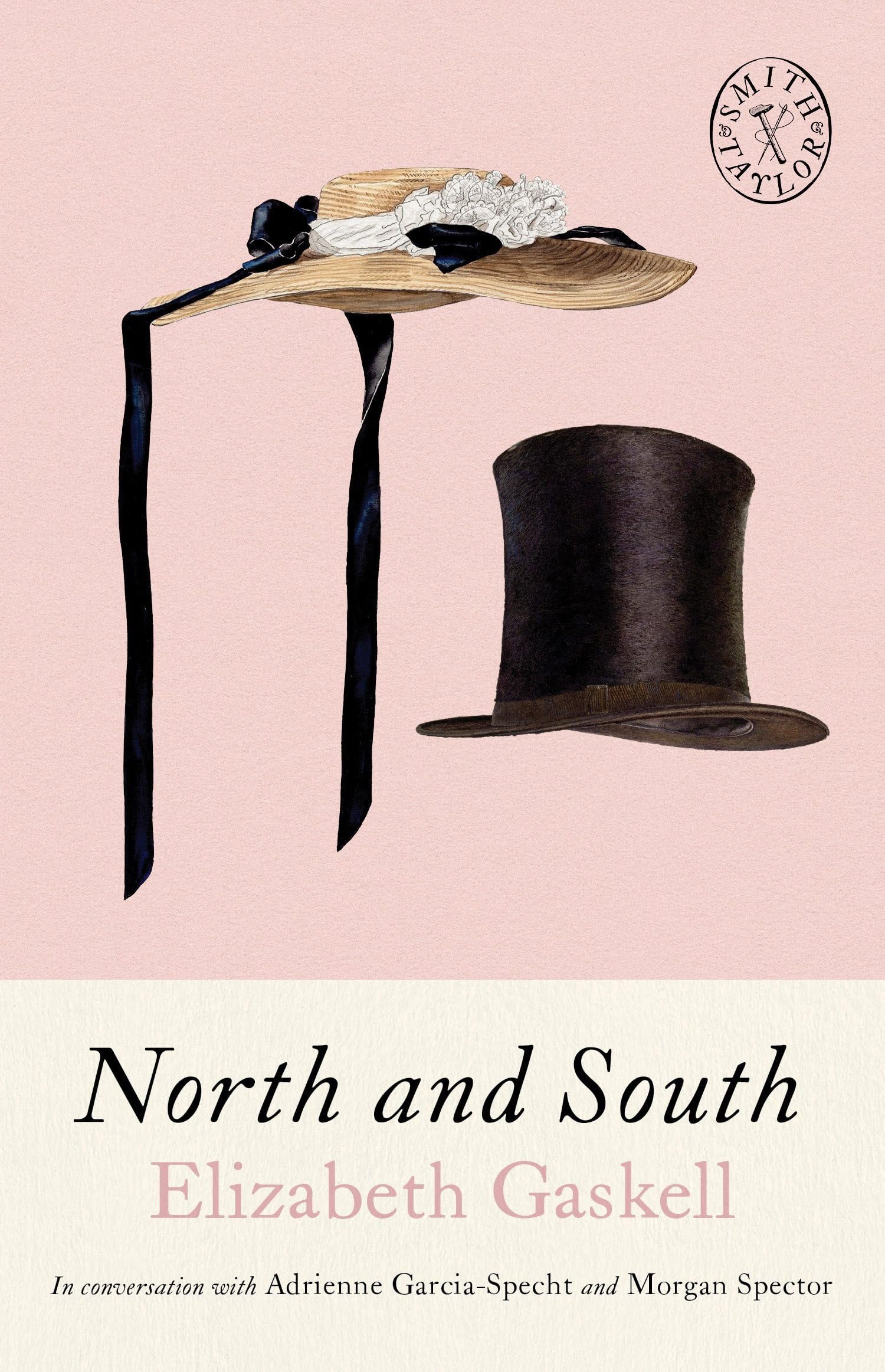
  1. Cover of North and South by Elizabeth Gaskell

    Cover not available

    North and South

    by Elizabeth Gaskell

    Set amid the rapidly changing social, spiritual, and moral landscape of the industrial revolution, North and South is a forceful, brilliant, and romantic novel about freedom and the cost of profit.

    When Margaret Hale, a minister's daughter, relocates with her family to Milton in the north of England she witnesses firsthand the brutal working conditions in Milton's factories and mills. Her liberal education has given her strong convictions, but little common sense, and her pity finds a mostly unsympathetic ear among the gruff mill workers and their families.

    Magaret is most vexed by a local industrialist and mill-owner, John Thornton, whom she considers contemptuous and bull-headed. But through her clashes with Thornton and her growing affinity for the workers and their plight for survival, Margaret comes to see the world as a much more complicated place, and that her earlier pity was not charity but a kind of arrogance.

    Thunderously philosophical and compulsively readable, North and South is a vivid portrayal of not only unthinking conformity or selfish individualism, but the power of vulnerability and change.

    Why it's similar

    Both novels feature an intelligent, principled heroine and a proud, wealthy hero whose mutual misunderstandings and class-based prejudices must be overcome to find love.

    What's different

    Gaskell sets her romance against the bleak backdrop of industrialization and violent labor strikes, adopting a darker socio-political focus than Austen's sheltered domestic comedy.
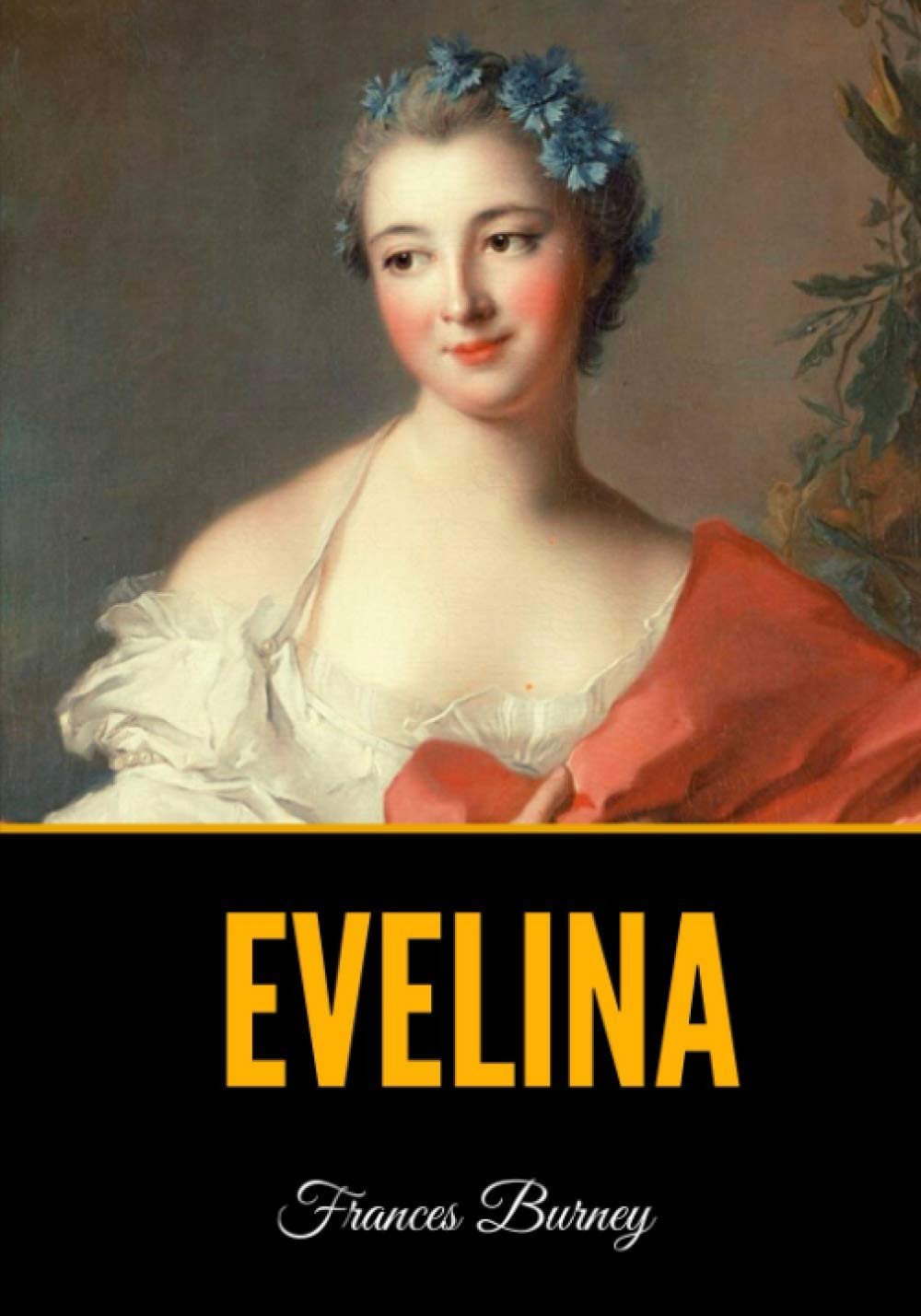
  2. Cover of Evelina by Frances Burney

    Cover not available

    Evelina

    by Frances Burney

    CAN any thing, my good Sir, be more painful to a friendly mind, than a necessity of communicating disagreeable intelligence? Indeed it is sometimes difficult to determine, whether the relator or the receiver of evil tidings is most to be pitied.

    I have just had a letter from Madame Duval; she is totally at a loss in what manner to behave; she seems desirous to repair the wrongs she has done, yet wishes the world to believe her blameless. She would fain cast upon another the odium of those misfortunes for which she alone is answerable. Her letter is violent, sometimes abusive, and that of you!-you, to whom she is under obligations which are greater even than her faults, but to whose advice she wickedly imputes all the sufferings of her much injured daughter, the late Lady Belmont. The chief purport of her writing I will acquaint you with; the letter itself is not worthy your notice.

    She tells me that she has, for many years past, been in continual expectation of making a journey to England, which prevented her writing for information concerning this melancholy subject, by giving her hopes of making personal inquiries; but family occurrences have still detained her in France, which country she now sees no prospect of quitting. She has, therefore, lately used her utmost endeavors to obtain a faithful account of whatever related to her ill-advised daughter; the result of which giving her some reason to apprehend, that, upon her death-bed, she bequeathed an infant orphan to the world, she most graciously says, that if you, with whom she understands the child is placed, will procure authentic proofs of its relationship to her, you may sent it to Paris, where she will properly provide for it.

    - Taken from "Evelina" written by Frances Burney

    Why it's similar

    Both are classic comedies of manners that follow an observant young woman navigating the perils of high-society courtship, snobbery, and social etiquette.

    What's different

    Burney employs an epistolary format characterized by broad theatrical farce and melodrama, whereas Austen uses refined free indirect discourse and understated irony.

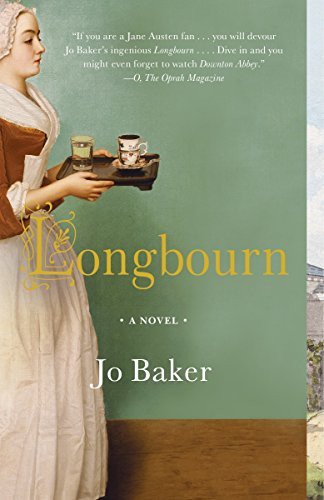
  3. Cover of Longbourn by Jo Baker

    Cover not available

    Longbourn

    by Jo Baker

    A NEW YORK TIMES BOOK REVIEW NOTABLE BOOK • The servants take center stage in this irresistibly imagined belowstairs answer to Pride and Prejudice.

    While Elizabeth Bennet and her sisters fuss over balls and husbands, Sarah, their orphaned housemaid, is beginning to chafe against the boundaries of her class. When a new footman arrives at Longbourn under mysterious circumstances, the carefully choreographed world she has known all her life threatens to be completely, perhaps irrevocably, upended. Mentioned only fleetingly in Jane Austen’s classic, here Jo Baker dares to take us beyond the drawing rooms of Regency England and, in doing so, uncovers the real world of the novel that has captivated readers’ hearts around the world for generations.

    Why it's similar

    Sharing the exact setting and timeline of Pride and Prejudice, this novel directly interacts with the Bennet family household and the social constraints of Regency England.

    What's different

    The narrative shifts focus entirely to the exhausting physical labor and emotional lives of the servants downstairs, offering a gritty, unromanticized perspective on the era.

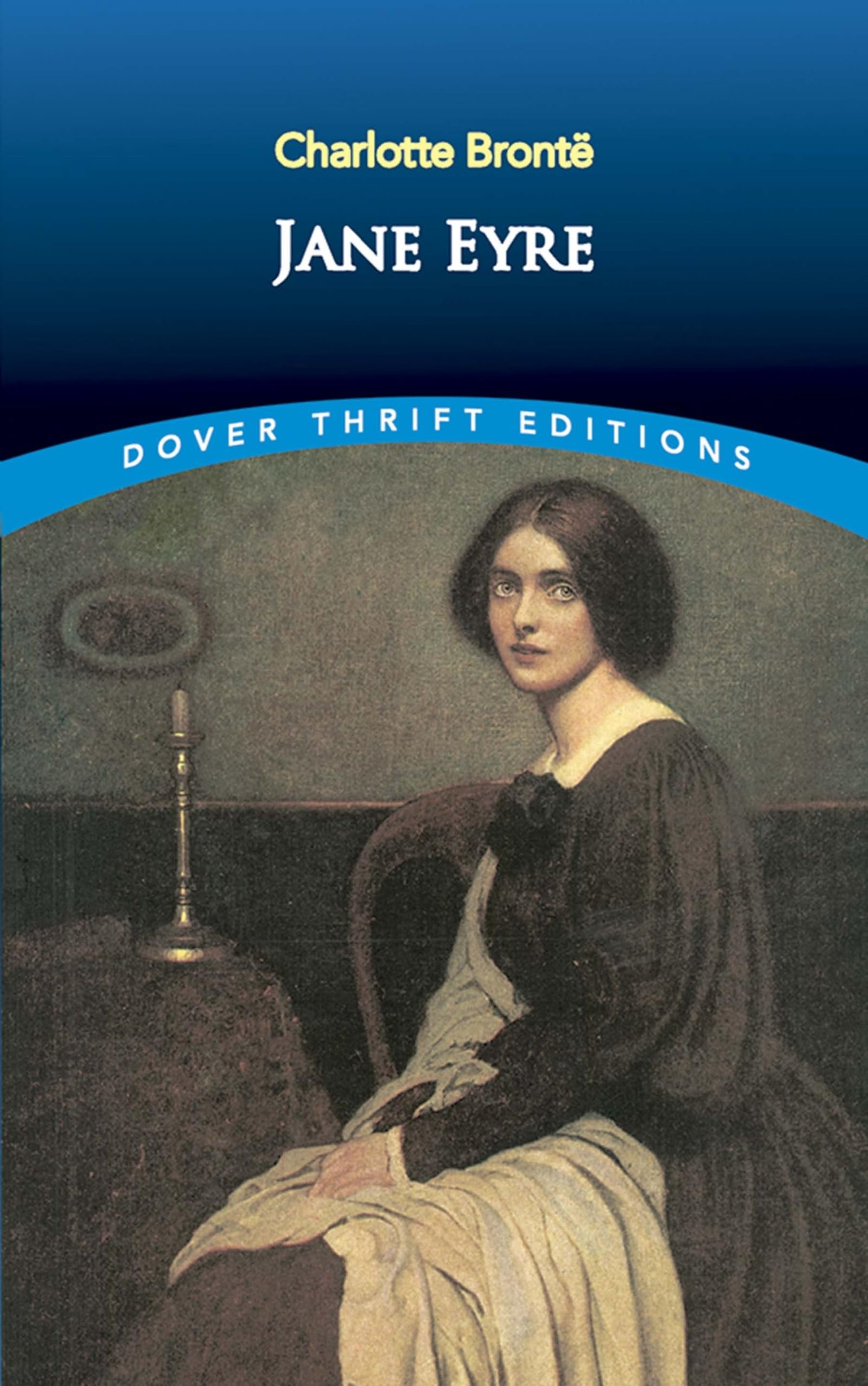
  4. Cover of Jane Eyre by Charlotte Brontë

    Cover not available

    Jane Eyre

    by Charlotte Brontë

    Charlotte Brontë characterized the eponymous heroine of her 1847 novel as being "as poor and plain as myself." Presenting a heroine with neither great beauty nor entrancing charm was an unprecendented maneuver, but Brontë's instincts proved correct, for readers of her era and ever after have taken Jane Eyre into their hearts. The author drew upon her own experience to depict Jane's struggles at Lowood, an oppressive boarding school, and her troubled career as a governess. Unlike Jane, Brontë had the advantage of a warm family circle that shared and encouraged her literary pursuits. She found immediate success with this saga of an orphan girl forced to make her way alone in the world, from Lowood School to Thornfield, the estate of the majestically moody Mr. Rochester, and beyond. A selection of the Common Core State Standards Initiative.

    Why it's similar

    Both novels focus on a young woman navigating rigid social hierarchies, class constraints, and romantic entanglements while developing a strong, independent moral identity.

    What's different

    The tone is darker and more gothic, with elements of mystery, trauma, and moral struggle that create a more intense, brooding atmosphere than the largely witty social comedy of Pride and Prejudice.

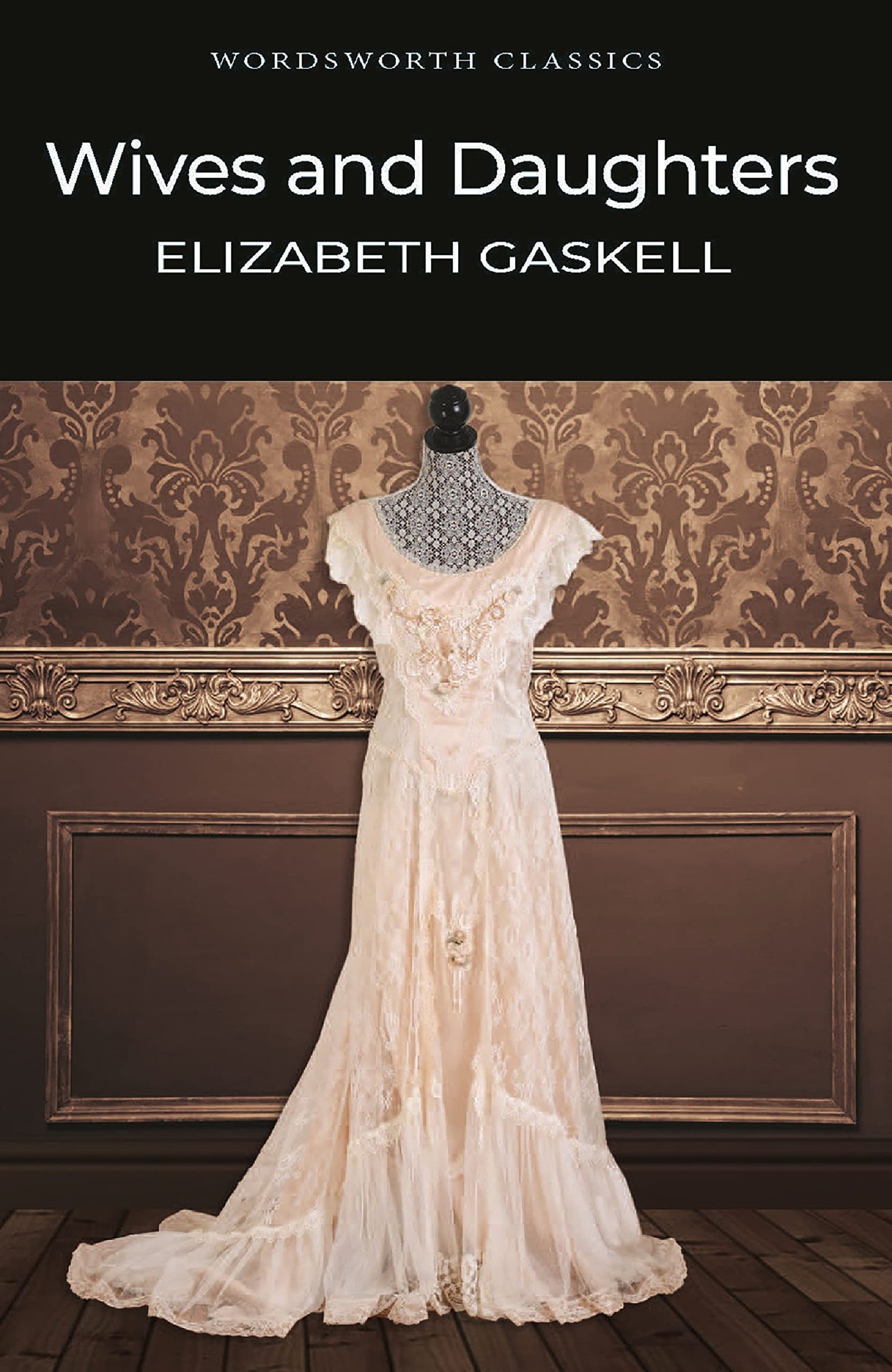
  5. Cover of Wives and Daughters by Elizabeth Gaskell

    Cover not available

    Wives and Daughters

    by Elizabeth Gaskell

    With an Introduction and Notes by Dinny Thorold, University of Westminster

    Gaskell's last novel, widely considered her masterpiece, follows the fortunes of two families in nineteenth century rural England. At its core are family relationships - father, daughter and step-mother, father and sons, father and step-daughter - all tested and strained by the romantic entanglements that ensue.

    Despite its underlying seriousness, the prevailing tone is one of comedy. Gaskell vividly portrays the world of the late 1820s and the forces of change within it, and her vision is always humane and progressive.

    The story is full of acute observation and sympathetic character-study: the feudal squire clinging to old values, his naturalist son welcoming the new world of science, the local doctor and his scheming second wife, the two girls brought together by their parent's marriage...

    Why it's similar

    Like Pride and Prejudice, it is a nineteenth‑century novel of manners depicting provincial English society, with attention to courtship, class expectations, and a heroine whose growth is shaped by family and social pressures.

    What's different

    It offers a broader, more domestic panorama of provincial life with multiple family dynamics and slower, more diffuse plotting, rather than centering tightly on one primary romantic arc.

Looking for something else?

Use our book recommendation tool to discover books similar to any of your favorites.

Find similar books with LibroMatch