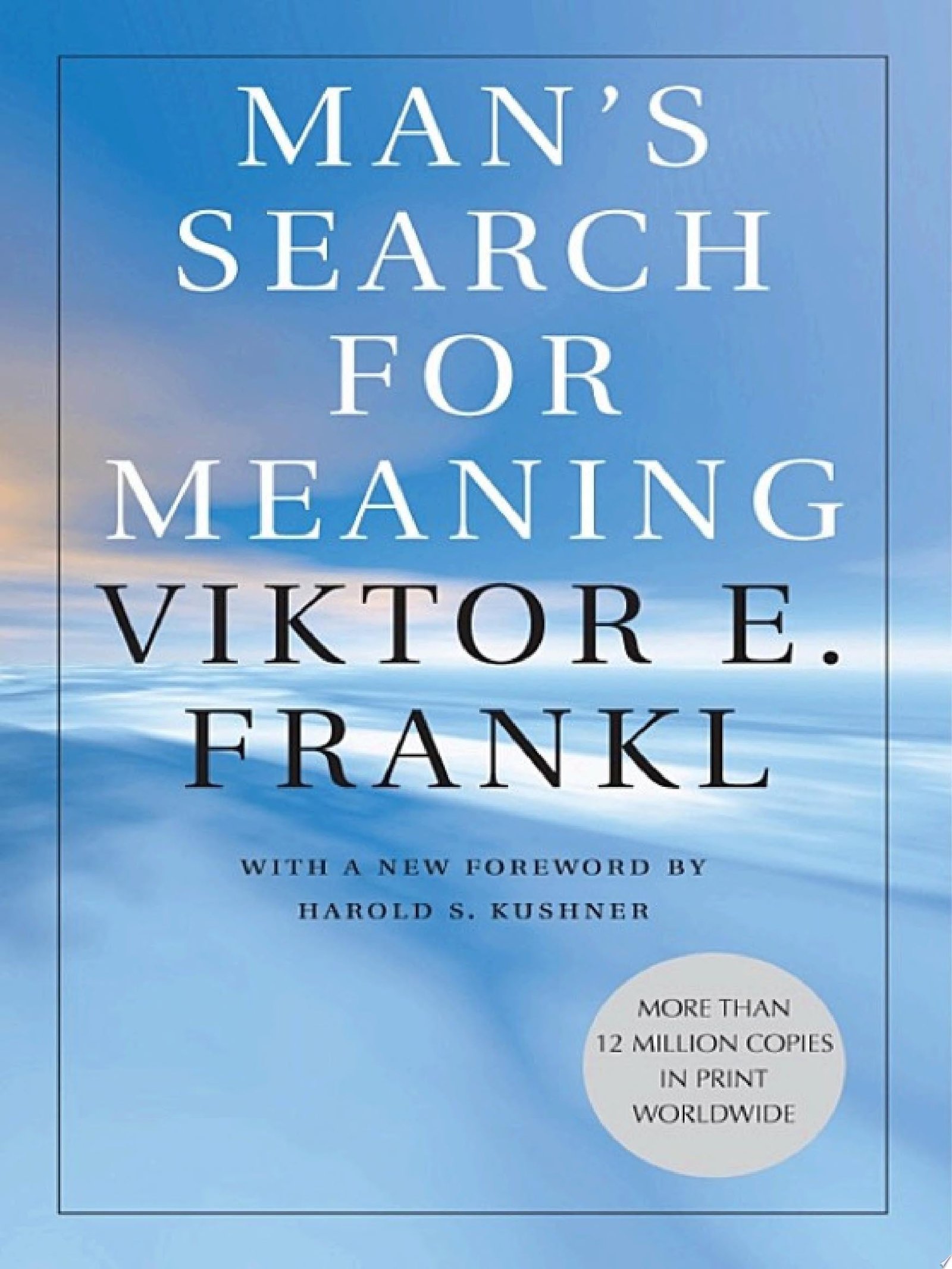
Cover of Man’s Search for Meaning by Viktor E. Frankl

5 book recommendations

Books Like “Man’s Search for Meaning” by Viktor E. Frankl

Readers revere Viktor Frankl's Man's Search for Meaning for its profound exploration of human resilience, existential hope, and the pursuit of purpose through unimaginable suffering. If this transformative blend of memoir and psychology touched your soul, you are not alone. Explore our curated recommendations to find your next inspiring read.

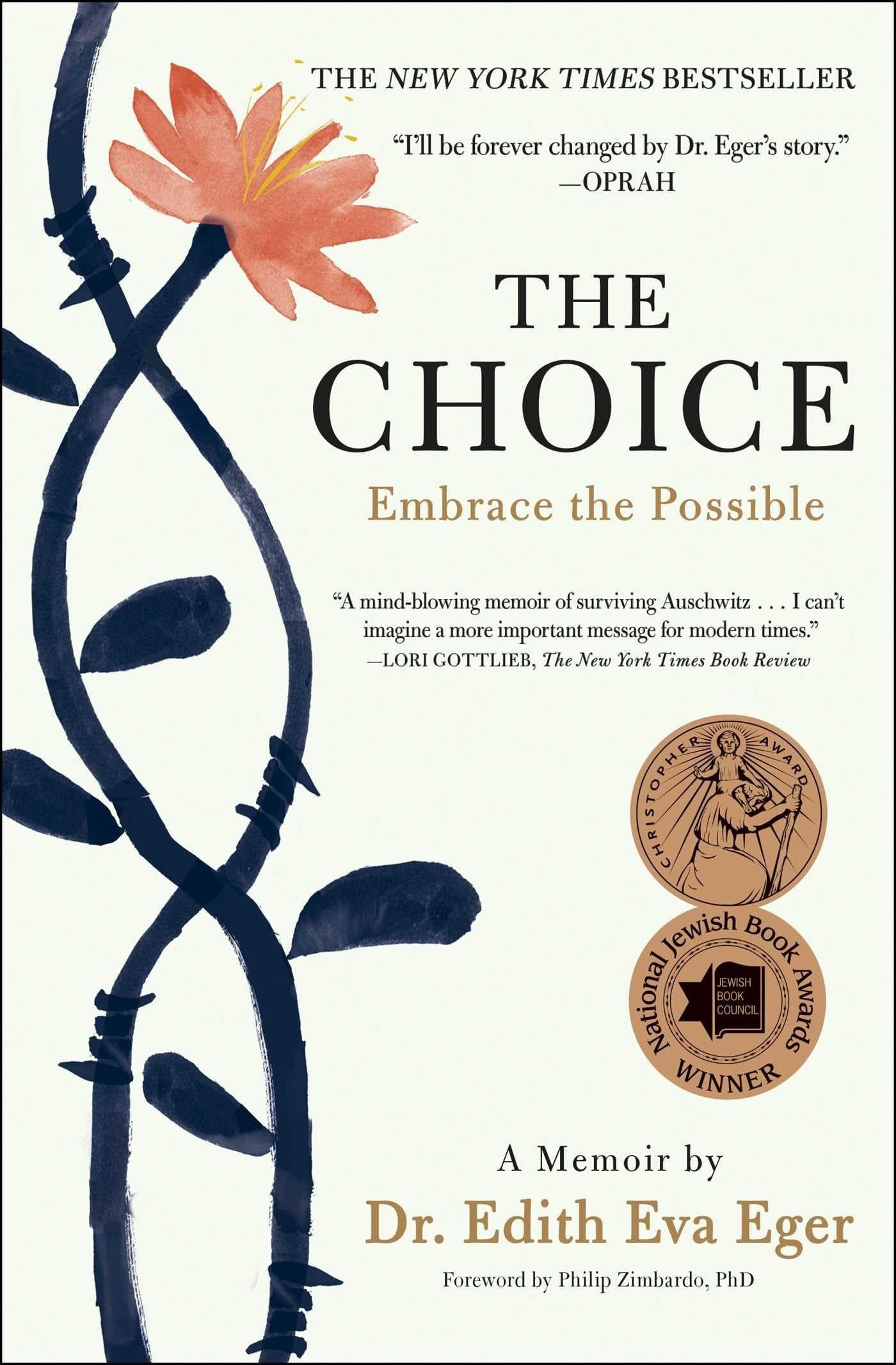
  1. Cover of The Choice: Embrace the Possible by Edith Eger

    Cover not available

    The Choice: Embrace the Possible

    by Edith Eger

    A New York Times Bestseller

    “I’ll be forever changed by Dr. Eger’s story…The Choice is a reminder of what courage looks like in the worst of times and that we all have the ability to pay attention to what we’ve lost, or to pay attention to what we still have.”—Oprah

    “Dr. Eger’s life reveals our capacity to transcend even the greatest of horrors and to use that suffering for the benefit of others. She has found true freedom and forgiveness and shows us how we can as well.” —Desmond Tutu, Nobel Peace Prize Laureate

    “Dr. Edith Eva Eger is my kind of hero. She survived unspeakable horrors and brutality; but rather than let her painful past destroy her, she chose to transform it into a powerful gift—one she uses to help others heal.” —Jeannette Walls, New York Times bestselling author of The Glass Castle

    Winner of the National Jewish Book Award and Christopher Award

    At the age of sixteen, Edith Eger was sent to Auschwitz. Hours after her parents were killed, Nazi officer Dr. Josef Mengele, forced Edie to dance for his amusement and her survival. Edie was pulled from a pile of corpses when the American troops liberated the camps in 1945.

    Edie spent decades struggling with flashbacks and survivor’s guilt, determined to stay silent and hide from the past. Thirty-five years after the war ended, she returned to Auschwitz and was finally able to fully heal and forgive the one person she’d been unable to forgive—herself.

    Edie weaves her remarkable personal journey with the moving stories of those she has helped heal. She explores how we can be imprisoned in our own minds and shows us how to find the key to freedom. The Choice is a life-changing book that will provide hope and comfort to generations of readers.

    Why it's similar

    Both books are memoirs by Auschwitz survivors who became mental health professionals, exploring how individuals retain psychological agency and purpose amidst catastrophic trauma.

    What's different

    Eger focuses extensively on her decades-long personal journey toward healing and modern clinical case studies, rather than formulating a formal system of psychotherapy.
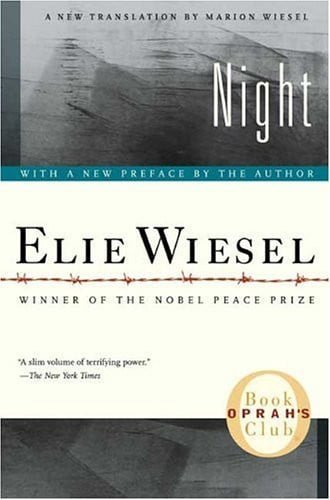
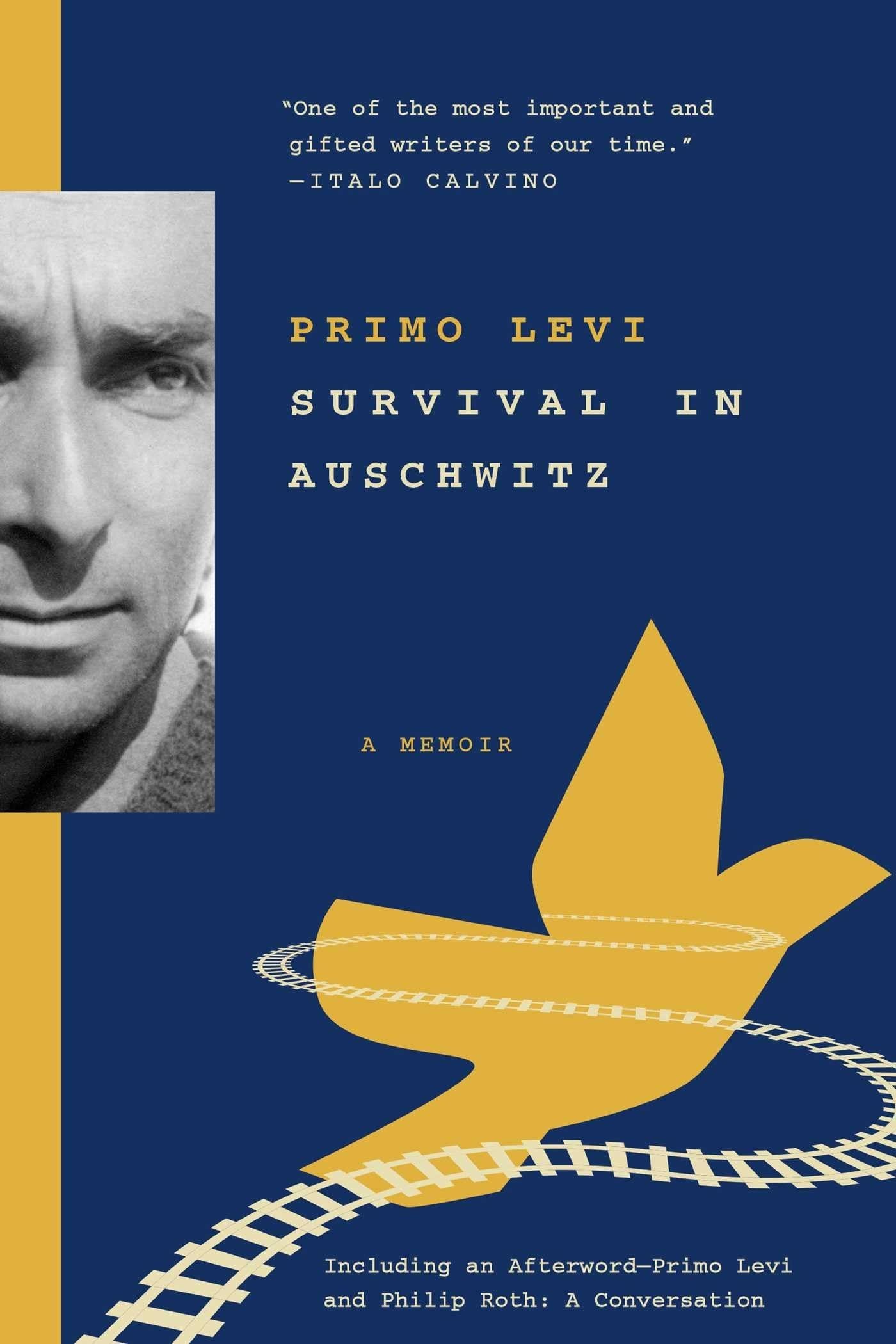
  2. Cover of Night by Elie Wiesel

    Cover not available

    Night

    by Elie Wiesel

    A New Translation From The French By Marion Wiesel

    Night is Elie Wiesel's masterpiece, a candid, horrific, and deeply poignant autobiographical account of his survival as a teenager in the Nazi death camps. This new translation by Marion Wiesel, Elie's wife and frequent translator, presents this seminal memoir in the language and spirit truest to the author's original intent. And in a substantive new preface, Elie reflects on the enduring importance of Night and his lifelong, passionate dedication to ensuring that the world never forgets man's capacity for inhumanity to man.

    Night offers much more than a litany of the daily terrors, everyday perversions, and rampant sadism at Auschwitz and Buchenwald; it also eloquently addresses many of the philosophical as well as personal questions implicit in any serious consideration of what the Holocaust was, what it meant, and what its legacy is and will be.

    Why it's similar

    Both works are firsthand accounts of surviving Nazi concentration camps that confront the profound spiritual and psychological toll of extreme suffering.

    What's different

    Where Frankl extracts an optimistic philosophy of purpose and survival, Wiesel presents a stark, elegiac narrative focused on the irreversible loss of faith and innocence.

  3. Cover of Survival in Auschwitz by Primo Levi

    Cover not available

    Survival in Auschwitz

    by Primo Levi

    The true and harrowing account of Primo Levi’s experience at the German concentration camp of Auschwitz and his miraculous survival; hailed by The Times Literary Supplement as a “true work of art, this edition includes an exclusive conversation between the author and Philip Roth.

    In 1943, Primo Levi, a twenty-five-year-old chemist and “Italian citizen of Jewish race,” was arrested by Italian fascists and deported from his native Turin to Auschwitz. Survival in Auschwitz is Levi’s classic account of his ten months in the German death camp, a harrowing story of systematic cruelty and miraculous endurance. Remarkable for its simplicity, restraint, compassion, and even wit, Survival in Auschwitz remains a lasting testament to the indestructibility of the human spirit. Included in this new edition is an illuminating conversation between Philip Roth and Primo Levi never before published in book form.

    Why it's similar

    Both authors provide analytical, clear-eyed observations of concentration camp existence, dissecting the psychological degradation and survival strategies of prisoners.

    What's different

    Levi writes as a witness and chemist documenting human behavior under extreme conditions without attempting to formulate a prescriptive therapeutic doctrine.

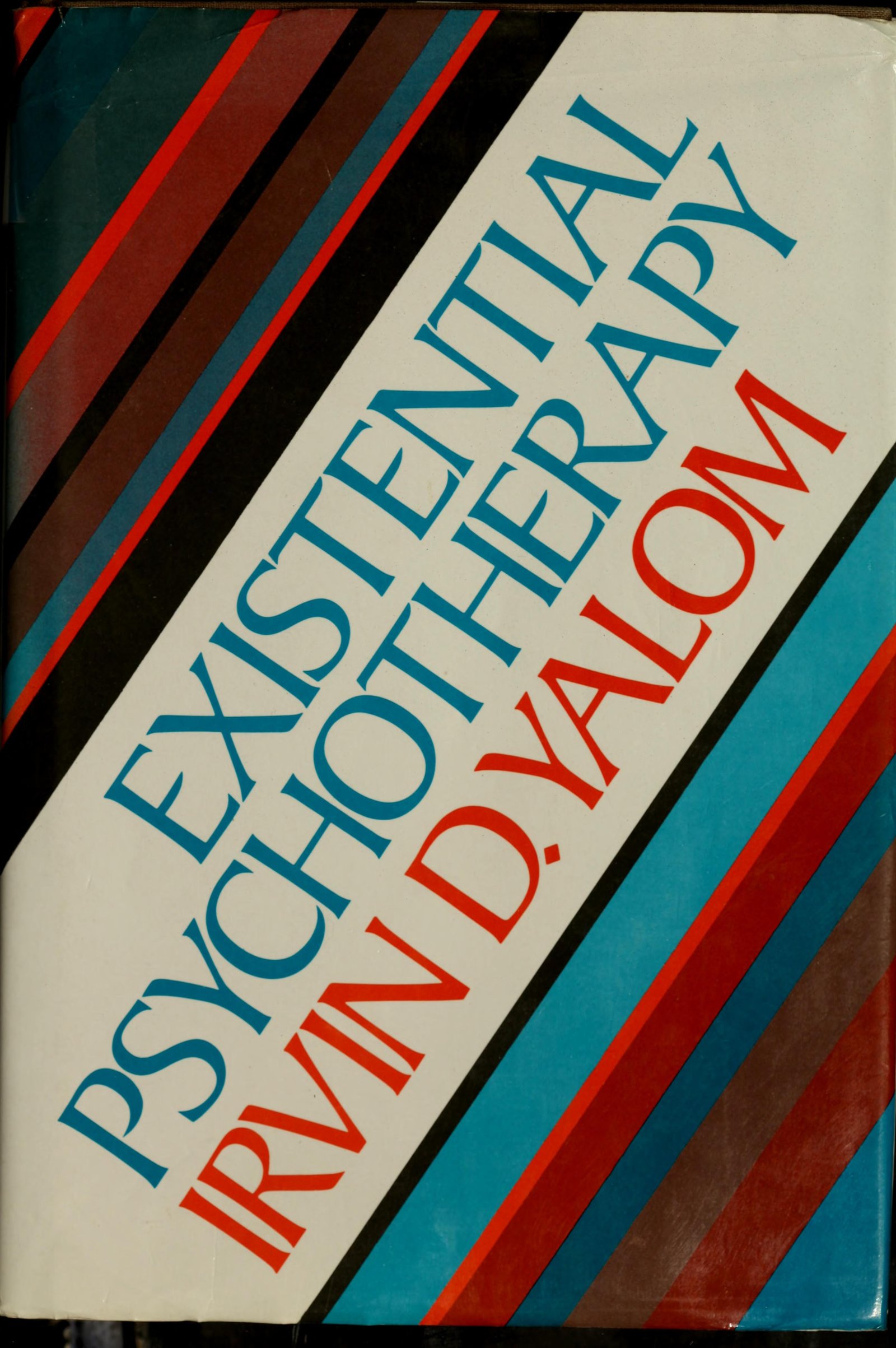
  4. Cover of Existential Psychotherapy by Irvin D. Yalom

    Cover not available

    Existential Psychotherapy

    by Irvin D. Yalom

    The definitive account of existential psychotherapy.

    First published in 1980, Existential Psychotherapy is widely considered to be the foundational text in its field— the first to offer a methodology for helping patients to develop more adaptive responses to life’s core existential dilemmas. In this seminal work, American psychiatrist Irvin Yalom finds the essence of existential psychotherapy and gives it a coherent structure, synthesizing its historical background, core tenets, and usefulness to the practice.

    Organized around what Yalom identifies as the four "ultimate concerns of life"—death, freedom, isolation, and meaninglessness—the book takes up the meaning of each existential concern and the type of conflict that springs from our confrontation with each. He shows how these concerns are manifest in personality and psychopathology, and how treatment can be helped by our knowledge of them.

    Drawing from clinical experience, empirical research, philosophy, and great literature, Yalom provides an intellectual home base for those psychotherapists who have sensed the incompatibility of orthodox theories with their own clinical experience, and opens new doors for empirical research. The fundamental concerns of therapy and the central issues of human existence are woven together here as never before, with intellectual and clinical results that have surprised and enlightened generations of readers.

    Why it's similar

    Both works explore existential psychology and the fundamental human drive to construct meaning when confronted with death, freedom, and suffering.

    What's different

    Yalom's work is a comprehensive clinical textbook for practitioners rather than a personal memoir of survival.

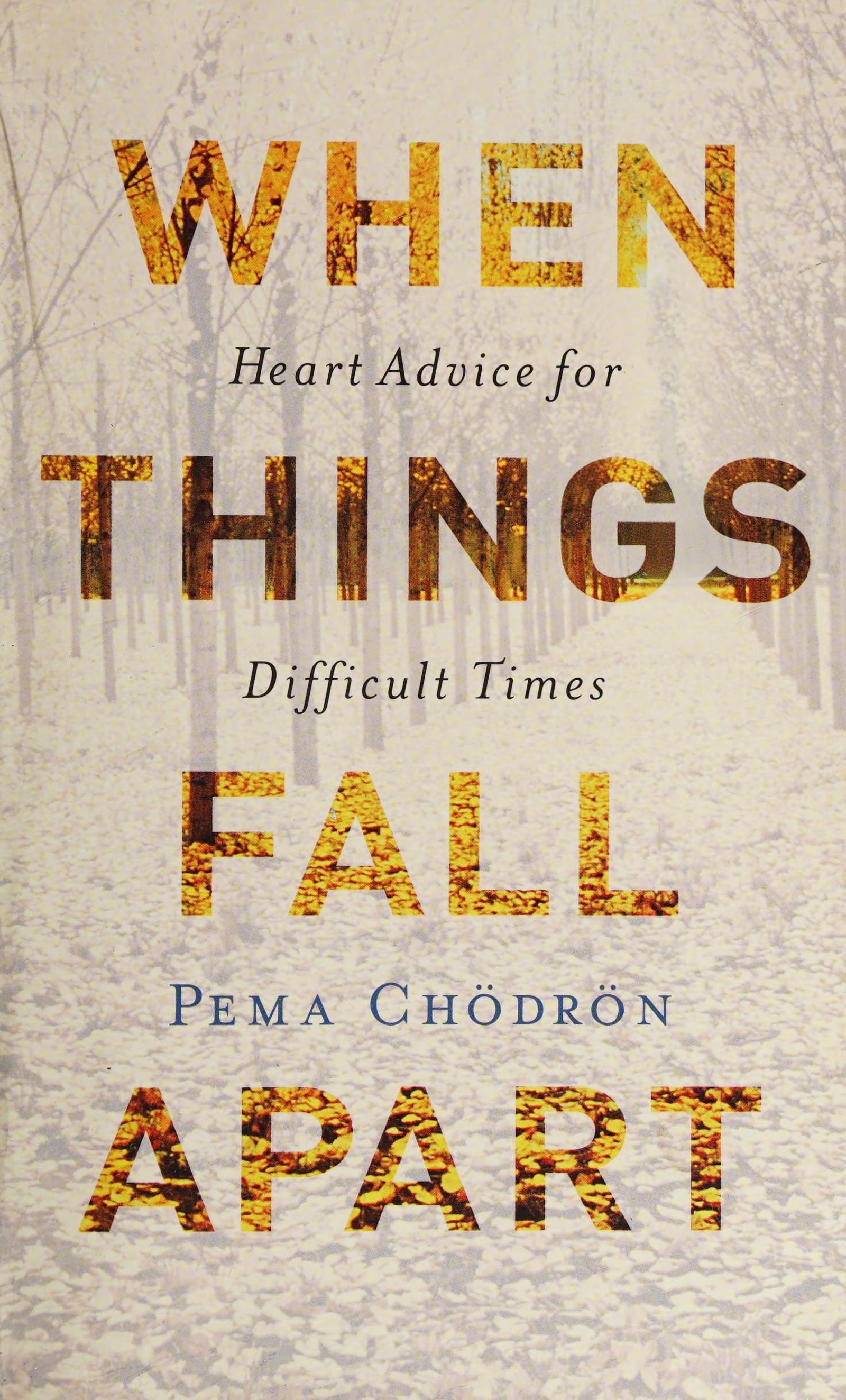
  5. Cover of When Things Fall Apart: Heart Advice for Difficult Times by Pema Chödrön

    Cover not available

    When Things Fall Apart: Heart Advice for Difficult Times

    by Pema Chödrön

    Pema Chödrön's perennially best-selling classic on overcoming life's difficulties cuts to the heart of spirituality and personal growth--now in a newly designed 20th-anniversary edition with a new afterword by Pema--makes for a perfect gift and addition to one's spiritual library.

    How can we live our lives when everything seems to fall apart—when we are continually overcome by fear, anxiety, and pain? The answer, Pema Chödrön suggests, might be just the opposite of what you expect. Here, in her most beloved and acclaimed work, Pema shows that moving toward painful situations and becoming intimate with them can open up our hearts in ways we never before imagined. Drawing from traditional Buddhist wisdom, she offers life-changing tools for transforming suffering and negative patterns into habitual ease and boundless joy.

    Why it's similar

    Both books address how to face pain, uncertainty, and loss without despair, emphasizing inner transformation and the cultivation of purpose or clarity in adversity.

    What's different

    Chödrön writes from a Buddhist spiritual perspective with a contemplative tone and less emphasis on Western clinical psychology or historical trauma narrative.

Looking for something else?

Use our book recommendation tool to discover books similar to any of your favorites.

Find similar books with LibroMatch