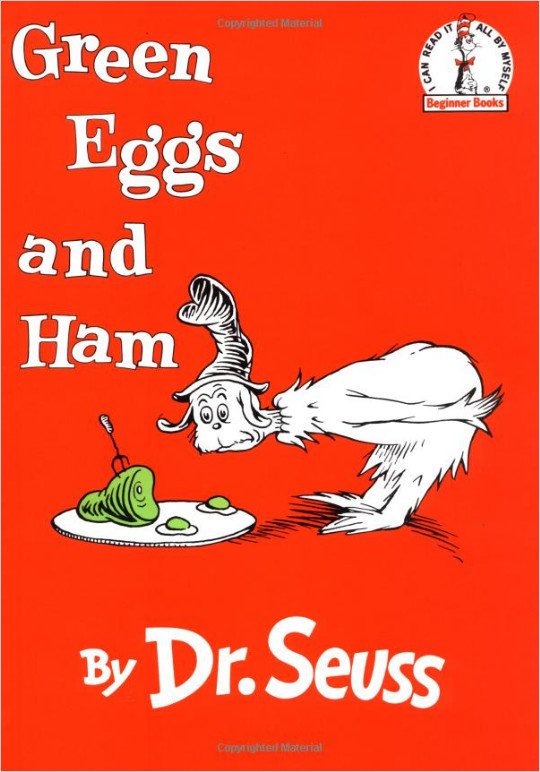
Cover of Green Eggs and Ham by Dr. Seuss

5 book recommendations

Books Like “Green Eggs and Ham” by Dr. Seuss

Readers adore Green Eggs and Ham for its bouncy rhymes, relentless persistence, and hilarious celebration of trying new things. If your little ones crave more laugh-out-loud stories packed with quirky characters and playful food battles, you are in the right spot. Explore our top picks below to find your next favorite read.

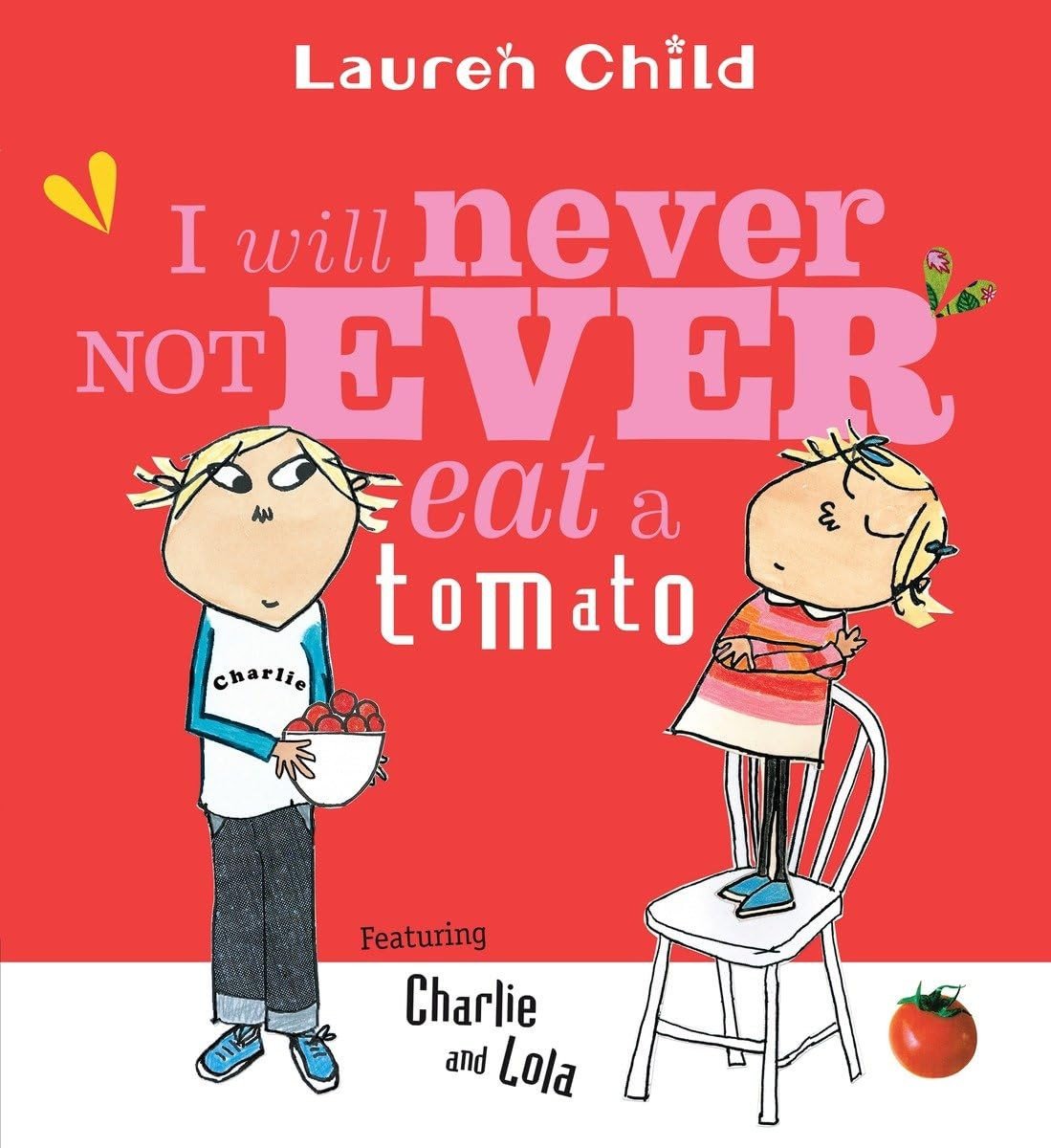
  1. Cover of I Will Never Not Ever Eat a Tomato by Lauren Child

    Cover not available

    I Will Never Not Ever Eat a Tomato

    by Lauren Child

    "Youngsters will never — not ever — pass up a second helping." — Publishers Weekly

    Lola is a fussy eater. A very fussy eater. She won’t eat her carrots (until her brother Charlie reveals that they’re orange twiglets from Jupiter). She won’t eat her mashed potatoes (until Charlie explains that they’re cloud fluff from the pointiest peak of Mount Fuji). There are many things Lola won’t eat, including — and especially —tomatoes. Or will she? Two endearing siblings star in a witty story about the triumph of imagination over proclivity.

    Why it's similar

    Both books center on the theme of picky eating, featuring a relentless companion who uses playful persistence to convince a stubborn child to taste unfamiliar foods.

    What's different

    Rather than using rhyming verse and slapstick pursuit, Child's story is told in conversational prose where the coaxing relies on imaginative pretend-play and visual mixed-media collage.
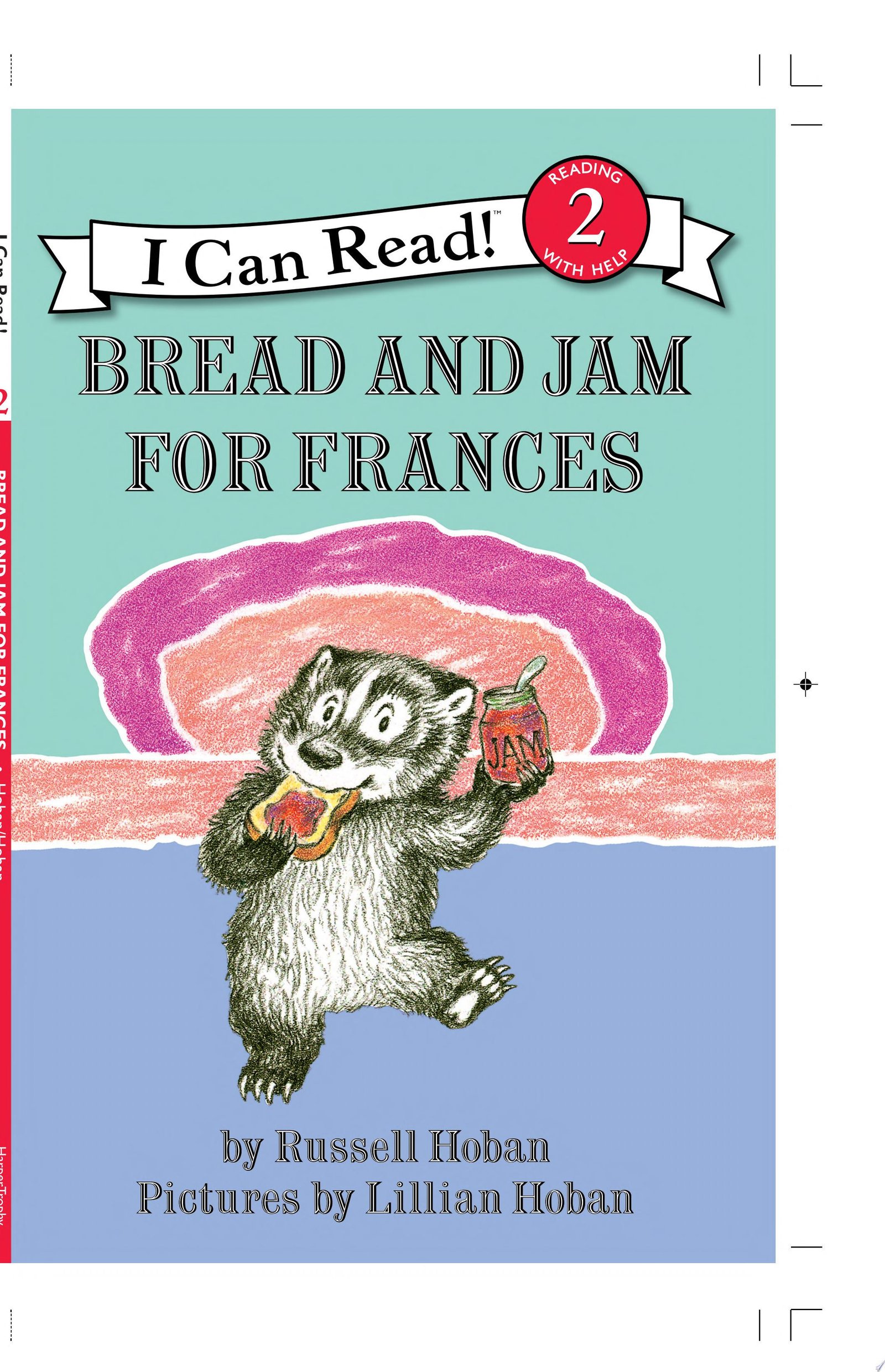
  2. Cover of Bread and Jam for Frances by Russell Hoban

    Cover not available

    Bread and Jam for Frances

    by Russell Hoban

    Frances is a fussy eater. In fact, the only thing she likes is bread and jam. She won't touch her squishy soft-boiled egg. She trades away her chicken-salad sandwich at lunch. She turns up her nose at boring veal cutlets. Unless Mother can come up with a plan, Frances just might go on eating bread and jam forever!

    Why it's similar

    Both narratives explore food neophobia and stubbornness, showing a protagonist who firmly resists culinary variety until a shift in experience changes their mindset.

    What's different

    Hoban's story is a gentle, realistic domestic drama resolved through clever parental reverse psychology rather than an absurd, high-energy chase in rhyming verse.

  3. Cover of The Seven Silly Eaters by Mary Ann Hoberman

    Cover not available

    The Seven Silly Eaters

    by Mary Ann Hoberman

    A funny picture book about solving--finally!--a growing family's picky-eater problem!

    Peter wants only milk, Lucy won't settle for anything but homemade lemonade, and Jack is stuck on applesauce...

    Each new addition to the household brings a new demand for a special meal. What's a mother to do?

    "A highly comic rhyming romp that surprisingly (and nicely) twists into a birthday story." --School Library Journal

    "Hoberman's riotous tale is spun like a Seussian fable." --New York Times Book Review

    Why it's similar

    Both books employ bouncy, rhythmic meter and rhyme to humorously portray extreme reluctance to eat a normal, varied diet.

    What's different

    Hoberman focuses on an ensemble cast of seven children with distinct food fixations and resolves with an accidental collective recipe, rather than a two-character battle of wills.

  4. Cover of The Monster at the End of This Book by Jon Stone

    Cover not available

    The Monster at the End of This Book

    by Jon Stone

    The Monster at the End of This Book is THE bestselling Sesame Street Little Golden Book of all time. Now available as a sturdy board book for boys and girls ages 0 to 3, it stars a frantic Grover trying in vain to prevent readers from turning the pages and finding the monster at the end of the book. The original Little Golden Book has sent generations of readers into gales of laughter and has become a true modern classic.

    Why it's similar

    Both feature a character resisting something throughout the story, using repetition and escalating scenarios to build humor before a light, reassuring resolution.

    What's different

    The narrative breaks the fourth wall more overtly, making the book’s structure itself the central joke and focusing on Grover’s anxiety rather than someone’s stubborn refusal.

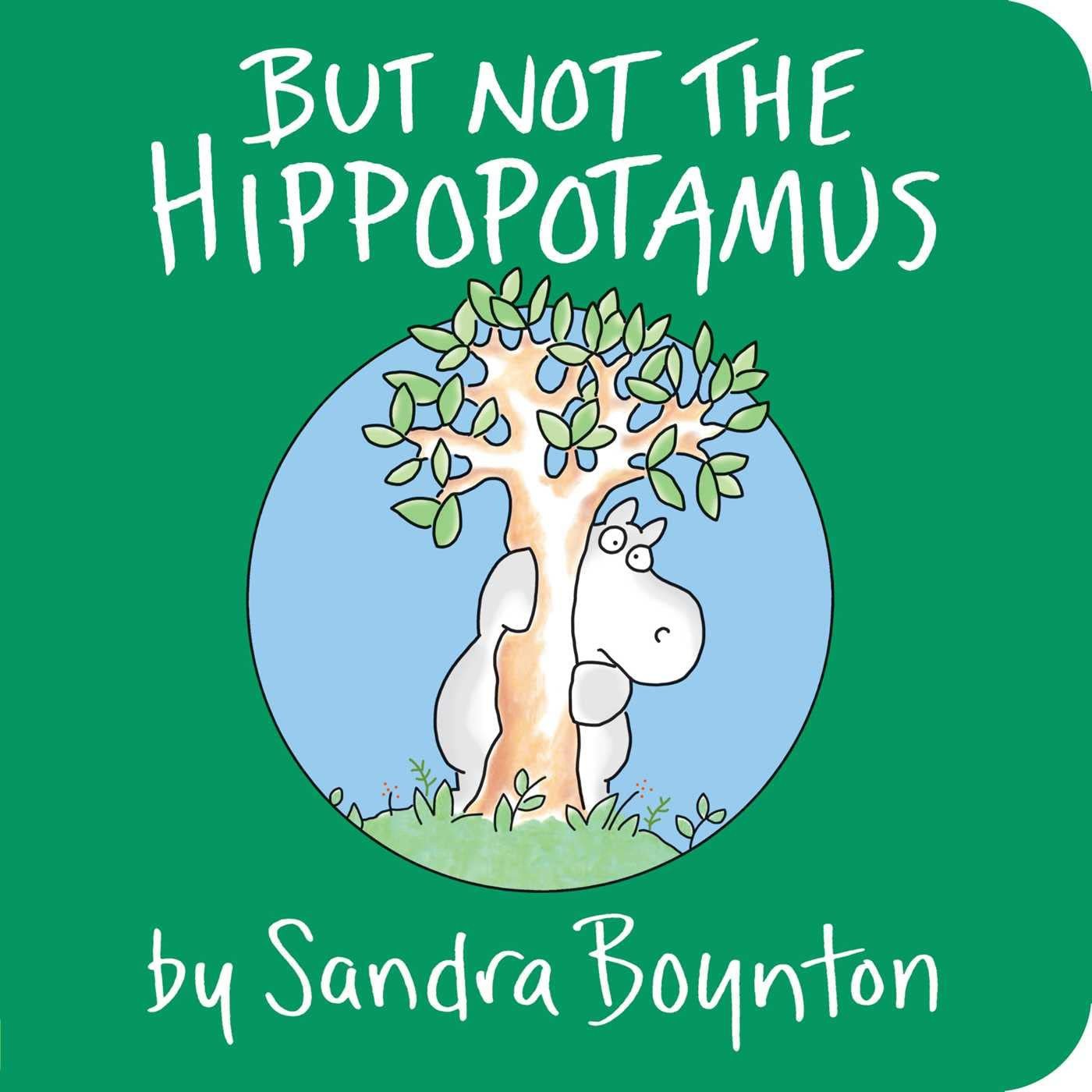
  5. Cover of But Not the Hippopotamus by Sandra Boynton

    Cover not available

    But Not the Hippopotamus

    by Sandra Boynton

    Serious silliness for all ages. Artist Sandra Boynton is back and better than ever with completely redrawn versions of her multi-million selling board books. These whimsical and hilarious books, featuring nontraditional texts and her famous animal characters, have been printed on thick board pages, and are sure to educate and entertain children of all ages.

    Why it's similar

    Both are short, rhythmic, and playful picture books that use simple, repetitive phrasing and animal characters to explore the idea of reluctance and eventually joining in.

    What's different

    Its tone is more subdued and slightly wistful, focusing on social inclusion and shyness rather than overt persuasion to try a specific new experience.

Looking for something else?

Use our book recommendation tool to discover books similar to any of your favorites.

Find similar books with LibroMatch