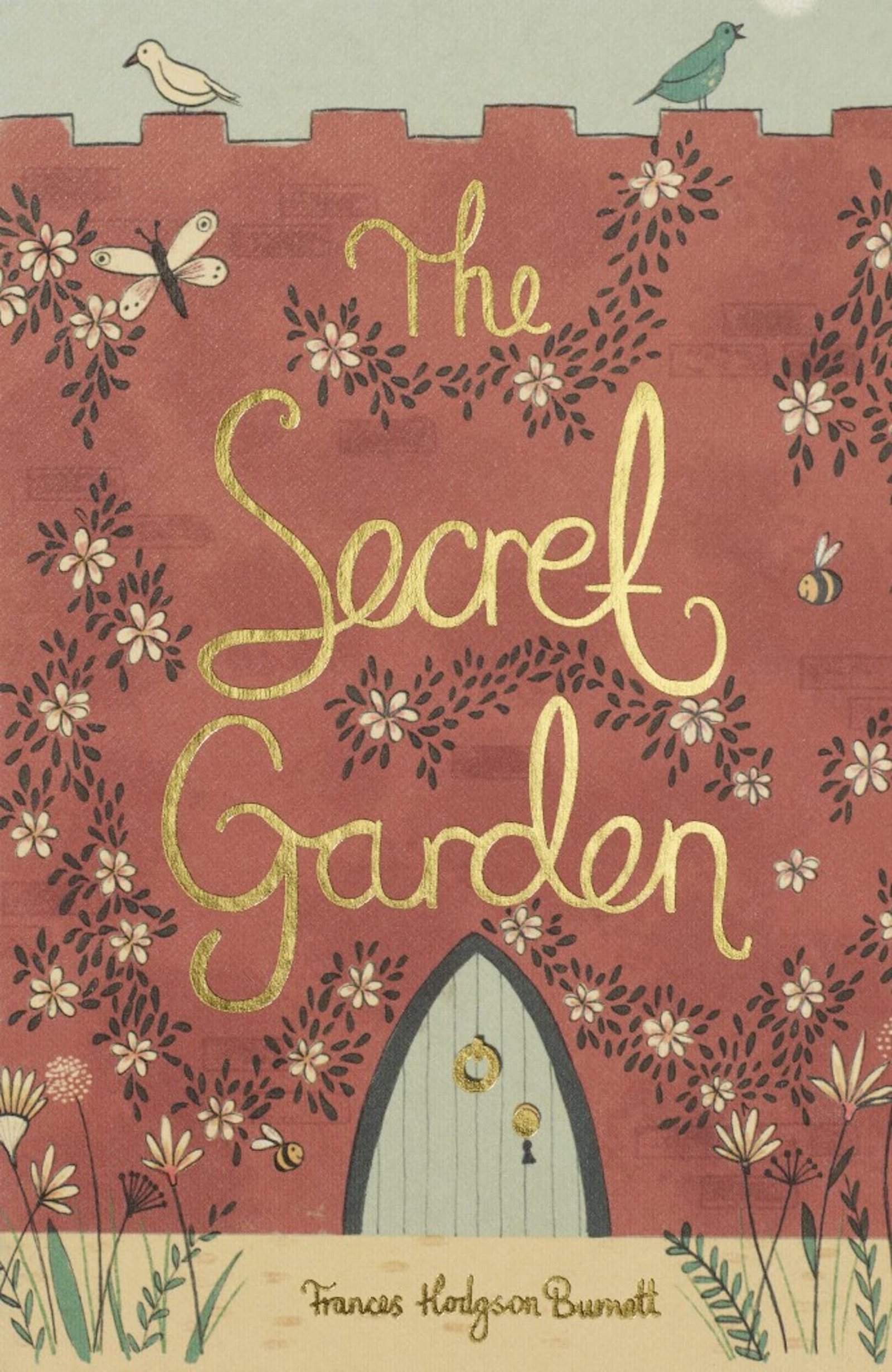
Cover of The Secret Garden by Frances Hodgson Burnett

5 book recommendations

Books Like “The Secret Garden” by Frances Hodgson Burnett

If you fell in love with the healing power of nature, quiet magic, and personal transformation in The Secret Garden, you are not alone. Frances Hodgson Burnett’s classic continues to touch generations with its resilient characters and uplifting spirit. Explore our curated recommendations below to find your next enchanting, nostalgic read.

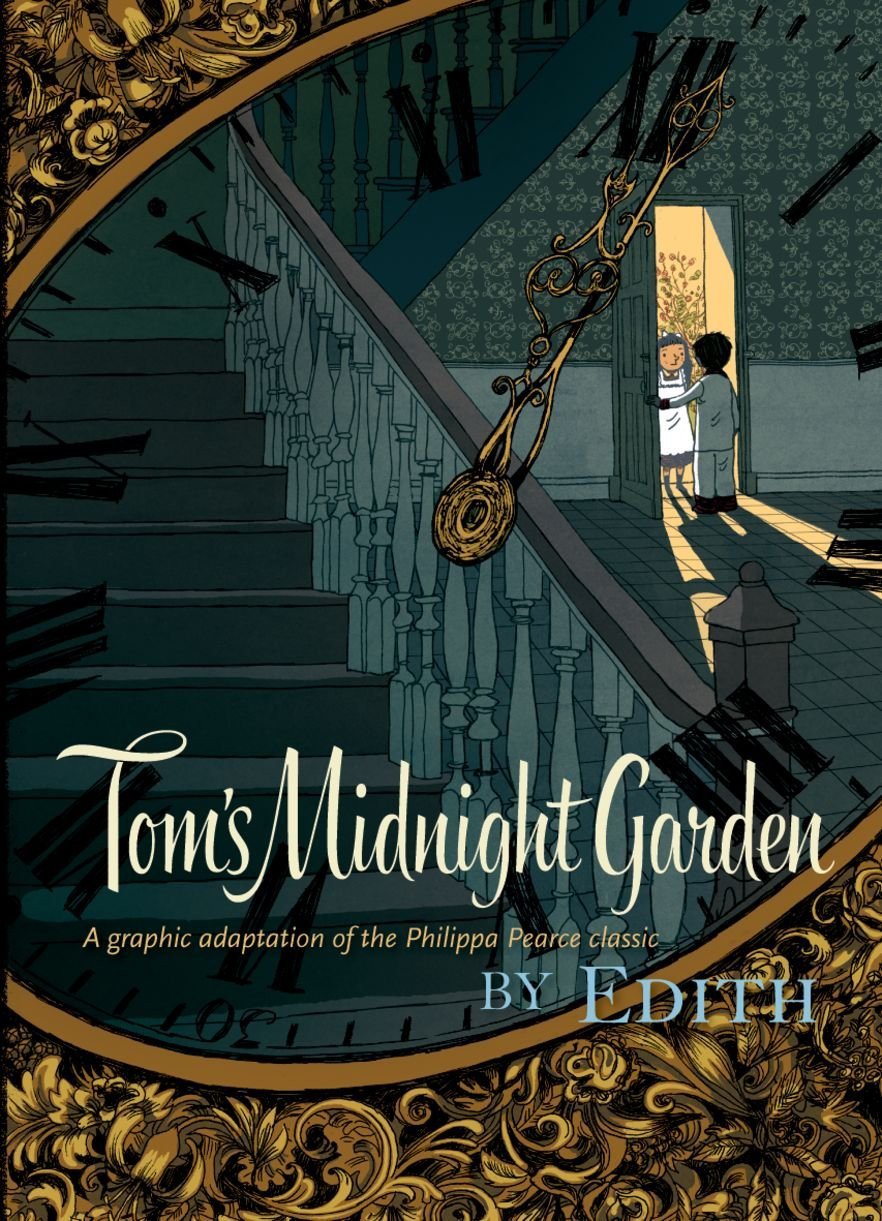
  1. Cover of Tom's Midnight Garden by Philippa Pearce

    Cover not available

    Tom's Midnight Garden

    by Philippa Pearce

    A beautiful adaptation of the classic novel. Renowned graphic novel artist, Edith, has created an enchanting version of the classic Tom's Midnight Garden. This is a new and special way to read and share one of the best-loved and most enduring children's stories of all time.A story with a special place in the hearts of grandparents, parents, and children everywhere, this wonderful graphic novel adaptation is faithful, accessible, and stunningly illustrated. A perfect gift for all the family.

    Why it's similar

    Both novels center on an isolated child who discovers a hidden, restorative garden that serves as an emotional sanctuary and catalyst for growth.

    What's different

    While Burnett's narrative is strictly grounded in realism and manual gardening, Pearce incorporates supernatural time-slip elements and historical fantasy.

  2. Cover of Heidi by Johanna Spyri

    Cover not available

    Heidi

    by Johanna Spyri

    "Orphaned Heidi, a free-spirited young girl, finds her life taking another unexpected turn when her strict aunt ships her off to live with her grumpy grandfather. Having lost both his sons, the old man is hiding in the mountains, living in grief and shame.. Until little Heidi comes into his life. Heidi soon discovers her grandpa is gentle and kind behind his scowl, and she lover her new life running wild in the mountains with the goats, the flowers, and her best friend Peter. But when her aunt returns with new plans for Heidi, she is forced to leave the mountain she has come to love and keep company to a rich sickly girl in the city. Torn between her newfound friendship for Clara and her yearning for home, Heidi faces a difficult choice." --

    Why it's similar

    Both classics emphasize the healing power of the natural world, depicting how fresh rural air and devoted companionship enable a sickly child to walk and thrive.

    What's different

    Heidi is set in the Swiss Alps and incorporates explicit Christian piety, whereas Burnett's narrative frames the restorative process through a secular, nature-centered concept of magic.

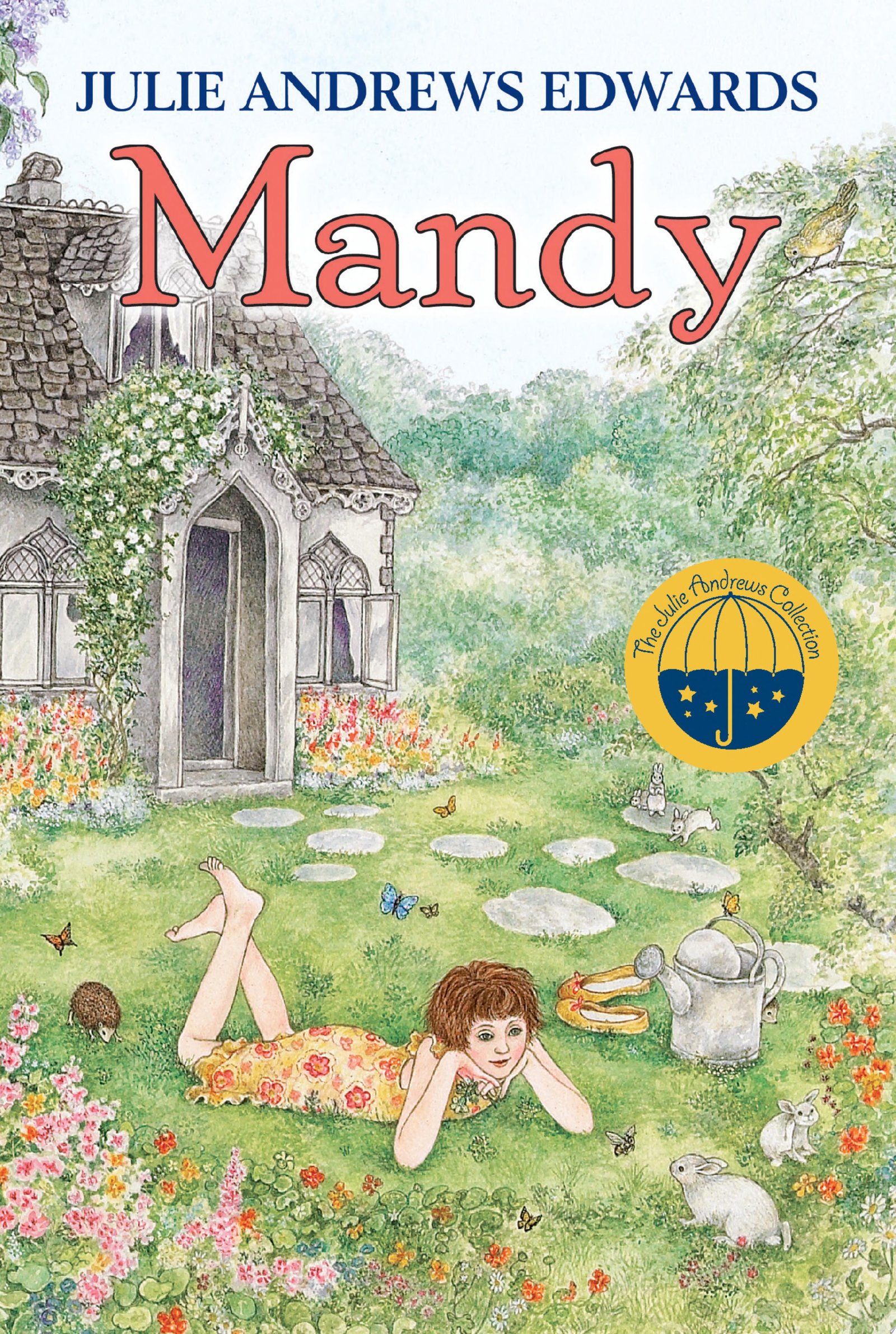
  3. Cover of Mandy by Julie Andrews Edwards

    Cover not available

    Mandy

    by Julie Andrews Edwards

    The magic of finding a home Mandy, a ten-year-old orphan, dreams of a place to call her own. Escaping over the orphanage wall to explore the outside world, Mandy discovers a tiny deserted cottage in the woods. All through the spring, summer, and fall, Mandy works to make it truly hers. Sometimes she "borrows" things she needs from the orphanage. Sometimes, to guard her secret, she even lies. Then, one stormy night at the cottage, Mandy gets sick, and no one knows how to find her—except a special friend she didn't know she had.

    Why it's similar

    Both stories follow an unloved, lonely orphan girl who discovers a hidden, walled-off outdoor sanctuary and finds purpose by secretly tending and reviving it.

    What's different

    Mandy takes place in mid-20th-century Britain with an orphanage background, focusing narrowly on one girl's secret haven rather than the wider domestic rehabilitation of a manor estate.

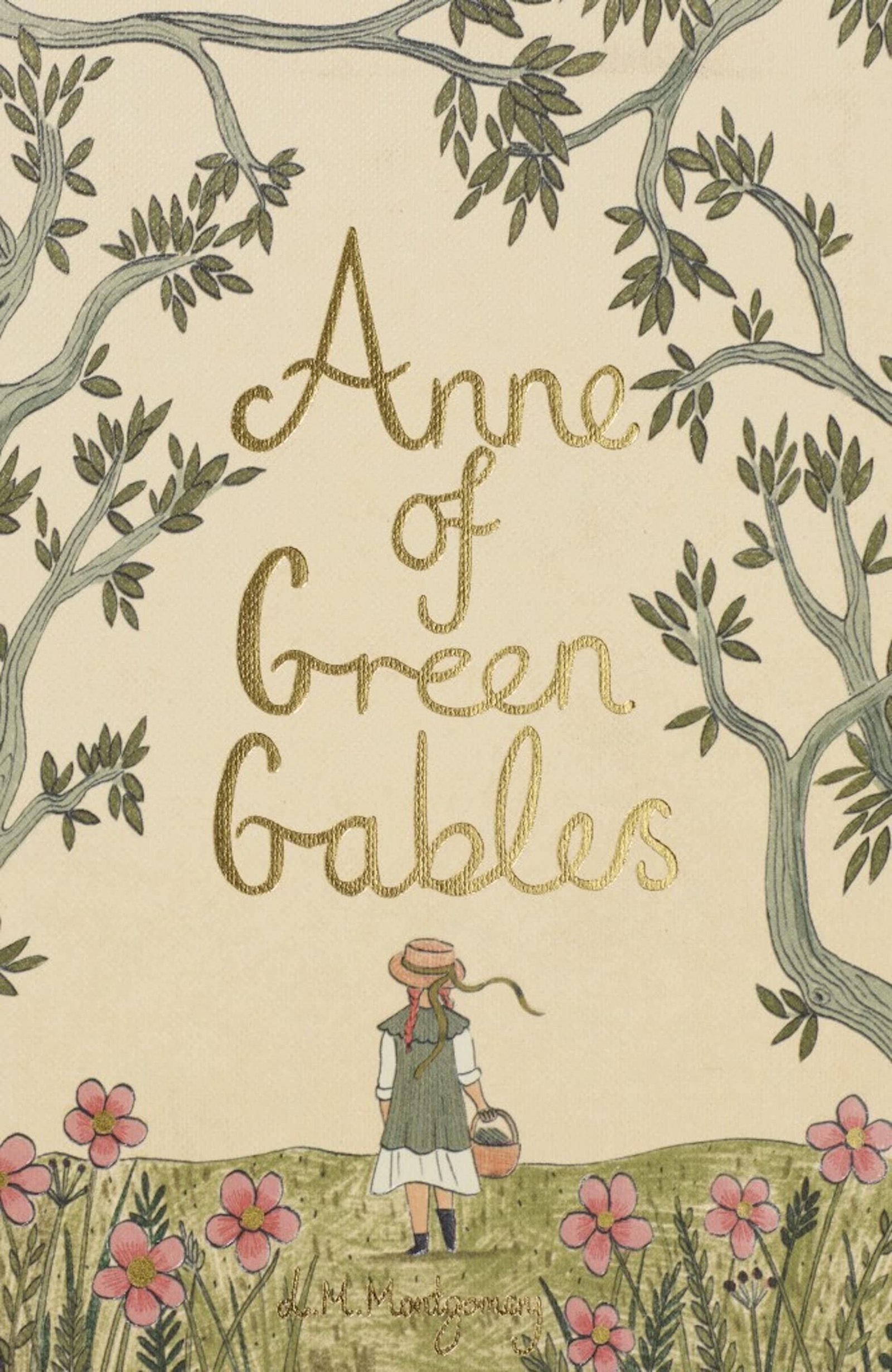
  4. Cover of Anne of Green Gables by L.M. Montgomery

    Cover not available

    Anne of Green Gables

    by L.M. Montgomery

    Anne Shirley is an eleven-year-old orphan who has hung on determinedly to an optimistic spirit and a wildly creative imagination through her early deprivations. She erupts into the lives of aging brother and sister Matthew and Marilla Cuthbert, a girl instead of the boy they had sent for. Thus begins a story of transformation for all three; indeed the whole rural community of Avonlea comes under Anne's influence in some way. We see her grow from a girl to a young woman of sixteen, making her mistakes, and not always learning from them. Intelligent, hot-headed as her own red hair, unwilling to take a moral truth as read until she works it out for herself, she must also face grief and loss and learn the true meaning of love. Part Tom Sawyer, part Jane Eyre, by the end of Anne of Green Gables, Anne has become the heroine of her own story.

    Why it's similar

    Both novels feature an unwanted orphan sent to a rural estate who experiences emotional renewal through a profound affinity with the natural world and new friendships.

    What's different

    Anne is naturally talkative, passionate, and optimistic from the outset rather than sour and sickly, and her story spans a broader, multi-year coming-of-age arc.

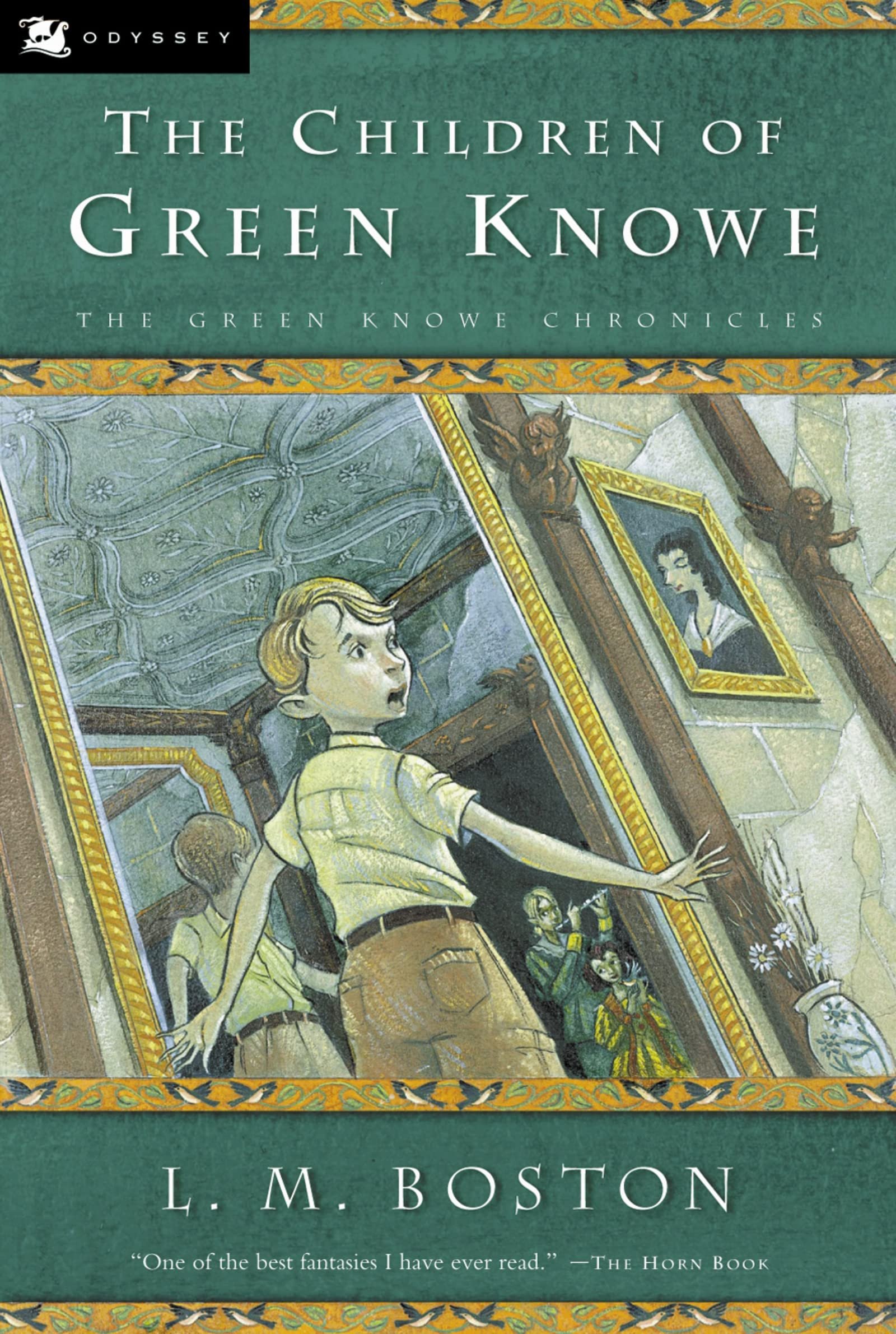
  5. Cover of The Children of Green Knowe by Lucy M. Boston

    Cover not available

    The Children of Green Knowe

    by Lucy M. Boston

    Tolly comes to live with his great-grandmother at the ancient house of Green Knowe and becomes friends with three children who lived there in the seventeenth century.

    Why it's similar

    Both works explore an emotionally neglected child sent to a historic English country manor who overcomes loneliness by uncovering secrets hidden within the estate's grounds.

    What's different

    Boston's novel blends reality with the supernatural as the protagonist interacts with the friendly ghosts of ancestral children, diverging from Burnett's entirely realistic plot.

Looking for something else?

Use our book recommendation tool to discover books similar to any of your favorites.

Find similar books with LibroMatch