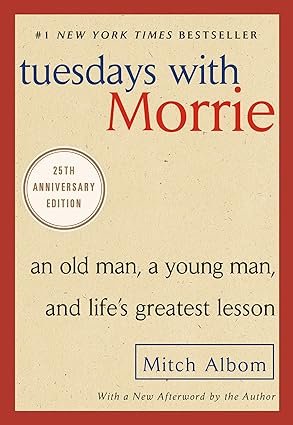
Cover of Tuesdays with Morrie by Mitch Albom

4 book recommendations

Books Like “Tuesdays with Morrie” by Mitch Albom

Readers cherish Tuesdays with Morrie for its profound wisdom, tender reflections on mortality, and heartfelt lessons on what it means to live well. If this moving memoir touched your soul, you are likely searching for books that offer similar comfort and perspective. Explore our curated list below to find your next inspiring read.

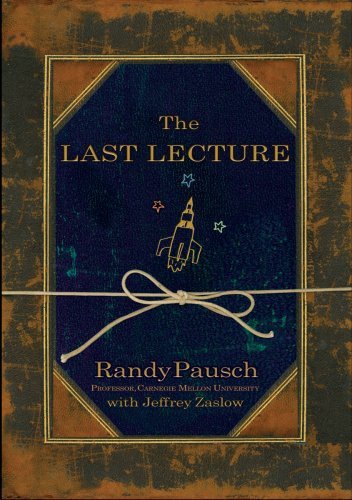
  1. Cover of The Last Lecture by Randy Pausch

    Cover not available

    The Last Lecture

    by Randy Pausch

    A lot of professors give talks titled "The Last Lecture." Professors are asked to consider their demise and to ruminate on what matters most to them. And while they speak, audiences can't help but mull the same question: What wisdom would we impart to the world if we knew it was our last chance? If we had to vanish tomorrow, what would we want as our legacy?
    When Randy Pausch, a computer science professor at Carnegie Mellon, was asked to give such a lecture, he didn't have to imagine it as his last, since he had recently been diagnosed with terminal cancer. But the lecture he gave--"Really Achieving Your Childhood Dreams"--wasn't about dying. It was about the importance of overcoming obstacles, of enabling the dreams of others, of seizing every moment (because "time is all you have...and you may find one day that you have less than you think"). It was a summation of everything Randy had come to believe. It was about living.
    In this book, Randy Pausch has combined the humor, inspiration and intelligence that made his lecture such a phenomenon and given it an indelible form. It is a book that will be shared for generations to come.
    "We cannot change the cards we are dealt, just how we play the hand." --Randy Pausch

    Why it's similar

    Both books center on a dying university professor sharing essential philosophical wisdom and life lessons about living fully while facing terminal illness.

    What's different

    Pausch delivers his message through an upbeat public academic address designed for his young children rather than through private, intimate weekly conversations with a former student.
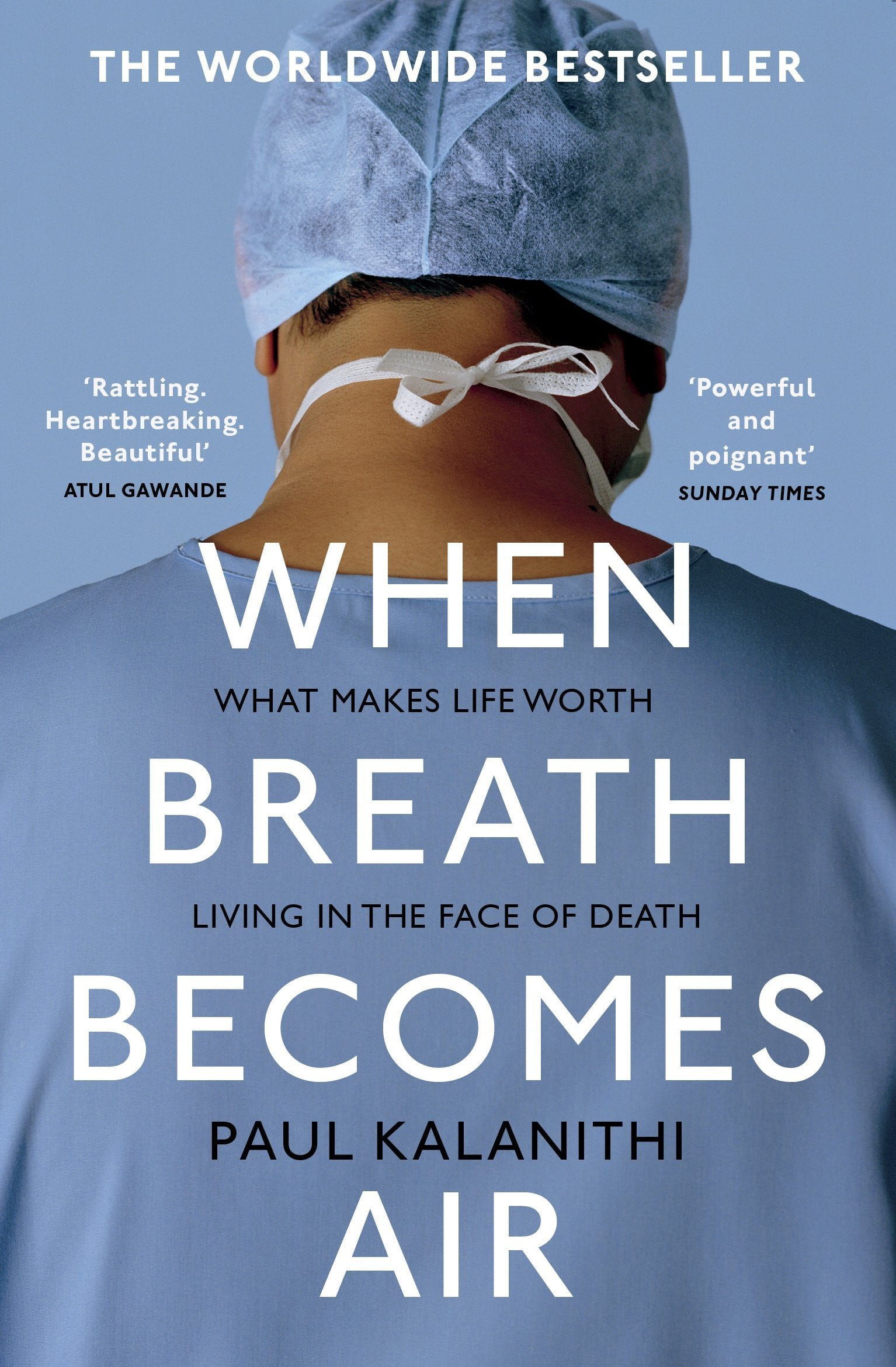
  2. Cover of When Breath Becomes Air by Paul Kalanithi

    Cover not available

    When Breath Becomes Air

    by Paul Kalanithi

    THE NEW YORK TIMES NUMBER ONE BESTSELLER THE SUNDAY TIMES NUMBER ONE BESTSELLER 'Finishing this book and then forgetting about it is simply not an option...Unmissable' New York Times At the age of thirty-six, on the verge of completing a decade's training as a neurosurgeon, Paul Kalanithi was diagnosed with inoperable lung cancer. One day he was a doctor treating the dying, the next he was a patient struggling to live. When Breath Becomes Air chronicles Kalanithi's transformation from a medical student asking what makes a virtuous and meaningful life into a neurosurgeon working in the core of human identity - the brain - and finally into a patient and a new father. What makes life worth living in the face of death? What do you do when when life is catastrophically interrupted? What does it mean to have a child as your own life fades away? Paul Kalanithi died while working on this profoundly moving book, yet his words live on as a guide to us all. When Breath Becomes Air is a life-affirming reflection on facing our mortality and on the relationship between doctor and patient, from a gifted writer who became both.

    Why it's similar

    Both memoirs confront terminal illness directly, examining how impending mortality strips away superficial pursuits to reveal life's true purpose and emotional priorities.

    What's different

    The narrative is written directly from the perspective of the dying neurosurgeon himself, blending clinical insight with existential reflection rather than chronicling a mentor-mentee relationship.

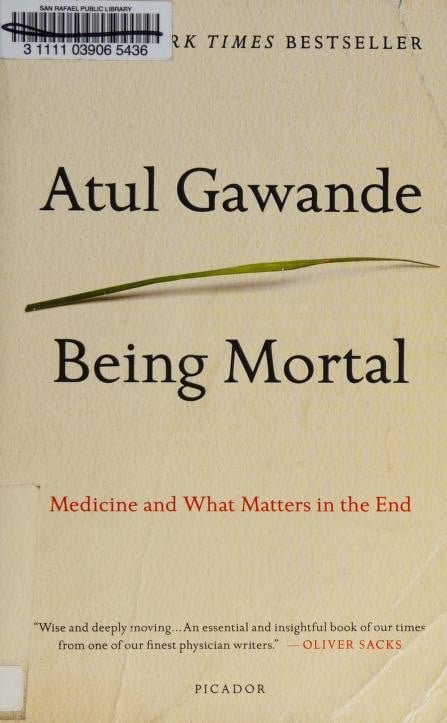
  3. Cover of Being Mortal: Medicine and What Matters in the End by Atul Gawande

    Cover not available

    Being Mortal: Medicine and What Matters in the End

    by Atul Gawande

    Named a Best Book of the Year by The Washington Post, The New York Times Book Review, NPR, and Chicago Tribune, now in paperback with a new reading group guide

    Medicine has triumphed in modern times, transforming the dangers of childbirth, injury, and disease from harrowing to manageable. But when it comes to the inescapable realities of aging and death, what medicine can do often runs counter to what it should.

    Through eye-opening research and gripping stories of his own patients and family, Gawande reveals the suffering this dynamic has produced. Nursing homes, devoted above all to safety, battle with residents over the food they are allowed to eat and the choices they are allowed to make. Doctors, uncomfortable discussing patients' anxieties about death, fall back on false hopes and treatments that are actually shortening lives instead of improving them.

    In his bestselling books, Atul Gawande, a practicing surgeon, has fearlessly revealed the struggles of his profession. Here he examines its ultimate limitations and failures—in his own practices as well as others'—as life draws to a close. Riveting, honest, and humane, Being Mortal shows how the ultimate goal is not a good death but a good life—all the way to the very end.

    Why it's similar

    Both works address the realities of aging, physical decline, and the profound need for dignity, personal autonomy, and human connection in life's final stages.

    What's different

    Gawande's book is an investigative and journalistic examination of medical culture and eldercare systems, whereas Tuesdays with Morrie is a deeply personal, two-person character study.

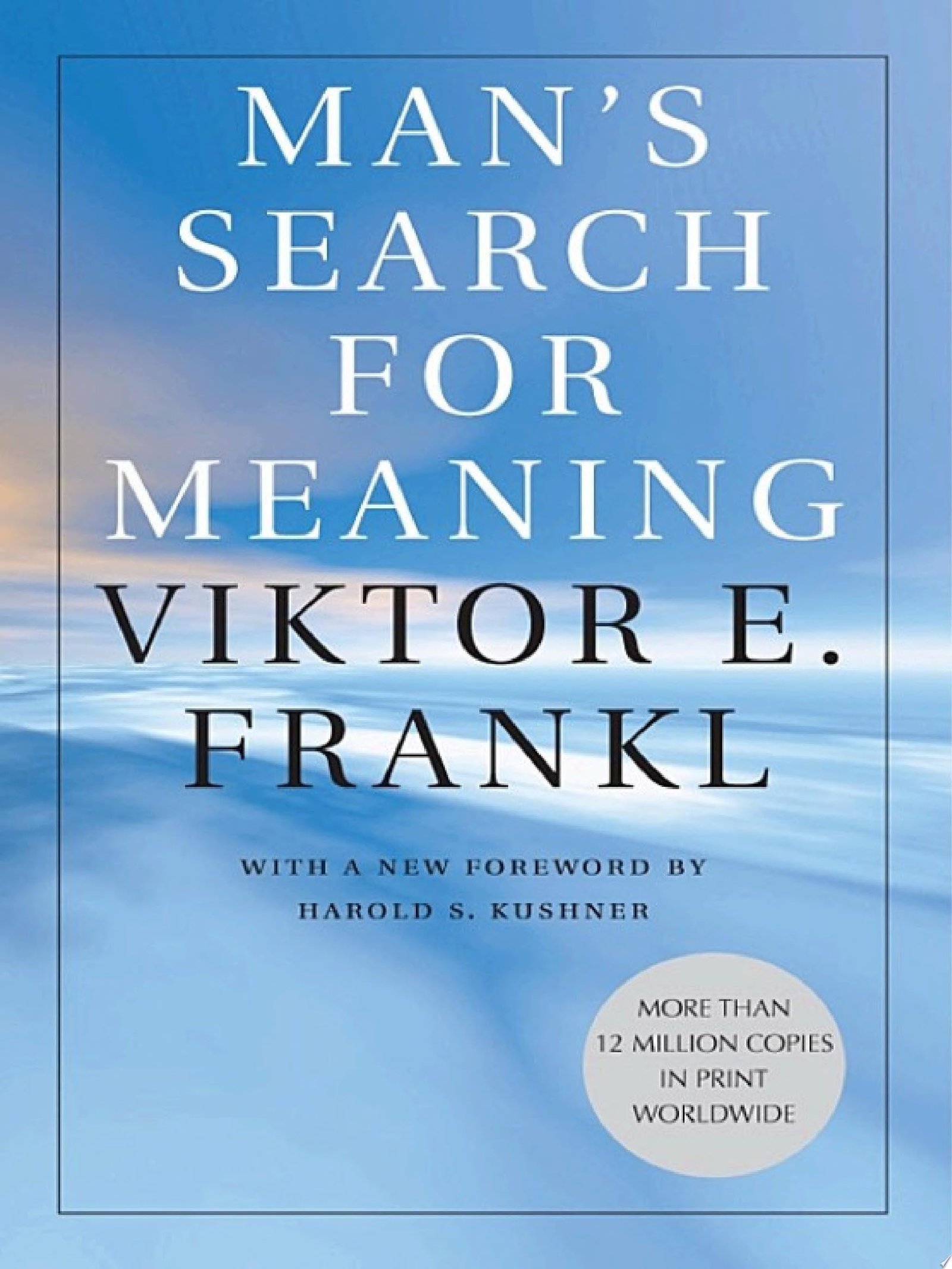
  4. Cover of Man's Search for Meaning by Viktor E. Frankl

    Cover not available

    Man's Search for Meaning

    by Viktor E. Frankl

    “It’s an absolute must-read for every human being. Period.”
    —Anna Chlumsky

    A book for finding purpose and strength in times of great despair, the international best-seller is still just as relevant today as when it was first published.

    “This is a book I reread a lot . . . it gives me hope . . . it gives me a sense of strength.”
    —Anderson Cooper, Anderson Cooper 360/CNN

    This seminal book, which has been called “one of the outstanding contributions to psychological thought” by Carl Rogers and “one of the great books of our time” by Harold Kushner, has been translated into more than fifty languages and sold over sixteen million copies. “An enduring work of survival literature,” according to the New York Times, Viktor Frankl’s riveting account of his time in the Nazi concentration camps, and his insightful exploration of the human will to find meaning in spite of the worst adversity, has offered solace and guidance to generations of readers since it was first published in 1946. At the heart of Frankl’s theory of logotherapy (from the Greek word for “meaning”) is a conviction that the primary human drive is not pleasure, as Freud maintained, but rather the discovery and pursuit of what the individual finds meaningful. Today, as new generations face new challenges and an ever more complex and uncertain world, Frankl’s classic work continues to inspire us all to find significance in the very act of living, in spite of all obstacles.

    A must-read companion to this classic work, a new, never-before-published work by Frankl entitled Yes to Life: In Spite of Everything, is now available in English.

    Why it's similar

    Both books explore the existential philosophy that human fulfillment is found through love, personal responsibility, and finding meaning in suffering and mortality.

    What's different

    Frankl's work is an analytical, psychological treatise rooted in the extreme trauma of Holocaust survival rather than a gentle reflection on a professor's peaceful decline.

Looking for something else?

Use our book recommendation tool to discover books similar to any of your favorites.

Find similar books with LibroMatch