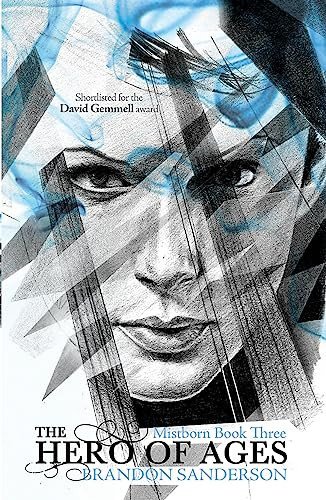
Cover of The Hero of Ages by Brandon Sanderson

5 book recommendations

Books Like “The Hero of Ages” by Brandon Sanderson

If you were captivated by the apocalyptic stakes, intricate magic systems, and heart-wrenching twists of The Hero of Ages, you know how hard that epic fantasy hangover hits. Fortunately, your journey through grand worlds and complex lore does not have to end here. Dive into our curated list to discover your next unforgettable adventure.

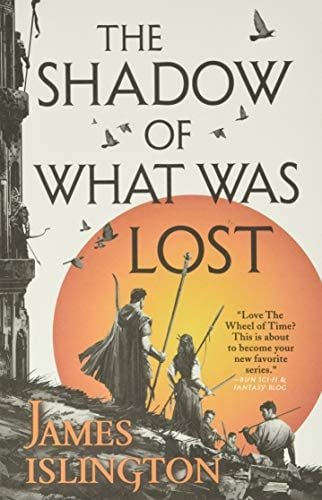
  1. Cover of The Shadow of What Was Lost by James Islington

    Cover not available

    The Shadow of What Was Lost

    by James Islington

    "Love The Wheel of Time? This is about to become your new favorite series." --B&N SF & Fantasy Blog
    A young man with forbidden magic finds himself drawn into an ancient war against a dangerous enemy in book one of the Licanius Trilogy, the series that fans are heralding as the next Wheel of Time.
    As destiny calls, a journey begins.
    It has been twenty years since the godlike Augurs were overthrown and killed. Now, those who once served them -- the Gifted -- are spared only because they have accepted the rebellion's Four Tenets, vastly limiting their powers.
    As a Gifted, Davian suffers the consequences of a war lost before he was even born. He and others like him are despised. But when Davian discovers he wields the forbidden power of the Augurs, he and his friends Wirr and Asha set into motion a chain of events that will change everything.

    To the west, a young man whose fate is intertwined with Davian's wakes up in the forest, covered in blood and with no memory of who he is...

    And in the far north, an ancient enemy long thought defeated begins to stir.

    The Licanius Trilogy is a series readers will have a hard time putting down--a relentless coming-of-age epic from the very first page.
    "Storytelling assurance rare for a debut . . . Fans of Robert Jordan and Brandon Sanderson will find much to admire."-- Guardian

    Why it's similar

    Both novels feature intricate, rule-based magic systems and build toward high-stakes confrontations involving ancient prophecies, cyclical history, and world-threatening godlike entities.

    What's different

    Islington relies heavily on time manipulation and non-linear memory-loss tropes, resulting in a narrative that emphasizes predestination paradoxes rather than a straightforward apocalyptic survival siege.
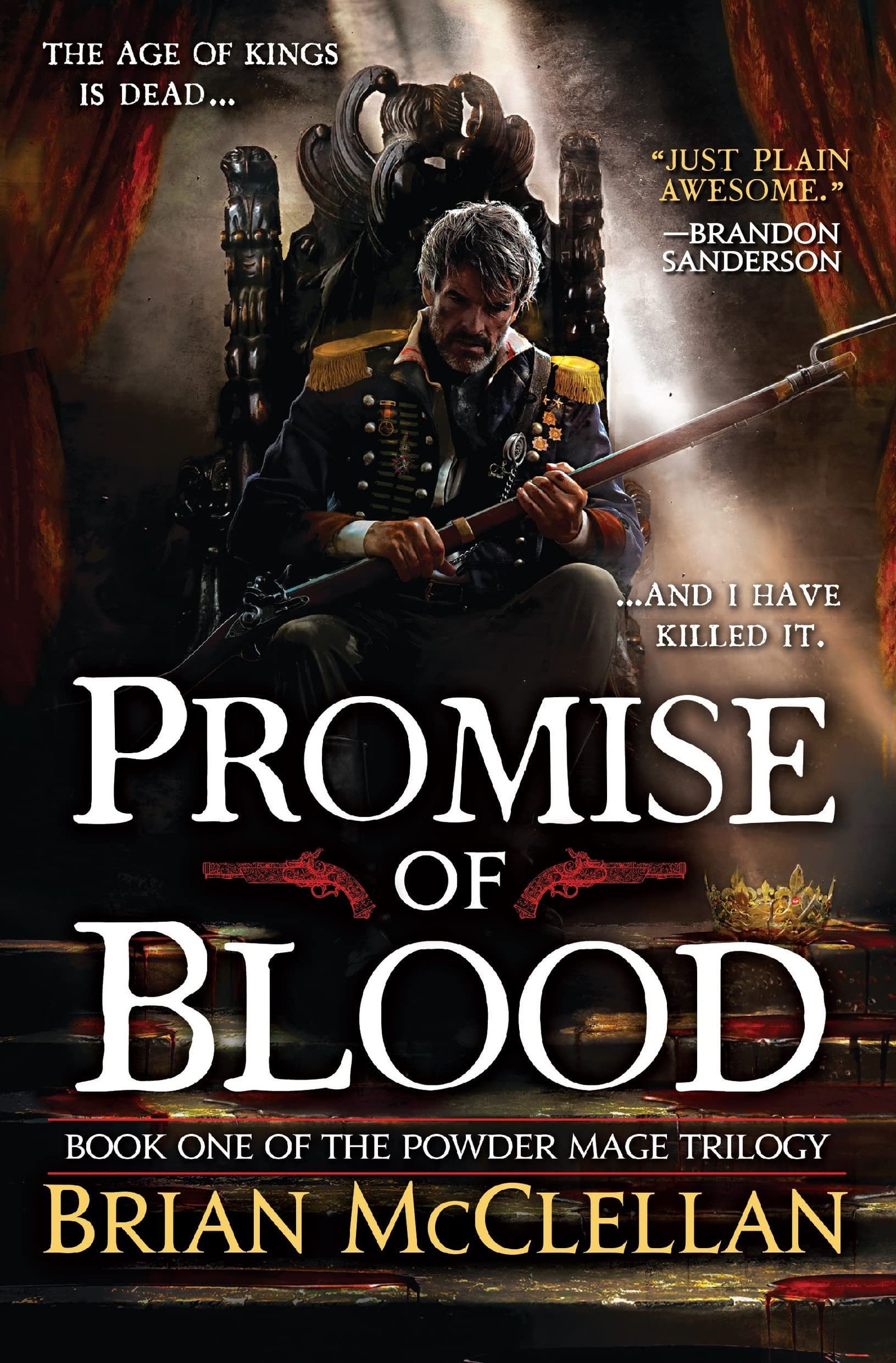
  2. Cover of Promise of Blood by Brian McClellan

    Cover not available

    Promise of Blood

    by Brian McClellan

    "Just plain awesome"--Brandon Sanderson
    Civil unrest cripples the citizens of Adro in the aftermath of the revolution that obliterated the monarchy. Now, Field Marshal Tamas and his lieutenants must confront the true cost of freedom in book one of the Powder Mage Trilogy.
    It's a bloody business overthrowing a king...
    Field Marshal Tamas' coup against his king sent corrupt aristocrats to the guillotine and brought bread to the starving. But it also provoked war with the Nine Nations, internal attacks by royalist fanatics, and the greedy to scramble for money and power by Tamas's supposed allies: the Church, workers unions, and mercenary forces.

    It's up to a few...
    Stretched to his limit, Tamas is relying heavily on his few remaining powder mages, including the embittered Taniel, a brilliant marksman who also happens to be his estranged son, and Adamat, a retired police inspector whose loyalty is being tested by blackmail.

    But when gods are involved...
    Now, as attacks batter them from within and without, the credulous are whispering about omens of death and destruction. Just old peasant legends about the gods waking to walk the earth. No modern educated man believes that sort of thing. But they should...
    Winner of the David Gemmell Morningstar Award for Best Debut Fantasy.

    Why it's similar

    Like The Hero of Ages, it explores the catastrophic fallout of toppling an empire and features tangible, defined magical abilities alongside the terrifying resurgence of literal gods.

    What's different

    McClellan's story is a flintlock military fantasy grounded in 19th-century warfare and gunpowder logistics, presenting a grittier, combat-focused tone compared to Sanderson's mythic, ash-strewn apocalypse.

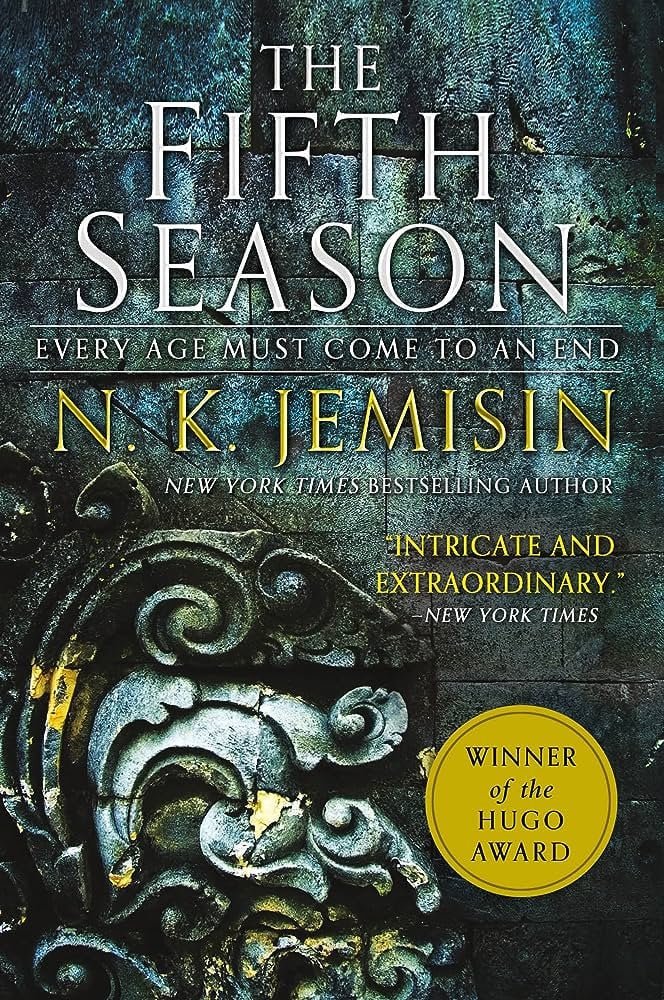
  3. Cover of The Fifth Season by N. K. Jemisin

    Cover not available

    The Fifth Season

    by N. K. Jemisin

    "Intricate and extraordinary." - New York Times on The Fifth Season (A New York Times Notable Book of 2015)

    WINNER OF THE HUGO AWARD FOR BEST NOVEL 2016

    This is the way the world ends...for the last time.
    A season of endings has begun.

    It starts with the great red rift across the heart of the world's sole continent, spewing ash that blots out the sun.

    It starts with death, with a murdered son and a missing daughter.

    It starts with betrayal, and long dormant wounds rising up to fester.

    This is the Stillness, a land long familiar with catastrophe, where the power of the earth is wielded as a weapon. And where there is no mercy.

    Why it's similar

    Both books take place in a bleak, ash-choked world facing an existential geological apocalypse, where individuals possessing matter-manipulating magic are essential to preventing total extinction.

    What's different

    Jemisin utilizes experimental perspectives—including second-person narration—and centers the narrative primarily on generational trauma and systemic oppression rather than cosmic theological puzzle-solving.

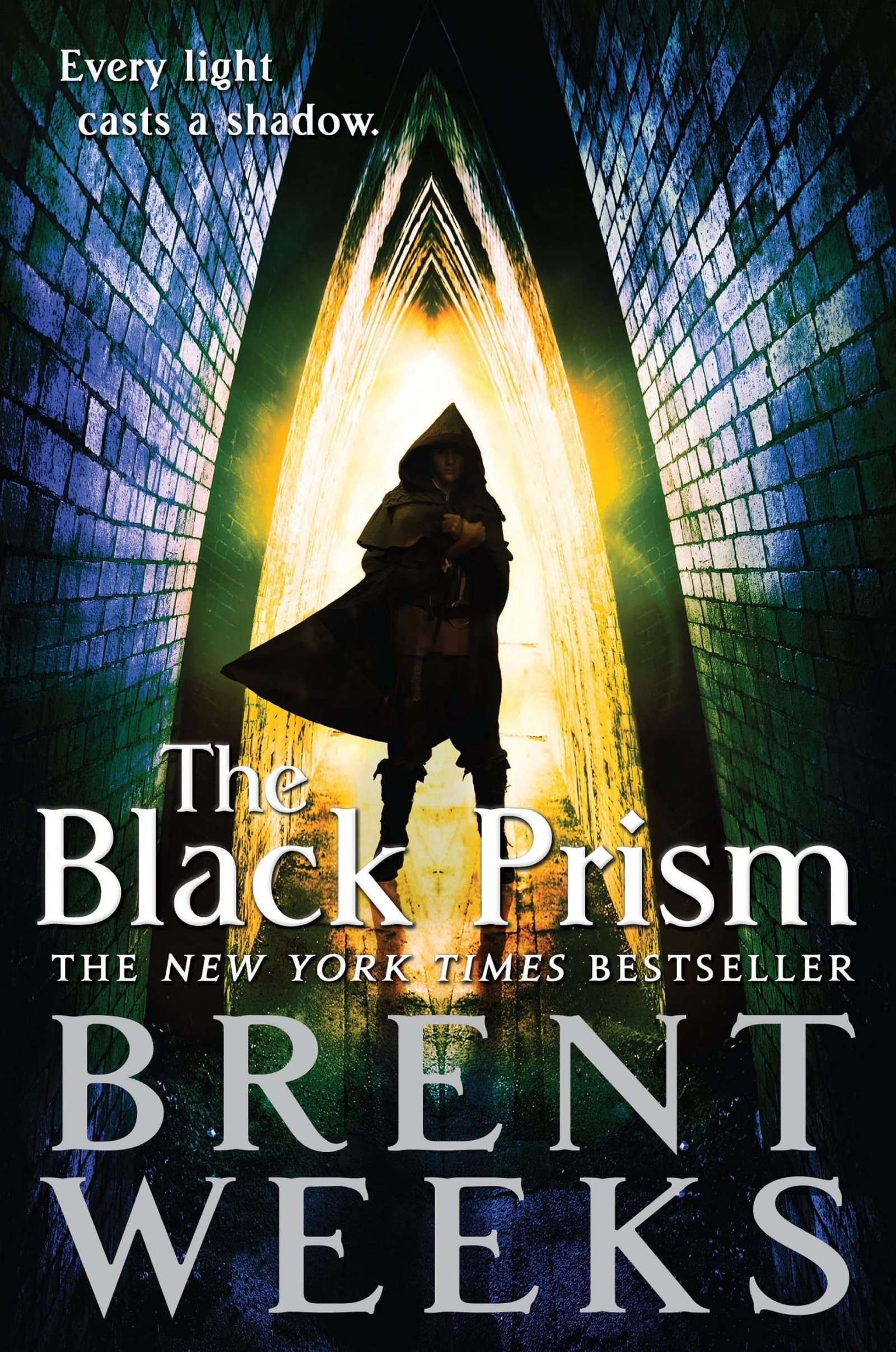
  4. Cover of The Black Prism by Brent Weeks

    Cover not available

    The Black Prism

    by Brent Weeks

    In a world where magic is tightly controlled, the most powerful man in history must choose between his kingdom and his son in the first book in the epic NYT bestselling Lightbringer series.
    Guile is the Prism. He is high priest and emperor, a man whose power, wit, and charm are all that preserves a tenuous peace. Yet Prisms never last, and Guile knows exactly how long he has left to live.

    When Guile discovers he has a son, born in a far kingdom after the war that put him in power, he must decide how much he's willing to pay to protect a secret that could tear his world apart.
    If you loved the action and adventure of the Night Angel trilogy, you will devour this incredible epic fantasy series by Brent Weeks.

    Why it's similar

    Both stories prominently feature hard magic systems derived from physical phenomena and center on the severe personal sacrifices required of leaders entangled in religious dogma and impending civilizational collapse.

    What's different

    Weeks focuses much more on family dysfunction, political maneuvering, and visceral interpersonal tension, featuring a more cynical and morally ambiguous tone.

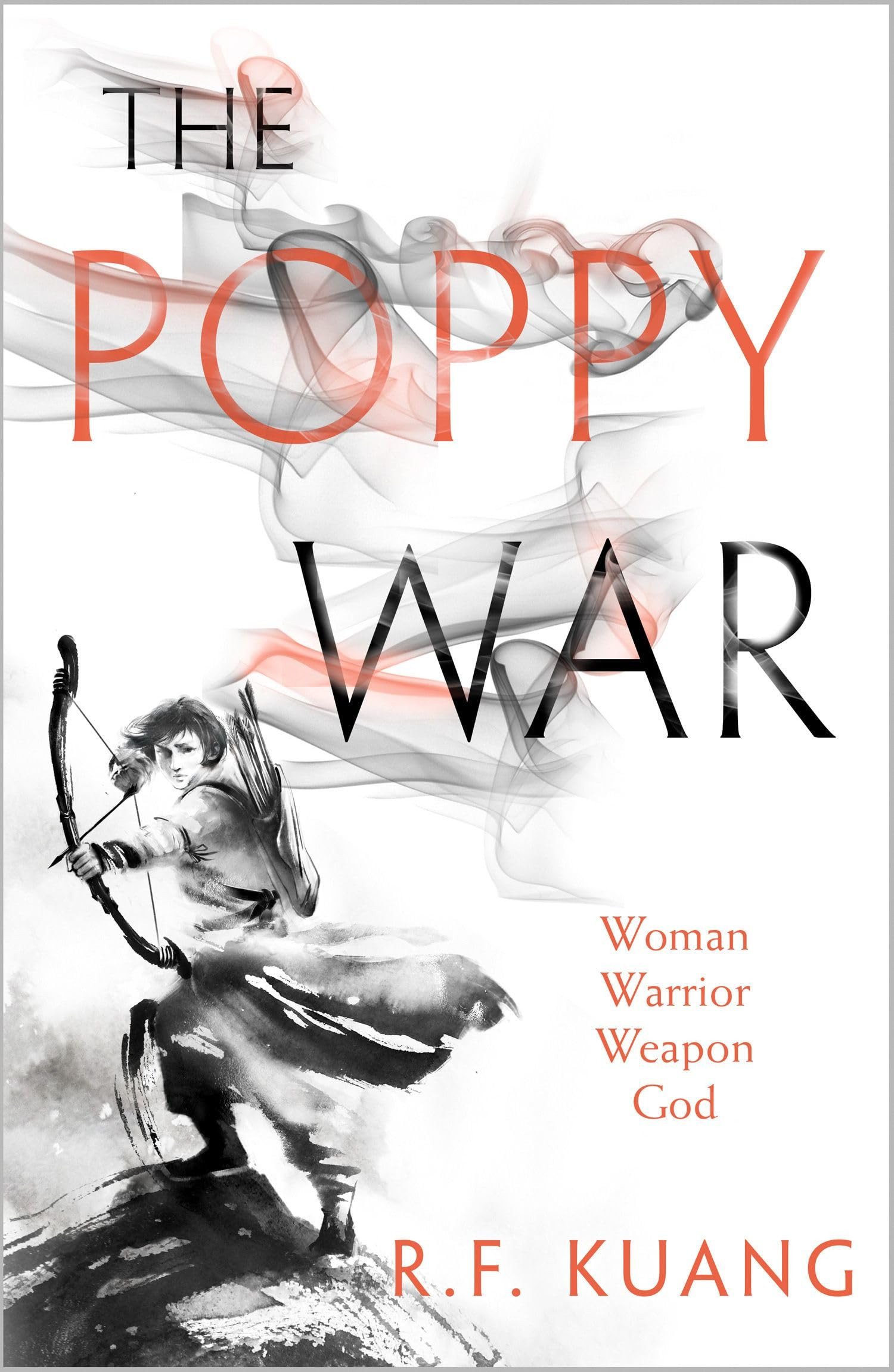
  5. Cover of The Poppy War by R. F. Kuang

    Cover not available

    The Poppy War

    by R. F. Kuang

    Winner of the Reddit Fantasy Award for Best Debut 2018

    'The best fantasy debut of 2018' - WIRED

    A brilliantly imaginative epic fantasy debut, inspired by the bloody history of China's twentieth century and filled with treachery and magic.

    When Rin aced the Keju - the test to find the most talented students in the Empire - it was a shock to everyone: to the test officials, who couldn't believe a war orphan from Rooster Province could pass without cheating; to Rin's guardians, who had hoped to get rich by marrying her off; and to Rin herself, who realized she was finally free from a life of servitude. That she got into Sinegard - the most elite military school in Nikan - was even more surprising.

    But surprises aren't always good.

    Because being a dark-skinned peasant girl from the south is not an easy thing at Sinegard. Fighting the prejudice of rival classmates, Rin discovers that she possesses a lethal, unearthly power - an aptitude for the nearly-mythical art of shamanism. Exploring the depths of her gift with the help of psychoactive substances and a seemingly insane teacher, Rin learns that gods long thought dead are very much alive - and that mastering these powers could mean more than just surviving school.

    For while the Nikara Empire is at peace, the Federation of Mugen still lurks across a narrow sea. The Federation occupied Nikan for decades after the First Poppy War, and only barely lost the continent in the Second. And while most people calmly go about their lives, a few are aware that a Third Poppy War is just a spark away...

    Why it's similar

    Both feature a young protagonist whose supernatural abilities become entangled with political upheaval and large-scale war. They share dark tones, revolutionary conflict, morally compromised factions, and an escalating struggle in which magic has devastating consequences.

    What's different

    It is harsher and more historically grounded, drawing on twentieth-century Chinese history and emphasizing military brutality, colonialism, genocide, and the corrupting effects of power rather than hopeful rebellion and redemption.

Looking for something else?

Use our book recommendation tool to discover books similar to any of your favorites.

Find similar books with LibroMatch