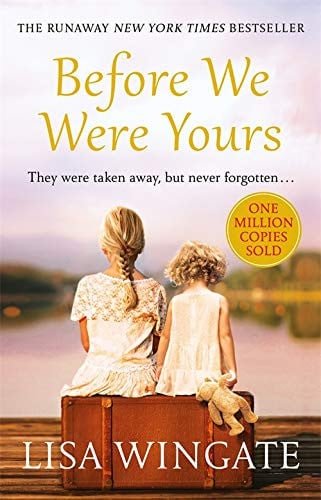
Cover of Before We Were Yours by Lisa Wingate

5 book recommendations

Books Like “Before We Were Yours” by Lisa Wingate

If the gripping dual timelines and heartbreaking history in Before We Were Yours kept you turning pages, you are not alone. Readers everywhere fell in love with its poignant exploration of family secrets, injustice, and unbreakable sisterly bonds. Dive into our handpicked collection below to find your next deeply moving historical fiction read.

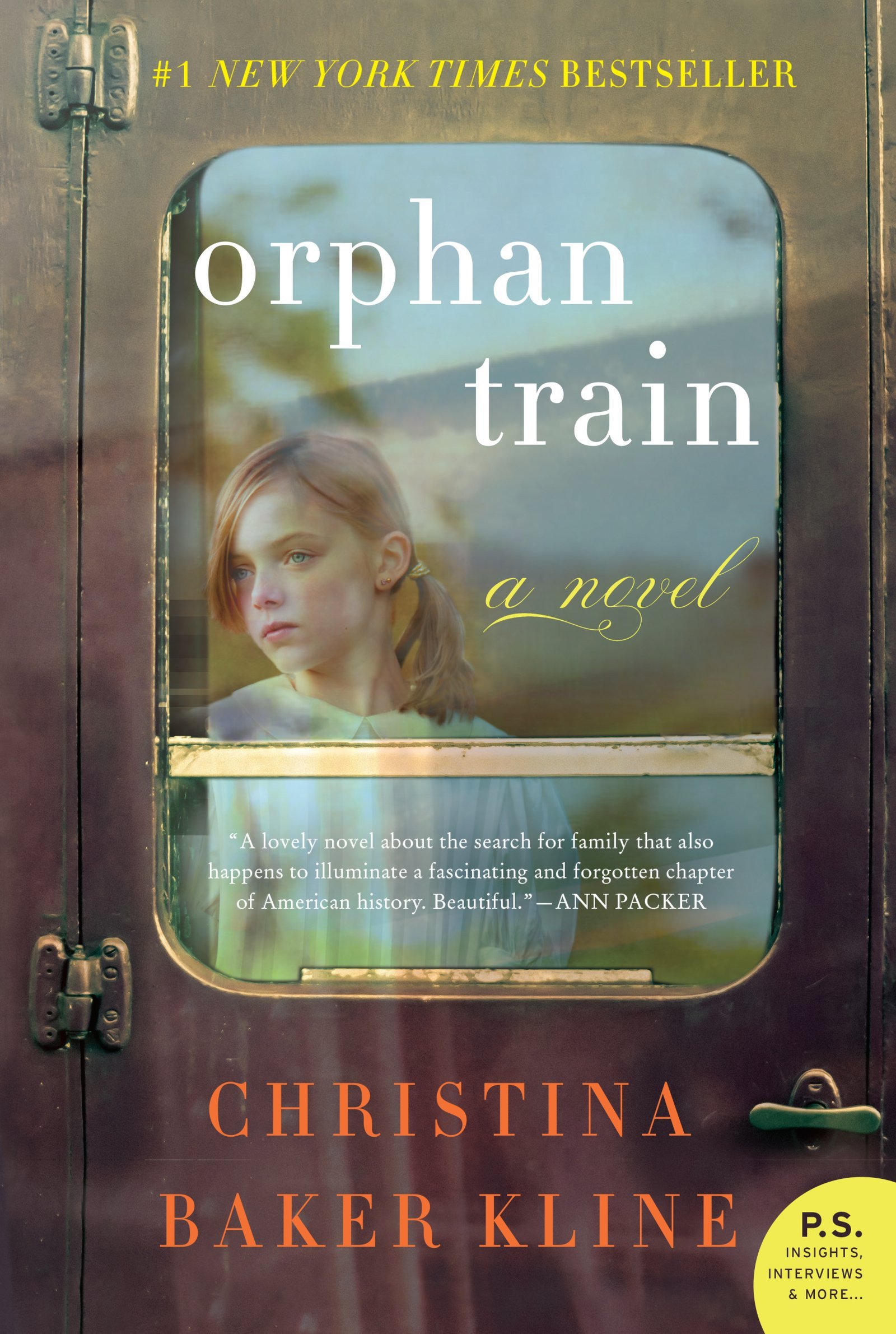
  1. Cover of Orphan Train by Christina Baker Kline

    Cover not available

    Orphan Train

    by Christina Baker Kline

    The #1 New York Times Bestseller
    “A lovely novel about the search for family that also happens to illuminate a fascinating and forgotten chapter of America’s history. Beautiful.”—Ann Packer
    Moving between contemporary Maine and Depression-era Minnesota, Orphan Train is a powerful novel of upheaval and resilience, of second chances, and unexpected friendship.
    Between 1854 and 1929, so-called orphan trains ran regularly from the cities of the East Coast to the farmlands of the Midwest, carrying thousands of abandoned children whose fates would be determined by pure luck. Would they be adopted by a kind and loving family, or would they face a childhood and adolescence of hard labor and servitude?
    As a young Irish immigrant, Vivian Daly was one such child, sent by rail from New York City to an uncertain future a world away. Returning east later in life, Vivian leads a quiet, peaceful existence on the coast of Maine, the memories of her upbringing rendered a hazy blur. But in her attic, hidden in trunks, are vestiges of a turbulent past.
    Seventeen-year-old Molly Ayer knows that a community service position helping an elderly woman clean out her home is the only thing keeping her out of juvenile hall. But as Molly helps Vivian sort through her keepsakes and possessions, she discovers that she and Vivian aren't as different as they appear. A Penobscot Indian who has spent her youth in and out of foster homes, Molly is also an outsider being raised by strangers, and she, too, has unanswered questions about the past.

    Why it's similar

    Both novels utilize a dual-timeline structure connecting a modern protagonist with a historical timeline centered on young girls navigating predatory adoption systems in 20th-century America. Each story heavily emphasizes themes of lost identity, resilience, and the emotional scars of family separation.

    What's different

    While Wingate depicts an illegal black-market kidnapping ring in the American South, Kline explores the officially sanctioned relocation of immigrant street children from New York City to Midwestern foster placements.
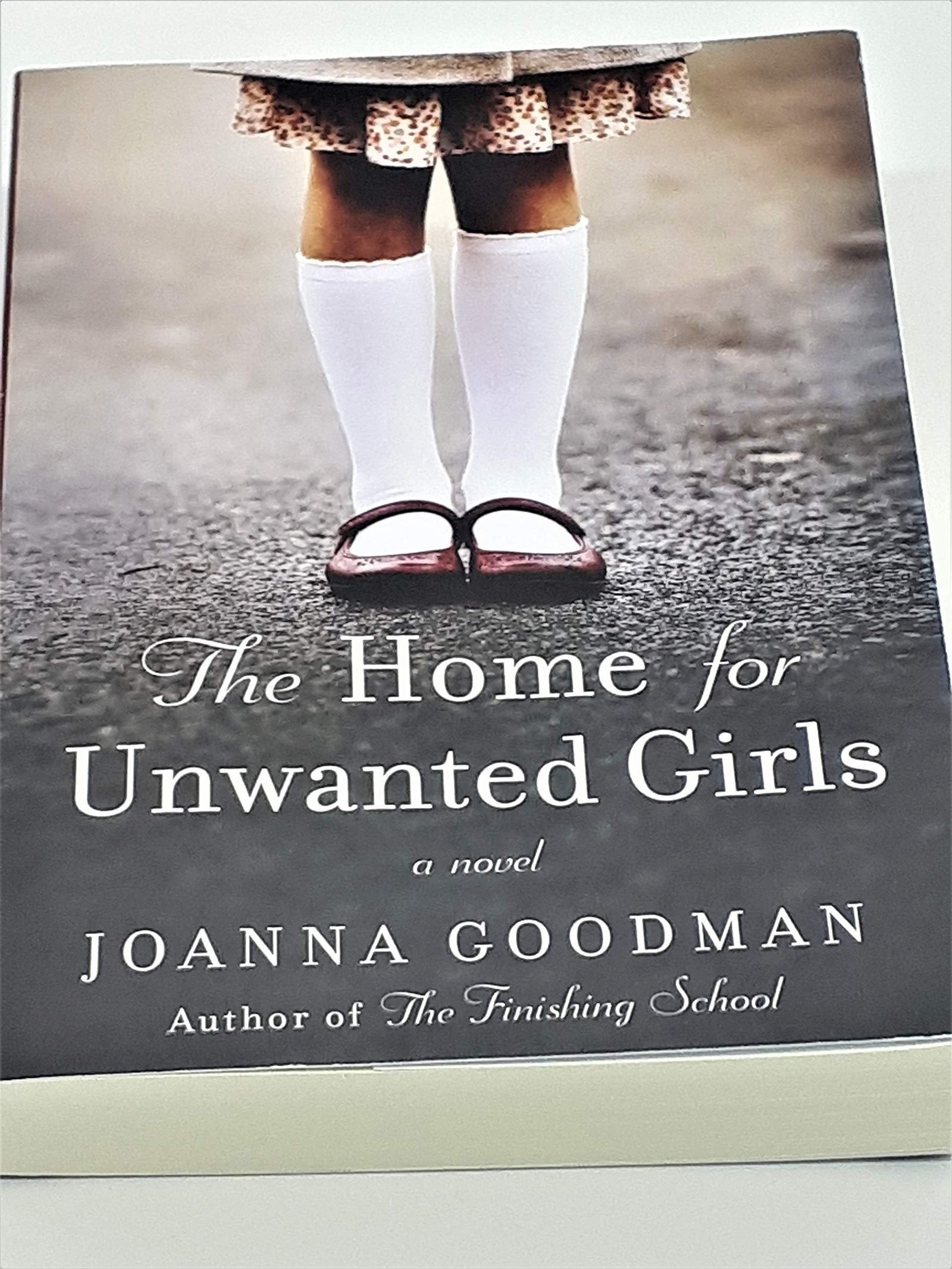
  2. Cover of The Home for Unwanted Girls by Joanna Goodman

    Cover not available

    The Home for Unwanted Girls

    by Joanna Goodman

    Philomena meets Orphan Train in this suspenseful, provocative novel filled with love, secrets, and deceit—the story of a young unwed mother who is forcibly separated from her daughter at birth and the lengths to which they go to find each other.

    In 1950s Quebec, French and English tolerate each other with precarious civility—much like Maggie Hughes’ parents. Maggie’s English-speaking father has ambitions for his daughter that don’t include marriage to the poor French boy on the next farm over. But Maggie’s heart is captured by Gabriel Phénix. When she becomes pregnant at fifteen, her parents force her to give baby Elodie up for adoption and get her life ‘back on track’.

    Elodie is raised in Quebec’s impoverished orphanage system. It’s a precarious enough existence that takes a tragic turn when Elodie, along with thousands of other orphans in Quebec, is declared mentally ill as the result of a new law that provides more funding to psychiatric hospitals than to orphanages. Bright and determined, Elodie withstands abysmal treatment at the nuns’ hands, finally earning her freedom at seventeen, when she is thrust into an alien, often unnerving world.

    Maggie, married to a businessman eager to start a family, cannot forget the daughter she was forced to abandon, and a chance reconnection with Gabriel spurs a wrenching choice. As time passes, the stories of Maggie and Elodie intertwine but never touch, until Maggie realizes she must take what she wants from life and go in search of her long-lost daughter, finally reclaiming the truth that has been denied them both.

    Why it's similar

    Both books are historical dramas based on real institutional scandals involving the mistreatment and commodification of vulnerable children. Each narrative focuses on the trauma of forced separation and a mother's desperate, enduring connection to her lost child.

    What's different

    Goodman's novel is set against the cultural and linguistic tensions of 1950s Quebec during the Duplessis Orphans scandal, offering a dual perspective between mother and child rather than a contemporary dual-timeline mystery.

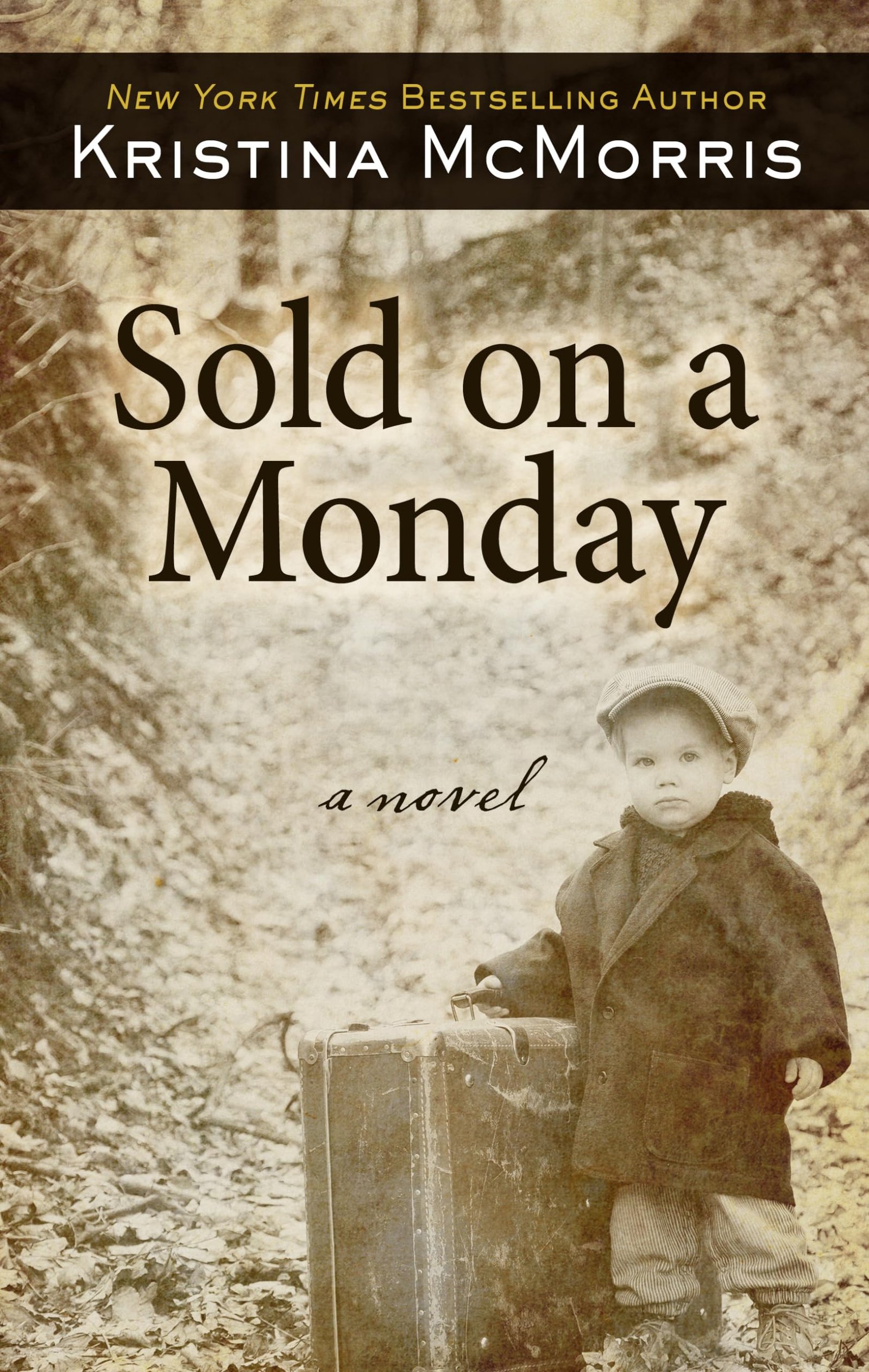
  3. Cover of Sold on a Monday by Kristina McMorris

    Cover not available

    Sold on a Monday

    by Kristina McMorris

    From New York Times bestselling author Kristina McMorris comes another unforgettable novel inspired by a stunning piece of history.

    2 CHILDREN FOR SALE

    The scrawled sign, peddling young siblings on a farmhouse porch, captures the desperation sweeping the country in 1931. It's an era of breadlines, bank runs, and impossible choices.

    For struggling reporter Ellis Reed, the gut-wrenching scene evokes memories of his family's dark past. He snaps a photograph of the children, not meant for publication. But when the image leads to his big break, the consequences are devastating in ways he never imagined.

    Haunted by secrets of her own, secretary Lillian Palmer sees more in the picture than a good story and is soon drawn into the fray. Together, the two set out to right a wrongdoing and mend a fractured family, at the risk of everything they value.

    Inspired by an actual newspaper photo that stunned readers across the nation, this touching novel explores the tale within the frame and behind the lens -- a journey of ambition, love and the far-reaching effects of our actions.

    Why it's similar

    Both stories are historical novels inspired by actual mid-20th-century photographs and events involving impoverished children separated from their families during hard economic times. They explore shared themes of institutional failure, family secrets, and the quest to reunite fractured sibling bonds.

    What's different

    Sold on a Monday is driven primarily by the perspective of an ambitious reporter whose actions inadvertently cause the crisis, rather than being narrated by the affected children or a contemporary descendant.

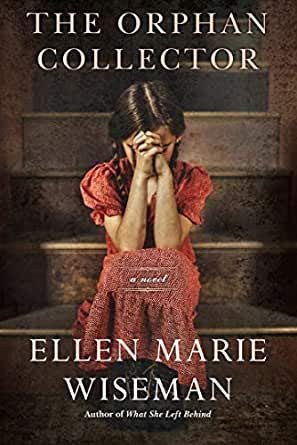
  4. Cover of The Orphan Collector by Ellen Marie Wiseman

    Cover not available

    The Orphan Collector

    by Ellen Marie Wiseman

    "In the fall of 1918, thirteen-year-old German immigrant Pia Lange longs to be far from Philadelphia's overcrowded slums and the anti-immigrant sentiment that compelled her father to enlist in the U.S. Army. But as her city celebrates the end of war, an even more urgent threat arrives: the Spanish flu. Funeral crepe and quarantine signs appear on doors as victims drop dead in the streets and desperate survivors wear white masks to ward off illness. When food runs out in the cramped tenement she calls home, Pia must venture alone into the quarantined city in search of supplies, leaving her baby brothers behind. Bernice Groves has become lost in grief and bitterness since her baby died from the Spanish flu. Watching Pia leave her brothers alone, Bernice makes a shocking, life-altering decision. It becomes her sinister mission to tear families apart when they're at their most vulnerable, planning to transform the city's orphans and immigrant children into what she feels are "true Americans." Waking in a makeshift hospital days after collapsing in the street, Pia is frantic to return home. Instead, she is taken to St. Vincent's Orphan Asylum - the first step in a long and arduous journey. As Bernice plots to keep the truth hidden at any cost in the months and years that follow, Pia must confront her own shame and fear, risking everything to see justice--and love--triumph at last. Powerful, harrowing, and ultimately exultant, The Orphan Collector is a story of love, resilience, and the lengths we will go to protect those who need us most."--

    Why it's similar

    Both novels center on vulnerable immigrant and working-class children who are wrongfully snatched from their homes by predatory opportunists exploiting a crisis. Both feature determined young female protagonists fiercely protective of their younger siblings.

    What's different

    Wiseman's story is a single-timeline narrative set in Philadelphia during the 1918 Spanish Flu pandemic, featuring a much grittier, darker tone focused on immediate survival.

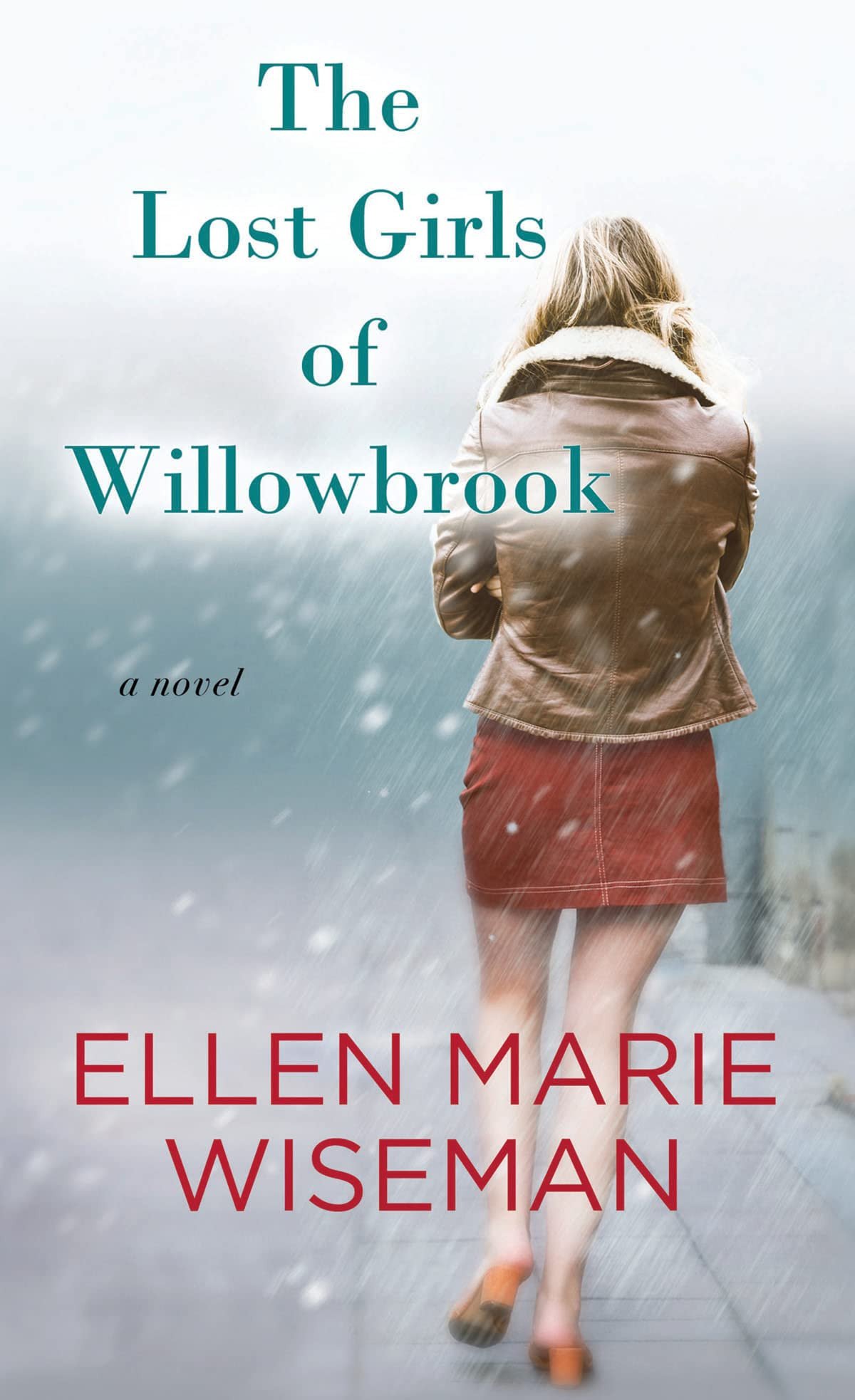
  5. Cover of The Lost Girls of Willowbrook by Ellen Marie Wiseman

    Cover not available

    The Lost Girls of Willowbrook

    by Ellen Marie Wiseman

    "Sage Winters always knew her sister was a little different even though they were identical twins. They loved the same things and shared a deep understanding, but Rosemary -- awake to every emotion, easily moved to joy or tears -- seemed to need more protection from the world. Six years after Rosemary's death from pneumonia, Sage, now sixteen, still misses her deeply. Their mother perished in a car crash, and Sage's stepfather, Alan, resents being burdened by a responsibility he never wanted. Yet despite living as near strangers in their Staten Island apartment, Sage is stunned to discover that Alan has kept a shocking secret: Rosemary didn't die. She was committed to Willowbrook State School and has lingered there until just a few days ago, when she went missing. Sage knows little about Willowbrook. It's always been a place shrouded by rumor and mystery. A place local parents threaten to send misbehaving kids. With no idea what to expect, Sage secretly sets out for Willowbrook, determined to find Rosemary. What she learns, once she steps through its doors and is mistakenly believed to be her sister, will change her life in ways she never could have imagined... "--

    Why it's similar

    Like Before We Were Yours, it is historical fiction based on real institutional abuse and follows a young person confronting the disappearance or confinement of a sibling. Both expose how vulnerable children can be hidden or mistreated by institutions while emphasizing family loyalty and resilience.

    What's different

    Set primarily in the early 1970s and aimed at a younger protagonist, it has a more immediate suspense and survival focus, following a girl searching for her twin inside an abusive institution.

Looking for something else?

Use our book recommendation tool to discover books similar to any of your favorites.

Find similar books with LibroMatch