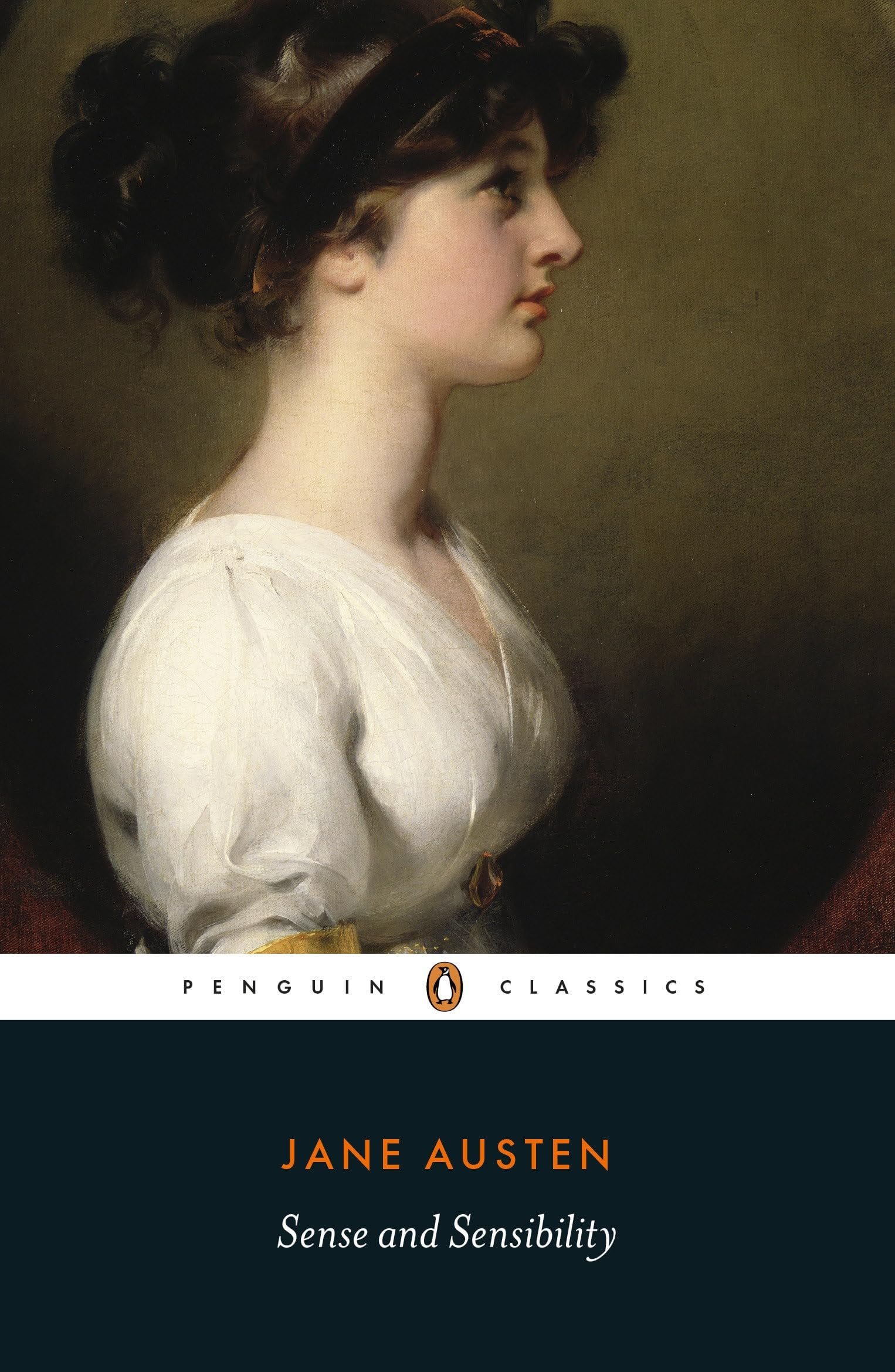
Cover of Sense and Sensibility by Jane Austen

5 book recommendations

Books Like “Sense and Sensibility” by Jane Austen

Readers adore Sense and Sensibility for its keen social satire, the clash between passion and prudence, and the enduring bond of sisterhood. If you yearn for more 19th-century classics filled with high-society drama and complicated romances, you are in the right place. Discover your next cherished period read below.

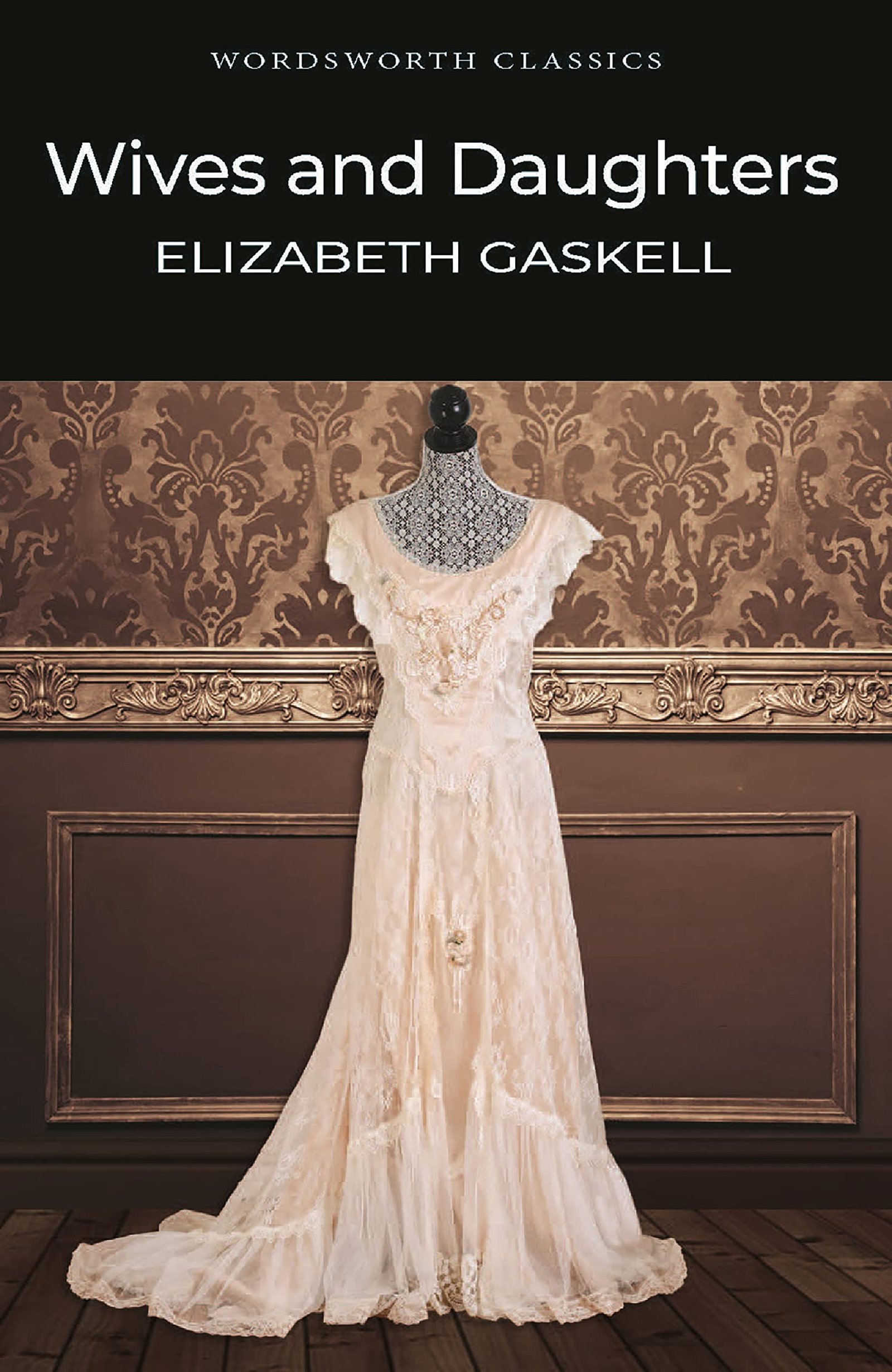
  1. Cover of Wives and Daughters by Elizabeth Gaskell

    Cover not available

    Wives and Daughters

    by Elizabeth Gaskell

    With an Introduction and Notes by Dinny Thorold, University of Westminster

    Gaskell's last novel, widely considered her masterpiece, follows the fortunes of two families in nineteenth century rural England. At its core are family relationships - father, daughter and step-mother, father and sons, father and step-daughter - all tested and strained by the romantic entanglements that ensue.

    Despite its underlying seriousness, the prevailing tone is one of comedy. Gaskell vividly portrays the world of the late 1820s and the forces of change within it, and her vision is always humane and progressive.

    The story is full of acute observation and sympathetic character-study: the feudal squire clinging to old values, his naturalist son welcoming the new world of science, the local doctor and his scheming second wife, the two girls brought together by their parent's marriage...

    Why it's similar

    Like Sense and Sensibility, it explores 19th-century English provincial life and courtship through the contrasting temperaments and romantic choices of two stepsisters.

    What's different

    Gaskell's narrative offers a broader Victorian social canvas and a warmer, more sentimental tone compared to Austen's sharper Regency satire.
  2. Cover of Howards End by E.M. Forster

    Cover not available

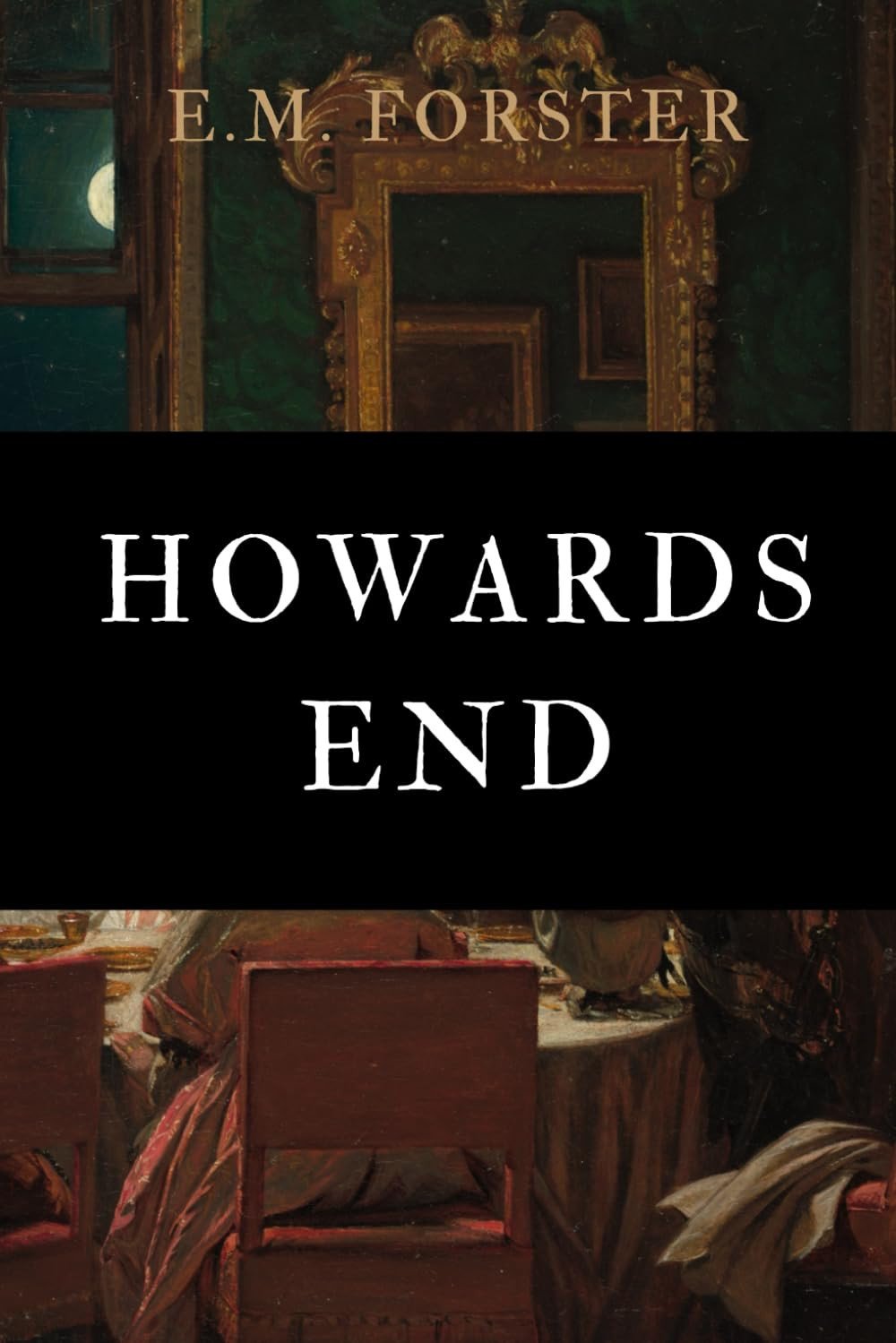
    Howards End

    by E.M. Forster

    Howards End by E.M. Forster is a timeless classic that has captivated readers since its original publication in 1910. Set in Edwardian England, it is a story of culture clash and class struggle, exploring the connections between three families: the wealthy and independent Wilcoxes, the intellectual and idealistic Schlegels, and the working-class Basts. Through their relationships and interactions, Forster offers a nuanced commentary on social issues and encourages readers to question their own beliefs about life, love, and morality. Howards End is an engaging and thought-provoking novel that continues to be relevant more than a century after its first publication.

    E.M. Forster (Edward Morgan Forster) is a beloved English novelist and essayist, best known for his works of fiction such as A Room with a View, Howards End, and A Passage to India. Born in London in 1879, Forster was educated at Tonbridge School and King’s College, Cambridge, where he studied history and developed a passion for literature. After graduating in 1901, Forster moved to Italy and worked as a private secretary to an English aristocrat, Lady Olivia Wilmot. Throughout his career, Forster wrote six novels, two collections of short stories, and several essays. His first novel, Where Angels Fear to Tread, was published in 1905 and was followed by A Room with a View in 1908 and Howards End in 1910. A Passage to India, Forster’s most famous novel, was published in 1924 and was soon adapted into a successful film. Forster’s works are known for their vivid and detailed descriptions of English society during the Edwardian era and for their exploration of issues such as class, gender, and race. In addition to his literary career, Forster was an active member of the Bloomsbury group, a group of writers, artists, and intellectuals who met regularly during the early 20th century. Forster was also an active political and social campaigner and was a strong advocate of homosexual rights. He was awarded the Order of Merit in 1969 and died in 1970. He is remembered as one of the most influential writers of the 20th century and his works remain popular to this day.

    Why it's similar

    It mirrors the dynamic of Elinor and Marianne through sisters Margaret and Helen Schlegel, who embody the tension between intellectual restraint and impulsive passion when navigating love and society.

    What's different

    Set in the Edwardian era, the novel engages directly with industrialization, modern philosophical debates, and class warfare rather than focusing strictly on the domestic marriage market.

  3. Cover of Evelina by Frances Burney

    Cover not available

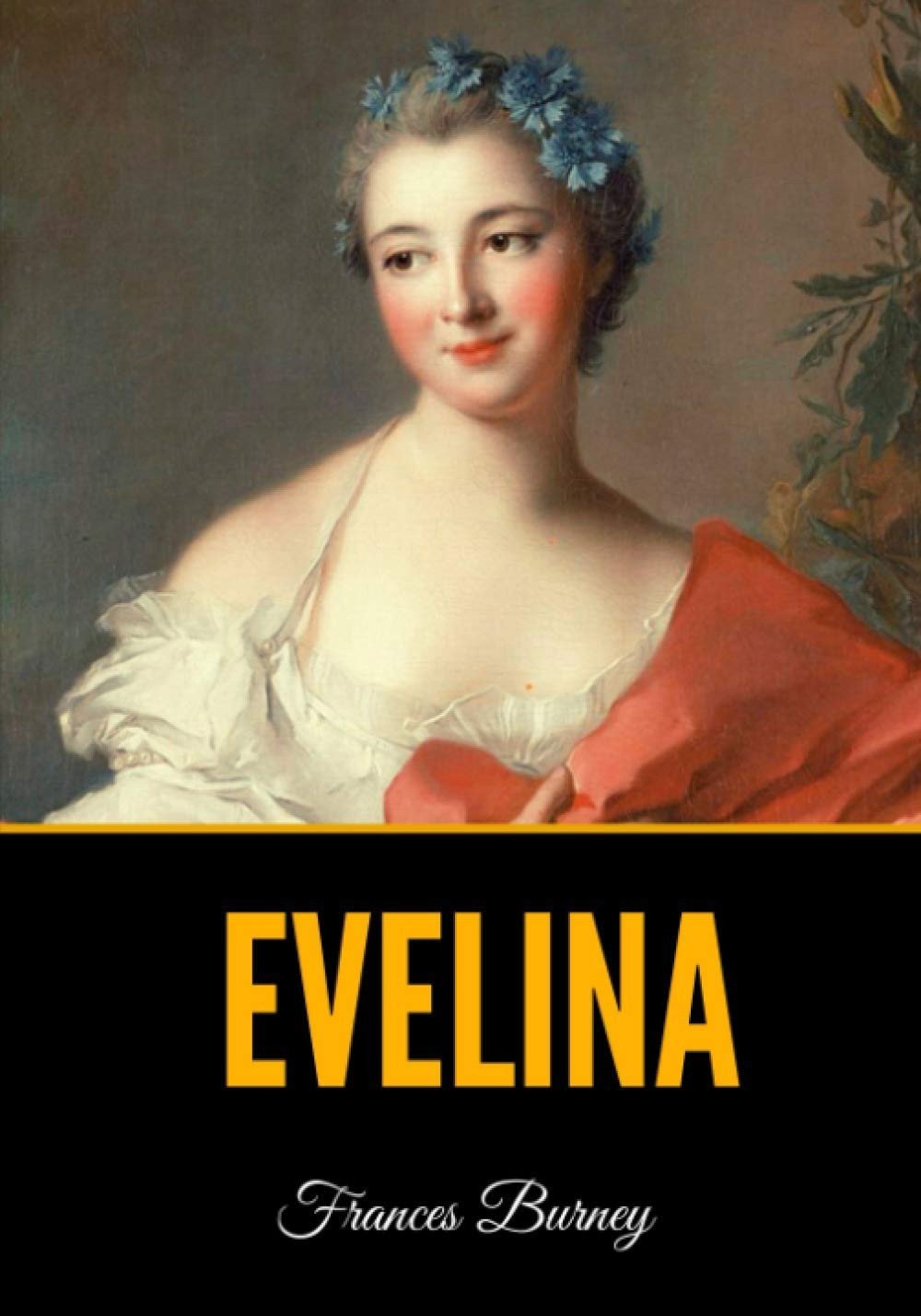
    Evelina

    by Frances Burney

    CAN any thing, my good Sir, be more painful to a friendly mind, than a necessity of communicating disagreeable intelligence? Indeed it is sometimes difficult to determine, whether the relator or the receiver of evil tidings is most to be pitied.

    I have just had a letter from Madame Duval; she is totally at a loss in what manner to behave; she seems desirous to repair the wrongs she has done, yet wishes the world to believe her blameless. She would fain cast upon another the odium of those misfortunes for which she alone is answerable. Her letter is violent, sometimes abusive, and that of you!-you, to whom she is under obligations which are greater even than her faults, but to whose advice she wickedly imputes all the sufferings of her much injured daughter, the late Lady Belmont. The chief purport of her writing I will acquaint you with; the letter itself is not worthy your notice.

    She tells me that she has, for many years past, been in continual expectation of making a journey to England, which prevented her writing for information concerning this melancholy subject, by giving her hopes of making personal inquiries; but family occurrences have still detained her in France, which country she now sees no prospect of quitting. She has, therefore, lately used her utmost endeavors to obtain a faithful account of whatever related to her ill-advised daughter; the result of which giving her some reason to apprehend, that, upon her death-bed, she bequeathed an infant orphan to the world, she most graciously says, that if you, with whom she understands the child is placed, will procure authentic proofs of its relationship to her, you may sent it to Paris, where she will properly provide for it.

    - Taken from "Evelina" written by Frances Burney

    Why it's similar

    Both works use sharp social satire to depict a young woman of precarious financial standing navigating the complex decorum, gossip, and hazards of English courtship.

    What's different

    Burney uses an epistolary format featuring broader farcical humor and melodrama, contrasting with Austen's restrained, third-person free indirect discourse.

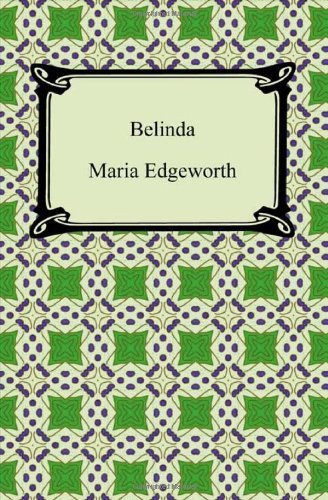
  4. Cover of Belinda by Maria Edgeworth

    Cover not available

    Belinda

    by Maria Edgeworth

    Maria Edgeworth takes on issues of gender and race in her early editions of "Belinda," and although later editions tone down some controversial material to appease audiences, the alterations were most likely made by Edgeworth's father. Edgeworth's story centers around Belinda, a young woman who is navigating the complicated path of courtship and the limitations of domesticity. When Belinda is sent to live with the fashionable Lady Delacour, in hopes that she will find a wealthy and respected husband, she is quickly exposed to differing perspectives on marriage and the social obligations of women. The influence of Lady Delacour, and later Lady Anne Percival, motivate Belinda toward an independence and spirit of empowerment reminiscent of Mary Wollstonecraft. Edgeworth's popularity diminished somewhat after the first two decades of the 19th Century, however, her works opened doors for later writers like Sir Walter Scott and William Makepeace Thackeray, and expanded the potential for the "female" novel.

    Why it's similar

    The story examines the conflict between rational prudence and dangerous romantic sensibility as a young woman enters the marriage market and evaluates suitors.

    What's different

    Edgeworth's novel is overtly didactic and incorporates high-society scandal and reformist debate, resulting in a more theatrical and moralizing reading experience.

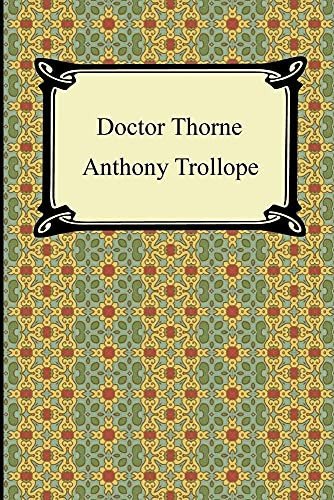
  5. Cover of Doctor Thorne by Anthony Trollope

    Cover not available

    Doctor Thorne

    by Anthony Trollope

    Despite a decreasing popularity throughout his career, Anthony Trollope (1815-1882) has become one of the most notable and respected English novelists of the Victorian Era. His penetrating novels on political, social and gender issues of his day have placed him among such nineteenth century literary icons as Jane Austen, Charles Dickens and George Eliot. Trollope penned 47 novels in his career, in addition to various short stories, travel books and biographies. "Doctor Thorne" (1858) is the third novel in Trollope's series known as the "Chronicles of Barsetshire," and is argued to be Trollope's best work. It tells the story of Mary Thorne, the niece of Dr. Thomas Thorne, whose illegitimacy remains a secret for much of the novel as she is raised by her kind uncle and falls in love with the rich Frank Gresham. This melodramatic novel displays Trollope's brilliant management of plot and dialogue while exploring themes of illegitimacy, class division and the practice of marrying for money.

    Why it's similar

    Both novels explore how financial necessity and family expectations threaten romantic attachments in an English country setting, featuring heroines whose uncertain fortunes complicate their marriage prospects.

    What's different

    Trollope places greater narrative emphasis on local politics, property law, and male social circles, with a narrator who addresses the reader far more directly than Austen does.

Looking for something else?

Use our book recommendation tool to discover books similar to any of your favorites.

Find similar books with LibroMatch