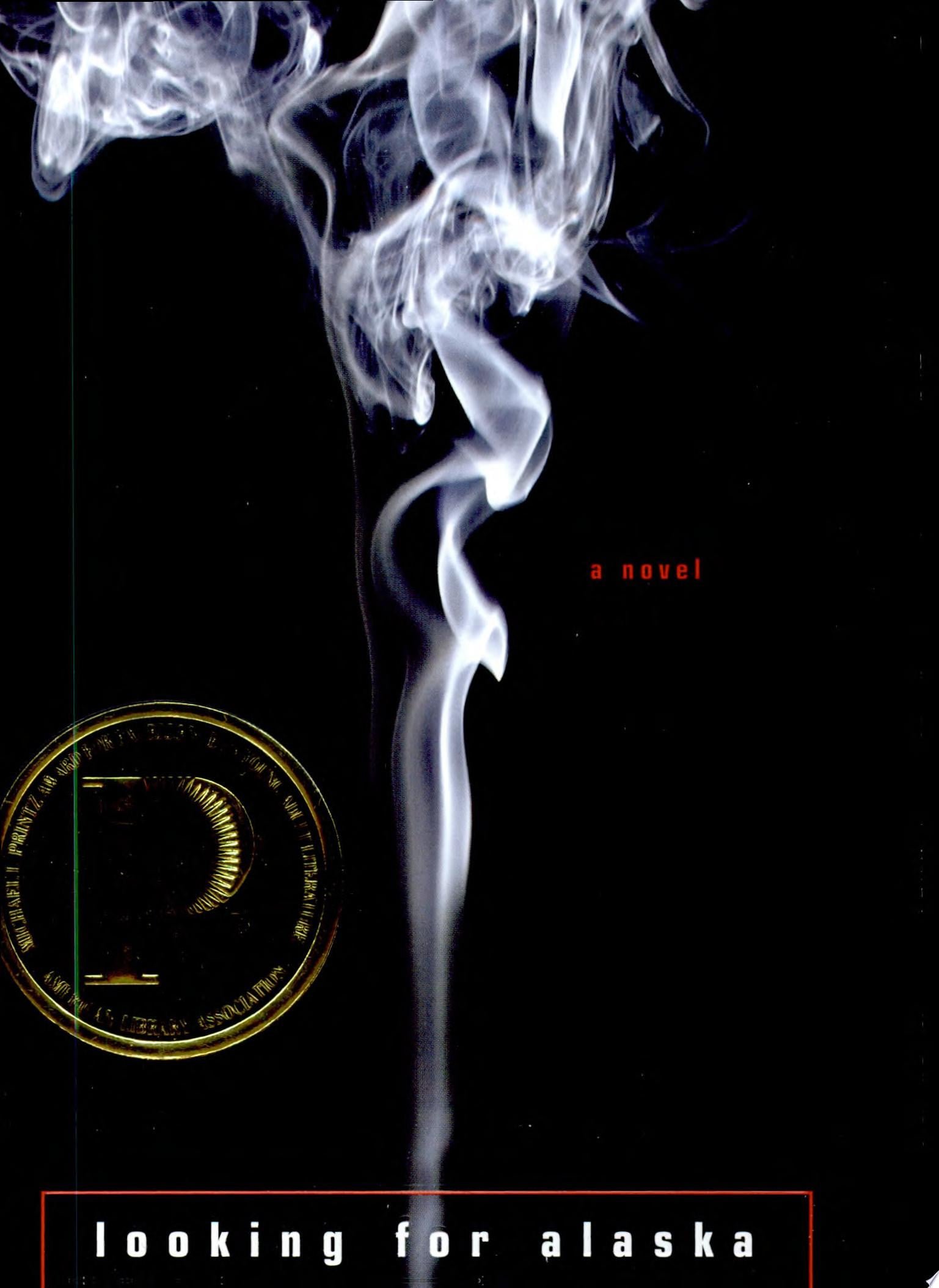

Cover of Looking for Alaska by John Green

4 book recommendations

Books Like “Looking for Alaska” by John Green

If the bittersweet grief, intense friendships, and existential longing of Looking for Alaska left a mark on your heart, you are in the right place. Readers cherish John Green’s coming-of-age classic for its raw emotional honesty and poignant search for meaning. Explore our recommendations to discover your next favorite read.

  1. Cover of A Separate Peace by John Knowles

    Cover not available

    A Separate Peace

    by John Knowles

    Nominated as one of America’s best-loved novels by PBS’s The Great American Read.

    An American classic and great bestseller for over thirty years, A Separate Peace is timeless in its description of adolescence during a period when the entire country was losing its innocence to World War II.

    Set at a boys' boarding school in New England during the early years of World War II, A Separate Peace is a harrowing and luminous parable of the dark side of adolescence. Gene is a lonely, introverted intellectual. Phineas is a handsome, taunting, daredevil athlete. What happens between the two friends one summer, like the war itself, banishes the innocence of these boys and their world.

    Why it's similar

    Both novels are set in an insular boarding school environment where an introverted protagonist becomes fascinated by a charismatic peer, culminating in a tragedy that forces the narrator to confront guilt and mortality.

    What's different

    It is set against the backdrop of World War II and told retrospectively by an adult narrator, adopting a more formal, literary tone rather than a contemporary adolescent voice.

  2. Cover of The Perks of Being a Wallflower by Stephen Chbosky

    Cover not available

    The Perks of Being a Wallflower

    by Stephen Chbosky

    “A timeless story for every young person who needs to understand that they are not alone.” —Judy Blume

    “Once in a while, a novel comes along that becomes a generational touchstone. The Perks of Being a Wallflower is one of those books.” —R. J. Palacio, #1 New York Times bestselling author of Wonder

    This #1 New York Times bestselling coming-of-age story with millions of copies in print takes a sometimes heartbreaking, often hysterical, and always honest look at high school in all its glory.

    The critically acclaimed debut novel from Stephen Chbosky follows observant “wallflower” Charlie as he charts a course through the strange world between adolescence and adulthood. First dates, family drama, and new friends. Sex, drugs, and The Rocky Horror Picture Show. Devastating loss, young love, and life on the fringes. Caught between trying to live his life and trying to run from it, Charlie must learn to navigate those wild and poignant roller-coaster days known as growing up.

    A #1 New York Times bestseller for more than a year, adapted into a major motion picture starring Logan Lerman and Emma Watson (and written and directed by the author), and an American Library Association Best Book for Young Adults (2000) and Best Book for Reluctant Readers (2000), this novel for teen readers (or wallflowers of more-advanced age) will make you laugh, cry, and perhaps feel nostalgic for those moments when you, too, tiptoed onto the dance floor of life.

    Why it's similar

    Both are introspective young adult coming-of-age stories featuring quiet, observant male protagonists who are drawn into a tight-knit circle of eccentric friends while grappling with grief, identity, and mental health.

    What's different

    The narrative uses an epistolary format composed of letters to an anonymous recipient, focusing primarily on the narrator uncovering his own buried childhood trauma rather than reacting to a sudden external tragedy.

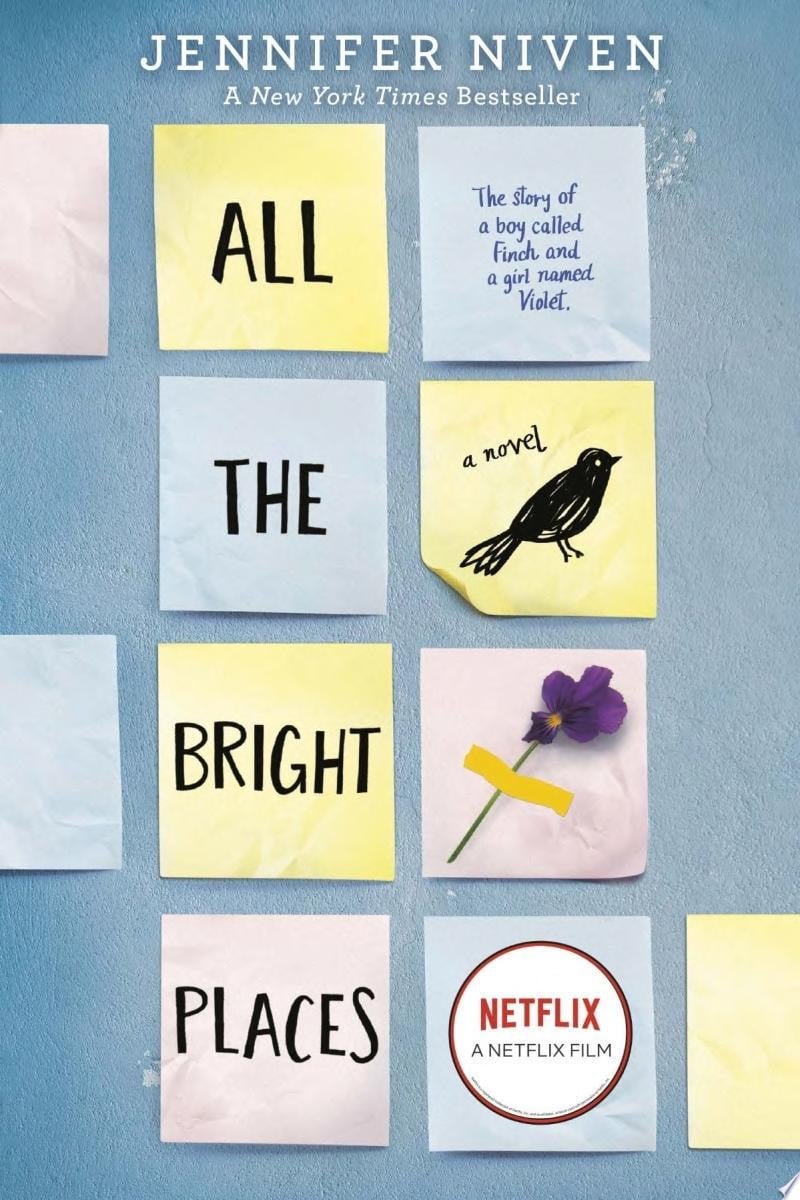
  3. Cover of All the Bright Places by Jennifer Niven

    Cover not available

    All the Bright Places

    by Jennifer Niven

    The New York Times bestselling love story about two teens who find each other while standing on the edge.

    Theodore Finch is fascinated by death. Every day he thinks of ways he might kill himself, but every day he also searches for—and manages to find—something to keep him here, and alive, and awake.

    Violet Markey lives for the future, counting the days until graduation, when she can escape her small Indiana town and her aching grief in the wake of her sister’s recent death.

    When Finch and Violet meet on the ledge of the bell tower at school—six stories above the ground— it’s unclear who saves whom. Soon it’s only with Violet that Finch can be himself. And it’s only with Finch that Violet can forget to count away the days and start living them. But as Violet’s world grows, Finch’s begins to shrink. . . .

    “A do-not-miss for fans of Eleanor & Park and The Fault in Our Stars, and basically anyone who can breathe.” —Justine Magazine

    “At the heart—a big one—of All the Bright Places lies a charming love story about this unlikely and endearing pair of broken teenagers.” —The New York Times Book Review

    “A heart-rending, stylish love story.” —The Wall Street Journal

    “A complex love story that will bring all the feels.” —Seventeen Magazine

    “Impressively layered, lived-in, and real.” —Buzzfeed

    Why it's similar

    Both books explore teenage grief, severe mental illness, and existential questioning through a pivotal relationship with a vibrant but deeply troubled peer whose struggle leads to tragedy.

    What's different

    The story alternates between dual first-person perspectives of both leads, giving direct insight into the struggling character rather than filtering them entirely through an outsider's romanticized gaze.

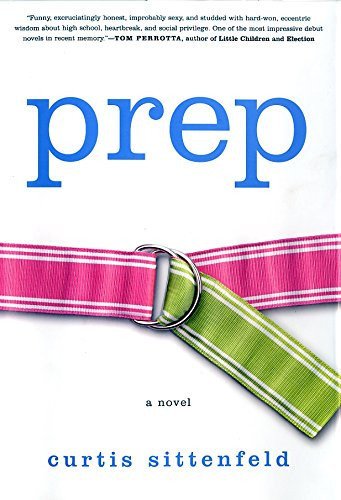
  4. Cover of Prep by Curtis Sittenfeld

    Cover not available

    Prep

    by Curtis Sittenfeld

    Curtis Sittenfeld's sparkling debut is set in an American boarding school, a hotbed of privilege, ambition and neurosis, every bit as snobbish and competitive as anything dreamed up on this side of the Atlantic. Lee Fiora is an intelligent, observant fourteen-year-old when her father drops her off at the prestigious Ault School in Massachusetts; she leaves behind her affectionate family in South Bend, Indiana, her head filled with images from the school's glossy brochure, in which boys in sweaters chat in front of old brick buildings, girls hold lacrosse sticks on pristine athletics fields, and everyone sings hymns in chapel.

    As Lee soon learns, Ault is quite unlike anything she has previously experienced, a self-enclosed world populated by jaded teenagers whose expectations, values and social rituals are utterly unfamiliar to her. At first an observer of, then a participant in the hyper-vigilant, intricately demarcated life of the school, Lee eventually finds her own place in the pecking order - until a single act of spontaneous folly shatters her carefully honed identity.

    Prep is a sharp and lucid portrait of the pain and the excitement of adolescence, and a remorseless dissection of privilege and class in the cradle of the American establishment.

    Why it's similar

    Both works center on the acute social alienation and self-consciousness of an outsider navigating the rituals, romantic entanglements, and subcultures of an elite boarding school.

    What's different

    It operates as an expansive, slow-paced psychological study aimed at adult audiences, deliberately omitting a catastrophic central mystery or sudden tragedy in favor of mundane social observation.

Looking for something else?

Use our book recommendation tool to discover books similar to any of your favorites.

Find similar books with LibroMatch