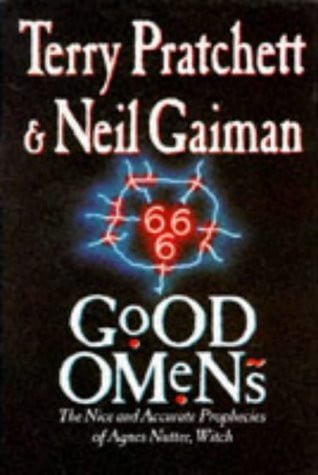
Cover of Good Omens: The Nice and Accurate Prophecies of Agnes Nutter, Witch by Terry Pratchett

5 book recommendations

Books Like “Good Omens: The Nice and Accurate Prophecies of Agnes Nutter, Witch” by Terry Pratchett

Readers adore Good Omens for its razor-sharp wit, chaotic apocalyptic humor, and the wonderfully warm friendship at the heart of celestial bureaucracy. If you are craving more clever urban fantasy and irreverent satire that will make you laugh out loud, explore our handpicked list to find your next favorite read.

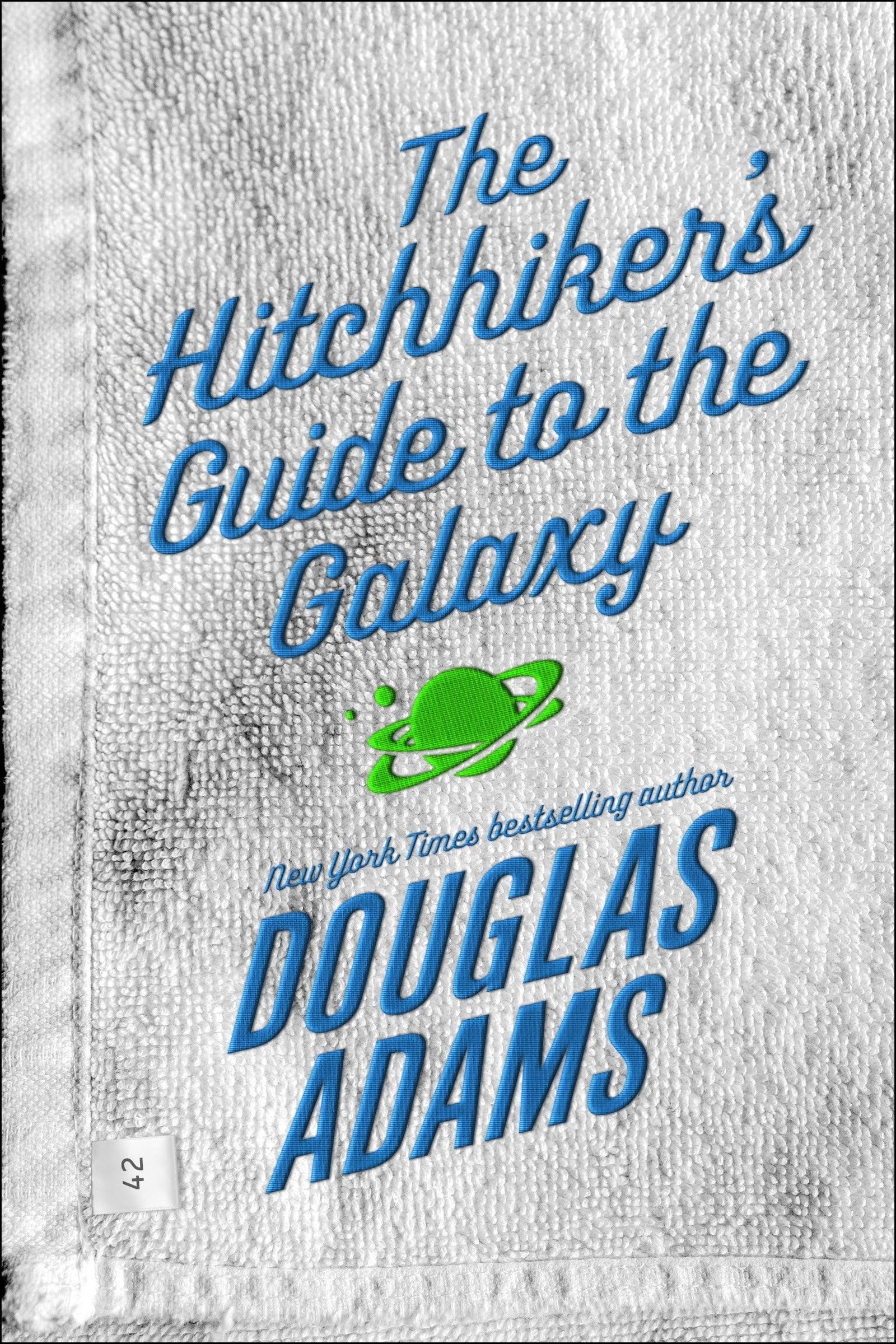
  1. Cover of The Hitchhiker's Guide to the Galaxy by Douglas Adams

    Cover not available

    The Hitchhiker's Guide to the Galaxy

    by Douglas Adams

    NEW YORK TIMES BESTSELLER • “Extremely funny . . . inspired lunacy . . . [and] over much too soon.”—The Washington Post Book World

    SOON TO BE A HULU SERIES • Now celebrating the pivotal 42nd anniversary of The Hitchhiker’s Guide to the Galaxy!

    Nominated as one of America’s best-loved novels by PBS’s The Great American Read

    It’s an ordinary Thursday morning for Arthur Dent . . . until his house gets demolished. The Earth follows shortly after to make way for a new hyperspace express route, and Arthur’s best friend has just announced that he’s an alien.

    After that, things get much, much worse.

    With just a towel, a small yellow fish, and a book, Arthur has to navigate through a very hostile universe in the company of a gang of unreliable aliens. Luckily the fish is quite good at languages. And the book is The Hitchhiker’s Guide to the Galaxy . . . which helpfully has the words DON’T PANIC inscribed in large, friendly letters on its cover.

    Douglas Adams’s mega-selling pop-culture classic sends logic into orbit, plays havoc with both time and physics, offers up pithy commentary on such things as ballpoint pens, potted plants, and digital watches . . . and, most important, reveals the ultimate answer to life, the universe, and everything.

    Now, if you could only figure out the question. . . .

    Why it's similar

    Both books feature dry, witty British satire that juxtaposes impending cosmic apocalypse with the absurdity of mundane bureaucracy. They also share an omniscient, irreverent narrative voice that frequently digresses to explain the bizarre mechanics of the universe.

    What's different

    Adams's work is space-faring science fiction rather than contemporary fantasy, focusing on galactic travel rather than biblical eschatology.
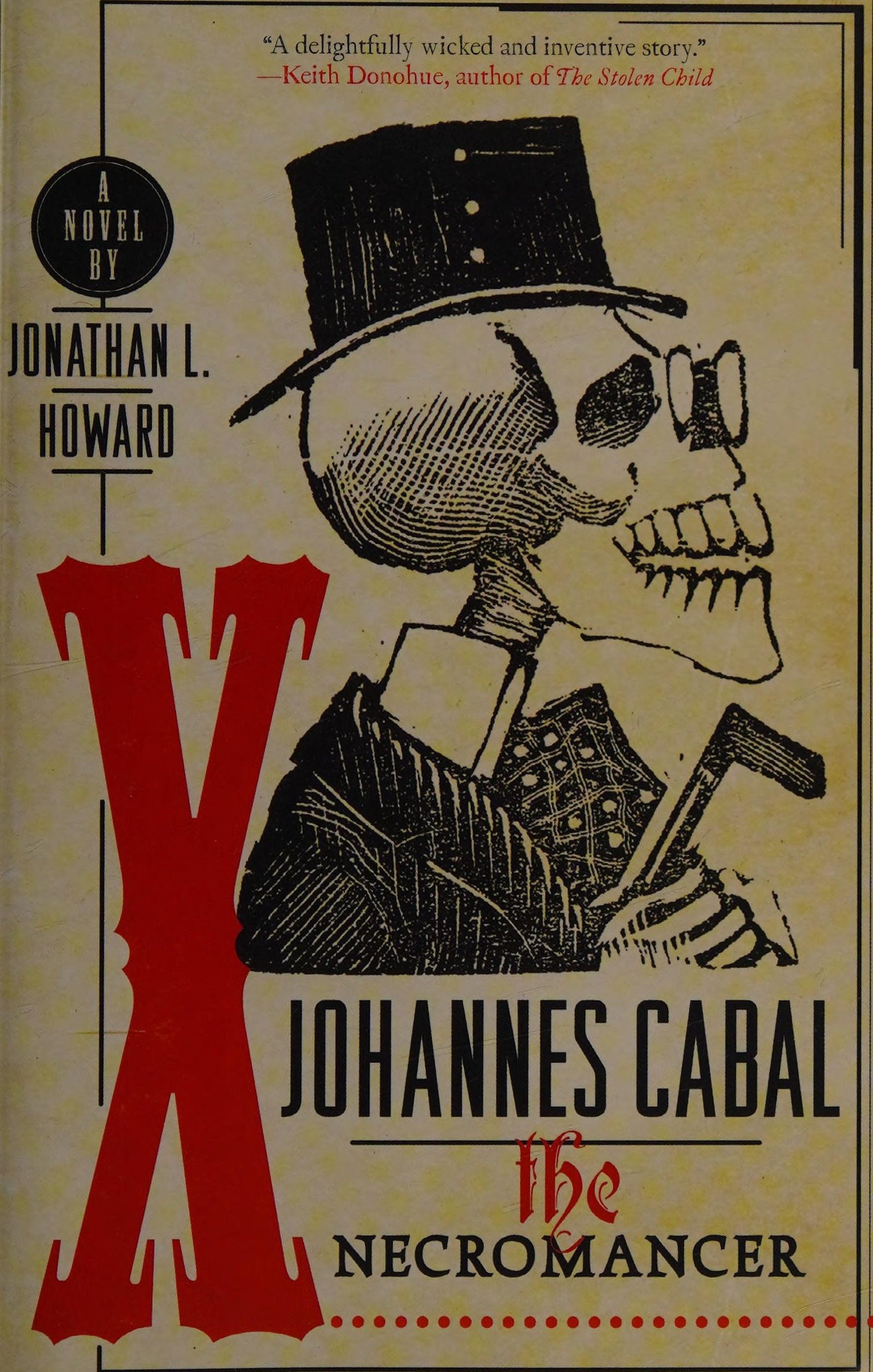
  2. Cover of Johannes Cabal the Necromancer by Jonathan L. Howard

    Cover not available

    Johannes Cabal the Necromancer

    by Jonathan L. Howard

    The page-turning first novel in the charmingly gothic, fiendishly funny Faustian series about a brilliant scientist who makes a deal with the Devil, twice. • "The spot-on work of a talented writer." —The Denver Post

    Johannes Cabal sold his soul years ago in order to learn the laws of necromancy. Now he wants it back. Amused and slightly bored, Satan proposes a little wager: Johannes has to persuade one hundred people to sign over their souls or he will be damned forever. This time for real. Accepting the bargain, Jonathan is given one calendar year and a traveling carnival to complete his task. With little time to waste, Johannes raises a motley crew from the dead and enlists his brother, Horst, a charismatic vampire to help him run his nefarious road show, resulting in mayhem at every turn.

    Why it's similar

    Both stories treat the bureaucracy of Hell and bargains with the Devil with dark, dry humor. They share a playful approach to supernatural lore and rely on sharp, satirical dialogue to drive character interactions.

    What's different

    The tone is significantly more macabre and gothic, following a solitary, cynical antihero rather than a warmhearted odd-couple partnership trying to save the world.

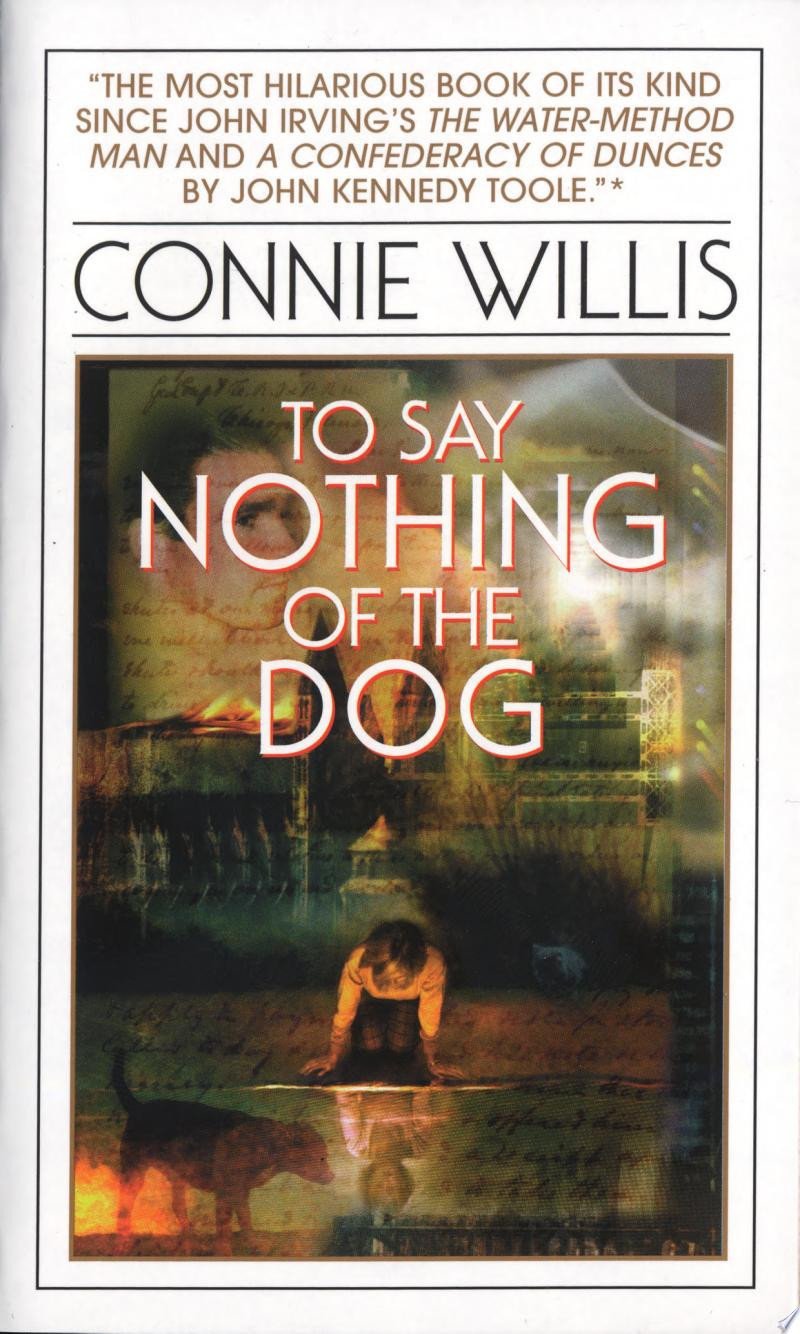
  3. Cover of To Say Nothing of the Dog by Connie Willis

    Cover not available

    To Say Nothing of the Dog

    by Connie Willis

    “Willis effortlessly juggles comedy of manners, chaos theory and a wide range of literary allusions [with a] near flawlessness of plot, character and prose.”—Publishers Weekly (starred review)

    From Connie Willis, winner of multiple Hugo and Nebula Awards, comes a comedic romp through an unpredictable world of mystery, love, and time travel.

    Ned Henry is badly in need of a rest. He’s been shuttling between the twenty-first century and the 1940s in search of a hideous Victorian vase called “the bishop’s bird stump” as part of a project to restore the famed Coventry Cathedral, destroyed in a Nazi air raid.

    But then Verity Kindle, a fellow time traveler, inadvertently brings back something from the past. Now Ned must jump to the Victorian era to help Verity put things right—not only to save the project but also to prevent altering history itself.

    Why it's similar

    Both novels feature high-energy farcical pacing where quirky characters scramble across the English countryside to avert a timeline-shattering disaster. They share a distinct, cozy British comedic atmosphere filled with eccentric personalities and divine confusion.

    What's different

    The book is rooted in science-fiction time travel and Victorian comedy of manners rather than supernatural warfare between angels and demons.

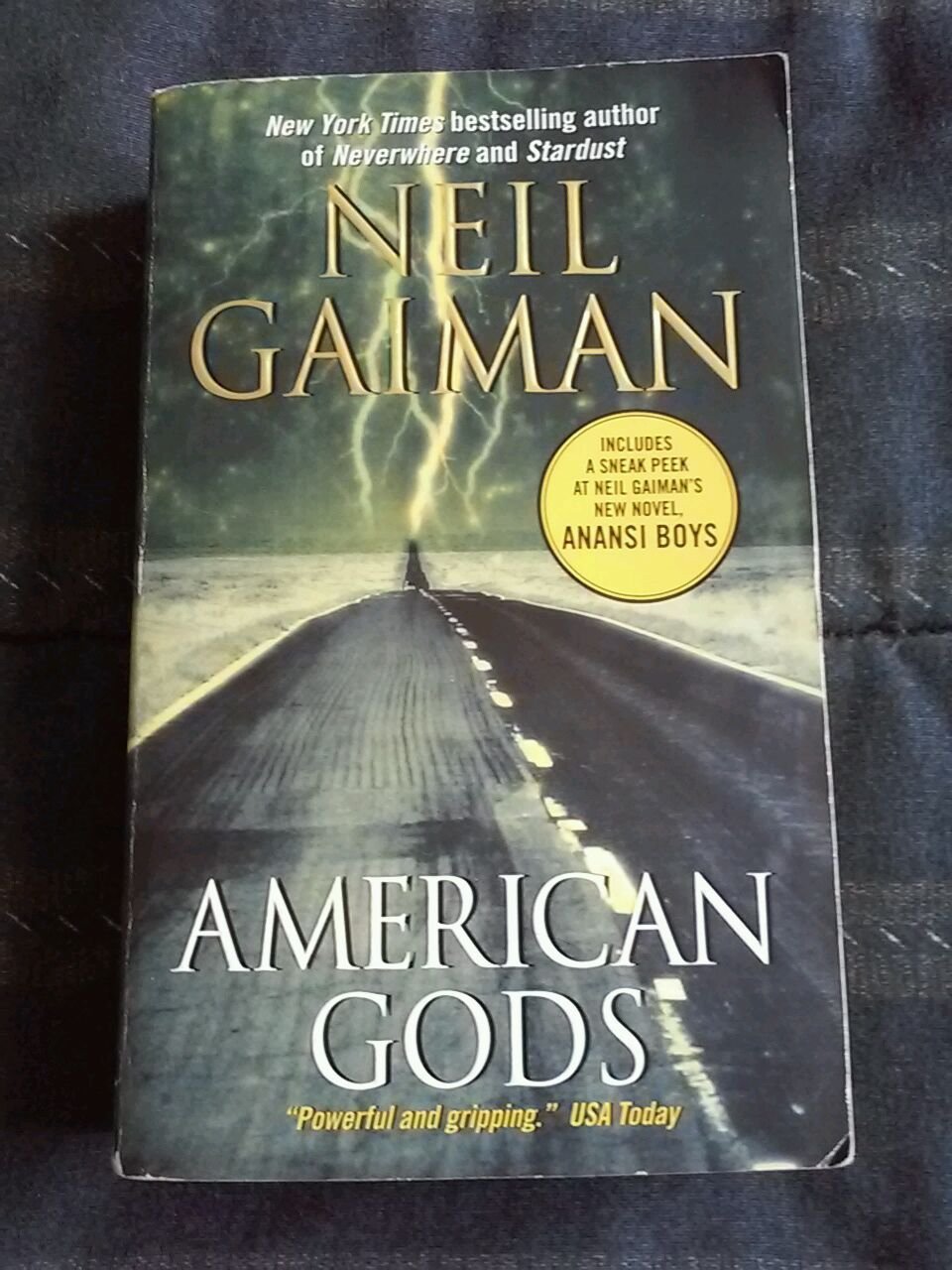
  4. Cover of American Gods by Neil Gaiman

    Cover not available

    American Gods

    by Neil Gaiman

    Shadow is a man with a past. But now he wants nothing more than to live a quiet life with his wife and stay out of trouble. Until he learns that she's been killed in a terrible accident.

    Flying home for the funeral, as a violent storm rocks the plane, a strange man in the seat next to him introduces himself. The man calls himself Mr. Wednesday, and he knows more about Shadow than is possible.

    He warns Shadow that a far bigger storm is coming. And from that moment on, nothing will ever he the same...

    Why it's similar

    Both blend mythology with contemporary settings, use a witty but irreverent narrative voice, and examine supernatural beings interacting with ordinary human life. Each also treats apocalyptic or cosmic conflict through distinctive, flawed characters rather than solemn heroic archetypes.

    What's different

    It is darker, more expansive, and more mythological, with a road-trip structure and less overt farce than Good Omens.

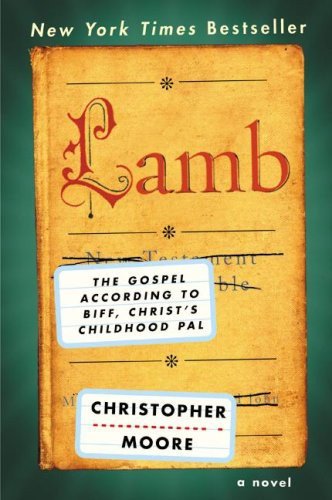
  5. Cover of Lamb: The Gospel According to Biff, Christ's Childhood Pal by Christopher Moore

    Cover not available

    Lamb: The Gospel According to Biff, Christ's Childhood Pal

    by Christopher Moore

    The birth of Jesus has been well chronicled, as have his glorious teachings, acts, and divine sacrifice after his thirtieth birthday. But no one knows about the early life of the Son of God, the missing years -- except Biff, the Messiah's best bud, who has been resurrected to tell the story in the divinely hilarious yet heartfelt work "reminiscent of Vonnegut and Douglas Adams" (Philadelphia Inquirer).

    Verily, the story Biff has to tell is a miraculous one, filled with remarkable journeys, magic, healings, kung fu, corpse reanimations, demons, and hot babes. Even the considerable wiles and devotion of the Savior's pal may not be enough to divert Joshua from his tragic destiny. But there's no one who loves Josh more -- except maybe "Maggie," Mary of Magdala -- and Biff isn't about to let his extraordinary pal suffer and ascend without a fight.

    Why it's similar

    Both are comic fantasy novels that irreverently reinterpret Christian mythology, pair supernatural or religious figures with an unlikely friendship, and use absurd situations to explore faith, prophecy, and human behavior.

    What's different

    This is a historical-religious coming-of-age satire centered on Jesus and Biff, with more sustained parody of biblical traditions and less emphasis on an impending apocalypse.

Looking for something else?

Use our book recommendation tool to discover books similar to any of your favorites.

Find similar books with LibroMatch