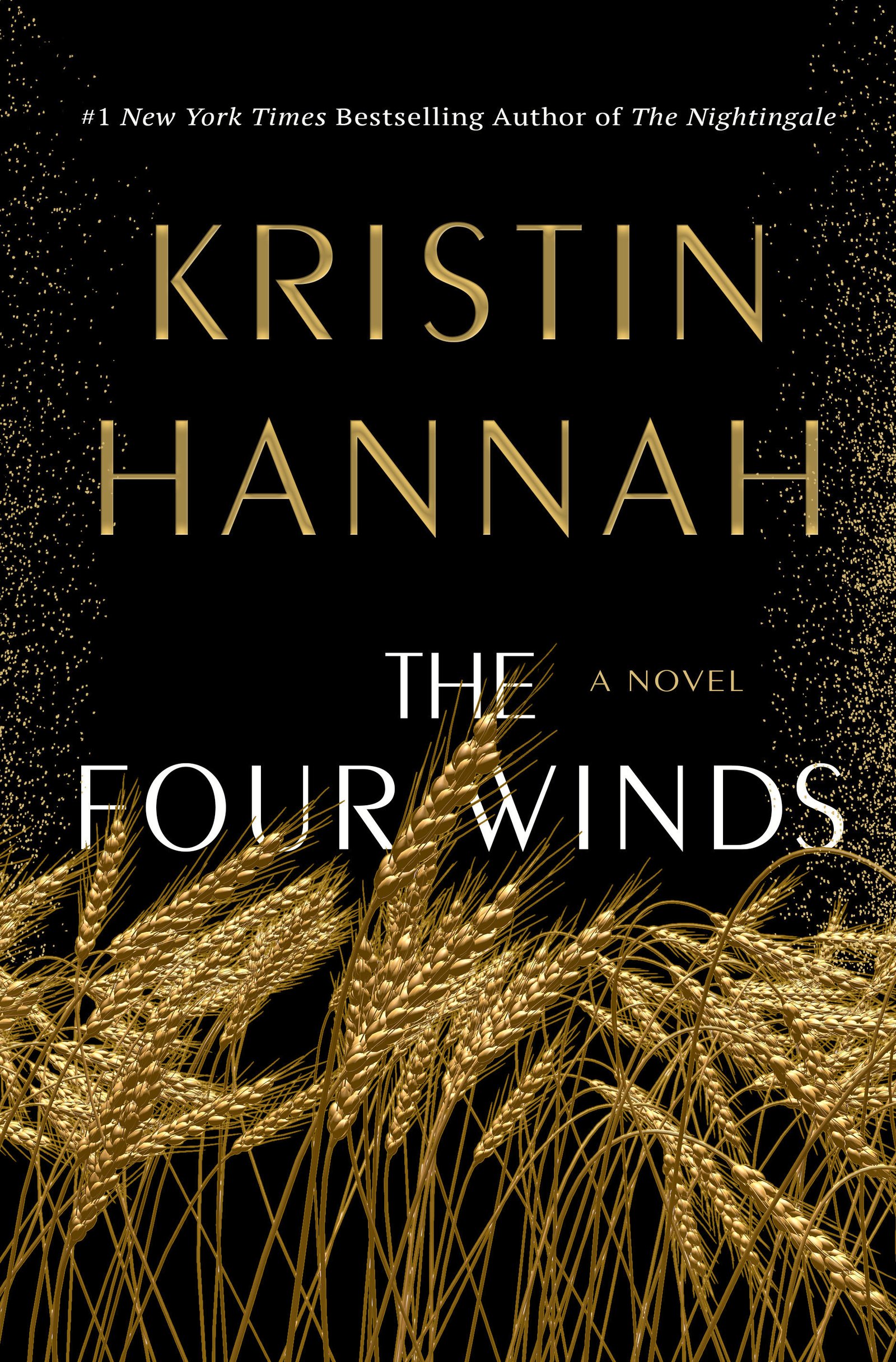
Cover of The Four Winds by Kristin Hannah

4 book recommendations

Books Like “The Four Winds” by Kristin Hannah

If you were swept away by Kristin Hannah's poignant tale of resilience, maternal love, and survival during the Dust Bowl, you are in good company. Readers cherish The Four Winds for its breathtaking historical grit and emotional depth. Dive into our handpicked collection below to discover your next deeply moving read.

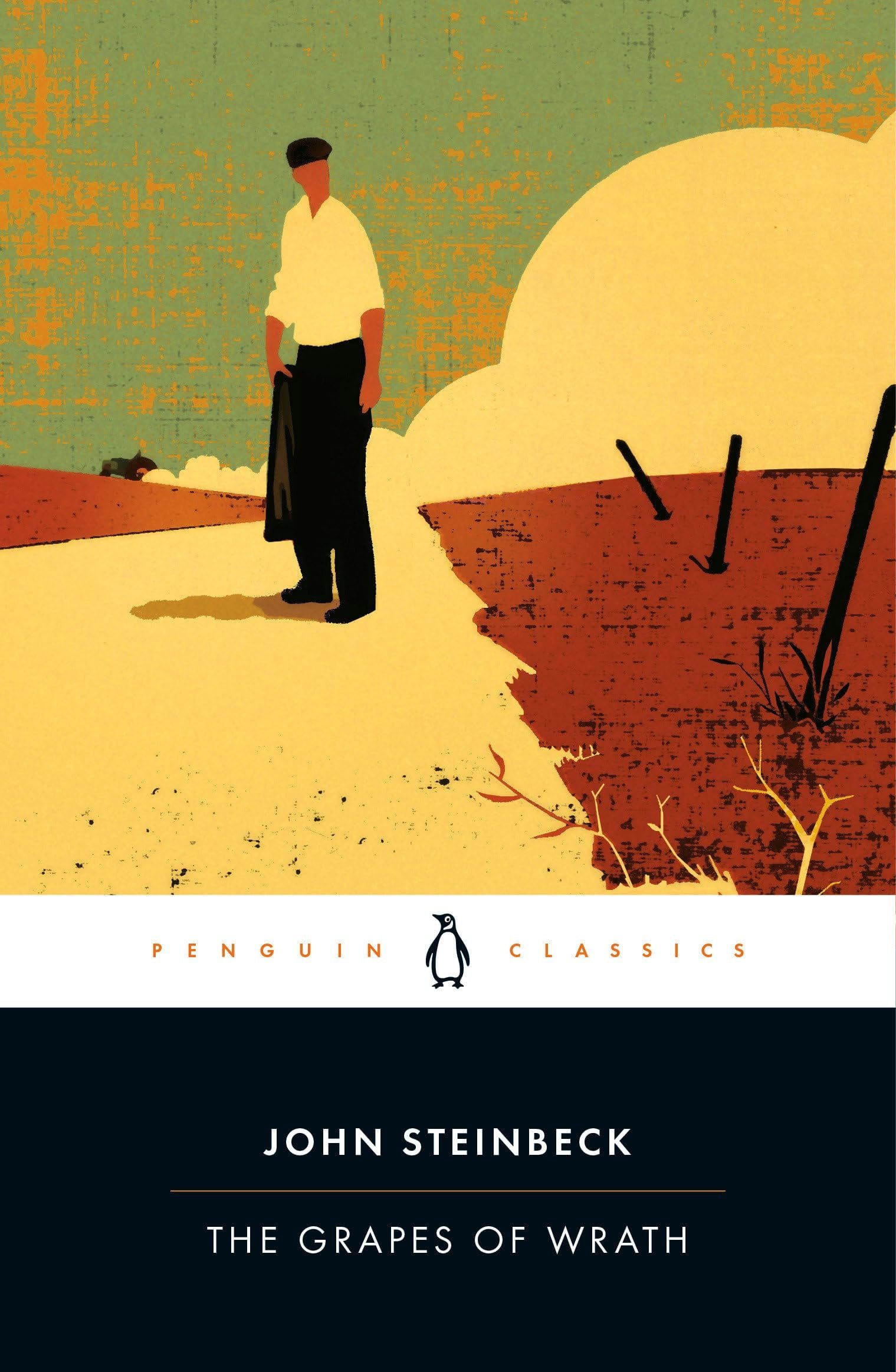
  1. Cover of The Grapes of Wrath by John Steinbeck

    Cover not available

    The Grapes of Wrath

    by John Steinbeck

    The Pulitzer Prize-winning epic of the Great Depression, a book that galvanized—and sometimes outraged—millions of readers. Nominated as one of America’s best-loved novels by PBS’s The Great American Read

    A Penguin Classic

    First published in 1939, Steinbeck’s Pulitzer Prize-winning epic of the Great Depression chronicles the Dust Bowl migration of the 1930s and tells the story of one Oklahoma farm family, the Joads—driven from their homestead and forced to travel west to the promised land of California. Out of their trials and their repeated collisions against the hard realities of an America divided into Haves and Have-Nots evolves a drama that is intensely human yet majestic in its scale and moral vision, elemental yet plainspoken, tragic but ultimately stirring in its human dignity. A portrait of the conflict between the powerful and the powerless, of one man’s fierce reaction to injustice, and of one woman’s stoical strength, the novel captures the horrors of the Great Depression and probes into the very nature of equality and justice in America. At once a naturalistic epic, captivity narrative, road novel, and transcendental gospel, Steinbeck’s powerful landmark novel is perhaps the most American of American Classics.

    This Penguin Classics edition contains an introduction and notes by Steinbeck scholar Robert Demott.

    For more than seventy years, Penguin has been the leading publisher of classic literature in the English-speaking world. With more than 1,800 titles, Penguin Classics represents a global bookshelf of the best works throughout history and across genres and disciplines. Readers trust the series to provide authoritative texts enhanced by introductions and notes by distinguished scholars and contemporary authors, as well as up-to-date translations by award-winning translators.

    Why it's similar

    Both novels share the central setting of the 1930s Dust Bowl and depict the harrowing journey of dispossessed Great Plains families migrating west to find agricultural labor in California. They each confront themes of corporate exploitation, rural poverty, and the fight for workers' rights.

    What's different

    Steinbeck's classic features an ensemble family cast and alternates narrative chapters with broad sociological commentary, whereas Hannah's novel strictly focuses on the emotional, domestic journey of a single mother.
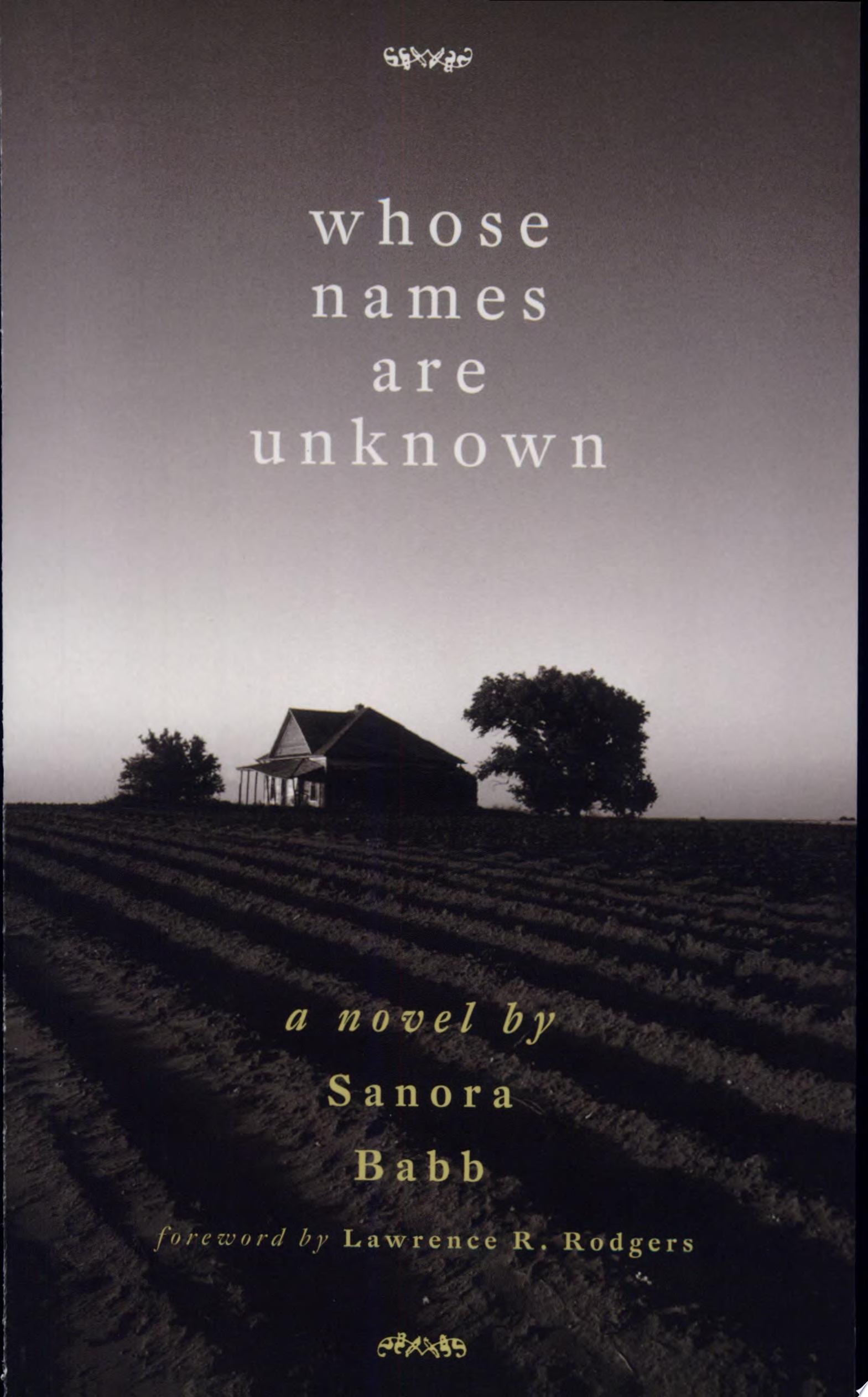
  2. Cover of Whose Names Are Unknown by Sanora Babb

    Cover not available

    Whose Names Are Unknown

    by Sanora Babb

    Sanora Babb’s long-hidden novel Whose Names Are Unknown tells an intimate story of the High Plains farmers who fled drought dust storms during the Great Depression. Written with empathy for the farmers’ plight, this powerful narrative is based upon the author’s firsthand experience.

    This clear-eyed and unsentimental story centers on the fictional Dunne family as they struggle to survive and endure while never losing faith in themselves. In the Oklahoma Panhandle, Milt, Julia, their two little girls, and Milt’s father, Konkie, share a life of cramped circumstances in a one-room dugout with never enough to eat. Yet buried in the drudgery of their everyday life are aspirations, failed dreams, and fleeting moments of hope. The land is their dream.

    The Duanne family and the farmers around them fight desperately for the land they love, but the droughts of the thirties force them to abandon their fields. When they join the exodus to the irrigated valleys of California, they discover not the promised land, but an abusive labor system arrayed against destitute immigrants. The system labels all farmers like them as worthless “Okies” and earmarks them for beatings and worse when hardworking men and women, such as Milt and Julia, object to wages so low they can’t possibly feed their children. The informal communal relations these dryland farmers knew on the High Plains gradually coalesce into a shared determination to resist. Realizing that a unified community is their best hope for survival, the Dunnes join with their fellow workers and begin the struggle to improve migrant working conditions through democratic organization and collective protest.

    Babb wrote Whose Names are Unknown in the 1930s while working with refugee farmers in the Farm Security Administration (FSA) camps of California. Originally from the Oklahoma Panhandle are herself, Babb, who had first come to Los Angeles in 1929 as a journalist, joined FSA camp administrator Tom Collins in 1938 to help the uprooted farmers. As Lawrence R. Rodgers notes in his foreword, Babb submitted the manuscript for this book to Random House for consideration in 1939. Editor Bennett Cerf planned to publish this “exceptionally fine” novel but when John Steinbeck’s The Grapes of Wrath swept the nation, Cerf explained that the market could not support two books on the subject.

    Babb has since shared her manuscript with interested scholars who have deemed it a classic in its own right. In an era when the country was deeply divided on social legislation issues and millions drifted unemployed and homeless, Babb recorded the stories of the people she greatly respected, those “whose names are unknown.” In doing so, she returned to them their identities and dignity, and put a human face on economic disaster and social distress.

    Why it's similar

    Written by an author who worked directly in California Farm Security Administration camps, this novel mirrors Hannah's portrayal of high plains crop failures, desperate westward flight, and labor strikes in the California fields. Both emphasize the quiet resilience of women bearing the brunt of domestic survival during the Great Depression.

    What's different

    Babb's prose utilizes understated, documentary-style realism drawn from firsthand field notes, avoiding the sweeping melodrama and heightened emotional climaxes typical of Hannah's commercial fiction style.

  3. Cover of Out of the Dust by Karen Hesse

    Cover not available

    Out of the Dust

    by Karen Hesse

    Acclaimed author Karen Hesse's Newbery Medal-winning novel-in-verse explores the life of fourteen-year-old Billie Jo growing up in the dust bowls of Oklahoma.
    Out of the Dust joins the Scholastic Gold line, which features award-winning and beloved novels. Includes exclusive bonus content!"Dust piles up like snow across the prairie. . . ."A terrible accident has transformed Billie Jo's life, scarring her inside and out. Her mother is gone. Her father can't talk about it. And the one thing that might make her feel better -- playing the piano -- is impossible with her wounded hands.To make matters worse, dust storms are devastating the family farm and all the farms nearby. While others flee from the dust bowl, Billie Jo is left to find peace in the bleak landscape of Oklahoma -- and in the surprising landscape of her own heart.

    Why it's similar

    Like the early acts of Hannah's novel, this work immerses the reader in the suffocating physical realities of the Oklahoma Dust Bowl, detailing black blizzards, respiratory illness, and deep family grief during the 1930s.

    What's different

    It is written entirely in spare, free-verse poetry targeted toward young adult readers and remains rooted in the devastated farmland rather than undertaking an exodus to California.

  4. Cover of Before We Were Yours by Lisa Wingate

    Cover not available

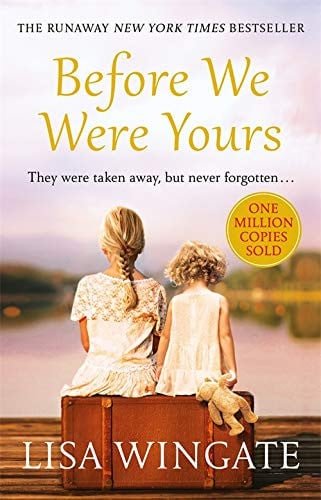
    Before We Were Yours

    by Lisa Wingate

    **The No.1 New York Times, million-copy bestseller**

    Memphis, Tennessee, 1939

    Twelve-year-old Rill Foss and her four younger siblings live a magical life aboard their family's Mississippi River shantyboat. But when their father must rush their mother to the hospital one stormy night, Rill is left in charge, until strangers arrive in force. Wrenched from all that is familiar and thrown into a Tennessee Children's Home Society orphanage, the Foss children are assured that they will soon be returned home - but they quickly realize the dark truth . . .

    Aiken, South Carolina, present day

    Born into wealth and privilege, Avery Stafford seems to have it all. But when Avery returns home to help her father weather a health crisis, a chance encounter leaves her with uncomfortable questions and compels her to take a journey through her family's long-hidden history, on a path that will ultimately lead either to devastation or to redemption.

    Based on one of America's most notorious real-life scandals, Before We Were Yours is a riveting, wrenching and ultimately uplifting global bestseller. Perfect for fans of Where the Crawdads Sing.

    'A tale of enduring power' Paula McLain

    'Such a powerful, emotional story' 5* reader review

    'It is impossible not to get swept up in this near-perfect novel' Huffington Post

    'What a great book, you just can't put it down' 5* reader review

    Why it's similar

    Both works are dramatic historical fiction centered on the vulnerability of children and the desperate resilience of families fractured by Great Depression-era poverty. They each examine how vulnerable families were exploited by corrupt institutions and powerful local interests.

    What's different

    Wingate employs a dual-timeline structure alternating between the 1939 Tennessee Children's Home Society scandal and a contemporary mystery, while Hannah maintains a single, linear historical narrative.

Looking for something else?

Use our book recommendation tool to discover books similar to any of your favorites.

Find similar books with LibroMatch