Cover of Life of Pi by Yann Martel

5 book recommendations

Books Like “Life of Pi” by Yann Martel

Readers cherish Life of Pi for its mesmerizing blend of harrowing survival, philosophical depth, and magical realism that celebrates the endurance of the human spirit. If you crave another profound story testing faith and resilience in the face of isolation, look no further. Explore our curated recommendations below to discover your next unforgettable literary adventure.

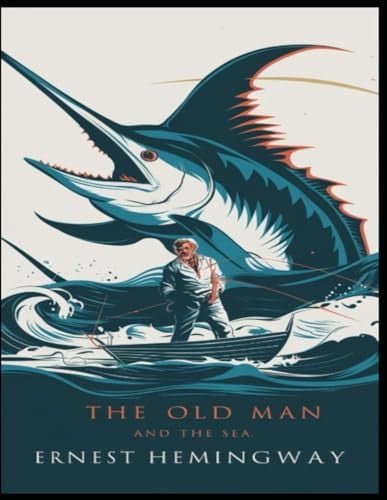
  1. Cover of The Old Man and the Sea by Ernest Hemingway

    Cover not available

    The Old Man and the Sea

    by Ernest Hemingway

    On the eighty-fifth day of no catches, old Cuban fisherman Santiago sets out past the shallows of his usual fishing grounds to break his streak of bad luck. Without his younger apprentice Manolin to help him, Santiago struggles to reel in the biggest catch of his life—a giant marlin that pulls his boat along for three days and three nights. Once his prey is captured, Santiago must fight off other dangers to make his way home again.

    Why it's similar

    Both works center on a lone protagonist enduring an extreme survival test against the elements at sea while forming a deep, almost spiritual connection with a wild marine animal. Each story uses a maritime struggle as an extended allegory for human resilience and faith.

    What's different

    Hemingway employs a stark, minimalist realist style focused on an aging man, lacking the magical realism, multi-faith theological musings, and framing mystery found in Martel's work.
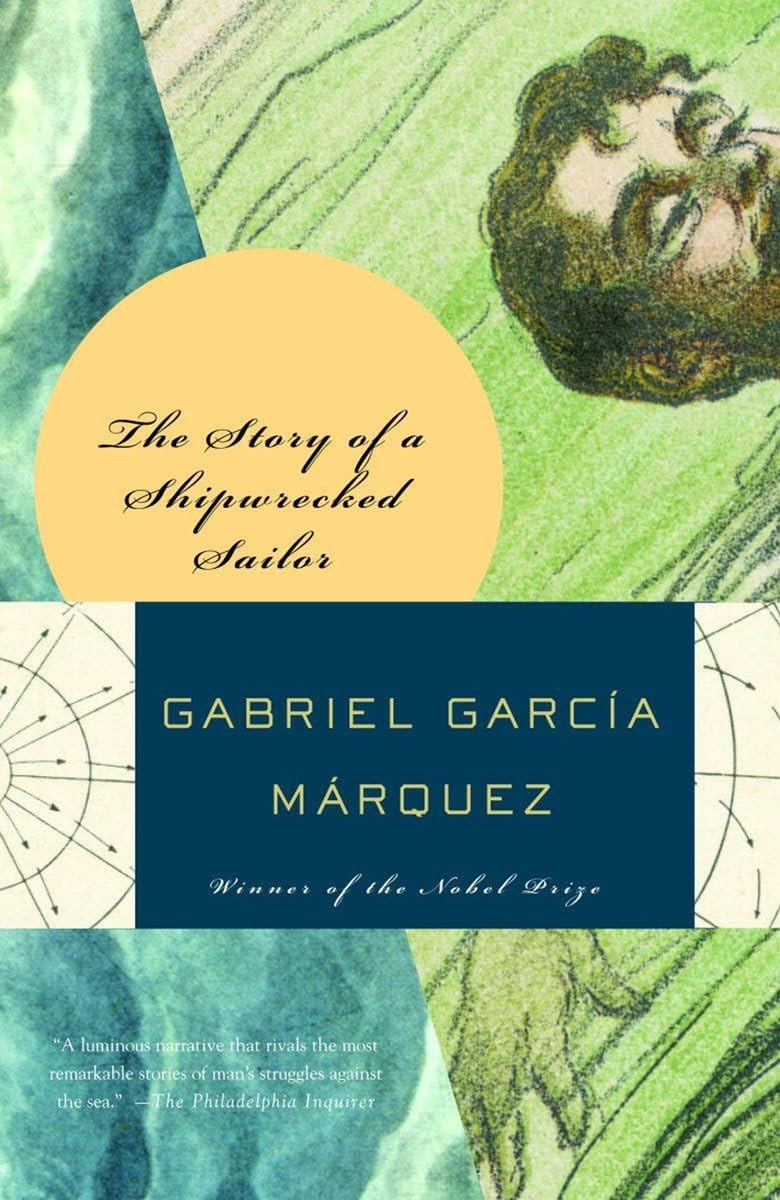
  2. Cover of The Story of a Shipwrecked Sailor by Gabriel García Márquez

    Cover not available

    The Story of a Shipwrecked Sailor

    by Gabriel García Márquez

    In 1955, Garcia Marquez was working for El Espectador, a newspaper in Bogota, when in February of that year eight crew members of the Caldas, a Colombian destroyer, were washed overboard and disappeared. Ten days later one of them turned up, barely alive, on a deserted beach in northern Colombia. This book, which originally appeared as a series of newspaper articles, is Garcia Marquez's account of that sailor's ordeal.

    Translated by Randolf Hogan.

    Why it's similar

    Both narratives capture the psychological and physical trial of a solitary castaway stranded on an open raft, dealing with sunstroke, starvation, hallucinations, and sea predators. Each explores how the human mind sustains hope in total oceanic isolation.

    What's different

    García Márquez presents a grounded, journalistic reconstruction of true events rather than an allegorical or fantastical tale dealing with explicit religious exploration.

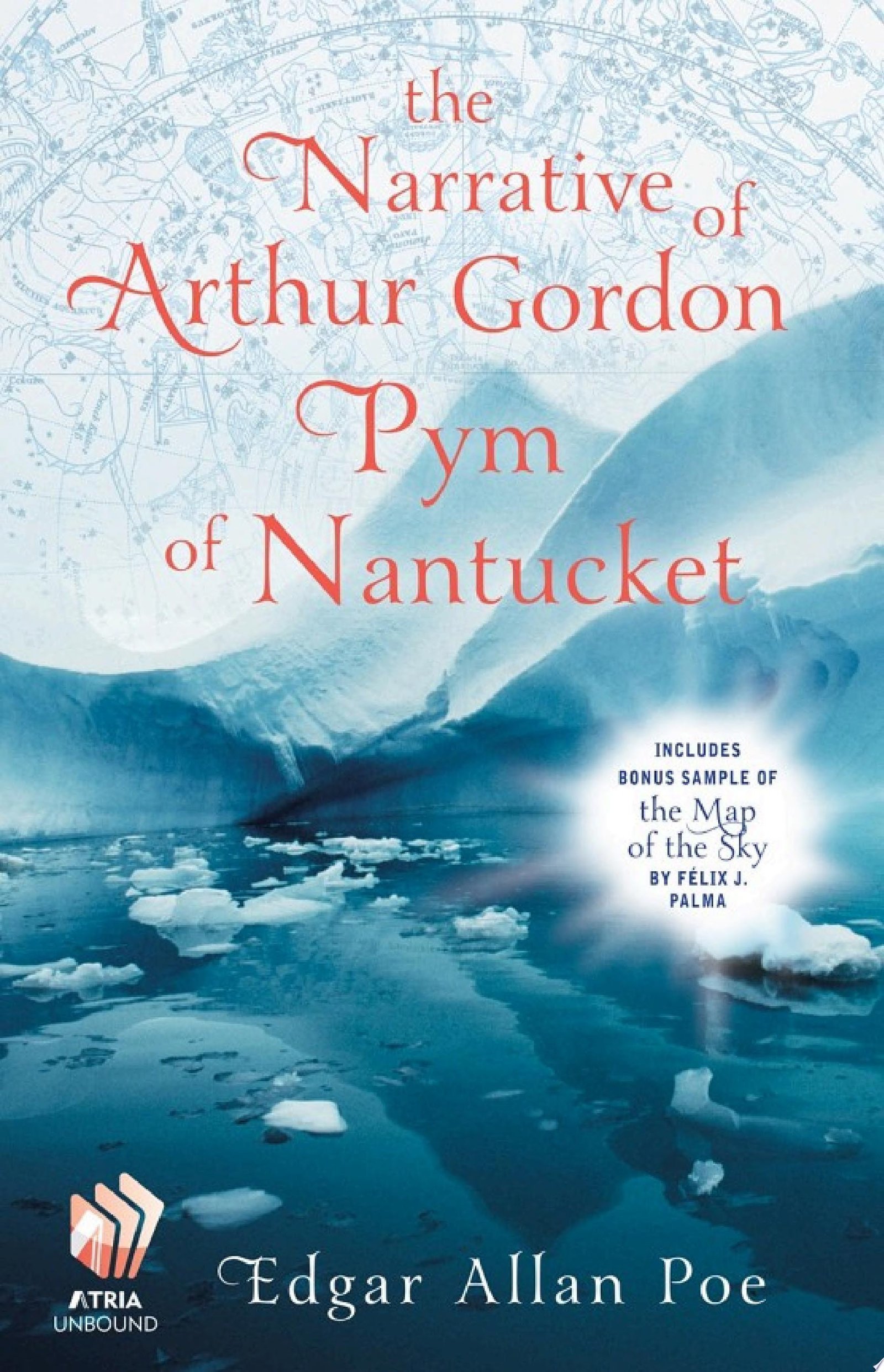
  3. Cover of The Narrative of Arthur Gordon Pym of Nantucket by Edgar Allan Poe

    Cover not available

    The Narrative of Arthur Gordon Pym of Nantucket

    by Edgar Allan Poe

    Arthur Gordon Pym is a stowaway on the Nantucket whaling ship Grampus. During his journey he endures shipwreck, mutiny, starvation and cannibalism. Arthur is saved by the crew of Jane Guy and continues his adventures further south, eventually reaching the South Pole.

    Edgar Allan Poe is an essential figure in literature, as well as in the international bestseller The Map of the Sky by Félix J. Palma. As a gift to our readers, we are including an excerpt of The Map of the Sky in this eBook edition.

    Why it's similar

    Both stories depict harrowing sea survival on a disabled vessel plagued by hunger and desperate decisions, and Martel famously borrowed the name Richard Parker from a stranded sailor in Poe's novel. Both explore the boundary where extreme survival bends reality.

    What's different

    Poe's novel belongs to the gothic horror and bizarre supernatural tradition, featuring a much darker, macabre tone compared to the philosophical warmth and spiritual inquiry in Life of Pi.

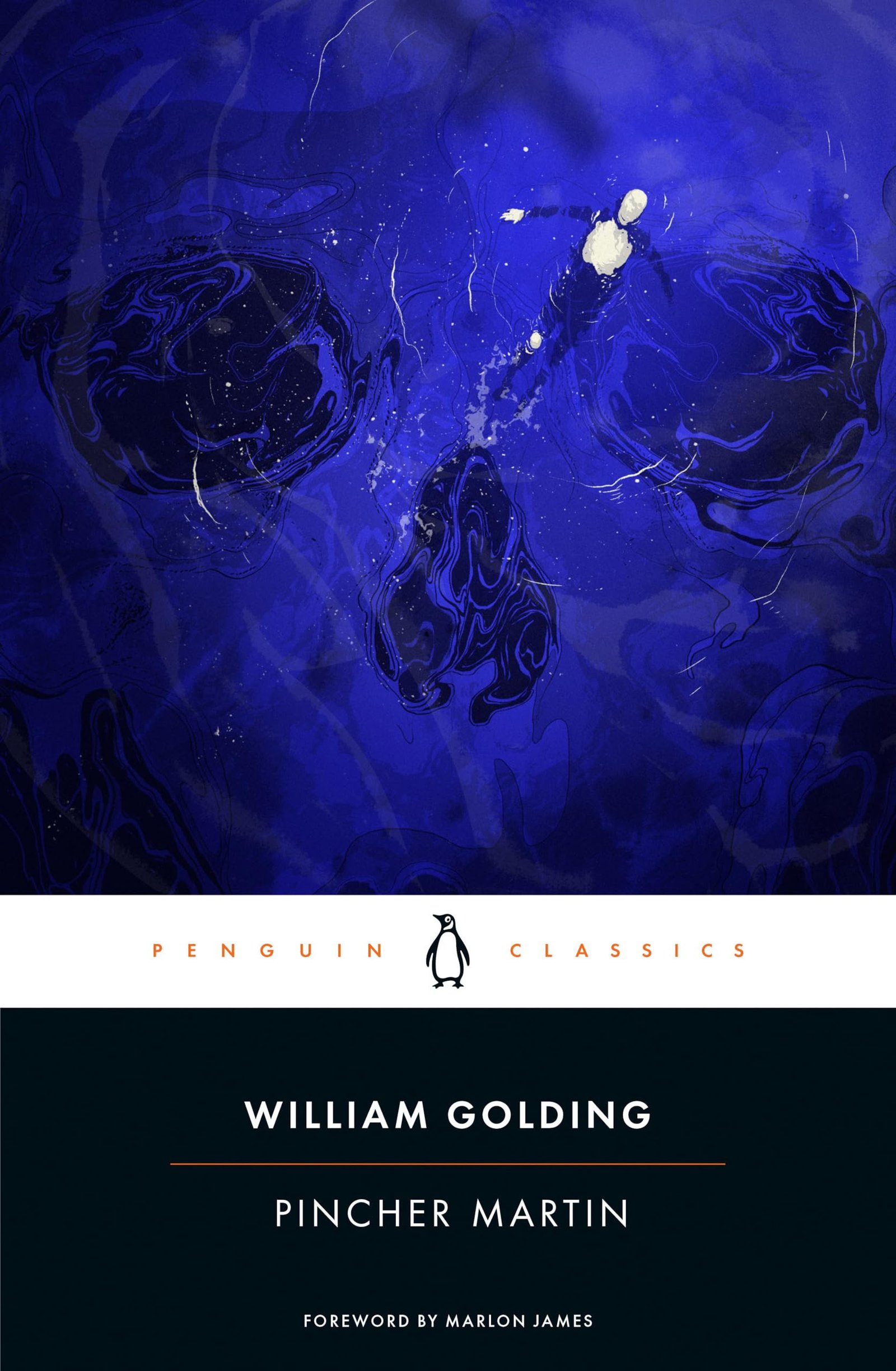
  4. Cover of Pincher Martin by William Golding

    Cover not available

    Pincher Martin

    by William Golding

    An hour on this rock is a lifetime.

    A Penguin Classic

    Drowning in the freezing North Atlantic, Christopher “Pincher” Martin, temporary lieutenant, happens upon a grotesque rock, an island that appears only on weather charts. To drink, there is a pool of rainwater; to eat, there are weeds and sea anemones. Through the long hours with only himself to talk to, Martin must try to assemble the truth of his fate, piece by terrible piece.

    After Lord of the Flies, William Golding wrote novels that further explored the complexities of human nature, not only social tendencies but the psychological underpinnings of human consciousness. This edition provides a Suggestions for Further Exploration section that identifies key themes throughout Golding’s novels—including Pincher Martin, first published in 1956—and connections to classic and contemporary fiction, nonfiction, film, and television.

    Penguin Classics is the leading publisher of classic literature in the English-speaking world, representing a global bookshelf of the best works throughout history and across genres and disciplines. Readers trust the series to provide authoritative texts enhanced by introductions and notes by distinguished scholars and contemporary authors, as well as up-to-date translations by award-winning translators.

    Why it's similar

    Both books feature an ocean castaway fighting for life in isolation while wrestling with vivid visions, memory, and profound existential questions about mortality and God. Both narratives ultimately turn on a twist that questions the objective reality of the survival ordeal.

    What's different

    Golding's tone is cynical, grim, and intensely claustrophobic, exploring human selfishness and damnation rather than Martel's compassionate defense of faith and storytelling.

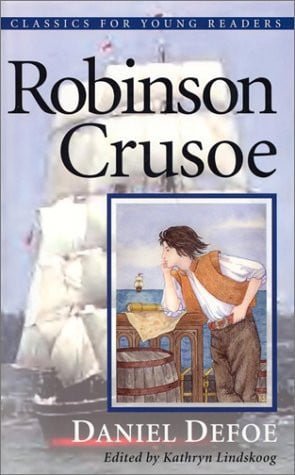
  5. Cover of Robinson Crusoe by Daniel Defoe

    Cover not available

    Robinson Crusoe

    by Daniel Defoe

    For more than 270 years, readers of all ages have been fascinated by the story of a young fool who ran away from wealth, security, and family for a rough life at sea--and came to his senses too late, alone on a tropical island. Alone, except for cannibals and God. Robinson Crusoe's adventure takes place on an island near the Orinoco River of Venezuela. Adjusting to the primitive conditions, he learns to make tools, shelter, bread, clothes, baskets, and canoes. More importantly, he becomes a Christian. Modern editions often leave out Crusoe's long struggle with God and his slow transformation as he studies and applies God's Word. As part of P&R's Classics for Young Readers series, Kathryn Lindskoog has edited Robinson Crusoe for today's reader, faithfully preserving every detail of the original story. Full-page illustrations are featured to add to your reading pleasure.

    Why it's similar

    Both follow young survivors isolated at sea and forced to adapt to an uninhabited or nearly uninhabited setting; each combines detailed survival challenges with religious reflection and questions about providence.

    What's different

    Robinson Crusoe is an earlier adventure and colonial survival narrative emphasizing practical self-sufficiency, resource management, and explicit Christian reflection more than Life of Pi’s psychological and metafictional ambiguity.

Looking for something else?

Use our book recommendation tool to discover books similar to any of your favorites.

Find similar books with LibroMatch