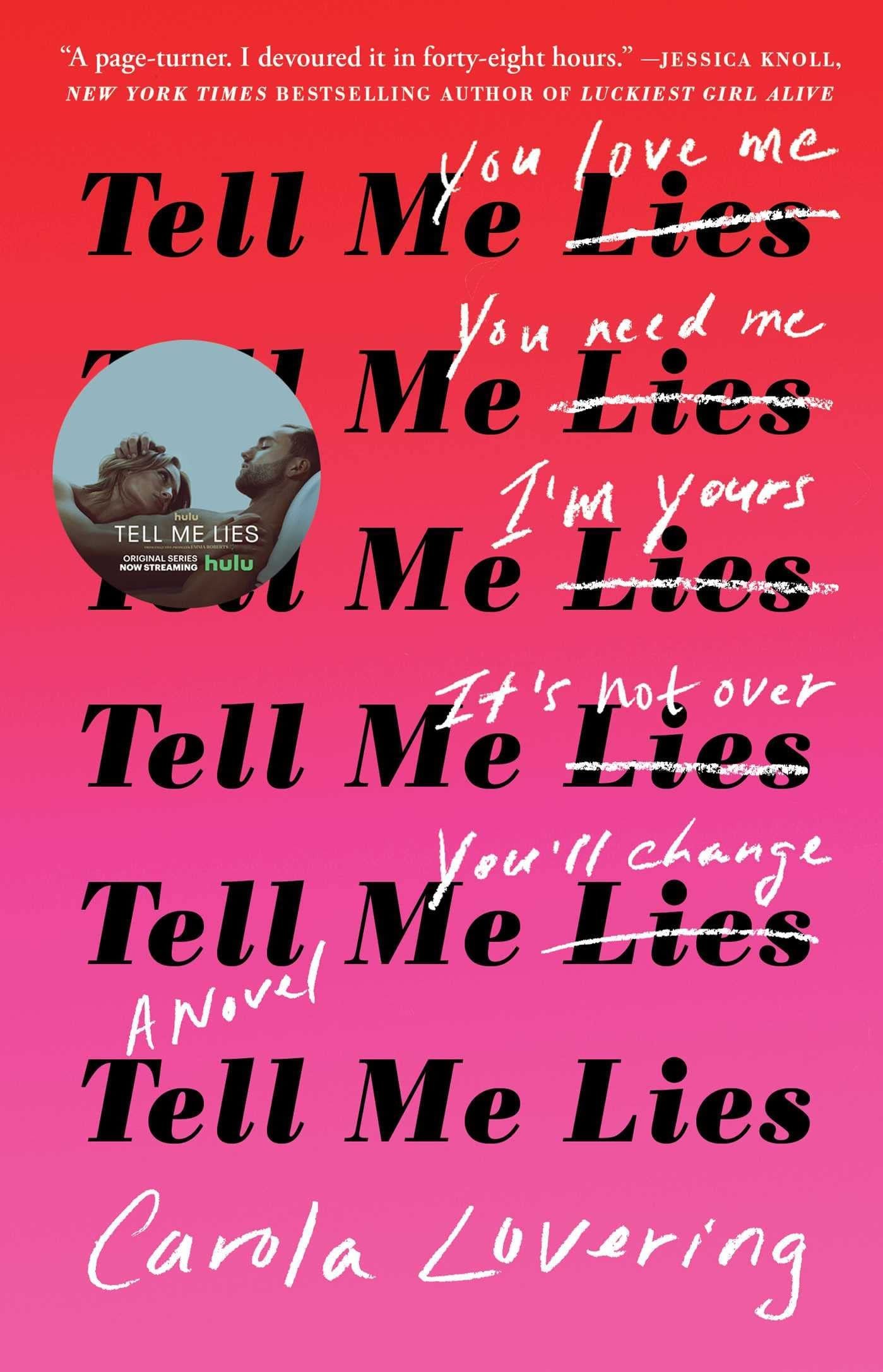
Cover of Tell Me Lies by Carola Lovering

6 book recommendations

Books Like “Tell Me Lies” by Carola Lovering

If you were captivated by the intoxicating toxicity, obsessive romance, and sharp psychological drama of Tell Me Lies, you are not alone. Readers cannot get enough of its gripping exploration of destructive passion and dark, lingering secrets. Explore our curated recommendations below to find your next addictive, unputdownable obsession.

  1. Cover of Acts of Desperation by Megan Nolan

    Cover not available

    Acts of Desperation

    by Megan Nolan

    "A love story like no other."--Karl Ove Knausgaard

    "Hot as viscera." --The New Republic

    A "blistering anti-romance" (Catherine Lacey) about love addiction and what it does to us.

    Wouldn't I do anything to reverse my loss, the absence of him?

    In the first scene of this provocative gut-punch of a novel, our unnamed narrator meets a magnetic writer named Ciaran and falls, against her better judgment, completely in his power. After a brief, all-consuming romance he abruptly rejects her, sending her into a tailspin of jealous obsession and longing. If he ever comes back to her, she resolves to hang onto him and his love at all costs, even if it destroys her...

    Part breathless confession, part lucid critique, Acts of Desperation renders a consciousness split between rebellion and submission, between escaping degradation and eroticizing it, between loving and being lovable. With unsettling, electric precision, Nolan dissects one of life's most elusive mysteries: Why do we want what we want, and how do we want it?

    Heralding the arrival of a stunning new literary talent, Acts of Desperation interrogates the nature of fantasy, desire, and power, challenging us to reckon honestly with our own insatiability.

    Why it's similar

    Both novels explore an all-consuming, toxic relationship in early adulthood where a young woman becomes dangerously obsessed with an emotionally withholding, manipulative partner. They share an unflinching, psychological focus on how romantic infatuation can erode self-worth and decision-making over time.

    What's different

    Nolan's novel is told through a raw, intensely introspective single first-person perspective rather than alternating viewpoints, and it operates as a literary character study rather than a pacing-driven drama featuring past-and-present secrets.
  2. Cover of The Love Affairs of Nathaniel P. by Adelle Waldman

    Cover not available

    The Love Affairs of Nathaniel P.

    by Adelle Waldman

    Nathaniel Piven is a rising star in Brooklyn's literary scene. After an early life as a class-A nerd and several lean, striving years, he now (to his surprise) has a lucrative book deal, his pick of plum magazine assignments, and the attentions of many desirable women: Juliet, the hotshot business journalist; Elisa, Nate's gorgeous ex-girlfriend, now friend; Hannah, lively, fun and 'almost universally regarded as nice and smart, or smart and nice'. Within this twenty-first century literary conclave, wit and conversation are not all dead. But is romance?

    Why it's similar

    Like the chapters in Tell Me Lies told from Stephen's perspective, this book delves into the internal rationalizations and narcissism of a charming, self-involved young man navigating dating and career ambitions in New York City. Both examine subtle emotional manipulation and the power dynamics of modern romance.

    What's different

    Waldman's work is a satirical social novel centered entirely on intellectual millennial dating culture rather than a dark, suspenseful relationship drama spanning over a decade.

  3. Cover of Luckiest Girl Alive by Jessica Knoll

    Cover not available

    Luckiest Girl Alive

    by Jessica Knoll

    "In a riveting debut novel that reads like Prep meets Gone Girl, a young woman is determined to create the perfect life--husband, home, and career--until a violent incident from her past threatens to unravel everything and expose her most shocking secret of all. Twenty-eight-year-old New Yorker Ani FaNelli seems to have it all: she's a rising star at The Women's Magazine, impossibly fit, perfectly groomed, and about to marry Luke Harrison, a handsome blueblood. But behind that veneer of perfection lies a vulnerability that Ani holds close and buries deep--a very violent and public trauma from her past that has left her constantly trying to reinvent herself. And only she knows how far she would go to keep her secrets safe. When a documentary producer invites Ani to tell her side of the chilling incident that took place when she was a teenager at the prestigious Bradley School, she hopes it will be an opportunity for public vindication. Armed with the trappings of success--expensive clothes, high-powered byline, a massive engagement ring--she is determined to silence the whispers of suspicion and blame from her past, and prove once and for all how far she's come since Bradley. She'll even let them film her lavish wedding on Nantucket, the final step in her transformation. But perfection doesn't come without cost. As the wedding and filming converge, Ani's meticulously crafted facade begins to buckle and crack--until an explosive revelation offers her a final chance at redemption, even as it rocks her picture-perfect world. Equal parts glitz and darkness, and with a singular voice and twisting plot, Luckiest Girl Alive reads like Sex & the City--if Carrie Bradshaw had a closet full of skeletons instead of shoes. In Ani FaNelli, Jessica Knoll has created a complex and vulnerable heroine who you'll be rooting for to the very last page"--

    Why it's similar

    Both books feature a glamorous, status-conscious young woman in New York City whose seemingly put-together life is shaped by dark, manipulative relationship trauma and secrets rooted in her school years. They utilize split timelines juxtaposing the protagonist's youth with her twenties to slowly reveal past indiscretions.

    What's different

    Knoll's narrative leans much more into the mystery-thriller genre and centers on the fallout of violent, systemic trauma rather than an extended, toxic romantic entwinement.

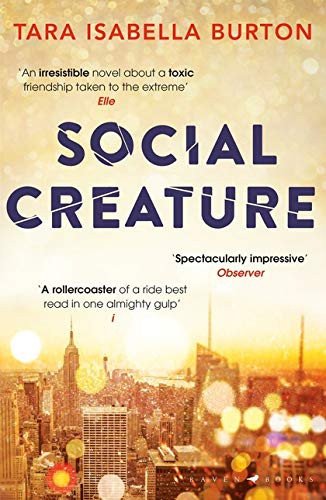
  4. Cover of Social Creature by Tara Isabella Burton

    Cover not available

    Social Creature

    by Tara Isabella Burton

    'A Ripleyesque exploration of female insecurity set among the socialites of Manhattan' Guardian, Books of the Year

    'An irresistible novel about a toxic friendship taken to the extreme' Elle

    Louise is struggling to survive in New York; juggling a series of poorly paid jobs, renting a shabby flat, being catcalled by her creepy neighbour, she dreams of being a writer. And then one day she meets Lavinia. Lavinia who has everything - looks, money, clothes, friends, an amazing apartment...

    Lavinia invites Louise into her charmed circle, takes her to the best underground speakeasies, the opera, shares her clothes, her drugs, her Uber account. Louise knows that this can't last for ever, but just how far is she prepared to go to have this life? Or rather, to have Lavinia's life?

    Why it's similar

    Both stories capture the seductive, dangerous nature of obsession and deceit among twenty-somethings in New York City, showing how young people can be manipulated into compromising their morals for belonging and love. Each features protagonists drawn into deceptive, destructive dynamics that escalate over time.

    What's different

    The central relationship in Social Creature is a codependent friendship between two women that crosses into criminal thriller territory, rather than a prolonged college-to-adult romantic dynamic.

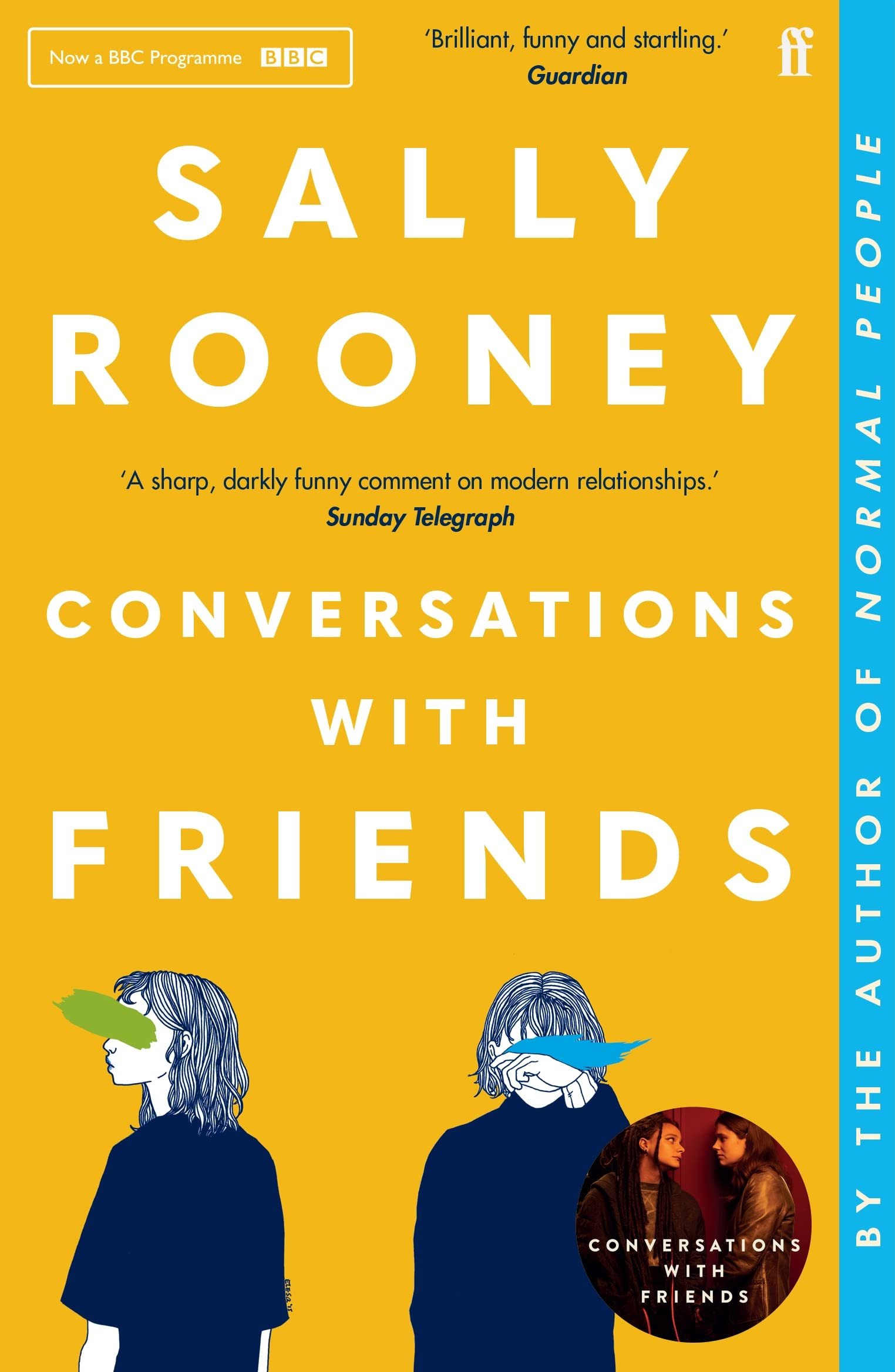
  5. Cover of Conversations with Friends by Sally Rooney

    Cover not available

    Conversations with Friends

    by Sally Rooney

    Frances is twenty-one years old, cool-headed, and darkly observant. A college student in Dublin and aspiring writer, she works at a literary agency by day. At night, she performs spoken word with her best friend Bobbi, who used to be her girlfriend. When they are profiled by Melissa, a well-known journalist, they enter an exotic orbit of beautiful houses, raucous dinner parties and holidays in Provence. Initially unimpressed, Frances finds herself embroiled in a risky menage-a-quatre when she begins an affair with Nick, Melissa's actor husband. Desperate to reconcile herself to the desires and vulnerabilities of her body, Frances's intellectual certainties begin to yield to something new - a painful and disorienting way of living from moment to moment.

    Why it's similar

    Both books explore the turbulent, boundary-crossing romantic entanglements of college students involved in secretive, asymmetric relationships with older or manipulative partners. They share themes of emotional vulnerability, secrecy, and the painful learning curve of early adult sexuality.

    What's different

    Rooney's tone is spare, quiet, and literary, eschewing the fast-paced, high-stakes suspense and overt sociopathy that drive the central conflict in Tell Me Lies.

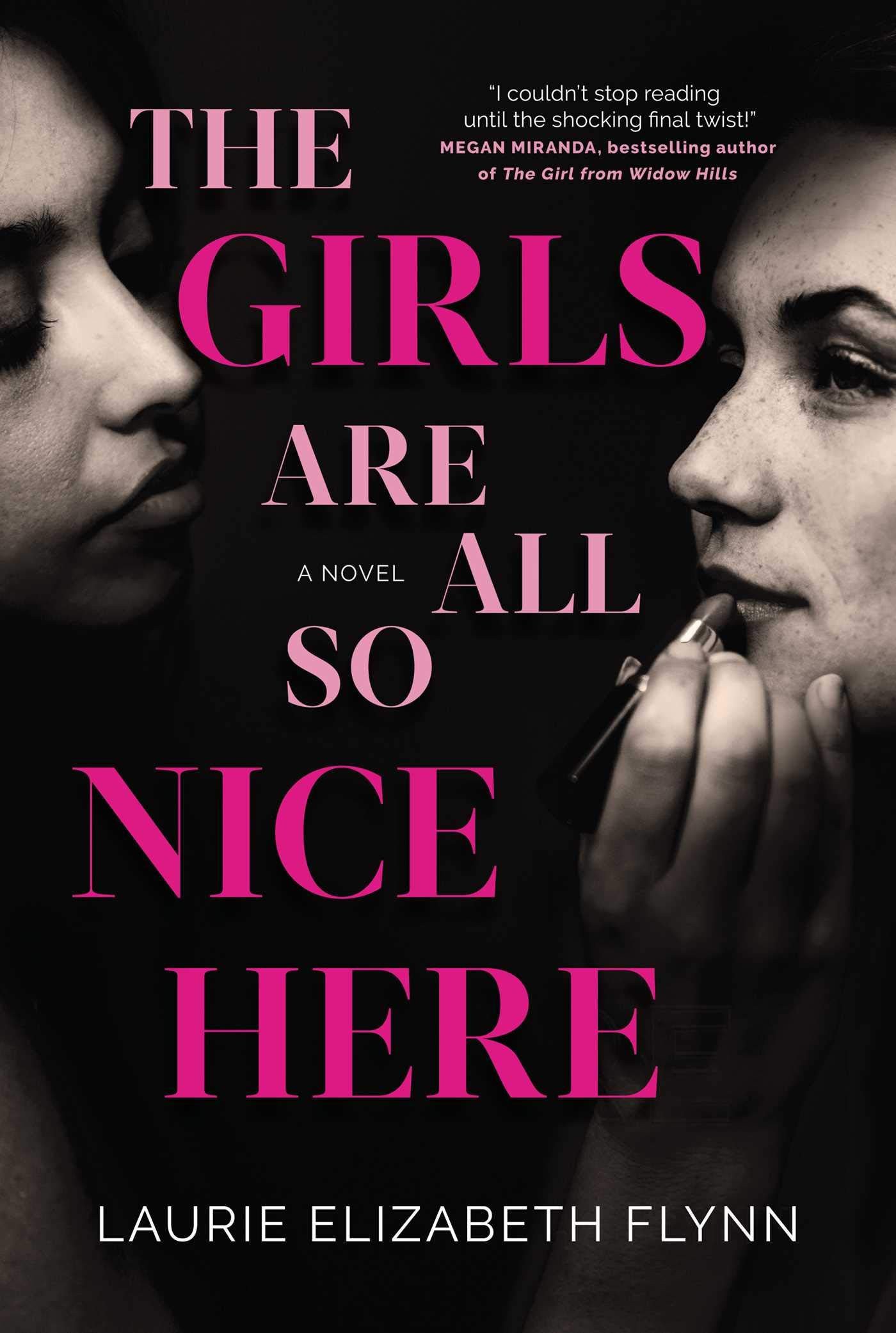
  6. Cover of The Girls Are All So Nice Here by Laurie Elizabeth Flynn

    Cover not available

    The Girls Are All So Nice Here

    by Laurie Elizabeth Flynn

    INSTANT NATIONAL BESTSELLER

    Two former best friends return to their college reunion to find that they’re being circled by someone who wants revenge for what they did ten years before—and will stop at nothing to get it—in this shocking psychological thriller about ambition, toxic friendship, and deadly desire.

    A lot has changed in the years since Ambrosia Wellington graduated from college, and she’s worked hard to create a new life for herself. But then an invitation to her ten-year reunion arrives in the mail, along with an anonymous note that reads “We need to talk about what we did that night.”

    It seems that the secrets of Ambrosia’s past—and the people she thought she’d left there—aren’t as buried as she’d believed. Amb can’t stop fixating on what she did or who she did it with: larger-than-life Sloane “Sully” Sullivan, Amb’s former best friend, who could make anyone do anything.

    At the reunion, Amb and Sully receive increasingly menacing messages, and it becomes clear that they’re being pursued by someone who wants more than just the truth of what happened that first semester. This person wants revenge for what they did and the damage they caused—the extent of which Amb is only now fully understanding. And it was all because of the game they played to get a boy who belonged to someone else, and the girl who paid the price.

    Alternating between the reunion and Amb’s freshman year, The Girls Are All So Nice Here is a shocking novel about the brutal lengths girls can go to get what they think they’re owed, and what happens when the games we play in college become matters of life and death.

    Why it's similar

    Both novels center on college-age characters, sexual politics, manipulation, obsession, and the damaging consequences of secrets. Both also use a past-and-present structure to show how destructive college experiences continue to affect the characters.

    What's different

    It shifts the focus from a toxic romantic relationship to toxic female friendship, ambition, and revenge, with a darker, more overtly thriller-driven plot.

Looking for something else?

Use our book recommendation tool to discover books similar to any of your favorites.

Find similar books with LibroMatch