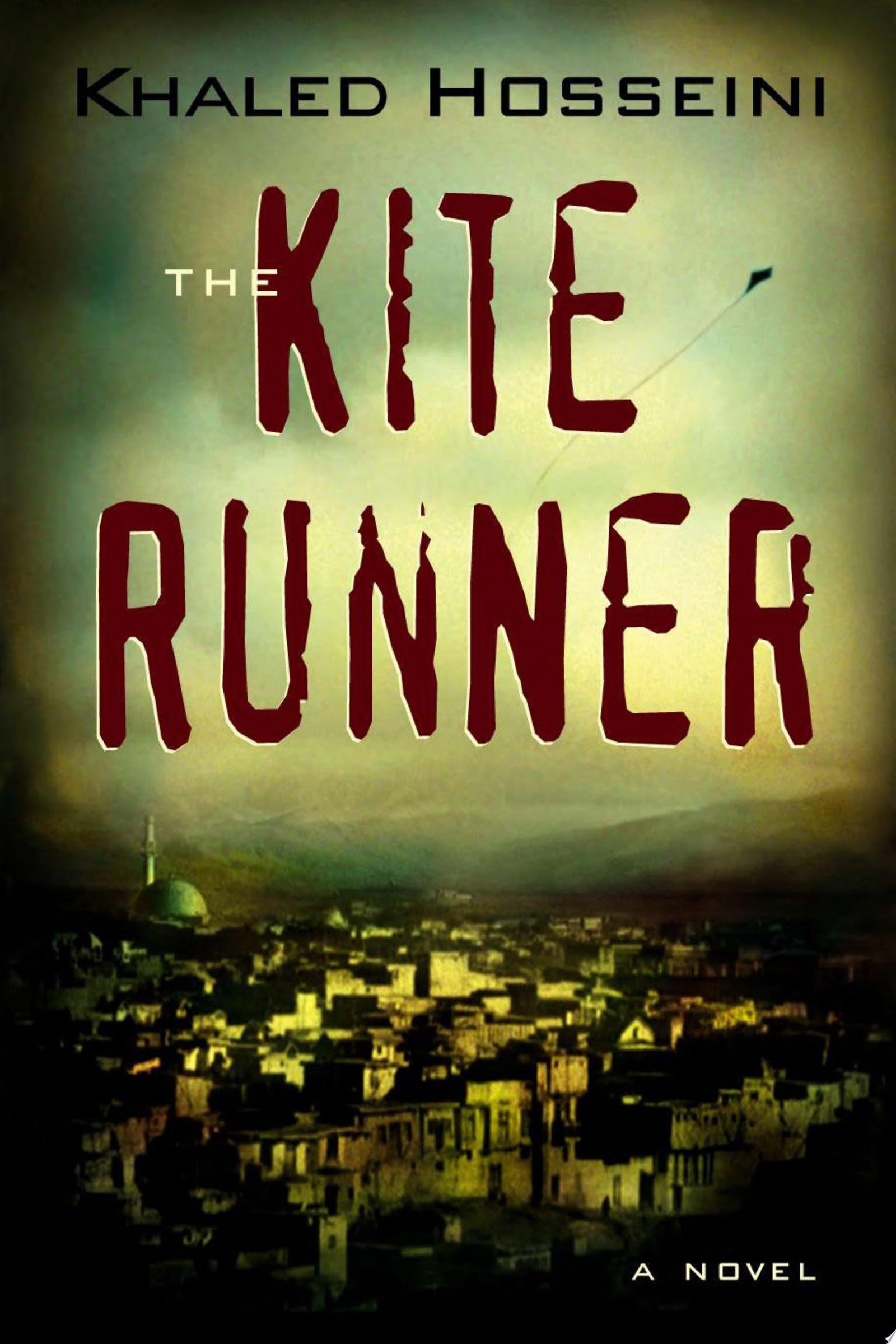
Cover of The Kite Runner by Khaled Hosseini

5 book recommendations

Books Like “The Kite Runner” by Khaled Hosseini

If you were captivated by the heartbreaking themes of guilt, redemption, and enduring friendship in The Kite Runner, you are not alone. Khaled Hosseini set a high bar for emotionally resonant historical fiction set against turbulent backdrops. Dive into these powerful stories of love, loss, and resilience to find your next unforgettable read.

  1. Cover of A Constellation of Vital Phenomena by Anthony Marra

    Cover not available

    A Constellation of Vital Phenomena

    by Anthony Marra

    Stegner Fellow, Iowa MFA, and winner of the" Atlantic"'s emerging writer contest, Anthony Marra has written a brilliant debut novel that brings to life an abandoned hospital where a tough-minded doctor decides to harbour a hunted young girl, with powerful consequences.
    In the final days of December 2004, in a small rural village in Chechnya, 8-year-old Havaa hides in the woods when her father is abducted by Russian forces. Fearing for her life, she flees with their neighbour Akhmed to the bombed-out hospital, where Sonya, the one remaining doctor, treats a steady stream of wounded rebels and refugees. Over the course of 5 dramatic days, Akhmed and Sonya reach back into their pasts to unravel the intricate mystery of coincidence, betrayal and forgiveness that unexpectedly binds them and decides their fate.
    With "The English Patient"'s dramatic sweep and "The Tiger's Wife"'s expert sense of place, Marra gives us a searing debut about the transcendent power of love in wartime, and how it can cause us to become greater than we ever thought possible.

    Why it's similar

    Both works address the heavy emotional toll of wartime betrayal, profound personal guilt, and the desperate quest to protect an imperiled child amid brutal geopolitical conflict.

    What's different

    Marra employs an intricate, non-linear multi-perspective narrative structure across Chechnya rather than Hosseini's singular first-person retrospective framework.

  2. Cover of The Swallows of Kabul by Yasmina Khadra

    Cover not available

    The Swallows of Kabul

    by Yasmina Khadra

    Set in Afghanistan's capital city of Kabul, this extraordinary novel "puts a human face on the suffering inflicted by the Taliban" (San Francisco Chronicle), taking readers into the seemingly divergent lives of two couples—and depicting with compassion and exquisite details the mentality of Islamic fundamentalists and the complexities of the Muslim world.

    Mohsen comes from a family of wealthy shopkeepers whom the Taliban has destroyed; Zunaira, his wife, exceedingly beautiful, was once a brilliant teacher and is now no longer allowed to leave her home without an escort or covering her face. Intersecting their world is Atiq, a prison keeper, a man who has sincerely adopted the Taliban ideology and struggles to keep his faith, and his wife, Musarrat, who once rescued Atiq and is now dying of sickness and despair.

    Desperate, exhausted Mohsen wanders through Kabul when he is surrounded by a crowd about to stone an adulterous woman. Numbed by the hysterical atmosphere and drawn into their rage, he too throws stones at the face of the condemned woman buried up to her waist. With this gesture the lives of all four protagonists move toward their destinies.

    Yasmina Khadra brings readers into the hot, dusty streets of Kabul and offers them an unflinching but compassionate insight into a society that violence and hypocrisy have brought to the edge of despair.

    Why it's similar

    Both books share a setting in Kabul under oppressive Taliban rule, examining moral compromise, personal sacrifice, and human suffering within a terrorized society.

    What's different

    Rather than chronicling decades of exile and eventual return, Khadra's narrative is a tightly compressed, tragic character study of citizens trapped in the city in real time.

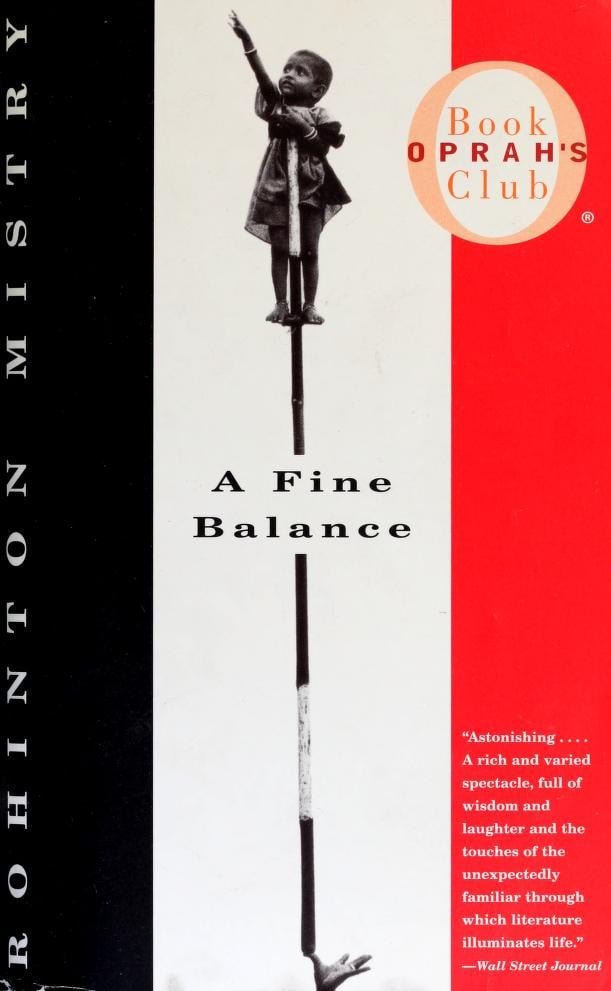
  3. Cover of A Fine Balance by Rohinton Mistry

    Cover not available

    A Fine Balance

    by Rohinton Mistry

    With a compassionate realism and narrative sweep that recall the work of Charles Dickens, this magnificent novel captures all the cruelty and corruption, dignity and heroism, of India. The time is 1975. The place is an unnamed city by the sea. The government has just declared a State of Emergency, in whose upheavals four strangers--a spirited widow, a young student uprooted from his idyllic hill station, and two tailors who have fled the caste violence of their native village--will be thrust together, forced to share one cramped apartment and an uncertain future.

    As the characters move from distrust to friendship and from friendship to love, A Fine Balance creates an enduring panorama of the human spirit in an inhuman state.

    Why it's similar

    Both novels are literary dramas set in South Asia that explore friendship, class divisions, and personal guilt against a backdrop of political upheaval and violent repression.

    What's different

    It is more sprawling and politically detailed, following multiple protagonists over a longer period and offering a bleaker, more panoramic view of society.

  4. Cover of Reading Lolita in Tehran by Azar Nafisi

    Cover not available

    Reading Lolita in Tehran

    by Azar Nafisi

    When Azar Nafisi was fired from Tehran University (where she was teaching English literature) because she refused to wear a veil, she gathered a group of her female students and resumed her classes at home, privately and discreetly. There, a group of young women discussed, argued about and communed with Shakespeare, Jane Austen, Henry James, Nabokov and others in the canon of English writers. The surreal picture of reading Lolita, weighing the sexuality of Jane Austen or the American authenticity of Gatsby in the severe aftermath of Iran's Islamic Revolution was not lost on either Nafisi or her students. The young women themselves represented a range of types and as we meet each of these students we enter their lives, investigate their backgrounds and receive an interesting insight into life in contemporary Iran.

    Why it's similar

    Both books depict life under repressive regimes, show how ordinary people navigate fear and loss, and center on the emotional cost of exile and the struggle to preserve identity.

    What's different

    It is a work of memoir rather than fiction and focuses more on intellectual resistance and literature as refuge than on a single, intimate childhood friendship.

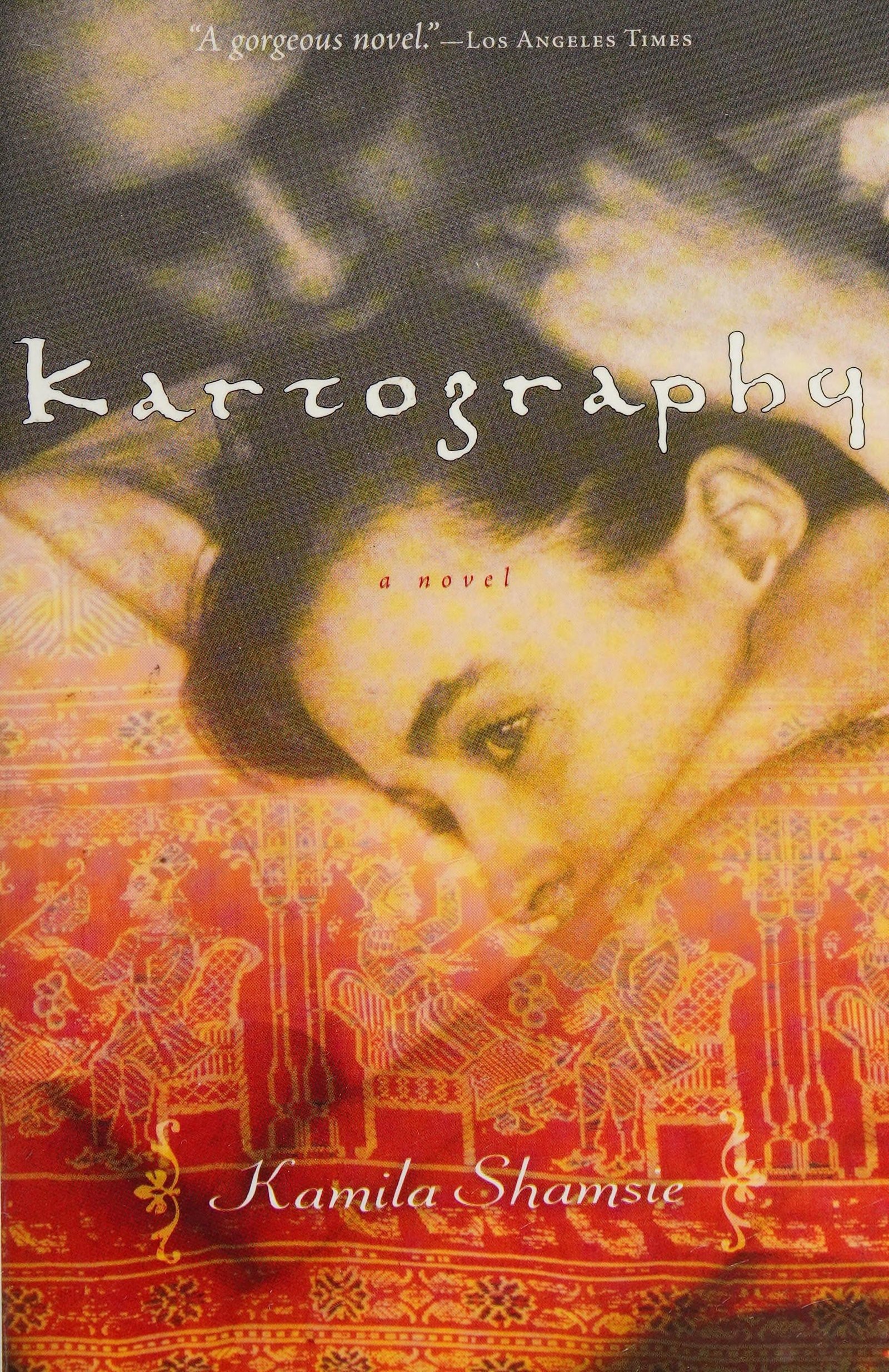
  5. Cover of Kartography by Kamila Shamsie

    Cover not available

    Kartography

    by Kamila Shamsie

    Crib mates, raised together from birth, narrator Raheen and her best friend Karim dream each other's dreams, finish each other's sentences, speak in a language of anagrams. They share an idyllic childhood in upper-class Karachi with parents who are also best friends. The two couples were even once engaged to the opposite partner until they rematched in what they jokingly call "the fiancee swap." The night Karim's family migrates from Karachi to London, Raheen knows that "some of my tears were his tears and some of his tears were mine."
    But as distance and adolescence split them apart, Karim takes refuge in the rationality of maps while Raheen searches for the secret behind her parents' exchange. What she uncovers takes us back two decades to reveal a story not just of a family's turbulent history but that of a country -- and brings us forward to a grown-up Raheen and Karim poised between strained friendship and fated love.
    A young writer of astonishing maturity and exhilarating style, Kamila Shamsie transports us to a world we have not seen in fiction - vibrant, violent, utterly contemporary Pakistan. But even as she takes us far away from the familiar she tells a story of passion and family secrets that rings universally true.

    Why it's similar

    Like The Kite Runner, it portrays a childhood friendship in a South Asian city fractured by ethnic and political violence, exploring betrayal, loyalty, and the long shadow of traumatic national events.

    What's different

    The tone is somewhat lighter and more romantic, with more emphasis on coming-of-age and relationships, and less graphic depiction of war atrocities.

Looking for something else?

Use our book recommendation tool to discover books similar to any of your favorites.

Find similar books with LibroMatch