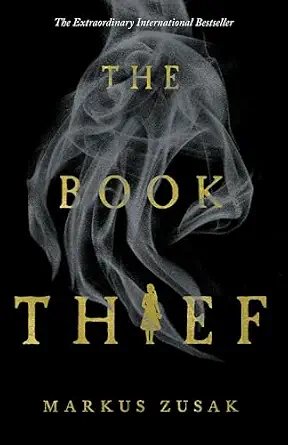
Cover of The Book Thief by Markus Zusak

5 book recommendations

Books Like “The Book Thief” by Markus Zusak

Readers fell in love with The Book Thief for its poignant historical setting, emotional depth, and inspiring celebration of humanity amidst wartime darkness. If you yearn for powerful stories exploring the resilience of the human spirit and the transformative power of words, your journey begins here. Discover your next unforgettable read today.

  1. Cover of Salt to the Sea by Ruta Sepetys

    Cover not available

    Salt to the Sea

    by Ruta Sepetys

    #1 New York Times bestseller and winner of the Carnegie Medal!

    "A superlative novel . . . masterfully crafted."--The Wall Street Journal

    Based on "the forgotten tragedy that was six times deadlier than the Titanic."--Time

    Winter 1945. WWII. Four refugees. Four stories.

    Each one born of a different homeland; each one hunted, and haunted, by tragedy, lies, war. As thousands desperately flock to the coast in the midst of a Soviet advance, four paths converge, vying for passage aboard the Wilhelm Gustloff, a ship that promises safety and freedom. But not all promises can be kept . . .

    This paperback edition includes book club questions and exclusive interviews with Wilhelm Gustloff survivors and experts.

    Why it's similar

    Like The Book Thief, this novel highlights the human cost of World War II on everyday youth and features themes of hidden identity, tragedy, and resilience amidst escalating violence.

    What's different

    Sepetys employs rapid-paced, alternating first-person accounts among four distinct refugees fleeing the Eastern Front rather than focusing on a single small town over several years.
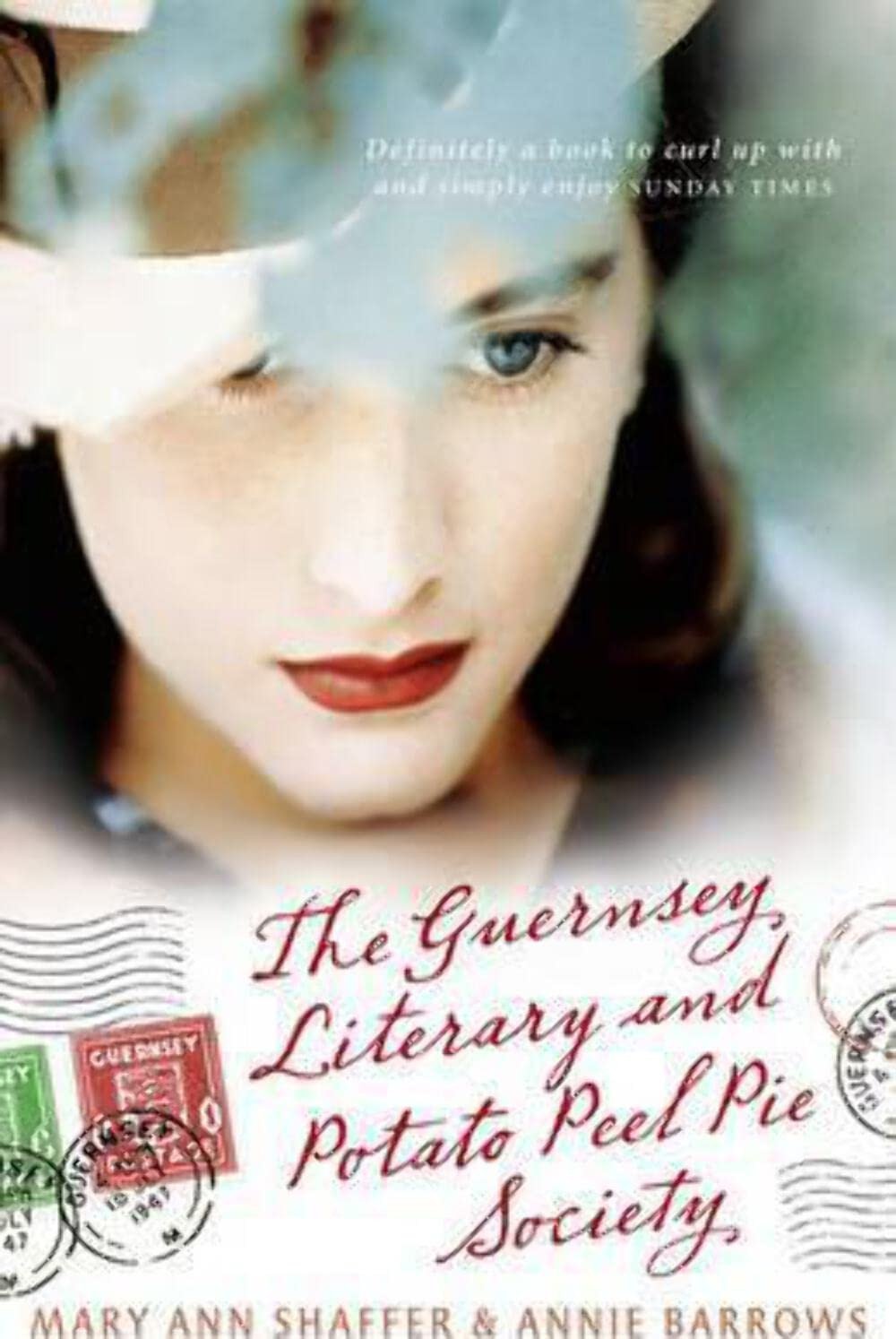
  2. Cover of The Guernsey Literary and Potato Peel Pie Society by Mary Ann Shaffer and Annie Barrows

    Cover not available

    The Guernsey Literary and Potato Peel Pie Society

    by Mary Ann Shaffer and Annie Barrows

    The war is over, and Juliet Ashton has writer's block. But when she receives a letter from Dawsey Adams of Guernsey - a total stranger living halfway across the Channel, who has come across her name written in a second hand book - she enters into a correspondence with him, and in time with all the members of the extraordinary Guernsey Literary and Potato Peel Pie Society. Through their letters, the society tell Juliet about life on the island, their love of books - and the long shadow cast by their time living under German occupation. Drawn into their irresistible world, Juliet sets sail for the island, changing her life forever. -- 4ème de couverture.

    Why it's similar

    Both works celebrate the power of books, reading, and shared storytelling as essential tools for survival, community-building, and emotional resistance under Nazi oppression.

    What's different

    This novel is written entirely in an epistolary format and carries a lighter, more charming tone focused on post-war recovery, rather than Zusak's somber, tragedy-laden prose.

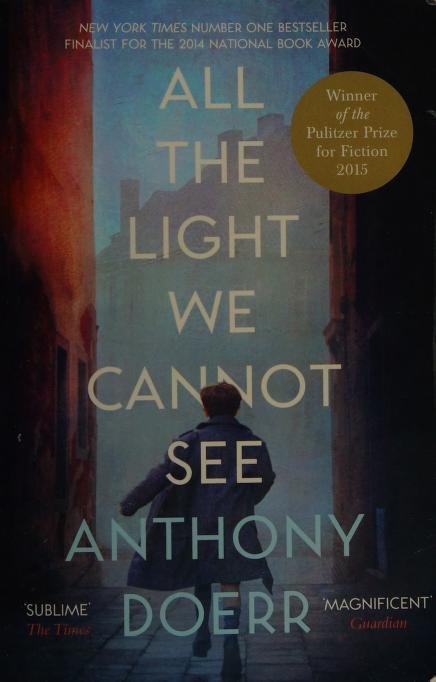
  3. Cover of All the Light We Cannot See by Anthony Doerr

    Cover not available

    All the Light We Cannot See

    by Anthony Doerr

    "From the highly acclaimed, multiple award-winning Anthony Doerr, a stunningly ambitious and beautiful novel about a blind French girl and a German boy whose paths collide in occupied France as both try to survive the devastation of World War II. Marie Laure lives with her father in Paris within walking distance of the Museum of Natural History where he works as the master of the locks (there are thousands of locks in the museum). When she is six, she goes blind, and her father builds her a model of their neighborhood, every house, every manhole, so she can memorize it with her fingers and navigate the real streets with her feet and cane. When the Germans occupy Paris, father and daughter flee to Saint-Malo on the Brittany coast, where Marie-Laure's agoraphobic great uncle lives in a tall, narrow house by the sea wall. In another world in Germany, an orphan boy, Werner, grows up with his younger sister, Jutta, both enchanted by a crude radio Werner finds. He becomes a master at building and fixing radios, a talent that wins him a place at an elite and brutal military academy and, ultimately, makes him a highly specialized tracker of the Resistance. Werner travels through the heart of Hitler Youth to the far-flung outskirts of Russia, and finally into Saint-Malo, where his path converges with Marie-Laure. Doerr's gorgeous combination of soaring imagination with observation is electric. Deftly interweaving the lives of Marie-Laure and Werner, Doerr illuminates the ways, against all odds, people try to be good to one another. Ten years in the writing, All the Light We Cannot See is his most ambitious and dazzling work".

    Why it's similar

    Both are historical novels set during World War II featuring young protagonists, civilian life under Nazi occupation, and a lyrical, emotionally rich exploration of the human cost of war.

    What's different

    The narrative is more expansive and literary in style, following multiple perspectives and timelines with a slower, more meditative pace than The Book Thief.

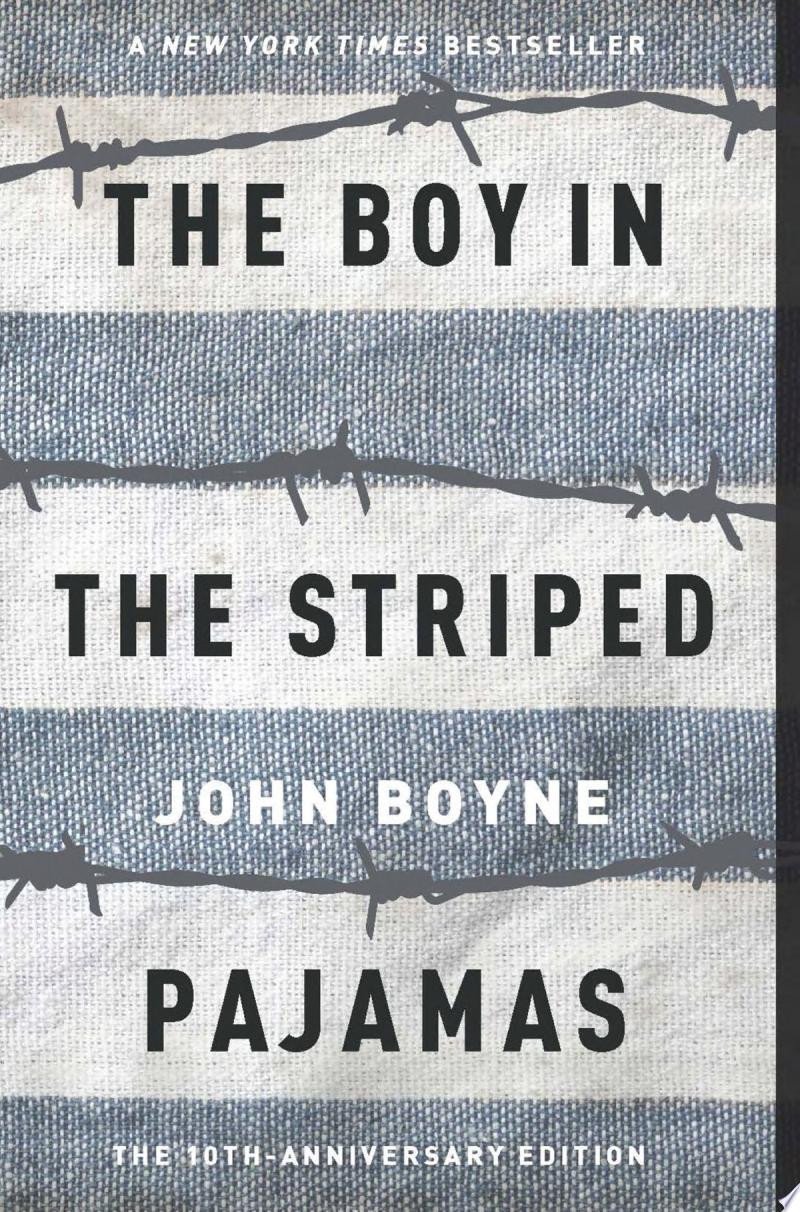
  4. Cover of The Boy in the Striped Pajamas by John Boyne

    Cover not available

    The Boy in the Striped Pajamas

    by John Boyne

    Two young boys encounter the best and worst of humanity during the Holocaust in this powerful read that USA Today called "as memorable an introduction to the subject as The Diary of Anne Frank.”

    Berlin, 1942: When Bruno returns home from school one day, he discovers that his belongings are being packed in crates. His father has received a promotion and the family must move to a new house far, far away, where there is no one to play with and nothing to do. A tall fence stretches as far as the eye can see and cuts him off from the strange people in the distance.

    But Bruno longs to be an explorer and decides that there must be more to this desolate new place than meets the eye. While exploring his new environment, he meets another boy whose life and circumstances are very different from his own, and their meeting results in a friendship that has devastating consequences.

    Why it's similar

    Both portray Nazi Germany and the Holocaust through the eyes of a child, using innocence and limited understanding to highlight moral horror and the impact of prejudice and violence on ordinary lives.

    What's different

    The prose is simpler and more allegorical, with a very short, focused narrative that leaves much unsaid and relies on dramatic irony rather than an elaborate emotional and thematic tapestry.

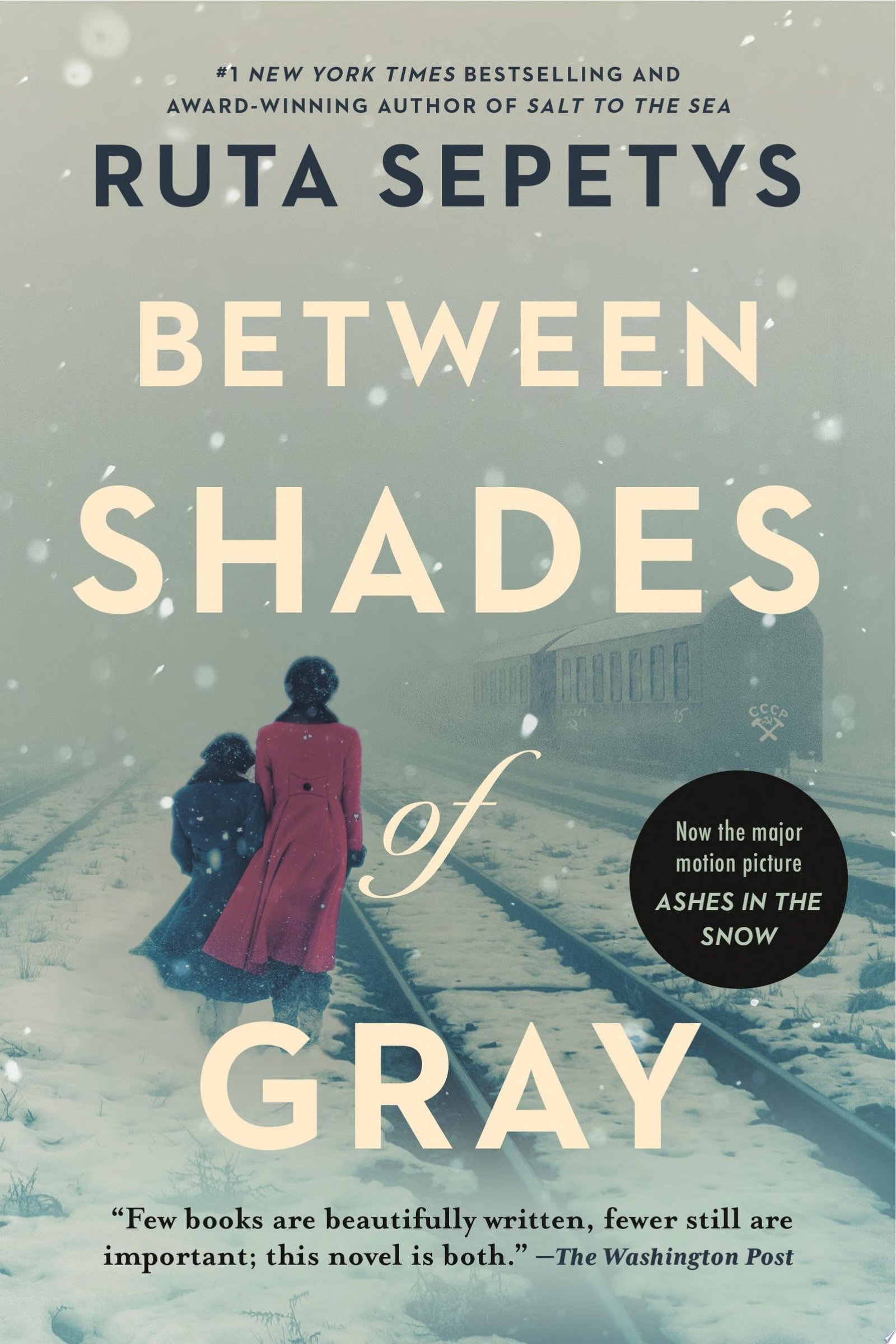
  5. Cover of Between Shades of Gray by Ruta Sepetys

    Cover not available

    Between Shades of Gray

    by Ruta Sepetys

    NEW YORK TIMES BESTSELLER • From the award-winning author of Salt to the Sea comes a “superb” (The Wall Street Journal), “eye-opening” (Los Angeles Times) novel of survival and hope in the darkest of places—the inspiration for the major motion picture Ashes in the Snow

    "Few books are beautifully written, fewer still are important; this novel is both." —The Washington Post

    WINNER OF THE GOLDEN KITE AWARD • A CARNEGIE MEDAL NOMINEE • A WILLIAM C. MORRIS AWARD FINALIST • A KIRKUS REVIEWS BEST YOUNG ADULT BOOK OF THE CENTURY

    A knock comes at the door in the dead of night, and Lina’s life changes in an instant. With her young brother and mother, she is hauled away by the Soviet secret police from her home in Lithuania and thrown into a cattle car en route to Siberia. Separated from her father, Lina secretly passes along clues in the form of drawings, hoping they will reach his prison camp. But will her letters, or her courage, be enough to reunite her family? Will they be enough to keep her alive?

    A moving and haunting novel about loss, fear, and ultimately, survival, Between Shades of Gray is a tour de force of historical and emotional storytelling.

    Why it's similar

    Both are YA historical novels following a teenage protagonist facing totalitarian brutality, using family relationships, small acts of kindness, and artistic expression to preserve humanity amid mass atrocities.

    What's different

    The story shifts the focus from Nazi Germany to Soviet oppression in Lithuania, with a more straightforward realist style and survival narrative that emphasizes endurance over experimental narration.

Looking for something else?

Use our book recommendation tool to discover books similar to any of your favorites.

Find similar books with LibroMatch