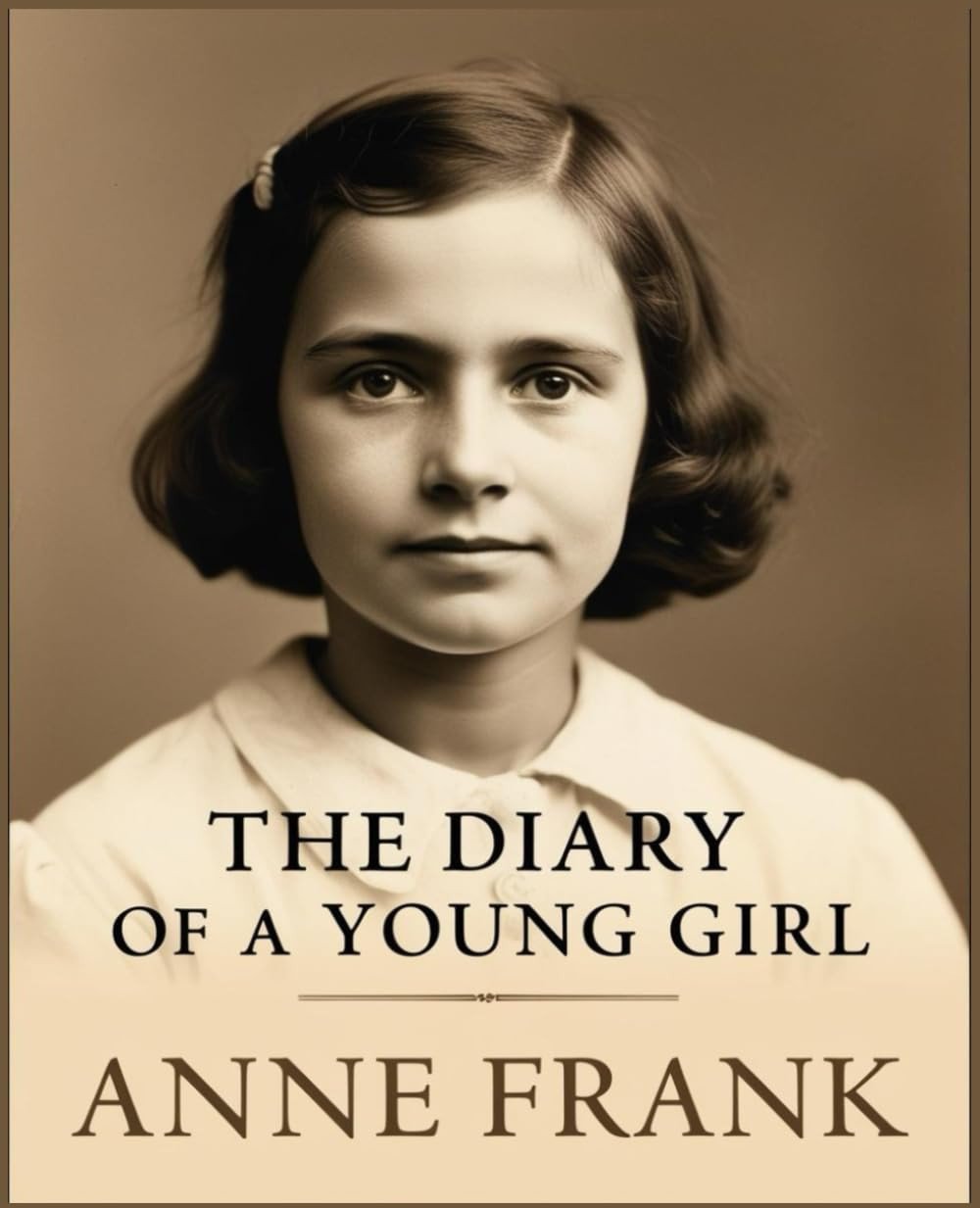
Cover of The Diary of a Young Girl by Anne Frank

5 book recommendations

Books Like “The Diary of a Young Girl” by Anne Frank

Anne Frank’s diary captivated millions through its raw honesty, youthful optimism, and heartbreakingly intimate look at the Holocaust. If you were moved by her poignant coming-of-age voice amidst wartime tragedy, these powerful memoirs offer similarly profound perspectives on resilience. Explore our collection below to discover your next unforgettable read.

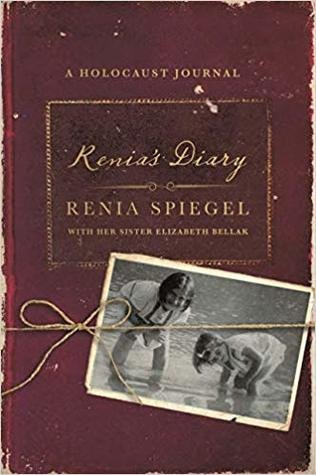
  1. Cover of Renia's Diary: A Holocaust Journal by Renia Spiegel

    Cover not available

    Renia's Diary: A Holocaust Journal

    by Renia Spiegel

    The long-hidden diary of a young Polish woman's life during the Holocaust, translated for the first time into English

    Renia Spiegel was born in 1924 to an upper-middle class Jewish family living in southeastern Poland, near what was at that time the border with Romania. At the start of 1939 Renia began a diary. “I just want a friend. I want somebody to talk to about my everyday worries and joys. Somebody who would feel what I feel, who would believe me, who would never reveal my secrets. A human being can never be such a friend and that’s why I have decided to look for a confidant in the form of a diary.” And so begins an extraordinary document of an adolescent girl’s hopes and dreams. By the fall of 1939, Renia and her younger sister Elizabeth (née Ariana) were staying with their grandparents in Przemysl, a city in the south, just as the German and Soviet armies invaded Poland. Cut off from their mother, who was in Warsaw, Renia and her family were plunged into war.

    Like Anne Frank, Renia’s diary became a record of her daily life as the Nazis spread throughout Europe. Renia writes of her mundane school life, her daily drama with best friends, falling in love with her boyfriend Zygmund, as well as the agony of missing her mother, separated by bombs and invading armies. Renia had aspirations to be a writer, and the diary is filled with her poignant and thoughtful poetry. When she was forced into the city’s ghetto with the other Jews, Zygmund is able to smuggle her out to hide with his parents, taking Renia out of the ghetto, but not, ultimately to safety. The diary ends in July 1942, completed by Zygmund, after Renia is murdered by the Gestapo.

    Renia's Diary has been translated from the original Polish, and includes a preface, afterword, and notes by her surviving sister, Elizabeth Bellak. An extraordinary historical document, Renia Spiegel survives through the beauty of her words and the efforts of those who loved her and preserved her legacy.

    Why it's similar

    Like Anne Frank's writing, this is an intimate wartime diary of a Jewish teenage girl documenting adolescent longings, family devotion, and the encroaching dread of the Nazi Holocaust. Both diaries blend everyday personal growth with historical catastrophe.

    What's different

    Spiegel regularly integrates original lyric poetry into her journal entries, and her period of hiding took place in an attic in Poland for only a few days before her discovery and execution.
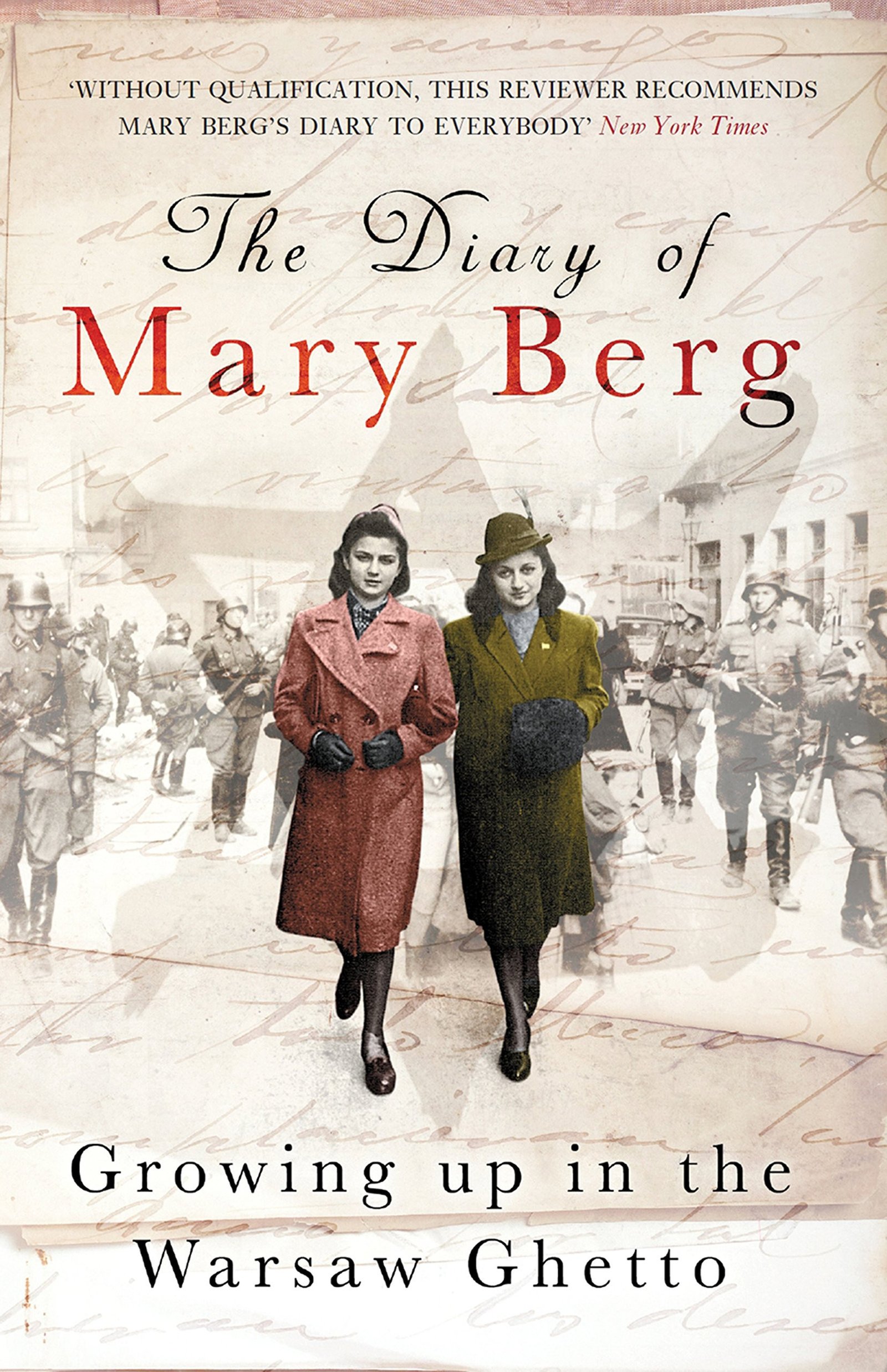
  2. Cover of The Diary of Mary Berg: Growing Up in the Warsaw Ghetto by Mary Berg

    Cover not available

    The Diary of Mary Berg: Growing Up in the Warsaw Ghetto

    by Mary Berg

    When Hitler invaded Poland in 1939, Mary Berg was fifteen years old. From that time, until her arrival in the United States in 1944 by exchange through her mother's American citizenship, she kept a day-to-day record of her four years in the Warsaw Ghetto, confinement in a Warsaw prison, dispatch to the internment camp in Vittel, France, and finally, her journey to freedom. For the first time since 1945, this - the first and lengthiest eye-witness account of Jews' experiences in the Warsaw Ghetto - is available to the English-speaking public. This is a work remarkable for its authenticity, detail, and poignancy. But it is not only as a factual report on the life and death of a people that Warsaw Ghetto ranks with the most remarkable documents of Second World War. This is the personal story of a life-loving girl's encounter with unparalleled human suffering, a uniquely illuminating glance at one of the darkest chapters of history.

    Why it's similar

    Both books offer raw, primary-source accounts written by Jewish teenage girls living under Nazi occupation during World War II. Each captures the erosion of civil liberties, the terror of roundups, and the psychological strain placed on youth.

    What's different

    Berg's diary documents life across the expansive, crowded confinement of the Warsaw Ghetto rather than a small, concealed annex, and her family survived through an exchange program due to her mother's American citizenship.

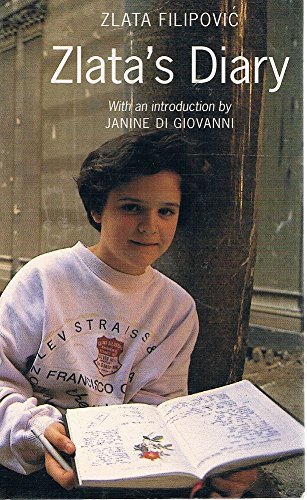
  3. Cover of Zlata's Diary by Zlata Filipović

    Cover not available

    Zlata's Diary

    by Zlata Filipović

    Zlata Filipovic of Sarajevo began keeping her diary in 1991, just before her eleventh birthday. Ebullient and accomplished, Zlata recorded the swirl of activities she avidly pursued, from school to piano lessons, skiing, parties, and watching her favorite TV shows, all American. We immediately sense that Zlata and her family have a deep love for their country, but just as we begin to enjoy Zlata's fine young mind and cheerful disposition, the chaos and terror of war shatter her world. Schools close, socializing becomes too risky, and what was once a cozy home is transformed into a fragile shelter bereft of electricity or water. In spite of great tragedy and deprivation, Zlata keeps making her lucid diary entries, carefully chronicling the claustrophobia, boredom, resignation, anger, despair, and fear war brings. Another birthday passes, and Zlata's observations become even sharper and more searing. The convoys of fleeing citizens remind her of movies she's seen of the Holocaust; she notices that grief and hardship have made her valiant parents haggard and sorrowful; and she can't believe that her clothes no longer fit. How could she be growing when she has so little to eat? With a precision and vision beyond her years, Zlata writes that the "political situation is stupidity in motion," and more hauntingly, "life in a closed circle continues." Zlata brings Sarajevo home as no news report can. Her diary was first published by UNICEF, then released in France; U.S. serial rights have gone to
    Newsweek, and Zlata and her parents will be visiting here this month.

    Why it's similar

    Both are authentic diaries of adolescent girls living through war, capturing the loss of normal childhood, fear, and hope as their cities are transformed by conflict.

    What's different

    Zlata writes from wartime Sarajevo in the 1990s, with more modern references and a somewhat broader focus on daily life under siege alongside her inner reflections.

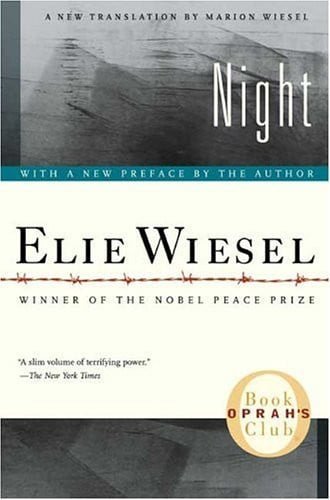
  4. Cover of Night by Elie Wiesel

    Cover not available

    Night

    by Elie Wiesel

    Night is Elie Wiesel's masterpiece, a candid, horrific, and deeply poignant autobiographical account of his survival as a teenager in the Nazi death camps. This new translation by Marion Wiesel, Elie's wife and frequent translator, presents this seminal memoir in the language and spirit truest to the author's original intent. And in a substantive new preface, Elie reflects on the enduring importance of Night and his lifelong, passionate dedication to ensuring that the world never forgets man's capacity for inhumanity to man.

    Night offers much more than a litany of the daily terrors, everyday perversions, and rampant sadism at Auschwitz and Buchenwald; it also eloquently addresses many of the philosophical as well as personal questions implicit in any serious consideration of what the Holocaust was, what it meant, and what its legacy is and will be.

    Why it's similar

    Both are first-person Holocaust testimonies that trace a young Jewish teenager’s coming of age amid persecution, dehumanization, and the destruction of family and community.

    What's different

    It is a crafted memoir rather than a diary, with a more retrospective, literary structure and an even more unrelenting focus on the concentration camp experience.

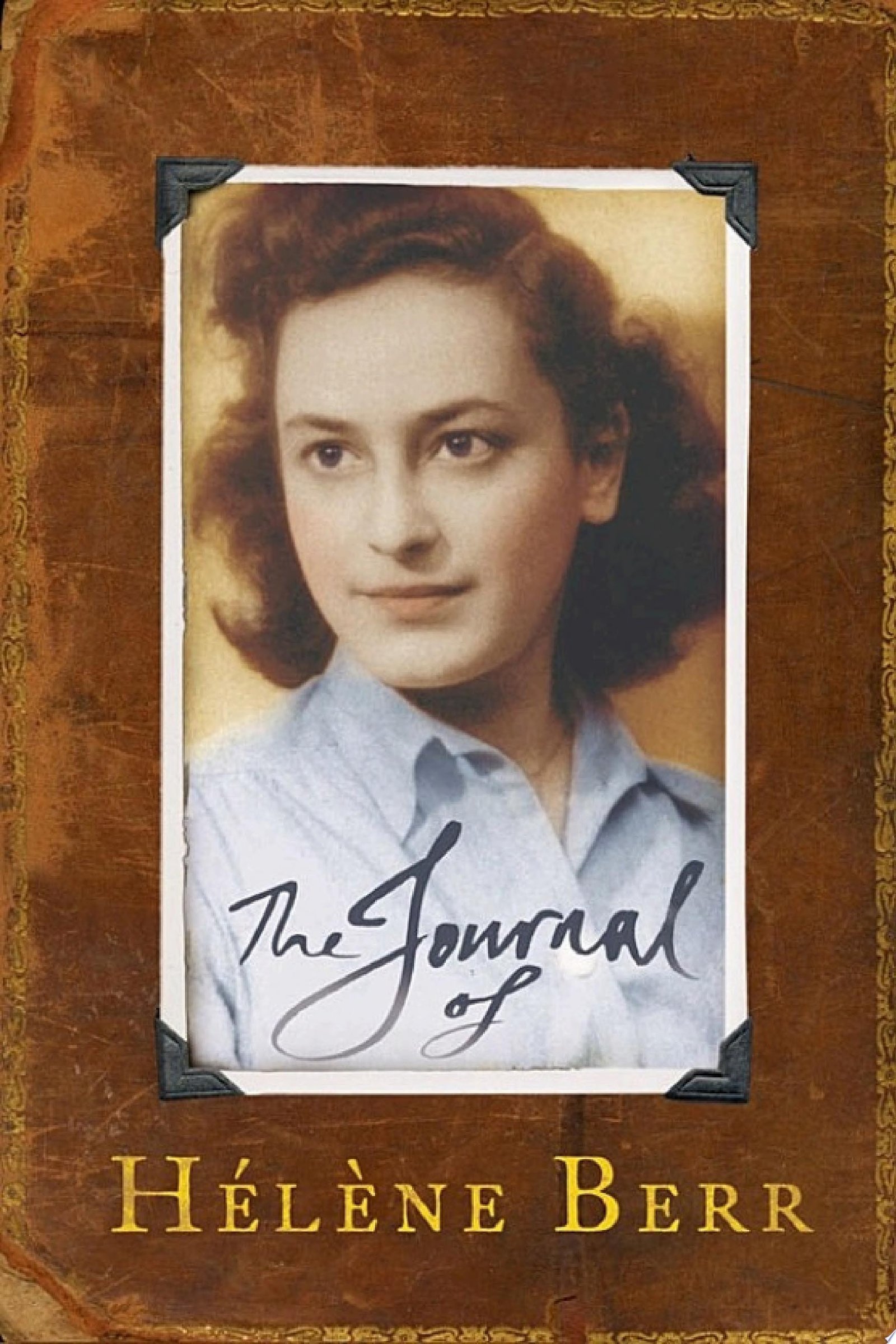
  5. Cover of The Journal of Hélène Berr by Hélène Berr

    Cover not available

    The Journal of Hélène Berr

    by Hélène Berr

    Not since The Diary of Anne Frank has there been such a book as this: The joyful but ultimately heartbreaking journal of a young Jewish woman in occupied Paris, now being published for the first time, 63 years after her death in a Nazi concentration camp.

    On April 7, 1942, Hélène Berr, a 21-year-old Jewish student of English literature at the Sorbonne, took up her pen and started to keep a journal, writing with verve and style about her everyday life in Paris — about her studies, her friends, her growing affection for the “boy with the grey eyes,” about the sun in the dewdrops, and about the effect of the growing restrictions imposed by France’s Nazi occupiers. Berr brought a keen literary sensibility to her writing, a talent that renders the story it relates all the more rich, all the more heartbreaking.

    The first day Berr has to wear the yellow star on her coat, she writes, “I held my head high and looked people so straight in the eye they turned away. But it’s hard.” More, many more, humiliations were to follow, which she records, now with a view to posterity. She wants the journal to go to her fiancé, who has enrolled with the Free French Forces, as she knows she may not live much longer. She was right. The final entry is dated February 15, 1944, and ends with the chilling words: “Horror! Horror! Horror!” Berr and her family were arrested three weeks later. She went — as was discovered later — on the death march from Auschwitz to Bergen-Belsen, where she died of typhus in April 1945, within a month of Anne Frank and just days before the liberation of the camp.

    The journal did eventually reach her fiancé, and for over fifty years it was kept private. In 2002, it was donated to the Memorial of the Shoah in Paris. Before it was first published in France in January 2008, translation rights had already been sold for twelve languages.

    Why it's similar

    Like Anne Frank’s diary, it is a real-time journal of a young Jewish woman under Nazi occupation, documenting daily restrictions, mounting danger, and efforts to sustain inner life and hope.

    What's different

    Written by a university student in occupied Paris, the journal includes more mature intellectual reflections and cultural life before deportation, giving a slightly wider social perspective.

Looking for something else?

Use our book recommendation tool to discover books similar to any of your favorites.

Find similar books with LibroMatch