Cover of The Great Gatsby by F. Scott Fitzgerald

5 book recommendations

Books Like “The Great Gatsby” by F. Scott Fitzgerald

Readers adore The Great Gatsby for its glittering Jazz Age decadence, tragic ambition, and haunting critique of high society. If you long for stories brimming with vintage glamour, obsession, and the elusive promises of wealth, you are in the right place. Dive in to discover your next unforgettable read.

  1. Cover of Rules of Civility by Amor Towles

    Cover not available

    Rules of Civility

    by Amor Towles

    A sophisticated and entertaining debut novel about an irresistible young woman with an uncommon sense of purpose.

    Set in New York City in 1938, Rules of Civility tells the story of a watershed year in the life of an uncompromising twenty-five-year- old named Katey Kontent. Armed with little more than a formidable intellect, a bracing wit, and her own brand of cool nerve, Katey embarks on a journey from a Wall Street secretarial pool through the upper echelons of New York society in search of a brighter future.

    The story opens on New Year's Eve in a Greenwich Village jazz bar, where Katey and her boardinghouse roommate Eve happen to meet Tinker Grey, a handsome banker with royal blue eyes and a ready smile. This chance encounter and its startling consequences cast Katey off her current course, but end up providing her unexpected access to the rarified offices of Conde Nast and a glittering new social circle. Befriended in turn by a shy, principled multimillionaire, an Upper East Side ne'er-do-well, and a single-minded widow who is ahead of her times, Katey has the chance to experience first hand the poise secured by wealth and station, but also the aspirations, envy, disloyalty, and desires that reside just below the surface. Even as she waits for circumstances to bring Tinker back into her orbit, she will learn how individual choices become the means by which life crystallizes loss.

    Elegant and captivating, Rules of Civility turns a Jamesian eye on how spur of the moment decisions define life for decades to come. A love letter to a great American city at the end of the Depression, readers will quickly fall under its spell of crisp writing, sparkling atmosphere and breathtaking revelations, as Towles evokes the ghosts of Fitzgerald, Capote, and McCarthy.

    Why it's similar

    Both stories capture the allure and stratified social circles of elite New York society, following an observant outsider as they uncover the fabrications and secrets of a charismatic, wealthy figure. Both evoke a sharp period atmosphere centered on ambition and social climbing.

    What's different

    Towles features a resilient, pragmatic female narrator whose journey is one of personal agency and adaptation, avoiding the fatalistic tragedy that consumes Gatsby.
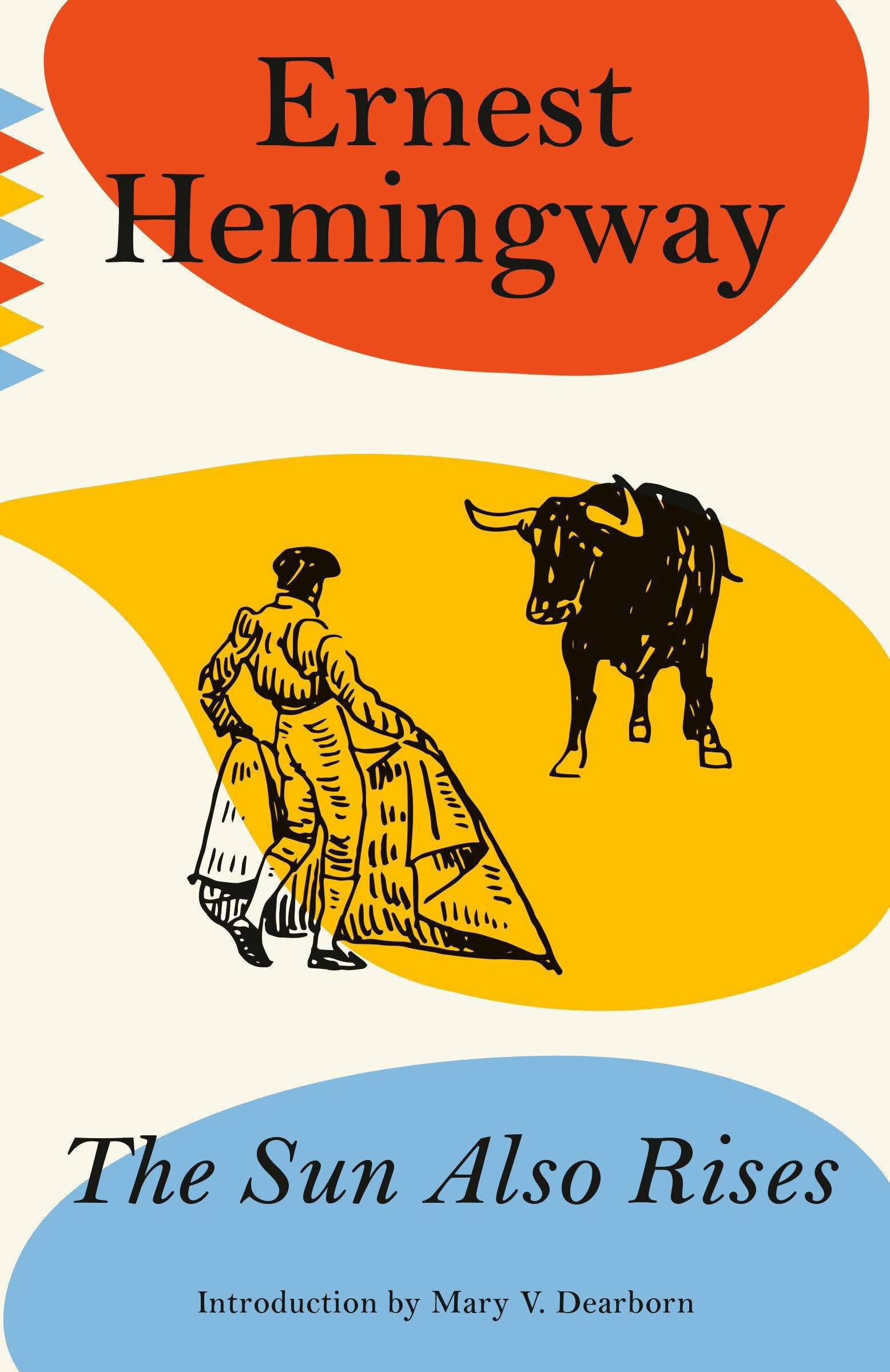
  2. Cover of The Sun Also Rises by Ernest Hemingway

    Cover not available

    The Sun Also Rises

    by Ernest Hemingway

    The debut novel from the Nobel Prize-winning author that is both a tragic love story and a searing group portrait of hapless American expatriates drinking, dancing, and chasing their dreams in postwar Europe.

    “An absorbingly beautiful and tenderly absurd, heart-breaking narrative ... It is a truly gripping story.” —The New York Times

    Ernest Hemingway, winner of the Nobel Prize in Literature in 1954, exerted a lasting influence on fiction in English through his economical prose style that conceals more than it reveals. His first novel, published in 1926, is narrated by world-weary journalist Jake Barnes, who is burdened by a wound acquired in World War I and by his utterly hopeless love for the flamboyantly decadent Lady Brett Ashley. The Sun Also Rises tracks the Lost Generation of the 1920s from the nightclubs of Paris to the bullfighting arenas of Spain.

    Why it's similar

    Both novels depict the Lost Generation’s pursuit of pleasure and status in the 1920s, using social scenes, romantic entanglements, and a sense of moral drift to explore emptiness beneath glamour.

    What's different

    Hemingway’s prose is much sparser and the novel’s focus on expatriate life and postwar disillusionment gives it a more subdued, wandering feel than Gatsby’s tightly constructed, tragic arc.

  3. Cover of Appointment in Samarra by John O'Hara

    Cover not available

    Appointment in Samarra

    by John O'Hara

    A twentieth-century classic, Appointment in Samarra is the masterpiece by the writer Fran Leibowitz called "the real F. Scott Fitzgerald." In December 1930, just before Christmas, the Gibbsville social circuit is electrified with parties and dances, where the music plays late into the night and the liquor flows freely. At the center of the social elite stand Julian and Caroline English--the envy of friends and strangers alike. But in one rash moment born inside a highball glass, Julian breaks with polite society and begins a rapid descent toward self-destruction. With trademark verisimilitude, John O'Hara captures the personal politics and easy bitterness of small-town life in this first and most widely read of his books. Copyright © Libri GmbH. All rights reserved.

    Why it's similar

    Like Gatsby, it centers on a socially ambitious man whose self-destructive behavior in a wealthy, East Coast milieu exposes class tensions, moral compromise, and the fragility of status.

    What's different

    The story is more overtly cynical and socially detailed, following a faster, downward spiral of the protagonist over a few days rather than Gatsby’s more romantic, oblique tragedy.

  4. Cover of A Lost Lady by Willa Cather

    Cover not available

    A Lost Lady

    by Willa Cather

    A new edition of Willa Cather's classic 1923 novel, A Lost Lady. Set alongside the transcontinental railroad in the rapidly developing frontier town of Sweet Water, A Lost Ladyis the story of the rise and fall of Sweet Water aristocrats Marian Forrester and her husband, Captain Daniel Forrester, told from the perspective of Niels Herbert, a young man who from afar fell in love with Marian and what she and her family came to represent about the rapidly changing frontier. Like much of Cather's work, A Lost Lady is deeply thematically and symbolically layered, telling the stories of ordinary people in a frontier America that is rapidly changing.

    Willa Cather (1873-1947) was an American author known for her vivid depictions of life in the American Midwest. Born in Virginia in 1873, Cather moved to Nebraska with her family at the age of nine. It was there that she developed a deep love of the land, which she would later reflect in her writing. Cather studied at the University of Nebraska–Lincoln before becoming a journalist and editor. She published her first novel, Alexander’s Bridge, in 1912, and went on to write several more works of fiction and non-fiction. She is best known for her novels O Pioneers!, My Antonia, and Death Comes for the Archbishop, which all explore themes of the American West and its people. Cather also wrote several short stories, including “Paul’s Case” and “Neighbour Rosicky.” Cather won a Pulitzer Prize for One of Ours in 1923, and her works have been widely adapted for the stage, television, and film. Her writing is characterized by its vivid descriptions of the Great Plains, its focus on strong female protagonists, and its exploration of themes of assimilation and the immigrant experience. Cather’s works have been praised for their poetic prose and their ability to capture the essence of the American West. Willa Cather’s legacy lives on in her works, which continue to be read and studied by readers around the world. Her contributions to literature and her deep love of the American West will never be forgotten.

    Why it's similar

    Both works examine a charismatic, enigmatic figure through others’ perceptions and use their social circles and romantic allure to reveal the erosion of idealism and the clash between old values and new money.

    What's different

    Cather’s narrative is quieter and more regional, shifting perspective over time to show changing views of its central woman and the fading of a frontier town, rather than the urban jazz-age spectacle of Gatsby.

  5. Cover of The House of Mirth by Edith Wharton

    Cover not available

    The House of Mirth

    by Edith Wharton

    A black comedy of manners about vast wealth and a woman who can define herself only through the perceptions of others. The beautiful Lily Bart lives among the nouveaux riches of New York City – people whose millions were made in railroads, shipping, land speculation and banking. In this morally and aesthetically bankrupt world, Lily, age twenty-nine, seeks a husband who can satisfy her cravings for endless admiration and all the trappings of wealth. But her quest comes to a scandalous end when she is accused of being the mistress of a wealthy man. Exiled from her familiar world of artificial conventions, Lily finds life impossible.

    For more than seventy years, Penguin has been the leading publisher of classic literature in the English-speaking world. With more than 1,700 titles, Penguin Classics represents a global bookshelf of the best works throughout history and across genres and disciplines. Readers trust the series to provide authoritative texts enhanced by introductions and notes by distinguished scholars and contemporary authors, as well as up-to-date translations by award-winning translators.

    Why it's similar

    Like Gatsby, it portrays the destructive intersection of wealth, social aspiration, and romantic desire in New York high society, showing how rigid class structures and materialism lead to ruin for its central dreamer.

    What's different

    Set in the Gilded Age upper class, it offers a more explicit critique of social convention and a slower, more psychological build toward tragedy than Gatsby’s compact, symbolic narrative.

Looking for something else?

Use our book recommendation tool to discover books similar to any of your favorites.

Find similar books with LibroMatch