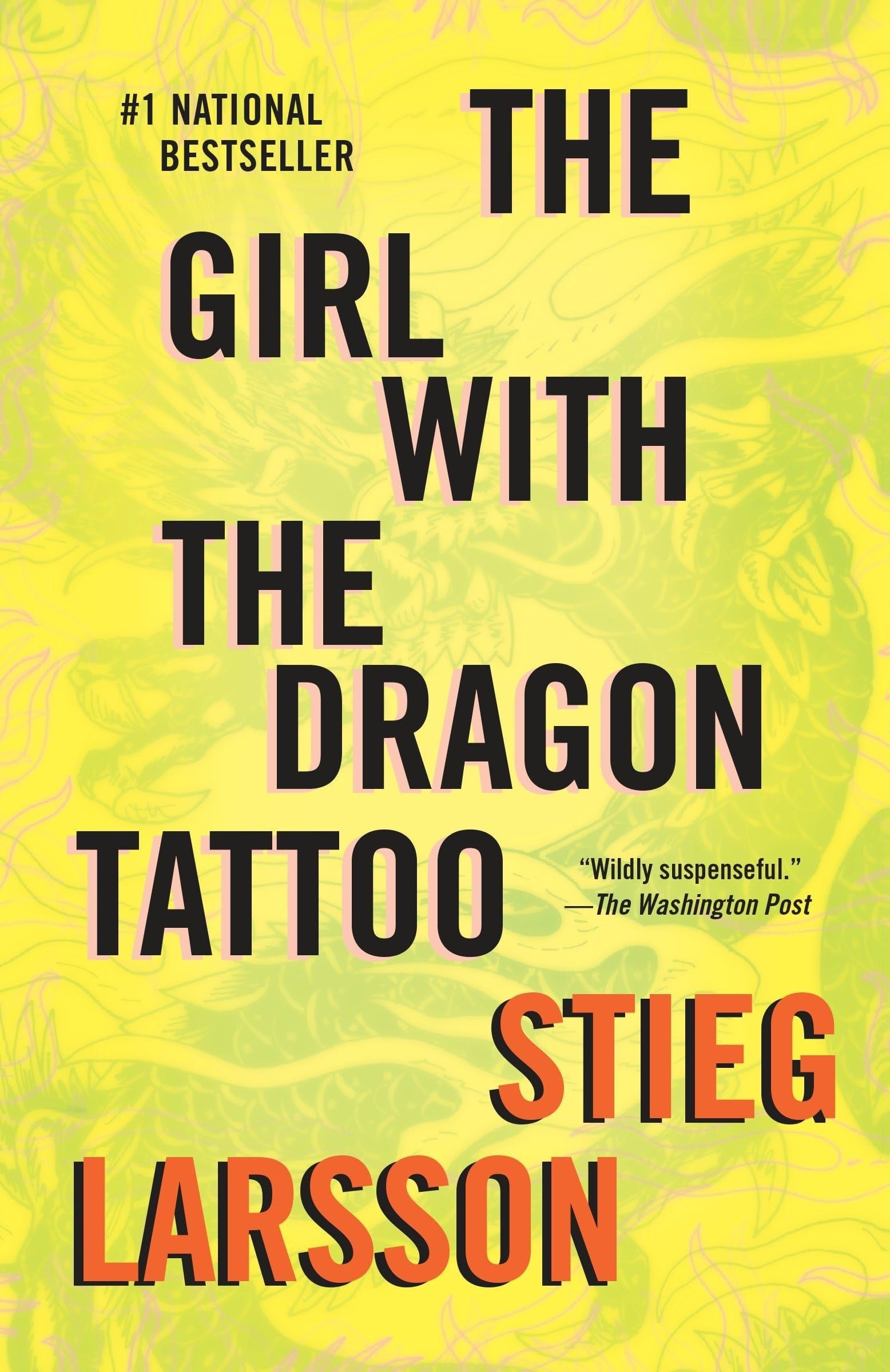
Cover of The Girl with the Dragon Tattoo by Stieg Larsson

5 book recommendations

Books Like “The Girl with the Dragon Tattoo” by Stieg Larsson

If you were captivated by the chilling atmosphere, complex antiheroes, and relentless investigative thrill of The Girl with the Dragon Tattoo, you are not alone. Readers crave that same dark, pulse-pounding blend of Nordic noir and deep-rooted conspiracy. Explore our handpicked recommendations to discover your next mystery.

  1. Cover of The Keeper of Lost Causes by Jussi Adler-Olsen

    Cover not available

    The Keeper of Lost Causes

    by Jussi Adler-Olsen

    Jussi Adler-Olsen, author of The Absent One, is Denmark's premier crime writer. His books routinely top the bestseller lists in northern Europe, and he's won just about every Nordic crime-writing award, including the prestigious Glass Key Award-also won by Henning Mankell, Stieg Larsson, and Jo Nesbo. Now, Dutton is thrilled to introduce him to America.

    The Keeper of Lost Causes, the first installment of Adler- Olsen's Department Q series, features the deeply flawed chief detective Carl MØrck, who used to be a good homicide detective-one of Copenhagen's best. Then a bullet almost took his life. Two of his colleagues weren't so lucky, and Carl, who didn't draw his weapon, blames himself.

    So a promotion is the last thing Carl expects.

    But it all becomes clear when he sees his new office in the basement. Carl's been selected to run Department Q, a new special investigations division that turns out to be a department of one. With a stack of Copenhagen's coldest cases to keep him company, Carl's been put out to pasture. So he's as surprised as anyone when a case actually captures his interest. A missing politician vanished without a trace five years earlier. The world assumes she's dead. His colleagues snicker about the time he's wasting. But Carl may have the last laugh, and redeem himself in the process.

    Because she isn't dead . . . yet.

    Why it's similar

    Both are dark Scandinavian crime novels focused on reopening long-dormant cold cases through an unorthodox, misfit investigative pairing. They also share themes of systemic corruption and institutional failure in protecting vulnerable victims.

    What's different

    Adler-Olsen's novel follows a standard police department cold-case unit with elements of deadpan gallows humor, omitting the extensive financial journalism and cyber-espionage subplots found in Larsson's work.
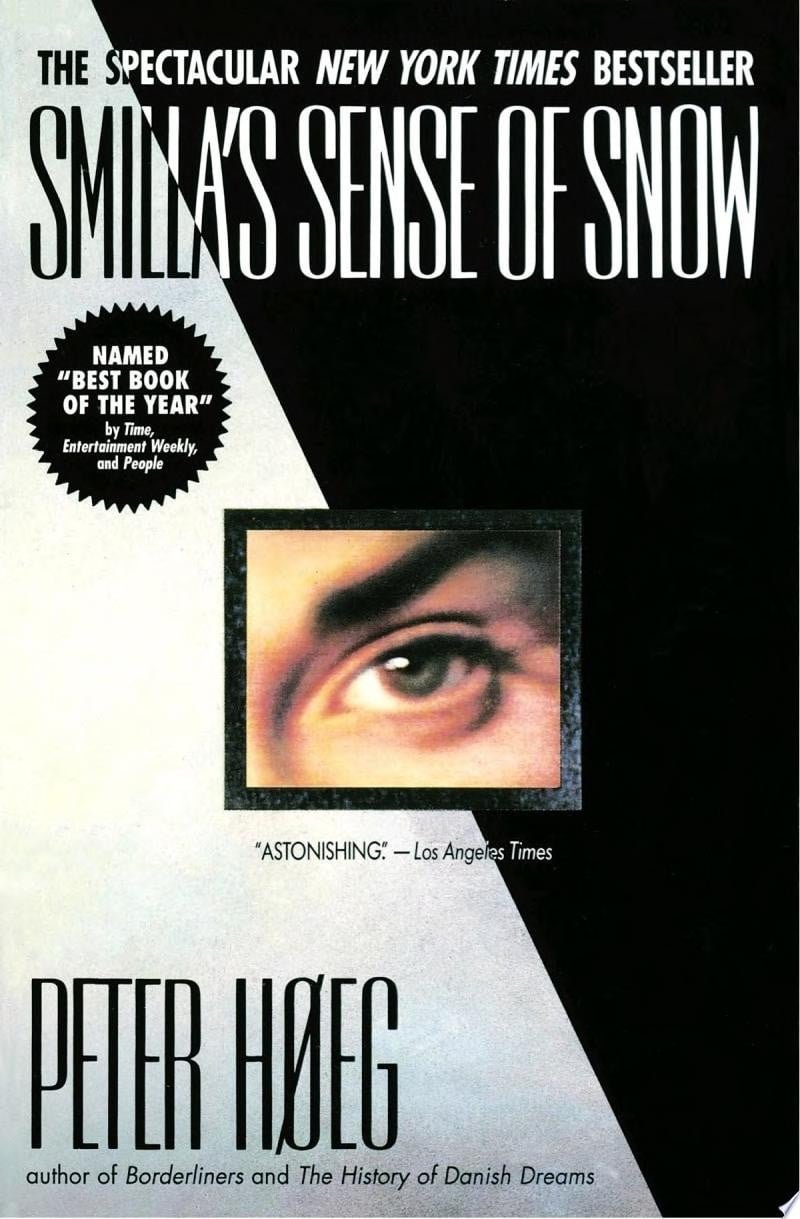
  2. Cover of Smilla's Sense of Snow by Peter Høeg

    Cover not available

    Smilla's Sense of Snow

    by Peter Høeg

    It happened in the Copenhagen snow. A six-year-old boy, a Greenlander like Smilla, fell to his death from the top of his apartment building. While the boy’s body is still warm, the police pronounce his death an accident. But Smilla knows her young neighbor didn’t fall from the roof on his own. Soon she is following a path of clues as clear to her as footsteps in the snow. For her dead neighbor, and for herself, she must embark on a harrowing journey of lies, revelation and violence that will take her back to the world of ice and snow from which she comes, where an explosive secret waits beneath the ice. . . .

    Why it's similar

    Both books feature a fiercely independent, socially alienated female protagonist operating in a freezing Nordic setting who uses specialized intellect to expose a corporate and systemic cover-up. Each narrative deals heavily with misogyny and violence embedded in established social structures.

    What's different

    Høeg's work is significantly more literary, philosophical, and introspective in tone, leaning toward an existential exploration rather than an intricate, plot-driven investigative thriller.

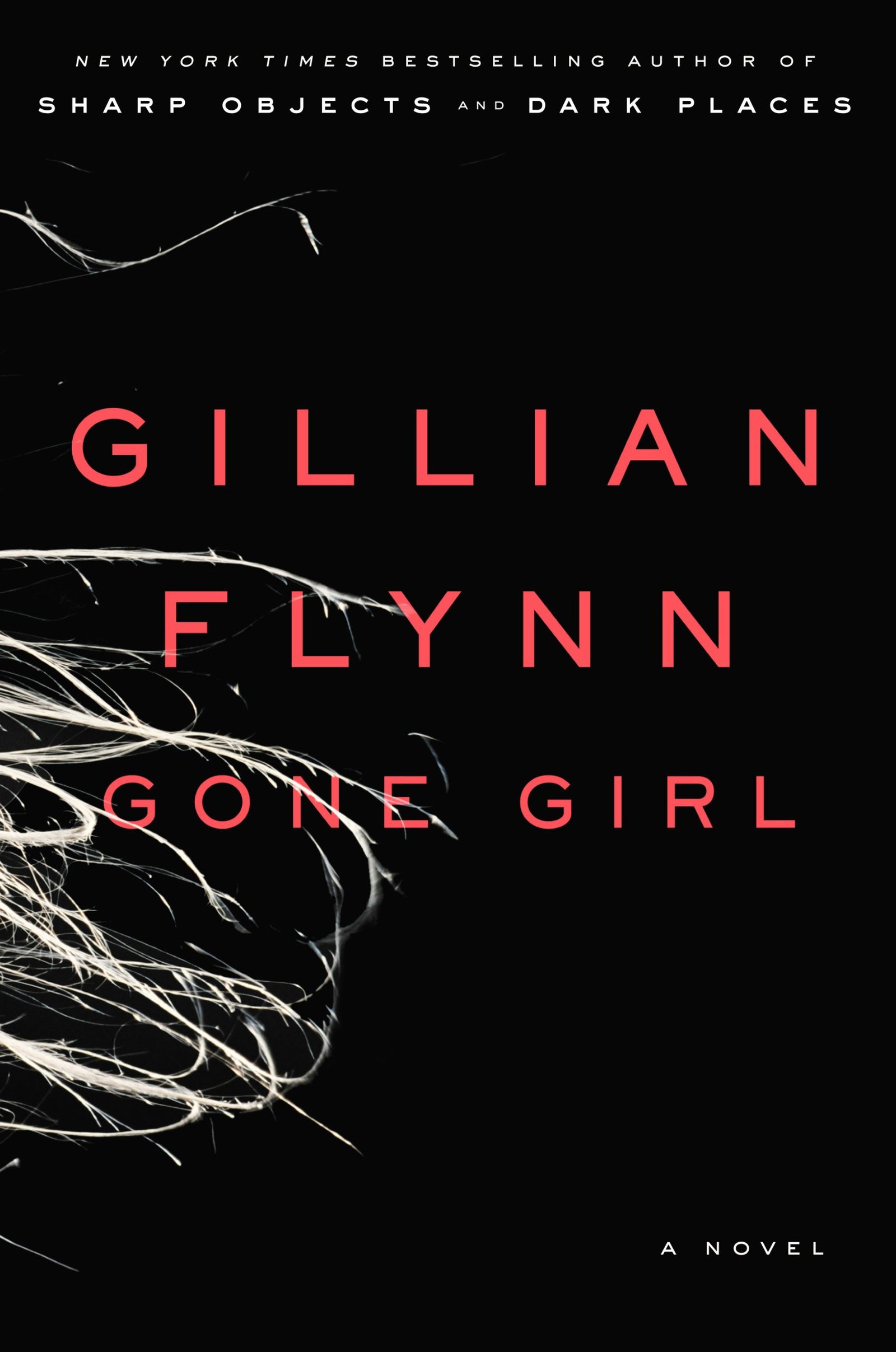
  3. Cover of Gone Girl by Gillian Flynn

    Cover not available

    Gone Girl

    by Gillian Flynn

    Marriage can be a real killer.

    One of the most critically acclaimed suspense writers of our time, New York Times bestseller Gillian Flynn takes that statement to its darkest place in this unputdownable masterpiece about a marriage gone terribly, terribly wrong. The Chicago Tribune proclaimed that her work "draws you in and keeps you reading with the force of a pure but nasty addiction." Gone Girl's toxic mix of sharp-edged wit and deliciously chilling prose creates a nerve-fraying thriller that confounds you at every turn.

    On a warm summer morning in North Carthage, Missouri, it is Nick and Amy Dunne's fifth wedding anniversary. Presents are being wrapped and reservations are being made when Nick's clever and beautiful wife disappears from their rented McMansion on the Mississippi River. Husband-of-the-Year Nick isn't doing himself any favors with cringe-worthy daydreams about the slope and shape of his wife's head, but passages from Amy's diary reveal the alpha-girl perfectionist could have put anyone dangerously on edge. Under mounting pressure from the police and the media--as well as Amy's fiercely doting parents--the town golden boy parades an endless series of lies, deceits, and inappropriate behavior. Nick is oddly evasive, and he's definitely bitter--but is he really a killer?

    As the cops close in, every couple in town is soon wondering how well they know the one that they love. With his twin sister, Margo, at his side, Nick stands by his innocence. Trouble is, if Nick didn't do it, where is that beautiful wife? And what was in that silvery gift box hidden in the back of her bedroom closet?

    With her razor-sharp writing and trademark psychological insight, Gillian Flynn delivers a fast-paced, devilishly dark, and ingeniously plotted thriller that confirms her status as one of the hottest writers around.

    Why it's similar

    Both are dark psychological thrillers featuring complex, morally ambiguous characters and a slow-unfolding mystery involving secrets, lies, and media scrutiny around a central crime.

    What's different

    The story focuses more on marital dysfunction and psychological manipulation than on large-scale corruption, and its twisty structure leans heavily into domestic suspense over investigative mystery.

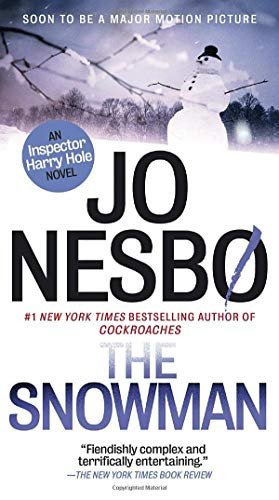
  4. Cover of The Snowman by Jo Nesbø

    Cover not available

    The Snowman

    by Jo Nesbø

    One night, after the first snowfall of the year, a boy named Jonas wakes up and discovers that his mother has disappeared. Only one trace of her remains: a pink scarf, his Christmas gift to her, now worn by the snowman that inexplicably appeared in their yard earlier that day. Inspector Harry Hole suspects a link between the missing woman and a suspicious letter he’s received. The case deepens when a pattern emerges: over the past decade, eleven women have vanished—all on the day of the first snow. But this is a killer who makes his own rules ... and he’ll break his pattern just to keep the game interesting, as he draws Harry ever closer into his twisted web. With brilliantly realized characters and hair-raising suspense, international bestselling author Jo Nesbø presents his most chilling case yet—one that will test Harry Hole to the very limits of his sanity.

    Don't miss Jo Nesbo's latest Harry Hole novel, Killing Moon!

    Why it's similar

    Both are Nordic noir crime novels set in Scandinavia that blend bleak atmosphere, graphic violence, and investigations into serial killings tied to hidden pasts and institutional failures.

    What's different

    The book follows a more traditional police procedural format centered on Detective Harry Hole, with less emphasis on hacker culture or corporate intrigue and more on serial killer cat‑and‑mouse suspense.

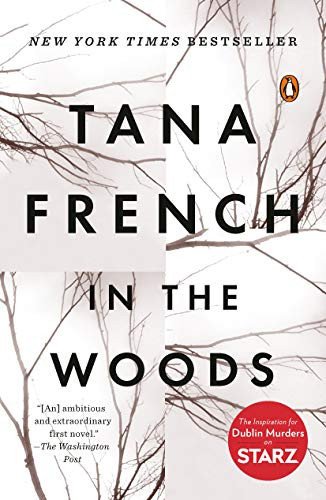
  5. Cover of In the Woods by Tana French

    Cover not available

    In the Woods

    by Tana French

    As dusk approaches a small Dublin suburb in the summer of 1984, mothers begin to call their children home. But on this warm evening, three children do not return from the dark and silent woods. When the police arrive, they find only one of the children gripping a tree trunk in terror, wearing blood-filled sneakers, and unable to recall a single detail of the previous hours. Twenty years later, the found boy, Rob Ryan, is a detective on the Dublin Murder Squad and keeps his past a secret. But when a twelve-year-old girl is found murdered in the same woods, he and Detective Cassie Maddox—his partner and closest friend—find themselves investigating a case chillingly similar to the previous unsolved mystery. Now, with only snippets of long-buried memories to guide him, Ryan has the chance to uncover both the mystery of the case before him and that of his own shadowy past. Richly atmospheric, stunning in its complexity, and utterly convincing and surprising to the end, In the Woods is sure to enthrall fans of Mystic River and The Lovely Bones.

    Why it's similar

    Both novels are layered crime stories that combine a central investigation with the protagonist’s troubled past, offering a moody tone, complex characterization, and a focus on how trauma shapes the inquiry.

    What's different

    It is less overtly violent and conspiratorial, emphasizing psychological depth and unresolved trauma over large corporate crimes, and its mystery leaves more ambiguity than Larsson’s more neatly resolved plot.

Looking for something else?

Use our book recommendation tool to discover books similar to any of your favorites.

Find similar books with LibroMatch