
Cover not available
The Pearl That Broke Its Shell
Afghan American Nadia Hashimi's literary debut is asearing tale of powerlessness, fate, and the freedom to control one's own fatethat combines the cultural flavor and emotional resonance of the works ofKhaled Hosseini, Jhumpa Lahiri, and Lisa See.In Kabul, 2007, with a drug-addicted father and no brothers,Rahima and her sisters can only sporadically attend school and can rarely leavethe house. Their only hope lies in the ancient custom of bacha posh,which allows young Rahima to dress and be treated as a boy until she is ofmarriageable age. As a son, she can attend school, go to the market, andchaperon her older sisters.But Rahima is not the first in her family to adopt thisunusual custom. A century earlier, her great-aunt Shekiba, left orphaned by anepidemic, saved herself and built a new life the same way.Crisscrossing in time, The Pearl That Broke Its Shellinterweaves the tales of these two women separated by a century who sharesimilar destinies. But what will happen once Rahima is of age?Will Shekiba always live as a man? And if Rahima cannot adapt to life as abride, how will she survive?
Why it's similar
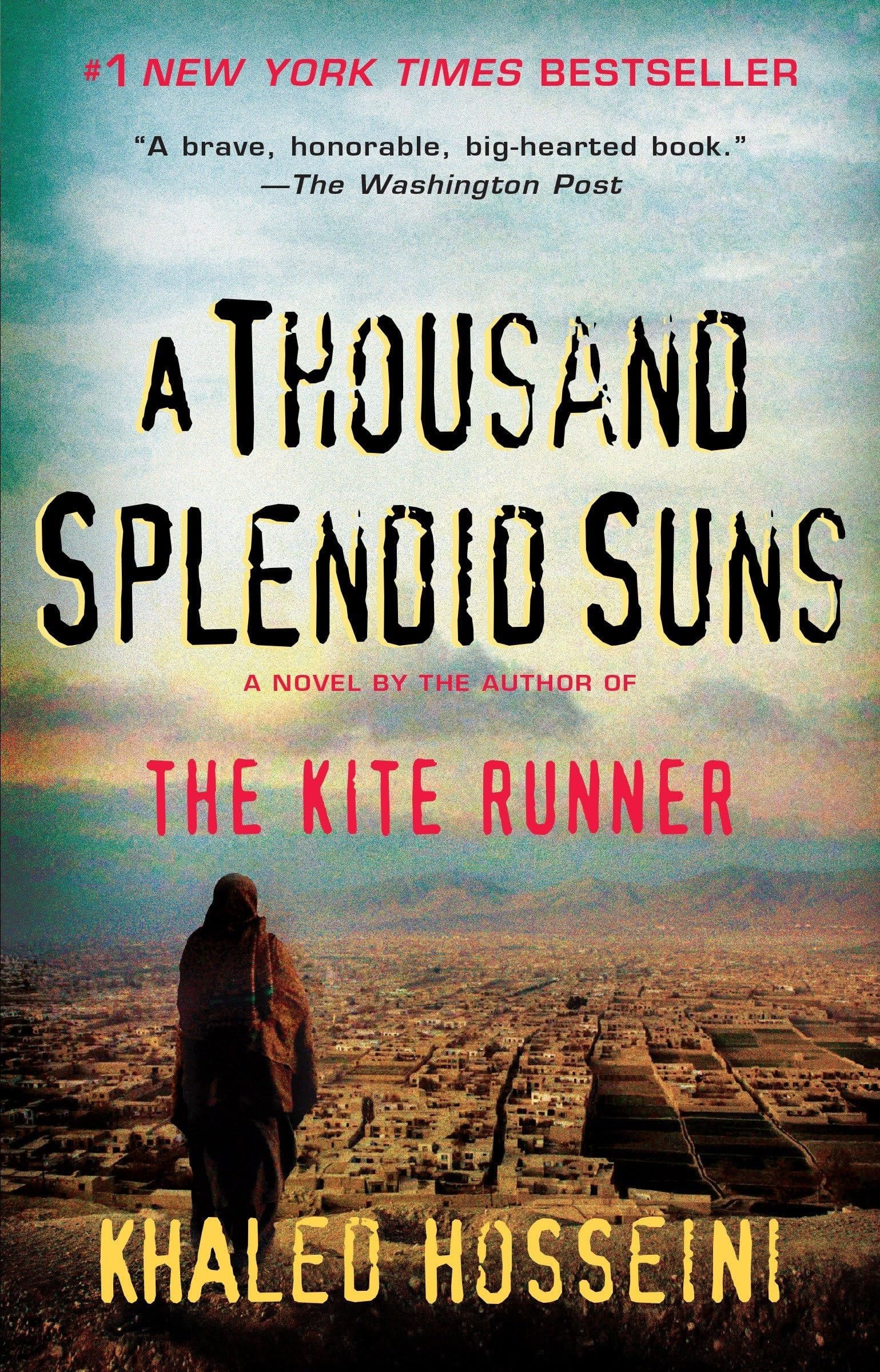
Both novels are set in Afghanistan and center on the severe patriarchal subjugation, forced marriages, and endurance of Afghan women fighting for self-determination.
What's different
Hashimi utilizes a dual-timeline structure contrasting a modern girl with her great-great-grandmother through the custom of bacha posh, rather than depicting an intertwined domestic bond between two contemporary women.