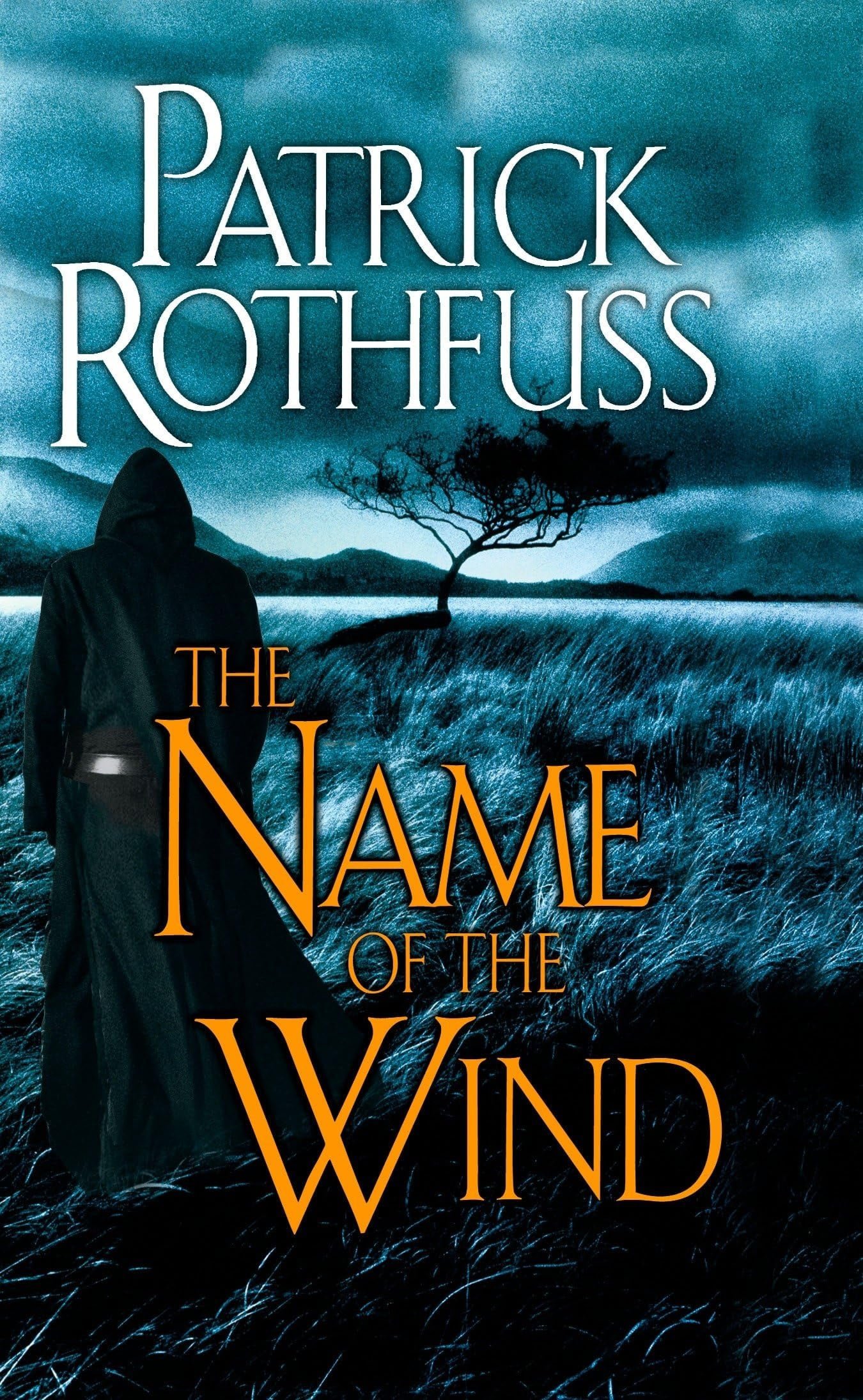
Cover of The Name of the Wind by Patrick Rothfuss

5 book recommendations

Books Like “The Name of the Wind” by Patrick Rothfuss

Patrick Rothfuss captivated fantasy fans with lyrical prose, a brilliant yet flawed protagonist, and an intricate magic system. If you are craving another immersive coming-of-age journey steeped in myth and high-stakes adventure, you are in the right place. Explore these handpicked tales to discover your next great epic fantasy read.

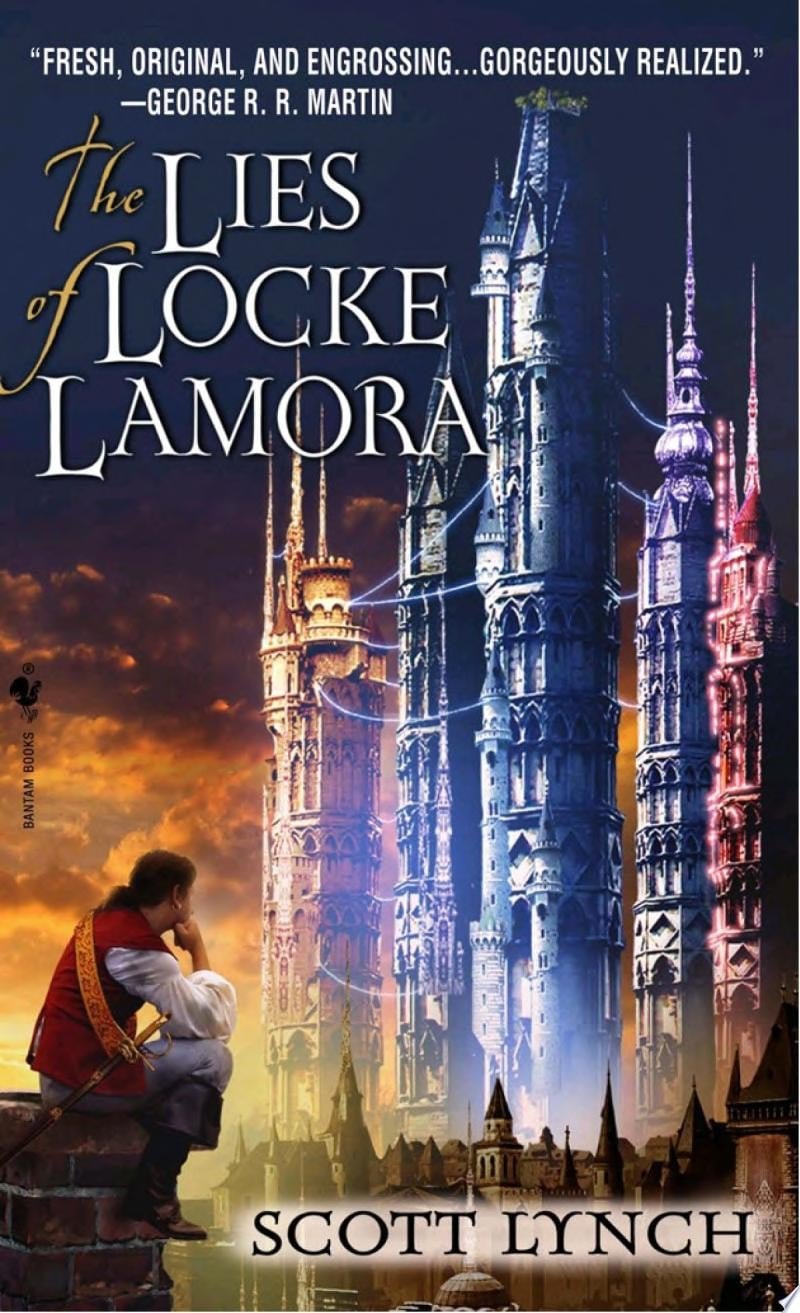
  1. Cover of The Lies of Locke Lamora by Scott Lynch

    Cover not available

    The Lies of Locke Lamora

    by Scott Lynch

    An orphan’s life is harsh—and often short—in the mysterious island city of Camorr. But young Locke Lamora dodges relentless danger, becoming a thief under the tutelage of a gifted con artist. As leader of the band of light-fingered brothers known as the Gentlemen Bastards, Locke is soon infamous, fooling even the underworld’s most feared ruler. But in the shadows lurks someone still more ambitious and deadly. Faced with a bloody coup that threatens to destroy everyone and everything that holds meaning in his mercenary life, Locke vows to beat the enemy at his own brutal game—or die trying.

    Why it's similar

    Both books feature exceptionally clever, orphaned protagonists who rise from destitution through sharp wit, theatrical flair, and rigorous training in intricate crafts within a vibrant secondary world.

    What's different

    Lynch presents an ensemble heist narrative told via third-person shifting timelines, focusing on underworld crime rather than a first-person magical academy memoir.
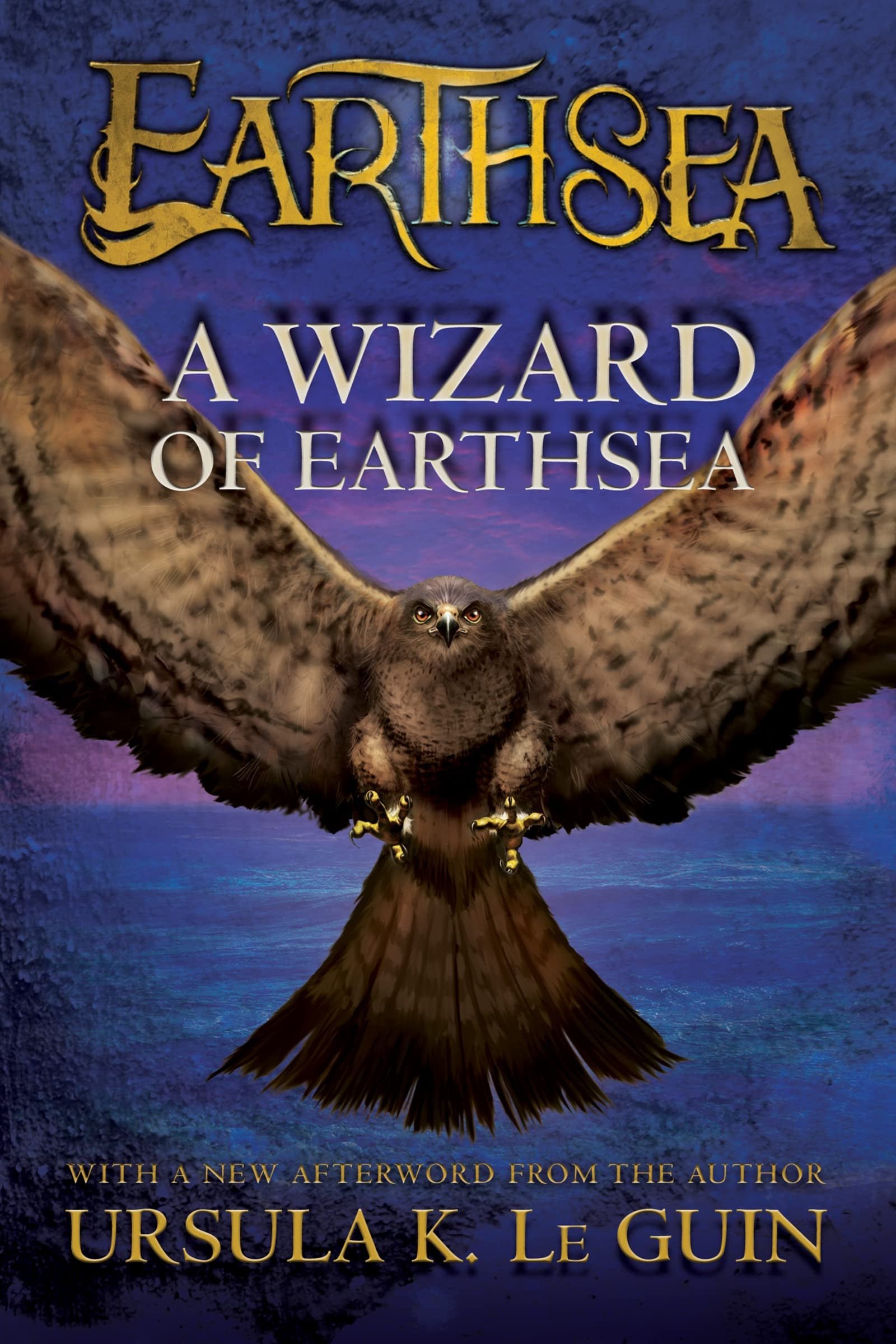
  2. Cover of A Wizard of Earthsea by Ursula K. Le Guin

    Cover not available

    A Wizard of Earthsea

    by Ursula K. Le Guin

    Originally published in 1968, Ursula K. Le Guin'sA Wizard of Earthsea marks the first of the six now beloved Earthsea titles. Ged was the greatest sorcerer in Earthsea, but in his youth he was the reckless Sparrowhawk. In his hunger for power and knowledge, he tampered with long-held secrets and loosed a terrible shadow upon the world. This is the tumultuous tale of his testing, how he mastered the mighty words of power, tamed an ancient dragon, and crossed death's threshold to restore the balance.

    Why it's similar

    Both stories center on an extraordinarily gifted, prideful youth attending an elite school of wizardry where magic is fundamentally governed by discovering the true names of things.

    What's different

    Le Guin uses a concise, mythic third-person narrative focused on philosophical balance, contrasting Rothfuss's expansive, detailed, and autobiographical storytelling style.

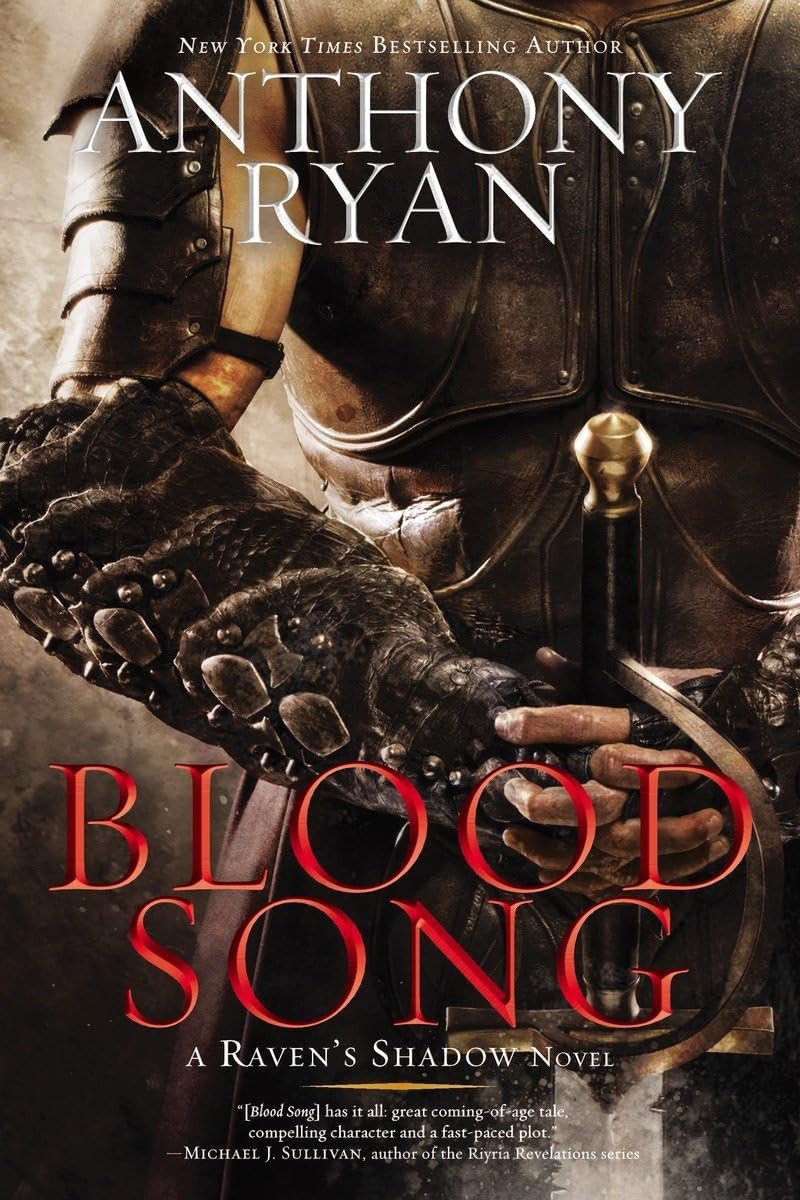
  3. Cover of Blood Song by Anthony Ryan

    Cover not available

    Blood Song

    by Anthony Ryan

    Vaelin Al Sorna was only a child of ten when his father left him at the iron gate of the Sixth Order to be trained and hardened to the austere, celibate and dangerous life of a warrior of the Faith. He has no family now save the Order.

    Vaelin’s father was Battle Lord to King Janus, ruler of the Unified Realm—and Vaelin’s rage at being deprived of his birthright knows no bounds. Even his cherished memories of his mother are soon challenged by what he learns within the Order.

    But one truth overpowers all the rest: Vaelin Al Sorna is destined for a future he has yet to comprehend. A future that will alter not only the Realm but the world.

    Why it's similar

    Both novels use a framed retrospective structure where a captive, legendary hero recounts his childhood training, rise to infamy, and extraordinary feats to an imperial chronicler.

    What's different

    Ryan's narrative focuses primarily on brutal martial training, monastic brotherhood, and military campaigns rather than academic study, acoustic performance, and arcane scholarship.

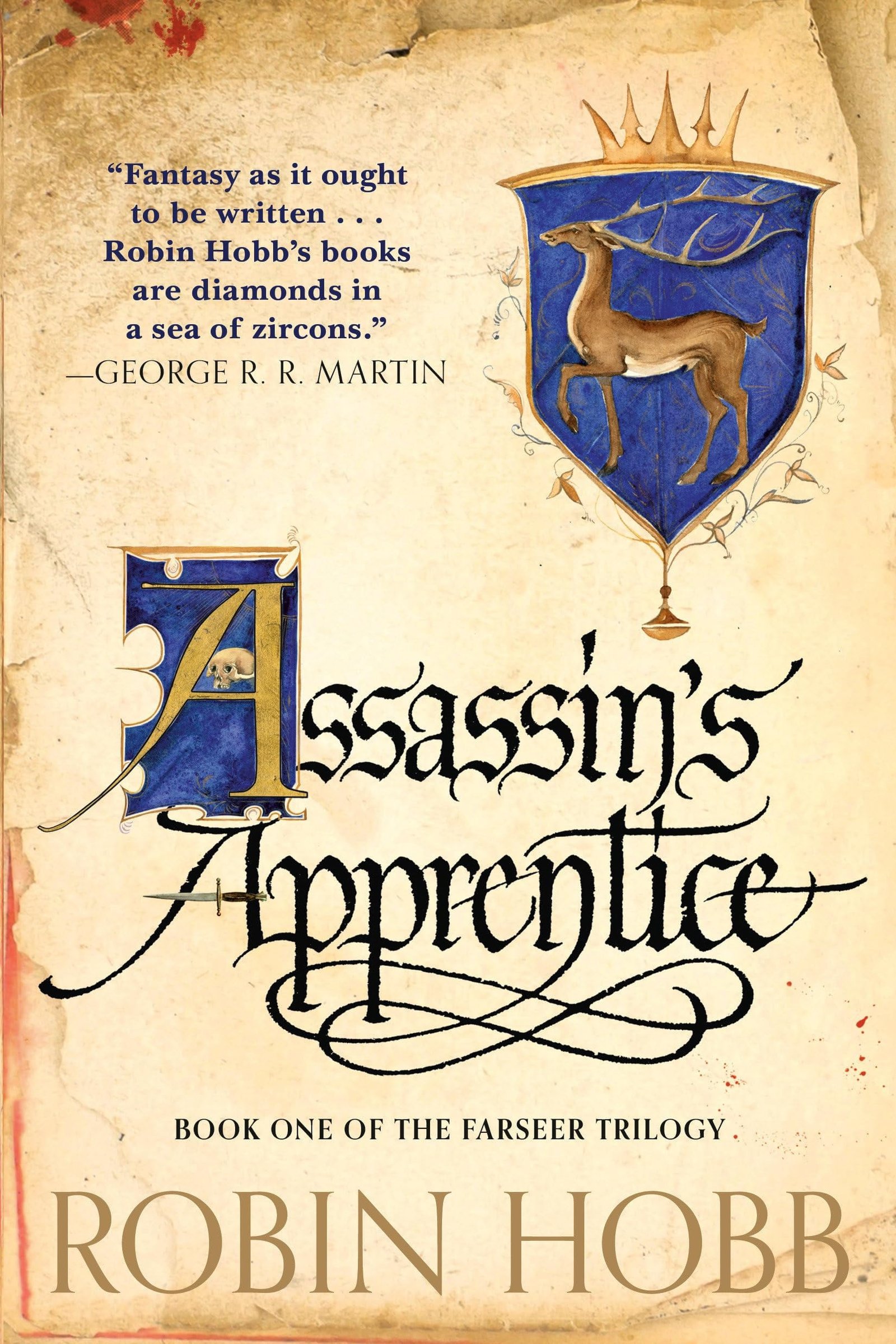
  4. Cover of Assassin's Apprentice by Robin Hobb

    Cover not available

    Assassin's Apprentice

    by Robin Hobb

    Young Fitz is the bastard son of the noble Prince Chivalry, raised in the shadow of the royal court by his father’s gruff stableman. He is treated as an outcast by all the royalty except the devious King Shrewd, who has him secretly tutored in the arts of the assassin. For in Fitz’s blood runs the magic Skill—and the darker knowledge of a child raised with the stable hounds and rejected by his family.

    As barbarous raiders ravage the coasts, Fitz is growing to manhood. Soon he will face his first dangerous, soul-shattering mission. And though some regard him as a threat to the throne, he may just be the key to the survival of the kingdom.

    Praise for Robin Hobb and Assassin’s Apprentice

    “A gleaming debut in the crowded field of epic fantasies . . . a delightful take on the powers and politics behind the throne.”—Publishers Weekly

    “This is the kind of book you fall into, and start reading slower as you get to the end, because you don’t want it to be over.”—Steven Brust

    Why it's similar

    Both works feature deeply personal, first-person autobiographical recollections of an isolated boy mastering dangerous crafts and misunderstood magical bonds under the supervision of stern mentors.

    What's different

    Hobb's story emphasizes feudal court intrigue and emotional vulnerability with a consistently somber tone, lacking the flamboyant myth-making and romantic adventure of Rothfuss's protagonist.

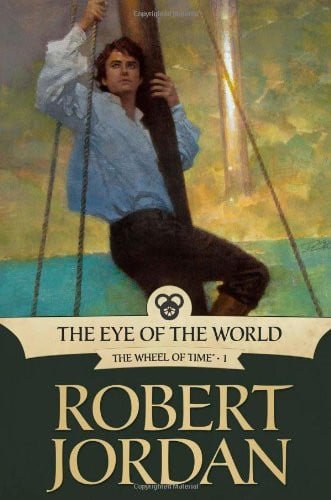
  5. Cover of The Eye of the World by Robert Jordan

    Cover not available

    The Eye of the World

    by Robert Jordan

    The Eye of the World, the first novel in Robert Jordan's #1 New York Times bestselling epic fantasy series, The Wheel of Time®, follows Moiraine Damodred as she arrives in Emond's Field on a quest to find the one prophesized to stand against The Dark One.

    The Wheel of Time turns and Ages come and pass, leaving memories that become legend. Legend fades to myth, and even myth is long forgotten when the Age that gave it birth returns again. What was, what will be, and what is, may yet fall under the Shadow.

    When a vicious band of half-men, half beasts invade the Two Rivers seeking their master’s enemy, Moiraine persuades Rand al’Thor and his friends to leave their home and enter a larger unimaginable world filled with dangers waiting in the shadows and in the light.

    Why it's similar

    Both books launch high-magic epic fantasy series with meticulous world-building, ancient mysteries, and a young protagonist discovering extraordinary abilities against the backdrop of looming cosmic threats.

    What's different

    It uses a traditional third-person ensemble narrative and expands quickly into a sprawling epic quest, offering less intimate introspection and more large-scale adventure and world-spanning conflict than Rothfuss’s focused biography style.

Looking for something else?

Use our book recommendation tool to discover books similar to any of your favorites.

Find similar books with LibroMatch