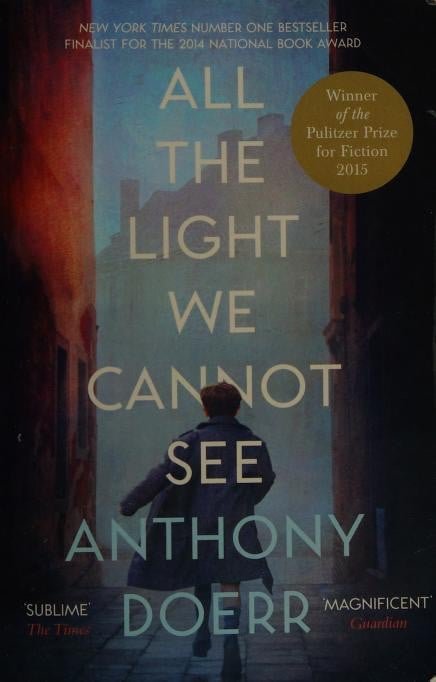
Cover of All the Light We Cannot See by Anthony Doerr

5 book recommendations

Books Like “All the Light We Cannot See” by Anthony Doerr

Anthony Doerr’s All the Light We Cannot See captivated millions with its luminous prose, vivid World War II setting, and moving exploration of human resilience. If you are searching for another emotionally rich historical novel filled with unforgettable characters and heartbreaking beauty, look no further. Discover your next favorite read below.

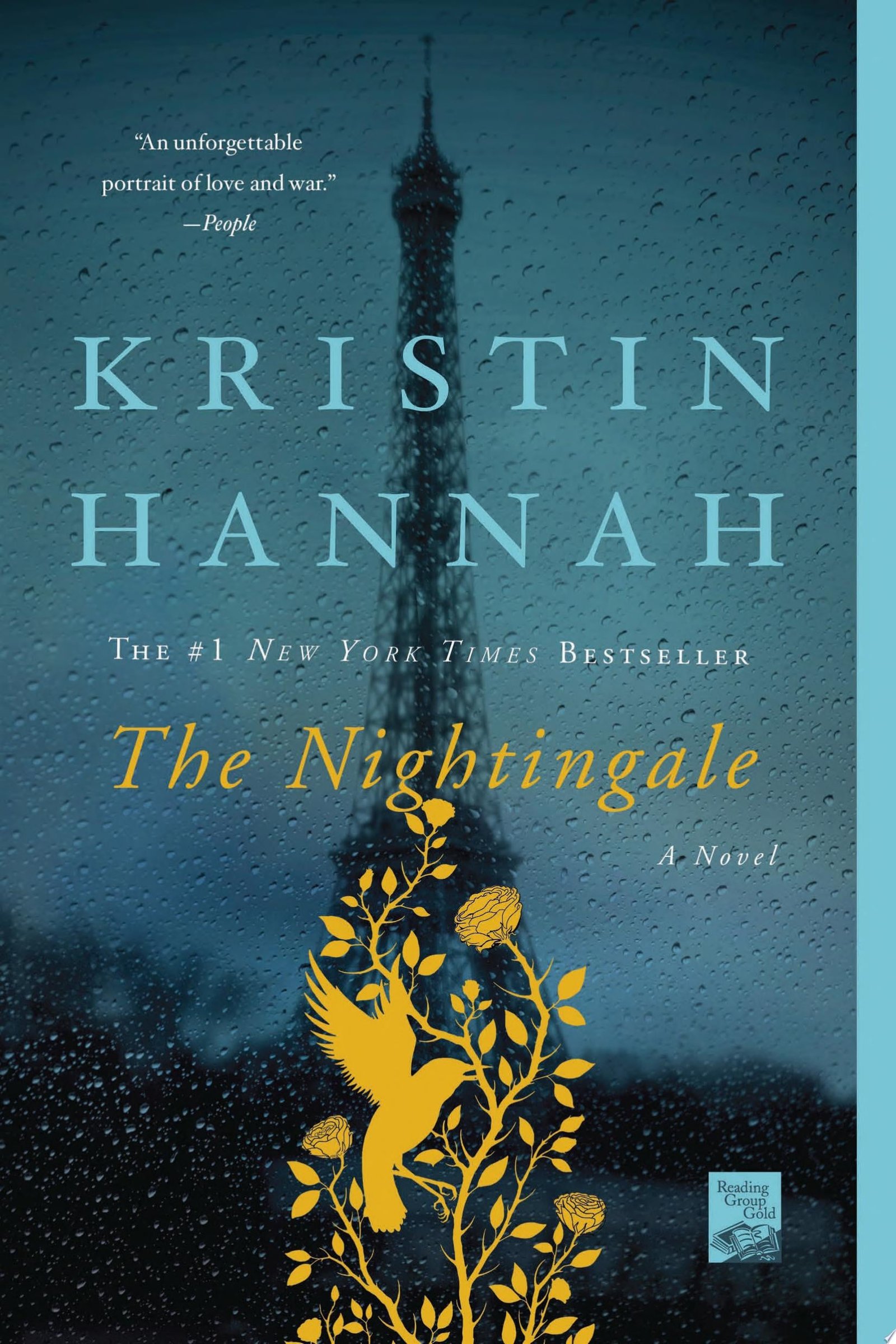
  1. Cover of The Nightingale by Kristin Hannah

    Cover not available

    The Nightingale

    by Kristin Hannah

    A #1 New York Times bestseller, Wall Street Journal Best Book of the Year, and soon to be a major motion picture, this unforgettable novel of love and strength in the face of war has enthralled a generation.

    France, 1939 - In the quiet village of Carriveau, Vianne Mauriac says goodbye to her husband, Antoine, as he heads for the Front. She doesn't believe that the Nazis will invade France ... but invade they do, in droves of marching soldiers, in caravans of trucks and tanks, in planes that fill the skies and drop bombs upon the innocent. When a German captain requisitions Vianne's home, she and her daughter must live with the enemy or lose everything. Without food or money or hope, as danger escalates all around them, she is forced to make one impossible choice after another to keep her family alive.

    Vianne's sister, Isabelle, is a rebellious eighteen-year-old girl, searching for purpose with all the reckless passion of youth. While thousands of Parisians march into the unknown terrors of war, she meets Gäetan, a partisan who believes the French can fight the Nazis from within France, and she falls in love as only the young can ... completely. But when he betrays her, Isabelle joins the Resistance and never looks back, risking her life time and again to save others.

    With courage, grace, and powerful insight, bestselling author Kristin Hannah captures the epic panorama of World War II and illuminates an intimate part of history seldom seen: the women's war. The Nightingale tells the stories of two sisters, separated by years and experience, by ideals, passion and circumstance, each embarking on her own dangerous path toward survival, love, and freedom in German-occupied, war-torn France—a heartbreakingly beautiful novel that celebrates the resilience of the human spirit and the durability of women. It is a novel for everyone, a novel for a lifetime.

    Why it's similar

    Both works are set in Nazi-occupied France during World War II and focus on the quiet bravery and survival of ordinary civilians confronting German oppression.

    What's different

    Hannah delivers a character-driven, emotionally direct melodrama centered on two adult sisters, contrasting with Doerr's multi-layered, poetic prose style and dual-perspective structure.
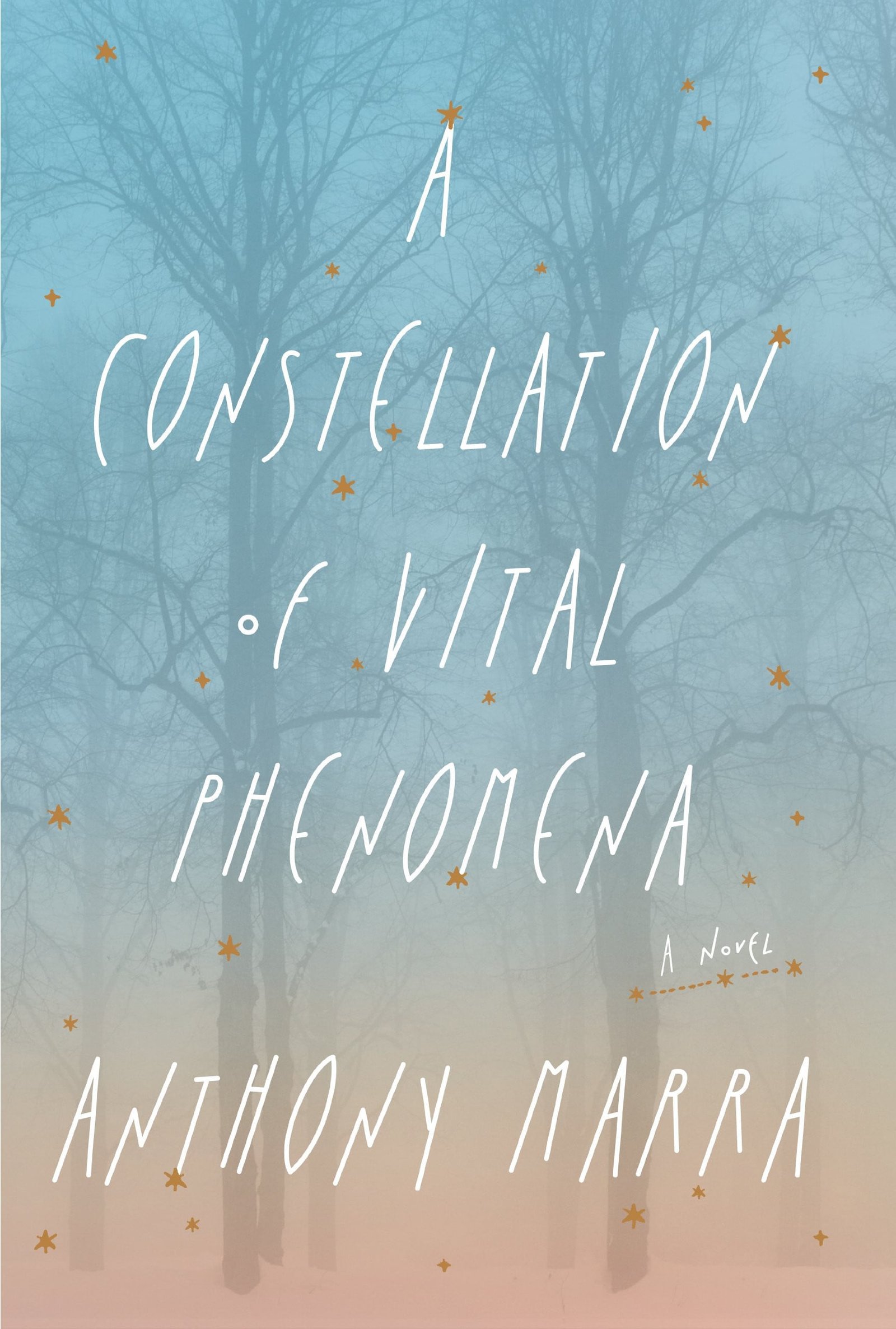
  2. Cover of A Constellation of Vital Phenomena by Anthony Marra

    Cover not available

    A Constellation of Vital Phenomena

    by Anthony Marra

    Stegner Fellow, Iowa MFA, and winner of the" Atlantic"'s emerging writer contest, Anthony Marra has written a brilliant debut novel that brings to life an abandoned hospital where a tough-minded doctor decides to harbour a hunted young girl, with powerful consequences.
    In the final days of December 2004, in a small rural village in Chechnya, 8-year-old Havaa hides in the woods when her father is abducted by Russian forces. Fearing for her life, she flees with their neighbour Akhmed to the bombed-out hospital, where Sonya, the one remaining doctor, treats a steady stream of wounded rebels and refugees. Over the course of 5 dramatic days, Akhmed and Sonya reach back into their pasts to unravel the intricate mystery of coincidence, betrayal and forgiveness that unexpectedly binds them and decides their fate.
    With "The English Patient"'s dramatic sweep and "The Tiger's Wife"'s expert sense of place, Marra gives us a searing debut about the transcendent power of love in wartime, and how it can cause us to become greater than we ever thought possible.

    Why it's similar

    Both books utilize lyrical, fragmented prose and multi-perspective timelines to chronicle how disparate individuals strive to protect innocent lives and preserve human dignity during catastrophic conflict.

    What's different

    Marra's novel is set during the contemporary Chechen Wars rather than World War II, presenting a bleaker atmosphere shaped by modern regional geopolitics.

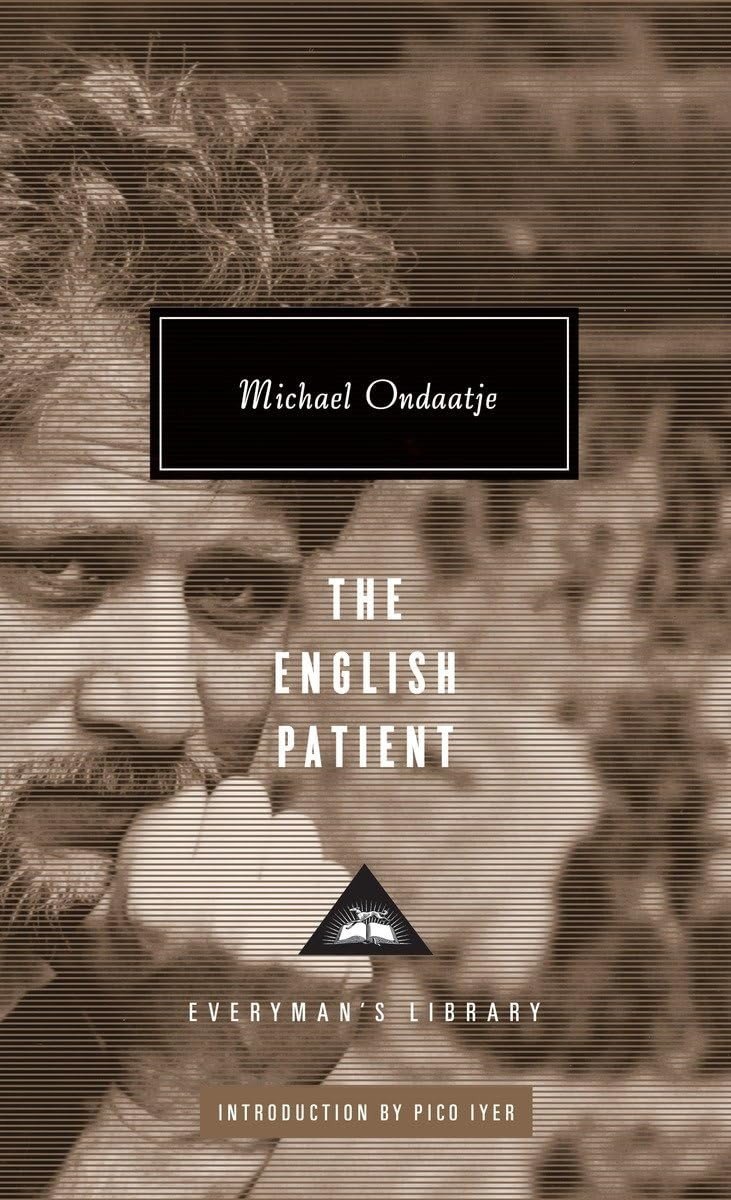
  3. Cover of The English Patient by Michael Ondaatje

    Cover not available

    The English Patient

    by Michael Ondaatje

    Michael Ondaatje’s Booker Prize–winning best seller lyrically portrays the convergence of four damaged lives in a bomb-riddled Italian villa in the last days of the war. Hana, the grieving nurse; the maimed thief, Caravaggio; the emotionally detached Indian sapper, Kip—each is haunted in different ways by the riddle of the man they know only as the English patient, a nameless burn victim who lies swathed in bandages in an upstairs room. It is this man’s incandescent memories—of the bleak North African desert, of explorers’ caves and Bedouin tribesmen,
    of forbidden love, and of annihilating anger—that illuminate the story, and the consequences of the mysteries they reveal radiate outward in shock waves that leave all the characters forever changed.

    Why it's similar

    Both novels feature lush, sensory-rich prose and non-linear timelines that explore the intersection of memory, science, cartography, and the tragic consequences of World War II.

    What's different

    Ondaatje's narrative focuses primarily on adult romantic obsession, identity loss, and post-war psychological grief in an isolated Italian villa rather than the parallel coming-of-age journeys of youth.

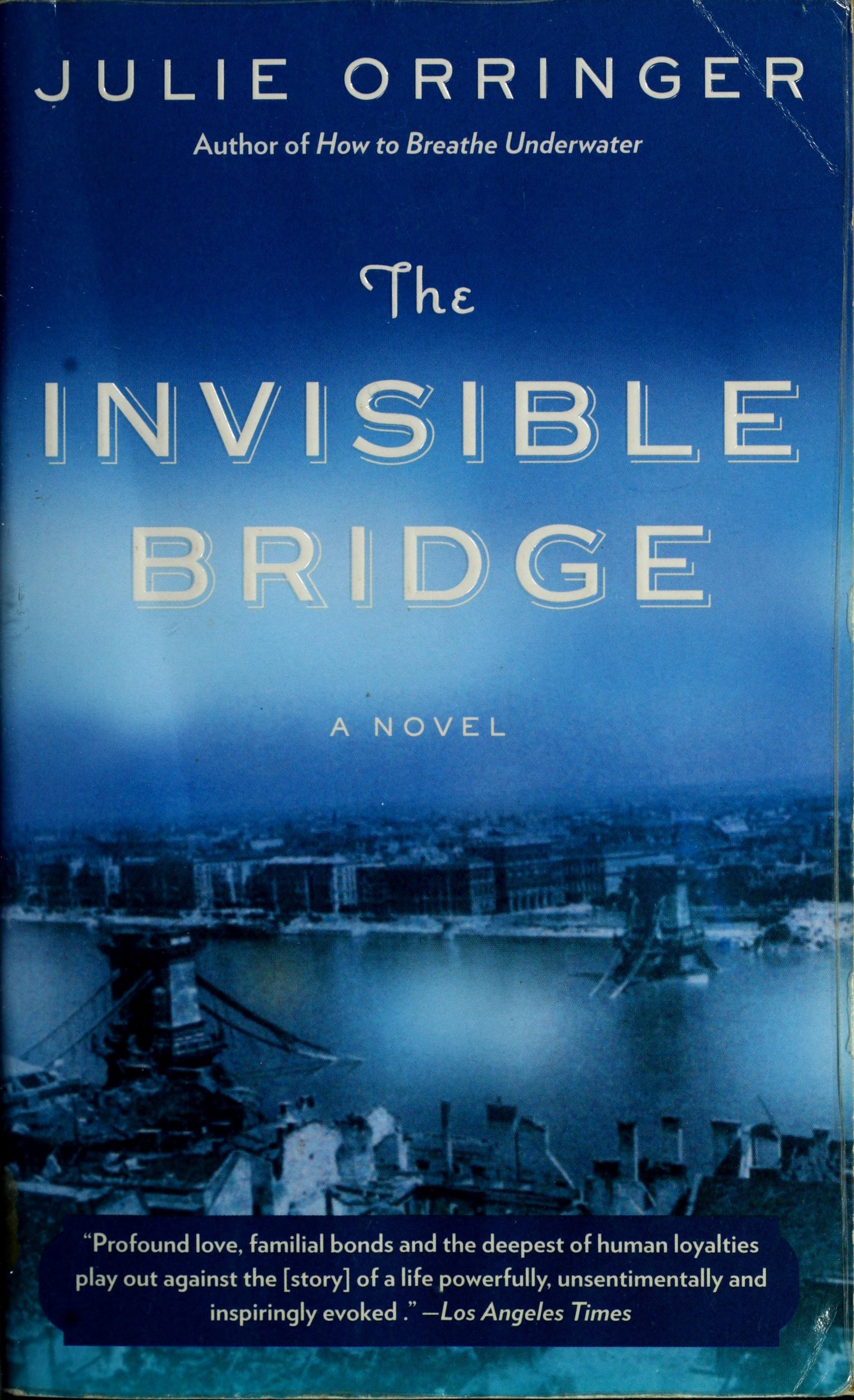
  4. Cover of The Invisible Bridge by Julie Orringer

    Cover not available

    The Invisible Bridge

    by Julie Orringer

    NEW YORK TIMES BESTSELLER • The "stunning" debut novel (Los Angeles Times) from the bestselling author of The Flight Portfolio—the inspiration for the Netflix series Transatlantic—is a grand love story set against the backdrop of Budapest and Paris, a tale of three brothers whose lives are ravaged by war, and of one family’s struggle against the forces that threaten to annihilate it.

    Paris, 1937. Andras Lévi, a Hungarian-Jewish architecture student, arrives from Budapest with a scholarship, a single suitcase, and a mysterious letter he promised to deliver. But when he falls into a complicated relationship with the letter's recipient, he becomes privy to a secret that will alter the course of his—and his family’s—history. From the small Hungarian town of Konyár to the grand opera houses of Budapest and Paris, from the despair of Carpathian winter to an unimaginable life in labor camps, The Invisible Bridge tells the story of a family shattered and remade in history’s darkest hour.

    Why it's similar

    Both are richly detailed historical novels about young people in Europe on the eve of and during World War II, blending meticulous period research, romantic and familial relationships, and the gradual encroachment of Nazi persecution into everyday life.

    What's different

    Its scope is broader and slower-paced, tracing several years and locations in detail, with a more expansive family saga structure that emphasizes long-term survival and exile over the tightly focused dual storyline of Doerr’s book.

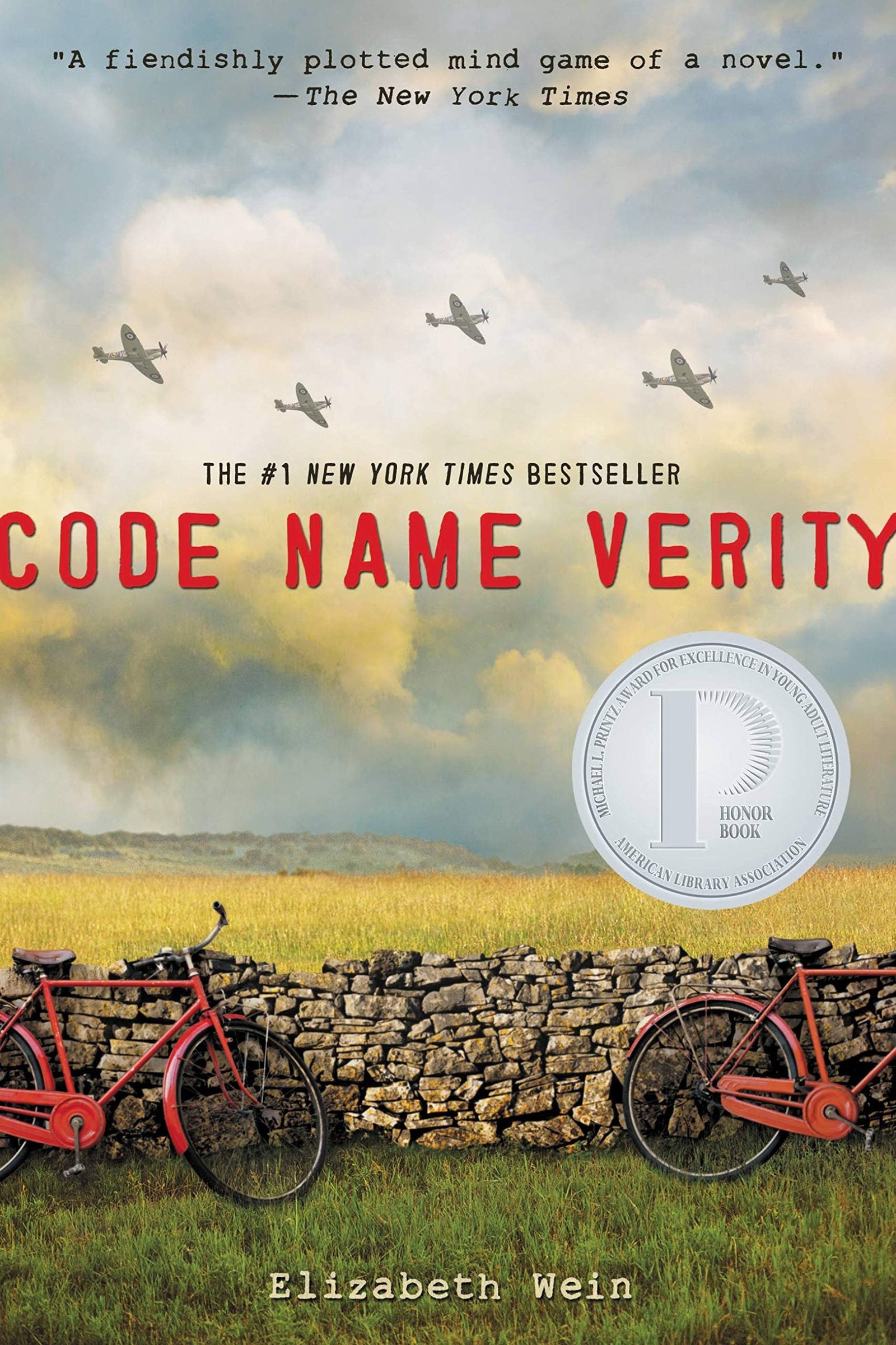
  5. Cover of Code Name Verity by Elizabeth Wein

    Cover not available

    Code Name Verity

    by Elizabeth Wein

    Oct. 11th, 1943—A British spy plane crashes in Nazi-occupied France. Its pilot and passenger are best friends. One of the girls has a chance at survival. The other has lost the game before it's barely begun.

    When “Verity” is arrested by the Gestapo, she's sure she doesn’t stand a chance. As a secret agent captured in enemy territory, she’s living a spy’s worst nightmare. Her Nazi interrogators give her a simple choice: reveal her mission or face a grisly execution.

    As she intricately weaves her confession, Verity uncovers her past, how she became friends with the pilot Maddie, and why she left Maddie in the wrecked fuselage of their plane. On each new scrap of paper, Verity battles for her life, confronting her views on courage, failure and her desperate hope to make it home. But will trading her secrets be enough to save her from the enemy?

    A Michael L. Printz Award Honor book that was called “a fiendishly-plotted mind game of a novel” in The New York Times, Code Name Verity is a visceral read of danger, resolve, and survival that shows just how far true friends will go to save each other.

    Why it's similar

    Both feature World War II settings, intricate plotting, and deeply emotional stories about young characters whose fates intertwine through acts of courage and sacrifice, using alternating perspectives to reveal the hidden networks and risks of resistance work.

    What's different

    It has a stronger thriller element and epistolary structure rooted in a single extended confession, with more overt espionage and plot twists and a slightly more overtly YA-oriented voice than Doerr’s adult literary style.

Looking for something else?

Use our book recommendation tool to discover books similar to any of your favorites.

Find similar books with LibroMatch