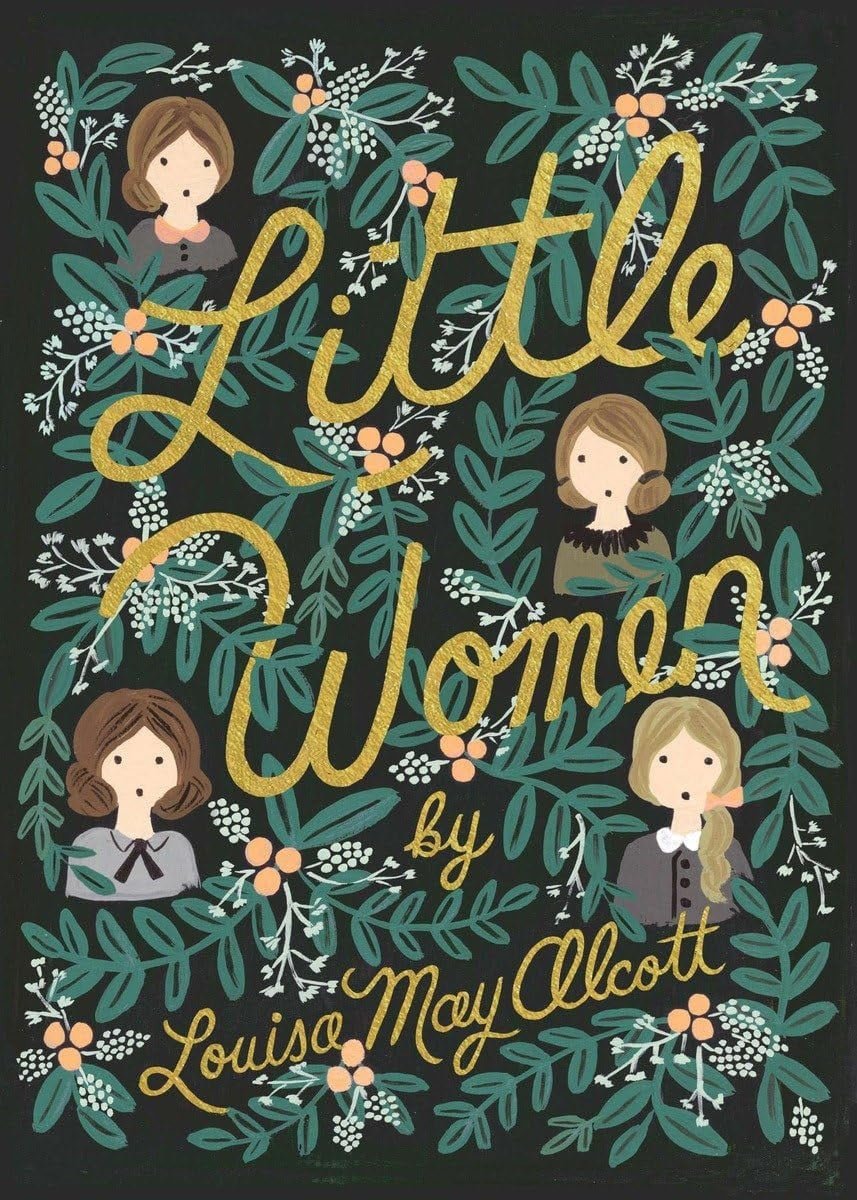
Cover of Little Women by Louisa May Alcott

6 book recommendations

Books Like “Little Women” by Louisa May Alcott

If you cherish Little Women for its heartwarming sisterhood, cozy domestic charm, and spirited coming-of-age journeys, you are in good company. Explore our handpicked recommendations below to discover your next comfort read.

  1. Cover of Anne of Green Gables by L. M. Montgomery

    Cover not available

    Anne of Green Gables

    by L. M. Montgomery

    Anne Shirley is an eleven-year-old orphan who has hung on determinedly to an optimistic spirit and a wildly creative imagination through her early deprivations. She erupts into the lives of aging brother and sister Matthew and Marilla Cuthbert, a girl instead of the boy they had sent for. Thus begins a story of transformation for all three; indeed the whole rural community of Avonlea comes under Anne's influence in some way. We see her grow from a girl to a young woman of sixteen, making her mistakes, and not always learning from them. Intelligent, hot-headed as her own red hair, unwilling to take a moral truth as read until she works it out for herself, she must also face grief and loss and learn the true meaning of love. Part Tom Sawyer, part Jane Eyre, by the end of Anne of Green Gables, Anne has become the heroine of her own story.

    Why it's similar

    Like Little Women, it is a classic domestic coming-of-age story centered on an imaginative, spirited young heroine whose creative ambitions and temper parallel those of Jo March. Both books highlight the warmth of family life and the transition from childhood to young adulthood in a nineteenth-century North American setting.

    What's different

    Rather than chronicling the collective dynamics of four sisters, the story focuses primarily on a single orphan girl adapting to an adoptive family and an insular rural community. The tone is also more whimsical and pastoral, with less emphasis on the backdrop of wartime hardship.
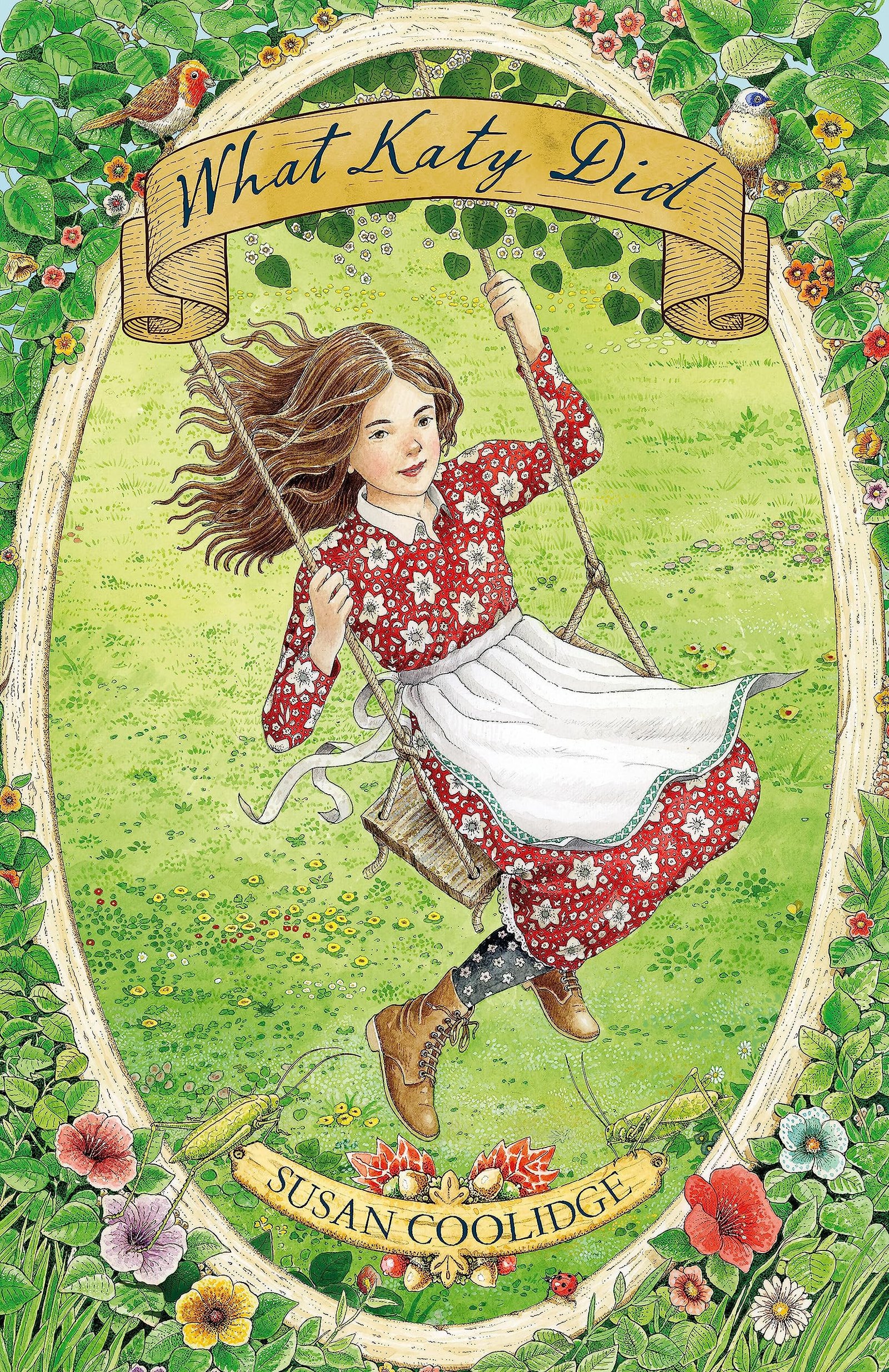
  2. Cover of What Katy Did by Susan Coolidge

    Cover not available

    What Katy Did

    by Susan Coolidge

    'One of my all-time favourite books. It's a very lively, funny story' Jacqueline Wilson

    Katy has grand plans to be beautiful, graceful and ladylike ... one day! But for now she has hair that is always tangled, bootlaces undone, a torn dress and she doesn't care about being 'good'. With a wild imagination and high spirits, she is always up to mischief, but there never has been a heroine as lovable as Katy. Then a terrible accident happens and it takes all her courage - and hard-learned patience - to keep her dreams alive.

    Why it's similar

    Both novels belong to the nineteenth-century American domestic fiction genre and feature tomboyish, impulsive young protagonists who learn self-discipline and empathy within a large, loving family. Coolidge drew direct inspiration from Alcott's depiction of sisterhood and the moral education of young women.

    What's different

    The narrative centers heavily on a tragic accident and the Victorian trope of invalidism as the primary catalyst for the heroine's moral reformation, resulting in a more explicitly didactic plot. The scope remains tightly focused on Katy's bedroom rather than branching into the varied adult pathways of multiple siblings.

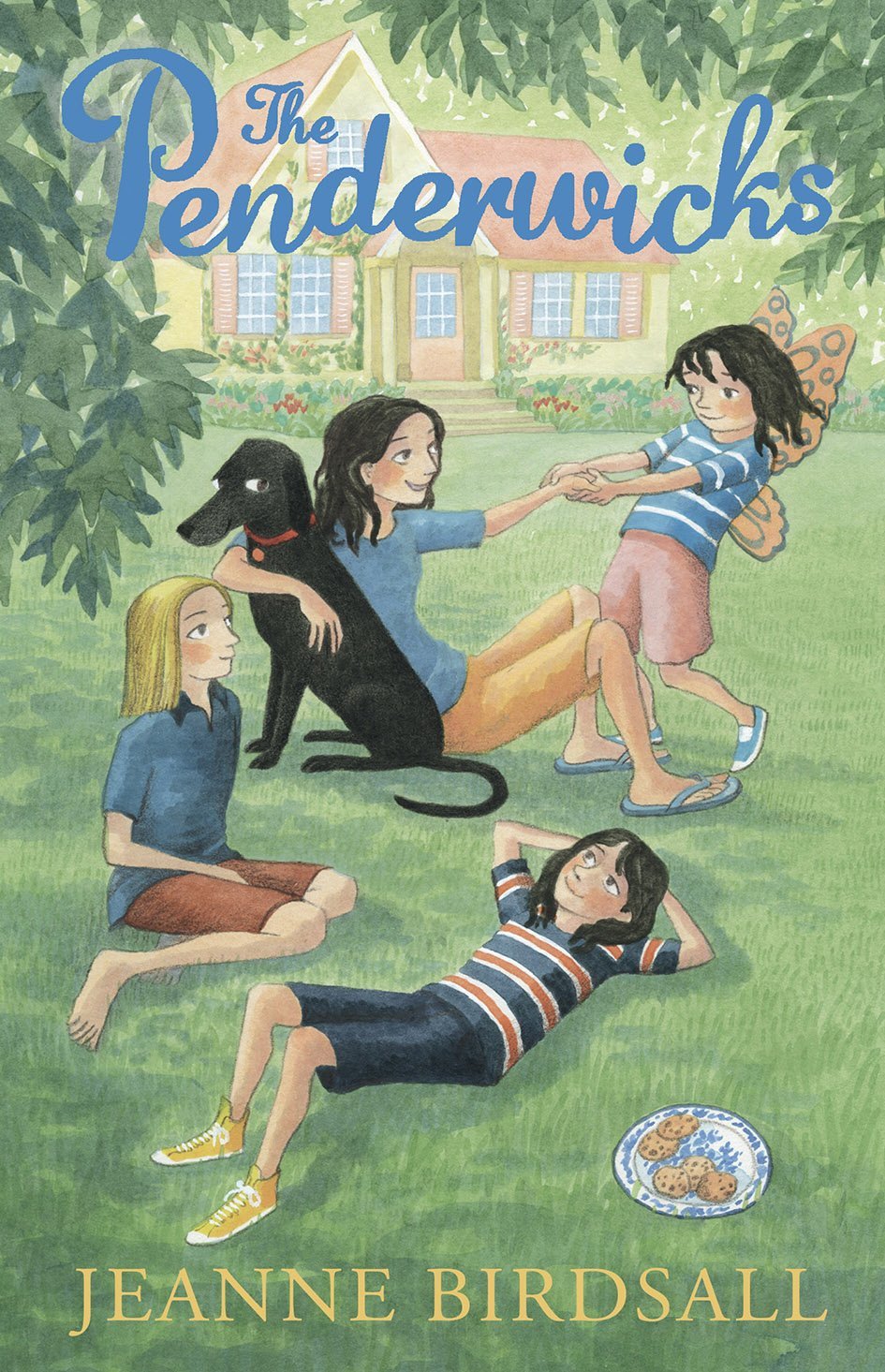
  3. Cover of The Penderwicks: A Summer Tale of Four Sisters, Two Rabbits, and a Very Interesting Boy by Jeanne Birdsall

    Cover not available

    The Penderwicks: A Summer Tale of Four Sisters, Two Rabbits, and a Very Interesting Boy

    by Jeanne Birdsall

    The Penderwicks- four sisters, as different as chalk from cheese, yet as close as can be.

    The eldest, Rosalind, is responsible and practical; Skye, stubborn and feisty; dreamy, artistic, budding novelist, Jane; and shy little Batty, who doesn't go anywhere without her butterfly wings. And not forgetting Hound, their large lumbering lovable dog.

    The four girls and their absent-minded father head off for their summer holidays, but instead of the cosy tumbledown cottage they expect, they find themselves on a huge estate called Arundel, with magnificent gardens ripe for exploring. It isn't long before they become embroiled in all sorts of scrapes with new-found friend, Jeffrey - but his mother, the icy-hearted Mrs Tifton, must be avoided at all costs. Chaotic adventures ensue, and it soon becomes a summer the sisters will never forget...

    Why it's similar

    The novel mirrors the central structure of Little Women by following four distinct sisters—ranging from the responsible eldest to the artistic and tomboyish middle children—and their friendship with a lonely, wealthy boy next door. Both works celebrate sisterly loyalty, domestic adventures, and the preservation of childhood innocence.

    What's different

    Set in modern times rather than the Civil War era, it features a lighter, sunnier tone without the severe financial privation, social pressures, or grief that mark the March family's lives. The audience is also targeted more exclusively at middle-grade readers rather than spanning cross-generational domestic realism.

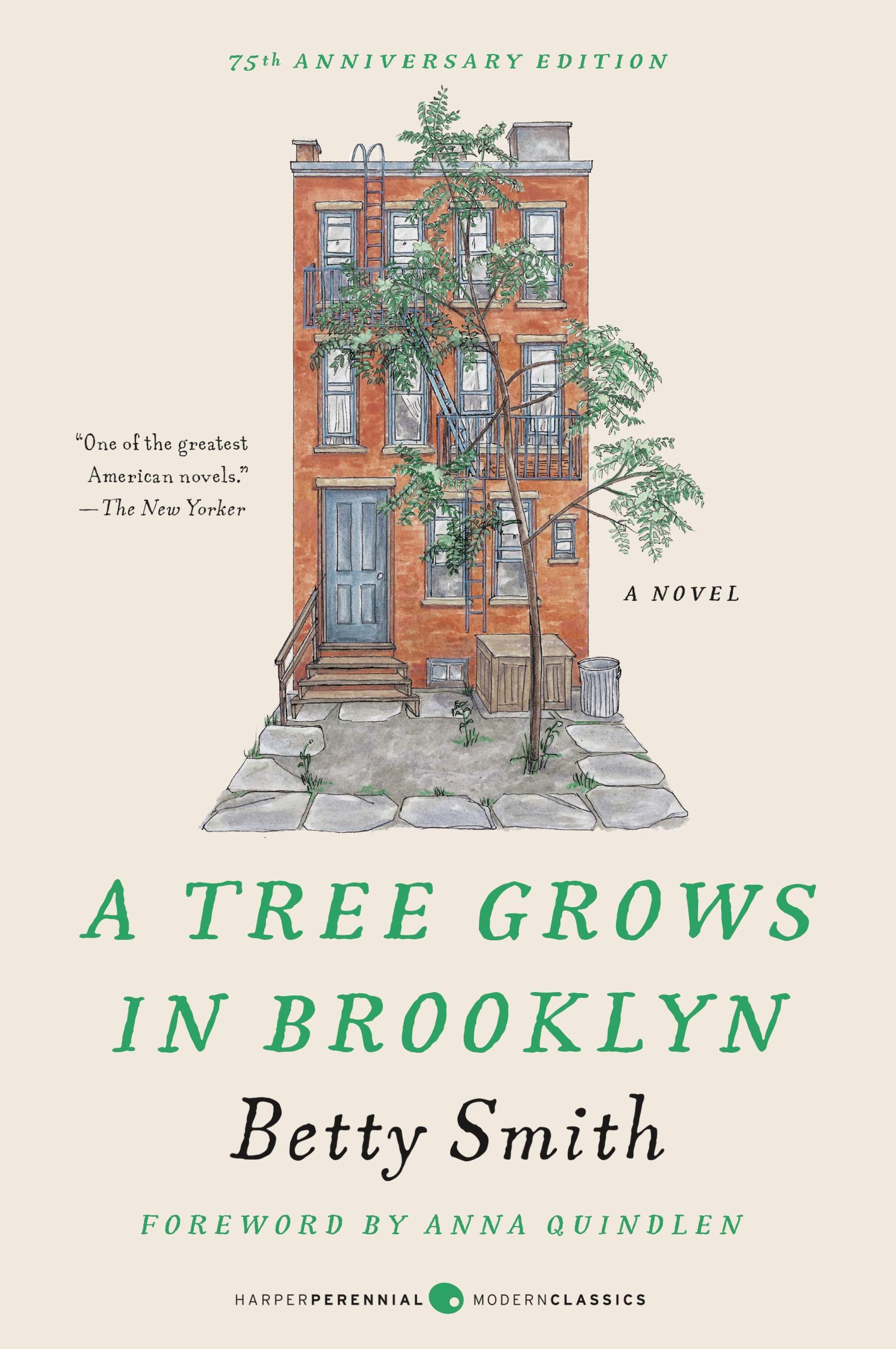
  4. Cover of A Tree Grows in Brooklyn by Betty Smith

    Cover not available

    A Tree Grows in Brooklyn

    by Betty Smith

    The American classic about a young girl's coming-of-age at the turn of the century.

    This P.S. edition features an extra 16 pages of insights into the book, including author interviews, recommended reading, and more.

    Why it's similar

    Both works depict the coming-of-age of an observant, book-loving young girl with literary aspirations who finds beauty and resilience in a close, financially struggling family. Francie Nolan's determination to educate herself and write mirrors Jo March's creative drive under conditions of genteel or outright poverty.

    What's different

    Written with mid-twentieth-century realism for a general or adult readership, it addresses harsher urban realities including alcoholism, tenement poverty, and exploitation with less romanticized Victorian sentimentality. The focus is squarely on Francie's solitary internal development rather than an ensemble sisterly cast.

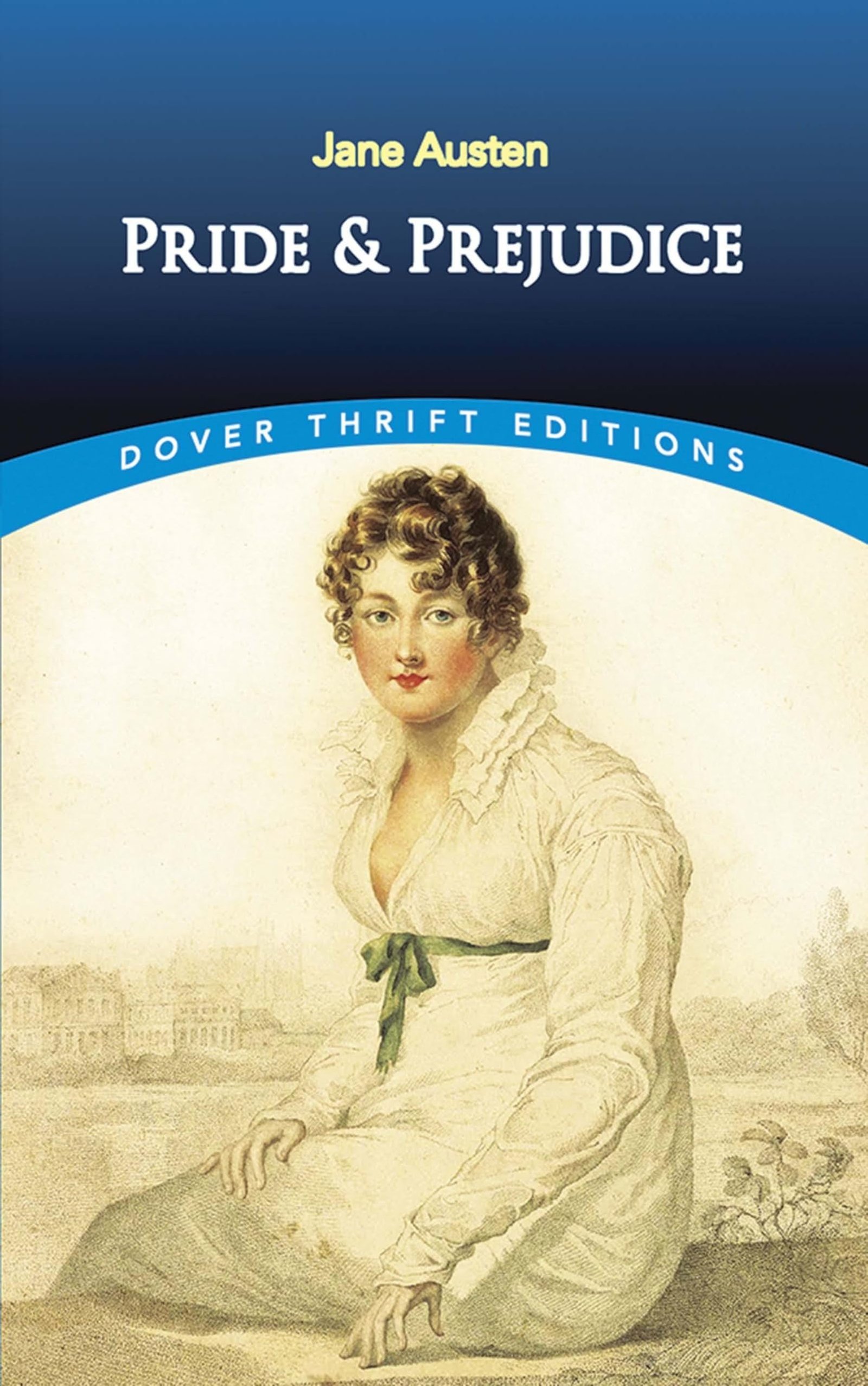
  5. Cover of Pride and Prejudice by Jane Austen

    Cover not available

    Pride and Prejudice

    by Jane Austen

    Elizabeth Bennet, the second eldest of five daughters whom Mrs. Bennet is anxious to dispose of in marriage, is the most intelligent and delightful of all Jane Austen's heroines. Her vitality, vivacity and wit, her hasty dismissal of superior Mr. Darcy-- the most disagreeable man in the world'--how he improves his manners and she changes her mind, are the central ingredients of "Pride and Prejudice. It is Jane Austen's best-loved novel and through the depth and sparkle of its comedy we are encouraged to consider what balance of energy and order, playfulness and regulation constitutes real strength of character.

    Why it's similar

    Both are classic novels focused on women’s lives, family relationships, and the social expectations placed on young women. They also share a domestic setting in which character growth, moral choice, and marriage prospects are central concerns.

    What's different

    It is more sharply satirical and centered on courtship and marriage politics than on a family’s day-to-day domestic life. The social commentary is broader, and the emotional tone is cooler and more ironic.

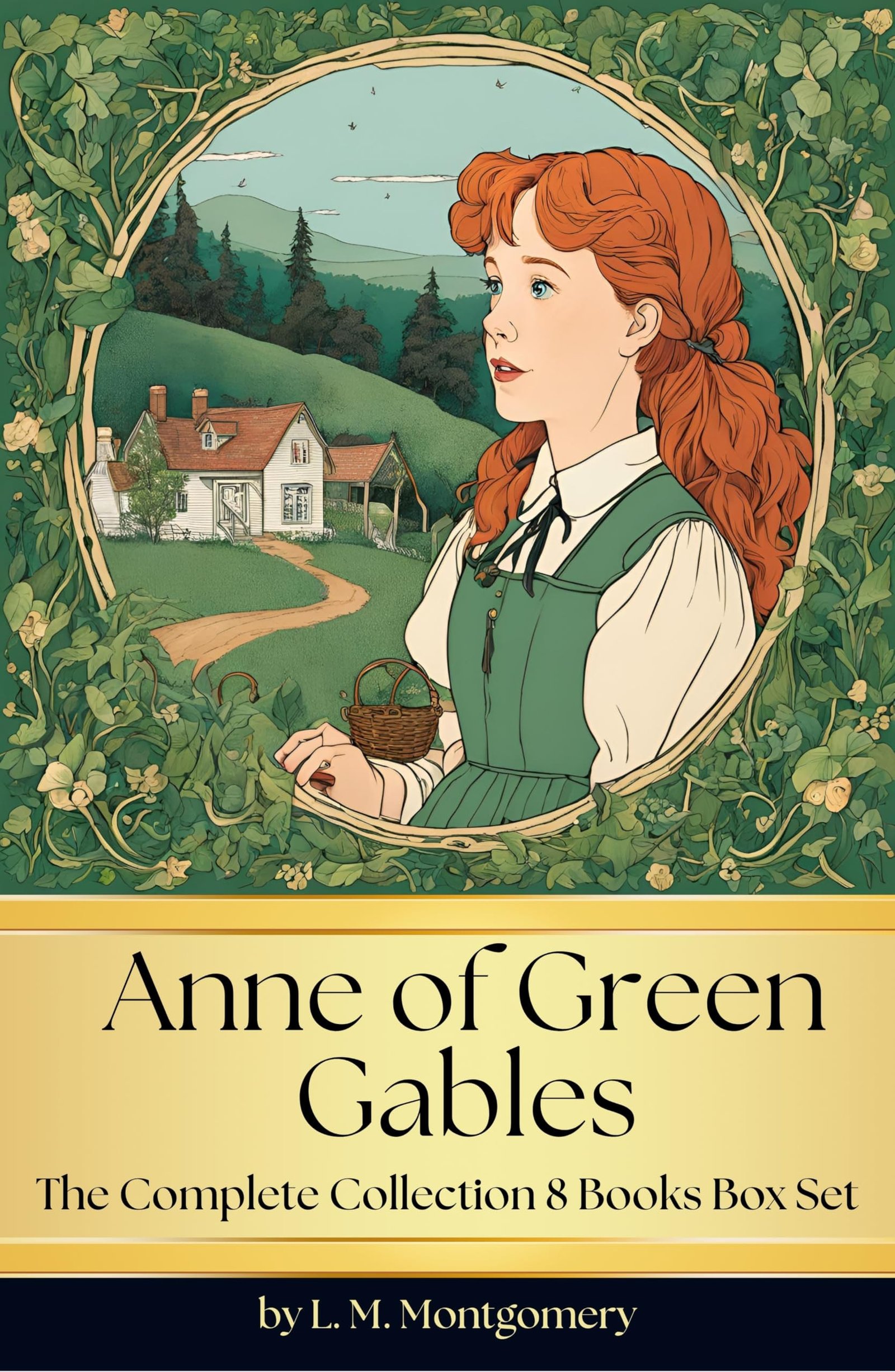
  6. Cover of L. M. Montgomery by Anne of Green Gables

    Cover not available

    L. M. Montgomery

    by Anne of Green Gables

    Anne of Green Gables The Complete Collection 8 Books Box Set by L. M. Montgomery: Anne Of Green Gables: Marilla and Matthew Cuthbert wanted a boy to help with the farm work but of all the things Anne can imagine, leaving Green Gables isn’t one of them. Anne Of Avonlea: Five years ago, Anne arrived at Avonlea a skinny orphan without a friend in the world; now it would be impossible to imagine Green Gables without her. Anne Of The Island: At eighteen years old Anne is leaving Green Gables for university - her life's dream. But her feelings are bittersweet: although excited to see the world, she is heartbroken to leave her home and everyone she loves. Anne Of Windy Poplars: Anne Shirley has left Redmond College behind to begin a new job and a new chapter of her life away from Green Gables. Now she faces a new challenge: the Pringles. Anne House Of Dreams: Unfortunately the town’s most powerful family have already taken a disliking to her and Anne’s charm appears to have met its match. Anne Of Ingleside: Anne, now Mrs Doctor Blythe, is still sometimes as impetuous as when she was the girl from Green Gables. But with six lively children and hard-worked Gilbert to look after - not to mention Gilbert's disapproving aunt, Anne has to be practical too. Anne Of Rainbow Valley: There was a little unfailing spring, always icy cold and crystal pure, in a certain birch-screened hollow of Rainbow Valley in the lower corner near the marsh. Anne Of Rilla Of Ingleside: Anne's daughter Rilla is just fifteen when her childhood ends. With the outbreak of WWI there's no time for mooning over handsome Kenneth Ford.

    Why it's similar

    Both are beloved coming-of-age stories about a spirited young woman navigating family, friendship, and moral growth. They share an affectionate domestic tone and a focus on character, kindness, and everyday life.

    What's different

    It is more overtly whimsical and episodic, with a stronger focus on a single heroine’s imagination and individual mishaps. The family ensemble is less central than in Little Women, where the sisters’ collective life is the core structure.

Looking for something else?

Use our book recommendation tool to discover books similar to any of your favorites.

Find similar books with LibroMatch