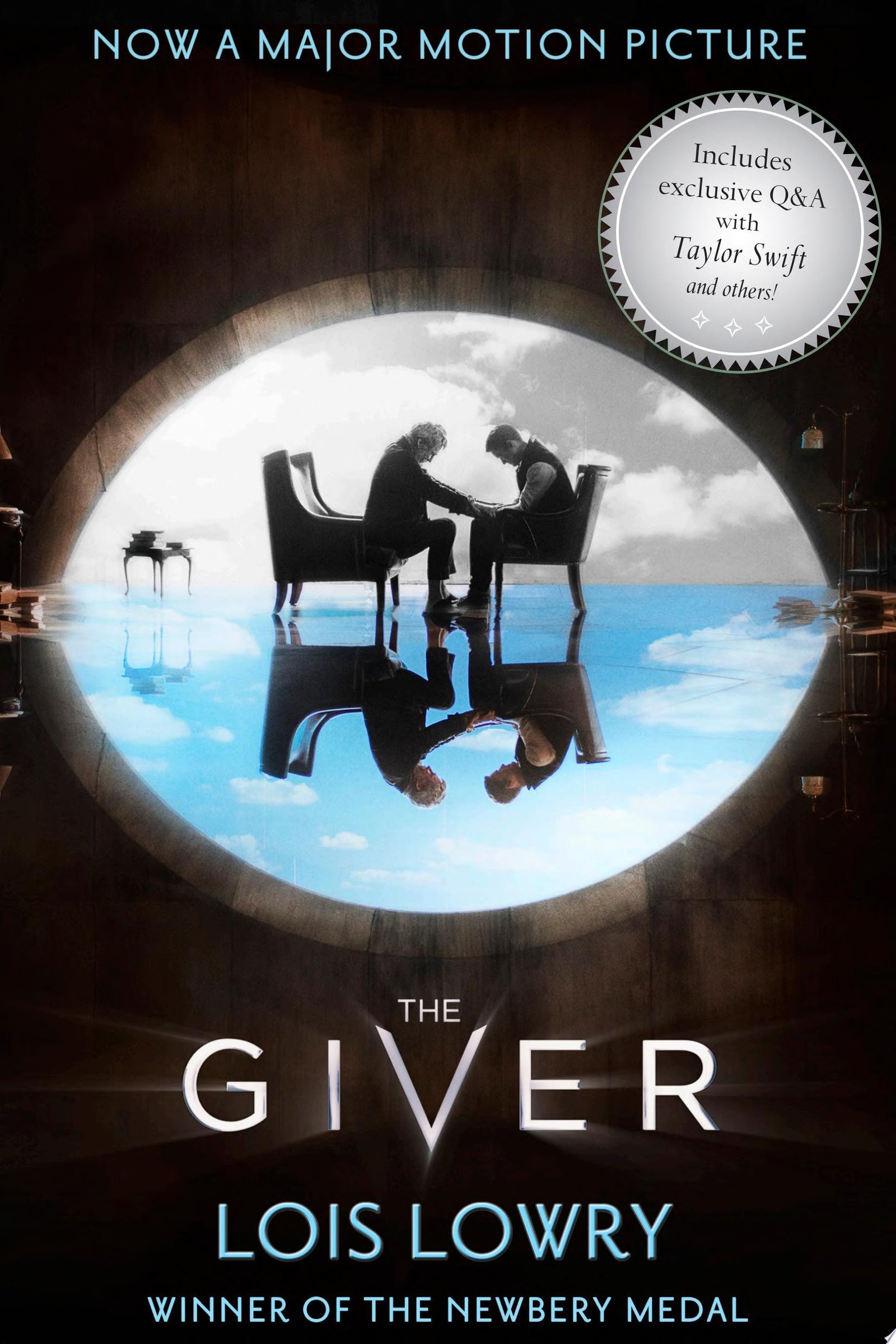
Cover of The Giver by Lois Lowry

6 book recommendations

Books Like “The Giver” by Lois Lowry

If you were captivated by the chilling conformity and emotional awakening in The Giver, you are not alone. Lois Lowry’s masterpiece resonates deeply through its thought-provoking look at personal freedom versus societal control. Dive into our curated collection of compelling dystopian tales and discover your next unforgettable read today.

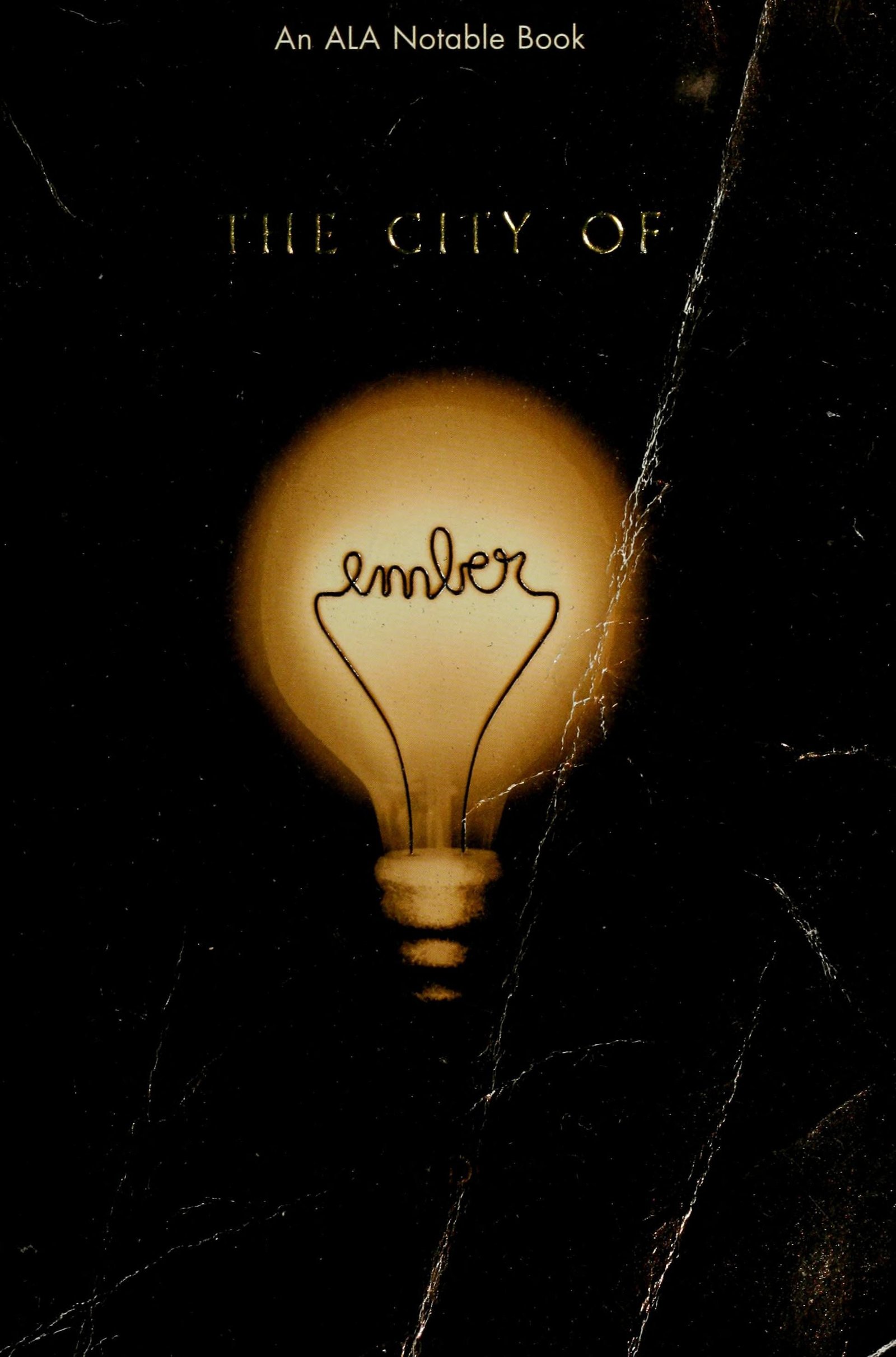
  1. Cover of The City of Ember by Jeanne DuPrau

    Cover not available

    The City of Ember

    by Jeanne DuPrau

    NATIONAL BESTSELLER • Ember is the only light in a dark world. But when its lamps begin to flicker, two friends must race to escape the dark. This highly acclaimed adventure series is a modern-day classic—with over 4 MILLION copies sold!

    The city of Ember was built as a last refuge for the human race. Two hundred years later, the great lamps that light the city are beginning to dim. When Lina finds part of an ancient message, she’s sure it holds a secret that will save the city. Now, she and her friend Doon must race to figure out the clues to keep the lights on. If they succeed, they will have to convince everyone to follow them into danger. But if they fail? The lights will burn out and the darkness will close in forever.

    Nominated to 28 State Award Lists!
    An American Library Association Notable Children’s Book
    A New York Public Library 100 Titles for Reading and Sharing Selection
    A Kirkus Reviews Editors’ Choice
    A Child Magazine Best Children’s Book
    A Mark Twain Award Winner
    A William Allen White Children’s Book Award Winner

    “A realistic post-apocalyptic world. DuPrau’s book leaves Doon and Lina on the verge of undiscovered country and readers wanting more.” —USA Today

    “An electric debut.” —Publishers Weekly, Starred

    “While Ember is colorless and dark, the book itself is rich with description.” —VOYA, Starred

    “A harrowing journey into the unknown, and cryptic messages for readers to decipher.” —Kirkus Reviews, Starred

    Why it's similar

    Both novels feature a structured, isolated society where adolescents receive their adult work assignments during an official civic ceremony and gradually discover systemic deceptions.

    What's different

    While The Giver focuses on an internal, philosophical exploration of emotional suppression and memory, The City of Ember is a fast-paced, plot-driven mystery centered on practical survival and physical escape.
  2. Cover of Brave New World by Aldous Huxley

    Cover not available

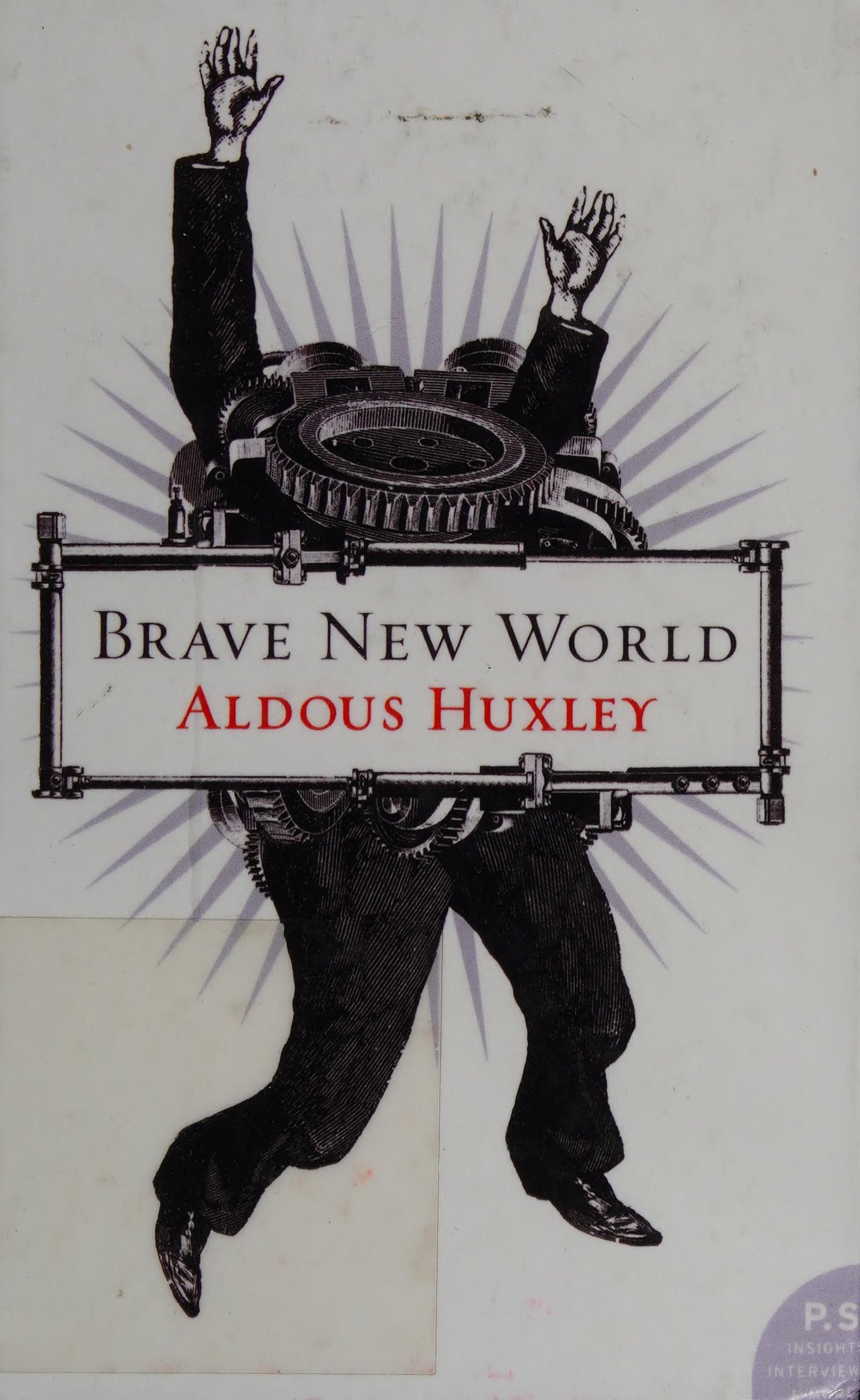
    Brave New World

    by Aldous Huxley

    Now more than ever: Aldous Huxley's enduring masterwork must be read and understood by anyone concerned with preserving the human spirit
    "A masterpiece. ... One of the most prophetic dystopian works." —Wall Street Journal
    Aldous Huxley's profoundly important classic of world literature, Brave New World is a searching vision of an unequal, technologically-advanced future where humans are genetically bred, socially indoctrinated, and pharmaceutically anesthetized to passively uphold an authoritarian ruling order–all at the cost of our freedom, full humanity, and perhaps also our souls. “A genius [who] who spent his life decrying the onward march of the Machine” (The New Yorker), Huxley was a man of incomparable talents: equally an artist, a spiritual seeker, and one of history’s keenest observers of human nature and civilization. Brave New World, his masterpiece, has enthralled and terrified millions of readers, and retains its urgent relevance to this day as both a warning to be heeded as we head into tomorrow and as thought-provoking, satisfying work of literature. Written in the shadow of the rise of fascism during the 1930s, Brave New World likewise speaks to a 21st-century world dominated by mass-entertainment, technology, medicine and pharmaceuticals, the arts of persuasion, and the hidden influence of elites.
    "Aldous Huxley is the greatest 20th century writer in English." —Chicago Tribune

    Why it's similar

    Both works depict an ostensibly peaceful, pain-free utopia achieved by eliminating genuine emotional attachments, grief, and individual differences in favor of engineered social stability.

    What's different

    Huxley's novel employs sharp, cynical satire aimed at an adult audience, contrasting with the quiet, earnest, coming-of-age perspective found in Lowry's fable-like narrative.

  3. Cover of Uglies by Scott Westerfeld

    Cover not available

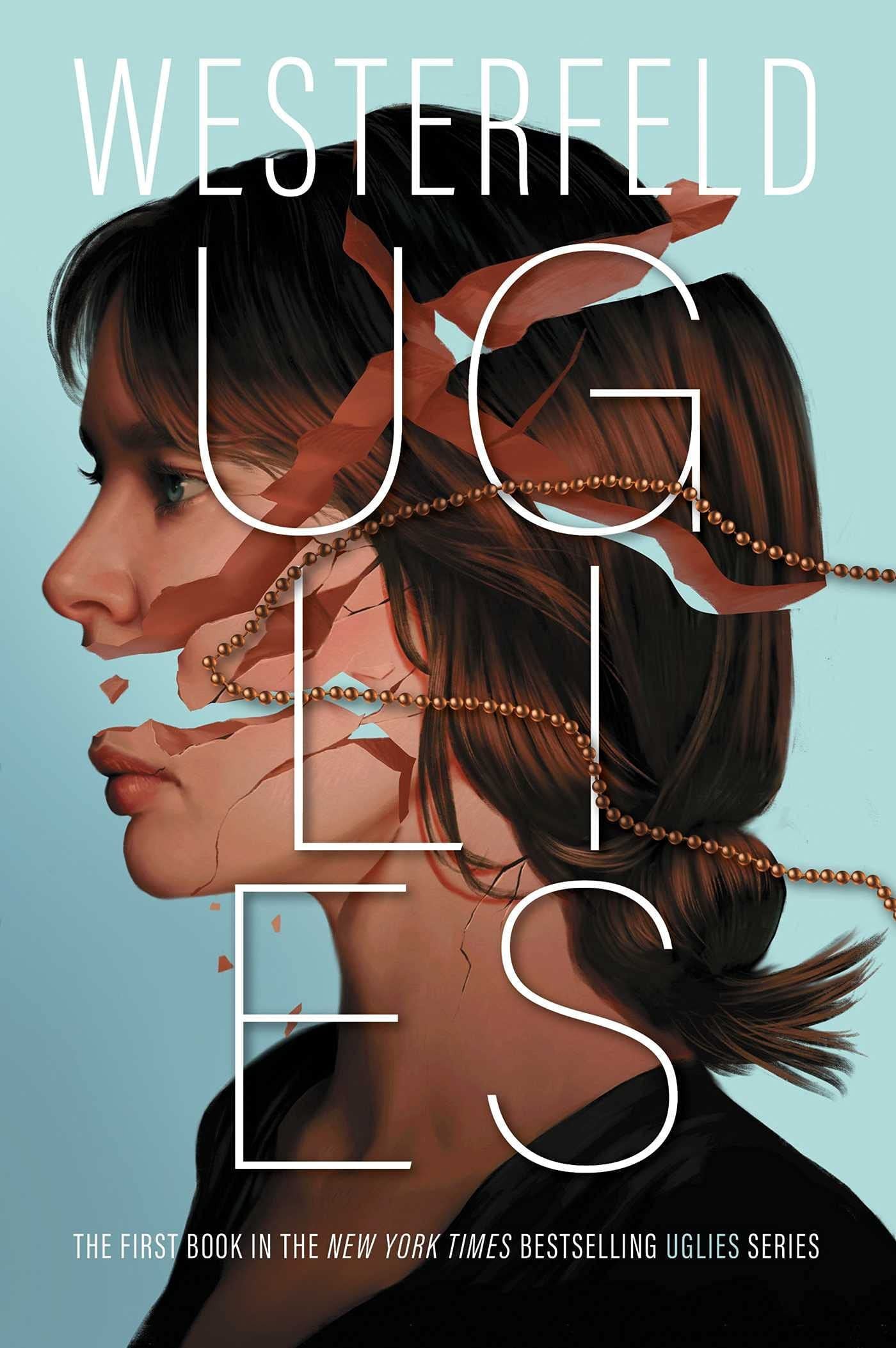
    Uglies

    by Scott Westerfeld

    The first installment of Scott Westerfeld’s New York Times bestselling and award-winning Uglies series—a global phenomenon that started the dystopian trend.

    Tally is about to turn sixteen, and she can’t wait. In just a few weeks she’ll have the operation that will turn her from a repellent ugly into a stunningly attractive pretty. And as a pretty, she’ll be catapulted into a high-tech paradise where her only job is to have fun.

    But Tally’s new friend Shay isn’t sure she wants to become a pretty. When Shay runs away, Tally learns about a whole new side of the pretty world—and it isn’t very pretty. The authorities offer Tally a choice: find her friend and turn her in, or never turn pretty at all. Tally’s choice will change her world forever.

    Why it's similar

    Both novels examine an authoritarian society that imposes total conformity on its citizens under the guise of equality through a mandatory coming-of-age milestone.

    What's different

    Uglies is an action-oriented sci-fi adventure driven by technology, physical transformations, and teenage rebellion, while The Giver relies on psychological subtlety and the sacrifice of human memory.

  4. Cover of The Chrysalids by John Wyndham

    Cover not available

    The Chrysalids

    by John Wyndham

    The Chrysalids is set in the future after a devastating global nuclear war. David, the young hero of the novel, lives in a tight-knit community of religious and genetic fundamentalists, who exist in a state of constant alert for any deviation from what they perceive as the norm of God’s creation, deviations broadly classified as “offenses” and “blasphemies.” Offenses consist of plants and animals that are in any way unusual, and these are publicly burned to the accompaniment of the singing of hymns. Blasphemies are human beings—ones who show any sign of abnormality, however trivial. They are banished from human society, cast out to live in the wild country where, as the authorities say, nothing is reliable and the devil does his work. David grows up surrounded by admonitions: KEEP PURE THE STOCK OF THE LORD; WATCH THOU FOR THE MUTANT.

    At first he hardly questions them, though he is shocked when his sternly pious father and rigidly compliant mother force his aunt to forsake her baby. It is a while before he realizes that he too is out of the ordinary, in possession of a power that could doom him to death or introduce him to a new, hitherto-unimagined world of freedom.

    The Chrysalids is a perfectly conceived and constructed work from the classic era of science fiction. It is a Voltairean philosophical tale that has as much resonance in our own day, when genetic and religious fundamentalism are both on the march, as when it was written during the Cold War.

    Why it's similar

    Both narratives feature young protagonists possessing unique perceptual abilities that make them dangerous outcasts within an insular society obsessed with enforcing strict uniformity.

    What's different

    Wyndham's society enforces conformity through agrarian religious dogma and violent banishment, whereas the elders in The Giver enforce Sameness through clinical, polite, and sterile social engineering.

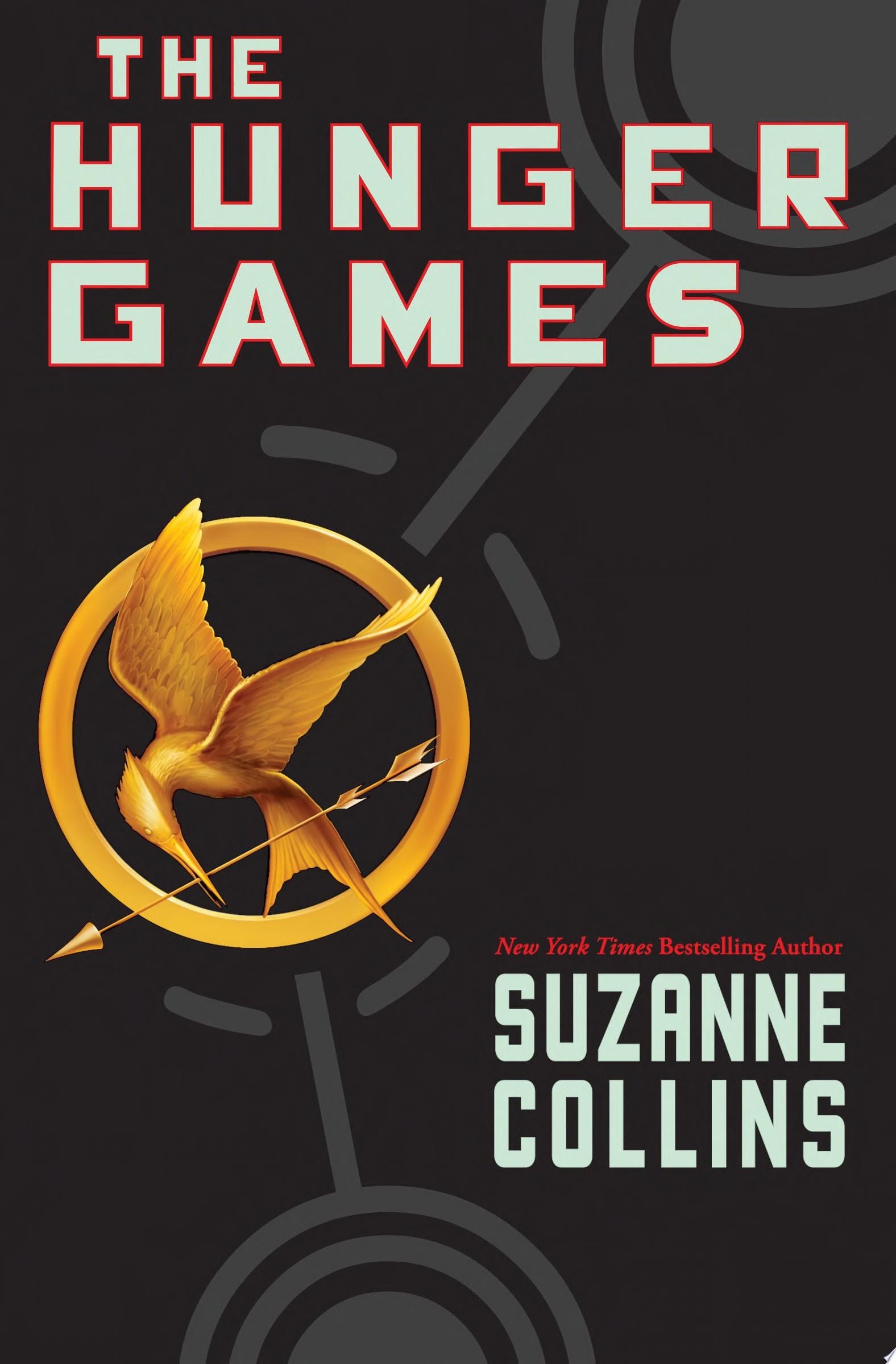
  5. Cover of The Hunger Games by Suzanne Collins

    Cover not available

    The Hunger Games

    by Suzanne Collins

    The first novel in the worldwide bestselling series by Suzanne Collins!

    Winning means fame and fortune. Losing means certain death. The Hunger Games have begun. . . .

    In the ruins of a place once known as North America lies the nation of Panem, a shining Capitol surrounded by twelve outlying districts. The Capitol is harsh and cruel and keeps the districts in line by forcing them all to send one boy and one girl between the ages of twelve and eighteen to participate in the annual Hunger Games, a fight to the death on live TV.

    Sixteen-year-old Katniss Everdeen regards it as a death sentence when she steps forward to take her sister's place in the Games. But Katniss has been close to dead before-and survival, for her, is second nature. Without really meaning to, she becomes a contender. But if she is to win, she will have to start making choices that weigh survival against humanity and life against love.

    Why it's similar

    Both are young-adult dystopias about teenagers who begin to question an oppressive society that controls information, choice, and human life. Each centers on a protagonist whose growing awareness turns into resistance against a system presented as orderly but morally corrupted.

    What's different

    It is more action-driven and violent, with a survival-game structure rather than a quiet, introspective awakening. The scale is also broader, moving from one community’s control to a large authoritarian regime and rebellion.

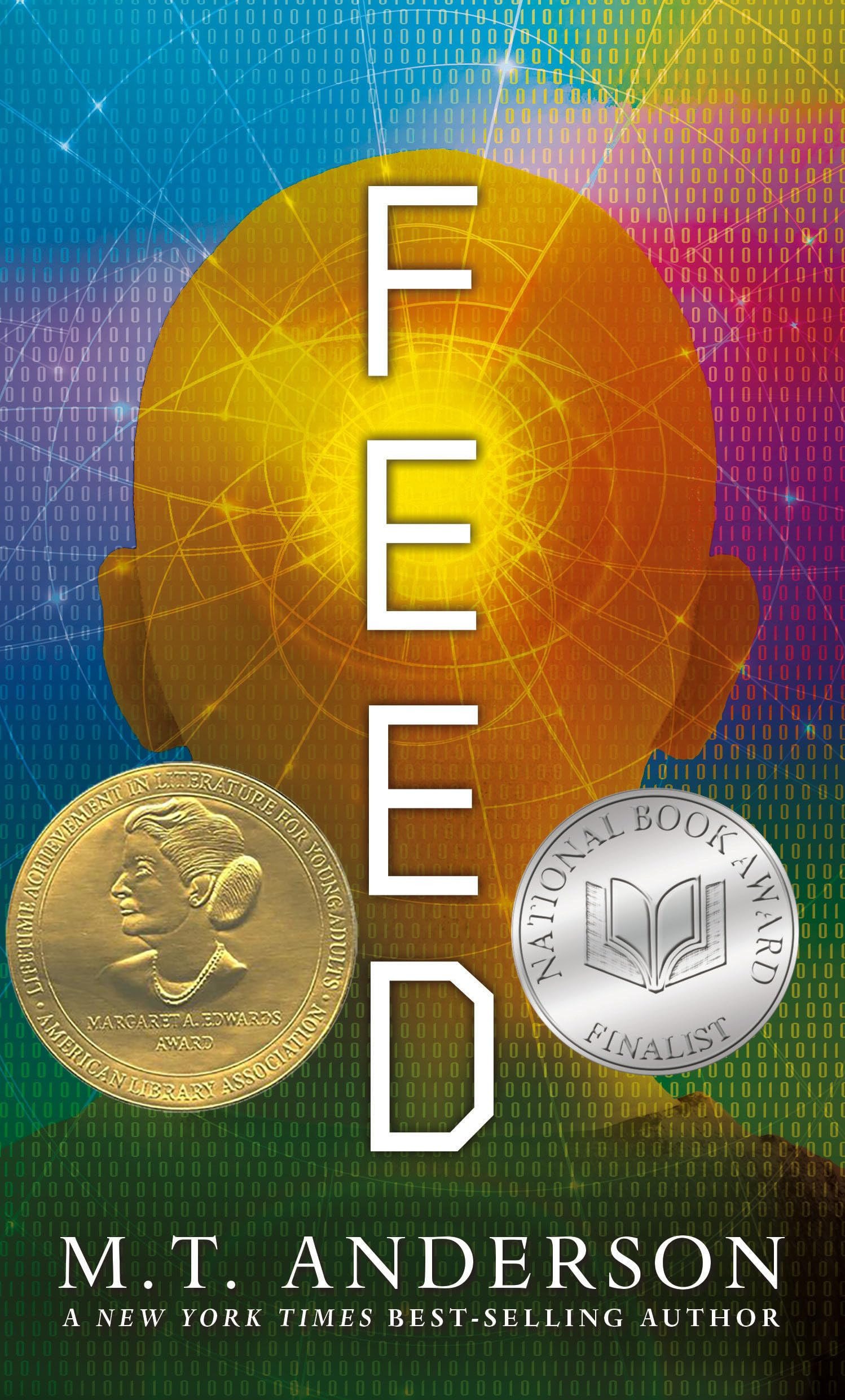
  6. Cover of Feed by M.T. Anderson

    Cover not available

    Feed

    by M.T. Anderson

    A Time Magazine 100 Best YA Books of All Time Selection

    The tour de force that set the gold standard for dystopian YA fiction — in a compelling paperback edition.

    For Titus and his friends, it started out like any ordinary trip to the moon — a chance to party during spring break. But that was before the crazy hacker caused all their feeds to malfunction, sending them to the hospital to lie around with nothing inside their heads for days. And it was before Titus met Violet, a beautiful, brainy teenage girl who has decided to fight the feed and its ever-present ability to categorize human thoughts and desires. M. T. Anderson’s not-so-brave new world is a smart, savage satire that has captivated readers with its view of an imagined future that veers unnervingly close to the here and now.

    Why it's similar

    Both books imagine societies that suppress independent thought through systemic control of information and behavior. In each, a young protagonist gradually recognizes the cost of a supposedly convenient social order.

    What's different

    It is much more satirical and linguistically experimental, with a cynical near-future consumer culture replacing the quieter, ceremonial tone of The Giver. Its emphasis is on media saturation and corporate manipulation rather than regulated sameness and memory.

Looking for something else?

Use our book recommendation tool to discover books similar to any of your favorites.

Find similar books with LibroMatch