Cover of The Martian by Andy Weir

5 book recommendations

Books Like “The Martian” by Andy Weir

If you were captivated by the witty survival story, relentless scientific problem-solving, and high-stakes tension of The Martian, you are in good company. Andy Weir’s grounded approach to space exploration left readers craving more brilliant minds beating impossible odds. Dive into our handpicked recommendations below to find your next great sci-fi adventure.

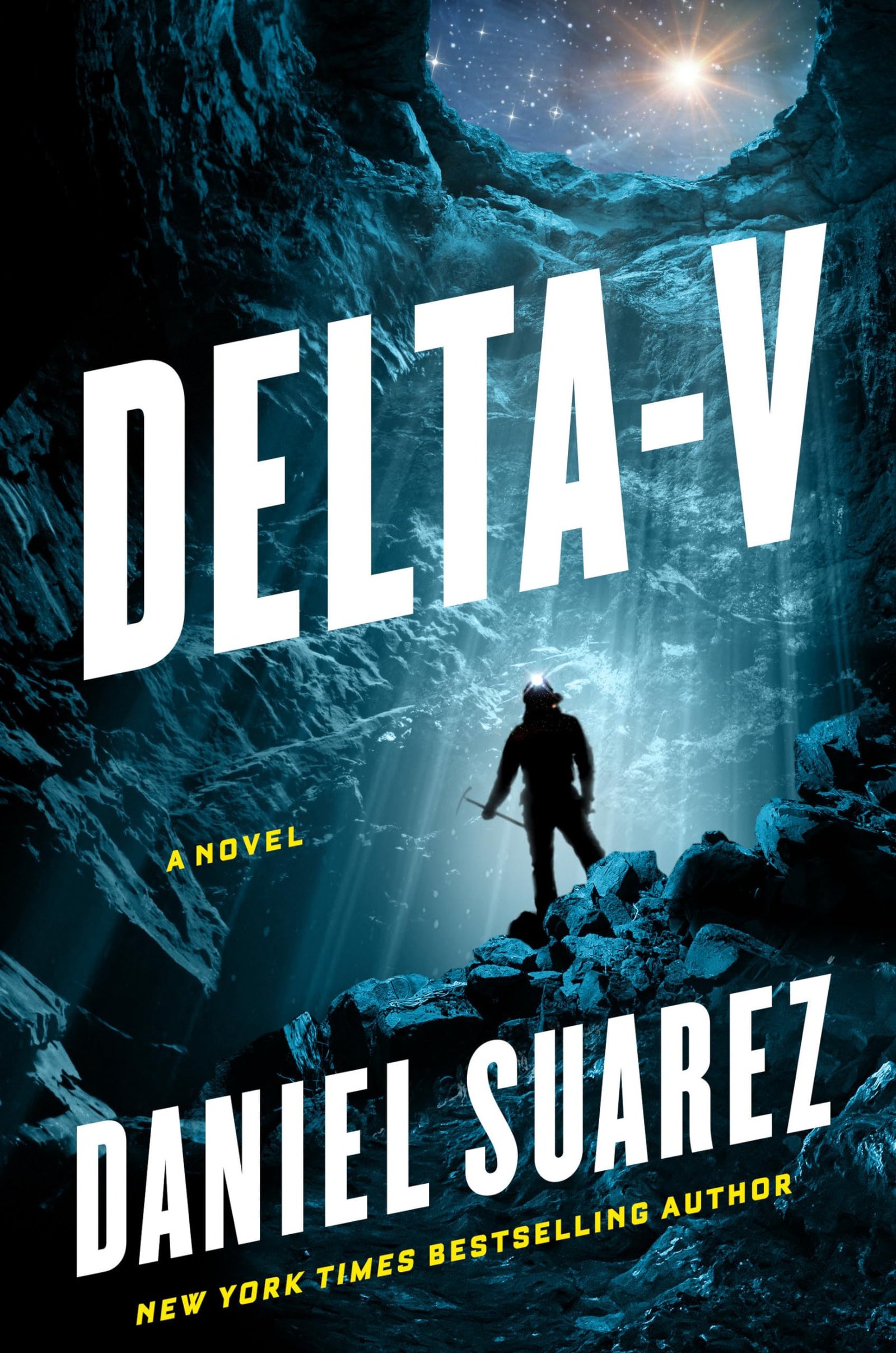
  1. Cover of Delta-v by Daniel Suarez

    Cover not available

    Delta-v

    by Daniel Suarez

    The bestselling author of Daemon returns with a near-future technological thriller, in which a charismatic billionaire recruits a team of adventurers to launch the first deep space mining operation--a mission that could alter the trajectory of human civilization.

    When itinerant cave diver James Tighe receives an invitation to billionaire Nathan Joyce's private island, he thinks it must be a mistake. But Tighe's unique skill set makes him a prime candidate for Joyce's high-risk venture to mine a near-earth asteroid--with the goal of kick-starting an entire off-world economy. The potential rewards and personal risks are staggering, but the competition is fierce and the stakes couldn't be higher.

    Isolated and pushed beyond their breaking points, Tighe and his fellow twenty-first century adventurers--ex-soldiers, former astronauts, BASE jumpers, and mountain climbers--must rely on each other to survive not only the dangers of a multi-year expedition but the harsh realities of business in space. They're determined to transform humanity from an Earth-bound species to a space-faring one--or die trying.

    Why it's similar

    Both novels are hard science-fiction thrillers grounded in real-world physics and engineering, following protagonists who rely on scientific ingenuity to survive lethal space hazards.

    What's different

    Delta-v focuses on an ensemble crew undertaking a secretive, high-stakes commercial asteroid mining expedition rather than a solitary castaway fighting to return home.
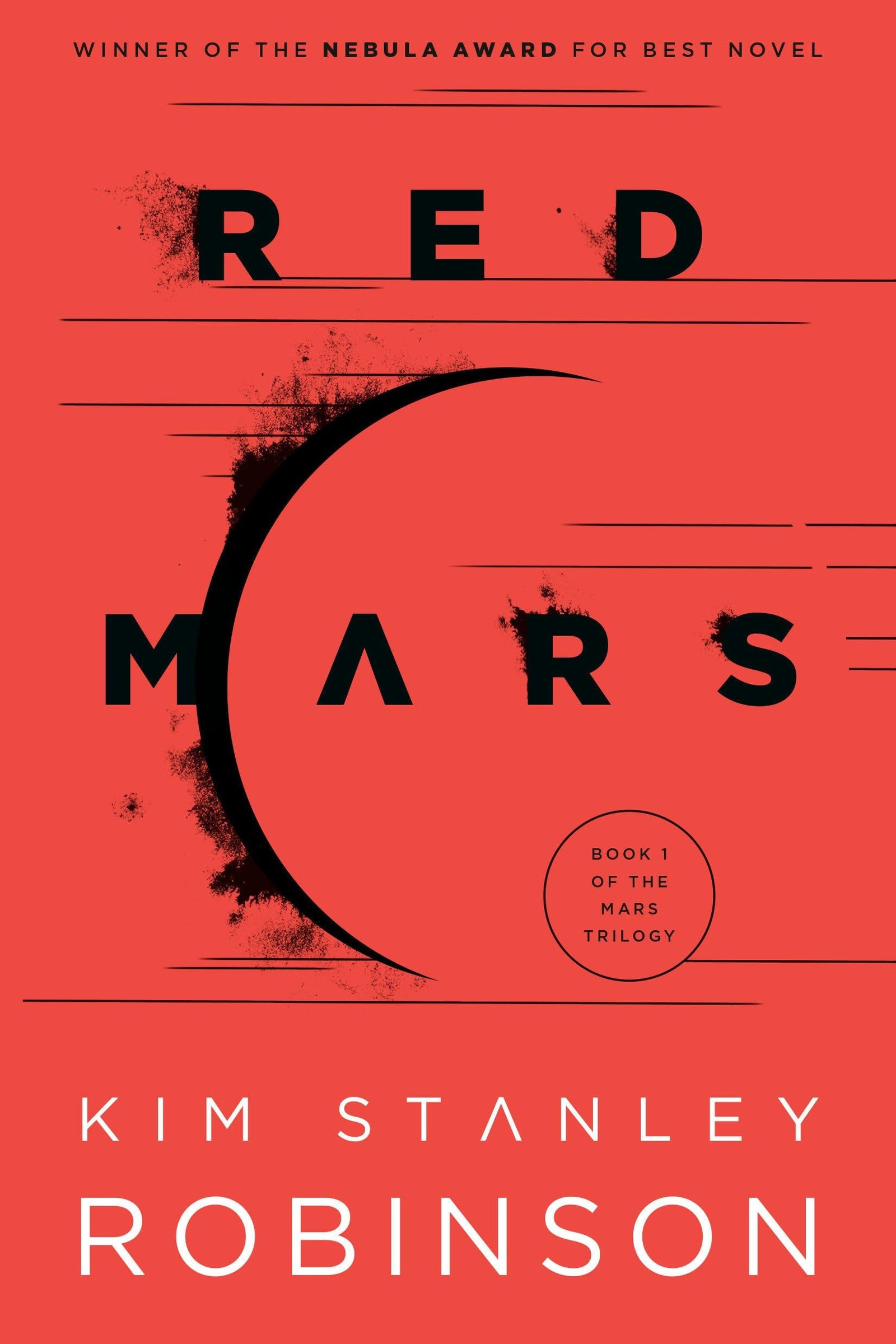
  2. Cover of Red Mars by Kim Stanley Robinson

    Cover not available

    Red Mars

    by Kim Stanley Robinson

    Winner of the Nebula Award for Best Novel • Discover the novel that launched one of science fiction’s most beloved, acclaimed, and awarded trilogies: Kim Stanley Robinson’s masterly near-future chronicle of interplanetary colonization.

    “A staggering book . . . the best novel on the colonization of Mars that has ever been written.”—Arthur C. Clarke

    For centuries, the barren, desolate landscape of the red planet has beckoned to humankind. Now a group of one hundred colonists begins a mission whose ultimate goal is to transform Mars into a more Earthlike planet. They will place giant satellite mirrors in Martian orbit to reflect light onto its surface. Black dust sprinkled on the polar caps will capture warmth and melt the ice. And massive tunnels drilled into the mantle will create stupendous vents of hot gases. But despite these ambitious goals, there are some who would fight to the death to prevent Mars from ever being changed.

    Why it's similar

    Both narratives showcase meticulously researched scientific depictions of the Martian environment, atmospheric chemistry, and the realistic technological infrastructure required to survive on the planet.

    What's different

    Red Mars is a sprawling, politically and sociologically driven epic with a large ensemble cast, lacking the breezy humor and immediate survival urgency of Mark Watney's predicament.

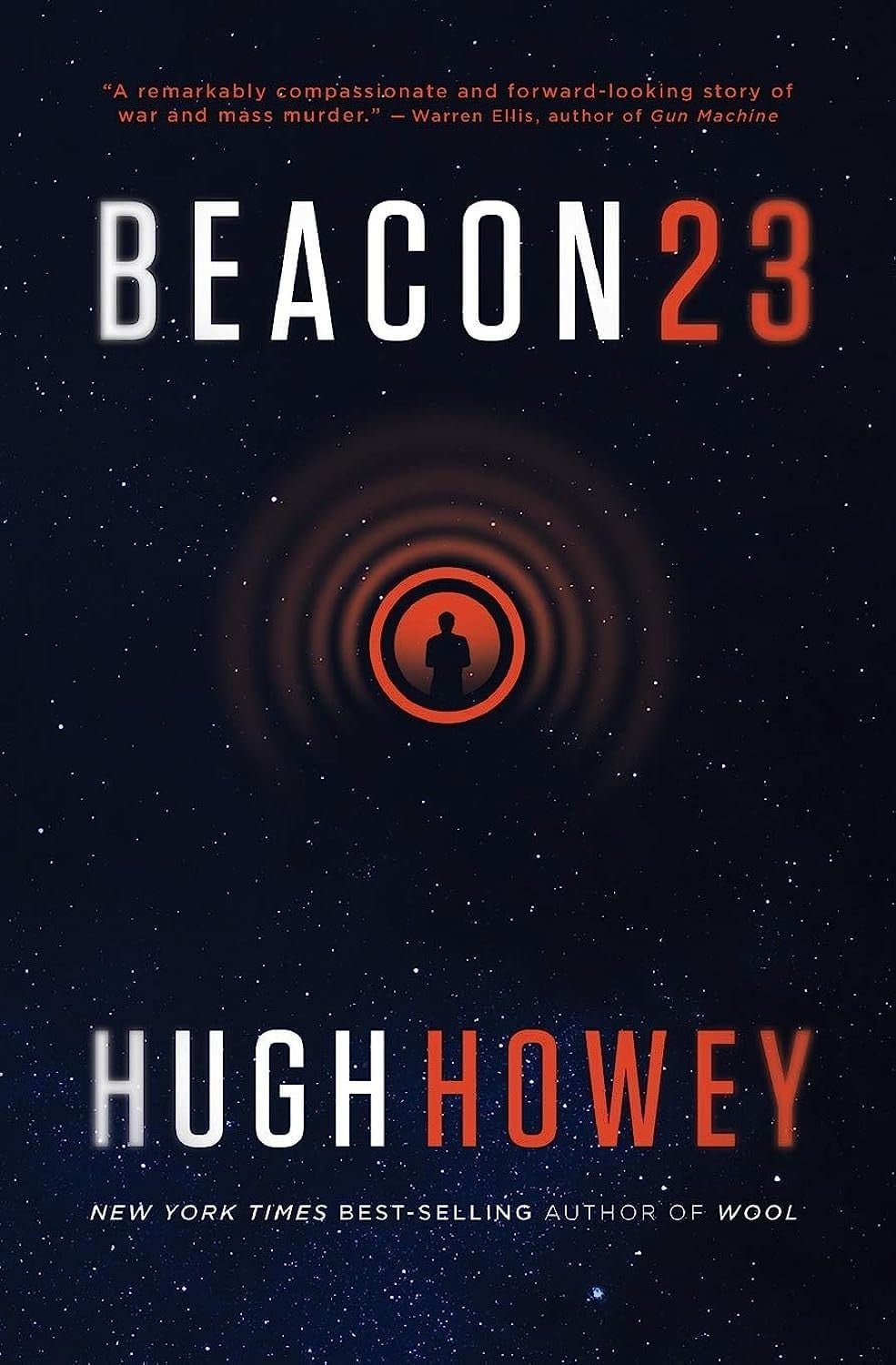
  3. Cover of Beacon 23 by Hugh Howey

    Cover not available

    Beacon 23

    by Hugh Howey

    From the author of THE SILO SERIES comes a thrilling space adventure that Locus calls "a raw exploration of what it means to really be a human and why that matters," following a man struggling to keep the darkness at bay in the wake of a devastating war

    For centuries, men and women have manned lighthouses to ensure the safe passage of ships. It is a lonely job, and a thankless one for the most part. Until something goes wrong. Until a ship is in distress. In the twenty-third century, this job has moved into outer space. A network of beacons allows ships to travel safely across the Milky Way at many times the speed of light.

    These beacons are built to be robust. They never break down. They never fail.

    At least, they aren't supposed to.

    With Beacon 23 bestselling author Hugh Howey delivers white-knuckle suspense with aliens, war, and madness all combining in a story of one man's battle against the solitary blackness of space.

    Why it's similar

    Both stories focus on the intense isolation of a lone operator stationed at a remote space outpost who must manually troubleshoot life-threatening mechanical failures.

    What's different

    Beacon 23 carries a much darker, introspective tone centered on military trauma and psychological deterioration rather than an optimistic, scientifically rigorous survival guide.

  4. Cover of The Long Way to a Small, Angry Planet by Becky Chambers

    Cover not available

    The Long Way to a Small, Angry Planet

    by Becky Chambers

    The acclaimed modern science fiction masterpiece, included on Library Journal's Best SFF of 2016, the Barnes & Nobles Sci-Fi Fantasy Blog Best Books of 2015, the Tor.com Best Books of 2015, Reader’s Choice, as well as nominated for the Arthur C. Clarke Award, the Kitschie, and the Bailey's Women's Prize.

    Follow a motley crew on an exciting journey through space—and one adventurous young explorer who discovers the meaning of family in the far reaches of the universe—in this light-hearted debut space opera from a rising sci-fi star.

    Rosemary Harper doesn’t expect much when she joins the crew of the aging Wayfarer. While the patched-up ship has seen better days, it offers her a bed, a chance to explore the far-off corners of the galaxy, and most importantly, some distance from her past. An introspective young woman who learned early to keep to herself, she’s never met anyone remotely like the ship’s diverse crew, including Sissix, the exotic reptilian pilot, chatty engineers Kizzy and Jenks who keep the ship running, and Ashby, their noble captain.

    Life aboard the Wayfarer is chaotic and crazy—exactly what Rosemary wants. It’s also about to get extremely dangerous when the crew is offered the job of a lifetime. Tunneling wormholes through space to a distant planet is definitely lucrative and will keep them comfortable for years. But risking her life wasn’t part of the plan. In the far reaches of deep space, the tiny Wayfarer crew will confront a host of unexpected mishaps and thrilling adventures that force them to depend on each other. To survive, Rosemary’s got to learn how to rely on this assortment of oddballs—an experience that teaches her about love and trust, and that having a family isn’t necessarily the worst thing in the universe.

    Why it's similar

    Both are accessible, near-future-leaning science fiction set in space that emphasize day-to-day life on a working ship, use clear, grounded worldbuilding, and highlight problem-solving and camaraderie among people doing their jobs in extreme environments.

    What's different

    The scope is wider, following a full crew on a long-haul space journey with a strong focus on relationships, culture, and found family, and the tone is more contemplative and character-driven than the high-tension survival focus of The Martian.

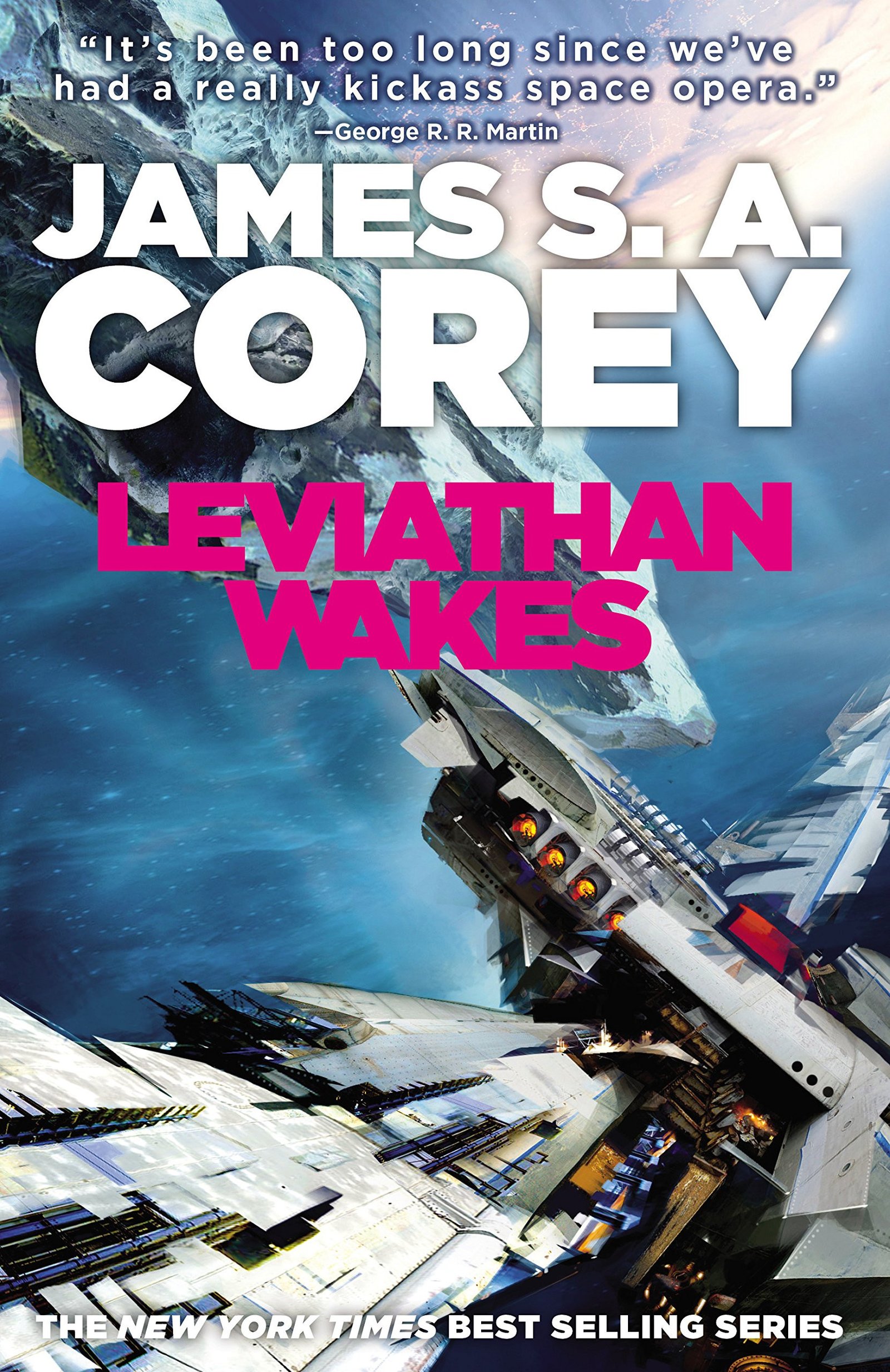
  5. Cover of Leviathan Wakes by James S.A. Corey

    Cover not available

    Leviathan Wakes

    by James S.A. Corey

    The first book in the landmark Expanse series, now a major television series.
    Leviathan Wakes is James S. A. Corey's first novel in the epic, New York Times bestselling series the Expanse, a modern masterwork of science fiction where humanity has colonized the solar system.

    Two hundred years after migrating into space, mankind is in turmoil. When a reluctant ship's captain and washed-up detective find themselves involved in the case of a missing girl, what they discover brings our solar system to the brink of civil war, and exposes the greatest conspiracy in human history.

    Why it's similar

    Both feature realistic, near-future space travel with detailed attention to physics, engineering constraints, and life in sealed habitats, using a pragmatic, workmanlike tone and professionals solving problems under life-or-death pressure across the solar system.

    What's different

    It has a larger, multi-POV narrative with political intrigue, noir detective elements, and a sprawling interplanetary conflict, offering a more epic, serial experience than the tightly focused single-character survival story of The Martian.

Looking for something else?

Use our book recommendation tool to discover books similar to any of your favorites.

Find similar books with LibroMatch