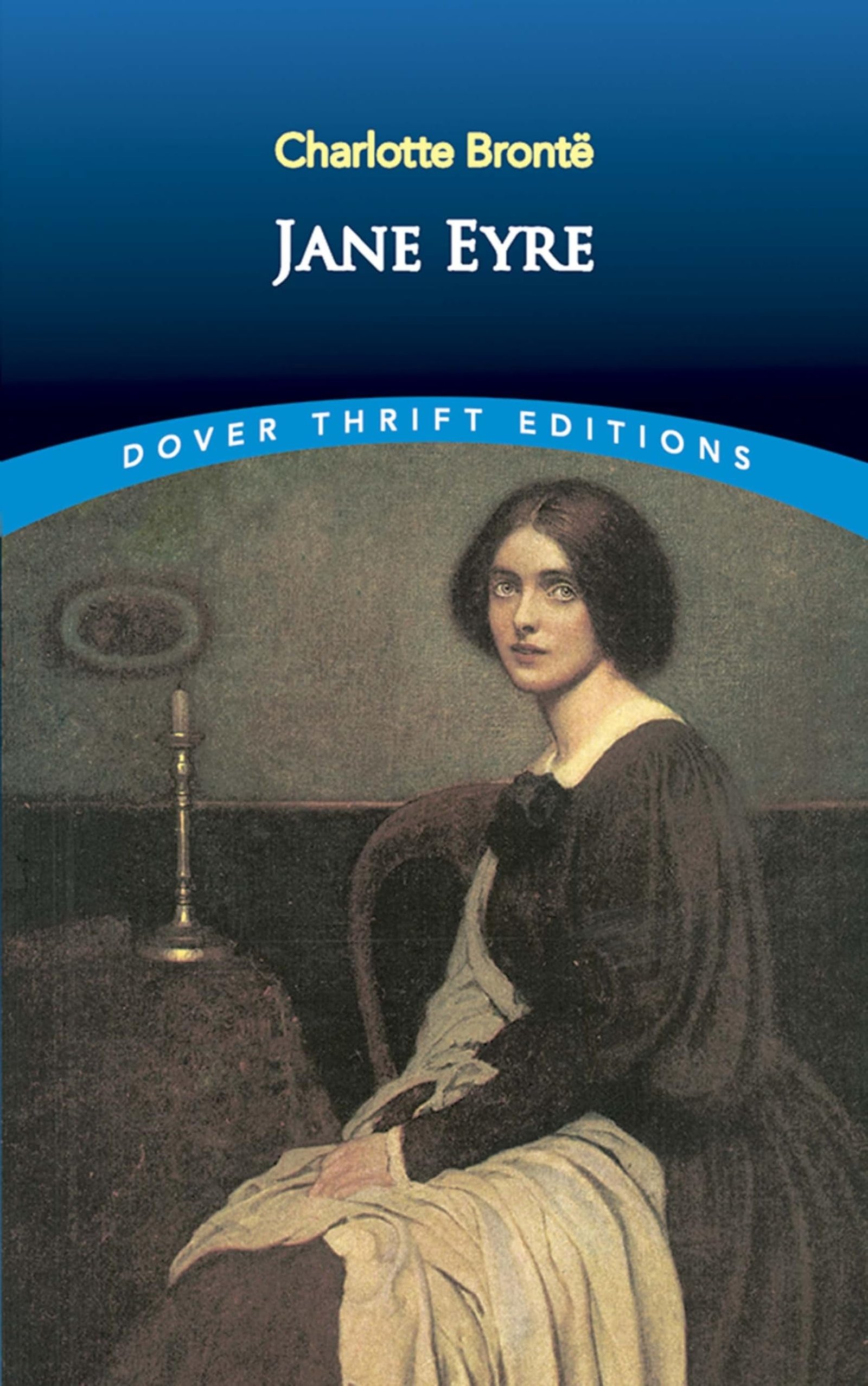
Cover of Jane Eyre by Charlotte Brontë

5 book recommendations

Books Like “Jane Eyre” by Charlotte Brontë

Readers have long cherished Jane Eyre for its brooding Gothic atmosphere, fierce independent heroine, and unforgettable romance. If you are captivated by stormy moors, dark family secrets, and women who defy Victorian convention, you are in the right place. Dive into our curated list below and discover your next haunting, emotionally resonant read.

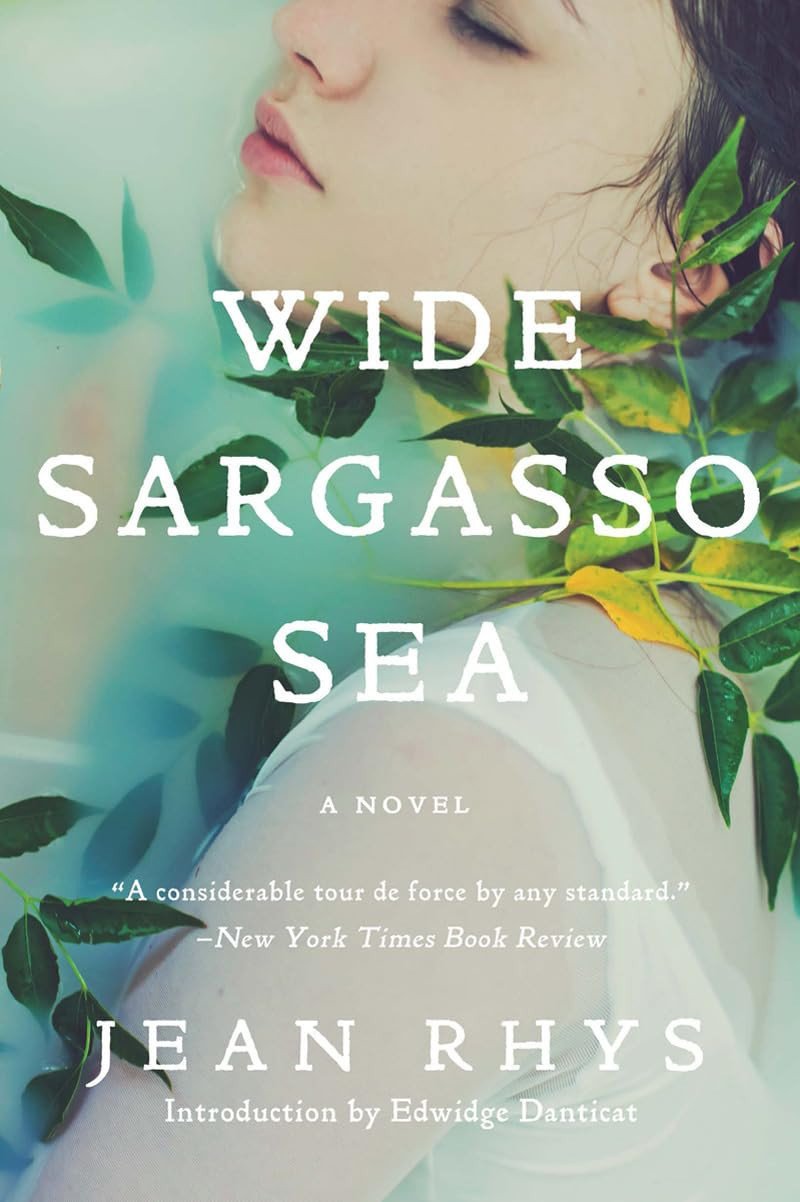
  1. Cover of Wide Sargasso Sea by Jean Rhys

    Cover not available

    Wide Sargasso Sea

    by Jean Rhys

    Wide Sargasso Sea, a masterpiece of modern fiction, was Jean Rhys's return to the literary center stage. She had a startling early career and was known for her extraordinary prose and haunting women characters. With Wide Sargasso Sea, her last and best-selling novel, she ingeniously brings into light one of fiction's most fascinating characters: the madwoman in the attic from Charlotte Brontë's Jane Eyre. This mesmerizing work introduces us to Antoinette Cosway, a sensual and protected young woman who is sold into marriage to the prideful Mr. Rochester. Rhys portrays Cosway amidst a society so driven by hatred, so skewed in its sexual relations, that it can literally drive a woman out of her mind.

    A new introduction by the award-winning Edwidge Danticat, author most recently of Claire of the Sea Light, expresses the enduring importance of this work. Drawing on her own Caribbean background, she illuminates the setting's impact on Rhys and her astonishing work.

    Why it's similar

    Serving as a direct prequel to Jane Eyre, it shares the Gothic exploration of female confinement, madness, and the restrictive nature of Victorian marriage.

    What's different

    The narrative is written in a modernist, polyphonic style set in the Caribbean, focusing on tragedy and colonial alienation rather than Jane's moral triumph.
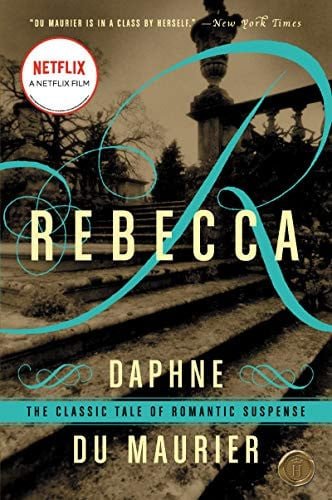
  2. Cover of Rebecca by Daphne du Maurier

    Cover not available

    Rebecca

    by Daphne du Maurier

    With these words, the reader is ushered into an isolated gray stone mansion on the windswept Cornish coast, as the second Mrs. Maxim de Winter recalls the chilling events that transpired as she began her new life as the young bride of a husband she barely knew. For in every corner of every room were phantoms of a time dead but not forgotten—a past devotedly preserved by the sinister housekeeper, Mrs. Danvers: a suite immaculate and untouched, clothing laid out and ready to be worn, but not by any of the great house's current occupants. With an eerie presentiment of evil tightening her heart, the second Mrs. de Winter walked in the shadow of her mysterious predecessor, determined to uncover the darkest secrets and shattering truths about Maxim's first wife—the late and hauntingly beautiful Rebecca.

    This special edition of Rebecca includes excerpts from Daphne du Maurier's The Rebecca Notebook and Other Memories, an essay on the real Manderley, du Maurier's original epilogue to the book, and more.

    Why it's similar

    Both novels feature an isolated, lower-status young woman who marries a wealthy, brooding widower and must confront the haunting secrets of his grand country estate.

    What's different

    Du Maurier's novel is a twentieth-century psychological suspense tale where the unnamed heroine struggles with crippling self-doubt, contrasting with Jane's steadfast moral independence.

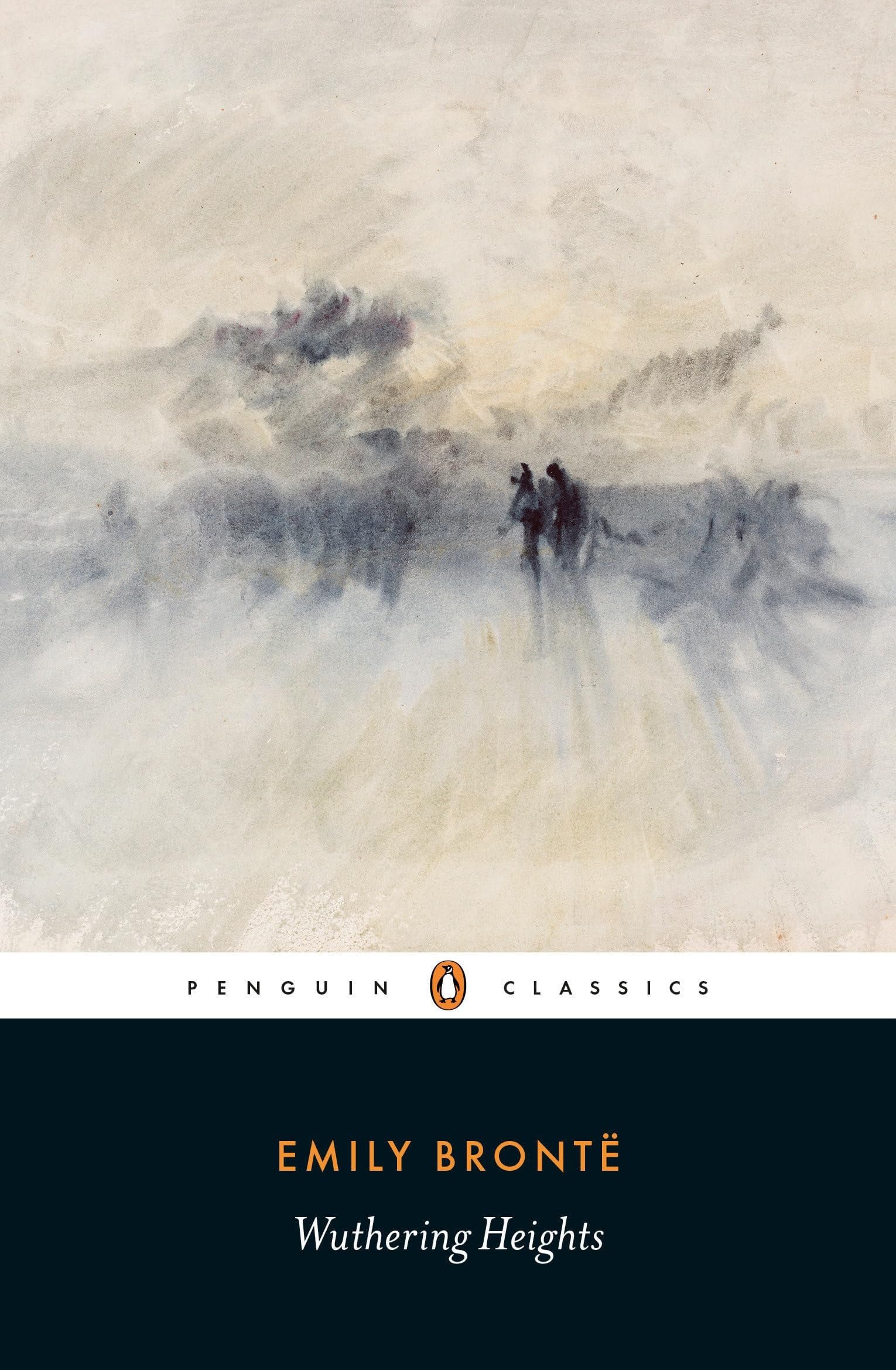
  3. Cover of Wuthering Heights by Emily Brontë

    Cover not available

    Wuthering Heights

    by Emily Brontë

    Coming soon to the big screen is Emerald Fennell’s feature film “Wuthering Heights,” which captures the spirit of this epic love story and stars Margot Robbie and Jacob Elordi as Catherine and Heathcliff.

    Emily Brontë's only novel endures as a work of tremendous and far-reaching influence. The Penguin Classics edition is the definitive version of the text, edited with an introduction by Pauline Nestor.

    Lockwood, the new tenant of Thrushcross Grange, situated on the bleak Yorkshire moors, is forced to seek shelter one night at Wuthering Heights, the home of his landlord. There he discovers the history of the tempestuous events that took place years before. What unfolds is the tale of the intense love between the gypsy foundling Heathcliff and Catherine Earnshaw. Catherine, forced to choose between passionate, tortured Heathcliff and gentle, well-bred Edgar Linton, surrendered to the expectations of her class. As Heathcliff's bitterness and vengeance at his betrayal is visited upon the next generation, their innocent heirs must struggle to escape the legacy of the past.

    In this edition, a new preface by Lucasta Miller, author of The Brontë Myth, looks at the ways in which the novel has been interpreted, from Charlotte Brontë onwards. This complements Pauline Nestor's introduction, which discusses changing critical receptions of the novel, as well as Emily Brontë's influences and background.

    Why it's similar

    Set in the bleak Yorkshire landscape, both works share a passionate Gothic atmosphere, social class tensions, and complex, brooding male protagonists.

    What's different

    Instead of a first-person Victorian bildungsroman of self-improvement, it presents a multi-generational, morally ambiguous tragedy driven by destructive vengeance.

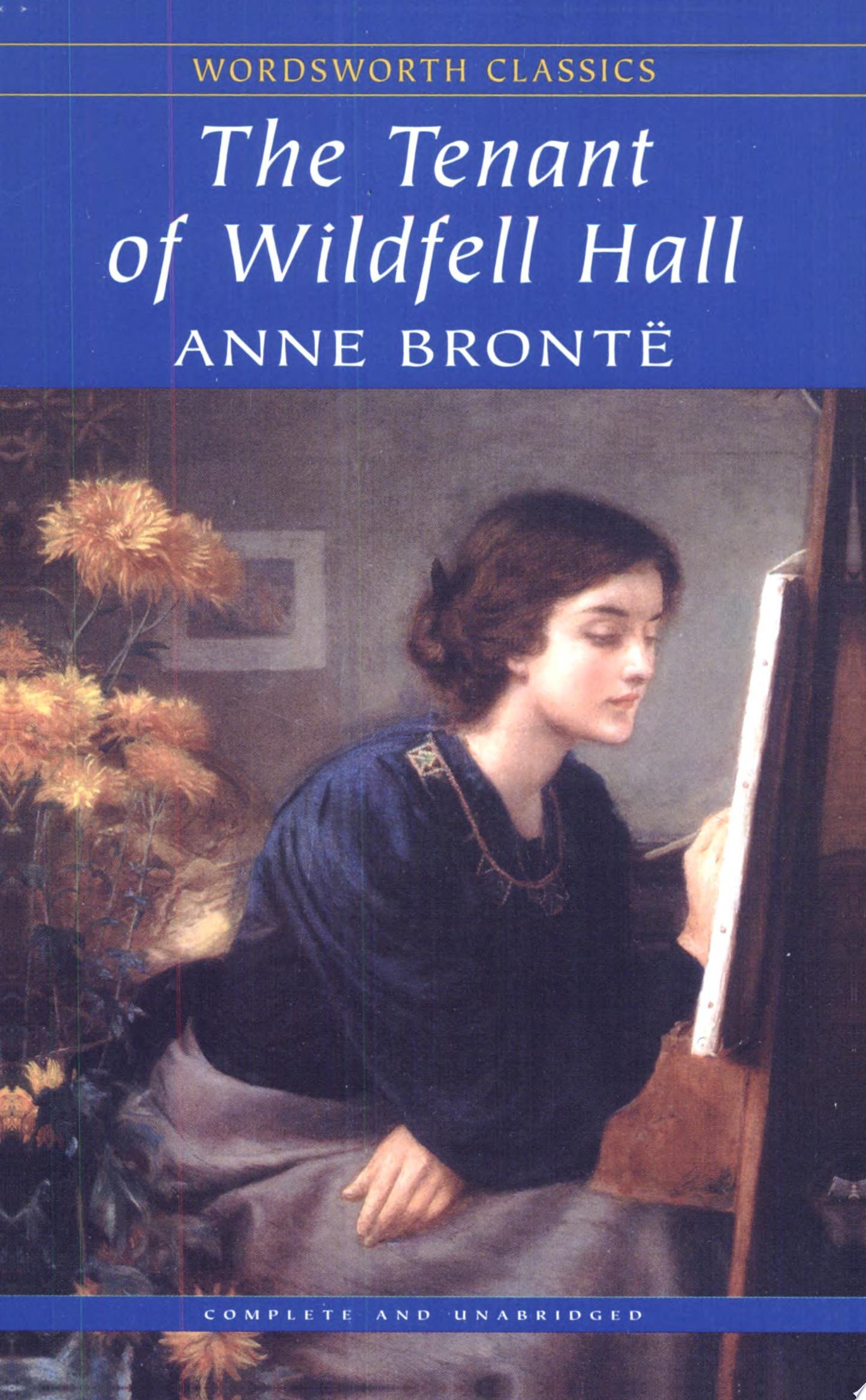
  4. Cover of The Tenant of Wildfell Hall by Anne Brontë

    Cover not available

    The Tenant of Wildfell Hall

    by Anne Brontë

    With an Introduction and Notes by Peter Merchant, Canterbury Christchurch University College

    The Tenant of Wildfell Hall is a powerful and sometimes violent novel of expectation, love, oppression, sin, religion and betrayal. It portrays the disintegration of the marriage of Helen Huntingdon, the mysterious 'tenant' of the title, and her dissolute, alcoholic husband. Defying convention, Helen leaves her husband to protect their young son from his father's influence, and earns her own living as an artist. Whilst in hiding at Wildfell Hall, she encounters Gilbert Markham, who falls in love with her.

    On its first publication in 1848, Anne Brontë's second novel was criticised for being 'coarse' and 'brutal'. The Tenant of Wildfell Hall challenges the social conventions of the early nineteenth century in a strong defence of women's rights in the face of psychological abuse from their husbands.

    Anne Brontë's style is bold, naturalistic and passionate, and this novel, which her sister Charlotte considered 'an entire mistake', has earned Anne a position in English literature in her own right, not just as the youngest member of the Brontë family.

    This newly reset text is taken from a copy of the 1848 second edition in the Library of the Brontë Parsonage Museum and has been edited to correct known errors in that edition.

    Why it's similar

    Like Jane Eyre, it follows a strong-willed woman asserting moral independence against an oppressive male figure, using a realist, psychologically nuanced style to critique Victorian gender roles and marriage norms.

    What's different

    It is more explicitly concerned with social critique of marriage law and alcoholism, and its structure includes diary-like documents that give it a more fragmented, realist feel than Jane Eyre’s unified first-person narrative.

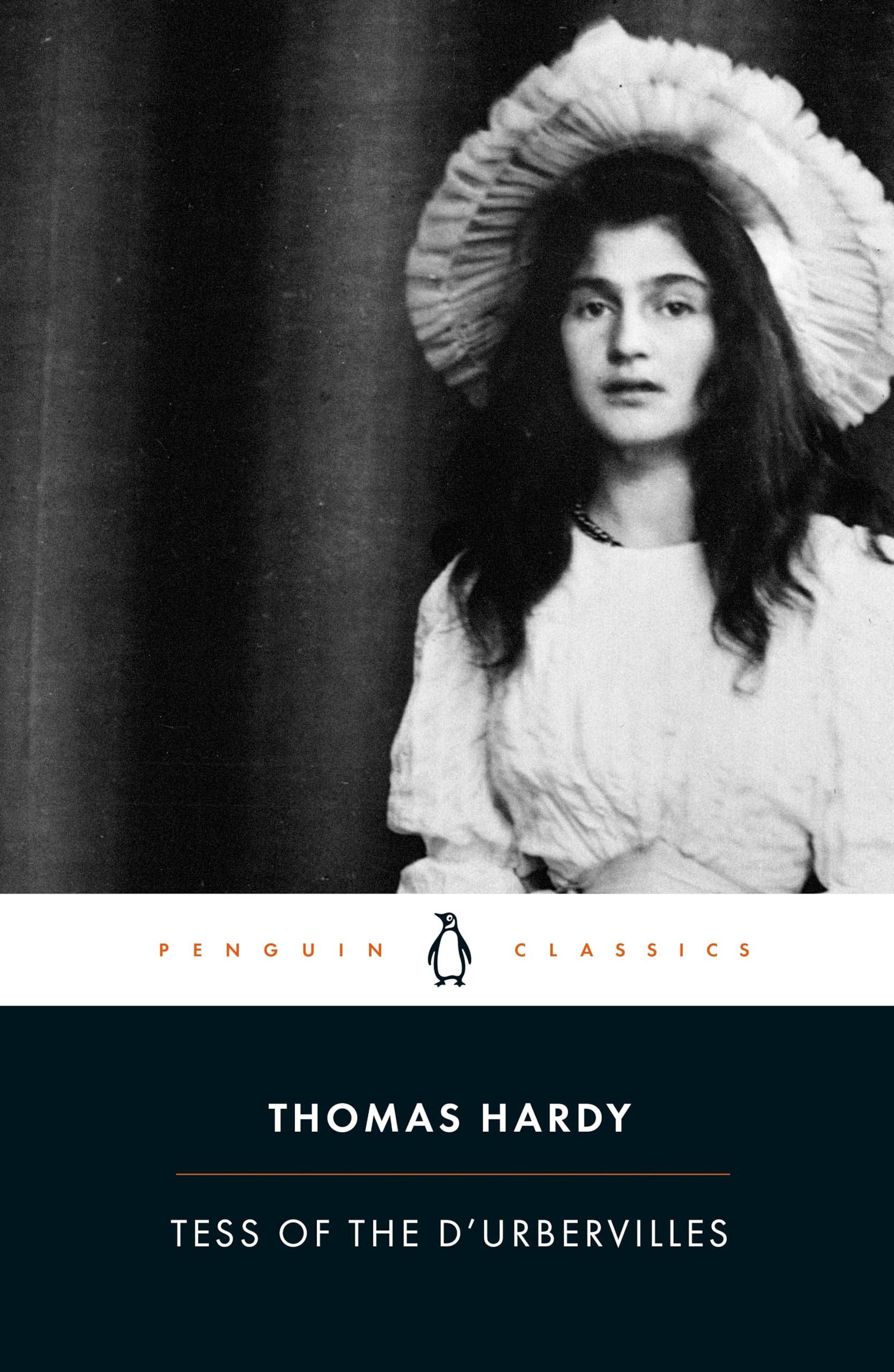
  5. Cover of Tess of the d’Urbervilles by Thomas Hardy

    Cover not available

    Tess of the d’Urbervilles

    by Thomas Hardy

    A heartbreaking portrayal of a woman faced by an impossible choice in the pursuit of happiness

    When Tess Durbeyfield is driven by family poverty to claim kinship with the wealthy D'Urbervilles and seek a portion of their family fortune, meeting her 'cousin' Alec proves to be her downfall. A very different man, Angel Clare, seems to offer her love and salvation, but Tess must choose whether to reveal her past or remain silent in the hope of a peaceful future. With its sensitive depiction of the wronged Tess and powerful criticism of social convention, Tess of the D'Urbervilles, subtitled "A Pure Woman," is one of the most moving and poetic of Hardy's novels.

    Based on the three-volume first edition that shocked readers when first published in 1891, this edition includes as appendices: Hardy's Prefaces, the Landscapes of Tess, episodes originally censored from the Graphic periodical version, and a selection of the Graphic illustrations.

    For more than seventy years, Penguin has been the leading publisher of classic literature in the English-speaking world. With more than 1,700 titles, Penguin Classics represents a global bookshelf of the best works throughout history and across genres and disciplines. Readers trust the series to provide authoritative texts enhanced by introductions and notes by distinguished scholars and contemporary authors, as well as up-to-date translations by award-winning translators.

    Why it's similar

    Both are nineteenth-century novels about a young woman confronting class prejudice, sexual double standards, and moral dilemmas, told with intense emotional realism and strong sympathy for the heroine’s inner life.

    What's different

    Its outlook is more pessimistic and tragic, emphasizing fate and social cruelty, and the heroine’s story ends in stark tragedy rather than in the hard-won, hopeful resolution of Jane Eyre.

Looking for something else?

Use our book recommendation tool to discover books similar to any of your favorites.

Find similar books with LibroMatch