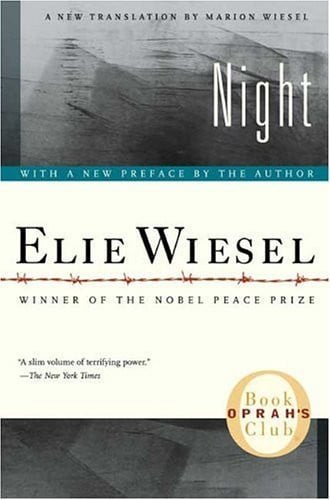
Cover of Night by Elie Wiesel

5 book recommendations

Books Like “Night” by Elie Wiesel

Elie Wiesel's Night remains a landmark Holocaust memoir, celebrated for its raw emotional honesty, profound exploration of faith, and unforgettable portrait of human endurance. If you were moved by its haunting power and resilience in the face of unimaginable darkness, explore our curated recommendations below to find your next deeply impactful read.

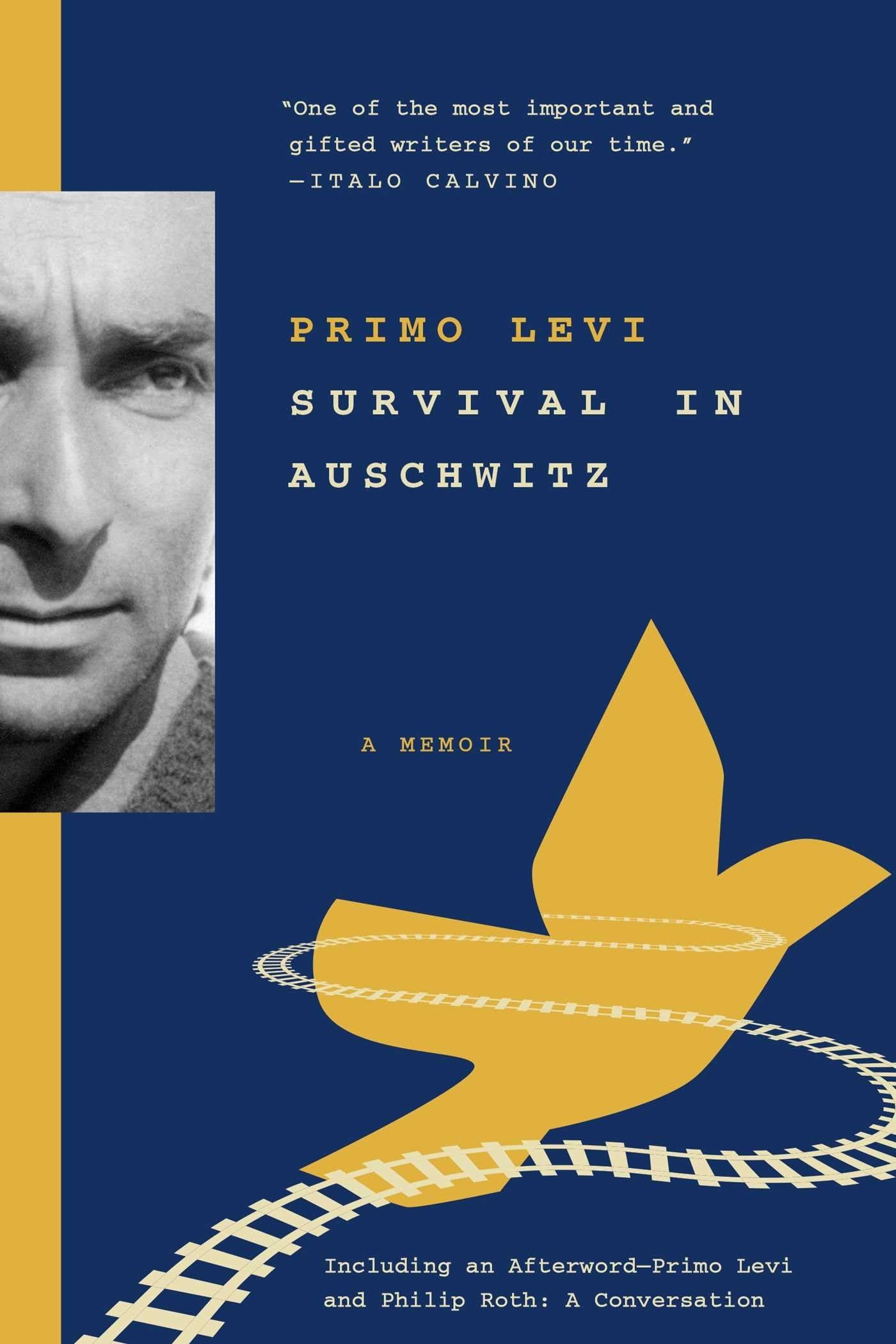
  1. Cover of Survival in Auschwitz by Primo Levi

    Cover not available

    Survival in Auschwitz

    by Primo Levi

    The true and harrowing account of Primo Levi’s experience at the German concentration camp of Auschwitz and his miraculous survival; hailed by The Times Literary Supplement as a “true work of art, this edition includes an exclusive conversation between the author and Philip Roth.

    In 1943, Primo Levi, a twenty-five-year-old chemist and “Italian citizen of Jewish race,” was arrested by Italian fascists and deported from his native Turin to Auschwitz. Survival in Auschwitz is Levi’s classic account of his ten months in the German death camp, a harrowing story of systematic cruelty and miraculous endurance. Remarkable for its simplicity, restraint, compassion, and even wit, Survival in Auschwitz remains a lasting testament to the indestructibility of the human spirit. Included in this new edition is an illuminating conversation between Philip Roth and Primo Levi never before published in book form.

    Why it's similar

    Both works are classic firsthand memoirs detailing survival in the Auschwitz camp system, focusing intensely on the systematic dehumanization of prisoners and the struggle to retain humanity.

    What's different

    Levi approaches his experience with an analytical, secular, and almost scientific curiosity, whereas Wiesel's narrative is lyrical, grief-stricken, and deeply engaged in a theological crisis of faith.
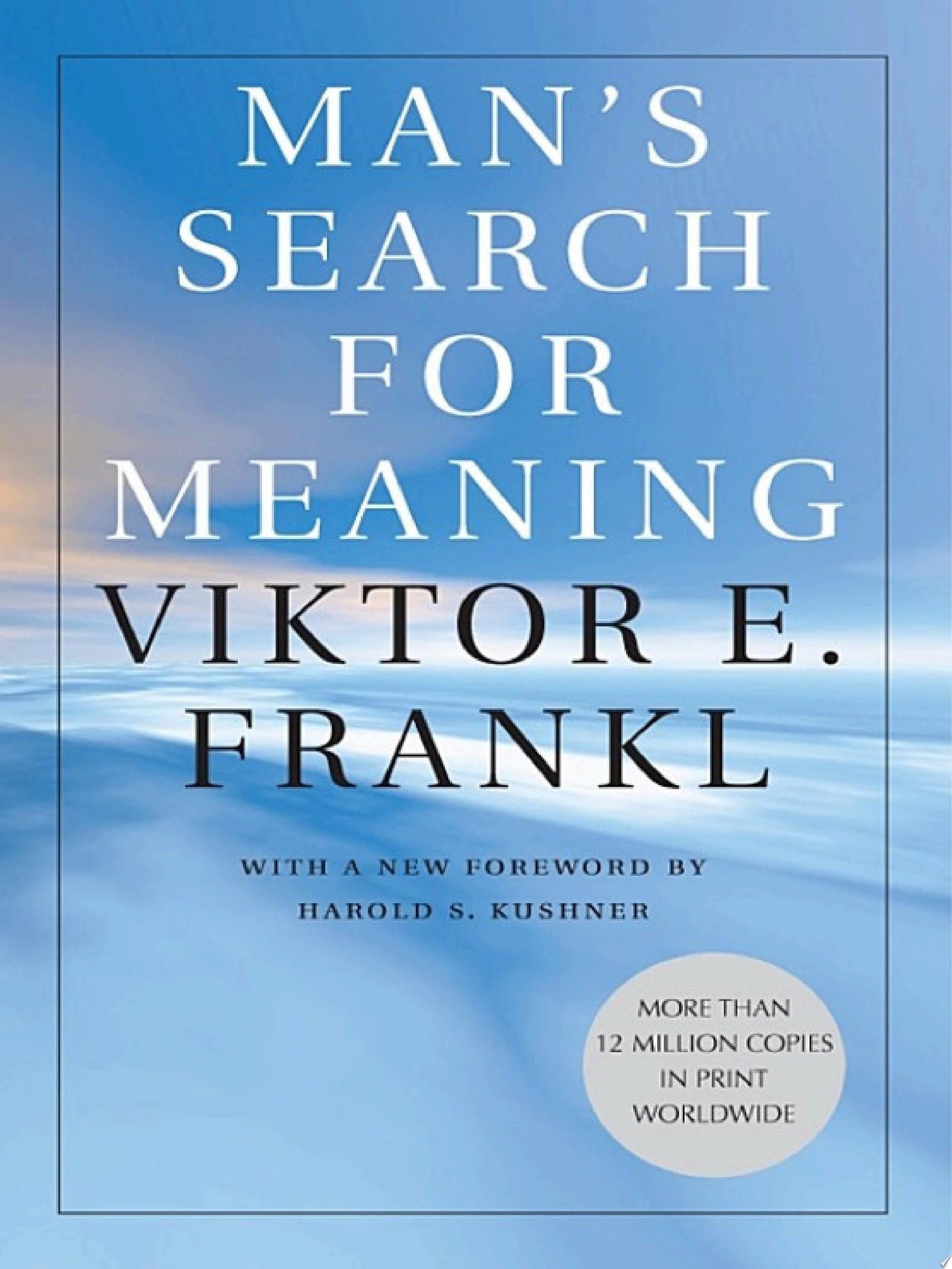
  2. Cover of Man's Search for Meaning by Viktor E. Frankl

    Cover not available

    Man's Search for Meaning

    by Viktor E. Frankl

    “It’s an absolute must-read for every human being. Period.”
    —Anna Chlumsky

    A book for finding purpose and strength in times of great despair, the international best-seller is still just as relevant today as when it was first published.

    “This is a book I reread a lot . . . it gives me hope . . . it gives me a sense of strength.”
    —Anderson Cooper, Anderson Cooper 360/CNN

    This seminal book, which has been called “one of the outstanding contributions to psychological thought” by Carl Rogers and “one of the great books of our time” by Harold Kushner, has been translated into more than fifty languages and sold over sixteen million copies. “An enduring work of survival literature,” according to the New York Times, Viktor Frankl’s riveting account of his time in the Nazi concentration camps, and his insightful exploration of the human will to find meaning in spite of the worst adversity, has offered solace and guidance to generations of readers since it was first published in 1946. At the heart of Frankl’s theory of logotherapy (from the Greek word for “meaning”) is a conviction that the primary human drive is not pleasure, as Freud maintained, but rather the discovery and pursuit of what the individual finds meaningful. Today, as new generations face new challenges and an ever more complex and uncertain world, Frankl’s classic work continues to inspire us all to find significance in the very act of living, in spite of all obstacles.

    A must-read companion to this classic work, a new, never-before-published work by Frankl entitled Yes to Life: In Spite of Everything, is now available in English.

    Why it's similar

    Like Night, this work recounts the daily brutalities of Nazi concentration camps while examining the psychological toll of starvation, violence, and existential despair.

    What's different

    While Wiesel presents a raw literary testimony of shattered faith, Frankl uses his experiences as a clinical case study to establish logotherapy, proposing an optimistic framework for finding purpose through suffering.

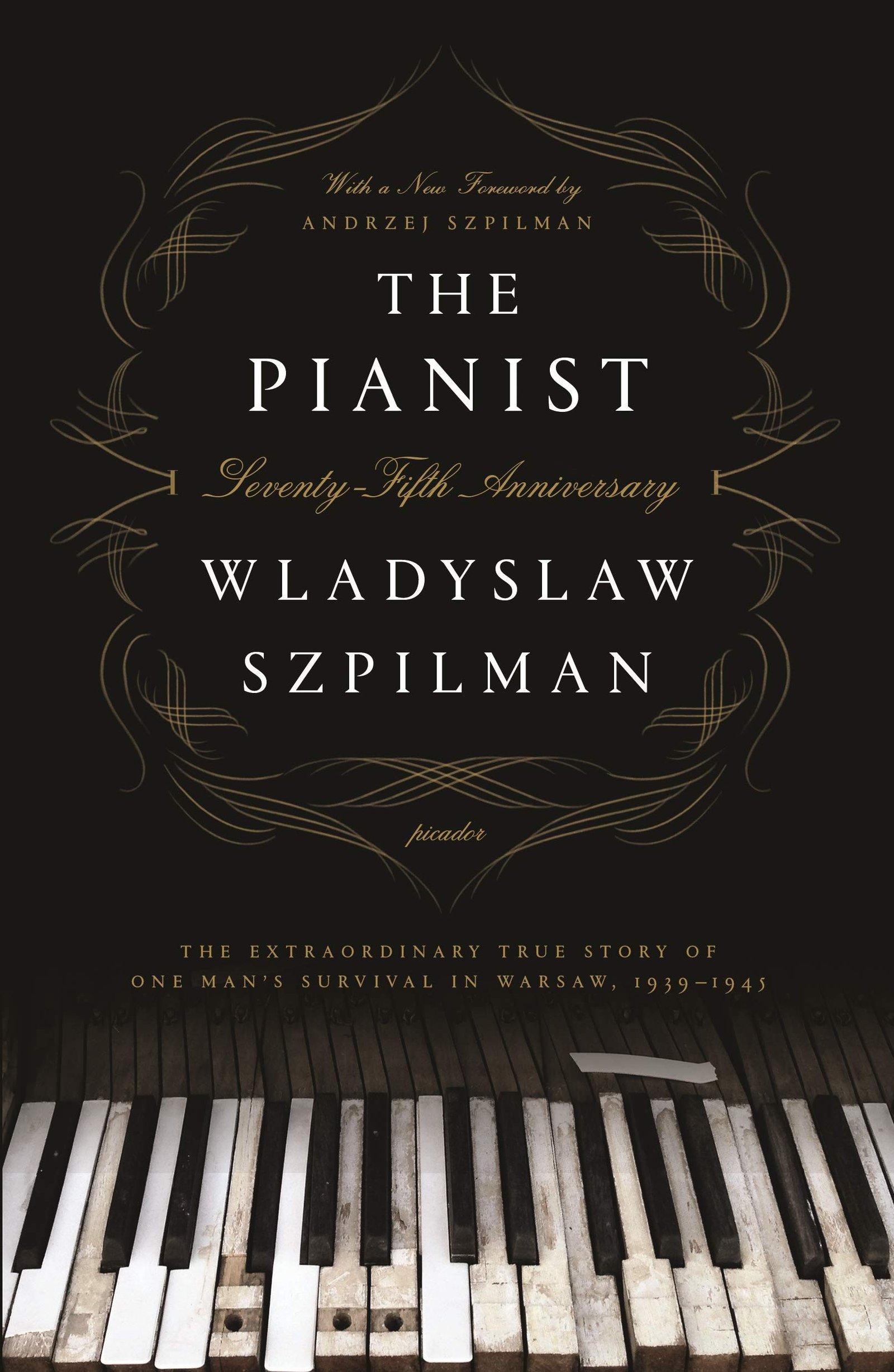
  3. Cover of The Pianist by Władysław Szpilman

    Cover not available

    The Pianist

    by Władysław Szpilman

    The 75th Anniversary Edition of the memoir that inspired Roman Polanski's Oscar-winning film, with a new introduction by Szpilman's son, Andrzej

    On September 23, 1939, Wladyslaw Szpilman played Chopin's Nocturne in C-sharp minor live on the radio as shells exploded outside—so loudly that he couldn't hear his piano. It was the last live music broadcast from Warsaw: That day, a German bomb hit the station, and Polish Radio went off the air.

    Though he lost his entire family, Szpilman survived in hiding. In the end, his life was saved by a German officer who heard him play the same Chopin Nocturne on a piano found among the rubble. Written immediately after the war and suppressed for decades, The Pianist is a stunning testament to human endurance and the redemptive power of fellow feeling.

    Why it's similar

    Both memoirs provide harrowing, autobiographical accounts of Jewish survival during the Holocaust, charting the rapid destruction of their communities and the constant presence of starvation and death.

    What's different

    Szpilman recounts surviving in hiding amidst the ruins of the Warsaw Ghetto rather than inside the camp apparatus, focusing on chance encounters and physical isolation rather than theological wrestling.

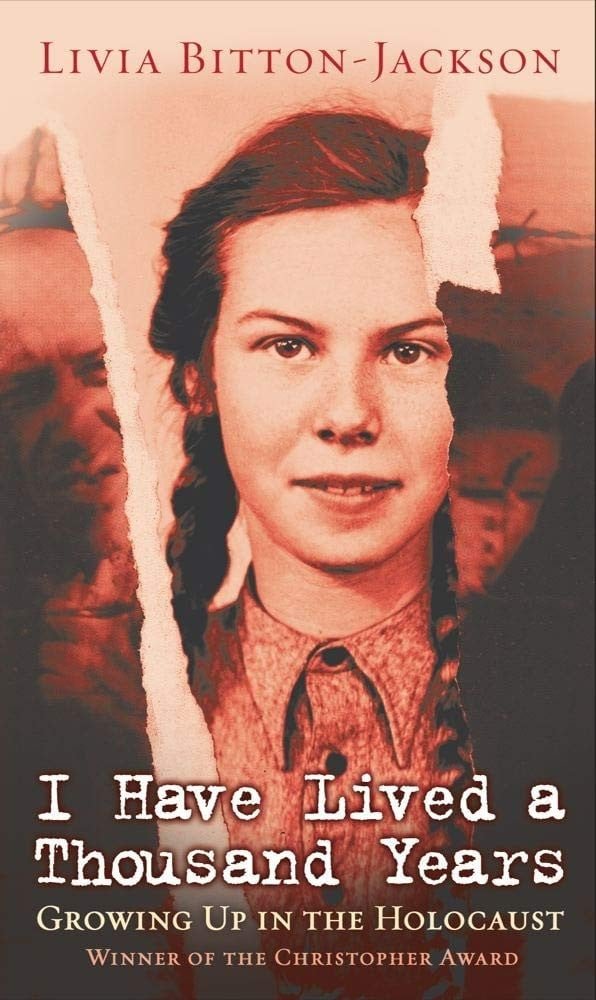
  4. Cover of I Have Lived a Thousand Years: Growing Up in the Holocaust by Livia Bitton-Jackson

    Cover not available

    I Have Lived a Thousand Years: Growing Up in the Holocaust

    by Livia Bitton-Jackson

    What is death all about? What is life all about?

    So wonders thirteen-year-old Elli Friedmann as she fights for her life in a Nazi concentration camp. A remarkable memoir, I Have Lived a Thousand Years is a story of cruelty and suffering, but at the same time a story of hope, faith, perseverance, and love.

    It wasn’t long ago that Elli led a normal life that included family, friends, school, and thoughts about boys. A life in which Elli could lie and daydream for hours that she was a beautiful and elegant celebrated poet.

    But these adolescent daydreams quickly darken in March 1944, when the Nazis invade Hungary. First Elli can no longer attend school, have possessions, or talk to her neighbors. Then she and her family are forced to leave their house behind to move into a crowded ghetto, where privacy becomes a luxury of the past and food becomes a scarcity. Her strong will and faith allow Elli to manage and adjust, but what she doesn’t know is that this is only the beginning. The worst is yet to come...

    Why it's similar

    Both memoirs follow young Hungarian Jewish teenagers whose lives are upended by ghettoization and subsequent deportation to Auschwitz in 1944.

    What's different

    Bitton-Jackson's memoir focuses on the protective bond between a daughter and mother with an emphasis on endurance and hope, contrasting with Wiesel's darker descent into spiritual desolation and the tragic loss of his father.

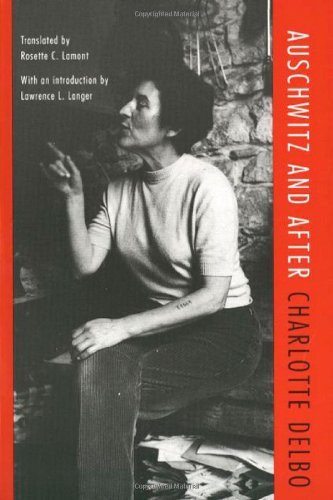
  5. Cover of Auschwitz and After by Charlotte Delbo

    Cover not available

    Auschwitz and After

    by Charlotte Delbo

    In March 1942, French police arrested Charlotte Delbo and her husband, the resistance leader Georges Dudach, on a charge of distributing anti-German leaflets in Paris. The French turned them over to the Gestapo, who imprisoned them. Dudach was executed by firing squad in May; Delbo remained in prison until January 1943, when she was deported to Auschwitz and then to Ravensbruck, where she remained until the end of the war. This book - Delbo's profoundly moving vignettes, poems, and prose poems of life in the concentration camps and afterward - is a memoir of great literary value. It is a unique document by a female resistance leader, a non-Jew, and a remarkable writer who transforms the experience of the Holocaust into spare, austere, yet lyric prose.

    Why it's similar

    Both are Holocaust testimony grounded in Auschwitz and the attempt to bear witness after survival. Each confronts the reader with camp dehumanization, loss, and the challenge of representing atrocity in language.

    What's different

    Delbo’s work is more fragmentary and formally experimental, blending prose, memory, and poetic passages. It also emphasizes collective female experience and postwar memory rather than the singular father-son narrative central to Night.

Looking for something else?

Use our book recommendation tool to discover books similar to any of your favorites.

Find similar books with LibroMatch