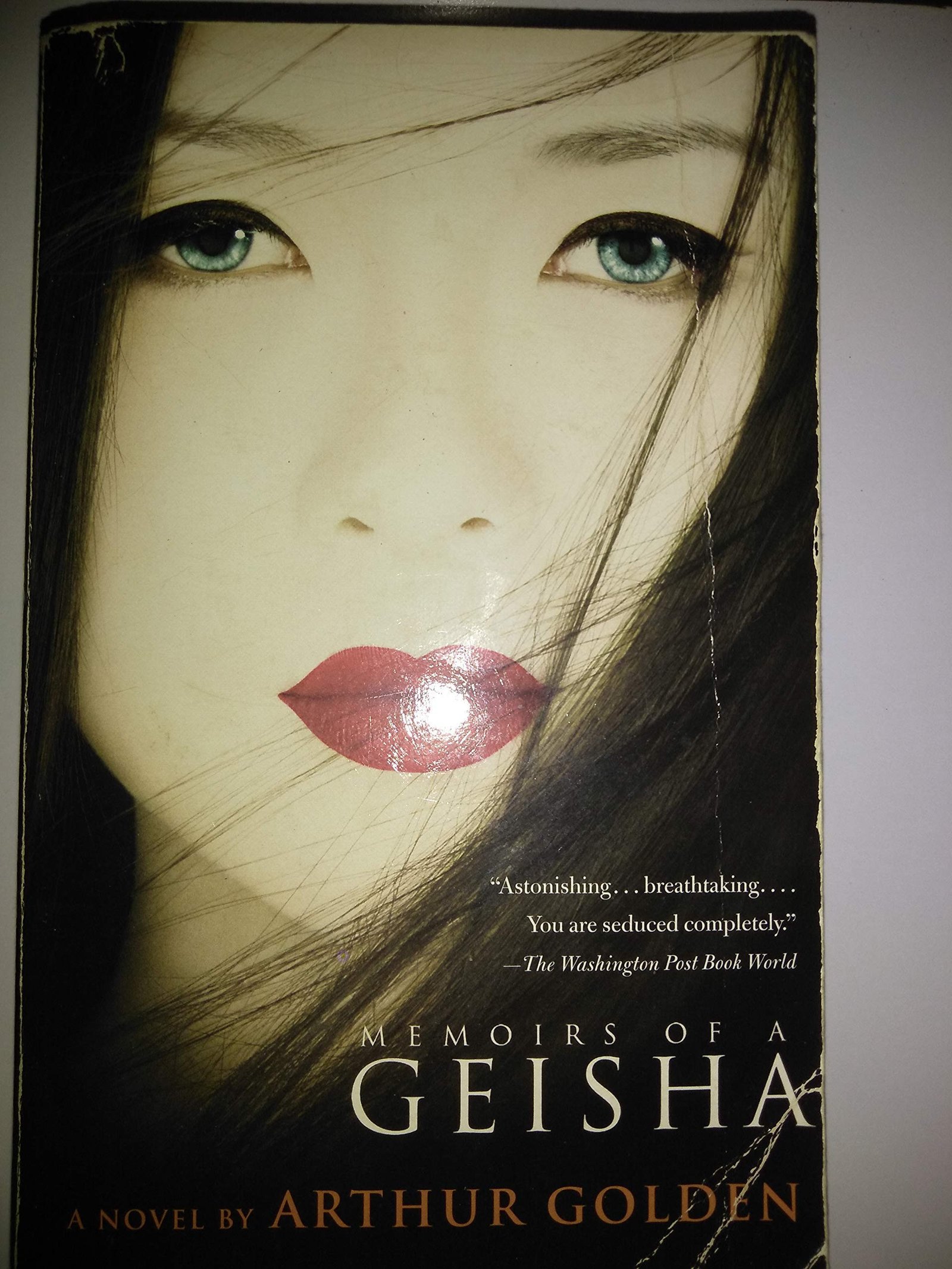
Cover of Memoirs of a Geisha by Arthur Golden

5 book recommendations

Books Like “Memoirs of a Geisha” by Arthur Golden

Readers fell in love with Memoirs of a Geisha for its lush historical storytelling, immersive cultural detail, and poignant tale of female resilience. If you long for sweeping sagas that unveil hidden worlds and complex lives, your literary journey continues here. Explore our handpicked recommendations below to discover your next unforgettable read.

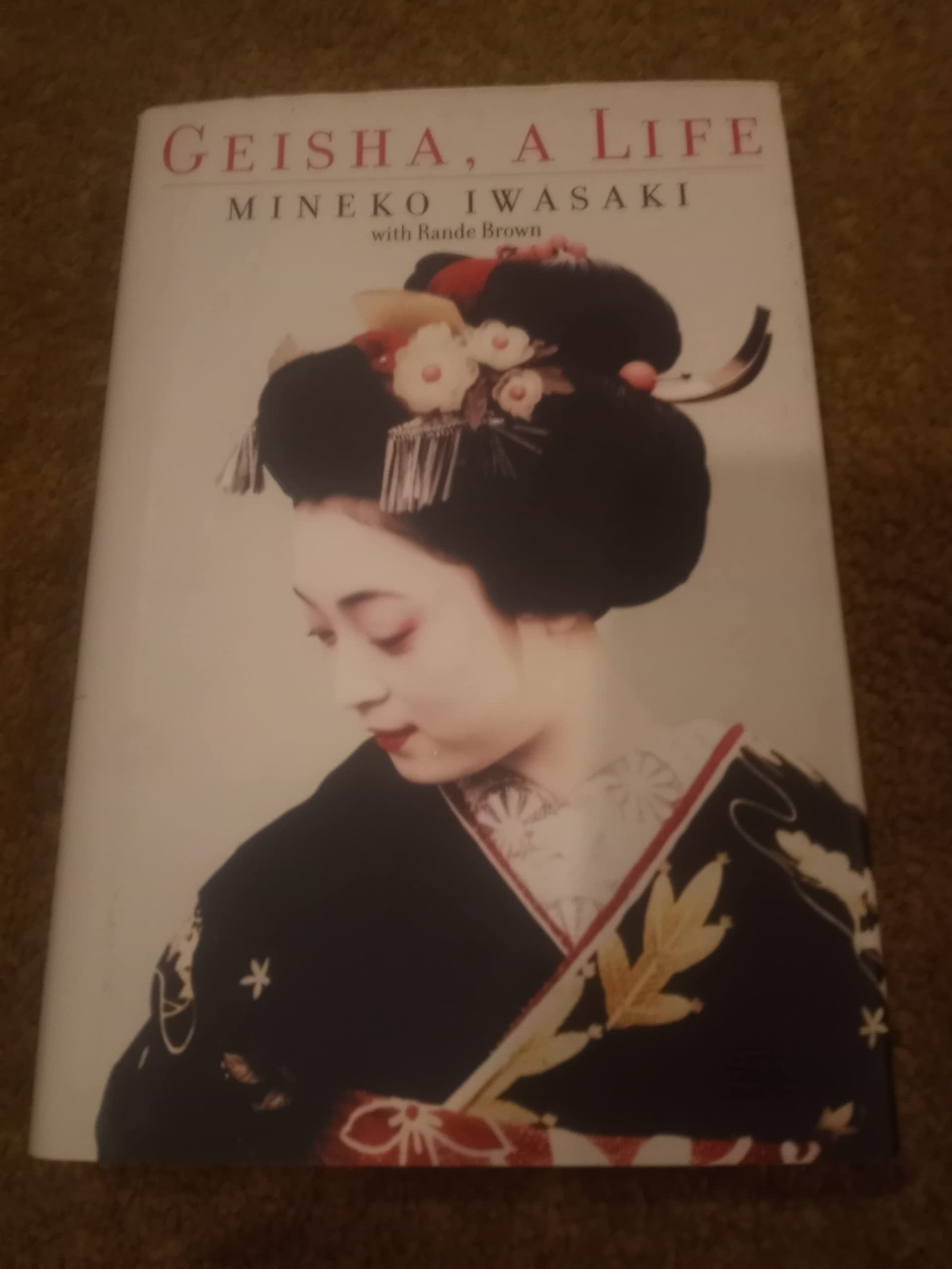
  1. Cover of Geisha, a Life by Mineko Iwasaki

    Cover not available

    Geisha, a Life

    by Mineko Iwasaki

    GEISHA, A LIFE ""No woman in the three-hundred-year history of the karyukai has ever come forward in public to tell her story. We have been constrained by unwritten rules not to do so, by the robes of tradition and by the sanctity of our exclusive calling...But I feel it is time to speak out."" Celebrated as the most successful geisha of her generation, Mineko Iwasaki was only five years old when she left her parents' home for the world of the geisha. For the next twenty-five years, she would live a life filled with extraordinary professional demands and rich rewards. She would learn the formal customs and language of the geisha, and study the ancient arts of Japanese dance and music. She would enchant kings and princes, captains of industry, and titans of the entertainment world, some of whom would become her dearest friends. Through great pride and determination, she would be hailed as one of the most prized geishas in Japan's history, and one of the last great practitioners of this now fading art form. In "Geisha, a Life," Mineko Iwasaki tells her story, from her warm early childhood, to her intense yet privileged upbringing in the Iwasaki okiya (household), to her years as a renowned geisha, and finally, to her decision at the age of twenty-nine to retire and marry, a move that would mirror the demise of geisha culture. Mineko brings to life the beauty and wonder of Gion Kobu, a place that "existed in a world apart, a special realm whose mission and identity depended on preserving the time-honored traditions of the past." She illustrates how it coexisted within post-World War II Japan at a time when the country was undergoing its radical transformation from apost-feudal society to a modern one. "There is much mystery and misunderstanding about what it means to be a geisha. I hope this story will help explain what it is really like and also serve as a record of this unique component of Japan's cultural history," writes Mineko Iwasaki. "Geisha, a Life" is the first of its kind, as it delicately unfolds the fabric of a geisha's development. Told with great wisdom and sensitivity, it is a true story of beauty and heroism, and of a time and culture rarely revealed to the Western world.

    Why it's similar

    Both works chronicle a young girl's immersion, rigorous training, and ascent to prominence within the secretive, ritual-bound geisha district of Gion in Kyoto.

    What's different

    Unlike Golden's fictionalized account, this is an authentic autobiography that depicts geisha as disciplined, financially independent artists rather than focusing on melodrama and romantic yearning.
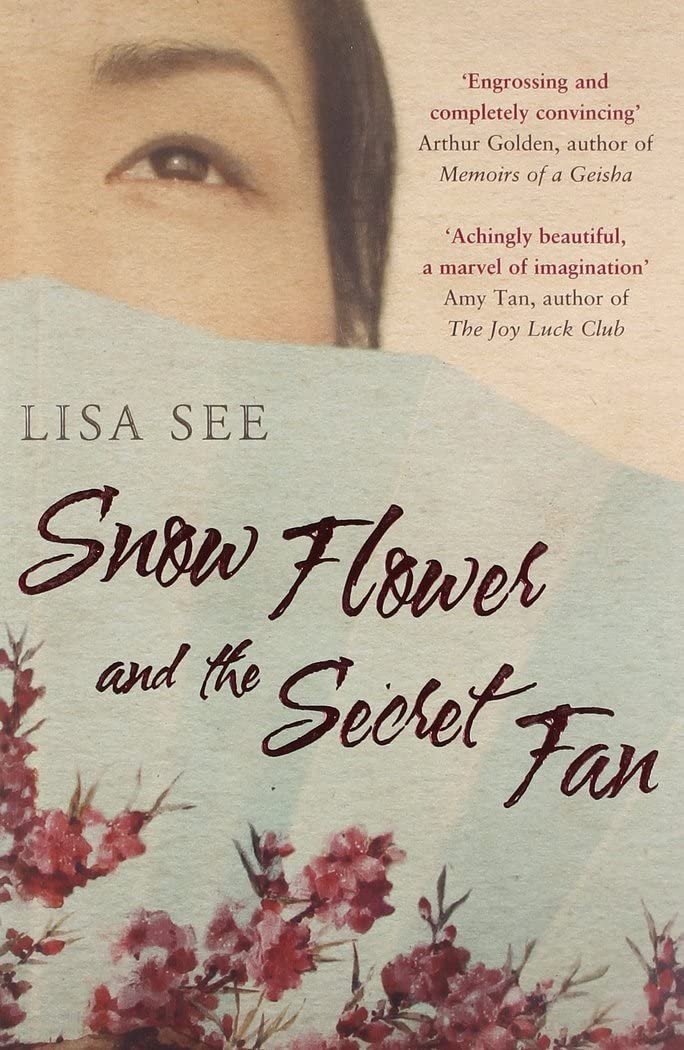
  2. Cover of Snow Flower and the Secret Fan by Lisa See

    Cover not available

    Snow Flower and the Secret Fan

    by Lisa See

    An old woman tells of her relationship with her 'old-same', their arranged marriages, and the joys and tragedies of motherhood - until a terrible misunderstanding written on their secret fan threatens to tear them apart. With the detail and emotional resonance of Memoirs of a Geisha, Snow Flower and the Secret Fan delves into one of the most mysterious and treasured relationships of all time - female friendship.

    Why it's similar

    Both novels portray the emotional and physical struggles of young girls navigating rigid patriarchal traditions and elaborate cultural rituals in historic East Asia.

    What's different

    Set in nineteenth-century rural China rather than twentieth-century Japan, the narrative focuses on a deep, lifelong friendship between two women rather than a journey toward romantic fulfillment.

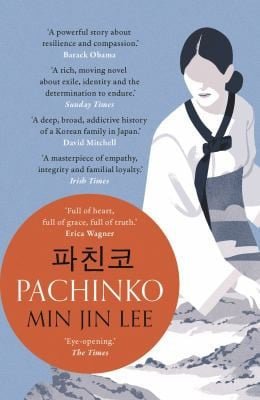
  3. Cover of Pachinko by Min Jin Lee

    Cover not available

    Pachinko

    by Min Jin Lee

    * The million-copy bestseller*
    * National Book Award finalist *
    * An instant New York Times Bestseller and one of their 10 Best Books of 2017 *
    * Selected for Emma Watson's Our Shared Shelf book club *

    'This is a captivating book... Min Jin Lee's novel takes us through four generations and each character's search for identity and success. It's a powerful story about resilience and compassion' BARACK OBAMA.

    Yeongdo, Korea 1911. In a small fishing village on the banks of the East Sea, a club-footed, cleft-lipped man marries a fifteen-year-old girl. The couple have one child, their beloved daughter Sunja. When Sunja falls pregnant by a married yakuza, the family face ruin. But then Isak, a Christian minister, offers her a chance of salvation: a new life in Japan as his wife.

    Following a man she barely knows to a hostile country in which she has no friends, no home, and whose language she cannot speak, Sunja's salvation is just the beginning of her story.

    Through eight decades and four generations, Pachinko is an epic tale of family, identity, love, death and survival.

    Why it's similar

    Both historical novels examine female resilience, societal outsiders, and the disruptive impact of World War II within twentieth-century Japan.

    What's different

    Pachinko is an expansive multi-generational family saga spanning four generations across Korea and Japan, contrasting with the intimate, single-person perspective of Memoirs of a Geisha.

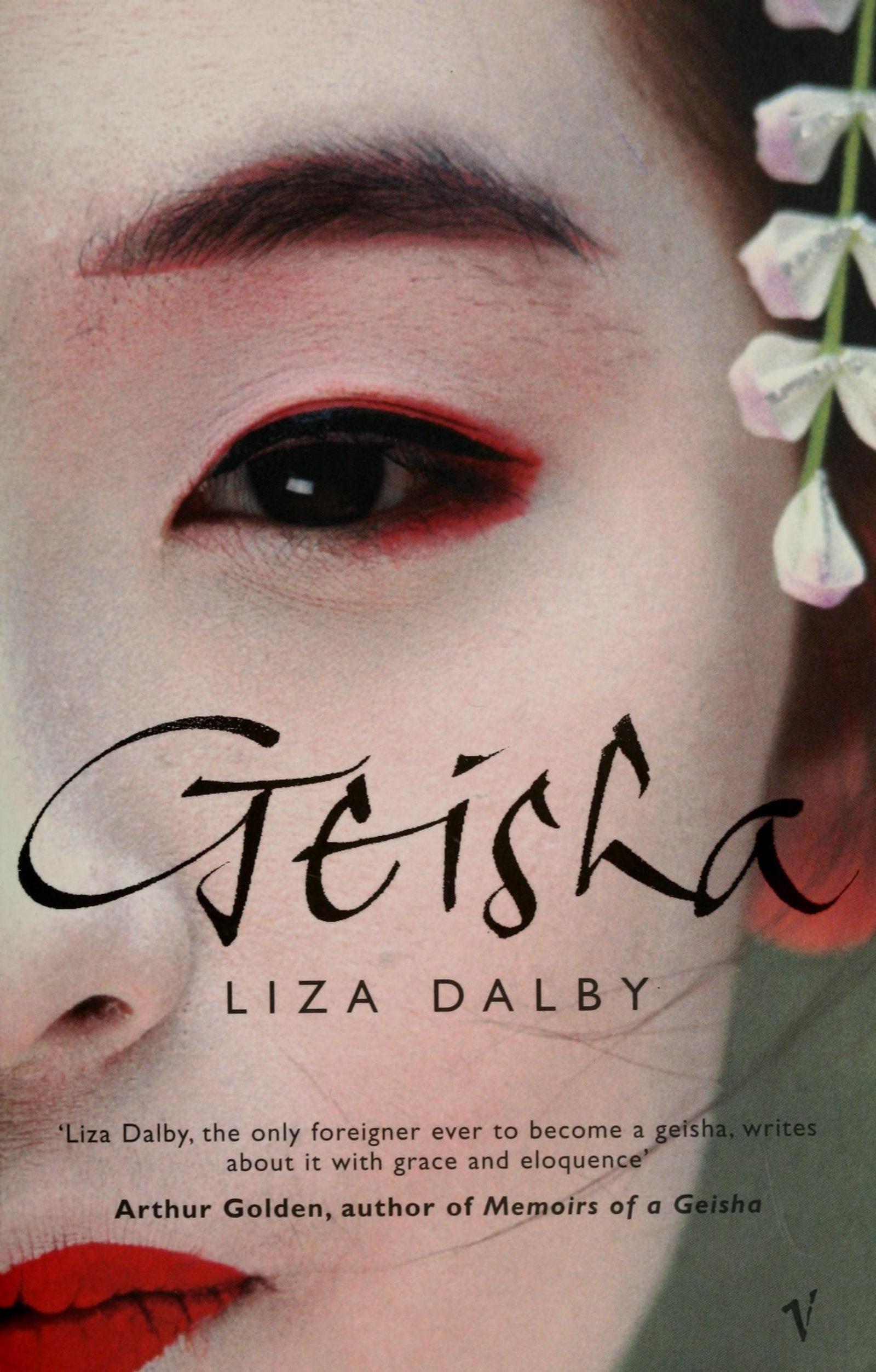
  4. Cover of Geisha by Liza Dalby

    Cover not available

    Geisha

    by Liza Dalby

    Liza Dalby, author of The Tale of Murasaki, is the only non-Japanese woman ever to have become a geisha. This is her unique insight into the extraordinary, closed world of the geisha, a world of grace, beauty and tradition that has long fascinated and enthralled the West. Taking us to the heart of a way of life normally hidden from the public gaze, Liza Dalby shows us the detailed reality that lies behind the bestselling Memoirs of a Geisha and opens our eyes to an ancient profession that continues to survive in today's modern Japan.

    Why it's similar

    Both focus directly on geisha culture in Japan and the training, discipline, and social codes of that world. They are especially similar in their attention to the textures of artistic performance, etiquette, and the gendered role of geisha.

    What's different

    This is nonfiction and part memoir, part ethnography, so it reads as observation and reportage rather than a fully dramatized novel. It emphasizes real geisha practices and social context more than a plot-driven personal saga.

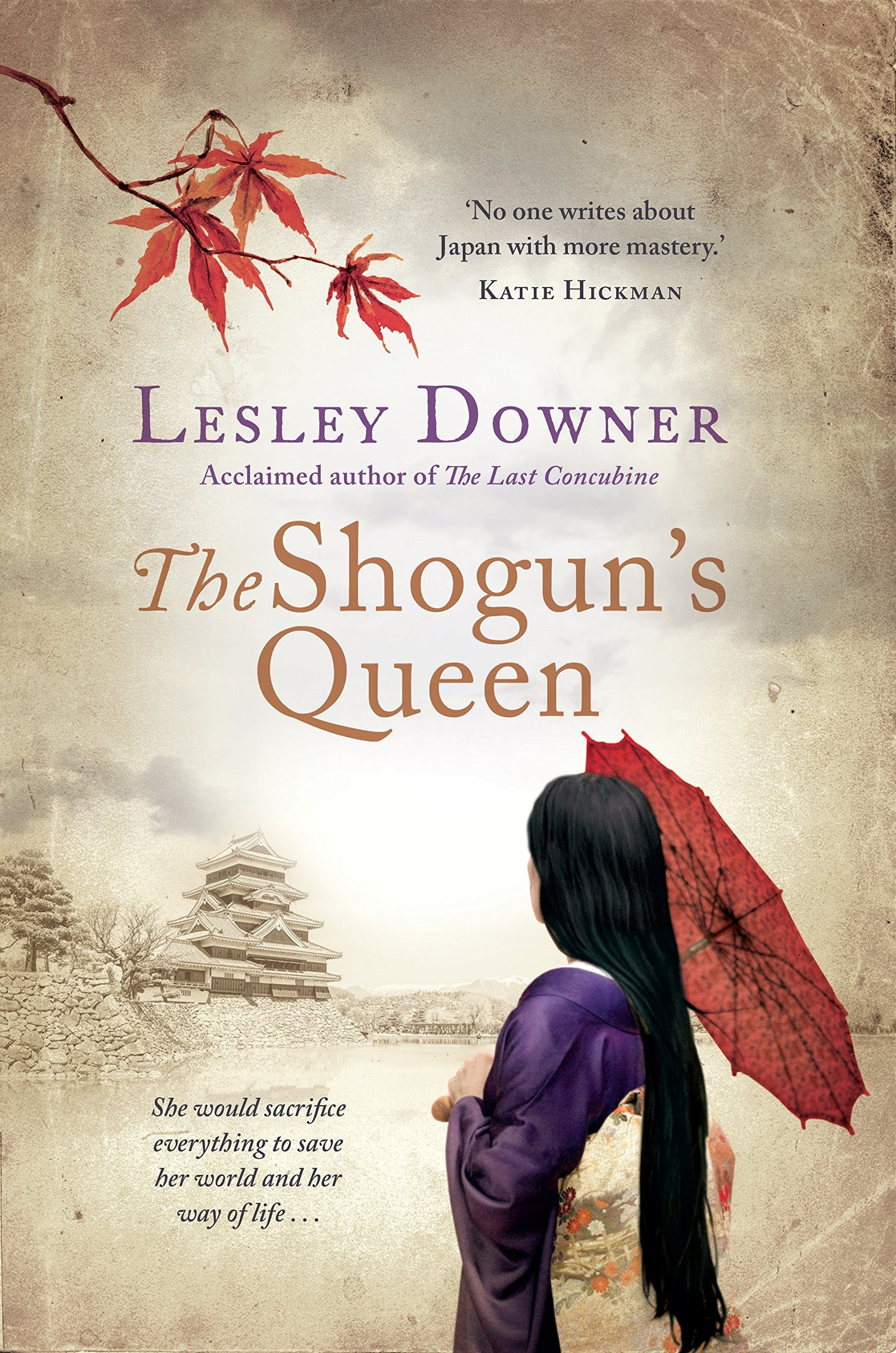
  5. Cover of The Shogun's Queen by Lesley Downer

    Cover not available

    The Shogun's Queen

    by Lesley Downer

    Only one woman can save her world from barbarian invasion but to do so will mean sacrificing everything she holds dear - love, loyalty and maybe life itself . . .
    Japan, and the year is 1853. Growing up among the samurai of the Satsuma Clan, in Japan's deep south, the fiery, beautiful and headstrong Okatsu has - like all the clan's women - been encouraged to be bold, taught to wield the halberd, and to ride a horse.
    But when she is just seventeen, four black ships appear. Bristling with cannon and manned by strangers who to the Japanese eyes are barbarians, their appearance threatens Japan's very existence. And turns Okatsu's world upside down.
    Chosen by her feudal lord, she has been given a very special role to play. Given a new name - Princess Atsu - and a new destiny, she is the only one who can save the realm. Her journey takes her to Edo Castle, a place so secret that it cannot be marked on any map. There, sequestered in the Women's Palace - home to three thousand women, and where only one man may enter: the shogun - she seems doomed to live out her days. But beneath the palace's immaculate facade, there are whispers of murders and ghosts. It is here that Atsu must complete her mission and discover one last secret - the secret of the man whose fate is irrevocably linked to hers: the shogun himself . . .

    Why it's similar

    Both are historical fiction set in Japan and follow women moving through highly structured, hierarchical social systems. They share a strong interest in beauty, ritual, status, and the limits placed on women by tradition.

    What's different

    The story is set in an earlier political world and includes a wider court-and-power narrative rather than staying closely inside one woman’s apprentice-to-professional trajectory. Its center of gravity is political intrigue as much as women’s experience.

Looking for something else?

Use our book recommendation tool to discover books similar to any of your favorites.

Find similar books with LibroMatch