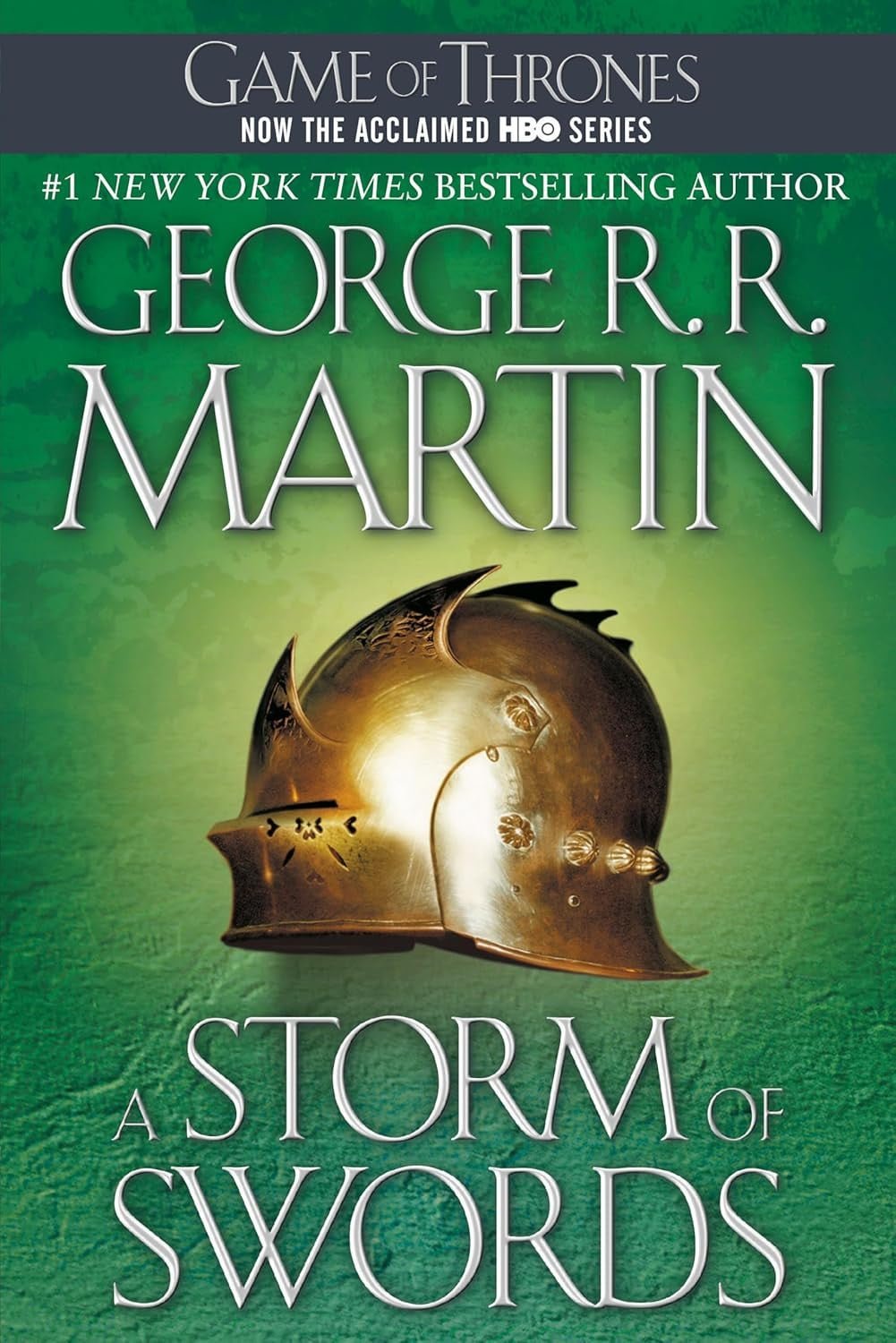
Cover of A Storm of Swords by George R.R. Martin

6 book recommendations

Books Like “A Storm of Swords” by George R.R. Martin

If you crave the ruthless political intrigue, shocking betrayals, and sprawling warfare that made A Storm of Swords an epic fantasy masterpiece, you are in the right place. Readers love Martin's fearless storytelling, morally gray characters, and heart-pounding stakes. Dive into our curated list below to discover your next fantasy obsession.

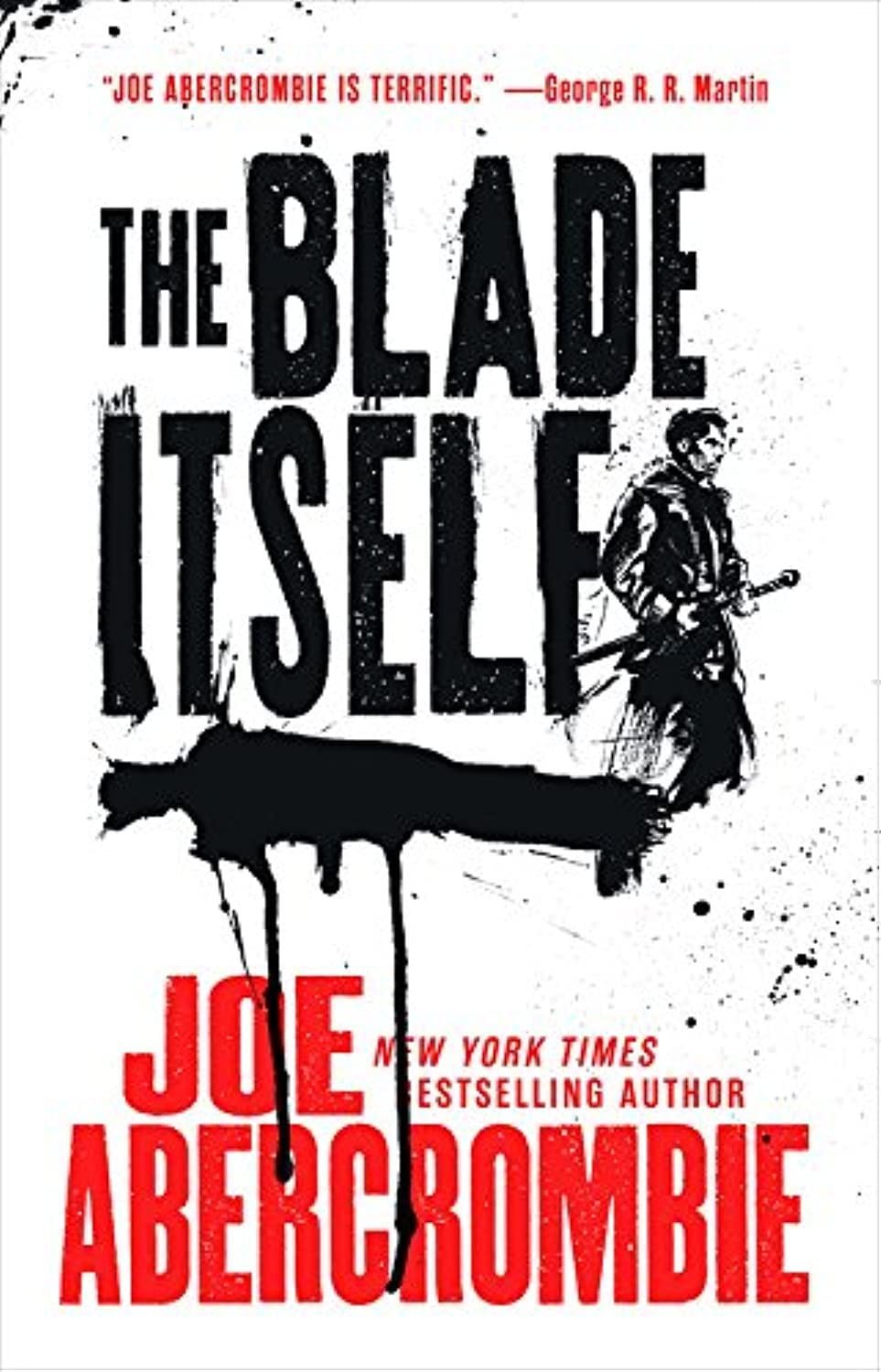
  1. Cover of The Blade Itself by Joe Abercrombie

    Cover not available

    The Blade Itself

    by Joe Abercrombie

    The first novel in the First Law Trilogy and debut fantasy novel from New York Times bestseller, Joe Abercrombie.

    Logen Ninefingers, infamous barbarian, has finally run out of luck. Caught in one feud too many, he's on the verge of becoming a dead barbarian -- leaving nothing behind him but bad songs, dead friends, and a lot of happy enemies.

    Nobleman, dashing officer, and paragon of selfishness, Captain Jezal dan Luthar has nothing more dangerous in mind than fleecing his friends at cards and dreaming of glory in the fencing circle. But war is brewing, and on the battlefields of the frozen North they fight by altogether bloodier rules.

    Inquisitor Glokta, cripple turned torturer, would like nothing better than to see Jezal come home in a box. But then Glokta hates everyone: cutting treason out of the Union one confession at a time leaves little room for friendship. His latest trail of corpses may lead him right to the rotten heart of government, if he can stay alive long enough to follow it.

    Enter the wizard, Bayaz. A bald old man with a terrible temper and a pathetic assistant, he could be the First of the Magi, he could be a spectacular fraud, but whatever he is, he's about to make the lives of Logen, Jezal, and Glokta a whole lot more difficult.

    Murderous conspiracies rise to the surface, old scores are ready to be settled, and the line between hero and villain is sharp enough to draw blood.

    Unpredictable, compelling, wickedly funny, and packed with unforgettable characters, The Blade Itself is noir fantasy with a real cutting edge.

    First Law Trilogy
    The Blade Itself
    Before They Are Hanged
    Last Argument of Kings

    Why it's similar

    Both feature a gritty, cynical tone with multiple viewpoint characters whose moral ambiguities drive intense political intrigue and visceral violence. Each work deconstructs classic fantasy heroics to reveal the brutal realities of war and governance.

    What's different

    Abercrombie incorporates pervasive dark humor and tighter character-focused storytelling, whereas Martin operates on a much grander geopolitical canvas with a sprawling cast across an entire continent.
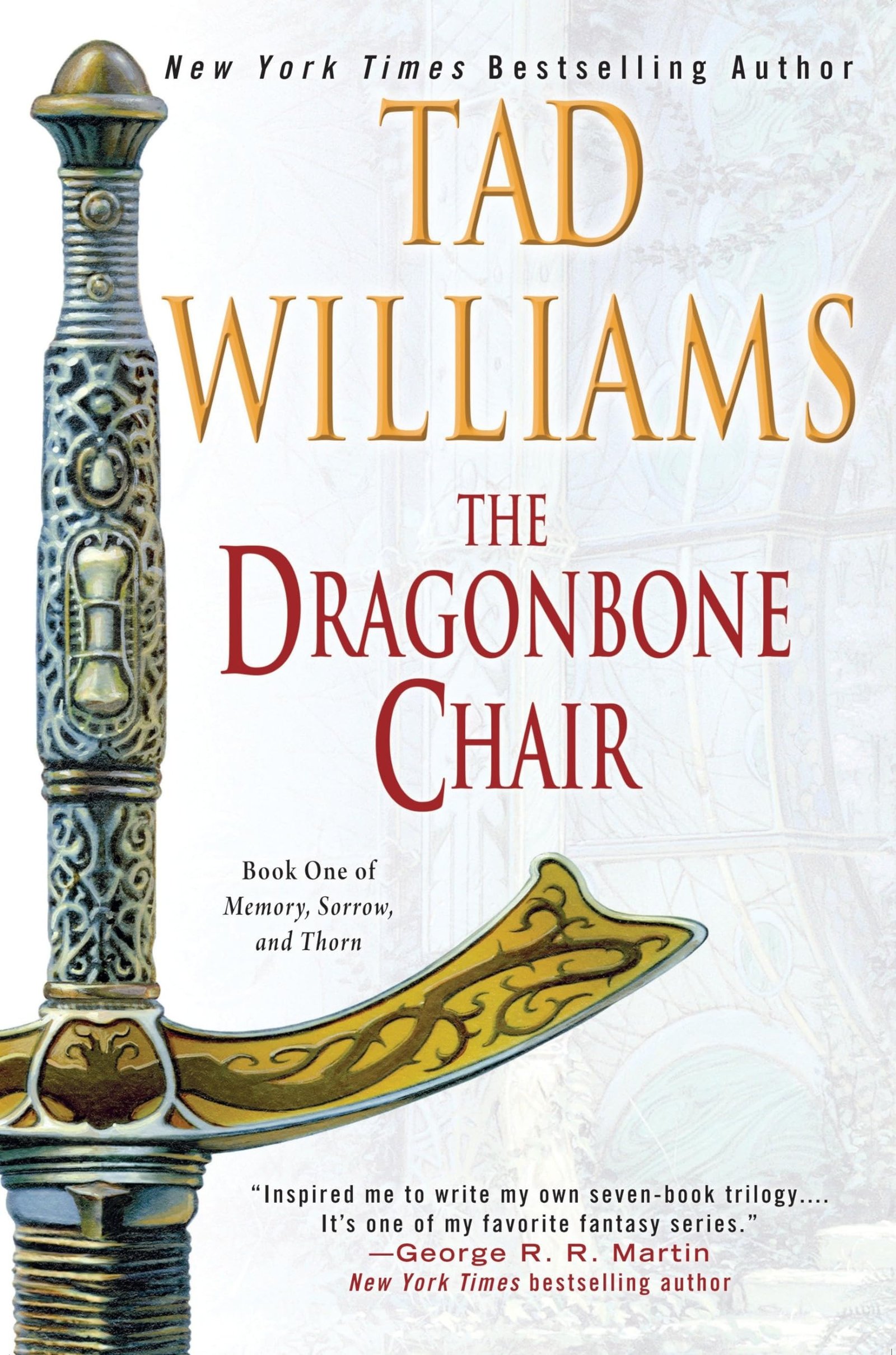
  2. Cover of The Dragonbone Chair by Tad Williams

    Cover not available

    The Dragonbone Chair

    by Tad Williams

    “One of my favorite fantasy series.” —George R. R. Martin
    “Groundbreaking.” —Patrick Rothfuss
    “One of the great fantasy epics of all time.” —Christopher Paolini

    New York Times-bestselling Tad Williams’ landmark epic fantasy saga of Osten Ard begins an exciting new cycle with THE WITCHWOOD CROWN, on sale now!

    With The Dragonbone Chair, Tad Williams introduced readers to the incredible fantasy world of Osten Ard. His beloved, internationally bestselling series Memory, Sorrow, and Thorn inspired a generation of modern fantasy writers, including George R.R. Martin, Patrick Rothfuss, and Christopher Paolini, and defined Tad Williams as one of the most important fantasy writers of our time.

    This edition features a brand-new introduction from Tad Williams' editor as well as the original introduction from Williams himself!

    BOOK ONE: THE DRAGONBONE CHAIR

    A war fueled by the powers of dark sorcery is about to engulf the peaceful land of Osten Ard—for Prester John, the High King, lies dying. And with his death, the Storm King, the undead ruler of the elf-like Sithi, seizes the chance to regain his lost realm through a pact with the newly ascended king. Knowing the consequences of this bargain, the king’s younger brother joins with a small, scattered group of scholars, the League of the Scroll, to confront the true danger threatening Osten Ard.

    Simon, a kitchen boy from the royal castle unknowingly apprenticed to a member of this League, will be sent on a quest that offers the only hope of salvation, a deadly riddle concerning long-lost swords of power. Compelled by fate and perilous magics, he must leave the only home he’s ever known and face enemies more terrifying than Osten Ard has ever seen, even as the land itself begins to die.

    After the landmark Memory, Sorrow, and Thorn trilogy, the epic saga of Osten Ard continues with the brand-new novel, The Heart of What Was Lost. Then don’t miss the upcoming trilogy, The Last King of Osten Ard, beginning with The Witchwood Crown!

    Praise for Osten Ard:

    “Inspired me to write my own seven-book trilogy.... It’s one of my favorite fantasy series.”
    —George R. R. Martin, New York Times-bestselling author of A Game of Thrones

    “Groundbreaking...changed how people thought of the genre, and paved the way for so much modern fantasy. Including mine.”
    —Patrick Rothfuss, New York Times-bestselling author of The Name of the Wind

    "Tad Williams is a master storyteller, and the Osten Ard books are his masterpiece." —Brandon Sanderson, New York Times-bestselling author of Mistborn

    “Memory, Sorrow, and Thorn is one of the great fantasy epics of all time.”
    —Christopher Paolini, New York Times-bestselling author of Eragon

    Why it's similar

    Both books chronicle the bloody fragmentation of a feudal kingdom following a monarch's death, utilizing multiple perspectives to depict courtly betrayal and an encroaching supernatural menace. Martin has explicitly cited Williams's layered dynastic conflict as a foundational influence on his work.

    What's different

    Williams employs a more traditional high-fantasy framework centered on a classic coming-of-age journey, featuring far less graphic violence and visceral subversion than Martin's grim narrative.

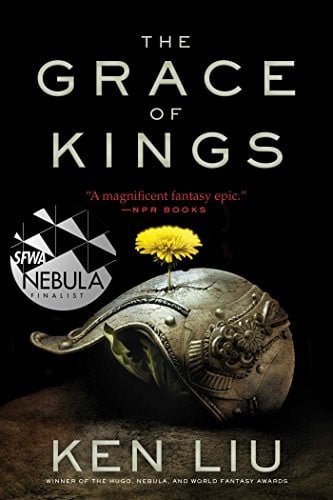
  3. Cover of The Grace of Kings by Ken Liu

    Cover not available

    The Grace of Kings

    by Ken Liu

    One of the Time 100 Best Fantasy Books Of All Time

    Two men rebel together against tyranny—and then become rivals—in this first sweeping book of an epic fantasy series from Ken Liu, recipient of Hugo, Nebula, and World Fantasy awards. Hailed as one of the best books of 2015 by NPR.

    Wily, charming Kuni Garu, a bandit, and stern, fearless Mata Zyndu, the son of a deposed duke, seem like polar opposites. Yet, in the uprising against the emperor, the two quickly become the best of friends after a series of adventures fighting against vast conscripted armies, silk-draped airships, and shapeshifting gods. Once the emperor has been overthrown, however, they each find themselves the leader of separate factions—two sides with very different ideas about how the world should be run and the meaning of justice.

    Fans of intrigue, intimate plots, and action will find a new series to embrace in the Dandelion Dynasty.

    Why it's similar

    Both narratives focus on large-scale civil war, the shifting alliances between rival power brokers, and the tragic consequences of rebellion and succession crises. Each emphasizes military strategy, political maneuvering, and the complex bonds between comrades turned rivals.

    What's different

    Liu utilizes an omniscient, sweeping mythic style reminiscent of historical epics rather than Martin's intimate, third-person limited points of view, and the story incorporates fantastical silkpunk technology.

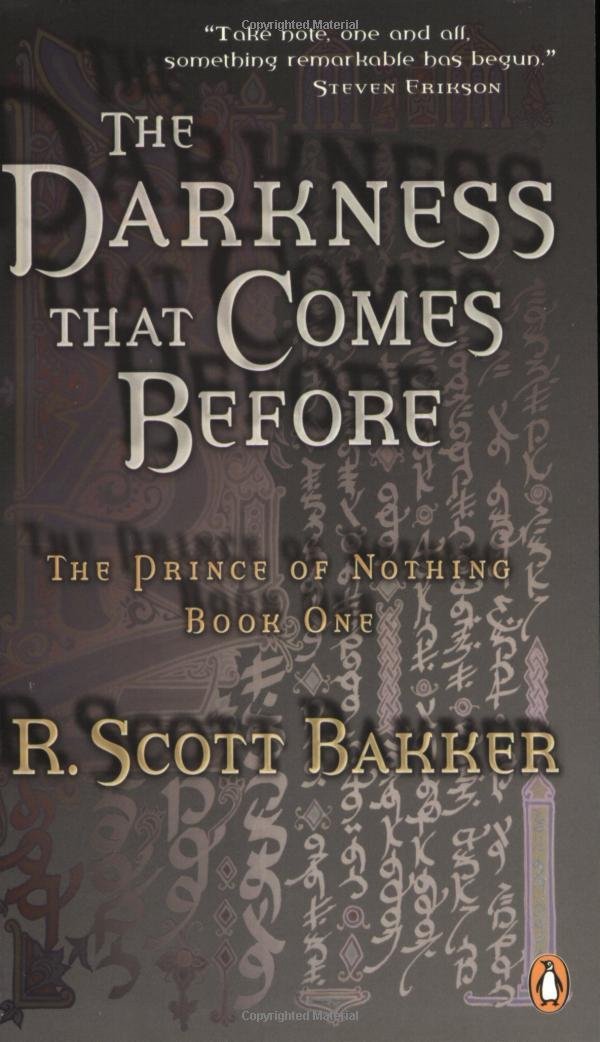
  4. Cover of The Darkness That Comes Before by R. Scott Bakker

    Cover not available

    The Darkness That Comes Before

    by R. Scott Bakker

    The critically acclaimed first volume of Bakker's epic fantasy trilogy is now in mass market paperback Two thousand years have passed sinceMog-Pharau, the No-God, last walked among Men. Two thousand years have passed since the Apocalypse.

    In a world wrenched by holy war and devastation, a sorcerer, a concubine, and a warrior find themselves captivated by a mysterious traveller from lands long thought dead, a man who makes weapons of insight and revelation. Unable to distinguish the passion that elevates from the passion that enslaves, they fall ever deeper under his thrall, while what begins as a war of Men against Men threatens to become the first battle of the Second Apocalypse.

    With this stunning debut, R. Scott Bakker is destined to become the next great fantasy writer of his generation. Set in a world of unparalleled detail and authenticity, populated by truly unforgettable characters, and framed by a profound understanding of the human condition, The Darkness That Comes Before proves that epic fantasy can be at once majestic, intelligent, and terrifying.

    Why it's similar

    Both novels explore sprawling feudal politics, multi-faction holy wars, and ruthless power struggles through multiple viewpoints in an uncompromisingly grim world. Betrayal and political opportunism drive the plot as powerful leaders manipulate belief and allegiance.

    What's different

    Bakker's work is deeply philosophical, bleak, and esoteric, featuring overt, destructive sorcery and psychological manipulation rather than Martin's grounded, character-driven medieval realism.

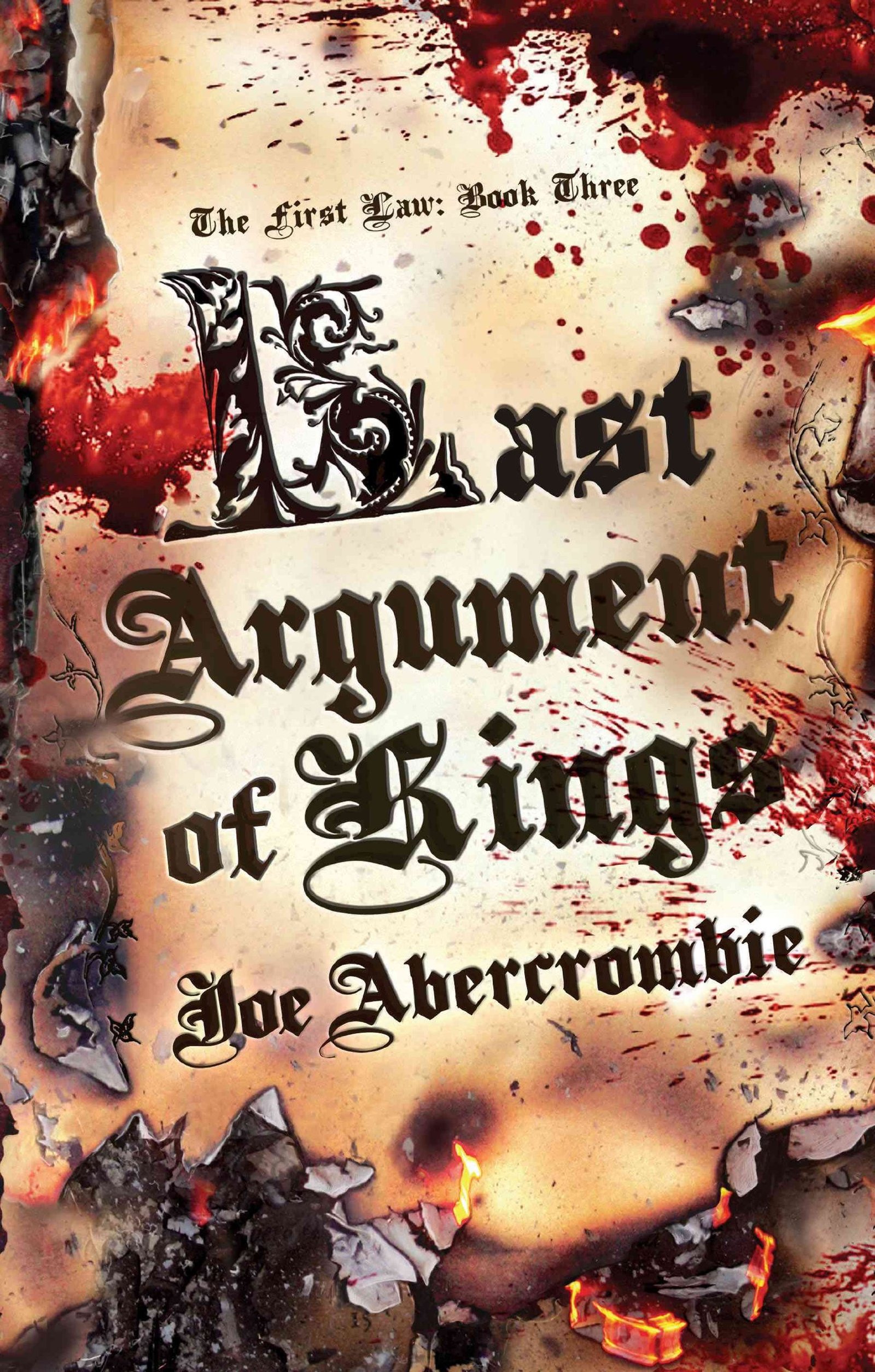
  5. Cover of Last Argument of Kings by Joe Abercrombie

    Cover not available

    Last Argument of Kings

    by Joe Abercrombie

    The end is coming.
    Logen Ninefingers might only have one more fight in him–but it's going to be a big one. Battle rages across the North, the king of the Northmen still stands firm, and there's only one man who can stop him. His oldest friend, and his oldest enemy: it's time for the Bloody-Nine to come home.
    With too many masters and too little time, Superior Glokta is fighting a different kind of war. A secret struggle in which no one is safe, and no one can be trusted. As his days with a sword are far behind him, it's fortunate that he's deadly with his remaining weapons: blackmail, threats, and torture.
    Jezal dan Luthar has decided that winning glory is too painful an undertaking and turned his back on soldiering for a simple life with the woman he loves. But love can be painful too–and glory has a nasty habit of creeping up on a man when he least expects it.
    The king of the Union lies on his deathbed, the peasants revolt, and the nobles scramble to steal his crown. No one believes that the shadow of war is about to fall across the heart of the Union. Only the First of the Magi can save the world, but there are risks. There is no risk more terrible, than to break the First Law...

    Why it's similar

    Both feature multi-perspective epic fantasy narratives with brutal battles, political intrigue, and morally grey characters caught in shifting alliances and betrayals.

    What's different

    Its tone is darker and more cynical, with a grimmer, more satirical edge and a tighter focus on moral ambiguity, offering a bleaker view of heroism than A Storm of Swords.

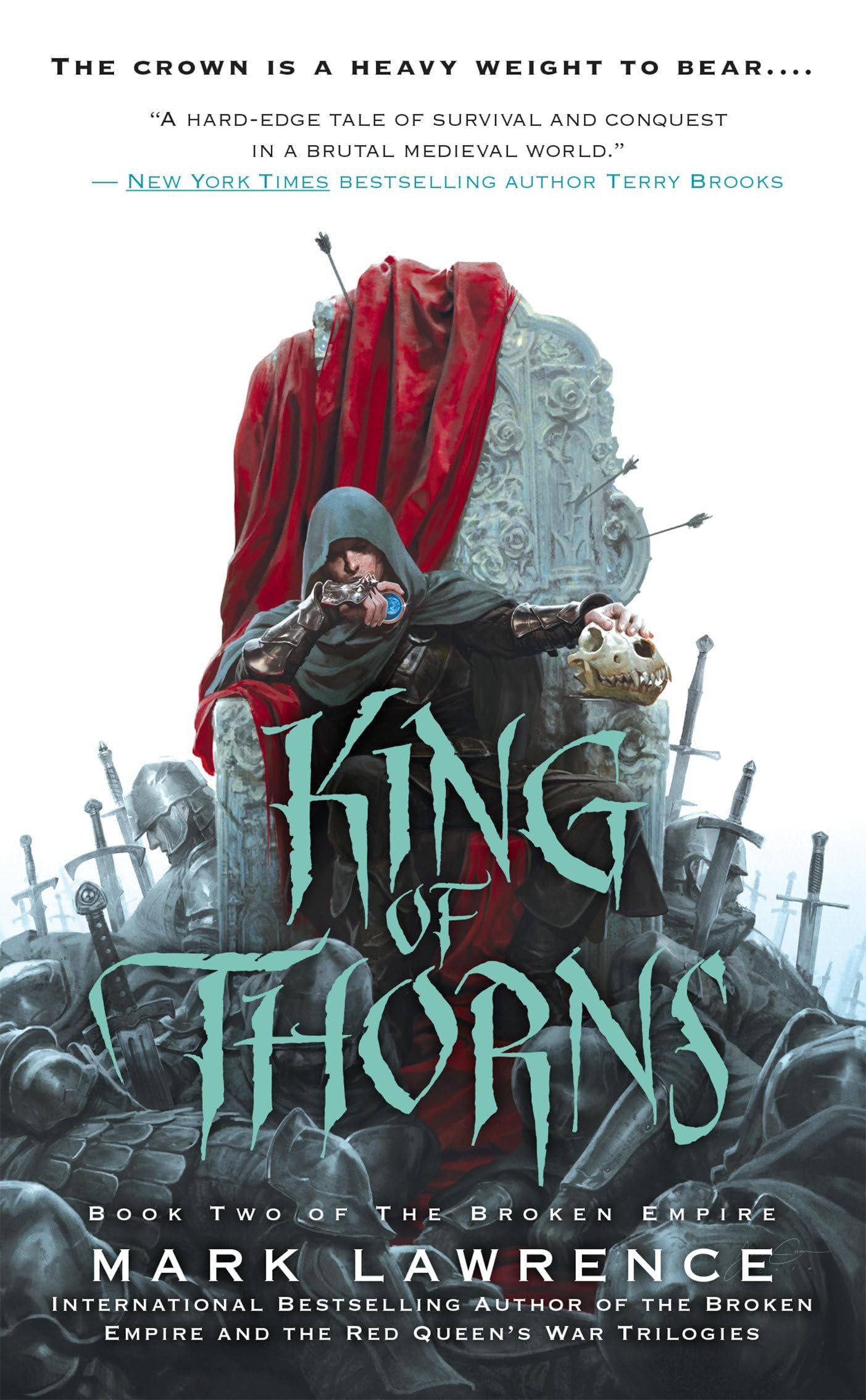
  6. Cover of King of Thorns by Mark Lawrence

    Cover not available

    King of Thorns

    by Mark Lawrence

    In book two of the Broken Empire trilogy, the boy who would be king has gained the throne—but the crown is a heavy weight to bear...

    At age nine, Prince Honorous Jorg Ancrath vowed to avenge his slaughtered mother and brother—and to punish his father for not doing so. At fifteen, he began to fulfill that vow. Now, at eighteen, he must fight for what he has taken by torture and treachery.

    Haunted by the pain of his past, and plagued by nightmares of the atrocities he has committed, King Jorg is filled with rage. And even as his need for revenge continues to consume him, an overwhelming enemy force marches on his castle.

    Jorg knows that he cannot win a fair fight. But he has found a long-hidden cache of ancient artifacts. Some might call them magic. Jorg is not certain—all he knows is that their secrets can be put to terrible use in the coming battle...

    Why it's similar

    Both depict violent, war-torn kingdoms, morally conflicted rulers, and a gritty, realistic portrayal of medieval-style warfare and power struggles in a dark epic fantasy setting.

    What's different

    It follows a single, notably ruthless protagonist, delivering a more introspective and nihilistic character study than the ensemble, politically wide-ranging story in A Storm of Swords.

Looking for something else?

Use our book recommendation tool to discover books similar to any of your favorites.

Find similar books with LibroMatch