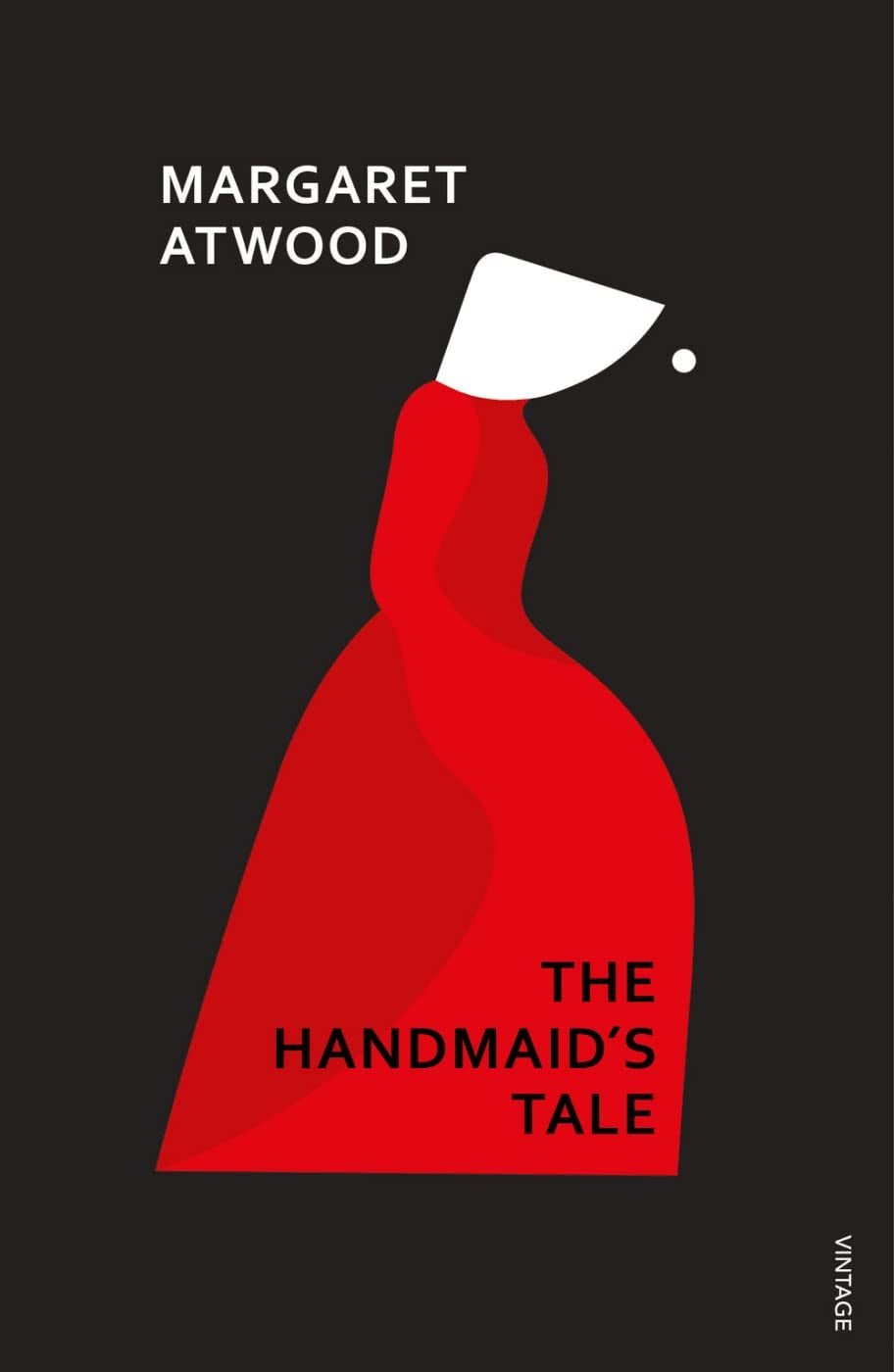
Cover of The Handmaid’s Tale by Margaret Atwood

6 book recommendations

Books Like “The Handmaid’s Tale” by Margaret Atwood

Margaret Atwood captivated readers worldwide with her chilling exploration of bodily autonomy, state control, and fierce female resilience. If you were spellbound by that haunting dystopian vision, your search for a gripping follow-up starts here. Explore these thought-provoking tales of resistance and survival to find your next unforgettable read.

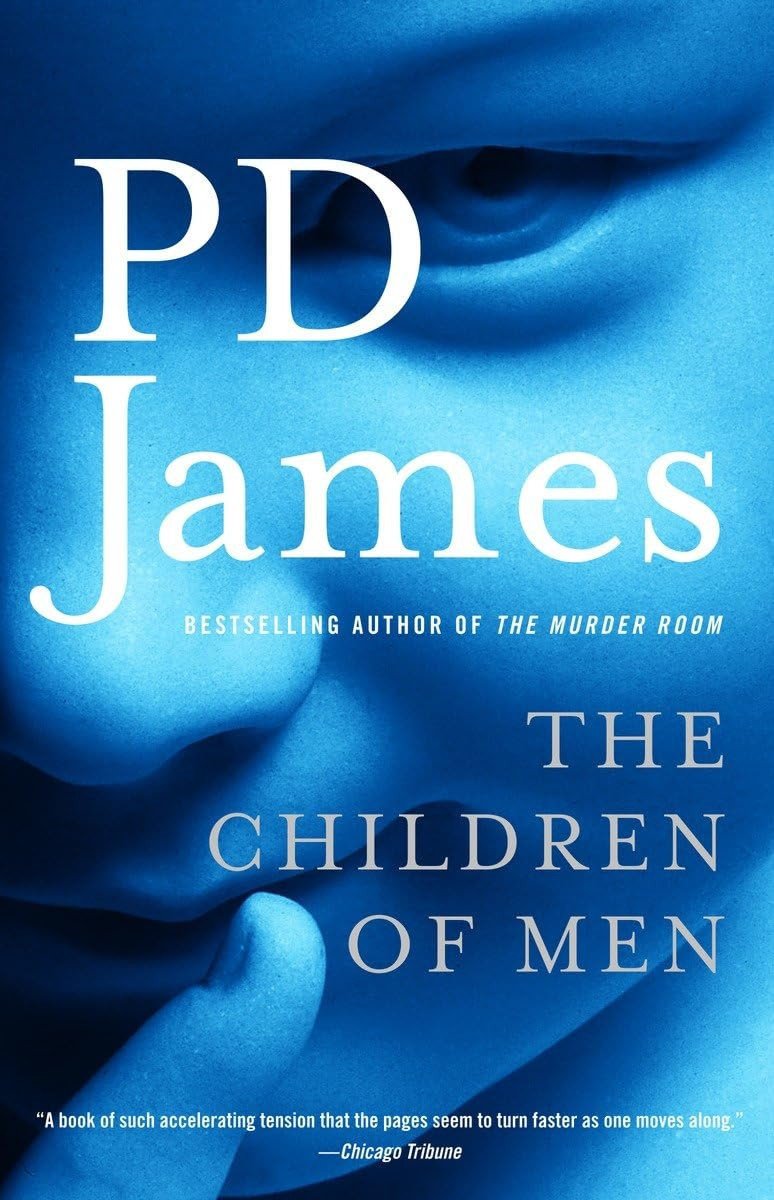
  1. Cover of The Children of Men by P.D. James

    Cover not available

    The Children of Men

    by P.D. James

    A modern science fiction classic from an acclaimed bestselling author: The year is 2021. No child has been born for twenty-five years. The human race faces extinction.

    "A book of such accelerating tension that the pages seem to turn faster as one moves along." —Chicago Tribune

    Civilization itself is crumbling as suicide and despair become commonplace. Oxford historian Theodore Faron, apathetic toward a future without a future, spends most of his time reminiscing. Then he is approached by Julian, a bright, attractive woman who wants him to help get her an audience with his cousin, the powerful Warden of England. She and her band of unlikely revolutionaries may just awaken his desire to live . . . and they may also hold the key to survival for the human race.

    Told with P. D. James’s trademark suspense, insightful characterization, and riveting storytelling, The Children of Men is a story of a world with no children and no future.

    The inspiration for director Alfonso Cuarón's modern masterpiece of a film.

    Why it's similar

    Both novels depict a bleak near-future society shaped by a catastrophic fertility crisis and the resulting rise of authoritarian governance.

    What's different

    Rather than focusing on an intimate, domestic portrait of female subjugation, James's novel follows a male protagonist through a political thriller framework steeped in Christian allegory.
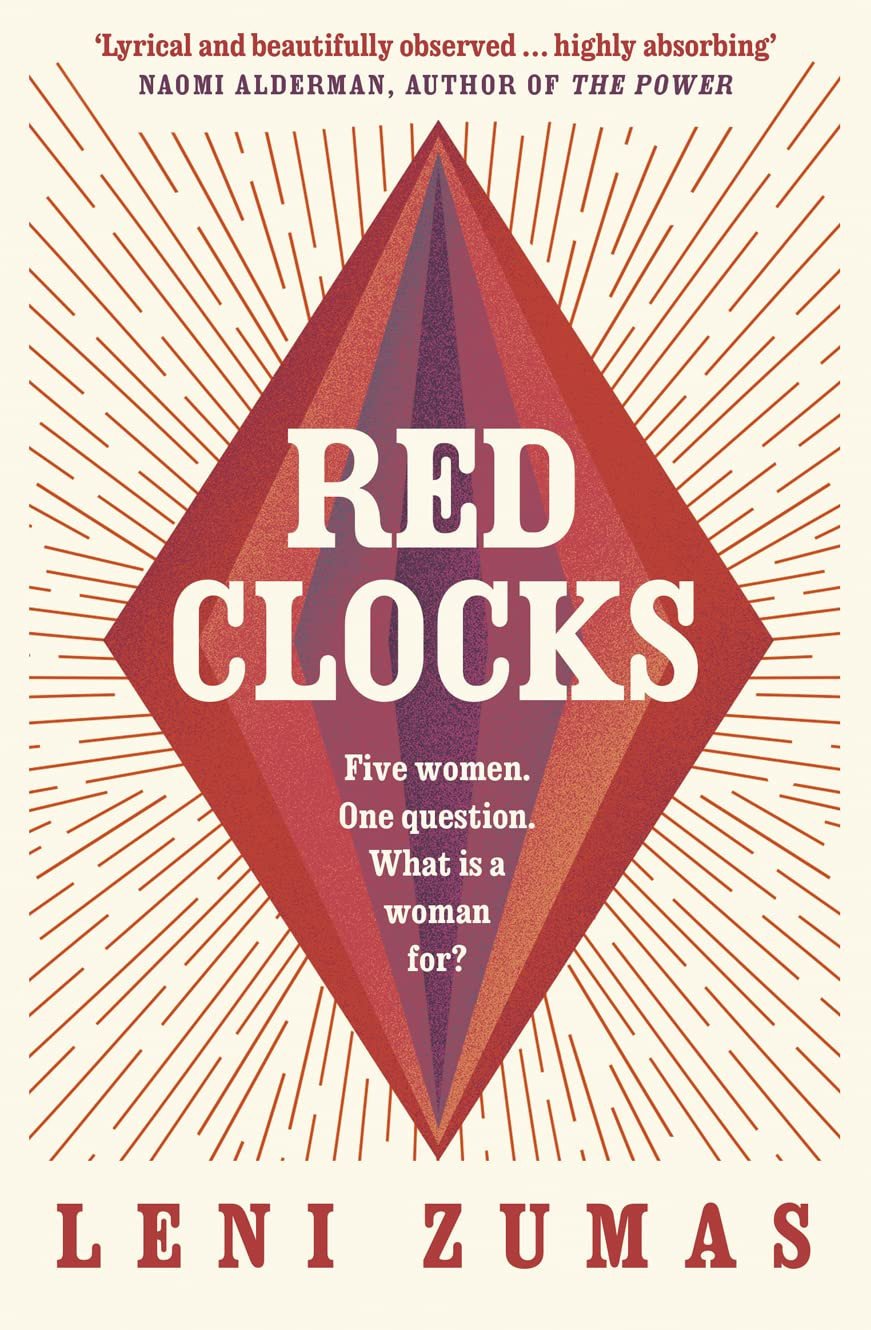
  2. Cover of Red Clocks by Leni Zumas

    Cover not available

    Red Clocks

    by Leni Zumas

    'Intense, beautifully crafted . . . Her talent is electric. Get ready for a shock' Guardian

    This is a work of fiction. Keep telling yourself that.

    America has changed. For women, it has changed for the worse.

    Ro, a single high-school teacher, is desperate to become a mother. But with IVF now illegal - along with abortion and other reproductive rights - parenthood looks increasingly unlikely for her. Her best friend Susan is trapped in a failing marriage with two children, her star student Mattie is unwillingly pregnant and Gin, an outcast offering other women natural remedies, has become the centre of a modern-day witch-hunt.

    With warmth, wit and ferocious inventiveness, Red Clocks shows us an all-too plausible near-future: like The Handmaid's Tale, it is a call to arms, set to become a modern classic.

    Why it's similar

    Both books explore the systemic loss of female bodily autonomy following the enactment of extreme conservative legislation in North America.

    What's different

    Instead of Offred's singular, claustrophobic first-person narrative under a totalized theocracy, Zumas uses a multi-perspective structure following several women navigating everyday life in an alternate contemporary America.

  3. Cover of The Power by Naomi Alderman

    Cover not available

    The Power

    by Naomi Alderman

    'She throws her head back and pushes her chest forward and lets go a huge blast right into the centre of his body. The rivulets and streams of red scarring run across his chest and up around his throat. She'd put her hand on his heart and stopped him dead.' Suddenly tomorrow or the day after girls find that with a flick of their fingers, they can inflict agonizing pain and even death. With this single twist, the four lives at the heart of Naomi Alderman's extraordinary, visceral novel are utterly transformed, and we look at the world in an entirely new light. What if the power to hurt were in women's hands?

    Why it's similar

    Both works use speculative premises to dissect how biological control, religious rhetoric, and physical power are weaponized to enforce gender-based hierarchies.

    What's different

    Alderman flips the traditional patriarchal power dynamic by giving women the physical ability to inflict lethal harm, shifting the narrative toward a chaotic global matriarchal revolution rather than a quiet internal rebellion.

  4. Cover of Vox by Christina Dalcher

    Cover not available

    Vox

    by Christina Dalcher

    THE NATIONAL BESTSELLER • ONE OF ENTERTAINMENT WEEKLY'S AND SHEREADS' BOOKS TO READ AFTER THE HANDMAID'S TALE

    “[An] electrifying debut.”—O, The Oprah Magazine
    “The real-life parallels will make you shiver.”—Cosmopolitan

    Set in a United States in which half the population has been silenced, Vox is the harrowing, unforgettable story of what one woman will do to protect herself and her daughter.

    On the day the government decrees that women are no longer allowed more than one hundred words per day, Dr. Jean McClellan is in denial. This can't happen here. Not in America. Not to her.

    Soon women are not permitted to hold jobs. Girls are not taught to read or write. Females no longer have a voice. Before, the average person spoke sixteen thousand words each day, but now women have only one hundred to make themselves heard.

    For herself, her daughter, and every woman silenced, Jean will reclaim her voice.

    This is just the beginning...not the end.

    One of Good Morning America's “Best Books to Bring to the Beach This Summer”
    One of PopSugar, Refinery29, Entertainment Weekly, Bustle, Real Simple, i09, and Amazon's Best Books to Read in August 2018

    Why it's similar

    Both narratives center on a fundamentalist patriarchal coup in the United States that strips women of their rights, voice, and independence to force them into domestic subservience.

    What's different

    While Atwood relies on contemplative literary prose and fragmented memory, Dalcher's novel is structured as a fast-paced techno-thriller focused on scientific resistance and overt action.

  5. Cover of Never Let Me Go by Kazuo Ishiguro

    Cover not available

    Never Let Me Go

    by Kazuo Ishiguro

    NOBEL PRIZE WINNER • From the acclaimed, bestselling author of The Remains of the Day comes “a Gothic tour de force" (The New York Times) with an extraordinary twist—a moving, suspenseful, beautifully atmospheric modern classic.

    One of The New York Times’s 10 Best Books of the 21st Century • A Kirkus Reviews Best Fiction Book of the Century • A Los Angeles Times Best Fiction Book of the Last 30 Years

    As children, Kathy, Ruth, and Tommy were students at Hailsham, an exclusive boarding school secluded in the English countryside. It was a place of mercurial cliques and mysterious rules where teachers were constantly reminding their charges of how special they were.

    Now, years later, Kathy is a young woman. Ruth and Tommy have reentered her life. And for the first time she is beginning to look back at their shared past and understand just what it is that makes them special—and how that gift will shape the rest of their time together.

    Why it's similar

    Both use a first-person, reflective narrative voice to uncover a controlled society that treats human bodies as state resources, blending literary fiction with speculative elements to explore autonomy, bodily ownership, and resigned complicity.

    What's different

    Its dystopia is understated and quietly revealed through memories of school days and relationships, resulting in a slower, elegiac reading experience focused on nostalgia and acceptance rather than overt resistance or revolution.

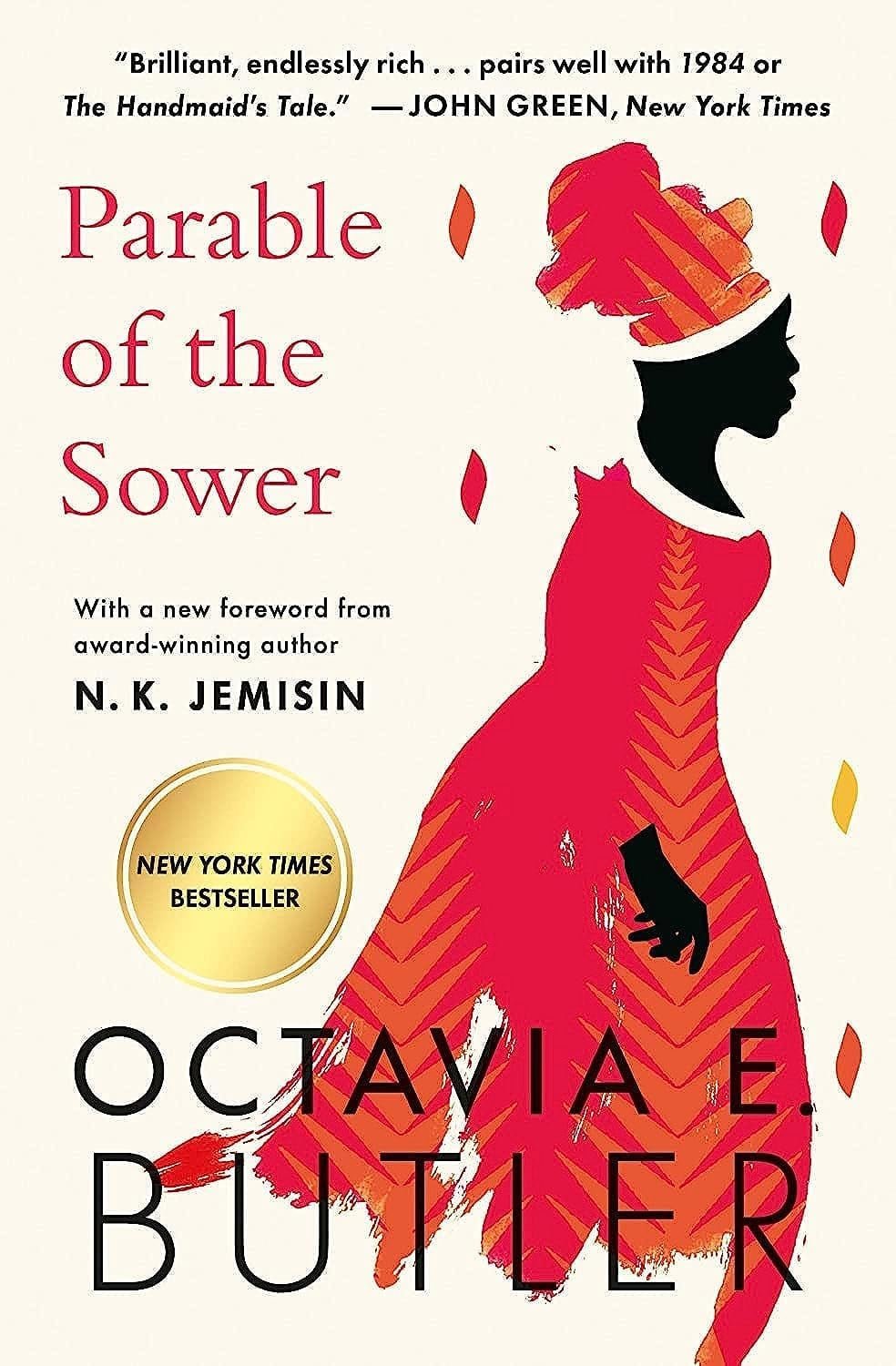
  6. Cover of Parable of the Sower by Octavia E. Butler

    Cover not available

    Parable of the Sower

    by Octavia E. Butler

    This highly acclaimed post-apocalyptic novel of hope and terror from award-winning author Octavia E. Butler "pairs well with 1984 or The Handmaid's Tale" (John Green, New York Times)--now with a new foreword by N. K. Jemisin.

    When global climate change and economic crises lead to social chaos in the early 2020s, California becomes full of dangers, from pervasive water shortage to masses of vagabonds who will do anything to live to see another day. Fifteen-year-old Lauren Olamina lives inside a gated community with her preacher father, family, and neighbors, sheltered from the surrounding anarchy. In a society where any vulnerability is a risk, she suffers from hyperempathy, a debilitating sensitivity to others' emotions.

    Precocious and clear-eyed, Lauren must make her voice heard in order to protect her loved ones from the imminent disasters her small community stubbornly ignores. But what begins as a fight for survival soon leads to something much more: the birth of a new faith . . . and a startling vision of human destiny.

    Why it's similar

    Both feature young women navigating patriarchal, violent societies where religion is weaponized, using character-driven, socially conscious dystopian narratives to critique power, hierarchy, and gendered vulnerability.

    What's different

    It follows a teen girl traveling through a collapsing America and building a new belief system, offering a more expansive, survival-focused journey and a raw, sometimes brutal realism compared to the tightly confined domestic surveillance of Gilead.

Looking for something else?

Use our book recommendation tool to discover books similar to any of your favorites.

Find similar books with LibroMatch