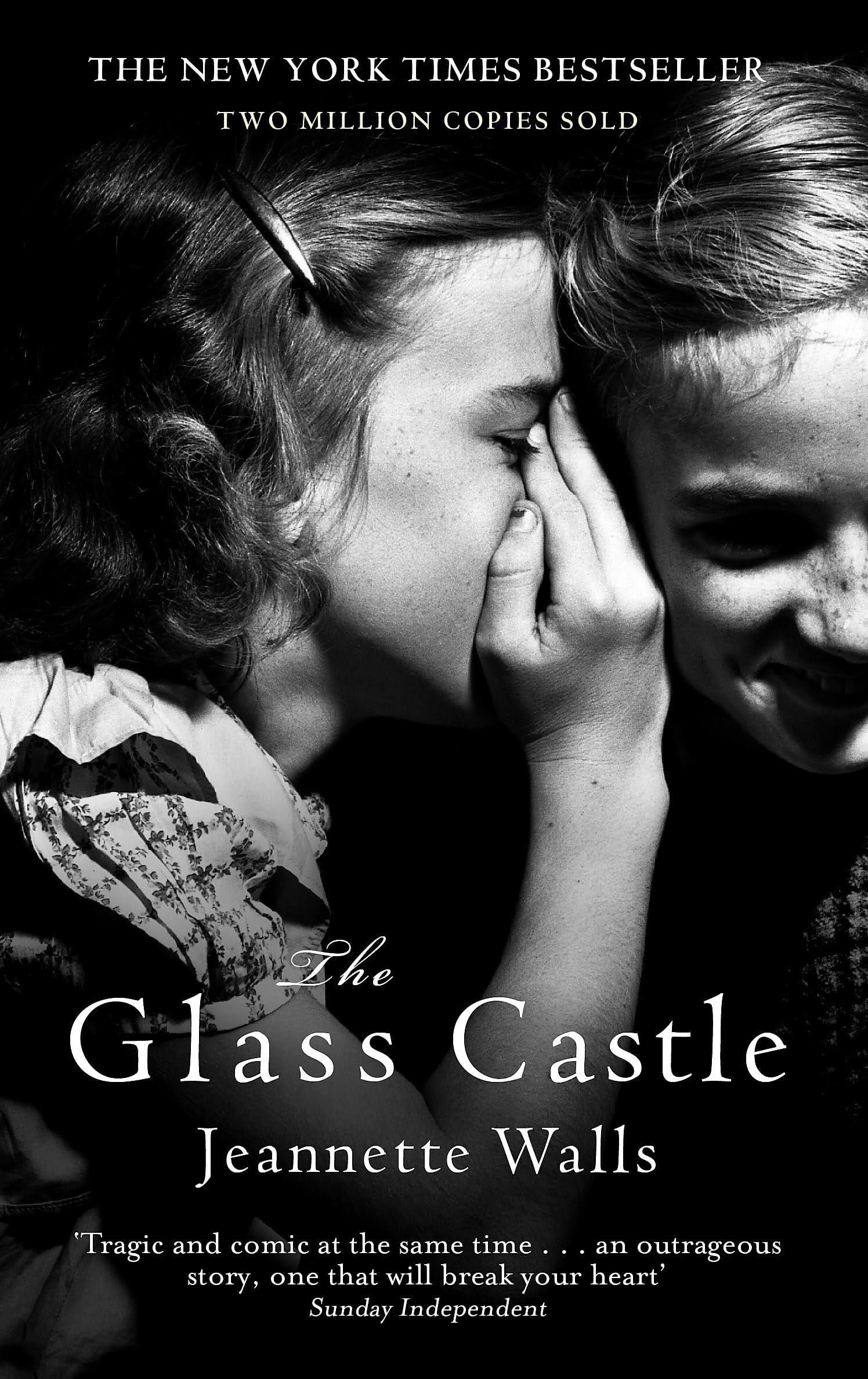
Cover of The Glass Castle by Jeannette Walls

5 book recommendations

Books Like “The Glass Castle” by Jeannette Walls

Jeannette Walls captivated readers worldwide with her poignant memoir of resilience, poverty, and complicated family love. If you were drawn to its raw honesty, eccentric upbringing, and triumphant human spirit, your journey does not have to end here. Explore these equally powerful, heart-wrenching stories to discover your next unforgettable read.

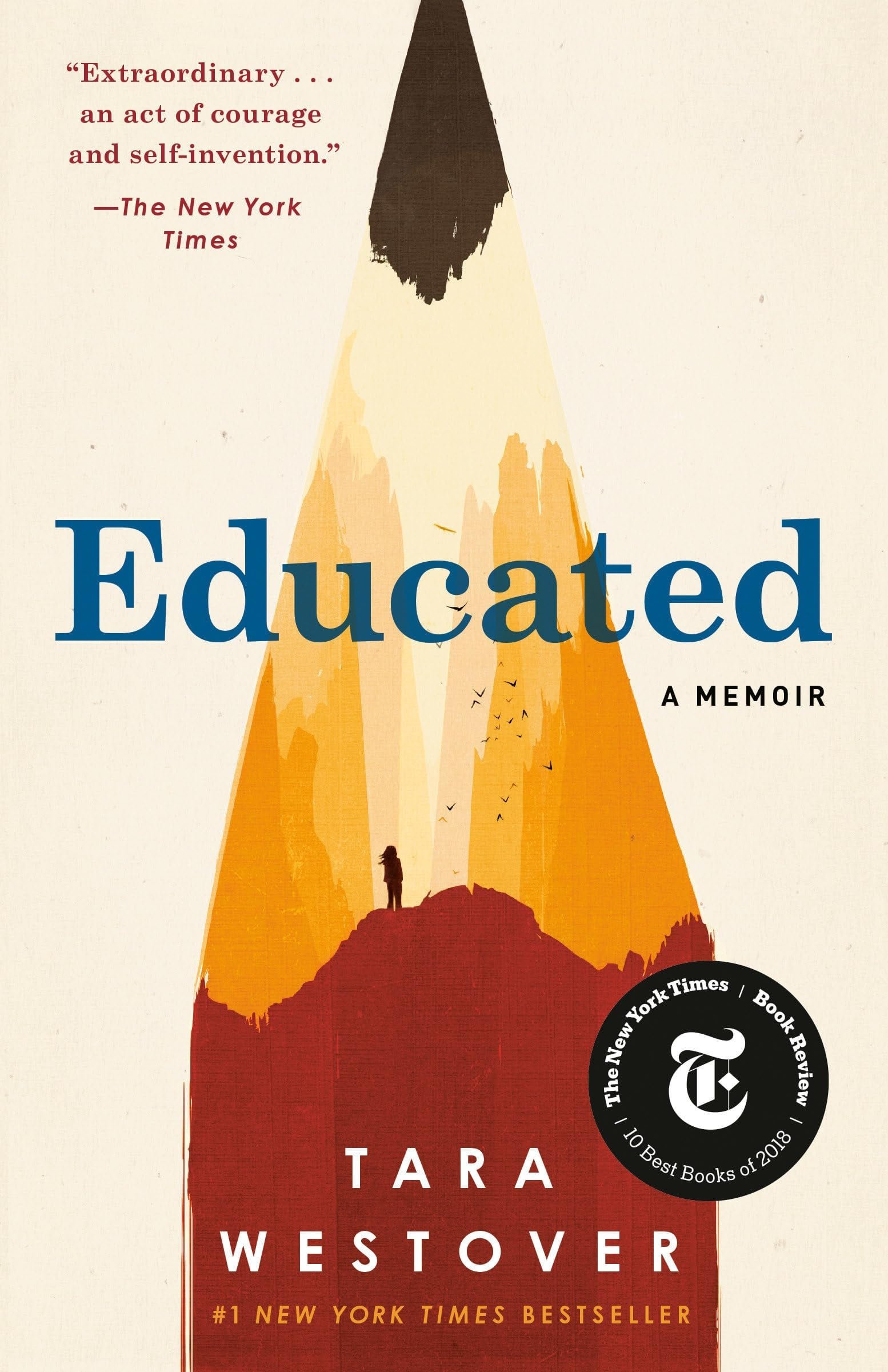
  1. Cover of Educated by Tara Westover

    Cover not available

    Educated

    by Tara Westover

    #1 NEW YORK TIMES, WALL STREET JOURNAL, AND BOSTON GLOBE BESTSELLER • One of the most acclaimed books of our time: an unforgettable memoir about a young woman who, kept out of school, leaves her survivalist family and goes on to earn a PhD from Cambridge University

    “Extraordinary . . . an act of courage and self-invention.”—The New York Times

    NAMED ONE OF THE TEN BEST BOOKS OF THE YEAR BY THE NEW YORK TIMES BOOK REVIEW • ONE OF PRESIDENT BARACK OBAMA’S FAVORITE BOOKS OF THE YEAR • BILL GATES’S HOLIDAY READING LIST • A KIRKUS REVIEWS BEST NONFICTION BOOK OF THE CENTURY • FINALIST: National Book Critics Circle’s Award In Autobiography and John Leonard Prize For Best First Book • PEN/Jean Stein Book Award • Los Angeles Times Book Prize

    Born to survivalists in the mountains of Idaho, Tara Westover was seventeen the first time she set foot in a classroom. Her family was so isolated from mainstream society that there was no one to ensure the children received an education, and no one to intervene when one of Tara’s older brothers became violent. When another brother got himself into college, Tara decided to try a new kind of life. Her quest for knowledge transformed her, taking her over oceans and across continents, to Harvard and to Cambridge University. Only then would she wonder if she’d traveled too far, if there was still a way home.

    “Beautiful and propulsive . . . Despite the singularity of [Westover’s] childhood, the questions her book poses are universal: How much of ourselves should we give to those we love? And how much must we betray them to grow up?”—Vogue

    Why it's similar

    Both are memoirs chronicling a young woman's escape from an unstable, anti-institutional family where parental neglect and radical beliefs endanger the children.

    What's different

    Westover centers her journey on formal higher education as the primary vehicle for liberation, whereas Walls focuses on mutual sibling self-reliance and starting a career in journalism.
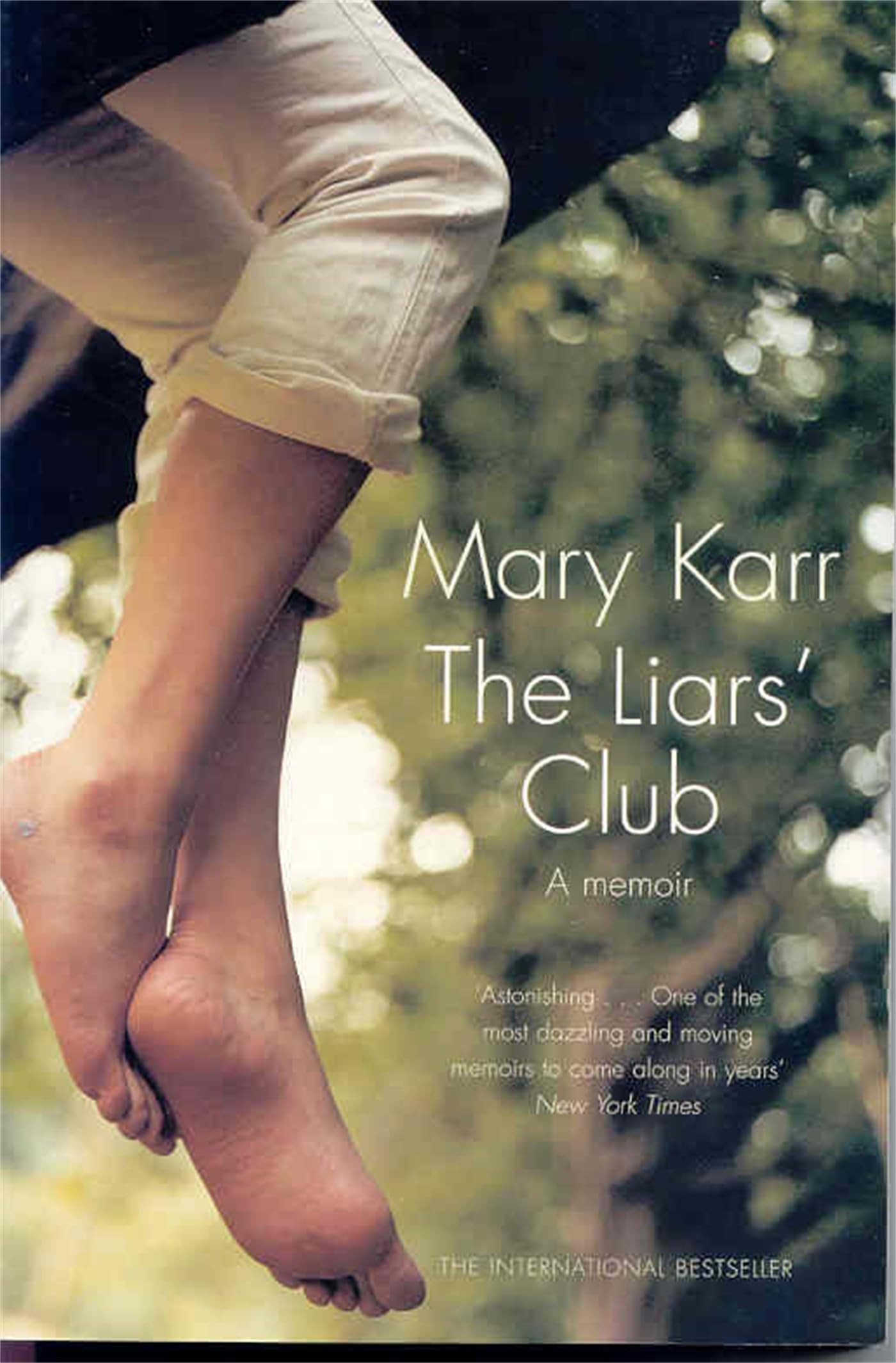
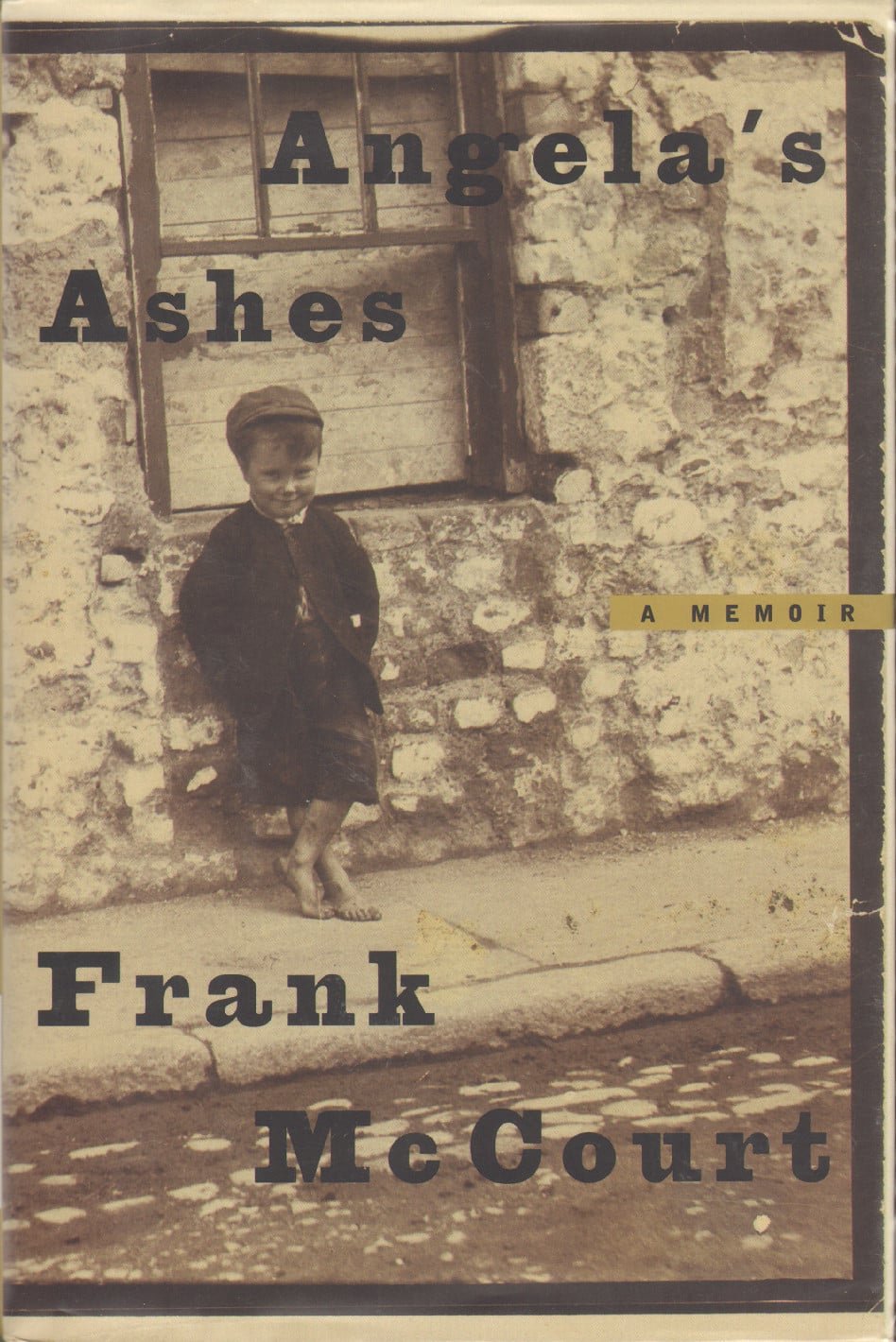
  2. Cover of The Liars' Club by Mary Karr

    Cover not available

    The Liars' Club

    by Mary Karr

    'Astonishing...One of the most dazzling and moving memoirs to come along in years' New York Times

    Mary Karr, a prize-winning poet adn critic, grew up in a swampy East Texas refinery town in a volatile, defiantly loving family. In this keen and funny memoir, she looks back at a painter mother, seven times married, whose outlaw spirit could tip over in psychosis; a fist-swinging father who spun tales with his cronies at the Liars' Club; and a neighbourhood rape when she eight. Karr paints her terrific family of liars and drunks with a raw authenticity stripped of self-pity. At times harrowing, her story is redeemed by warmth, intelligence and finelyspun, ardent prose.

    'Adazzling, devasting memoir...She paints an unsparing portrait of her struggle through a fractured childhood. Recounting one apocalyptic event after another, Karr's voice never falters or rings false' Vogue

    'The facts are harrowing, yet their narration - which crackles with wry humour, affection and defiance - is not... A funny, moving, astonishing book' Spectator

    'Any evocation of a childhood that achieves a genuinely Proustian quality, but with short sentences and more laughs, has to be read... a breathtakingly shrewd and loving memoir' Independent

    Why it's similar

    Both memoirs depict chaotic childhoods dominated by eccentric, volatile, and substance-dependent parents through a voice of resilient survival and dark humor.

    What's different

    Karr utilizes a distinct, cynical East Texas vernacular focused on localized trauma, whereas Walls presents a more forgiving and detached chronological journey across the American West and Appalachia.

  3. Cover of Angela's Ashes by Frank McCourt

    Cover not available

    Angela's Ashes

    by Frank McCourt

    Angela's Ashes, imbued on every page with Frank McCourt's astounding humor and compassion, is a glorious book that bears all the marks of a classic.

    "When I look back on my childhood I wonder how I managed to survive at all. It was, of course, a miserable childhood: the happy childhood is hardly worth your while. Worse than the ordinary miserable childhood is the miserable Irish childhood, and worse yet is the miserable Irish Catholic childhood."

    So begins the luminous memoir of Frank McCourt, born in Depression-era Brooklyn to recent Irish immigrants and raised in the slums of Limerick, Ireland. Frank's mother, Angela, has no money to feed the children since Frank's father, Malachy, rarely works, and when he does he drinks his wages. Yet Malachy -- exasperating, irresponsible and beguiling-- does nurture in Frank an appetite for the one thing he can provide: a story. Frank lives for his father's tales of Cuchulain, who saved Ireland, and of the Angel on the Seventh Step, who brings his mother babies. Perhaps it is story that accounts for Frank's survival. Wearing rags for diapers, begging a pig's head for Christmas dinner and gathering coal from the roadside to light a fire, Frank endures poverty, near-starvation and the casual cruelty of relatives and neighbors--yet lives to tell his tale with eloquence, exuberance and remarkable forgiveness.

    Why it's similar

    Both are coming-of-age memoirs recounting extreme poverty, squalor, and the destructive presence of an alcoholic father, narrated with remarkable childhood innocence and wit.

    What's different

    McCourt's narrative is shaped by the oppressive religious and social rigidities of 1930s and 1940s Catholic Ireland, contrasting with the nomadic, anti-authoritarian desert and Appalachian settings of Walls's memoir.

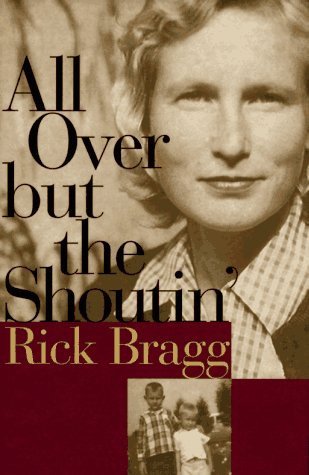
  4. Cover of All Over but the Shoutin' by Rick Bragg

    Cover not available

    All Over but the Shoutin'

    by Rick Bragg

    A haunting memoir about growing up dirt-poor in the Alabama hills--and about moving on but never really being able to leave.

    The extraordinary gifts for evocation and insight and the stunning talent for story- telling that earned Rick Bragg a Pulitzer Prize for feature writing in 1996 are here brought to bear on the wrenching story of his own family's life. It is the story of a war-haunted, hard-drinking father and a strong-willed, loving mother who struggled to protect her sons from the effects of poverty and ignorance that had constricted her own life. It is the story of the life Bragg was able to carve out for himself on the strength of his mother's encouragement and belief. And it is the story of his attempts to both atone for and avenge the mistakes and cruelties of his past.

    All Over but the Shoutin' is a gripping account of people struggling to make sense and solidity of life's capricious promises. A classic piece of Americana, it is made vividly, movingly particular by Rick Bragg's searching vision, generous humor, and richly nuanced voice.

    Why it's similar

    Both memoirs examine devastating poverty in Appalachia and the rural American South, detailing how children of alcoholic, absent fathers broke the cycle through professional writing.

    What's different

    Bragg frames his story largely as a tribute to a devoted, self-sacrificing mother, whereas Walls describes a dynamic in which both parents willfully contributed to neglect.

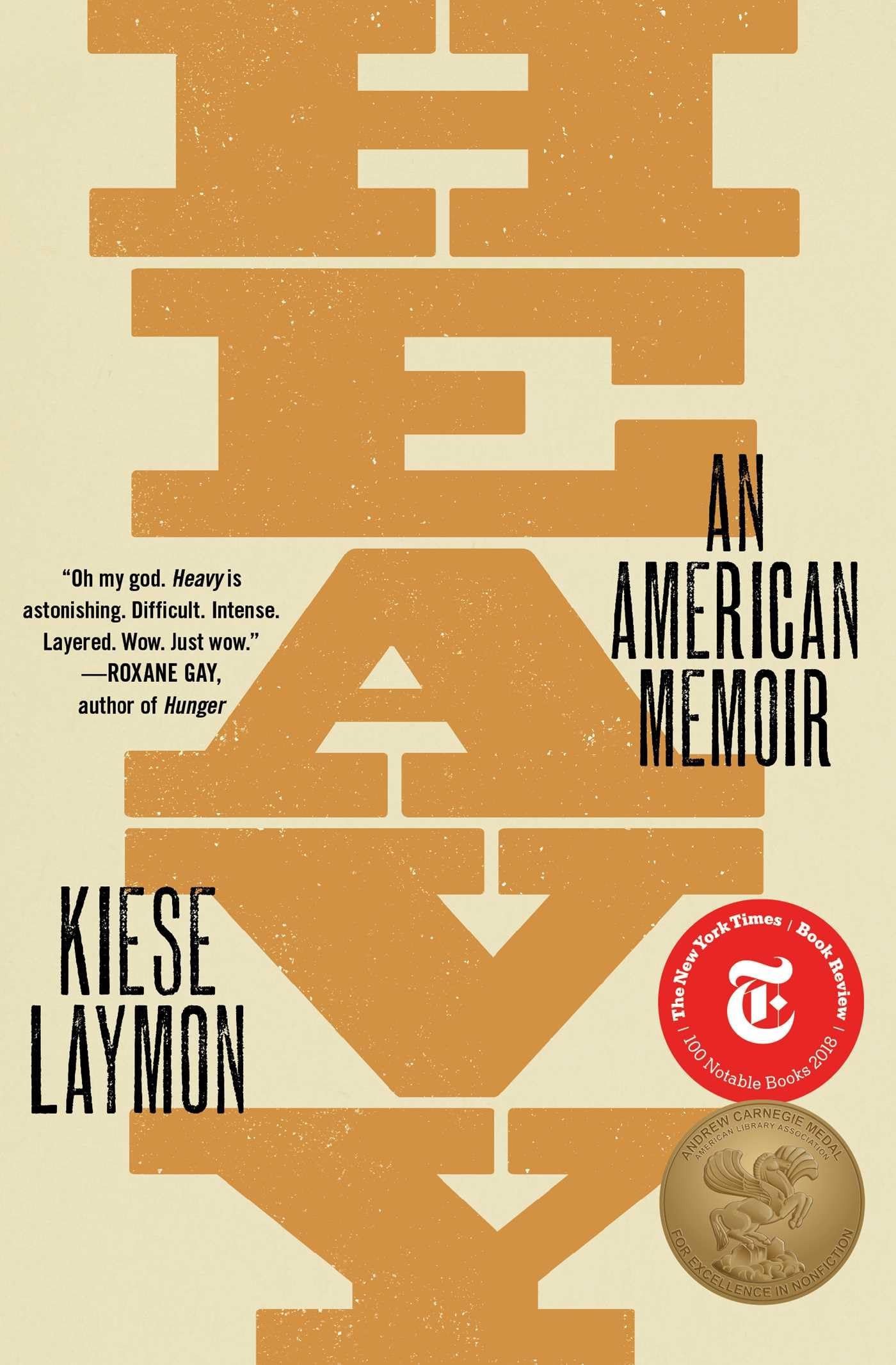
  5. Cover of Heavy: An American Memoir by Kiese Laymon

    Cover not available

    Heavy: An American Memoir

    by Kiese Laymon

    *Named a Best Book of 2018 by the New York Times, Publishers Weekly, NPR, Broadly, Buzzfeed (Nonfiction), The Undefeated, Library Journal (Biography/Memoirs), The Washington Post (Nonfiction), Southern Living (Southern), Entertainment Weekly, and The New York Times Critics*

    In this powerful, provocative, and universally lauded memoir—winner of the Andrew Carnegie Medal and finalist for the Kirkus Prize—genre-bending essayist and novelist Kiese Laymon “provocatively meditates on his trauma growing up as a black man, and in turn crafts an essential polemic against American moral rot” (Entertainment Weekly).

    In Heavy, Laymon writes eloquently and honestly about growing up a hard-headed black son to a complicated and brilliant black mother in Jackson, Mississippi. From his early experiences of sexual violence, to his suspension from college, to time in New York as a college professor, Laymon charts his complex relationship with his mother, grandmother, anorexia, obesity, sex, writing, and ultimately gambling. Heavy is a “gorgeous, gutting…generous” (The New York Times) memoir that combines personal stories with piercing intellect to reflect both on the strife of American society and on Laymon’s experiences with abuse. By attempting to name secrets and lies he and his mother spent a lifetime avoiding, he asks us to confront the terrifying possibility that few in this nation actually know how to responsibly love, and even fewer want to live under the weight of actually becoming free.

    “A book for people who appreciated Roxane Gay’s memoir Hunger” (Milwaukee Journal Sentinel), Heavy is defiant yet vulnerable, an insightful, often comical exploration of weight, identity, art, friendship, and family through years of haunting implosions and long reverberations. “You won’t be able to put [this memoir] down…It is packed with reminders of how black dreams get skewed and deferred, yet are also pregnant with the possibility that a kind of redemption may lie in intimate grappling with black realities” (The Atlantic).

    Why it's similar

    Both works are candid memoirs about fraught parent-child relationships and the long shadow of childhood instability, using intimate, confessional storytelling to examine survival, shame, and love within dysfunctional families.

    What's different

    Heavy is formally more experimental and introspective, addressing race, body image, and American politics in a more overt way, creating a more meditative and confrontational reading experience.

Looking for something else?

Use our book recommendation tool to discover books similar to any of your favorites.

Find similar books with LibroMatch