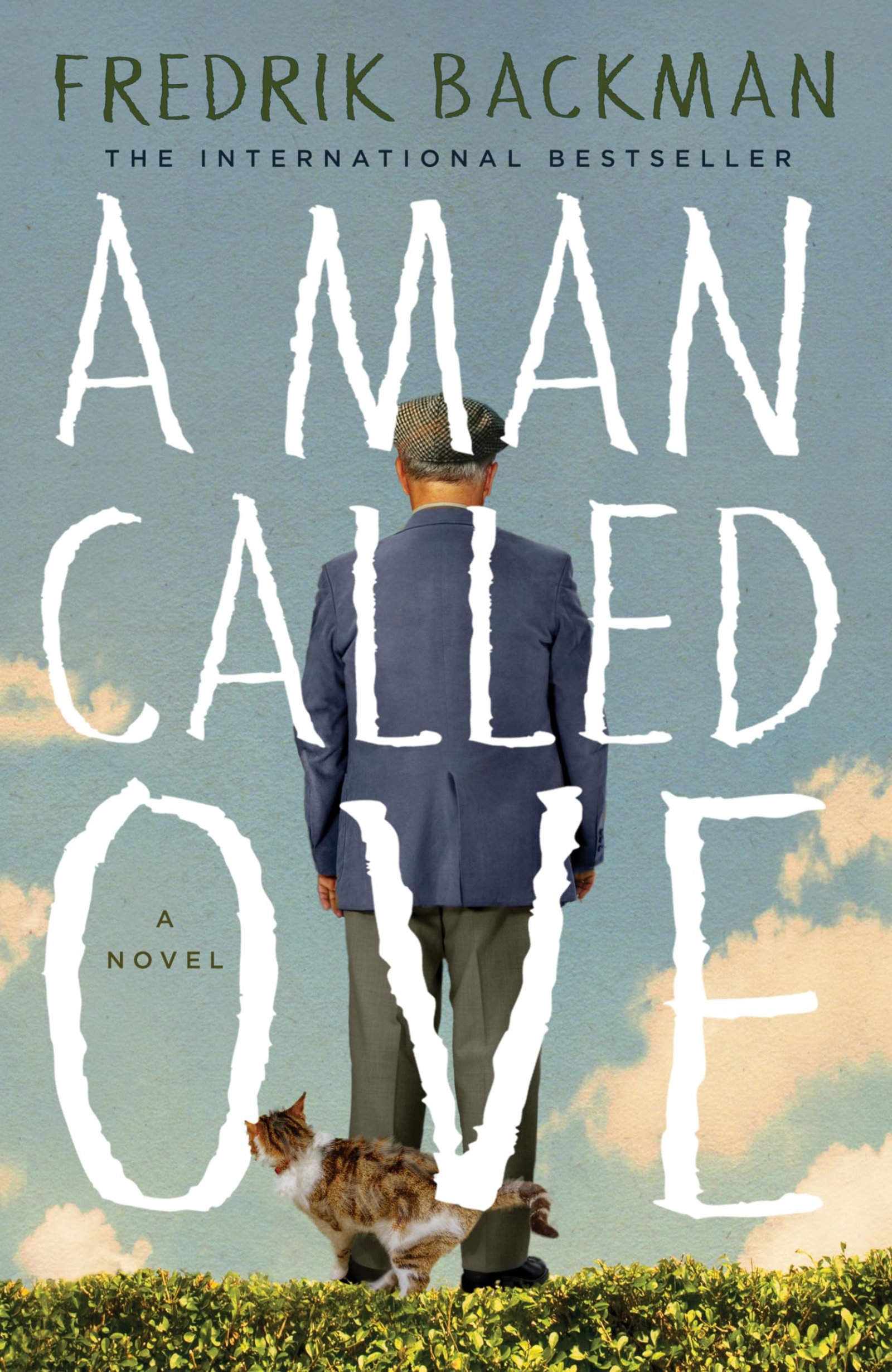
Cover of A Man Called Ove by Fredrik Backman

5 book recommendations

Books Like “A Man Called Ove” by Fredrik Backman

Readers fell in love with A Man Called Ove for its poignant blend of quirky humor, lovable curmudgeons, and uplifting themes of found family. If you crave another touching story celebrating human connection, unexpected friendships, and second chances, dive into our curated collection to discover your next favorite read.

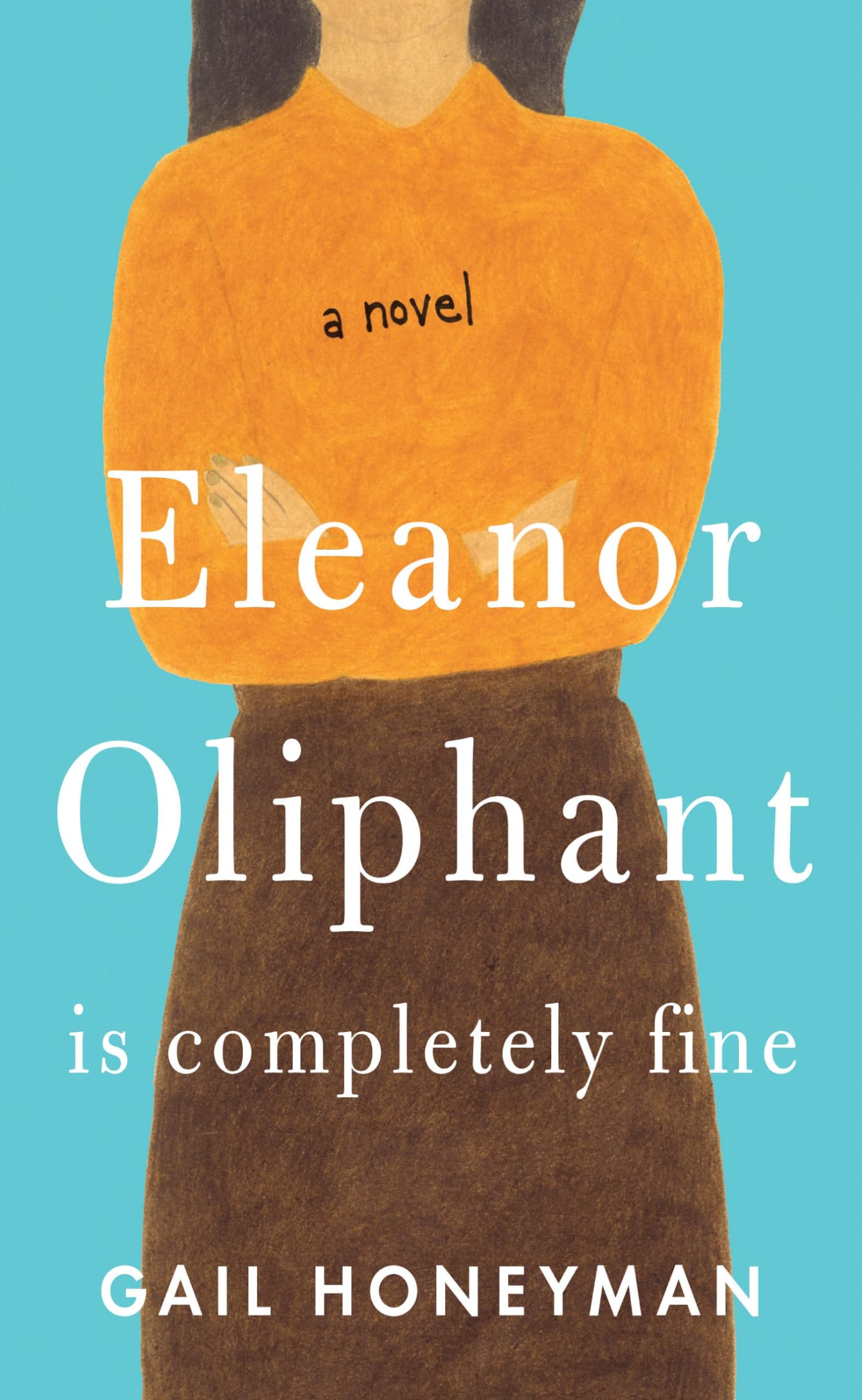
  1. Cover of Eleanor Oliphant Is Completely Fine by Gail Honeyman

    Cover not available

    Eleanor Oliphant Is Completely Fine

    by Gail Honeyman

    ""Move over, Ove (in Fredrik Backman's A Man Called Ove)--there's a new curmudgeon to love."--Booklist (starred review). "Eleanor Oliphant is a truly original literary creation: funny, touching, and unpredictable. Her journey out of dark shadows is absolutely gripping."--Jojo Moyes, #1New York Times bestselling author of Me Before You. "Deft, compassionate and deeply moving -- Honeyman's debut will have you rooting for Eleanor with every turning page."--Paula McClain, New York Times bestselling author of The Paris Wife and Circling the Sun. No one's ever told Eleanor that life should be better than fine. Meet Eleanor Oliphant: She struggles with appropriate social skills and tends to say exactly what she's thinking. Nothing is missing in her carefully timetabled life of avoiding social interactions, where weekends are punctuated by frozen pizza, vodka, and phone chats with Mummy. But everything changes when Eleanor meets Raymond, the bumbling and deeply unhygienic IT guy from her office. When she and Raymond together save Sammy, an elderly gentleman who has fallen on the sidewalk, the three become the kinds of friends who rescue one another from the lives of isolation they have each been living. And it is Raymond's big heart that will ultimately help Eleanor find the way to repair her own profoundly damaged one. Smart, warm, uplifting, Eleanor Oliphant is Completely Fine is the story of an out-of-the-ordinary heroine whose deadpan weirdness and unconscious wit make for an irresistible journey as she realizes, The only way to survive is to open your heart"--

    Why it's similar

    Both stories feature a socially awkward, routine-bound protagonist carrying heavy grief who gradually opens up to friendship and community support.

    What's different

    Told in the first-person perspective, this novel has a darker, more clinically focused psychological exploration of trauma rather than Ove's ensemble neighborhood comedy.
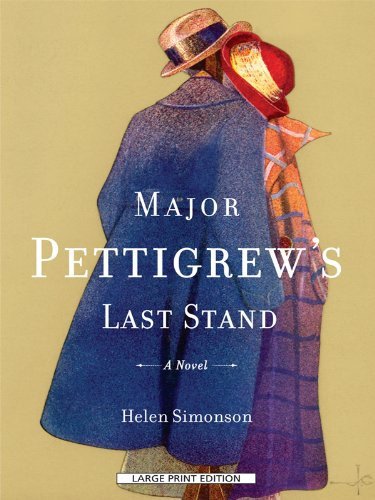
  2. Cover of Major Pettigrew's Last Stand by Helen Simonson

    Cover not available

    Major Pettigrew's Last Stand

    by Helen Simonson

    In the small village of Edgecombe St. Mary in the English countryside lives Major Ernest Pettigrew (retired), the unlikely hero of Helen Simonson's wondrous debut. Wry, courtly, opinionated, and completely endearing, the Major leads a quiet life valuing the proper things that Englishmen have lived by for generations: honor, duty, decorum, and a properly brewed cup of tea. But then his brother's death sparks an unexpected friendship with Mrs. Jasmina Ali, the Pakistani shopkeeper from the village. Drawn together by their shared love of literature and the loss of their spouses, the Major and Mrs. Ali soon find their friendship blossoming into something more. But village society insists on embracing him as the quintessential local and regarding her as the permanent foreigner. Can their relationship survive the risks one takes when pursuing happiness in the face of culture and tradition?

    Why it's similar

    Both books feature a traditional, elderly widower with strict personal principles whose ordered life is upended by an unexpected relationship.

    What's different

    The narrative centers on gentle British village life and explores class and racial prejudice through a cross-cultural romance, without the overt themes of suicide present in Ove.

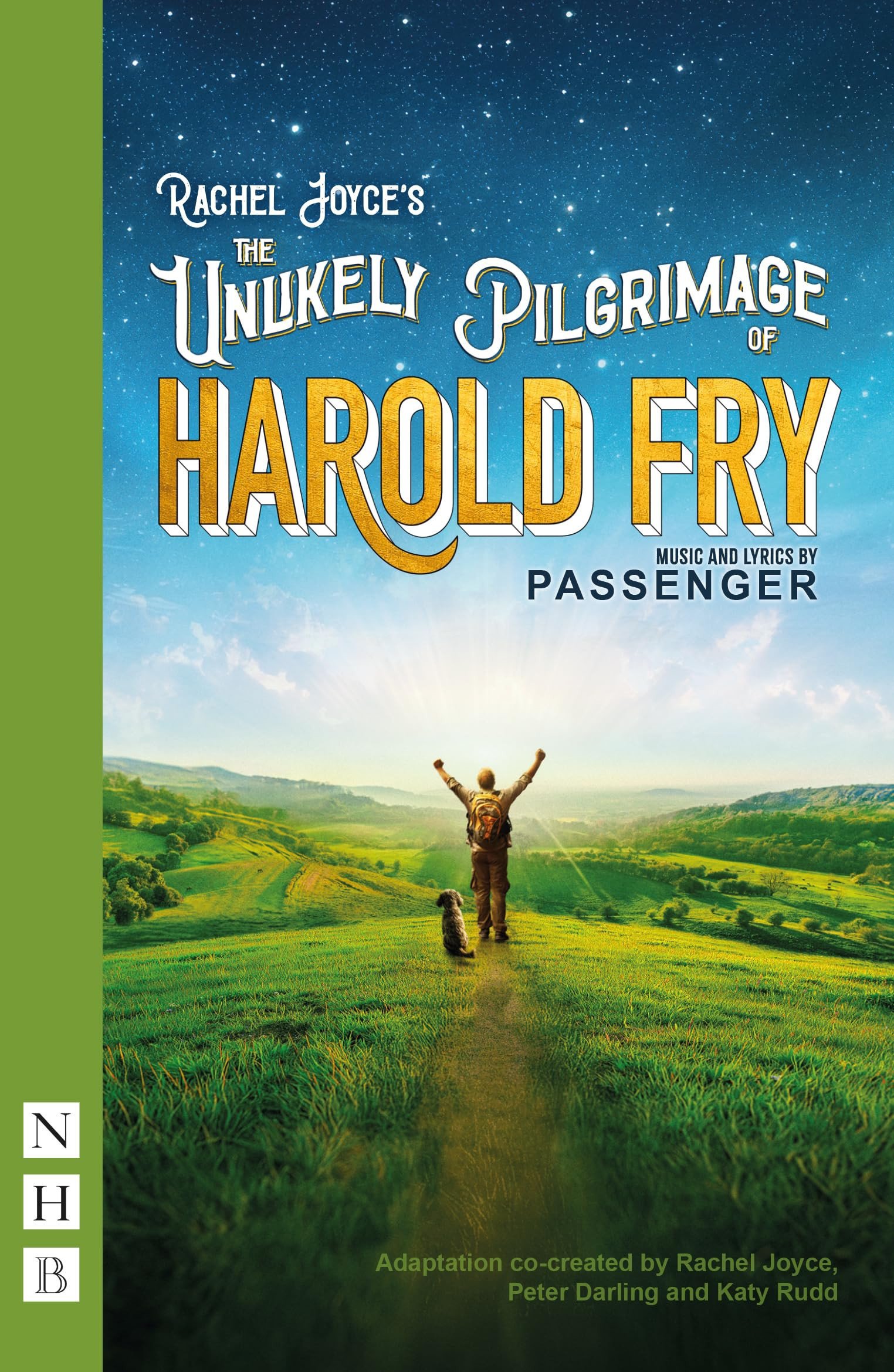
  3. Cover of The Unlikely Pilgrimage of Harold Fry by Rachel Joyce

    Cover not available

    The Unlikely Pilgrimage of Harold Fry

    by Rachel Joyce

    A moving celebration of the human spirit and a reminder it's never too late to start again.

    Harold Fry was never meant to be a hero. He was an ordinary man in an ordinary life until a letter from a long-lost friend sends him out the front door...and he keeps on walking. From Devon's quiet lanes to the windswept streets of Berwick-upon-Tweed, his journey becomes a pilgrimage of love, redemption, and second chances. Strangers turn into companions, kindness appears in unexpected places, and the road reveals more than Harold ever imagined. Back home, his wife Maureen begins her own journey, one that might bring them together again.

    Funny, profound, deeply moving, and uplifting, The Unlikely Pilgrimage of Harold Fry is the joyous new musical adapted by Rachel Joyce from her multi-million-selling novel, with "a ravishing score" (The Times) by chart-topping indie musician Passenger.

    Why it's similar

    Both stories portray an emotionally repressed, elderly man who confronts past guilt, loss, and estrangement through chance encounters with strangers.

    What's different

    Instead of taking place within a fixed residential community, the narrative is structured as an expansive physical walking journey across the English countryside.

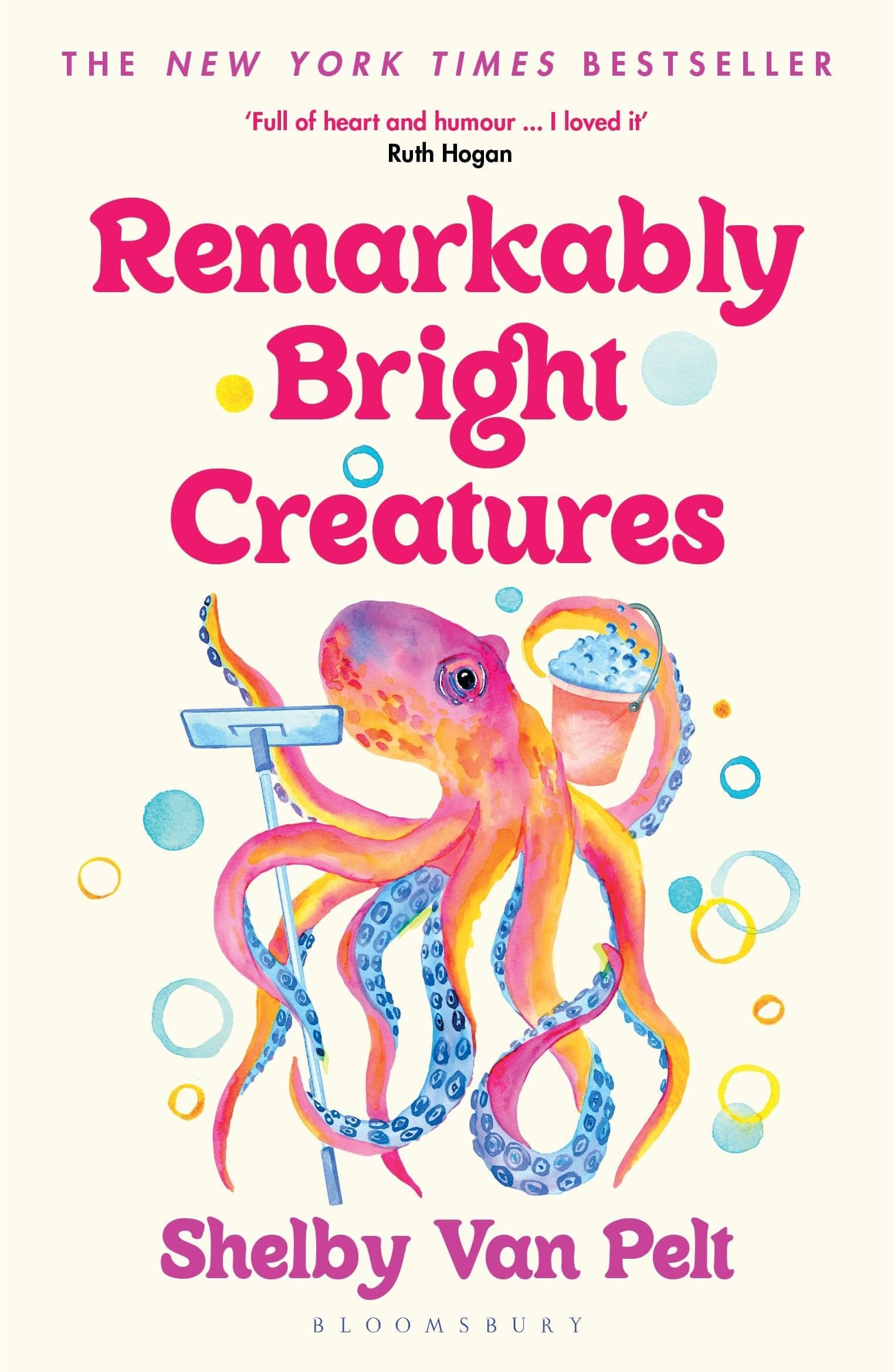
  4. Cover of Remarkably Bright Creatures by Shelby Van Pelt

    Cover not available

    Remarkably Bright Creatures

    by Shelby Van Pelt

    **THE INSTANT NEW YORK TIMES BESTSELLER**
    OVER 1.5 MILLION COPIES SOLD WORLDWIDE
    BBC RADIO 2 BOOK CLUB PICK
    OVER 60,000 5 STAR REVIEWS
    GOOD HOUSEKEEPING BEST BOOKS OF 2022
    GLAMOUR BEST BOOKS OF 2022

    'Remarkably Bright Creatures [is] an ultimately feel-good but deceptively sensitive debut. . . . Memorable and tender.' -- Washington Post
    'Full of heart and humour . . . I loved it.' Ruth Hogan
    'Will stay with you for a long time.' Anstey Harris
    'I defy you to put it down once you've started' Cynthia D'Aprix Sweeney

    After Tova Sullivan's husband died, she began working the night cleaner shift at the Sowell Bay Aquarium. Ever since her eighteen-year-old son, Erik, mysteriously vanished on a boat over thirty years ago keeping busy has helped her cope. One night she meets Marcellus, a giant Pacific octopus living at the aquarium who sees everything, but wouldn't dream of lifting one of his eight arms for his human captors - until he forms a remarkable friendship with Tova.

    Ever the detective, Marcellus deduces what happened the night Tova's son disappeared. And now Marcellus must use every trick his old body can muster to unearth the truth for her before it's too late...

    Shelby Van Pelt's debut novel is a reminder that sometimes taking a hard look at the past can help uncover a future that once felt impossible.

    'You won't be able to put it down because when you're not reading this book you'll be hugging it.' Jamie Ford

    'Truly original and touching' Helen Hoang

    READER REVIEWS
    'I couldn't put it down'
    'Marvelous, heartwarming, brilliant'
    'I enjoyed every second'
    'I was gripped from the first page'
    'Read it, there's no way you won't fall in love with Marcellus the octopus!'
    'Goodness me, what a unique and wonderful book.'

    Why it's similar

    Both books follow an elderly, fiercely stoic protagonist dealing with profound grief and isolation who finds renewed purpose through connection with others.

    What's different

    This novel incorporates multiple perspectives, including chapters narrated by an intelligent giant Pacific octopus, and revolves around solving a decades-old family mystery.

  5. Cover of The 100-Year-Old Man Who Climbed Out the Window and Disappeared by Jonas Jonasson

    Cover not available

    The 100-Year-Old Man Who Climbed Out the Window and Disappeared

    by Jonas Jonasson

    The international publishing sensation--over two million copies sold

    A reluctant centenarian much like Forrest Gump (if Gump were an explosives expert with a fondness for vodka) decides it’s not too late to start over...

    After a long and eventful life, Allan Karlsson ends up in a nursing home, believing it to be his last stop. The only problem is that he's still in good health, and in one day, he turns 100. A big celebration is in the works, but Allan really isn't interested (and he'd like a bit more control over his vodka consumption). So he decides to escape. He climbs out the window in his slippers and embarks on a hilarious and entirely unexpected journey, involving, among other surprises, a suitcase stuffed with cash, some unpleasant criminals, a friendly hot-dog stand operator, and an elephant (not to mention a death by elephant).

    It would be the adventure of a lifetime for anyone else, but Allan has a larger-than-life backstory: Not only has he witnessed some of the most important events of the twentieth century, but he has actually played a key role in them. Starting out in munitions as a boy, he somehow finds himself involved in many of the key explosions of the twentieth century and travels the world, sharing meals and more with everyone from Stalin, Churchill, and Truman to Mao, Franco, and de Gaulle. Quirky and utterly unique, The 100-Year-Old Man Who Climbed Out the Window and Disappeared has charmed readers across the world.

    Why it's similar

    Each features an elderly protagonist who upends expectations, using deadpan humor and gentle irony to explore aging, loneliness, and the surprising impact one person can have on others.

    What's different

    Jonasson’s book leans much more heavily into absurd, farcical adventures and broad satire spanning global historical events, making it more madcap and less grounded than Ove’s intimate, realistic neighborhood story.

Looking for something else?

Use our book recommendation tool to discover books similar to any of your favorites.

Find similar books with LibroMatch