Cover not available
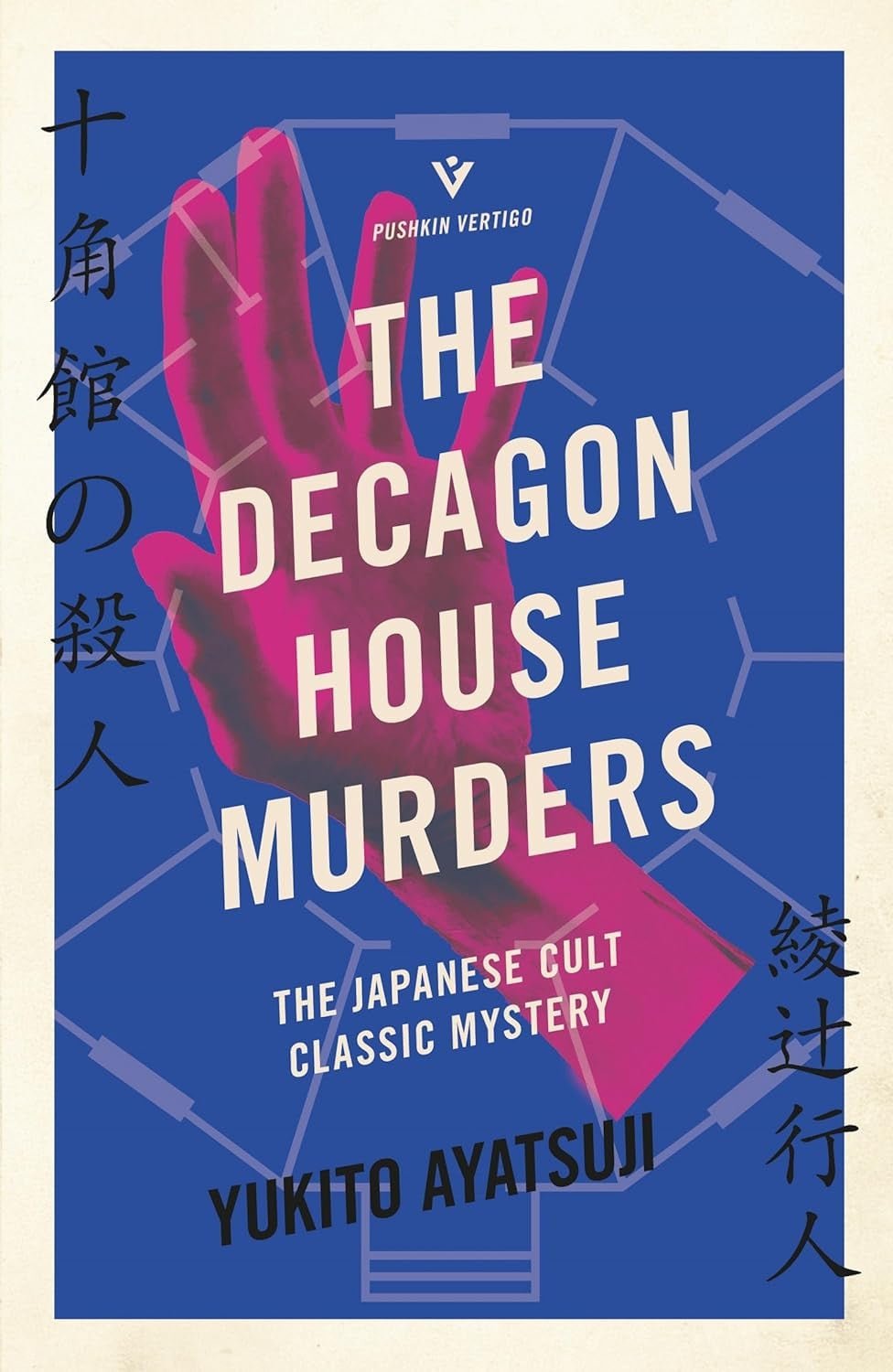
The Decagon House Murders
"Ayatsuji's brilliant and richly atmospheric puzzle will appeal to fans of golden age whodunits... Every word counts, leading up to a jaw-dropping but logical reveal" — Publishers Weekly
A hugely enjoyable, page-turning murder mystery sure to appeal to fans of Elly Griffiths, Anthony Horowitz, and Agatha Christie, with one of the best and most-satisfying conclusions you'll ever read. A classic in Japan, available in English for the first time.
From The New York Times Book Review:
"Read Yukito Ayatsuji’s landmark mystery, The Decagon House Murders, and discover a real depth of feeling beneath the fiendish foul play.
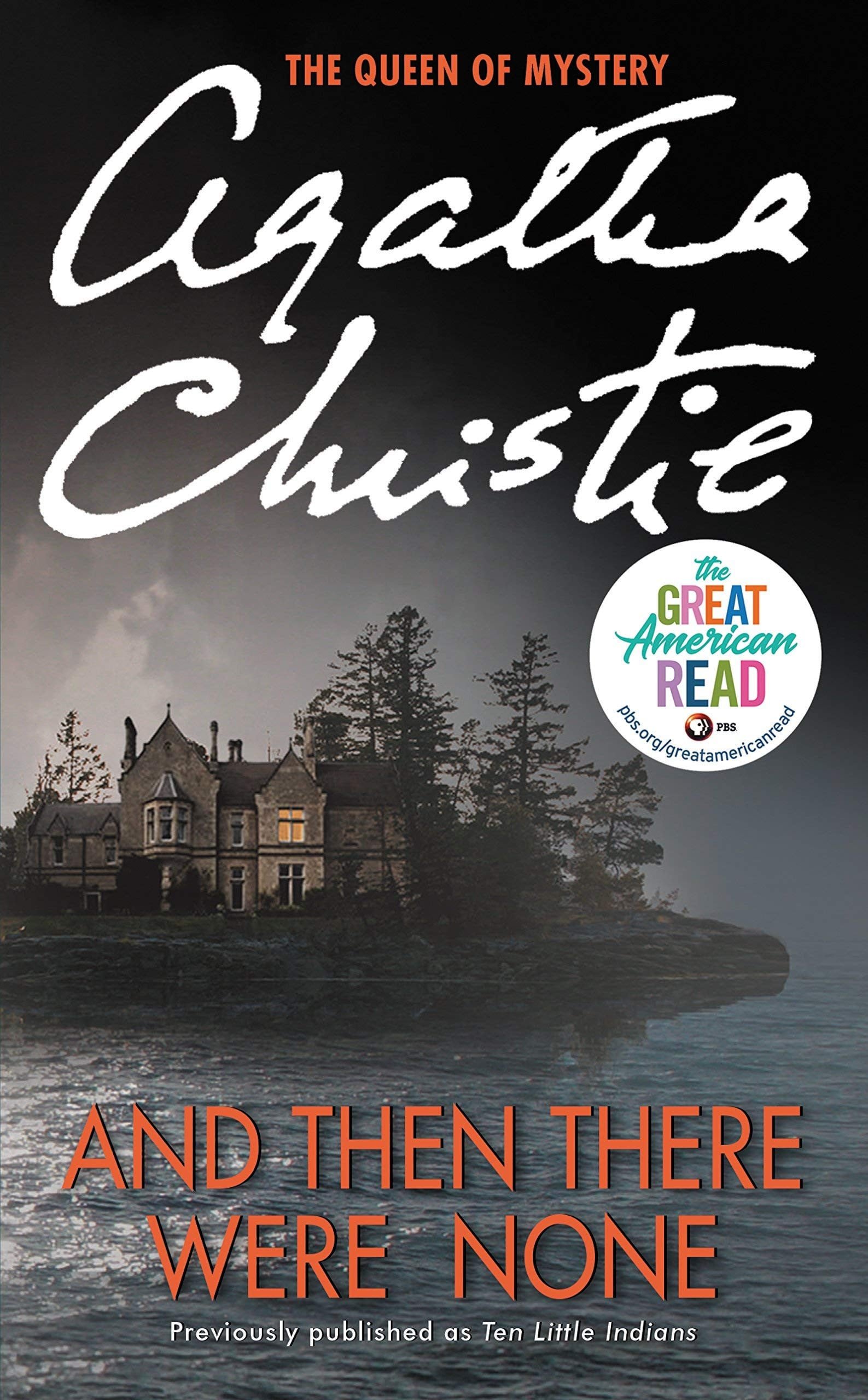
Taking its cues from Agatha Christie’s locked-room classic And Then There Were None, the setup is this: The members of a university detective-fiction club, each nicknamed for a favorite crime writer (Poe, Carr, Orczy, Van Queen, Leroux and — yes — Christie), spend a week on remote Tsunojima Island, attracted to the place, and its eerie 10-sided house, because of a spate of murders that transpired the year before. That collective curiosity will, of course, be their undoing.
As the students approach Tsunojima in a hired fishing boat, 'the sunlight shining down turned the rippling waves to silver. The island lay ahead of them, wrapped in a misty veil of dust,' its sheer, dark cliffs rising straight out of the sea, accessible by one small inlet. There is no electricity on the island, and no telephones, either.
A fresh round of violent deaths begins, and Ayatsuji’s skillful, furious pacing propels the narrative. As the students are picked off one by one, he weaves in the story of the mainland investigation of the earlier murders. This is a homage to Golden Age detective fiction, but it’s also unabashed entertainment."
Why it's similar
Like Christie's novel, it features a group of individuals trapped on an isolated island who are systematically murdered one by one by an unknown killer among them. Both works are closed-circle whodunits centered on deception, isolation, and retribution for past sins.
What's different
Ayatsuji's novel is written in the Japanese 'shin honkaku' tradition, emphasizing fair-play logical puzzle-solving and meta-fictional elements over psychological dread.