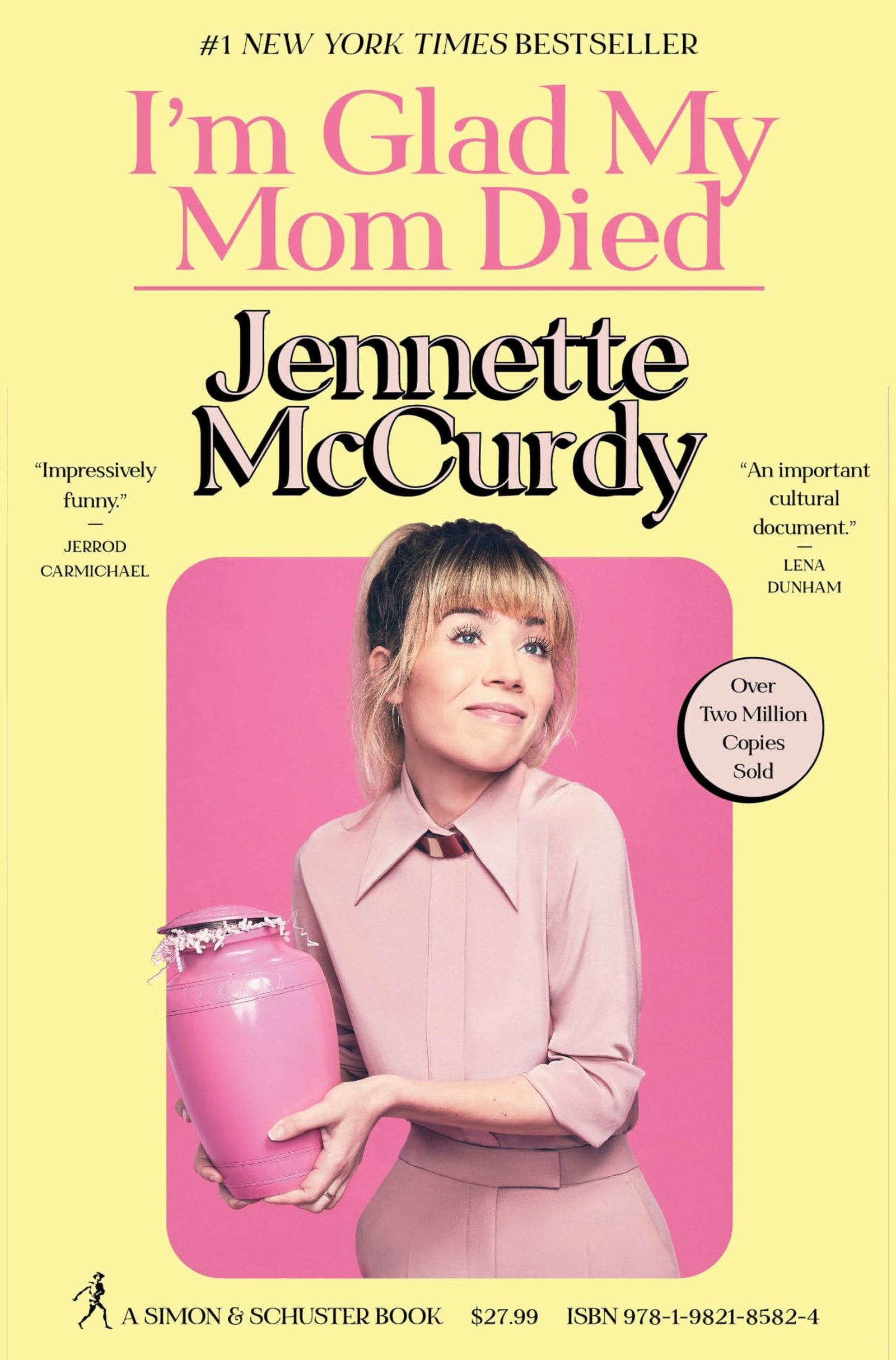
Cover of I'm Glad My Mom Died by Jennette McCurdy

6 book recommendations

Books Like “I'm Glad My Mom Died” by Jennette McCurdy

Jennette McCurdy captivated millions with her fearless honesty, dark humor, and piercing exploration of complicated family trauma. If you loved her candid voice and hard-won path toward healing, you are in the right place. Dive into these powerful memoirs to discover your next deeply resonant, unforgettable read.

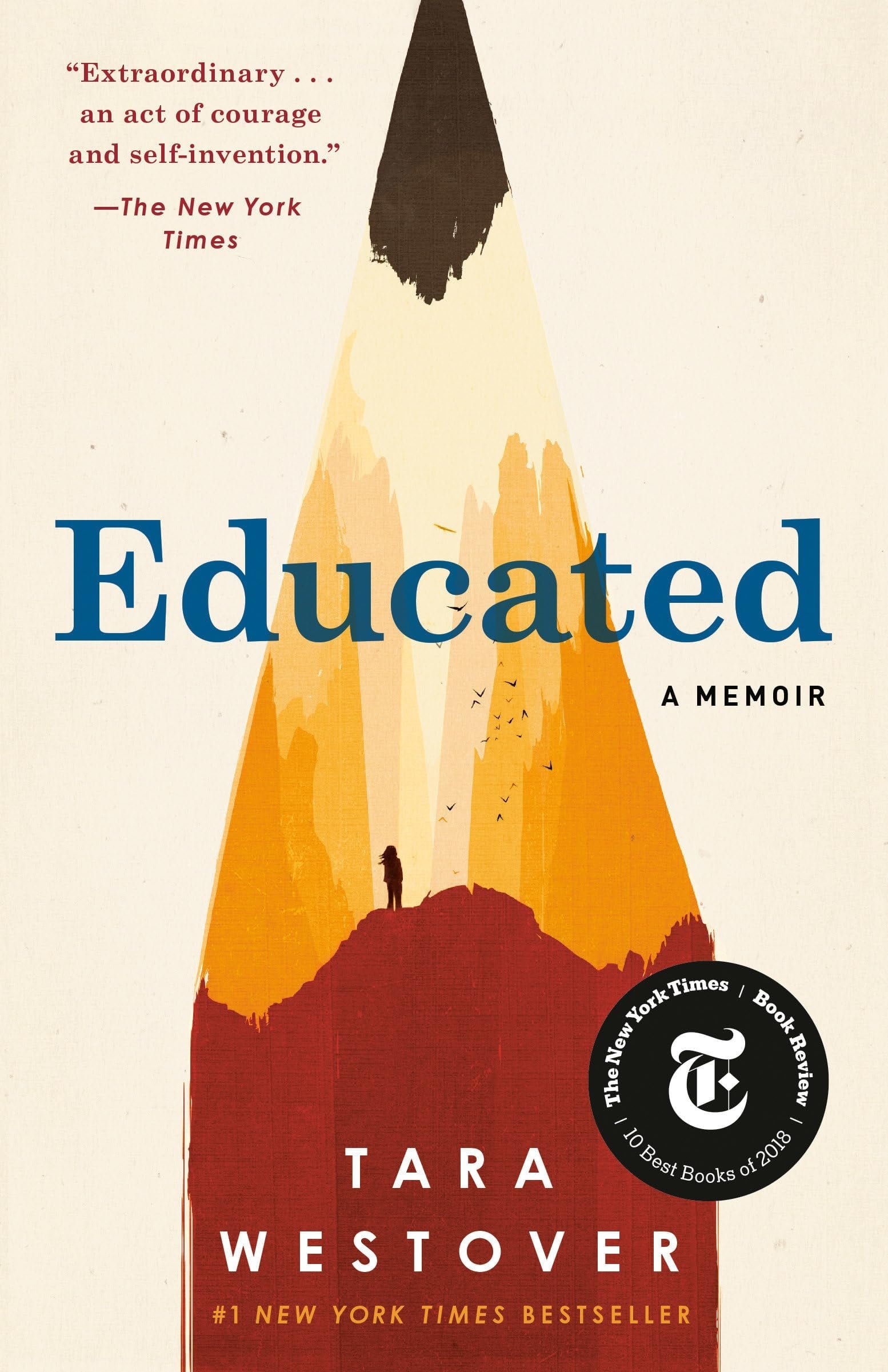
  1. Cover of Educated by Tara Westover

    Cover not available

    Educated

    by Tara Westover

    #1 NEW YORK TIMES, WALL STREET JOURNAL, AND BOSTON GLOBE BESTSELLER • One of the most acclaimed books of our time: an unforgettable memoir about a young woman who, kept out of school, leaves her survivalist family and goes on to earn a PhD from Cambridge University

    “Extraordinary . . . an act of courage and self-invention.”—The New York Times

    NAMED ONE OF THE TEN BEST BOOKS OF THE YEAR BY THE NEW YORK TIMES BOOK REVIEW • ONE OF PRESIDENT BARACK OBAMA’S FAVORITE BOOKS OF THE YEAR • BILL GATES’S HOLIDAY READING LIST • A KIRKUS REVIEWS BEST NONFICTION BOOK OF THE CENTURY • FINALIST: National Book Critics Circle’s Award In Autobiography and John Leonard Prize For Best First Book • PEN/Jean Stein Book Award • Los Angeles Times Book Prize

    Born to survivalists in the mountains of Idaho, Tara Westover was seventeen the first time she set foot in a classroom. Her family was so isolated from mainstream society that there was no one to ensure the children received an education, and no one to intervene when one of Tara’s older brothers became violent. When another brother got himself into college, Tara decided to try a new kind of life. Her quest for knowledge transformed her, taking her over oceans and across continents, to Harvard and to Cambridge University. Only then would she wonder if she’d traveled too far, if there was still a way home.

    “Beautiful and propulsive . . . Despite the singularity of [Westover’s] childhood, the questions her book poses are universal: How much of ourselves should we give to those we love? And how much must we betray them to grow up?”—Vogue

    Why it's similar

    Both memoirs explore the psychological toll of growing up under an abusive, controlling parent and detail the painful process of breaking away to achieve individuation. Each author confronts severe family dysfunction that was normalized during childhood.

    What's different

    Westover's memoir focuses on survivalism, religious isolation, and the transformative power of formal education, rather than the pressures of child stardom and disordered eating.
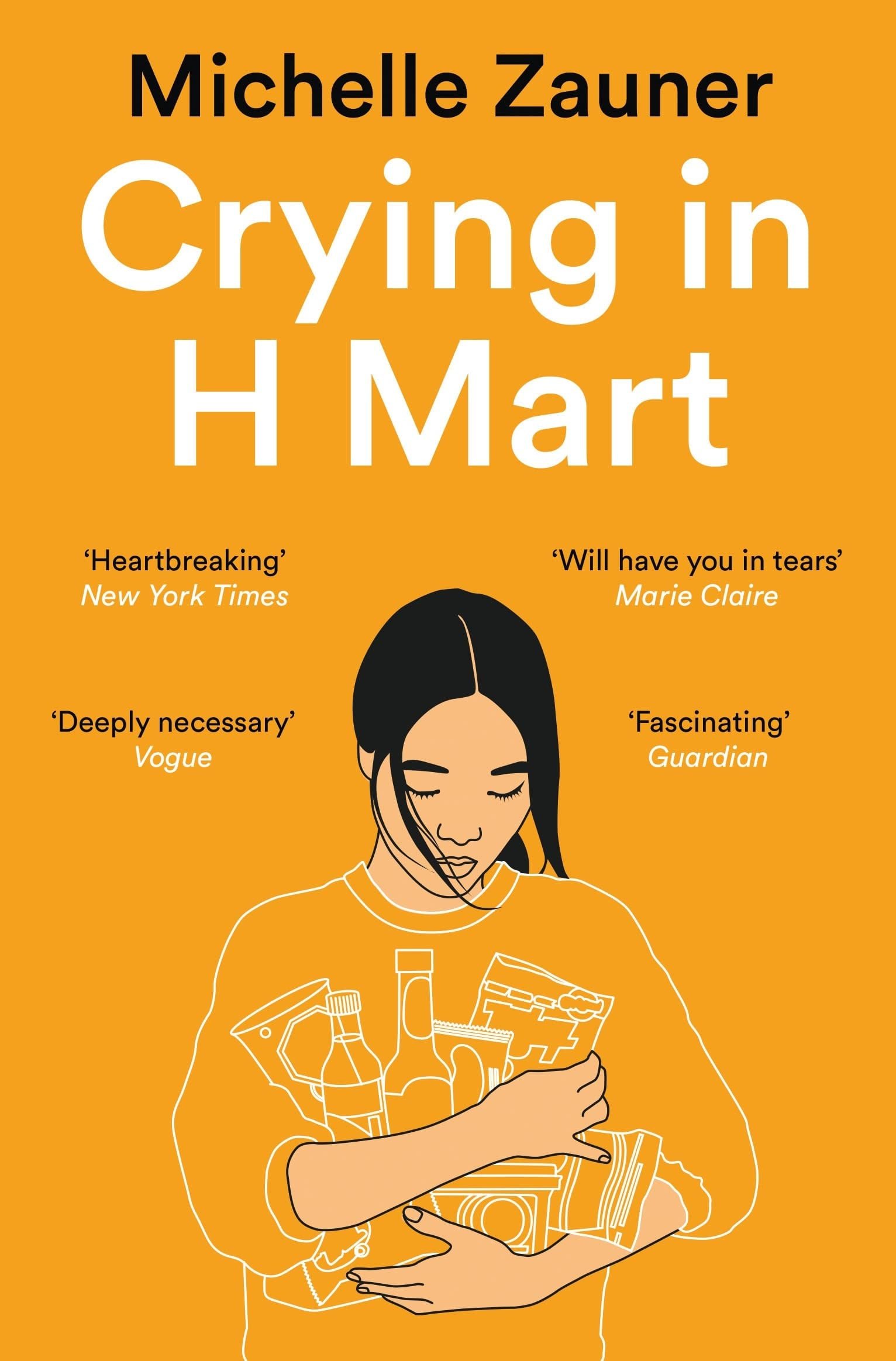
  2. Cover of Crying in H Mart by Michelle Zauner

    Cover not available

    Crying in H Mart

    by Michelle Zauner

    From the indie rockstar Japanese Breakfast, an unflinching, deeply moving memoir about growing up dual-heritage, Korean food, losing her Korean mother, and forging her own identity.

    'I bawled my eyes out, but I also loved it and I hope you do too' - Dua Lipa
    'Incredible . . . So, so emotional' - Natalie Portman
    'Crying In H Mart destroyed me . . . It's fantastic' - Olivia Rodrigo

    In this story of family and food, grief and joy, Michelle Zauner proves herself far more than a dazzling singer, songwriter and guitarist. With humour and heart, she tells of growing up the only Asian-American kid at her school; of struggling with her mother's expectations of her; of a painful adolescence; and of treasured months spent in her grandmother's tiny apartment in Seoul, where she and her mother would bond, late at night, over heaped plates of food. But, as she grew up, her Koreanness began to feel ever more distant, even as she found the life she wanted to live.

    It was her mother's diagnosis of terminal pancreatic cancer, when Michelle was twenty-five, that forced a reckoning with her identity and brought her to reclaim the gifts of taste, language, and history her mother had given her.

    Vivacious and honest, Michelle Zauner's voice is as alive on the page as it is onstage. Rich with intimate anecdotes, Crying in H Mart is a book to cherish, share and reread.

    What readers are saying about Crying in H Mart:
    'I recommend this for anyone who likes memoirs, food, and who's ever felt lonely' (*****)
    'I was captivated by this coming-of-age story which resonated with mine and other friends' stories' (*****)
    'A must for people looking to be hooked in memories that span between joy, sadness and love' (*****)

    Why it's similar

    Both books are candid memoirs about the death of a mother from cancer and the complex, fraught maternal relationships that shaped the authors' identities. Each explores how maternal expectations and critique profoundly affected their self-image.

    What's different

    Zauner's narrative centers on grief, reconciliation, and reconnecting with her Korean heritage through food, whereas McCurdy's focus is on liberating herself from overt emotional abuse, exploitation, and trauma.

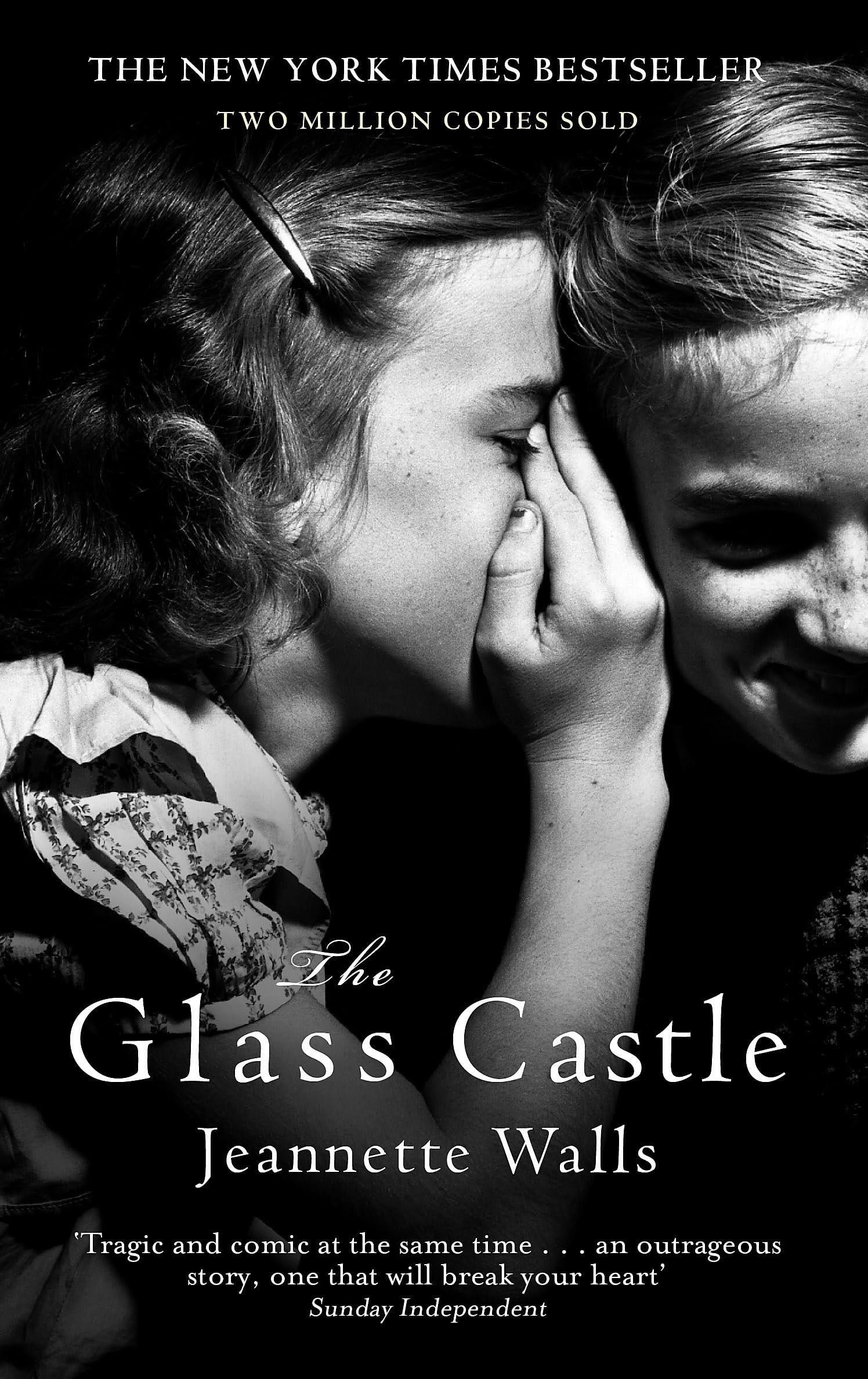
  3. Cover of The Glass Castle by Jeannette Walls

    Cover not available

    The Glass Castle

    by Jeannette Walls

    This is a memoir of a successful journalist's journey from the deserted and dusty mining towns of the American Southwest, to an antique filled apartment on Park Avenue. Jeannette Walls narrates her nomadic and adventurous childhood with her dreaming, 'brilliant' but alcoholic parents.

    Why it's similar

    Both memoirs feature a young protagonist forced to parent themselves while navigating chaotic, emotionally manipulative family dynamics with darkly humorous, clear-eyed narration. Each illustrates the tension between filial loyalty and self-preservation.

    What's different

    Walls recounts an impoverished, nomadic lifestyle shaped by eccentric and neglectful parents, whereas McCurdy depicts an overbearing stage mother exerting hyper-control within the entertainment industry.

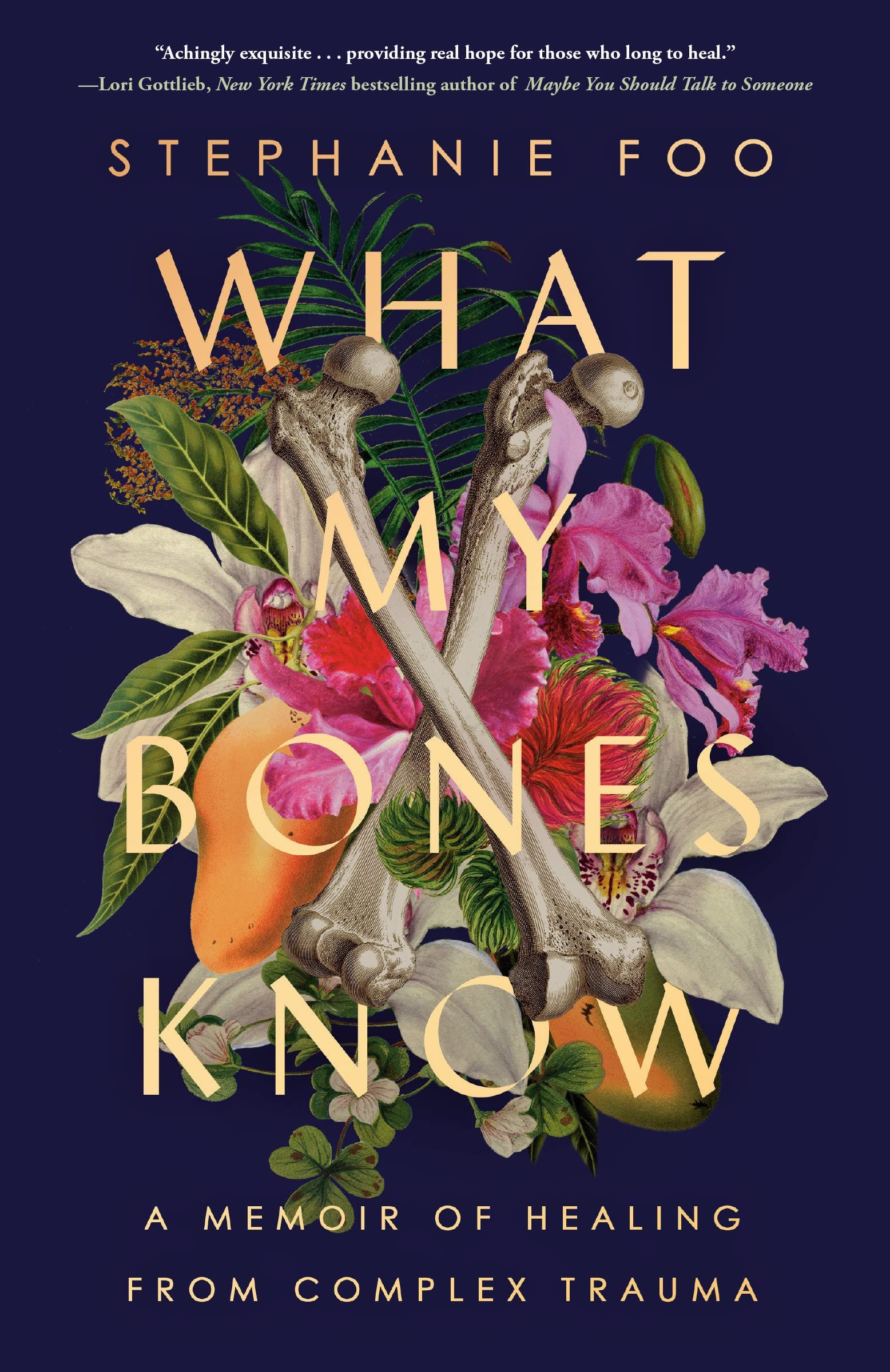
  4. Cover of What My Bones Know: A Memoir of Healing from Complex Trauma by Stephanie Foo

    Cover not available

    What My Bones Know: A Memoir of Healing from Complex Trauma

    by Stephanie Foo

    NEW YORK TIMES BESTSELLER • A searing memoir of reckoning and healing by acclaimed journalist Stephanie Foo, investigating the little-understood science behind complex PTSD and how it has shaped her life

    “Achingly exquisite . . . providing real hope for those who long to heal.”—Lori Gottlieb, New York Times bestselling author of Maybe You Should Talk to Someone

    By age thirty, Stephanie Foo was successful on paper: She had her dream job as an award-winning radio producer at This American Life and a loving boyfriend. But behind her office door, she was having panic attacks and sobbing at her desk every morning. After years of questioning what was wrong with herself, she was diagnosed with complex PTSD—a condition that occurs when trauma happens continuously, over the course of years.

    Both of Foo’s parents abandoned her when she was a teenager, after years of physical and verbal abuse and neglect. She thought she’d moved on, but her new diagnosis illuminated the way her past continued to threaten her health, relationships, and career. She found limited resources to help her, so Foo set out to heal herself, and to map her experiences onto the scarce literature about C-PTSD.

    In this deeply personal and thoroughly researched account, Foo interviews scientists and psychologists and tries a variety of innovative therapies. She returns to her hometown of San Jose, California, to investigate the effects of immigrant trauma on the community, and she uncovers family secrets in the country of her birth, Malaysia, to learn how trauma can be inherited through generations. Ultimately, she discovers that you don’t move on from trauma—but you can learn to move with it.

    Powerful, enlightening, and hopeful, What My Bones Know is a brave narrative that reckons with the hold of the past over the present, the mind over the body—and examines one woman’s ability to reclaim agency from her trauma.

    Why it's similar

    Both works confront severe childhood emotional and physical abuse, tracing the author's path toward recognizing and recovering from Complex PTSD. Each uses a raw, conversational voice to demystify mental health recovery.

    What's different

    Foo integrates scientific research, psychology interviews, and therapeutic reporting alongside her personal history, making her book an investigative study of trauma in addition to a personal memoir.

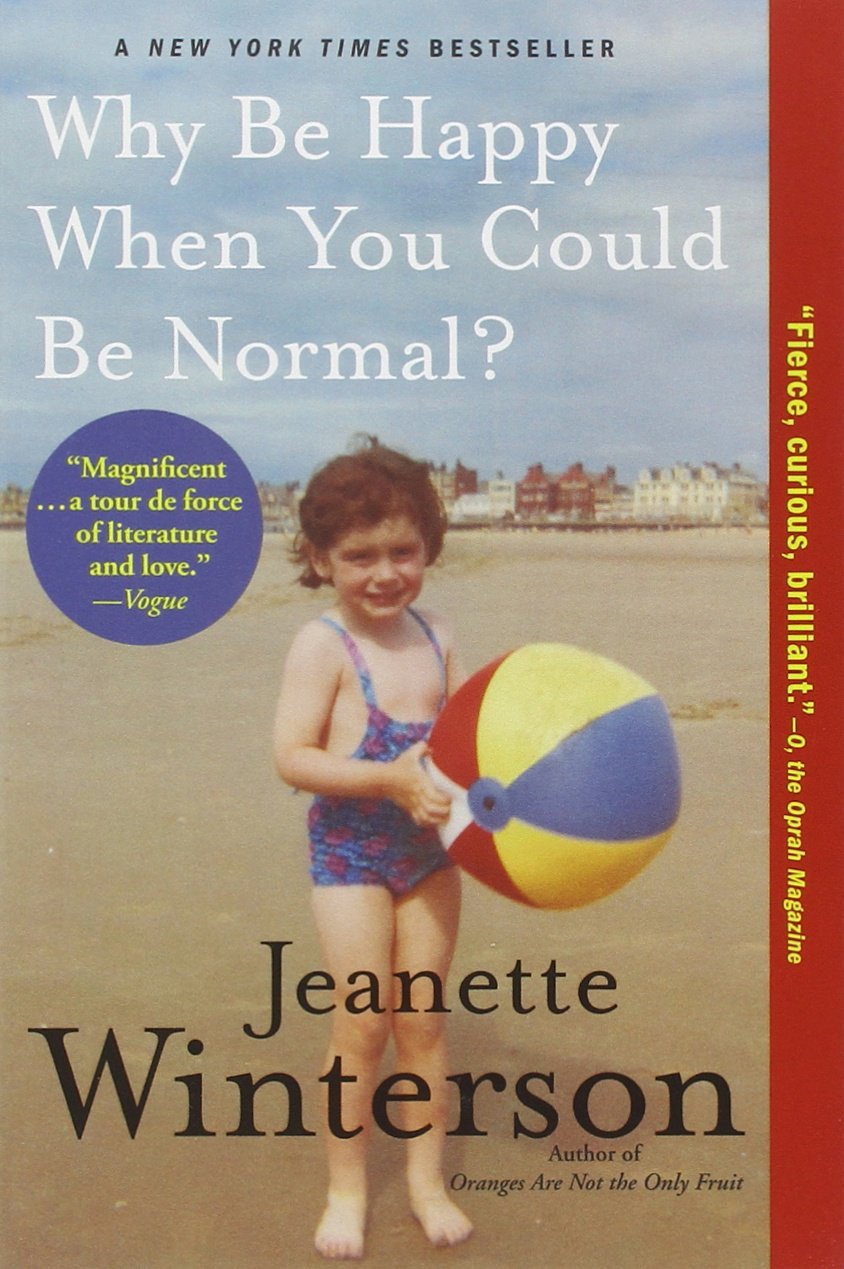
  5. Cover of Why Be Happy When You Could Be Normal? by Jeanette Winterson

    Cover not available

    Why Be Happy When You Could Be Normal?

    by Jeanette Winterson

    "Magnificent . . . A tour de force of literature and love."--Vogue

    "Why Be Happy When You Could Be Normal? is raucous. It hums with a dark refulgence from its first pages. . . . Singular and electric . . . [Winterson's] life with her adoptive parents was often appalling, but it made her the writer she is."--The New York Times

    "[Winterson is] one of the most daring and inventive writers of our time--searingly honest yet effortlessly lithe as she slides between forms, exuberant and unerring, demanding emotional and intellectual expansion of herself and of us. . . . In Why Be Happy,, [Winterson's] emotional life is laid bare . . . [in] a bravely frank narrative of truly coming undone. For someone in love with disguises, Winterson's openness is all the more moving; there's nothing left to hide, and nothing left to hide behind."--Elle

    Jeanette Winterson's bold and revelatory novels have earned her widespread acclaim, establishing her as a major figure in world literature. She has written some of the most admired books of the past few decades, including her internationally best-selling first novel, Oranges Are Not the Only Fruit, the story of a young girl adopted by Pentecostal parents, that is now often required reading in contemporary fiction classes.

    Why Be Happy When You Could Be Normal? is a memoir about a life's work to find happiness. It is a book full of stories: about a girl locked out of her home, sitting on the doorstep all night; about a religious zealot disguised as a mother who has two sets of false teeth and a revolver in the dresser, waiting for Armageddon; about growing up in a north England industrial town now changed beyond recognition; about the universe as a cosmic dustbin. It is the story of how a painful past, which Winterson thought she had written over and repainted, rose to haunt her later in life, sending her on a journey into madness and out again, in search of her biological mother. It is also a book about other people's literature, one that shows how fiction and poetry can form a string of guiding lights, a life raft that supports us when we are sinking.

    Witty, acute, fierce, and celebratory, Why Be Happy When You Could Be Normal? is a tough-minded search for belonging--for love, identity, home, and a mother.

    Why it's similar

    Winterson, like McCurdy, recounts an abusive mother–daughter relationship, the impact of a controlling parent on mental health, and the painful process of breaking free using a darkly humorous, raw memoir style.

    What's different

    Winterson’s prose is more literary and reflective, with broader meditations on love, art, and language, and a less pop-culture-focused backdrop than McCurdy’s Hollywood setting.

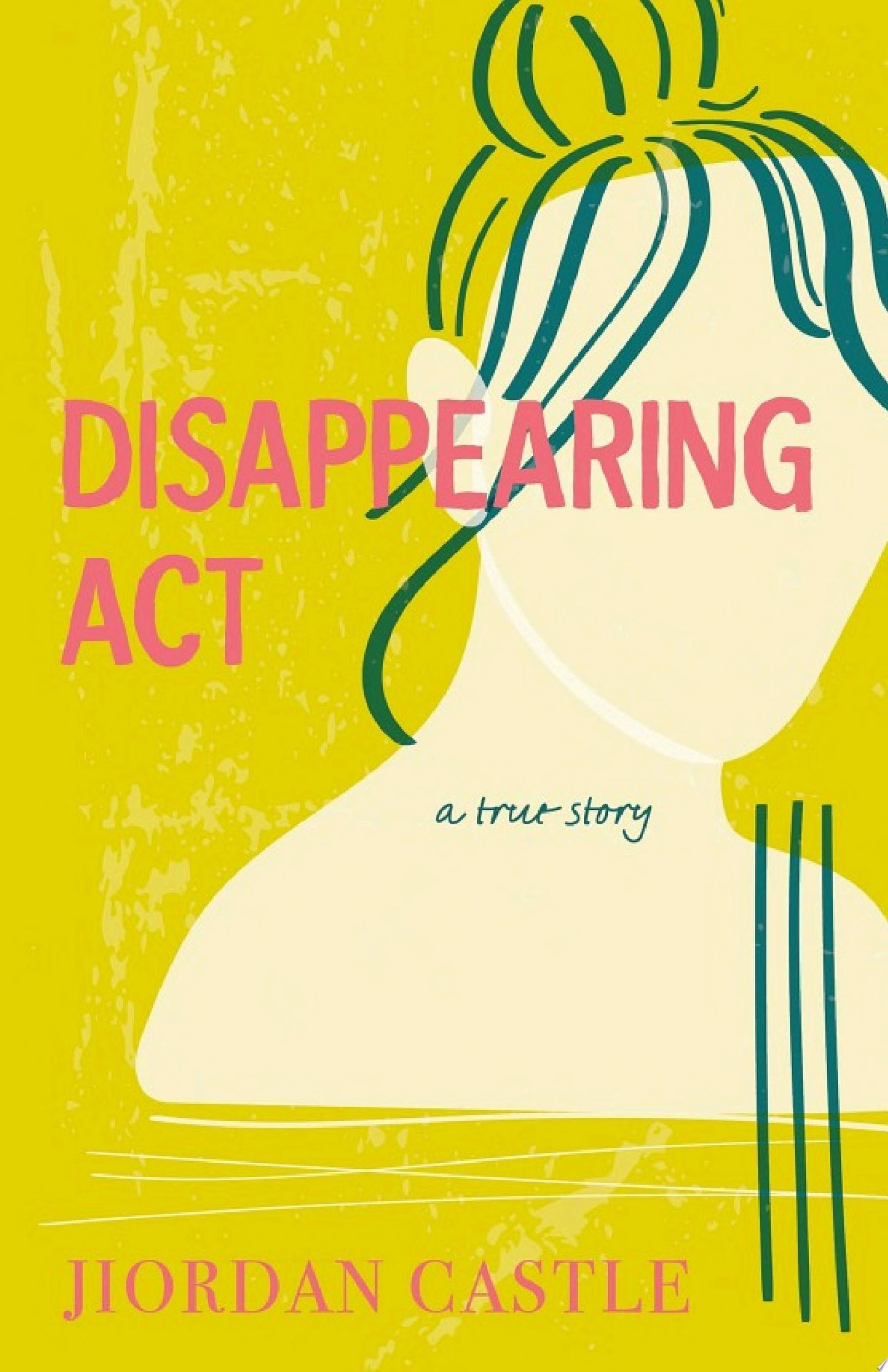
  6. Cover of Disappearing Act: A Memoir by Jiordan Castle

    Cover not available

    Disappearing Act: A Memoir

    by Jiordan Castle

    Moving and evocative, Disappearing Act is a YA true-story-in-verse following author Jiordan Castle's coming of age as her family reckons with the aftershocks of her father's imprisonment. It was the summer before high school, the beginning of everything. But also an end. Jiordan's family was never quite like everyone else's, with her father's mood swings, her mother's attempts at normalcy, and her two older sisters with a different last name. But on the surface, they fit in. Until the day the FBI came knocking on the door. After that, her father's mood plunged to a dangerous new low. After that, there was an investigation into his business and a sentencing in court. Soon Jiordan's father would have to leave home, and her family would change forever. Reckoning with the aftershocks of her father's incarceration, Jiordan had to navigate friends who couldn't quite understand what she was going through, along with the highs and lows of first love. Under it all was the question: If Jiordan's father was gone, why did she feel like the one who was disappearing? Recounting her own experiences as a teenager, poet Jiordan Castle has created a searing and evocative young adult true-story-in-verse about the challenge to be free when a parent is behind bars.

    Why it's similar

    Both books are coming-of-age memoirs that examine trauma, secrecy, and complicated family dynamics, showing a teenager navigating shame and confusion while trying to understand and survive her parents’ choices.

    What's different

    Castle’s memoir centers on the fallout from her father’s imprisonment rather than life as a child star, and uses a slightly quieter, more introspective tone than McCurdy’s sharply comedic voice.

Looking for something else?

Use our book recommendation tool to discover books similar to any of your favorites.

Find similar books with LibroMatch